
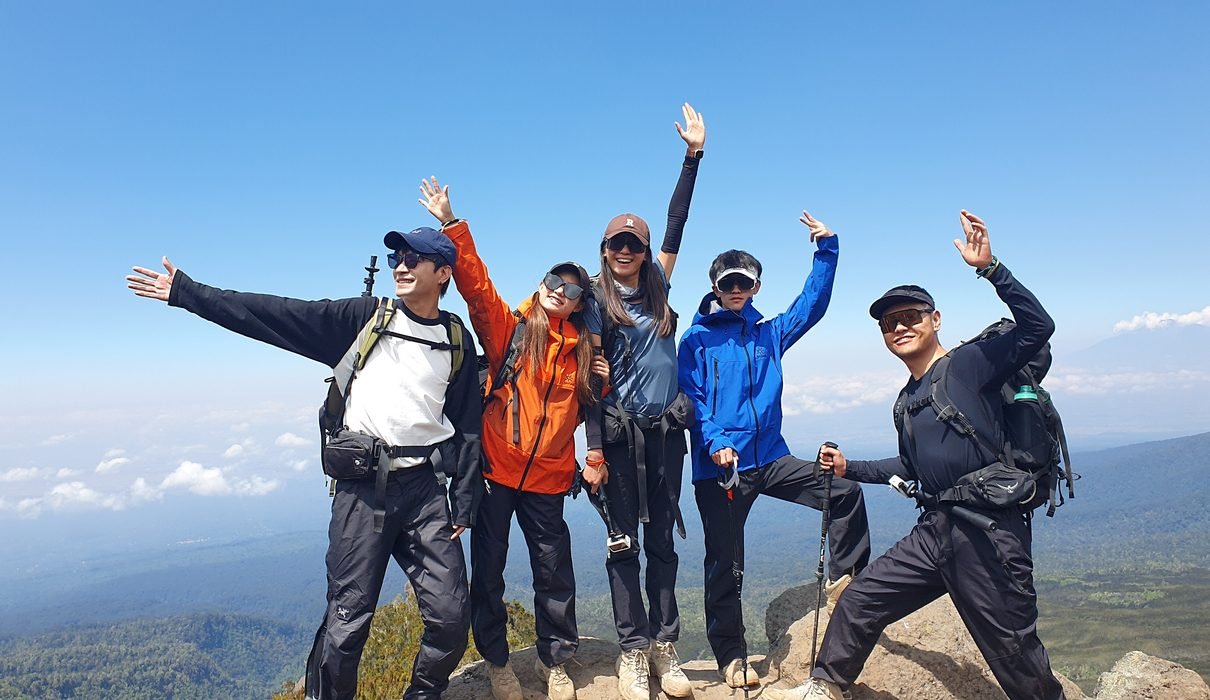
The 6 Days Marangu Route Kilimanjaro Climb is one of the most established ways to reach the summit of Mount Kilimanjaro in Tanzania. Known as the classic hut route, Marangu follows the mountain’s southeastern slopes through tropical rainforest, open moorland, alpine desert and the cold summit zone before reaching Uhuru Peak at 5,895 metres above sea level. It is particularly popular with travellers who prefer sleeping in permanent mountain huts rather than camping in tents throughout their climb.
Unlike the shorter five-day Marangu itinerary, the six-day programme includes an additional acclimatisation day at Horombo Hut. This extra day allows climbers to spend more time adjusting to the reduced oxygen levels before continuing towards Kibo Hut and attempting the summit. Although no Kilimanjaro route can guarantee a successful or risk-free climb, choosing an itinerary with more time for acclimatisation is an important part of responsible mountain planning.
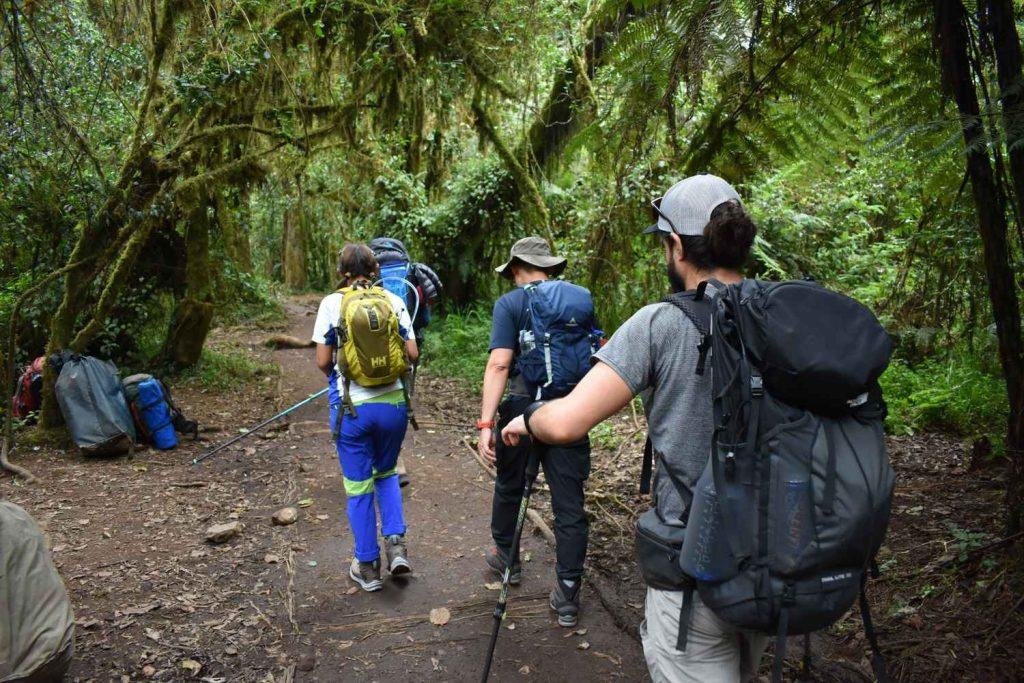
At Eddy Tours & Safaris, we arrange guided Kilimanjaro climbing expeditions for solo travellers, couples, friends and private groups. Our six-day Marangu programme combines experienced local mountain crews, organised hut accommodation, meals, park arrangements and a practical climbing schedule. The route is suitable for reasonably fit trekkers who understand the demands of high-altitude hiking and want to experience Kilimanjaro’s traditional climbing trail.
6 Days Marangu Route Kilimanjaro Climbing Overview
| Package Details | Information |
|---|---|
| Tour name | 6 Days Marangu Route Kilimanjaro Climb |
| Destination | Mount Kilimanjaro, Tanzania |
| Duration | 6 days and 5 nights |
| Starting point | Marangu Gate |
| Finishing point | Marangu Gate |
| Highest point | Uhuru Peak, 5,895 metres |
| Accommodation | Shared mountain huts |
| Main huts | Mandara, Horombo and Kibo |
| Difficulty | Challenging |
| Acclimatisation | One additional day at Horombo |
| Tour type | Guided mountain trekking |
| Departure | Private and arranged group climbs |
| Price | From USD 1,390 per person, subject to quotation |
The Marangu Route covers approximately 70–75 kilometres, depending on the acclimatisation walk and the precise trail sections used. The route follows the same general corridor during ascent and descent, allowing climbers to become familiar with the terrain as they progress. The first two days involve relatively manageable walking, but the journey becomes significantly more demanding above Horombo Hut, particularly during the long summit attempt.
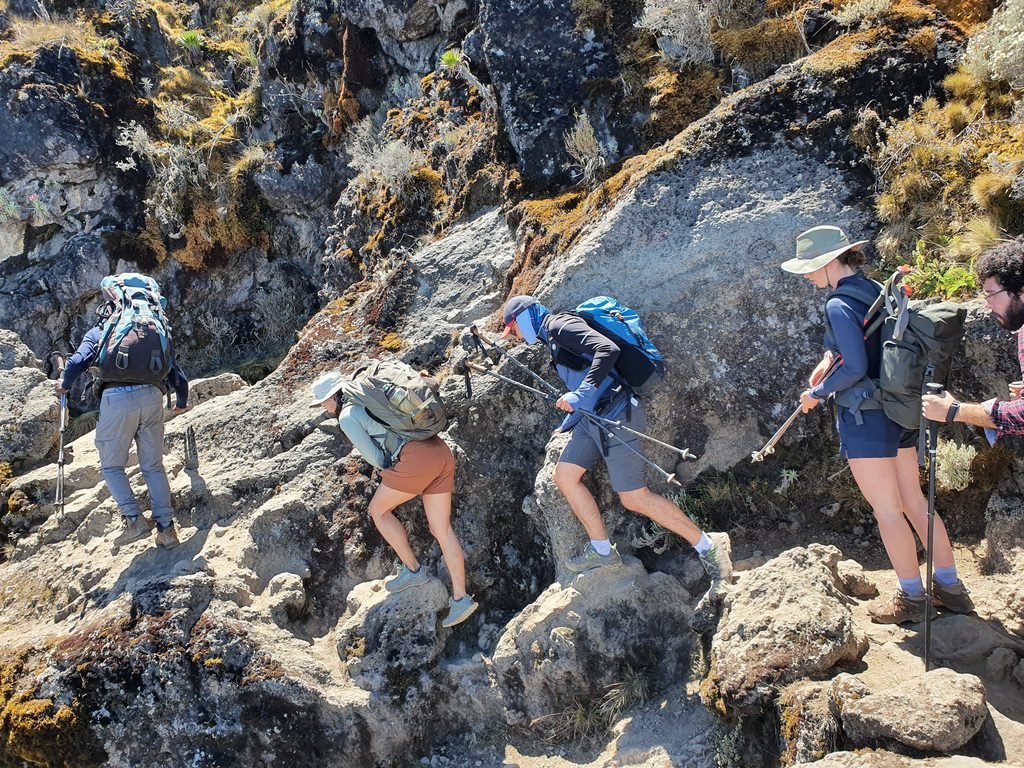
7 Reasons to Choose the 6 Days Marangu Route for Kilimanjaro Climbing
1. Permanent Mountain Huts Instead of Camping Tents
One of the main reasons travellers choose the Marangu Route is the availability of permanent accommodation along the trail. Marangu is the only established Kilimanjaro climbing route that uses mountain huts for the overnight stays rather than requiring climbers to sleep in tents. These huts provide a solid roof, sleeping bunks and shared facilities, which many travellers appreciate after spending several hours walking in changing mountain weather.
Accommodation is provided at Mandara Hut, Horombo Hut and Kibo Hut. The facilities are basic and generally shared with other climbers, so visitors should not expect hotel-style rooms, heating or private bathrooms. Nevertheless, the huts provide useful shelter from rain and wind, and climbers do not need to worry about sleeping directly inside a tent during cold nights. A suitable sleeping bag is still essential because temperatures can fall considerably at higher elevations.
2. An Additional Day to Help Your Body Adjust to Altitude
The six-day Marangu itinerary includes an acclimatisation day at Horombo Hut, approximately 3,720 metres above sea level. This is an important difference between the five-day and six-day programmes because altitude becomes a major concern as climbers move higher up Kilimanjaro. The extra day provides an opportunity to undertake a controlled walk towards Zebra Rocks or the lower slopes of Mawenzi before returning to Horombo Hut for another night’s sleep.
During this day, climbers follow the principle of walking to a higher elevation and returning to sleep lower down. The additional time may help the body adapt, although altitude sickness can still affect anyone regardless of age, fitness or previous trekking experience. Guides should monitor symptoms carefully, and anyone developing concerning symptoms must follow medical and descent advice rather than continuing simply to reach the summit.
3. A Well-Established Trail with Clear Mountain Stages
The Marangu Route has been used by Kilimanjaro climbers for many years and remains one of the mountain’s most recognised trails. The path begins at Marangu Gate, passes through forest and moorland, continues across the Saddle between Mawenzi and Kibo, and eventually reaches the summit through Gilman’s Point. The route is generally easy to follow with a professional guide, particularly during the earlier stages of the expedition.
However, a well-established trail should not be confused with an easy mountain climb. The final ascent involves steep volcanic scree, freezing temperatures, darkness and considerable physical effort. Travellers should prepare for difficult walking conditions, especially during summit night. The main advantage of Marangu is its organised trail structure and established accommodation facilities rather than any guarantee that the climb will be easier than other routes.
4. A Chance to Experience Kilimanjaro’s Different Vegetation Zones
The Marangu Route takes climbers through several of Mount Kilimanjaro’s distinctive natural environments. The lower slopes are covered by thick montane rainforest, where tall trees, mosses, birds and occasional monkeys create a very different atmosphere from the open mountain terrain above. As the climb continues towards Horombo Hut, the forest gradually gives way to heath and moorland, including giant groundsels and other plants adapted to high elevations.
Beyond Horombo, vegetation becomes increasingly sparse as the route approaches the alpine desert. The Saddle between Mawenzi and Kibo offers wide views across the mountain’s volcanic landscape, while the final summit section introduces climbers to a cold, exposed environment with rock, scree and occasional snow or ice. These changing landscapes make the journey interesting even before reaching Uhuru Peak.
5. Suitable for First-Time High-Altitude Trekkers Who Prepare Properly
The six-day Marangu Route can be a reasonable option for first-time Kilimanjaro climbers who have good general fitness, appropriate equipment and realistic expectations. Technical climbing skills are not normally required on the standard trail, but participants must be comfortable walking for several consecutive days and dealing with increasingly difficult conditions at altitude.
Preparation should begin several weeks or months before departure. Regular hiking, stair climbing, cardiovascular exercise and longer walks carrying a daypack can help develop endurance. Travellers should also become familiar with their trekking boots and clothing before arriving in Tanzania. Those with medical conditions or concerns about altitude should seek advice from a qualified healthcare professional before booking.
6. Experienced Local Guides and Organised Mountain Support
A properly organised Kilimanjaro climb requires more than a suitable trail. Professional mountain guides, porters and cooks play an important role in helping travellers complete the expedition safely and comfortably. Guides manage the daily walking schedule, observe climbers for signs of altitude illness, coordinate the mountain crew and make decisions when weather or health conditions change.
With Eddy Tours & Safaris, climbers can arrange a guided six-day Marangu expedition with mountain support, meals, accommodation and transport services included according to their confirmed booking. Travellers can also find additional climbing information and route preparation guidance through Kilimanjaro Climb Specialist.
7. A Practical Six-Day Schedule for Travellers with Limited Holiday Time
Many travellers visiting Tanzania want to climb Kilimanjaro while leaving enough time to experience other destinations. The six-day Marangu itinerary provides a relatively compact mountain programme, making it possible to combine a Kilimanjaro expedition with a wildlife safari or a beach holiday in Zanzibar.
After completing the climb, travellers can arrange a safari to Tarangire National Park, the Serengeti or Ngorongoro Crater through Eddy Tours & Safaris. It is advisable to allow time for recovery after the mountain expedition, especially because the summit day can be physically exhausting. Travellers with more time available may also consider longer Kilimanjaro routes that provide additional opportunities for acclimatisation.
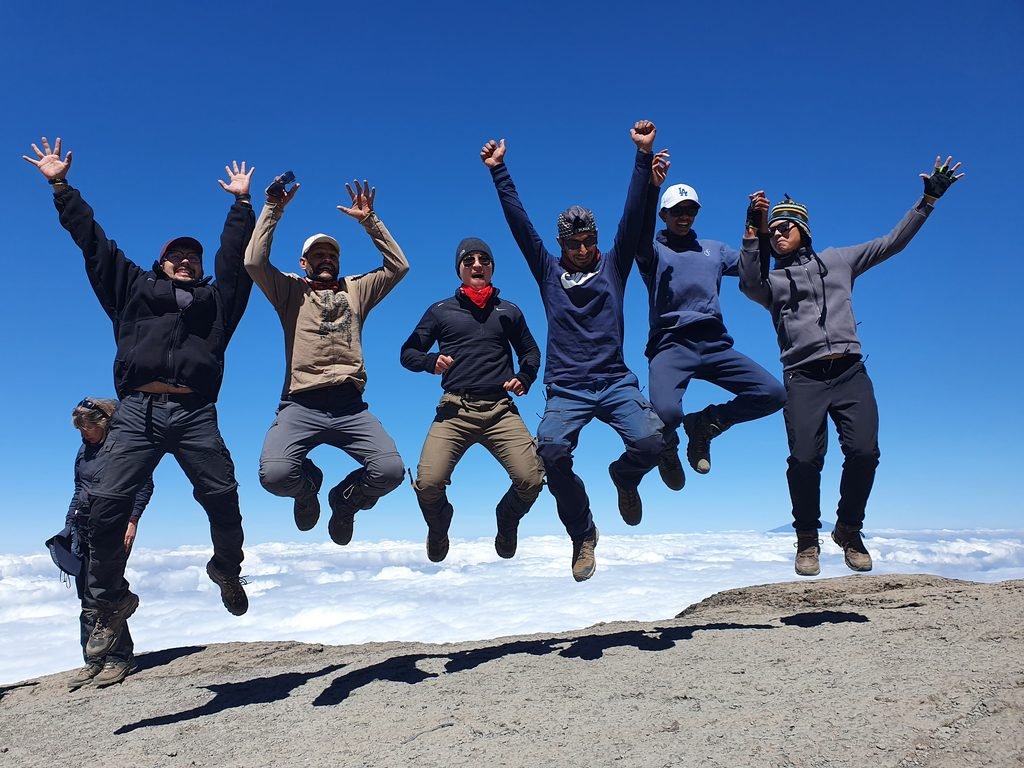
Detailed 6 Days Marangu Route Kilimanjaro Climbing Itinerary
Day 1: Marangu Gate (1,860 m) to Mandara Hut (2,720 m)
Distance: Approximately 8 km
Walking time: 4–5 hours
Accommodation: Mandara Hut
Meals: Lunch and dinner
Your Kilimanjaro climbing journey begins with a morning transfer from your accommodation in Moshi to Marangu Gate, located on the southeastern side of Mount Kilimanjaro. Upon arrival, your guide will assist with national park registration while the mountain crew prepares the necessary supplies and equipment. Once the formalities are complete, you will begin walking along the established trail through the mountain’s tropical rainforest.
The first day’s trek passes beneath a thick canopy of trees, with occasional opportunities to observe forest birds and monkeys. The trail climbs steadily, although the pace is deliberately kept comfortable to allow everyone to settle into the expedition. After approximately four to five hours of walking, you will arrive at Mandara Hut, where the crew will organise dinner and accommodation. Depending on the weather, available daylight and how everyone feels, a short walk towards Maundi Crater may be possible before returning to the hut.
Day 2: Mandara Hut (2,720 m) to Horombo Hut (3,720 m)
Distance: Approximately 12 km
Walking time: 6–8 hours
Accommodation: Horombo Hut
Meals: Breakfast, lunch and dinner
After breakfast at Mandara Hut, the climb continues through the remaining rainforest before entering the heath and moorland zone. The vegetation becomes shorter and more open, allowing wider views of the surrounding mountain landscape. On clear days, climbers may begin to see the peaks of Mawenzi and Kibo, providing an early impression of the distance still to be covered before reaching the summit.
The trail gradually gains elevation throughout the day, and the thinner air may become noticeable as you approach Horombo Hut. Your guide will encourage a steady walking pace, regular breaks and careful attention to any symptoms of altitude illness. Horombo Hut sits at approximately 3,720 metres and serves as an important accommodation and acclimatisation point on the Marangu Route. After arriving, you will have time to rest, enjoy dinner and prepare for the following day’s acclimatisation walk.
Day 3: Horombo Hut Acclimatisation Day – Zebra Rocks
Highest walking elevation: Approximately 4,000–4,050 m
Walking time: 3–5 hours
Accommodation: Horombo Hut
Meals: Breakfast, lunch and dinner
The third day is reserved for acclimatisation rather than progressing directly towards Kibo Hut. After breakfast, your guide will assess how the group is feeling before leading a gradual walk towards Zebra Rocks, a distinctive geological formation named after the dark and light markings visible across its surface. The walk provides an opportunity to experience higher elevations without immediately moving to another overnight location.
After spending some time above Horombo, the group returns to the huts for lunch, rest and another night at approximately 3,720 metres. This additional day is one of the most valuable features of the six-day Marangu itinerary because it gives climbers more time to adjust before the demanding final stages. Your guide will continue checking for signs of altitude sickness and will advise whether it is appropriate to continue the expedition.
Day 4: Horombo Hut (3,720 m) to Kibo Hut (4,720 m)
Distance: Approximately 10 km
Walking time: 5–7 hours
Accommodation: Kibo Hut
Meals: Breakfast, lunch and dinner
Following breakfast, you will leave Horombo Hut and continue towards Kibo Hut across increasingly open and rocky terrain. The route passes through the alpine desert and eventually crosses the Saddle, a broad landscape between the volcanic peaks of Mawenzi and Kibo. Vegetation is limited in this area, and the exposed terrain can experience strong winds, intense sunshine and cold temperatures.
The walking pace remains slow as the group approaches Kibo Hut, situated at approximately 4,720 metres above sea level. Upon arrival, your guide will explain the summit schedule, check essential clothing and equipment, and encourage everyone to eat and rest. The summit attempt normally begins late in the evening or shortly after midnight, depending on the group’s condition and weather. Because the following stage is physically demanding, the remaining hours at Kibo Hut are mainly used for preparation and sleep.
Day 5: Kibo Hut (4,720 m) to Uhuru Peak (5,895 m), Descending to Horombo Hut (3,720 m)
Distance: Approximately 20–22 km
Walking time: 12–17 hours
Accommodation: Horombo Hut
Meals: Breakfast, lunch and dinner
Summit day begins during the night, when the group leaves Kibo Hut wearing warm clothing and carrying headlamps, drinking water and essential supplies. The route climbs steeply through volcanic scree towards Gilman’s Point, located on the rim of Kilimanjaro’s crater at approximately 5,685 metres. The ascent is slow and demanding because of the altitude, low temperatures and limited oxygen available at this elevation.
After reaching Gilman’s Point, climbers who remain well enough to continue follow the crater rim towards Uhuru Peak, the highest point in Africa at 5,895 metres above sea level. Weather and trail conditions vary, and reaching the summit is never guaranteed. If conditions allow, there will be time for photographs before beginning the long descent towards Kibo Hut, where the group normally stops briefly to rest and collect belongings.
The descent then continues to Horombo Hut, where dinner and overnight accommodation are provided. This is the longest and most tiring day of the expedition, so following your guide’s instructions and maintaining enough energy for the return journey are particularly important.
Day 6: Horombo Hut (3,720 m) to Marangu Gate (1,860 m)
Distance: Approximately 20 km
Walking time: 5–7 hours
Accommodation: Not included on the mountain
Meals: Breakfast and lunch
After breakfast at Horombo Hut, the final day’s walk follows the familiar trail downhill through the moorland towards Mandara Hut and eventually returns to the rainforest. The descent is generally easier on breathing than the higher sections of the mountain, although tired legs and the continuous downhill walking can still make the journey demanding. Your guide will maintain a suitable pace and arrange breaks along the way.
Upon reaching Marangu Gate, the group completes the national park exit procedures and eligible climbers receive their climbing certificates according to the highest recognised point reached. Transport will then take you back to your agreed accommodation or collection point in Moshi. Travellers continuing with a Tanzania safari or Zanzibar holiday can arrange the next stage of their journey with Eddy Tours & Safaris.
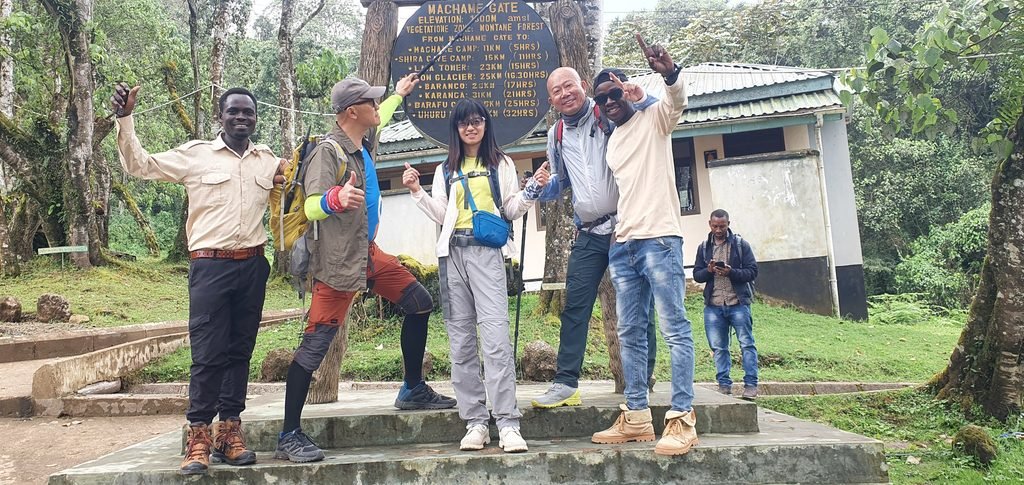
6 Days Marangu Route Kilimanjaro Package Inclusions
The standard mountain climbing package includes the essential services needed for an organised guided expedition. The exact arrangements will be confirmed in the booking quotation.
- Professional, experienced Kilimanjaro mountain guides.
- Mountain porters and a cook throughout the expedition.
- Kilimanjaro National Park entry and conservation fees.
- Five nights of shared mountain hut accommodation.
- Applicable mountain hut and park rescue fees.
- Breakfast, lunch and dinner during the climb, as specified.
- Clean drinking water supplied during the expedition.
- Transport between the agreed Moshi collection point and Marangu Gate.
- Mountain crew salaries and applicable park fees.
- Emergency oxygen and standard mountain safety equipment.
- Basic health and altitude monitoring by the mountain guides.
- Applicable government taxes included in the quotation.
- Kilimanjaro summit certificate for eligible climbers.
6 Days Marangu Route Kilimanjaro Package Exclusions
The following expenses are generally not included unless specifically added to your confirmed climbing package.
- International and domestic flights.
- Tanzania tourist visa fees.
- Travel insurance covering high-altitude trekking and emergency evacuation.
- Hotel accommodation before and after the mountain climb.
- Airport transfers unless included in the booking agreement.
- Personal trekking equipment, including boots, clothing and sleeping bags.
- Tips and gratuities for guides, porters and cooks.
- Alcoholic drinks, soft drinks and bottled beverages.
- Personal expenses such as laundry, telephone calls and souvenirs.
- Meals and drinks not mentioned in the itinerary.
- Optional activities and additional sightseeing.
- Any applicable online payment processing surcharge disclosed during booking.
How Difficult Is the 6 Days Marangu Route?
The Marangu Route is sometimes described as one of the easier Kilimanjaro routes because the lower sections follow a relatively clear trail and the overnight accommodation is provided in huts. However, this description can be misleading. Reaching Uhuru Peak requires several days of continuous walking, substantial elevation gain and a difficult summit attempt in freezing conditions.
The most challenging section is the ascent from Kibo Hut towards Gilman’s Point and Uhuru Peak. Climbers must walk for several hours in darkness, often over loose volcanic material, before descending a considerable distance on the same day. Good physical preparation, appropriate clothing, experienced guiding and sufficient acclimatisation are essential. Even strong and experienced hikers may experience altitude sickness, and guides must be prepared to stop or turn back when necessary.
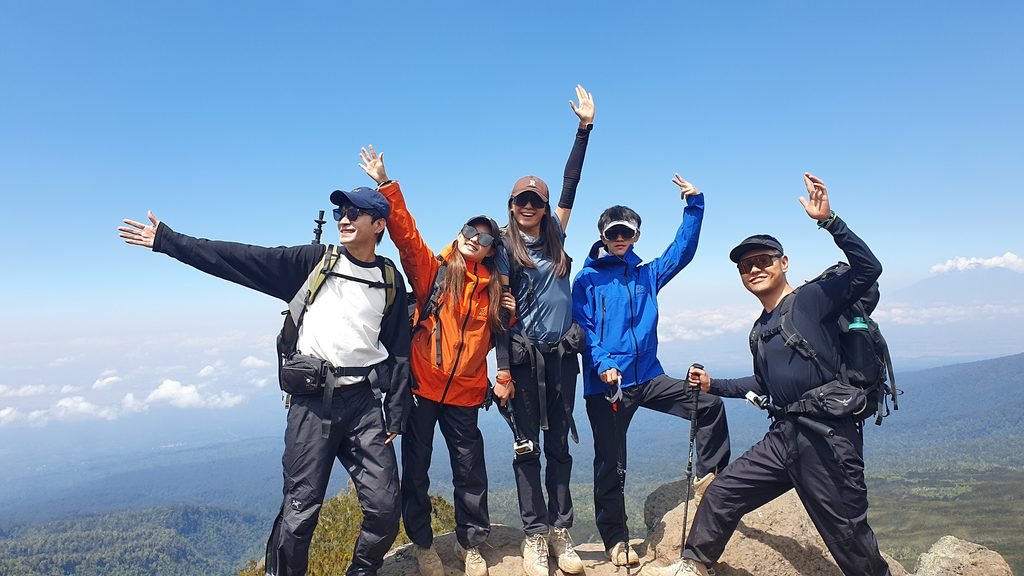
Best Time to Climb Kilimanjaro via the Marangu Route
Mount Kilimanjaro can be climbed throughout the year, although weather conditions vary considerably between seasons. Many travellers prefer January to early March or June to October because these periods often provide more favourable trekking conditions. Clear mornings and relatively dry trails can make walking more comfortable, particularly during the lower rainforest stages and the summit attempt.
The long rainy season generally occurs between March and May, while shorter rains can affect the mountain during November and December. Rainfall patterns are not identical every year, and temperatures near the summit can remain extremely cold even during the driest months. Travellers should therefore pack waterproof clothing, warm layers and suitable trekking equipment regardless of their chosen departure date.
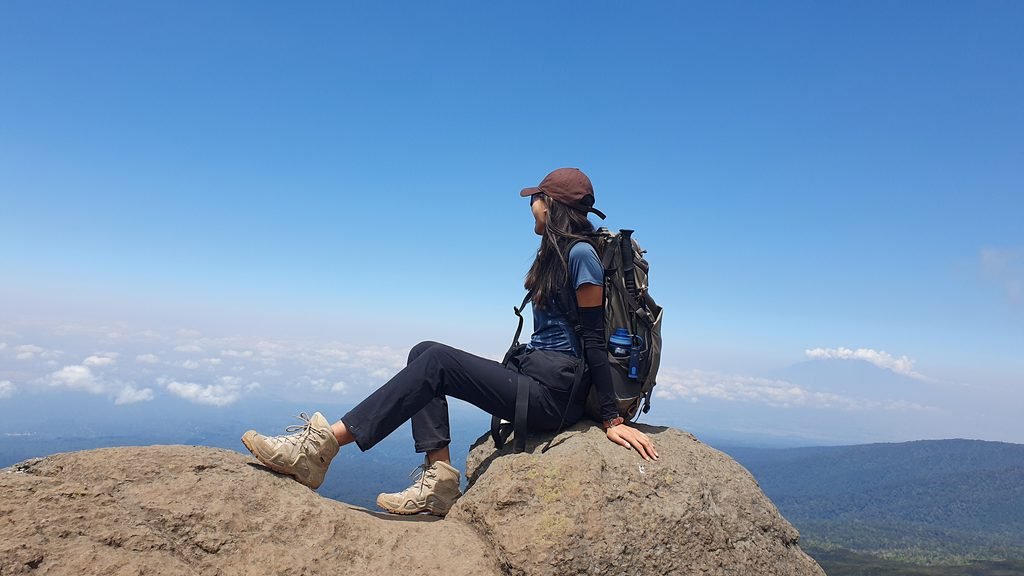
What to Pack for the 6 Days Marangu Route
Preparing suitable equipment is important because the climb passes through several different climatic zones. Clothing that feels comfortable at Marangu Gate may be completely unsuitable for the freezing temperatures experienced near the summit. A layered clothing system is recommended so that climbers can adjust to changing weather conditions without carrying unnecessary weight in their daypacks.
Essential items include:
- Waterproof hiking boots that have already been worn during training.
- Warm sleeping bag suitable for freezing mountain temperatures.
- Thermal base layers and insulating fleece clothing.
- Waterproof jacket and trousers.
- Warm down or synthetic insulated jacket.
- Trekking trousers and comfortable hiking shirts.
- Warm gloves, hat and neck protection.
- Headlamp with spare batteries.
- Trekking poles for ascending and descending.
- Sunglasses, sunscreen and lip protection.
- Refillable water bottles or a suitable hydration system.
- Personal medication and basic hygiene supplies.
- A comfortable daypack for water, clothing and daily essentials.
For further advice about equipment, route selection and preparing for a mountain expedition, travellers can consult Kilimanjaro Climb Specialist or contact the Eddy Tours & Safaris climbing team before departure.
Marangu Route vs Machame Route: Which Is Better?
Marangu and Machame are among the best-known routes on Mount Kilimanjaro, but they offer different experiences. Marangu is particularly suitable for travellers who prefer permanent mountain huts and want a relatively direct climbing schedule. The route follows the same general trail during ascent and descent, with accommodation at Mandara, Horombo and Kibo.
The Machame Route, by comparison, uses tented camps and follows a more varied trail across the mountain. Many seven-day Machame itineraries provide additional opportunities for acclimatisation, including sections where climbers walk higher before descending to sleep. Travellers who prioritise scenery and a longer climbing programme may prefer Machame, while those who value hut accommodation may find Marangu more appealing.
Neither route is automatically safer for every climber. The appropriate choice depends on the duration, acclimatisation schedule, physical preparation, health considerations and prevailing conditions. Travellers can compare available Kilimanjaro programmes through Eddy Tours & Safaris.
Frequently Asked Questions About the 6 Days Marangu Route
Is the 6 Days Marangu Route Good for Beginners?
The six-day Marangu Route can be suitable for beginners who are physically prepared and understand the challenges of high-altitude trekking. No technical mountaineering experience is normally required on the standard trail, but climbers should be comfortable with long walking days, steep terrain and cold conditions. The additional acclimatisation day is useful, although it does not eliminate the possibility of altitude sickness.
Why Is Marangu Called the Coca-Cola Route?
Marangu earned the nickname Coca-Cola Route because of its long history as an established and relatively accessible Kilimanjaro climbing trail, with permanent huts and facilities where refreshments have traditionally been available. The nickname should not be taken to mean that reaching the summit is easy, as the final ascent remains physically demanding.
Does the Marangu Route Have Toilets and Sleeping Facilities?
Yes. Mandara, Horombo and Kibo huts provide shared sleeping accommodation and toilet facilities. The standard and availability of facilities vary between locations, and climbers should expect basic mountain conditions rather than hotel accommodation. Sleeping arrangements are shared, and a warm sleeping bag is necessary.
Can I Climb Kilimanjaro Without Previous Mountain Experience?
Previous high-altitude climbing experience is not a formal requirement for most standard Kilimanjaro trekking programmes. However, hiking experience, physical fitness and careful preparation are strongly recommended. Travellers should also understand the symptoms of altitude illness and follow their guide’s advice throughout the expedition.
Is Six Days Enough for Kilimanjaro?
Six days is a recognised duration for the Marangu Route and includes one additional acclimatisation day compared with the five-day itinerary. Nevertheless, longer climbing programmes can provide more time to adjust to altitude. Travellers who have flexible schedules should compare the acclimatisation benefits of different routes before making a decision.
How Much Does the 6 Days Marangu Route Cost?
The Eddy Tours & Safaris website advertises the six-day Marangu Route from approximately USD 1,390 per person. The final price depends on departure arrangements, group size, travel dates and the services included in the confirmed quotation. Travellers should request an updated quotation before booking, particularly when arranging private climbs or additional accommodation.
Can I Combine the Marangu Route with a Tanzania Safari?
Yes. Many visitors combine a Kilimanjaro climb with a wildlife safari in northern Tanzania. Popular destinations include Tarangire National Park, Serengeti National Park and Ngorongoro Crater. Eddy Tours & Safaris can help arrange a suitable safari itinerary after the mountain expedition, allowing time for rest and recovery before continuing the holiday.
Book Your 6 Days Marangu Route Kilimanjaro Climb with Eddy Tours & Safaris
Climbing Mount Kilimanjaro is a demanding experience that requires preparation, patience and a reliable mountain support team. The six-day Marangu Route provides a traditional approach to Africa’s highest mountain, with permanent hut accommodation, an established trail and an additional acclimatisation day at Horombo Hut.
Whether you are planning a private climb, travelling with friends or arranging a combined Kilimanjaro and Tanzania safari holiday, Eddy Tours & Safaris can help organise the journey according to your travel dates and requirements. Our team can provide information about mountain accommodation, equipment, guiding arrangements, transport and the services included in your booking.
Contact Eddy Tours & Safaris
Website: www.eddytours-safaris.com
Email: sales@eddytours-safaris.com
Alternative email: eddytoursandsafaris@gmail.com
WhatsApp: +255 711 906 664
Explore the 6 Days Marangu Route Kilimanjaro Climbing Package and request a personalised quotation for your preferred departure dates.