
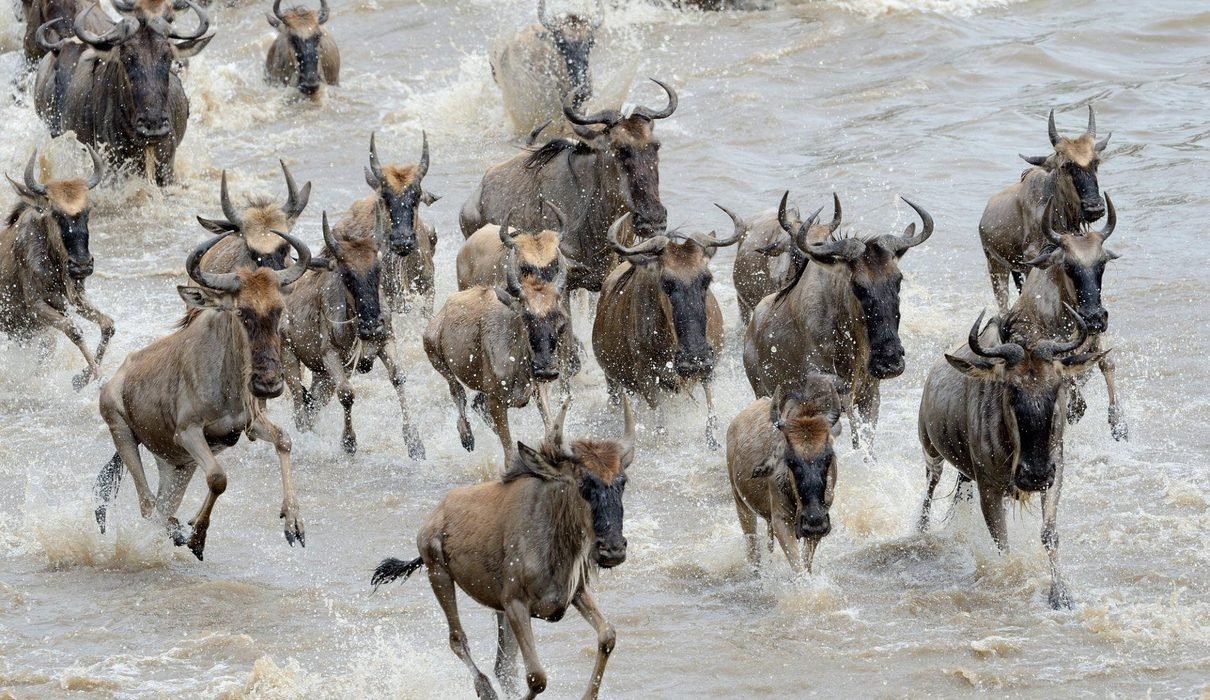
The 6 Days Serengeti Great Migration Safari takes you through some of Tanzania’s most remarkable wildlife areas, with a particular focus on the seasonal movement of wildebeest and zebras across the Serengeti ecosystem. This private safari is designed for travelers who want enough time to explore the national parks, enjoy extended game drives, and understand the wildlife behavior that makes the Serengeti one of Africa’s most visited safari destinations. Over six days, you will travel through Tarangire National Park, the Serengeti National Park, and the Ngorongoro Crater, combining the search for migrating herds with opportunities to see elephants, lions, giraffes, buffaloes, and many other animals in their natural surroundings.
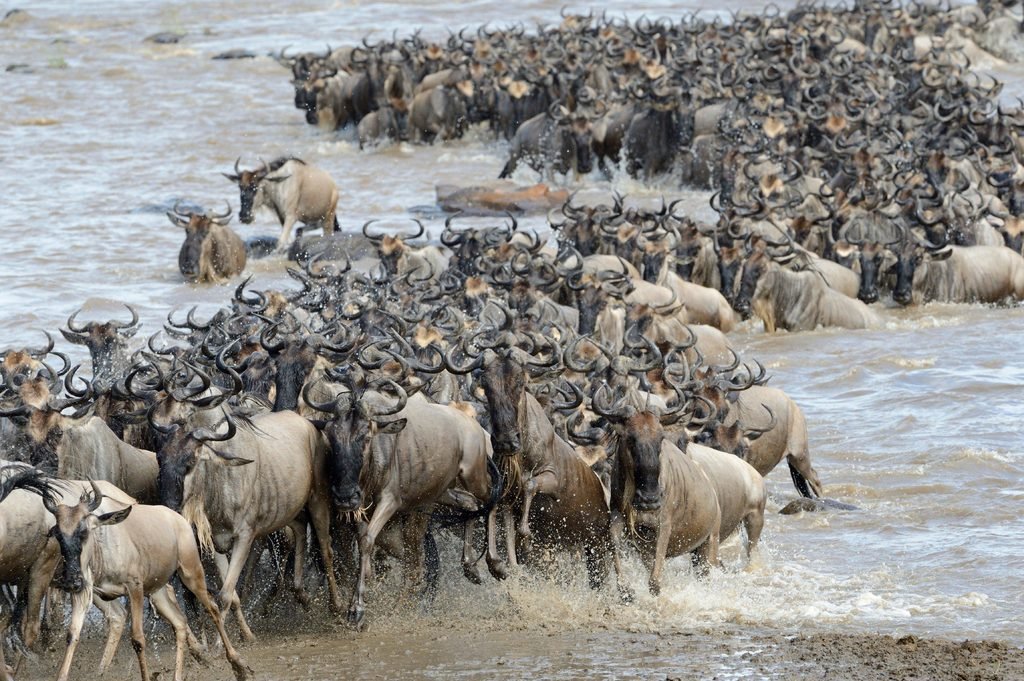
The Great Migration involves the seasonal movement of enormous herds of wildebeest, accompanied by zebras and other grazing animals, as they follow changing rainfall patterns and the availability of fresh grass. Their movement attracts predators such as lions, cheetahs, hyenas, and leopards, creating excellent opportunities to observe wildlife interactions. Depending on the month of travel, the safari can concentrate on the southern Serengeti during the calving season, the western corridor as herds move toward the Grumeti River, or the northern Serengeti during the period when crossings of the Mara River may occur. Although migration sightings depend on natural conditions, your guide will use available information to identify the most promising wildlife areas during your visit.
At Eddy Tours & Safaris, we organize private Tanzania safaris that allow guests to travel at a comfortable pace while spending meaningful time in the national parks. Our experienced safari guides understand the seasonal wildlife movements and help travelers explore the different landscapes of northern Tanzania. This six-day itinerary can be adjusted according to your travel dates, preferred accommodation standards, and the location of the migrating herds.
Safari Highlights
- Spend several days exploring Serengeti National Park and searching for the migrating wildebeest and zebra herds.
- Visit Tarangire National Park, known for its large elephant population, ancient baobab trees, and seasonal wildlife concentrations.
- Explore the Ngorongoro Crater, where a remarkable variety of animals can be seen within a relatively small area.
- Enjoy private game drives in a specially equipped 4×4 safari vehicle with a professional English-speaking guide.
- Look for lions, leopards, cheetahs, elephants, buffaloes, giraffes, hippos, and numerous bird species.
- Experience the changing scenery of northern Tanzania, from Tarangire’s woodland and river valleys to the open grasslands of the Serengeti.
- Stay in carefully selected safari lodges or tented camps, with accommodation options suited to your travel budget.
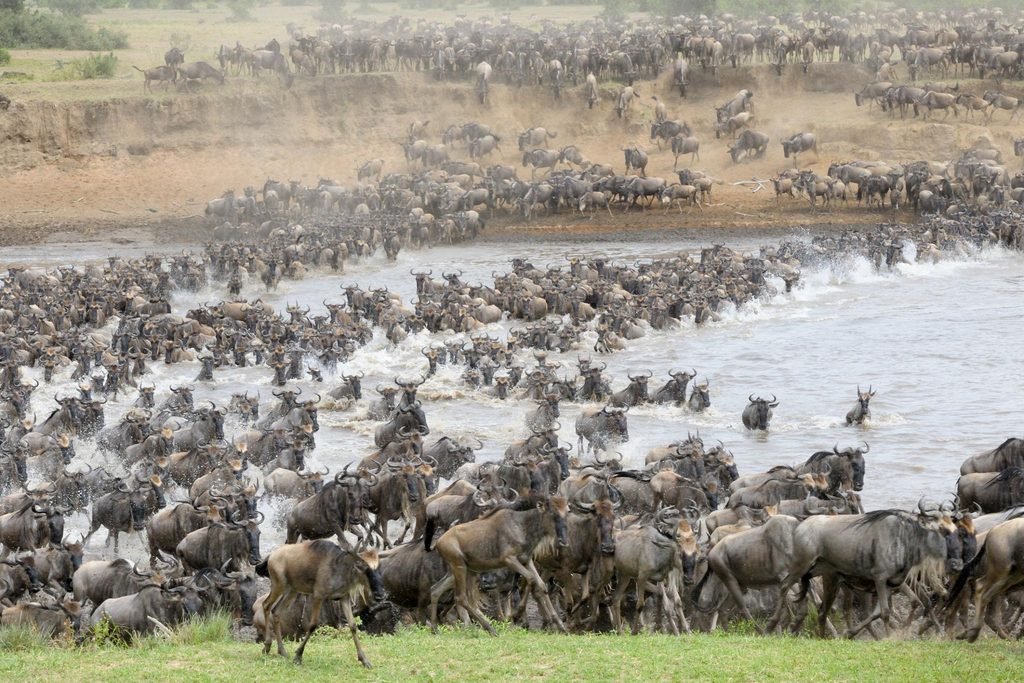
Detailed 6 Days Serengeti Great Migration Safari Itinerary
Day 1: Arusha to Tarangire National Park – Elephant Encounters and Game Drives
Your safari begins in Arusha, where your professional guide from Eddy Tours & Safaris will meet you at your hotel after breakfast. Following a short introduction to the journey, you will depart for Tarangire National Park, traveling through the countryside of northern Tanzania. Along the way, you will pass small towns, agricultural areas, and local communities before reaching the park entrance. The drive normally takes approximately two to three hours, depending on traffic and your departure point.
Tarangire National Park is particularly well known for its large elephant herds, impressive baobab trees, and the Tarangire River, which provides an important water source for wildlife during the dry season. As you begin your game drive, you may encounter elephants feeding among the trees, giraffes moving through the woodland, and groups of zebras, wildebeest, and antelopes grazing in open areas. Lions are also present in the park, while leopards are occasionally seen resting in trees or moving through areas of dense vegetation.
You will enjoy a picnic lunch at a designated location inside the park before continuing your afternoon game drive. Your guide will explore different habitats according to the season and recent wildlife sightings, giving you opportunities to photograph animals and learn about their behavior. In the late afternoon, you will leave the park and travel to your lodge or tented camp in the Karatu area, where dinner and overnight accommodation will be arranged.
Accommodation: Safari lodge or tented camp in Karatu
Meals: Lunch and dinner
Main activity: Tarangire National Park game drive
Day 2: Karatu to Serengeti National Park – Journey into the Great Migration Territory
After an early breakfast, you will depart from Karatu and travel toward Serengeti National Park through the Ngorongoro Conservation Area. The journey offers impressive views of the highlands, volcanic landscapes, and traditional Maasai grazing areas. Depending on weather conditions and the route selected by your guide, you may stop at a designated viewpoint overlooking the Ngorongoro Crater before continuing toward the Serengeti plains.
As you approach the Serengeti, the landscape gradually changes into broad grasslands dotted with acacia trees and rocky outcrops known as kopjes. These natural formations provide shelter and observation points for many animals, including lions and other predators. The Serengeti ecosystem supports an extraordinary concentration of wildlife, and even outside the main migration areas, visitors regularly encounter zebras, giraffes, elephants, buffaloes, and different antelope species.
You will enter the park and begin your first Serengeti game drive while traveling toward your accommodation. Depending on the season, your guide may explore the central Serengeti or continue toward another area where migration activity is expected. The afternoon provides an opportunity to begin searching for wildebeest herds and predators, with time for photography and wildlife observation before reaching your camp in the evening.
Accommodation: Safari lodge or tented camp in the Serengeti
Meals: Breakfast, lunch, and dinner
Main activity: Scenic transfer and afternoon Serengeti game drive
Day 3: Full-Day Serengeti Great Migration Safari – Following the Wildebeest Herds
Today is dedicated to exploring the Serengeti and searching for the Great Migration. After an early breakfast, you will leave your camp with a packed lunch and spend the day following wildlife activity across the plains. Your guide will select the most suitable game-drive routes based on the season, recent animal movements, road conditions, and the location of the migrating herds. Early morning is particularly rewarding because many predators remain active during the cooler hours, while grazing animals often move across the grasslands in search of food and water.
The Great Migration is one of the most significant wildlife movements in the world, involving large numbers of wildebeest and zebras traveling through the Serengeti-Mara ecosystem. During the calving season, generally between January and March, the southern plains become important breeding grounds where many wildebeest give birth. Between approximately May and July, herds may move through the western and central parts of the ecosystem, while the northern Serengeti becomes particularly important during the period when animals approach and sometimes cross the Mara River. The exact timing varies each year according to rainfall and grazing conditions.
Throughout the day, you may observe large herds feeding, moving together across the plains, or gathering near water sources. Predators frequently follow these movements, creating opportunities to see lions resting near grazing animals, cheetahs scanning open ground, or hyenas moving through the grasslands. Your guide will explain the relationship between seasonal rainfall, grass growth, migration patterns, and predator behavior, helping you understand the wider Serengeti ecosystem rather than focusing only on individual sightings.
After a picnic lunch in a permitted area, you will continue exploring the park until late afternoon. The day concludes with a return to your lodge or tented camp, where you can relax, enjoy dinner, and discuss the day’s wildlife encounters.
Accommodation: Safari lodge or tented camp in the Serengeti
Meals: Breakfast, lunch, and dinner
Main activity: Full-day Great Migration game drive
Day 4: Serengeti National Park – Extended Wildlife Exploration and Predator Tracking
Your fourth day provides another opportunity to explore the Serengeti, allowing more time to search for animals that may not have been encountered during the previous game drives. After breakfast, you will depart with your guide and travel through different wildlife habitats, including open grasslands, river valleys, woodland areas, and rocky kopjes. The exact route will depend on your camp location and the movement of wildlife at the time of your visit.
The Serengeti is famous for its predators, particularly lions, leopards, and cheetahs. Lions are often found resting in the shade during the warmer parts of the day, while cheetahs generally prefer open plains where they can use their speed to hunt. Leopards are more difficult to locate because they are solitary and frequently spend time in trees or thick vegetation. Your guide will look for tracks, animal behavior, and other signs that may indicate the presence of predators, while maintaining appropriate distances and following park regulations.
If your safari takes place during the northern migration season and accommodation has been arranged in the northern Serengeti, the day’s activities may concentrate on areas near the Mara River. River crossings are unpredictable, and animals may gather along the riverbanks for extended periods before attempting to cross. A crossing cannot be guaranteed, but spending more time in the relevant migration area improves the opportunity to observe natural herd movements.
You will stop for a picnic lunch during the day and continue with afternoon game drives before returning to camp. This additional day in the Serengeti is particularly valuable for travelers who enjoy wildlife photography, birdwatching, and observing animal behavior without rushing from one destination to another.
Accommodation: Safari lodge or tented camp in the Serengeti
Meals: Breakfast, lunch, and dinner
Main activity: Extended Serengeti game drives and migration exploration
Day 5: Serengeti to Ngorongoro Conservation Area – Morning Game Drive and Highland Scenery
After breakfast, you will begin the journey from Serengeti National Park toward the Ngorongoro Conservation Area. Before leaving the Serengeti, you will enjoy a morning game drive along the route, giving you another opportunity to observe wildlife across the plains. Depending on your departure location, you may encounter elephants, giraffes, buffaloes, zebras, antelopes, and predators during the drive.
The journey takes you through the eastern Serengeti and the Ngorongoro Conservation Area, where the landscape gradually changes from open savannah to rolling hills and highland vegetation. This region is important for both wildlife conservation and traditional pastoral livelihoods, particularly those of Maasai communities who have lived in the wider area for generations. Your guide will explain the area’s geography, conservation importance, and the relationship between wildlife and local communities.
You will stop for a picnic lunch along the way and continue toward your accommodation in the Ngorongoro highlands or Karatu. Depending on the day’s timing and your selected lodge, you may have the opportunity to enjoy views of the crater rim before settling in for the evening. The cooler highland climate provides a noticeable contrast to the warmer Serengeti plains, and the evening offers time to rest before the following day’s crater game drive.
Accommodation: Lodge in the Ngorongoro highlands or Karatu
Meals: Breakfast, lunch, and dinner
Main activity: Morning Serengeti game drive and transfer to Ngorongoro
Day 6: Ngorongoro Crater Game Drive – Return to Arusha
Your final safari day begins with an early breakfast before traveling to the Ngorongoro Crater entrance. From the crater rim, you will descend approximately 600 meters to the crater floor, where a remarkable concentration of wildlife lives among grasslands, wetlands, forests, and freshwater areas. The Ngorongoro Crater is one of Tanzania’s most distinctive safari destinations because its relatively compact environment supports many different animal species.
During your game drive, you may see large herds of buffaloes, zebras, wildebeest, and gazelles grazing across the crater floor. Lions are frequently encountered, while spotted hyenas can often be seen moving through the open grasslands. Elephants are present, particularly in wooded areas, and the crater is also one of the places in northern Tanzania where visitors may have an opportunity to see the endangered black rhinoceros. Rhino sightings are never guaranteed, but your guide will carefully scan suitable areas while respecting wildlife-viewing regulations.
The crater also contains seasonal wetlands and permanent water sources that attract hippos and numerous bird species. Depending on water conditions, you may see flamingos and other waterbirds around the lake areas. You will enjoy a picnic lunch at a designated site before completing your game drive and ascending the crater wall.
In the afternoon, you will return to Arusha, where your guide will drop you off at your hotel or an agreed location. This marks the end of your six-day Serengeti Great Migration Safari with Eddy Tours & Safaris. Airport transfers or additional accommodation can be arranged according to your onward travel plans.
Accommodation: Not included after the safari unless arranged
Meals: Breakfast and lunch
Main activity: Ngorongoro Crater game drive and return to Arusha
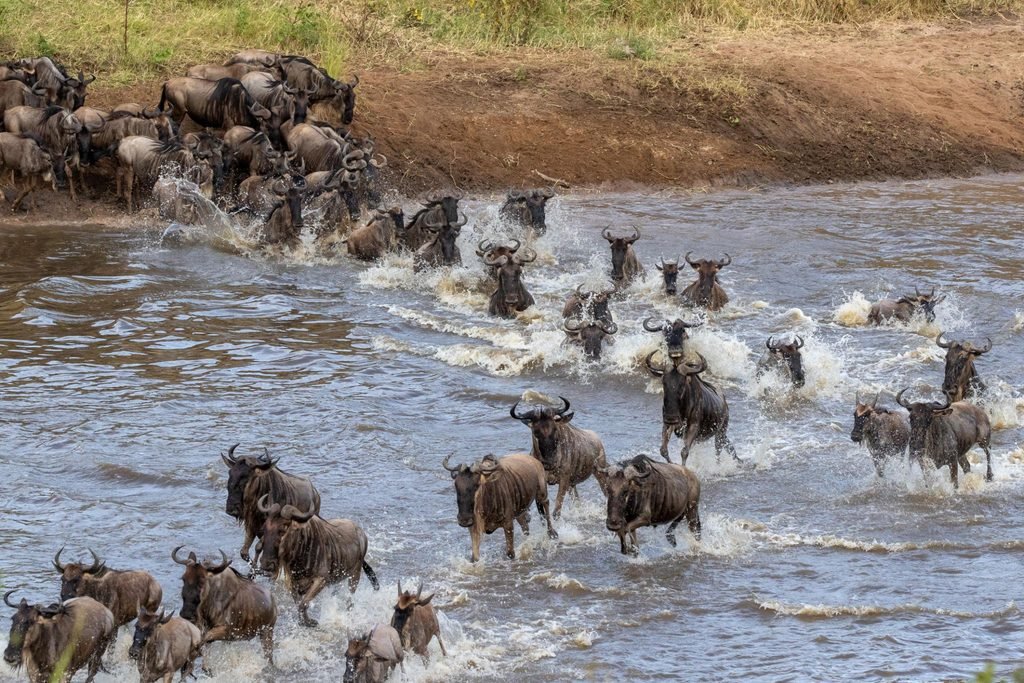
Best Time to Visit Serengeti for the Great Migration
The Great Migration is a year-round natural cycle rather than a single event that happens during one particular month. Different areas of the Serengeti become important at different times of the year, depending on rainfall, fresh grass, and water availability. Choosing the right travel dates and accommodation location is therefore essential when planning a migration-focused safari.
January to March: Calving Season in Southern Serengeti
During the early months of the year, large numbers of wildebeest commonly gather on the short-grass plains of the southern Serengeti and Ndutu area. This period is particularly important for calving, with many young wildebeest born within a relatively short time. The presence of vulnerable calves attracts predators, making this season popular among travelers interested in wildlife behavior and photography. Visitors may observe young animals taking their first steps, large herds grazing together, and predators searching for hunting opportunities.
April to June: Herd Movement Toward Central and Western Serengeti
As seasonal conditions change, migrating herds generally begin moving away from the southern plains toward central and western areas of the ecosystem. During this period, visitors may encounter large groups of wildebeest and zebras traveling across the grasslands, sometimes forming long lines of animals stretching into the distance. The western corridor and Grumeti River region become important during parts of this movement, although the exact location and timing of the herds can vary considerably.
July to October: Northern Serengeti and Mara River Crossings
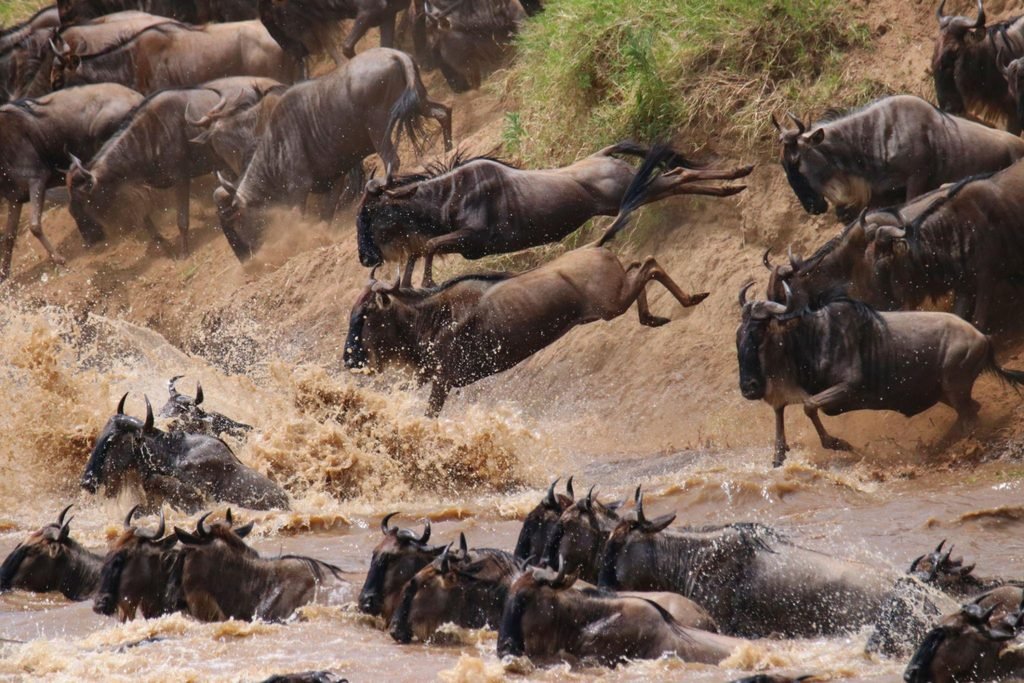
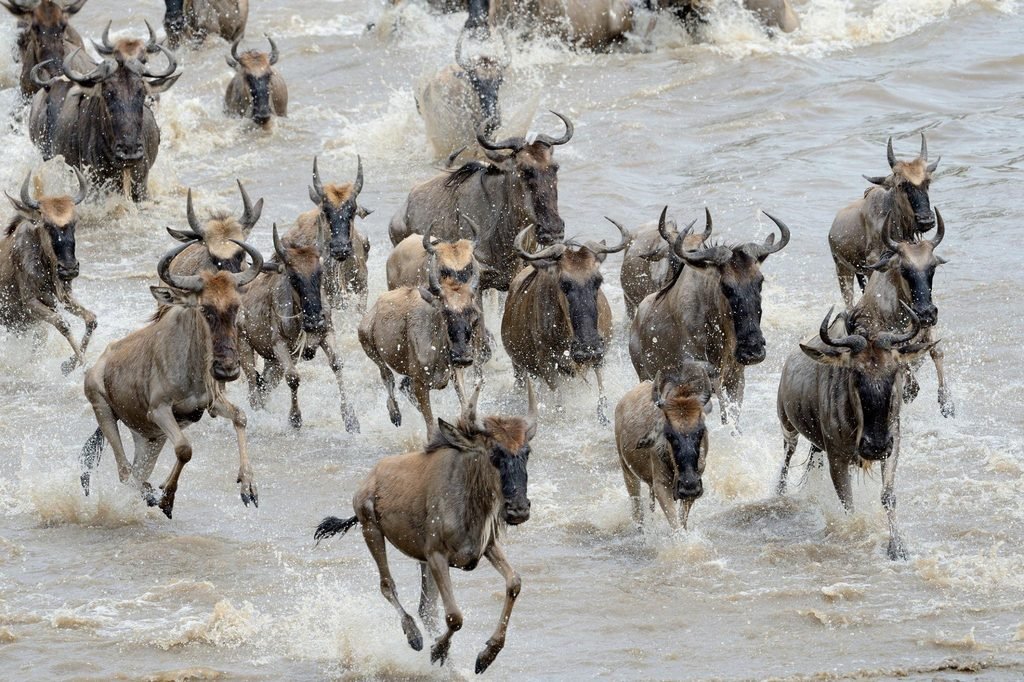
The northern Serengeti is particularly popular during the months when migrating herds may gather near the Mara River. River crossings can be dramatic because animals must navigate strong currents, steep riverbanks, and crocodiles. However, crossings are not scheduled events, and some days may pass without any animals entering the water. Travelers hoping to see this activity should consider accommodation in the northern Serengeti and allow sufficient time in the area rather than expecting a crossing during a brief visit.
November to December: Return Movement Through the Serengeti
Toward the end of the year, seasonal rainfall often encourages herds to move southward through the Serengeti ecosystem. The movement may take animals through eastern and central areas before they return toward the southern plains for the next calving period. This can be an excellent time to observe migrating wildlife, although the herds may be spread across a wide area and their exact location depends on rainfall patterns.
Safari Accommodation Options
This six-day safari can be arranged using mid-range lodges, comfortable tented camps, or luxury safari accommodation, depending on your preferred travel style and budget. Mid-range properties generally offer private rooms or permanent safari tents with comfortable beds, en-suite bathrooms, and dining facilities. Luxury lodges and tented camps may provide larger rooms, private verandas, upgraded dining services, and locations chosen for their scenery or proximity to important wildlife areas.
Accommodation in the Serengeti is particularly important when planning a Great Migration safari. Staying close to the expected herd movements can reduce unnecessary driving and allow more time for game viewing. For example, travelers visiting during the northern migration season may benefit from staying in northern Serengeti camps rather than traveling long distances from central Serengeti every day. The itinerary and accommodation will therefore be adjusted to match your travel dates and the seasonal migration pattern, subject to availability.
What’s Included in the 6 Days Serengeti Great Migration Safari?
The safari package includes the following services:
- Private 4×4 safari Land Cruiser with a pop-up roof for wildlife viewing and photography.
- Professional English-speaking safari driver-guide throughout the trip.
- Five nights of accommodation in selected safari lodges or tented camps.
- Meals as indicated in the daily itinerary.
- All applicable national park entrance fees for the scheduled itinerary.
- Ngorongoro Conservation Area entrance and crater service fees.
- Scheduled game drives in Tarangire, Serengeti, and Ngorongoro Crater.
- Drinking water during game drives.
- Pick-up and drop-off in Arusha at agreed locations.
- Government taxes applicable to the included safari services.
What’s Excluded from the Safari Package?
The following expenses are not included unless specifically stated in your quotation:
- International and domestic flights.
- Tanzania tourist visa fees.
- Travel insurance and personal medical insurance.
- Accommodation in Arusha before or after the safari.
- Alcoholic drinks, soft drinks, and beverages not included by the accommodation provider.
- Tips and gratuities for your safari guide and lodge staff.
- Personal expenses such as laundry, souvenirs, and telephone calls.
- Optional hot-air balloon safari in the Serengeti.
- Optional cultural visits and other activities not listed in the itinerary.
- Additional transfers or services outside the agreed safari program.
Why Choose Eddy Tours & Safaris for Your Serengeti Migration Safari?
Planning a successful Great Migration safari requires more than simply booking accommodation in Serengeti National Park. The location of the herds changes throughout the year, and a good itinerary must consider seasonal wildlife movements, travel distances, road conditions, and the amount of time available for game viewing. At Eddy Tours & Safaris, we help travelers choose suitable routes and accommodation locations according to their travel dates, making the journey practical and comfortable while maintaining a strong focus on wildlife experiences.
Our private safari arrangements also provide flexibility during game drives. Unlike fixed group schedules, a private safari allows your guide to spend more time at interesting sightings, adjust the pace of the day, and accommodate reasonable preferences for photography, birdwatching, or wildlife observation. Whether you are traveling as a couple, family, or small group of friends, the itinerary can be adjusted to match your interests and preferred accommodation standard.
Travelers interested in exploring more of Tanzania can also combine this safari with a beach holiday in Zanzibar or a mountain trekking experience. For those considering a climb before or after their safari, Kilimanjaro Climb Specialist provides additional information about Mount Kilimanjaro climbing routes and trekking arrangements.
Frequently Asked Questions About the 6 Days Serengeti Migration Safari
Is Six Days Enough for a Great Migration Safari?
Six days can provide a rewarding introduction to the Great Migration while also allowing time to visit other important wildlife destinations in northern Tanzania. This itinerary includes three nights in the Serengeti, giving travelers multiple opportunities to search for migrating herds and observe wildlife. However, the most suitable itinerary depends on the season. Travelers specifically hoping to see Mara River crossings may benefit from spending additional nights in the northern Serengeti, while those visiting during the calving season may prefer an itinerary concentrating on the southern plains and Ndutu area.
Can I See the Mara River Crossing During This Safari?
It is possible to see a Mara River crossing if you travel during the appropriate season and spend time in the northern Serengeti, but no safari operator can guarantee a crossing. The animals move according to natural conditions, and they may gather near the river for hours or days without crossing. A six-day itinerary can be customized to focus more heavily on northern Serengeti during the relevant months, although this may require reducing time in other parks to account for the longer travel distances.
Is the Safari Suitable for Families with Children?
Yes, this safari can be arranged for families with children, provided that the itinerary and accommodation are selected with their needs in mind. Private safari vehicles allow families to travel together, take suitable breaks, and adjust game-drive durations when necessary. Some lodges and tented camps have minimum age requirements or specific rules for children, so accommodation arrangements should be confirmed before booking. Families with younger children may also prefer shorter driving days or additional nights in selected locations.
What Animals Can I Expect to See During the Safari?
The itinerary provides opportunities to see many of Tanzania’s well-known wildlife species, including elephants, lions, buffaloes, giraffes, zebras, wildebeest, hippos, hyenas, and numerous antelopes. Leopards, cheetahs, and black rhinoceroses are also present in the areas visited, although sightings are less predictable. The Serengeti is particularly important for predators and migrating grazing animals, Tarangire is known for elephants and its diverse habitats, and Ngorongoro Crater supports a high concentration of wildlife throughout much of the year.
What Should I Pack for the Safari?
Comfortable, lightweight clothing in neutral colors is suitable for most safari activities, along with a warm jacket for early morning game drives and evenings in the Ngorongoro highlands. Travelers should also bring comfortable shoes, a sun hat, sunscreen, sunglasses, insect repellent, and any personal medication they may need. Binoculars and a camera with a suitable zoom lens can greatly improve wildlife viewing and photography, especially when animals are located at a distance. A small daypack is useful for carrying personal items during game drives.
Can I Combine This Safari with Zanzibar or Kilimanjaro?
Yes, this safari can be combined with additional destinations in Tanzania. Many travelers choose to relax on Zanzibar’s beaches after several days of wildlife viewing, while others arrange a Mount Kilimanjaro trek before beginning their safari. The combination can be planned according to your international flight schedule, available travel days, and budget. Eddy Tours & Safaris can help organize a suitable travel itinerary that connects your safari with other destinations.
Book Your 6 Days Serengeti Great Migration Safari with Eddy Tours & Safaris
A six-day safari through Tarangire, Serengeti, and Ngorongoro offers an opportunity to experience the diversity of Tanzania’s northern wildlife circuit while dedicating several days to the Great Migration. From elephants moving through Tarangire’s baobab woodlands to wildebeest traveling across the Serengeti plains and wildlife gathering on the Ngorongoro Crater floor, each destination provides a different perspective on Tanzania’s natural environment.
At Eddy Tours & Safaris, we can customize this safari according to your preferred travel dates, group size, accommodation category, and the seasonal location of the migrating herds. Contact our team to request a detailed quotation and discuss the best itinerary for your visit.
Email: sales@eddytours-safaris.com
Website: Eddy Tours and Safari
Plan your Serengeti Great Migration safari with Eddy Tours & Safaris and discover Tanzania’s wildlife with a knowledgeable local guide.