
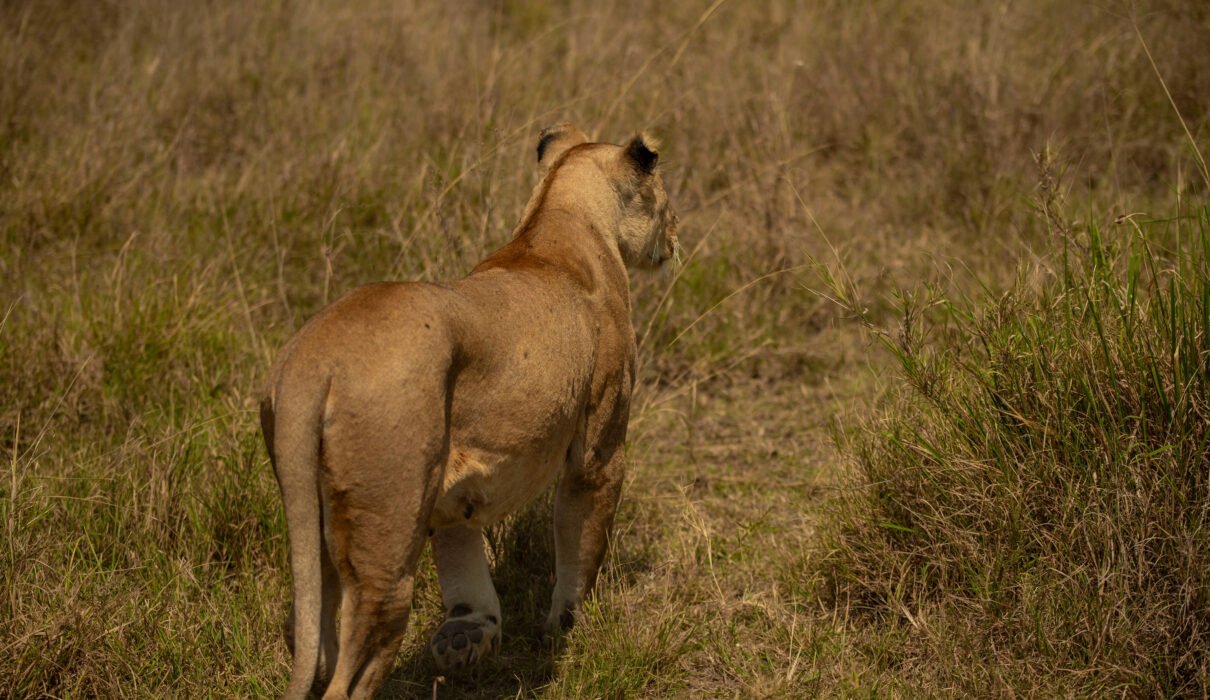
6 Tips for Making the Most of Your Visit to the Serengeti 2026/2027/2028
6 Tips for Making the Most of Your Visit to the Serengeti 2026/2027/2028 is more than just a guide—it’s your gateway to one of the most breathtaking wildlife experiences on Earth. The Serengeti is not just a destination; it is a living ecosystem where nature unfolds in its purest form. Vast plains stretch endlessly, dotted with acacia trees and filled with wildlife that moves in rhythm with the seasons.
Planning a safari here requires careful thought, timing, and understanding. Whether you are visiting for the Great Migration, predator sightings, or simply to witness untouched landscapes, making the right decisions can transform your trip from good to unforgettable. This guide will walk you through essential insights that seasoned travelers and safari experts rely on when exploring the Serengeti.
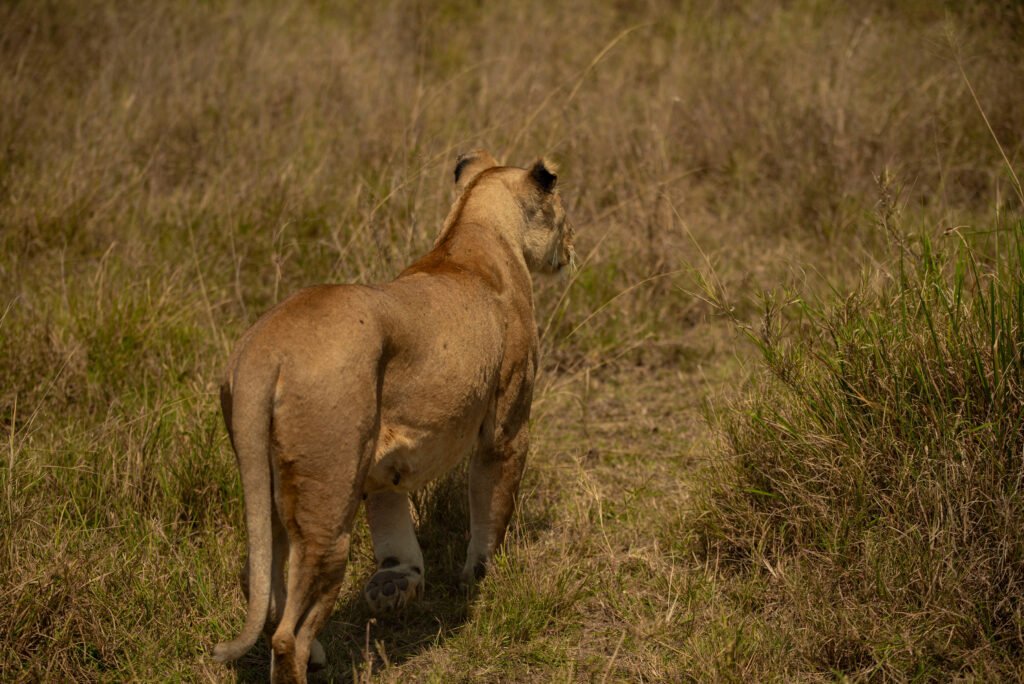
1. Choose the Right Time for Your Visit to the Serengeti 2026/2027/2028
Timing is everything when planning your safari. The Serengeti offers different experiences throughout the year, and understanding seasonal changes helps you align your expectations with reality. The Great Migration, one of the most spectacular wildlife events in the world, follows a cyclical pattern across the plains.
From June to October, the dry season creates ideal conditions for game viewing as animals gather around water sources. During this time, visibility is excellent, and predator-prey interactions are more frequent. Between January and March, the calving season brings thousands of newborn wildebeest, attracting predators and offering dramatic scenes of survival.
To explore seasonal safari options and expert planning advice, visit Eddy Tours & Safaris. For deeper ecological insights, organizations like National Geographic, World Wildlife Fund, and Serengeti Research Institute provide valuable scientific perspectives on migration patterns.
2. Select the Best Accommodation for Comfort and Access
Accommodation plays a crucial role in shaping your safari experience. From luxury lodges to mobile tented camps, each option offers unique advantages. Staying close to wildlife hotspots reduces travel time and increases your chances of witnessing rare moments.
Luxury lodges provide comfort, fine dining, and panoramic views, while tented camps offer an immersive experience closer to nature. Mobile camps follow the migration, ensuring you are always near the action. Choosing the right accommodation depends on your budget, travel style, and priorities.
For tailored accommodation options, explore custom Serengeti safari packages. Additional conservation-focused lodging insights can be found through African Parks and IUCN.
3. Work with Experienced Safari Guides
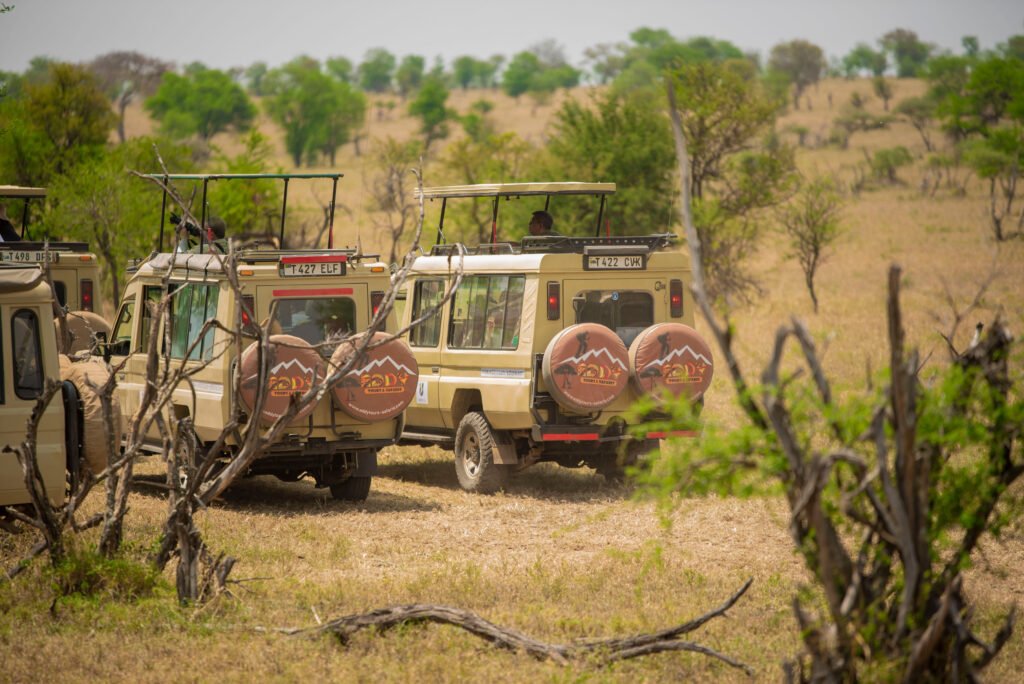
A knowledgeable guide can make a significant difference in your safari experience. Guides understand animal behavior, track wildlife, and position vehicles strategically for the best viewing opportunities. Their insights transform simple sightings into meaningful stories about the ecosystem.
Professional guides also ensure safety and help you navigate the vast terrain efficiently. They know where to find elusive species and how to interpret subtle signs in the environment. This expertise is especially valuable in a place as expansive as the Serengeti.
To connect with expert guides, consider booking through trusted safari operators. For educational resources, visit National Geographic Society and Wildlife Conservation Society.
4. Pack Smart for Your Visit to the Serengeti 2026/2027/2028
Packing correctly ensures comfort and preparedness throughout your safari. Lightweight, neutral-colored clothing is ideal for blending into the environment and staying cool during the day. Early mornings and evenings can be chilly, so layering is essential.
Essential items include binoculars, a good camera, sunscreen, insect repellent, and a reusable water bottle. Comfortable footwear is important for walking safaris and camp activities. Avoid bright colors and strong fragrances, as they can disturb wildlife.
For practical travel tips, consult CDC Travel Health, World Health Organization, and REI Travel Guides.
5. Understand Wildlife Behavior and Safari Etiquette
Respecting wildlife and following safari etiquette enhances your experience while protecting the ecosystem. Maintain a safe distance from animals, avoid loud noises, and follow your guide’s instructions at all times. Patience is key—some of the best moments happen when you wait quietly.
Understanding animal behavior allows you to anticipate movements and appreciate the complexity of the ecosystem. Observing interactions between species provides a deeper connection to nature and a greater appreciation for conservation efforts.
Learn more about wildlife behavior through Encyclopaedia Britannica, Smithsonian Institution, and African Wildlife Foundation.
6. Book Early and Plan Ahead for the Best Experience
The Serengeti is one of the most sought-after safari destinations in the world, and availability can be limited during peak seasons. Booking early ensures access to the best lodges, guides, and travel dates. Planning ahead also allows you to customize your itinerary based on your interests.
Early planning gives you time to arrange travel documents, vaccinations, and insurance. It also allows you to take advantage of special offers and secure prime locations for wildlife viewing.
Start planning your journey with Serengeti safari experts. For additional travel planning resources, explore Lonely Planet, TripAdvisor, and Google Travel.
Why the Serengeti Remains a Timeless Destination
The Serengeti is not just about wildlife; it is about connection. It offers a rare opportunity to witness nature in its raw and unfiltered state. The rhythm of the migration, the silence of the plains, and the thrill of predator encounters create memories that last a lifetime.
By following these 6 Tips for Making the Most of Your Visit to the Serengeti 2026/2027/2028, you position yourself for an experience that is both enriching and unforgettable. Every detail—from timing to accommodation—contributes to the overall journey.
For conservation insights and global impact, visit UN Environment Programme, The Nature Conservancy, Fauna & Flora International, Global Wildlife Conservation, Conservation International, Kilimanjaro Climb Specialist, University of Oxford Research, Harvard University, University of Cambridge, NASA Earth Observatory, US Geological Survey, NOAA, European Environment Agency, IPCC, ScienceDirect, JSTOR, Springer Nature, Nature Journal, PNAS.