
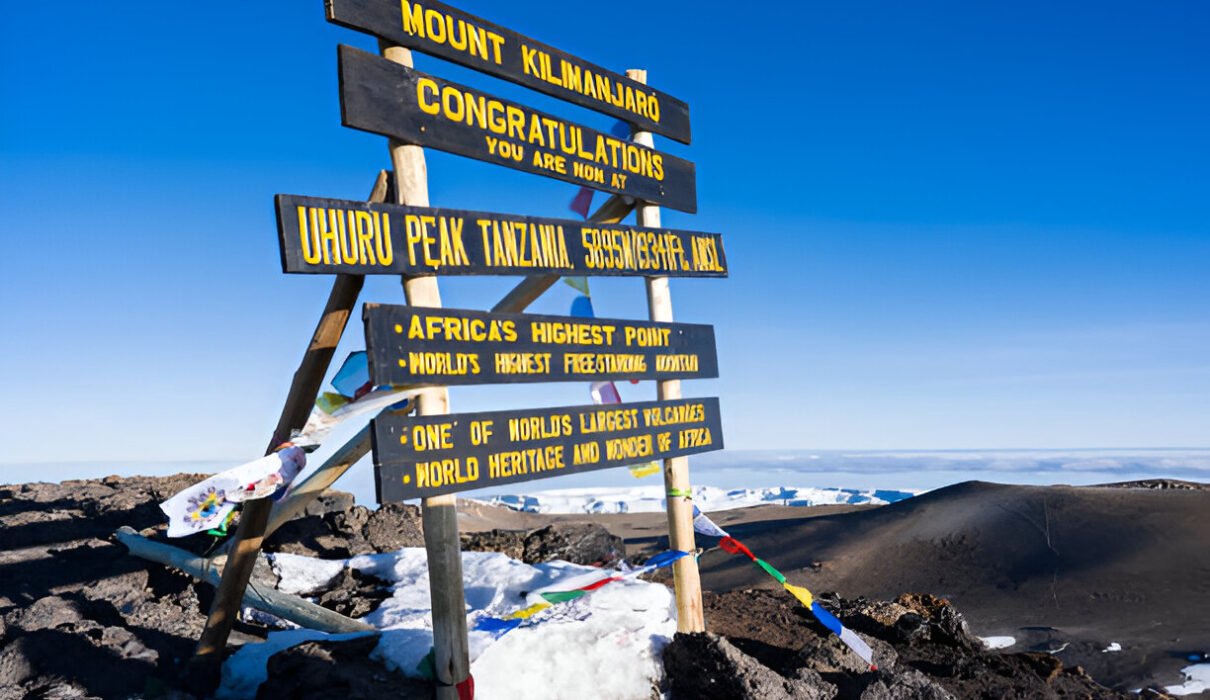
A 7-day Machame Route Kilimanjaro climb offers a scenic camping expedition with an additional overnight at Karanga before the approach to summit camp. For travellers comparing six- and seven-day Machame itineraries, this extra mountain day is an important difference.
But what is the seven-day Machame success rate?
There is no single independently verified percentage in this guide that applies to every operator or departure. Success rates for 2027, 2028 and 2029 cannot be known in advance. Historical figures should identify the operator, itinerary, reporting period, number of climbers and definition of success.
A well-planned climb should explain how the expedition operates, how concerns are assessed and when a climber must turn around. A summit percentage cannot replace those details.
This package guide presents the standard seven-day itinerary and explains how to assess summit-success claims before requesting a proposal from Eddy Tours & Safaris.
Package Overview
| Detail | Proposed arrangement |
|---|---|
| Mountain | Mount Kilimanjaro, Tanzania |
| Route | Machame ascent and Mweka descent |
| Trekking duration | 7 days and 6 mountain nights |
| Planning years | 2027, 2028 and 2029 |
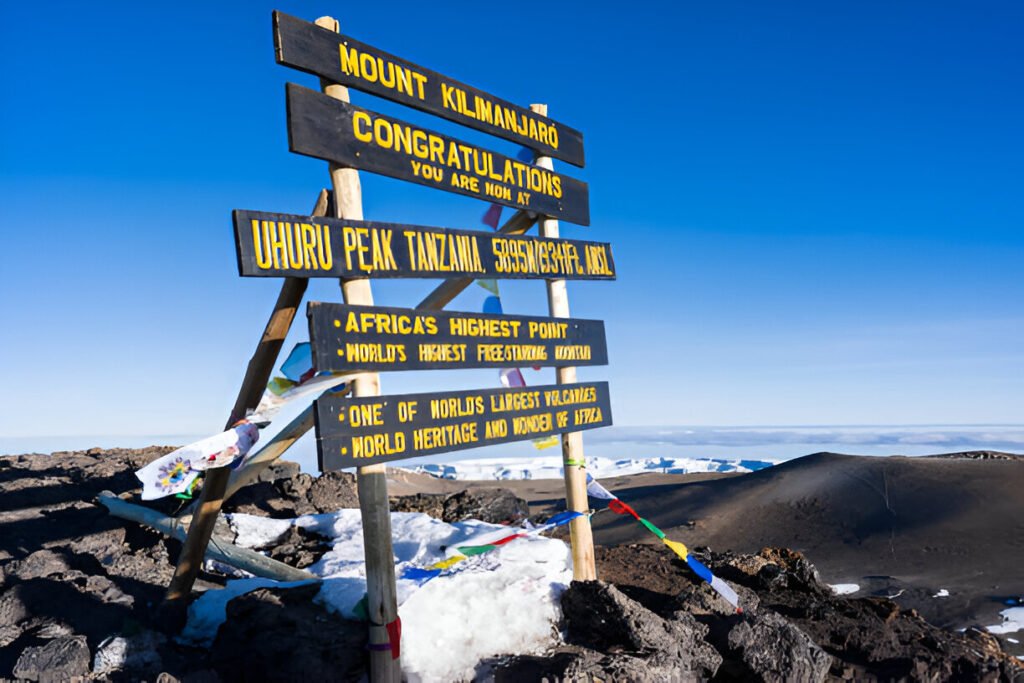
| Summit objective | Uhuru Peak, 5,895 metres |
| Accommodation | Camping |
| Key itinerary feature | Overnight at Karanga |
| Starting point | Machame Gate |
| Finishing point | Mweka Gate |
| Booking format | Private climb or an available confirmed group departure |
| Additional time | Arrival preparation and post-climb arrangements outside the seven trekking days |
The standard camp sequence and Karanga overnight are described in published Machame itineraries. Exact elevations, walking times and operational arrangements vary slightly between providers.
Understanding the 7-Day Machame Success Rate
An advertised success rate needs a clear definition.
Some figures may refer to Uhuru Peak. Others may count reaching the crater rim. Some cover one itinerary, while others combine several routes and durations.
Before using a percentage to compare operators, ask:
- Does “success” mean reaching Uhuru Peak?
- How many climbers started the expedition?
- How many reached the stated destination?
- Which years does the figure cover?
- Does it apply specifically to seven-day Machame?
- Are early descents included in the calculation?
- Is the information independently checked?
For example, “90 out of 100 starters reached Uhuru Peak during a defined period” is more informative than an unexplained “90% success” statement.
Even a clearly documented historical figure does not predict your individual result. Your health, altitude response, weather and expedition conditions remain uncertain.
No verified Eddy Tours & Safaris seven-day Machame summit percentage is supplied here. Request supporting records if a numerical claim forms part of your quotation.
Why Compare Seven Days with Six Days?
The standard seven-day version separates Barranco-to-Karanga and Karanga-to-Barafu into different trekking days. The six-day version commonly combines those stages.
That gives you a different daily schedule before the summit attempt.
Additional time can support acclimatisation, but the complete ascent profile still matters. The CDC identifies ascent rate and individual susceptibility as important altitude-illness factors; physical fitness does not protect against altitude illness.
Compare the actual overnight stops rather than accepting the route name alone. Seven days should mean seven mountain days, with hotel nights listed separately.
Before the Trek: Arrival and Preparation
Arrive in Tanzania with time for your agreed briefing and equipment check.
Your operator should explain airport collection, hotel arrangements, luggage storage and the transfer to Machame Gate. Confirm which services are included.
Use the briefing to resolve practical details:
- What belongs in your daypack?
- Which equipment is provided?
- What are the luggage limits?
- How are walking speeds managed?
- How do you report symptoms?
- What happens if you need to descend early?
Inspect rental equipment before leaving the hotel. Make sure you understand how to use your sleeping bag, headlamp, waterproof layers and trekking poles.
Full 7-Day Machame Route Itinerary
Day 1: Machame Gate to Machame Camp
Approximate overnight elevation: 2,850 metres
Typical walking time: 5–7 hours
Accommodation: Camping
After the transfer and entry formalities, begin the forest walk towards Machame Camp.
Your first priority is establishing a manageable rhythm. Let the guide set the pace and use the day to become comfortable with your daypack and equipment.
Keep essential items accessible rather than packed in your main luggage. Tell the team early if footwear or clothing needs adjustment.
At camp, organise your sleeping area and prepare what you need for the following morning. Your confirmed programme should explain meal and briefing arrangements.
Day 2: Machame Camp to Shira Camp
Approximate overnight elevation: 3,800–3,850 metres
Typical walking time: 4–6 hours
Accommodation: Camping
Continue towards the Shira Plateau as the trail leaves the forest environment behind.
The changing landscape is part of Machame’s appeal, but do not let enthusiasm turn the walk into a race.
Use breaks to adjust layers and check your comfort. Discuss any concerns with the guide rather than waiting until dinner.
Your itinerary should identify the exact Shira camp being used, since camp naming can vary between proposals.
Day 3: Shira Camp via Lava Tower to Barranco Camp
Highest point on the usual stage: Approximately 4,630 metres
Approximate overnight elevation: 3,950–4,000 metres
Typical walking time: 6–8 hours
Accommodation: Camping
The standard stage climbs towards Lava Tower before descending to Barranco.
This is a substantial trekking day. Keep your pace consistent and communicate honestly about how you feel.
Reaching a higher point during the day and sleeping lower is part of the itinerary’s design. It does not prove that every climber has acclimatised successfully.
At camp, take time to organise equipment and understand the following day’s programme.
Day 4: Barranco Camp to Karanga Camp
Approximate overnight elevation: Around 4,000 metres
Typical walking time: 4–5 hours
Accommodation: Camping
Cross the Barranco Wall section and continue through the terrain towards Karanga.
Follow the guide’s instructions carefully. If you are uncomfortable with exposure or using your hands for balance, discuss that before booking.
This itinerary stops overnight at Karanga rather than continuing directly to Barafu. Use the time to prepare for the remaining stages and address any equipment concerns.
A shorter walking day is still a mountain day. Continue reporting how you feel.
Day 5: Karanga Camp to Barafu Camp
Approximate overnight elevation: 4,670 metres
Typical walking time: 3–5 hours
Accommodation: Camping
Proceed to Barafu, the usual staging camp for the summit attempt on this itinerary.
Once at camp, prepare your summit equipment while there is time to resolve problems.
Check your headlamp, batteries, gloves, layers and water-carrying arrangements. Keep the items you need together so that the departure feels organised.
The guide should explain the proposed summit schedule and the circumstances that would change it. Rest according to the expedition programme.
Day 6: Barafu to Uhuru Peak and Descent to Mweka Camp
Summit objective: Uhuru Peak, 5,895 metres
Approximate overnight elevation: 3,100 metres
Typical total walking time: Around 12–16 hours, including breaks and descent
Accommodation: Camping
The standard attempt begins during the night, reaches the crater rim at Stella Point and continues towards Uhuru Peak if conditions and your health permit. Afterwards, descend towards Mweka Camp, normally passing Barafu.
This is the expedition’s longest and most demanding stage.
Focus on the guide’s instructions and your condition rather than a target arrival time. A sunrise summit photograph cannot be promised.
Turning around may be the appropriate decision. The descent also requires energy and attention, so reaching the summit is only part of the day’s task.
Day 7: Mweka Camp to Mweka Gate
Approximate finishing elevation: 1,640 metres
Typical walking time: 3–4 hours
Accommodation: Post-climb hotel, if included
Complete the descent to Mweka Gate and meet your agreed transfer.
Continue walking carefully even as the finish approaches. Keep essential items with you until the descent is complete.
Your booking documents should explain the hotel, meal and onward-transfer arrangements. Allow suitable time before your international departure.
What Can Help Your Summit Preparation?
Choose an Itinerary You Understand
Review the daily camps, overnight elevations and walking demands. Ask why the schedule suits your experience.
Train for Repeated Trekking Days
Prepare with regular walking and progressively longer hikes. Practise consecutive days and descents where appropriate.
Training helps with physical effort; it does not remove altitude risk.
Test Your Equipment
Use your boots, daypack and layers before departure. Familiar equipment reduces avoidable difficulties.
Report Symptoms Promptly
Do not hide concerns because you want to continue.
CDC guidance advises against ascending with altitude-illness symptoms. Worsening symptoms at the same elevation require descent. Confusion, loss of coordination or breathlessness at rest need urgent attention and emergency descent arrangements.
Discuss Relevant Medical Issues
Consult a clinician familiar with high-altitude travel where your health history or previous altitude illness warrants it. Bring the proposed itinerary.
Proposed Package Inclusions
Request written confirmation of:
- Seven-day mountain itinerary.
- Required park and camping charges.
- Guide, porter and cook arrangements.
- Mountain meals and drinking-water provision.
- Camping equipment specified in the quotation.
- Transfers to the starting gate and from the finishing gate.
- Hotel nights, if included.
- Airport transfers, if included.
- Health-monitoring and emergency-response arrangements.
Do not assume that emergency equipment, private facilities or particular rentals are included without confirmation.
Costs Commonly Budgeted Separately
Unless your quotation includes them, allow for:
- International flights.
- Visa and entry-related costs.
- Travel insurance.
- Tips.
- Personal trekking equipment.
- Equipment rentals.
- Additional hotel nights.
- Meals outside the agreed package.
- Optional safari or Zanzibar extensions.
Ask how early descent, itinerary changes and additional transfers affect the price.
Private Climbs and Group Departures
A private climb can be proposed around your party’s dates and arrangements.
A group departure follows a shared itinerary. Confirm its status, maximum size and approach to different walking speeds.
For 2027, 2028 or 2029, request available dates directly. This page does not publish a confirmed departure calendar.
Frequently Asked Questions
What is the exact seven-day Machame success rate?
A defensible figure requires a defined dataset. No universal or verified Eddy Tours & Safaris percentage is established here.
Is seven-day Machame better than six-day Machame?
The standard seven-day version includes a Karanga overnight. Compare how that changes the ascent profile and daily demands for your circumstances.
Does this package include seven nights on the mountain?
No. A seven-day itinerary normally contains six mountain nights. Hotel nights are additional.
Can beginners consider Machame?
Yes, but suitability depends on preparation, health and the proposed expedition. Discuss the terrain and schedule carefully.
Can the summit be guaranteed?
No. A responsible expedition must allow for turnaround decisions.
Are 2027/2028/2029 prices available?
Request a quotation for your exact dates and group. Confirm its validity and adjustment terms.
Request Your Seven-Day Machame Proposal
Contact Eddy Tours & Safaris with your preferred year, dates, group size and hiking experience.
Ask for the complete itinerary, quotation, guiding arrangements and the evidence behind any summit-success claim.
Website: eddytours-safaris.com
Sales email: sales@eddytours-safaris.com
Alternative email: eddytoursandsafaris@gmail.com
Phone and WhatsApp: +255 711 906 664