
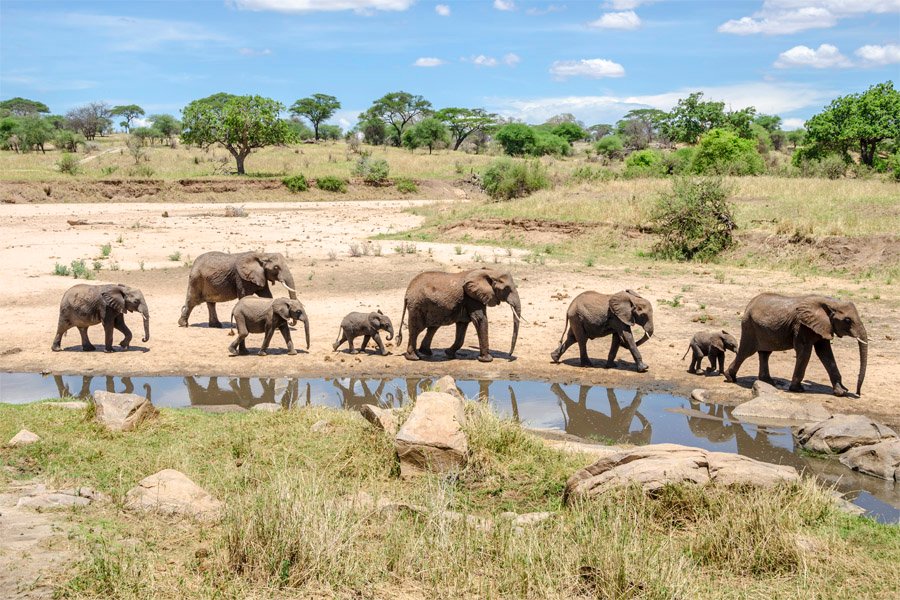
The best time to visit Tarangire National Park for concentrated wildlife viewing is generally June to October. During the dry season, animals gather around remaining water sources, making this a strong period to consider for your first visit.
However, Tarangire is worth considering beyond those months. Travellers interested in birdwatching, greener scenery or different photographic conditions may prefer another part of the year.
The right dates depend on what you want from your safari. An elephant-focused visit, a birdwatching trip and a wider itinerary including the Serengeti may call for different planning decisions.
This guide explains the best time to visit Tarangire in 2027/2028, its seasonal highlights and how to build a practical itinerary with Eddy Tours & Safaris.
Tarangire’s Seasons at a Glance
TANAPA describes Tarangire’s typical rainfall pattern as short rains around November–December, long rains around March–May, and drier periods around June–October and January–February. Actual rainfall varies between years.
| Period | Typical seasonal pattern | Planning focus |
|---|---|---|
| January–February | Often a drier interval between rainy periods | Compare wildlife and birdwatching interests |
| March–May | Long-rain period | Check road conditions and accommodation availability |
| June–October | Main dry season | Prioritise wildlife viewing and book ahead |
| November–December | Short-rain period | Allow flexibility and consider green-season interests |
These are seasonal expectations, not a weather forecast for 2027 or 2028. Ask about current conditions as your departure approaches.
Why the Dry Season Is Popular
Tarangire’s river plays an important role when surrounding water sources diminish. TANAPA identifies it as a dry-season attraction drawing elephants, buffaloes and other wildlife, with wildebeest, zebras and hartebeest also moving towards it.
This creates a useful starting point for an itinerary focused on mammals.
Your guide still needs to assess where animals are moving on the day. A season with favourable viewing conditions does not guarantee a particular sighting.
Allow time to watch behaviour. An elephant drinking, a herd moving between feeding areas or animals interacting can be more rewarding than quickly collecting photographs of several species.
If wildlife viewing is your main priority and your dates are flexible, begin by comparing departures within June–October.
Visiting Tarangire from June to October
The main dry season is a sensible choice for travellers seeking a classic Tarangire safari.
It is also a popular booking period. TANAPA recommends reserving accommodation well ahead for the peak dry season.
When planning your visit, look beyond the month:
- Where will you stay?
- How much time will you spend inside the park?
- Is your vehicle private or shared?
- Does your itinerary include a full game-drive day?
- How much driving separates your accommodation from the areas you intend to explore?
These details influence the experience even when two travellers visit during the same week.
For photographers, confirm that the schedule allows time at sightings. For families, discuss breaks and the length of outings. For a shared departure, establish the common programme before booking.
Visiting Tarangire from November to May
The broader wet and green-season period deserves consideration if your interests extend beyond concentrated mammal viewing.
Safari operator Asilia identifies November–May as a particularly rewarding period for Tarangire birdwatching. Rainfall, vegetation and access conditions vary within that broad window.
Do not treat all seven months as having identical weather. January and February can differ substantially from the long-rain period.
Ask your operator how the proposed dates affect the daily plan, accommodation and roads. A flexible itinerary is more useful than a promise that rain will occur only after your game drive finishes.
Pack protection for cameras and other electronics, and keep a light waterproof layer accessible.
January and February: A Useful Option to Compare
January and February can work for travellers who want to include Tarangire within a wider northern Tanzania holiday.
The key decision is how the park fits your overall interests.
If you are planning several destinations, ask the operator to explain why the route and accommodation locations suit the same travel dates. A good month for one activity does not automatically make every part of a multi-destination holiday equally suitable.
Consider whether you want a short introduction to Tarangire or a longer stay with time for birds and landscapes.
For a focused visit, avoid spending most of your available hours transferring between accommodation and the park.
March to May: Plan Around Practical Conditions
During the long-rain period, check the operating arrangements carefully.
Some camps close seasonally. For example, Asilia describes a rainy-season closure at Oliver’s Camp because of logistical and road-condition challenges. This is a property-specific example, not evidence that every Tarangire accommodation closes.
Before booking, request confirmation of:
- Whether your chosen accommodation will operate.
- Which access arrangements are expected.
- What happens if a road becomes unsuitable.
- Which activities remain available.
- The terms covering itinerary changes.
Do not assume that a lower quotation compensates for a schedule that fails to suit your expectations.
Travellers with flexible plans may appreciate this period, but the practical arrangements should be clear.
Best Time to Visit Tarangire for Elephants
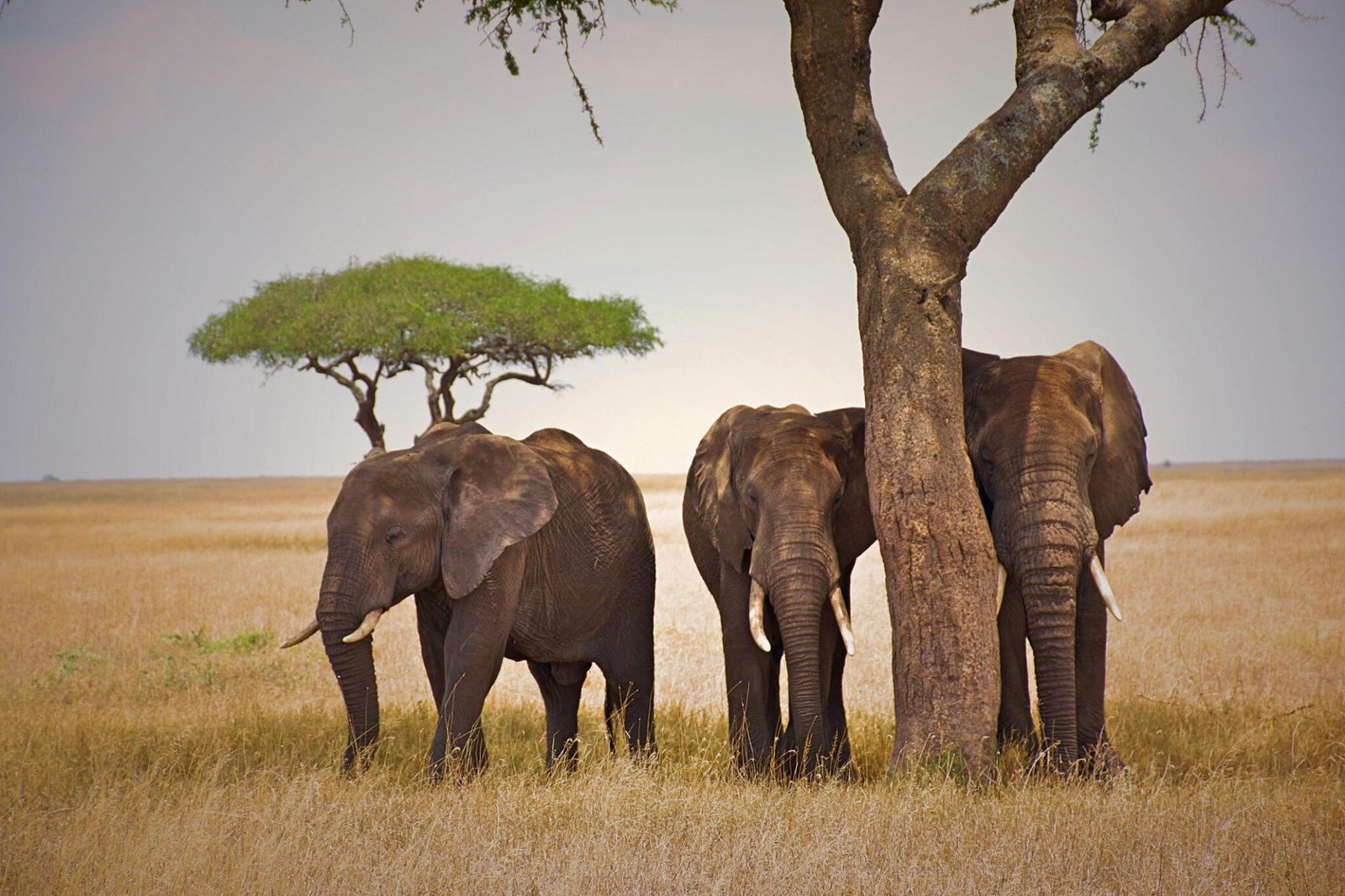
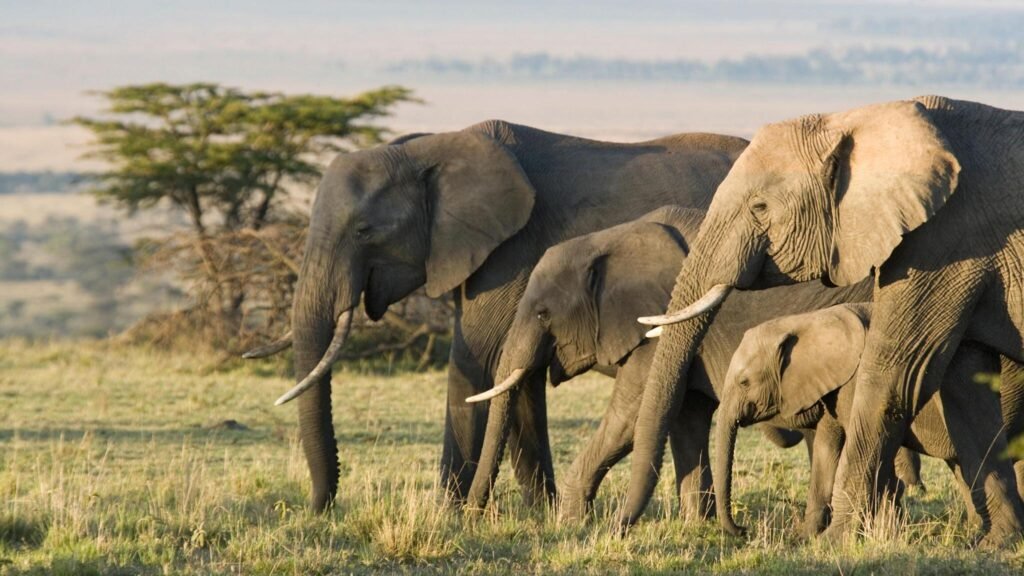
For a trip built around elephants and other large mammals, the main dry season is a useful starting point.
Tarangire is widely associated with elephants and baobab landscapes, which TANAPA identifies among its principal attractions.
However, ask for an itinerary that allows observation rather than guarantees.
A private vehicle may be useful if you want to spend longer watching a herd. A shared safari can also provide rewarding encounters, provided you understand that the guide must consider the interests of the whole group.
Keep a respectful distance and follow your guide’s instructions. Positioning the vehicle appropriately matters more than obtaining the closest possible photograph.
Best Time for Birdwatching
Birdwatchers should plan the guiding and schedule as carefully as the season.
Explain whether you are a beginner, an experienced birder or a photographer. Ask whether the proposed guide is comfortable with your interests and whether the itinerary allows slower observation.
Useful arrangements include:
- Time to stop for identification.
- Binoculars and a suitable field reference.
- Flexibility within permitted game-drive routes.
- A manageable list of priority species.
- Enough days to explore without constant transfers.
The green-season window is worth comparing, but resident birds also contribute to visits at other times.
Avoid booking a standard fast-moving wildlife circuit and expecting every stop to become a detailed birdwatching session. Discuss that preference before departure.
Best Time for Photography
Choose your season according to the photographs you want.
A wildlife-focused photographer may prioritise the dry-season viewing conditions. Someone interested in changing scenery, clouds and vegetation may consider a greener period.
In either case, itinerary design is important.
Ask about departure times, the location of accommodation and how much flexibility you will have at sightings. Confirm whether other guests share the vehicle.
Bring spare batteries, sufficient storage and equipment protection. Practise using your camera before travelling so you can respond quickly when something happens.
For phone photography, a patient guide and thoughtful framing can be more valuable than a rushed stop at every animal.
How Many Days Should You Spend in Tarangire?
One-Day Visit
A day trip can provide an introduction when your time is limited.
It includes travel to and from your starting point, so compare the expected park time with the complete day’s duration.
Ask where lunch is taken and when you are expected to return.
Two-Day Visit
A two-day itinerary can give you more time to explore, especially when the accommodation location supports the programme.
Confirm whether the second day includes additional Tarangire viewing or a transfer to another destination. “Two-day safari” does not always mean two days in the same park.
Three Nights or Longer
A longer stay may suit photographers, birdwatchers and travellers who prefer fewer accommodation changes.
It allows you to revisit areas and spend time observing rather than treating Tarangire as a brief stop.
The best duration depends on your interests and how the park fits the rest of your holiday.
Combining Tarangire with Other Tanzania Destinations
Tarangire can form part of a proposed itinerary including Lake Manyara, Ngorongoro and the Serengeti.
Choose the total duration carefully.
A compact four-day route combining Tarangire, Serengeti and Ngorongoro involves substantial driving. A longer itinerary allows more time in each destination.
An example to discuss is:
| Day | Proposed programme |
|---|---|
| Day 1 | Arusha to Tarangire; game drive |
| Day 2 | Transfer to central Serengeti |
| Days 3–4 | Serengeti game drives |
| Day 5 | Morning viewing and transfer towards Ngorongoro |
| Day 6 | Ngorongoro Crater visit and return to Arusha |
This is a planning example. Accommodation, access and daily timings require confirmation.
If following the migration is a priority, the Serengeti section may need a different region and additional travel time.
Does the Season Affect Safari Prices?
Seasonal accommodation rates and availability can affect your quotation, but do not assume that every wet-season date is cheap or every dry-season package costs the same.
Your price also depends on group size, vehicle arrangements, room occupancy and the wider itinerary.
Request equivalent quotations showing:
- Named accommodation.
- Included meals.
- Game-drive arrangements.
- Park charges.
- Transfers.
- Optional activities.
- Supplements and exclusions.
- Cancellation terms.
For 2027/2028 travel, use a current quotation rather than an older advertised price.
A suitable location and useful game-drive schedule can offer better value than a cheaper property requiring additional travel.
What to Pack for Tarangire
Pack for the confirmed season and itinerary.
Useful items include comfortable clothing, a light warm layer, sun protection, closed shoes, binoculars and camera equipment.
Add a waterproof layer and protection for electronics when appropriate. Carry personal medication and keep essentials in a small day bag.
Ask about luggage limits if you are joining a shared safari or using a domestic flight.
Leave room for practical comfort. You should be able to reach drinking water, your camera and an extra layer without unpacking your main bag during a transfer.
Frequently Asked Questions
What is the best month to visit Tarangire?
There is no single best month for every traveller. June–October is the main period to compare for concentrated wildlife viewing; birdwatchers may also consider the green season.
Can I visit Tarangire during the rains?
Yes, subject to the actual operating and access arrangements. Confirm accommodation availability and the proposed programme.
Will I definitely see elephants?
Elephants are a major attraction, but wildlife sightings cannot be guaranteed.
Is a day trip enough?
It can provide a useful introduction. Allow more time if Tarangire is a main interest rather than one stop in a wider safari.
Are walking safaris included?
Do not assume so. Request confirmation of permits, guiding, availability and charges for any activity beyond the stated game drives.
Should I book 2027/2028 accommodation early?
Booking ahead is particularly useful when you need specific properties, family rooms or fixed dates. Confirm availability and terms before paying.
Plan Your Tarangire Safari with Eddy Tours & Safaris
Start with your interests: elephants, birdwatching, photography or a broader northern Tanzania journey.
Contact Eddy Tours & Safaris with your preferred 2027/2028 dates, available days, group size and accommodation preference.
Request an itinerary that explains the seasonal expectations, overnight locations, game-drive time and complete price.
Website: eddytours-safaris.com
Sales enquiries: sales@eddytours-safaris.com
Alternative email: eddytoursandsafaris@gmail.com
Phone and WhatsApp: +255 711 906 664