
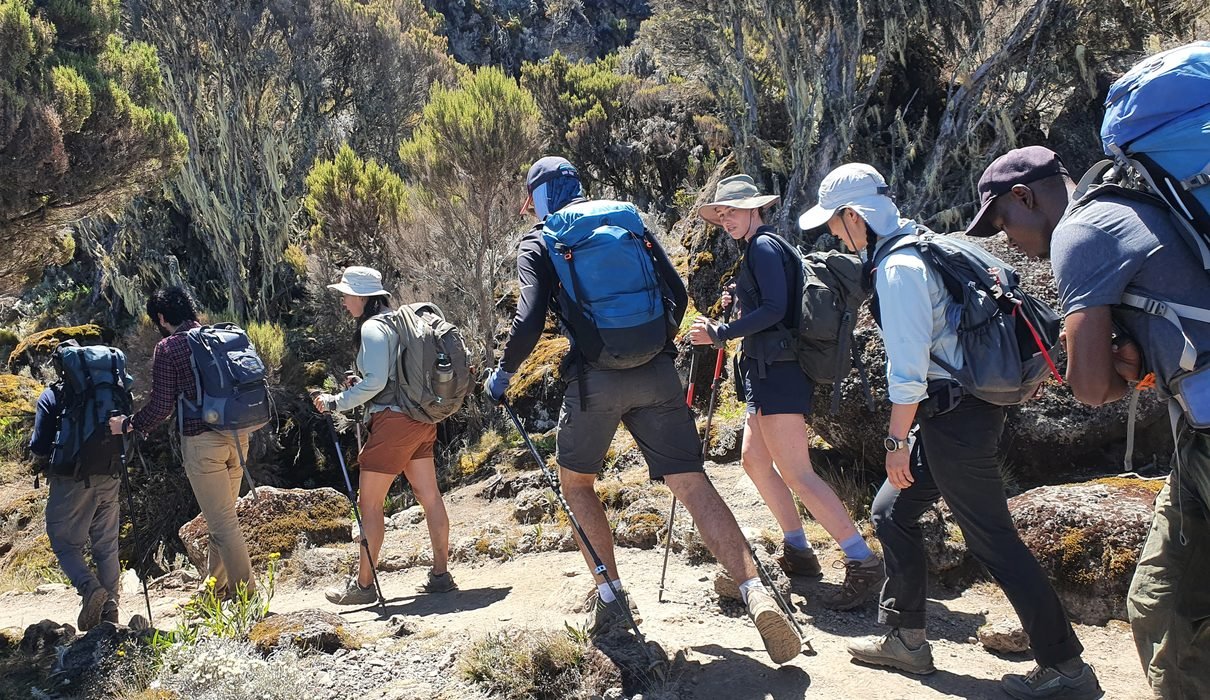
Climbing Mount Kilimanjaro is one of the most rewarding adventures you can experience in Tanzania. Standing at 5,895 metres above sea level, Kilimanjaro is the highest mountain in Africa and attracts travellers from around the world who want to reach Uhuru Peak. Among the different climbing routes, the 7 Days Kilimanjaro Machame Route is one of the most popular choices because of its beautiful scenery, varied landscapes, and gradual approach to higher altitudes. The route takes climbers through tropical rainforest, open moorland, rocky mountain slopes, and alpine desert before reaching the snow-covered summit.
The 7-day Kilimanjaro trek via Machame Route in 2027 is suitable for adventurous travellers who want enough time to enjoy the mountain while following a carefully planned climbing schedule. Compared with the six-day Machame itinerary, the seven-day option includes an additional acclimatisation day, which can help climbers adjust to the increasing altitude. Although reaching the summit is never guaranteed, following a longer itinerary, walking at a comfortable pace, and listening to experienced mountain guides can improve the overall climbing experience. This package begins and ends in Moshi or Arusha and includes six nights camping on the mountain.
Overview of the 7 Days Kilimanjaro Machame Route
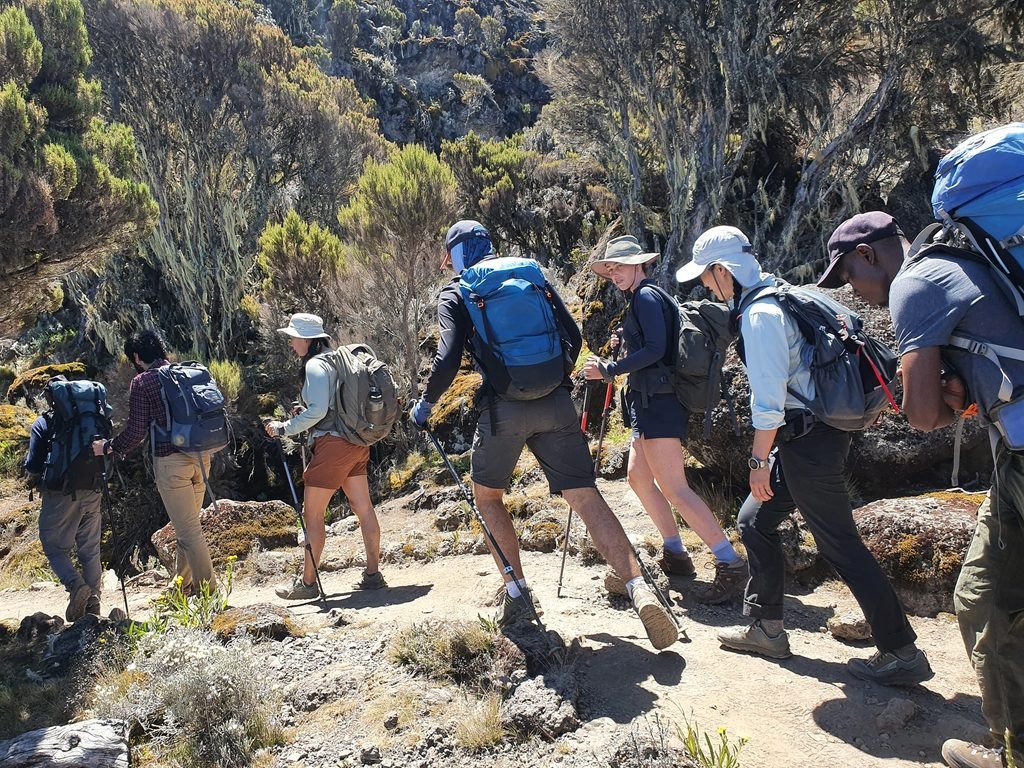
The Machame Route approaches Mount Kilimanjaro from the southwestern side and is often called the Whiskey Route. Despite the nickname, the route does not involve technical climbing under normal trekking conditions, but it is physically demanding because of steep sections, long walking days, and the effects of high altitude. The seven-day itinerary follows a scenic trail through several vegetation zones, offering climbers an opportunity to experience the mountain’s changing environment. One of its major advantages is the opportunity to climb to higher elevations during the day and sleep at lower altitudes on certain sections, which supports the acclimatisation process.
The route begins at Machame Gate, approximately 1,800 metres above sea level, and continues through Machame Camp, Shira Camp, Barranco Camp, Karanga Camp, and Barafu Camp before the final summit attempt. Climbers reach Uhuru Peak at 5,895 metres and then descend through Mweka Camp to Mweka Gate. Throughout the journey, the mountain team provides guidance, prepares meals, manages camping equipment, and monitors climbers’ well-being. The trek requires good physical preparation, suitable clothing, and a willingness to walk for several hours each day.
| Package Information | Details |
|---|---|
| Package Name | 7 Days Kilimanjaro Machame Route Trek |
| Destination | Mount Kilimanjaro, Tanzania |
| Mountain Height | 5,895 metres |
| Trekking Duration | 7 days |
| Mountain Nights | 6 nights |
| Starting Point | Machame Gate |
| Finishing Point | Mweka Gate |
| Accommodation | Mountain camping tents |
| Difficulty | Challenging |
| Highest Point | Uhuru Peak |
| Best Travel Periods | January–March and June–October |
| Trekking Style | Guided mountain expedition |
| Departure | Private departures by arrangement |
| Recommended Fitness | Good physical fitness |
Detailed 7 Days Kilimanjaro Machame Route Itinerary 2027
Day 1: Machame Gate to Machame Camp – Entering the Rainforest
Starting altitude: Approximately 1,800 metres
Sleeping altitude: Approximately 2,835 metres
Hiking distance: 11 km
Walking time: 5–7 hours
Habitat: Tropical rainforest
Your Kilimanjaro adventure begins with a morning transfer from your hotel in Moshi or Arusha to Machame Gate, located on the southwestern side of the mountain. After arriving at the gate, your guide completes the necessary park registration procedures while the mountain crew organises the equipment and supplies. Once everything is ready, you begin walking along a forest trail surrounded by tall trees, thick vegetation, and the sounds of birds. The rainforest section is often humid, and the trail can become muddy, particularly after rainfall. Although the first day does not involve extreme altitude, the continuous uphill walking provides an introduction to the physical demands of the mountain.
As you continue climbing, the forest gradually becomes less dense, and the landscape begins to change. Your guide will encourage you to maintain a slow and steady pace rather than rushing towards the campsite. Along the way, you may notice different plant species and occasionally hear or see monkeys moving through the trees. By late afternoon, you arrive at Machame Camp, where the mountain crew will have prepared your tents and a warm meal. After dinner, your guide explains the following day’s route and checks how everyone is feeling before you settle into your tent for the first night on Kilimanjaro.
Day 2: Machame Camp to Shira Camp – Climbing Above the Forest
Starting altitude: Approximately 2,835 metres
Sleeping altitude: Approximately 3,750 metres
Hiking distance: 5 km
Walking time: 4–6 hours
Habitat: Heathland and moorland
After breakfast at Machame Camp, you continue climbing towards Shira Camp, leaving the rainforest behind and entering the open heathland and moorland zones. The trail becomes steeper in several places, with rocky sections that require careful footing. As you gain elevation, the vegetation changes noticeably, and the surrounding landscape opens up to reveal impressive views of the mountain and the plains below. On a clear day, you may see Mount Meru rising in the distance. Although the walking distance is shorter than the previous day, the increase in altitude makes it important to maintain a comfortable pace and take regular breaks.
The route continues across rocky ridges before reaching the Shira Plateau, one of the most beautiful sections of the Machame Route. This area provides excellent views of Kibo, the highest volcanic cone of Kilimanjaro, and the surrounding high-altitude landscape. After arriving at Shira Camp, you have time to rest, drink water, and enjoy the mountain scenery. The temperature usually becomes noticeably colder in the evening, so warm clothing is important. Your guide will continue monitoring the group’s condition, particularly because some climbers may begin experiencing mild effects of altitude as they approach 4,000 metres.
Day 3: Shira Camp to Barranco Camp via Lava Tower – Important Acclimatisation Day
Starting altitude: Approximately 3,750 metres
Highest point: Lava Tower, approximately 4,630 metres
Sleeping altitude: Approximately 3,900 metres
Hiking distance: 10 km
Walking time: 6–8 hours
Habitat: Alpine desert
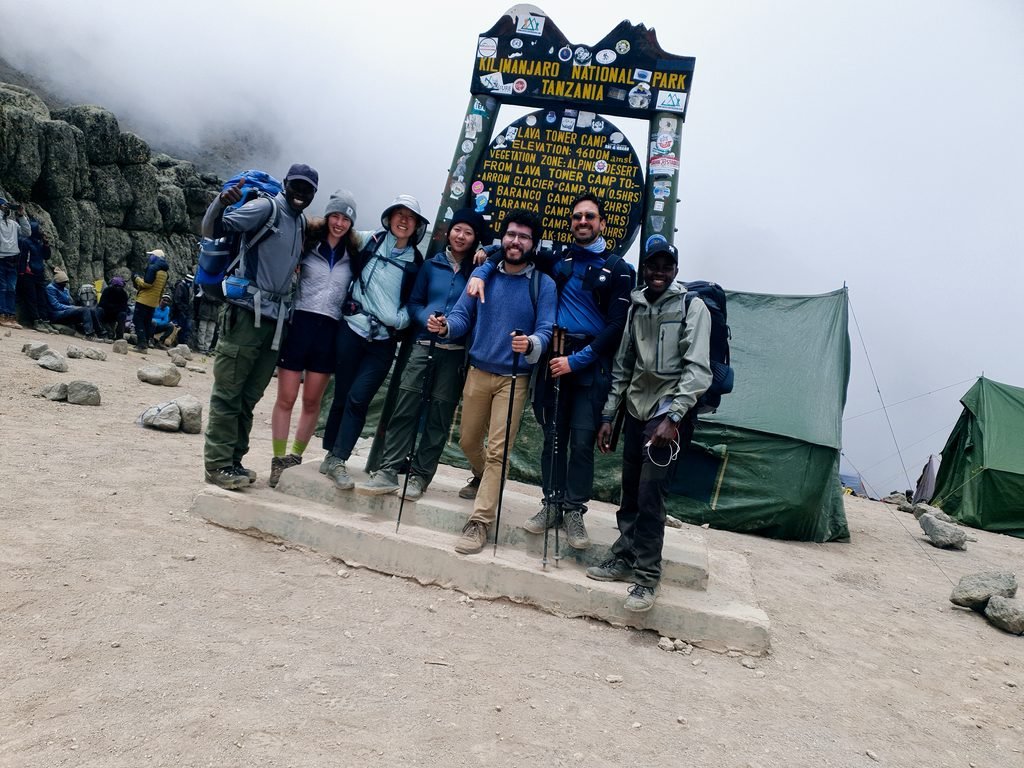
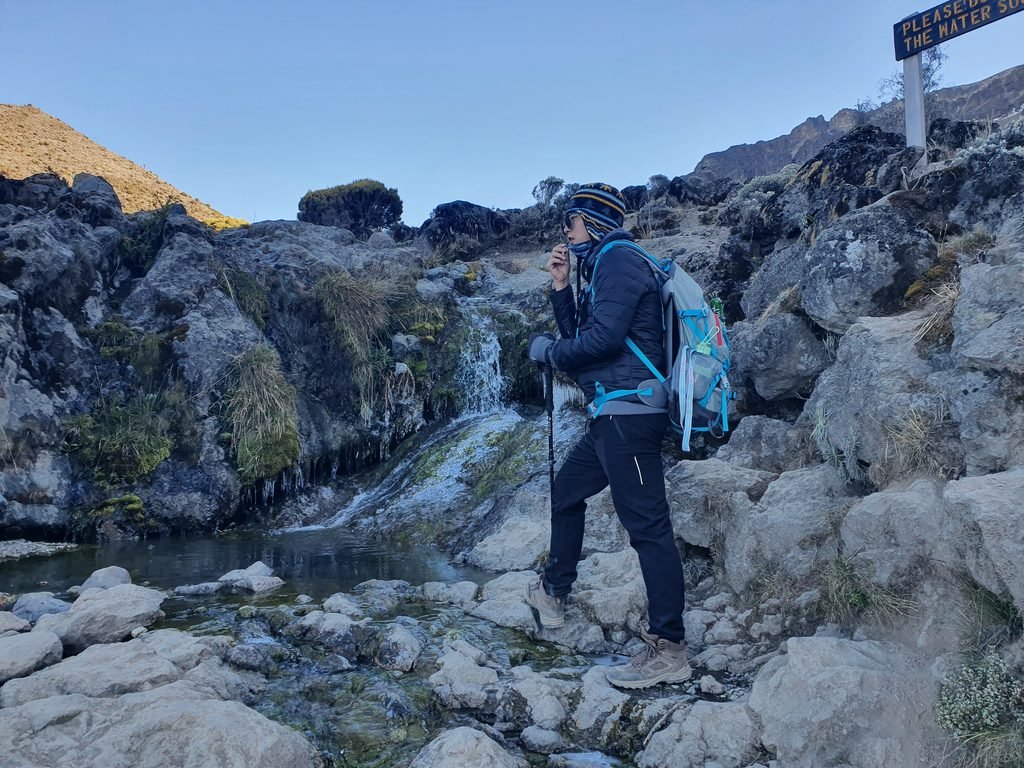
Day three is one of the most important stages of the seven-day Machame itinerary because it provides an opportunity to gain altitude during the day before descending to sleep at a lower elevation. After breakfast, you leave Shira Camp and follow a trail across increasingly dry and rocky terrain towards Lava Tower. The vegetation becomes sparse as you enter the alpine desert zone, where the landscape is dominated by volcanic rocks and wide mountain views. The air becomes thinner as you climb, and walking may feel more demanding even at a slow pace. Your guide will encourage regular hydration, appropriate clothing, and steady movement throughout the day.
After reaching the Lava Tower area, you begin descending towards Barranco Camp, which lies at a lower altitude. This descent is an important part of the route’s acclimatisation strategy, often described as climbing high and sleeping low. As you approach Barranco, the landscape changes again, and you may encounter giant groundsels and other unusual plants adapted to Kilimanjaro’s high-altitude environment. The campsite is located beneath the impressive Barranco Wall, providing one of the most recognisable views on the mountain. After a long day of trekking, you enjoy dinner and rest while preparing for the following morning’s climb over the wall.
Day 4: Barranco Camp to Karanga Camp – Crossing the Famous Barranco Wall
Starting altitude: Approximately 3,900 metres
Sleeping altitude: Approximately 4,000 metres
Hiking distance: 5 km
Walking time: 4–5 hours
Habitat: Alpine desert
The fourth day begins with one of the most exciting sections of the Machame Route: the Barranco Wall. After breakfast, you leave camp and approach the steep rocky slope, which requires careful movement and occasional use of your hands for balance. Although the wall may appear intimidating from below, it is a scrambling section rather than a technical rock climb under normal conditions. Your mountain guides will assist you through the more challenging passages and help maintain a safe pace. As you gain height, the views become increasingly impressive, with the surrounding valleys and mountain slopes stretching far below.
Once you reach the top of Barranco Wall, the route continues across a series of ridges and valleys towards Karanga Camp. The trail includes both uphill and downhill sections, making it an interesting but physically demanding walk. Along the way, you enjoy views of Kibo and the surrounding alpine desert. The relatively short trekking day allows additional time for rest and acclimatisation before moving towards the final summit camp. Upon reaching Karanga, you can relax, enjoy a warm meal, and prepare your equipment for the next stage. This additional overnight stop is one of the main differences between the six-day and seven-day Machame itineraries.
Day 5: Karanga Camp to Barafu Camp – Preparing for the Summit
Starting altitude: Approximately 4,000 metres
Sleeping altitude: Approximately 4,673 metres
Hiking distance: 4 km
Walking time: 3–5 hours
Habitat: Alpine desert
After breakfast, you leave Karanga Camp and begin the climb towards Barafu Camp, the final campsite before the summit attempt. The trail crosses a dry, rocky landscape with limited vegetation, and the altitude becomes increasingly noticeable as you approach 4,700 metres. Although the walking distance is relatively short, every uphill section may require additional effort because of the thinner air. Your guide will encourage a slow pace and monitor how you are responding to the altitude. The surrounding scenery is dramatic, with views of the mountain’s upper slopes and the rugged terrain leading towards the summit.
You normally arrive at Barafu Camp around midday or early afternoon, leaving time to rest before the overnight summit climb. After lunch, your guide explains the summit schedule, checks your clothing and equipment, and provides important safety instructions. Climbers are encouraged to drink sufficient water, eat properly, and sleep or rest whenever possible. Dinner is usually served early because the summit attempt commonly begins around midnight. Temperatures can fall well below freezing, so thermal clothing, gloves, a warm hat, and a suitable sleeping bag are essential. The evening is spent preparing mentally and physically for the most demanding part of the expedition.
Day 6: Barafu Camp to Uhuru Peak, Then Descend to Mweka Camp – Summit Day
Starting altitude: Approximately 4,673 metres
Summit altitude: 5,895 metres
Sleeping altitude: Approximately 3,100 metres
Hiking distance: Approximately 17 km
Walking time: 12–16 hours
Habitat: Arctic summit zone and moorland
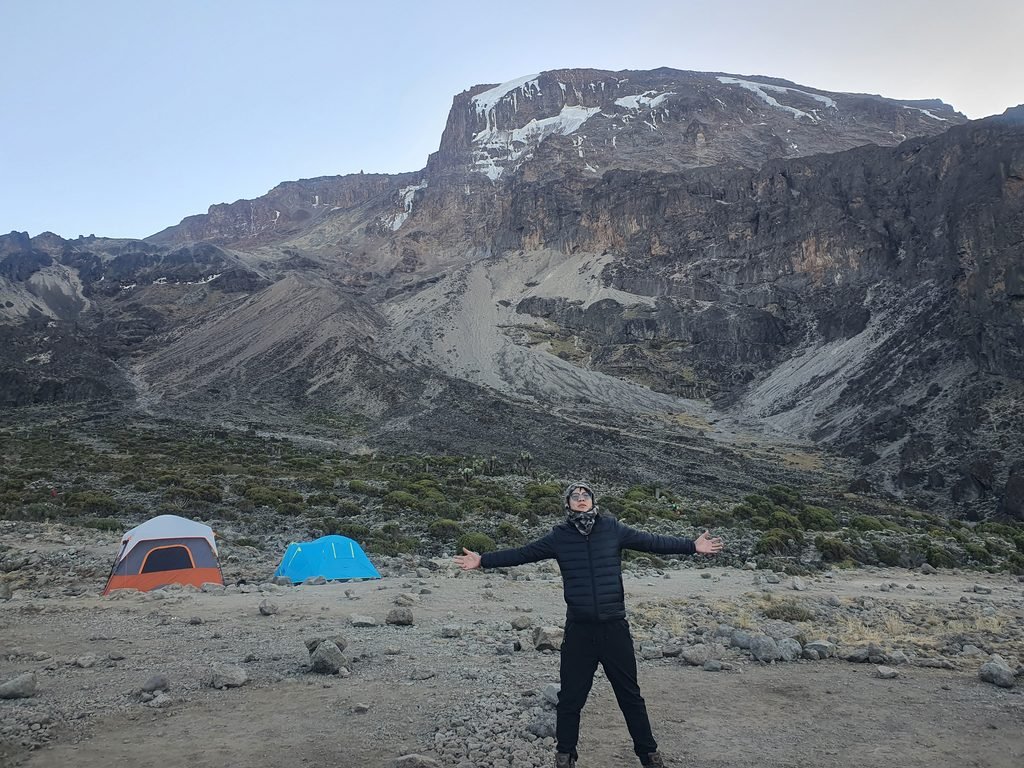
Summit day is the most challenging and rewarding part of the seven-day Kilimanjaro Machame trek. You normally begin climbing around midnight, following a steep trail through loose volcanic gravel and rocky terrain towards Stella Point on the crater rim. The combination of darkness, cold temperatures, and high altitude makes this section physically demanding, so your guide will maintain a slow and steady pace. As you climb higher, the air becomes thinner, and even simple movements can require considerable effort. Regular short breaks help you manage your energy, while your mountain team continues checking your condition and providing encouragement throughout the ascent.
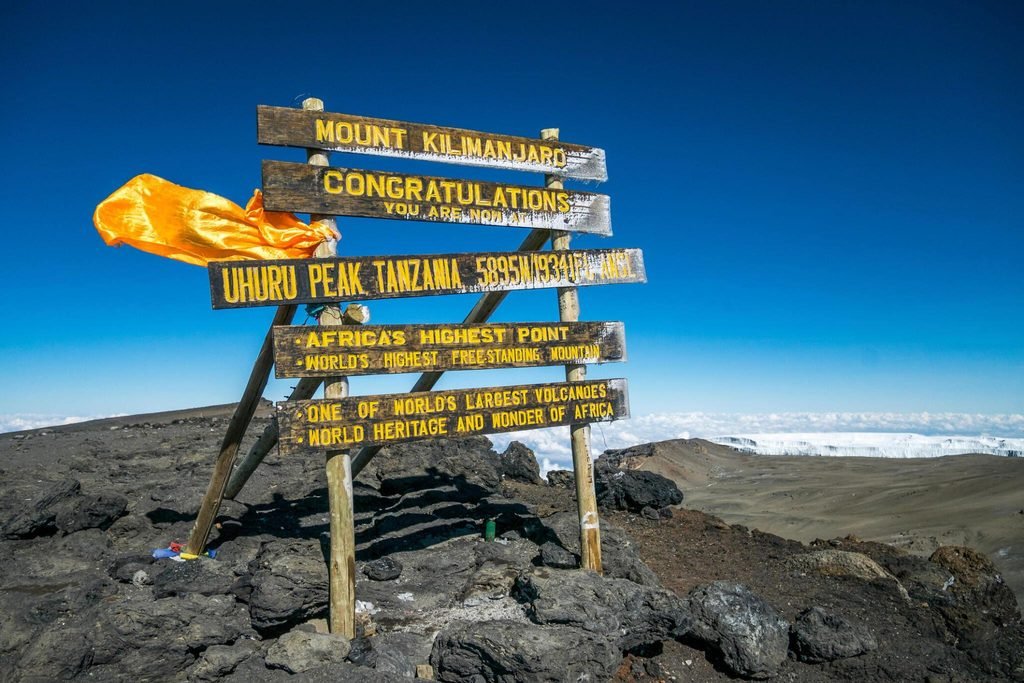
After reaching Stella Point, approximately 5,756 metres above sea level, you continue along the crater rim towards Uhuru Peak. The final section provides views of the mountain’s remaining glaciers and volcanic landscape, although visibility depends on weather conditions. Reaching Uhuru Peak at 5,895 metres is an extraordinary achievement, marking the highest point in Africa. After taking photographs and spending a short time at the summit, you begin descending towards Barafu Camp for a rest and meal before continuing down to Mweka Camp. The descent is long and tiring, but the lower altitude generally provides relief from the thin air experienced near the summit. You spend your final night on the mountain at Mweka Camp.
Day 7: Mweka Camp to Mweka Gate – Completing Your Kilimanjaro Adventure
Starting altitude: Approximately 3,100 metres
Finishing altitude: Approximately 1,640 metres
Hiking distance: 10 km
Walking time: 3–4 hours
Habitat: Rainforest
The final day begins with breakfast at Mweka Camp before you continue descending through Kilimanjaro’s rainforest towards Mweka Gate. The trail passes through thick vegetation, and the atmosphere gradually becomes warmer and more humid as you lose altitude. After several days in the cold mountain environment, returning to the forest can feel like entering a completely different landscape. The descent is generally easier than the previous day’s summit climb, although tired legs and slippery sections require care. Along the way, you may hear birds and notice the return of the lush vegetation that characterises the lower slopes of Kilimanjaro.
Upon reaching Mweka Gate, your guide completes the necessary checkout procedures, and eligible climbers receive certificates recognising the altitude they reached. You then meet your transfer vehicle for the journey back to Moshi or Arusha, where you can enjoy a shower, comfortable accommodation, and a well-deserved rest. The seven-day Machame trek ends here, leaving you with memories of the mountain’s forests, rocky landscapes, high-altitude camps, and the demanding journey towards Uhuru Peak. Travellers who wish to continue exploring Tanzania can combine their Kilimanjaro climb with a wildlife safari in Serengeti National Park, Ngorongoro Crater, or Tarangire National Park.
What Makes the 7 Days Machame Route a Good Choice?
The seven-day Machame Route is popular because it combines impressive scenery with a climbing schedule that allows more time for altitude adjustment than the shorter six-day version. The route passes through several vegetation zones, giving trekkers an opportunity to experience the remarkable environmental changes found on Mount Kilimanjaro. From the tropical rainforest near Machame Gate to the rocky alpine desert around Barafu Camp, every day offers different landscapes and challenges. The route also includes famous features such as the Shira Plateau, Lava Tower, Barranco Wall, and the final summit ascent towards Uhuru Peak.
Another advantage is the additional night at Karanga Camp, which divides the journey between Barranco and Barafu into two shorter stages. This allows climbers to rest before the summit attempt and provides more time for acclimatisation. However, the route remains challenging, and the extra day does not eliminate the risk of altitude sickness. Successful climbing depends on several factors, including individual altitude response, physical preparation, weather conditions, and the guidance of an experienced mountain team. For travellers seeking a balance between adventure, scenery, and acclimatisation, the seven-day Machame itinerary is a strong option.
How Difficult Is the 7 Days Kilimanjaro Machame Route?
The Machame Route is considered challenging because of its steep sections, changing weather conditions, and high altitude. Climbers should expect to walk for several hours each day, sometimes on rocky or uneven trails. The Barranco Wall requires careful scrambling, while the summit ascent involves a long overnight climb in cold conditions. Although the standard route does not require technical mountaineering skills, good physical fitness and mental preparation are important. Travellers who regularly hike, walk long distances, or participate in endurance activities may find it easier to manage the physical demands of the mountain.
Altitude is the greatest challenge for many climbers because the amount of available oxygen decreases as elevation increases. Symptoms of altitude sickness can include headaches, nausea, dizziness, and unusual fatigue. Serious altitude illness can be life-threatening and requires immediate action, including descent when indicated. Climbers should inform their guides about any symptoms rather than attempting to continue without assistance. Following a gradual climbing schedule, maintaining a manageable pace, and allowing time for acclimatisation can help, but no preparation method guarantees that altitude sickness will not occur. Your guide’s safety decisions should always take priority over reaching the summit.
Best Time to Climb Kilimanjaro via Machame Route in 2027
Mount Kilimanjaro can be climbed throughout the year, but certain months generally provide more favourable trekking conditions. January to early March is a popular period because the weather is often relatively dry, with clearer mornings and cooler conditions at higher elevations. June to October is another widely preferred climbing season, offering generally drier trails and good opportunities for mountain views. However, these months are also popular with international travellers, so campsites and routes may be busier than during quieter periods. Climbers planning a 2027 expedition should arrange their preferred dates early, particularly if travelling during peak holiday seasons.
April and May usually experience heavier rainfall, which can make trails muddy and reduce visibility. November also commonly receives short rains, although conditions vary from year to year. Regardless of the season, Kilimanjaro’s weather can change quickly, and climbers should be prepared for rain, strong winds, freezing temperatures, and intense sunshine. Summit temperatures can be extremely cold even when the lower slopes are warm. Choosing a suitable climbing period improves the chances of comfortable trekking conditions, but mountain weather remains unpredictable and should never be underestimated.
What Is Included in the 7 Days Kilimanjaro Machame Trek Package?
A professionally organised Kilimanjaro climbing package generally includes the essential services required to complete the expedition safely and comfortably. These typically cover park entrance and camping fees, professional mountain guides, porters, cooks, camping equipment, meals during the trek, and transport between the hotel and mountain gates. The mountain team is responsible for preparing camps, transporting shared equipment, cooking meals, and supporting climbers throughout the journey. Having an organised crew allows visitors to concentrate on walking, acclimatisation, and enjoying the mountain rather than managing complicated expedition logistics.
The exact inclusions depend on the quotation and package selected. Hotel accommodation before and after the climb, airport transfers, private toilet tents, equipment rental, and additional services may be included or offered separately. International flights, travel insurance, personal climbing equipment, staff tips, and personal expenses are commonly excluded unless specifically stated. Before confirming your booking, review the package details carefully to understand which services are covered. At Eddy Tours & Safaris, the itinerary and quotation can be prepared according to your preferred travel dates, group size, accommodation requirements, and additional holiday plans.
What Should You Pack for the Machame Route?
Packing suitable clothing and equipment is important because Kilimanjaro has several different climate zones. Climbers may begin their journey in warm, humid rainforest conditions before reaching areas where temperatures fall below freezing. A good layering system is therefore essential, including moisture-wicking base layers, warm insulating clothing, a waterproof jacket, waterproof trousers, gloves, and a warm hat. Comfortable hiking boots with good ankle support are also important, particularly on rocky trails and during the long summit descent. Boots should be properly fitted and tested before the climb to reduce the risk of blisters and discomfort.
Other useful items include trekking poles, a headlamp with spare batteries, sunglasses, sunscreen, a reusable water bottle or hydration system, and a suitable sleeping bag for cold mountain conditions. Climbers should also carry personal medication, basic toiletries, and a small daypack for items needed during daily walks. Your main duffel bag is normally transported by the porter team within applicable weight limits, while you carry your own daypack. A complete packing list should be reviewed before travelling so that important equipment is not forgotten. Some items may be available for rental in Moshi or Arusha, depending on local availability.
How Much Does the 7 Days Kilimanjaro Machame Route Cost in 2027?
The cost of a seven-day Kilimanjaro Machame Route climb depends on the number of climbers, services included, hotel arrangements, and the level of support provided by the mountain operator. Private climbs for one or two travellers generally cost more per person than trips organised for larger groups because guide, transport, and equipment expenses are shared among fewer participants. Park fees and mountain crew costs also represent a significant part of the total package price. When comparing quotations, it is important to look beyond the advertised amount and understand what each operator includes.
A lower price does not always mean better value, particularly if important services have been excluded or if staff welfare and safety standards are unclear. Travellers should check whether the quotation includes park fees, camping equipment, meals, professional guides, porters, transfers, and accommodation before and after the climb. It is also worth asking about emergency procedures, guide experience, and crew working conditions. For accurate 2027 pricing, Eddy Tours & Safaris can prepare a personalised quotation based on your travel dates, group size, and preferred arrangements.
Can You Combine the 7 Days Machame Route with a Tanzania Safari?
Many travellers combine their Kilimanjaro climb with a wildlife safari because northern Tanzania offers some of Africa’s most famous national parks within reach of Arusha and Moshi. After completing the mountain trek, you can spend several days exploring Serengeti National Park, Ngorongoro Crater, Tarangire National Park, or Lake Manyara National Park. A safari provides a different experience from trekking, allowing you to relax in a vehicle while observing elephants, lions, giraffes, zebras, and other wildlife in their natural habitats. It is a popular way to extend a Tanzania holiday after the physical challenge of climbing Kilimanjaro.
For travellers with limited time, a three- or four-day safari can provide an introduction to Tanzania’s wildlife. Those with more days available may prefer a five- to seven-day itinerary that includes the Serengeti and Ngorongoro. You can also finish your holiday with a few days on Zanzibar’s beaches. Combining Kilimanjaro, a wildlife safari, and Zanzibar allows visitors to experience three very different sides of Tanzania during one trip. However, it is advisable to allow some recovery time after the mountain climb before beginning a demanding travel schedule.
Frequently Asked Questions About the 7 Days Kilimanjaro Machame Route
Is the 7 Days Machame Route Suitable for Beginners?
The seven-day Machame Route can be suitable for physically prepared beginners who are comfortable with multi-day hiking and willing to follow the guidance of experienced mountain professionals. Technical climbing experience is not normally required, but the route involves steep trails, high altitude, and a demanding summit night. Beginners should prepare through regular walking, hiking, and endurance exercises before travelling. Choosing the seven-day itinerary provides more acclimatisation time than the six-day version, although it does not guarantee a successful summit.
What Is the Success Rate of the 7 Days Machame Route?
Summit success rates vary between operators, groups, and individual climbers, and there is no single verified percentage that applies to every seven-day Machame expedition. Longer itineraries generally provide better opportunities for acclimatisation than shorter ones, but success also depends on weather, fitness, health, and individual responses to altitude. Travellers should be cautious about operators advertising unusually high success rates without explaining how those figures were calculated. Safety and proper acclimatisation should always be more important than reaching the summit at any cost.
Do I Need Technical Climbing Experience for the Machame Route?
No technical mountaineering experience is normally required for the standard Machame Route. However, the trek includes steep walking trails and a scrambling section at Barranco Wall, where climbers may need to use their hands for balance. Good fitness, suitable hiking boots, and a willingness to follow your guide’s instructions are important. Snow, ice, or severe weather may create additional challenges, and guides must assess conditions before continuing.
How Cold Does Kilimanjaro Get During Summit Night?
Temperatures near the summit can fall well below freezing, particularly when strong winds increase the wind chill. Conditions vary depending on the season and weather, but climbers should prepare for severe cold. Thermal base layers, insulated jackets, warm gloves, hats, and suitable outer clothing are essential for summit night. Your guide can advise on the equipment needed for your specific climbing dates.
Is the Seven-Day Machame Route Better Than the Six-Day Route?
For many climbers, the seven-day Machame Route is preferable because it includes an additional night at Karanga Camp. This divides one of the longer trekking sections into shorter stages and provides more time for acclimatisation before the summit attempt. The six-day route is still used by some climbers, but it offers less time to adjust to altitude. Travellers who can accommodate the additional day may benefit from choosing the longer itinerary.
Where Does the Machame Route Start and Finish?
The Machame Route begins at Machame Gate on the southwestern side of Mount Kilimanjaro. Climbers follow the mountain trail through Machame, Shira, Barranco, Karanga, and Barafu camps before attempting the summit. After reaching their highest safe point, they descend through Mweka Camp and finish at Mweka Gate. Transport is normally arranged between the gates and the climber’s hotel in Moshi or Arusha.
Book Your 7 Days Kilimanjaro Machame Route Trek for 2027
The seven-day Kilimanjaro Machame Route offers an excellent combination of mountain scenery, physical adventure, and a carefully paced trekking schedule. From the rainforest near Machame Gate to the rocky slopes of Barranco Wall and the final climb towards Uhuru Peak, the journey provides an opportunity to experience some of Tanzania’s most impressive natural landscapes. Although the climb requires determination and preparation, travelling with an experienced mountain team can help make the experience safer, better organised, and more enjoyable.
Eddy Tours & Safaris is a local tour company in Arusha, Tanzania, highly recommended by travellers. We organise guided Kilimanjaro climbing expeditions, Mount Meru treks, private Tanzania wildlife safaris, and personalised holidays. Our team can assist with route selection, travel arrangements, accommodation, and safari extensions to Serengeti National Park, Ngorongoro Crater, and other destinations.
If you are planning to climb Mount Kilimanjaro in 2027, contact Eddy Tours & Safaris for a personalised seven-day Machame Route itinerary and quotation. We can help you arrange a private climb based on your preferred dates, number of travellers, and additional travel plans.
Contact Eddy Tours & Safaris
Website: Eddy Tours & Safaris
Climbing enquiries: Contact our team
Email: sales@eddytours-safaris.com
WhatsApp: +255 711 906 664 — Chat with us