
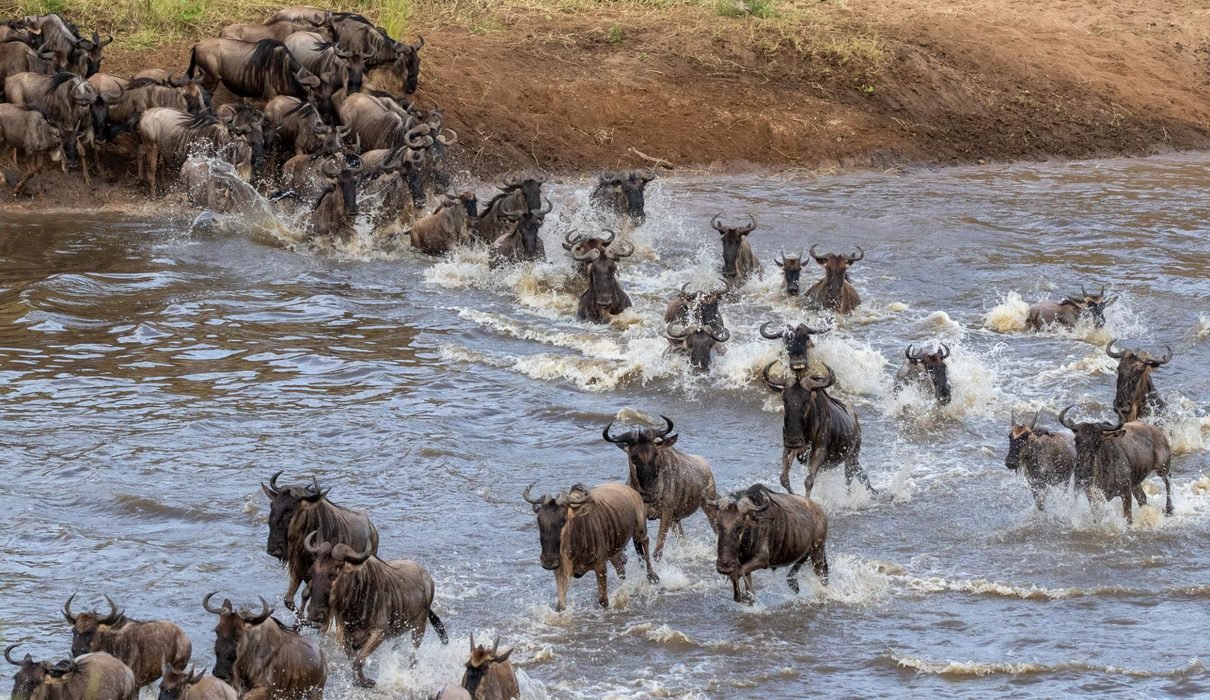
Serengeti National Park is one of Tanzania’s most famous wildlife destinations, attracting travellers who want to experience African wildlife in its natural environment. Known for its extensive grasslands, large predator populations, and the annual Great Wildebeest Migration, the Serengeti offers different safari experiences throughout the year. Whether you are planning a short wildlife holiday, a luxury safari, or a longer journey through northern Tanzania, choosing the right Serengeti safari tour can make a significant difference to your experience.
The best Serengeti safari tours take visitors through different regions of the park, including the central Serengeti, northern Serengeti, southern plains, and western corridor. Each region offers different landscapes and wildlife-viewing opportunities. Some areas are particularly rewarding during the migration season, while others provide excellent opportunities to observe lions, elephants, giraffes, cheetahs, and other animals throughout the year.
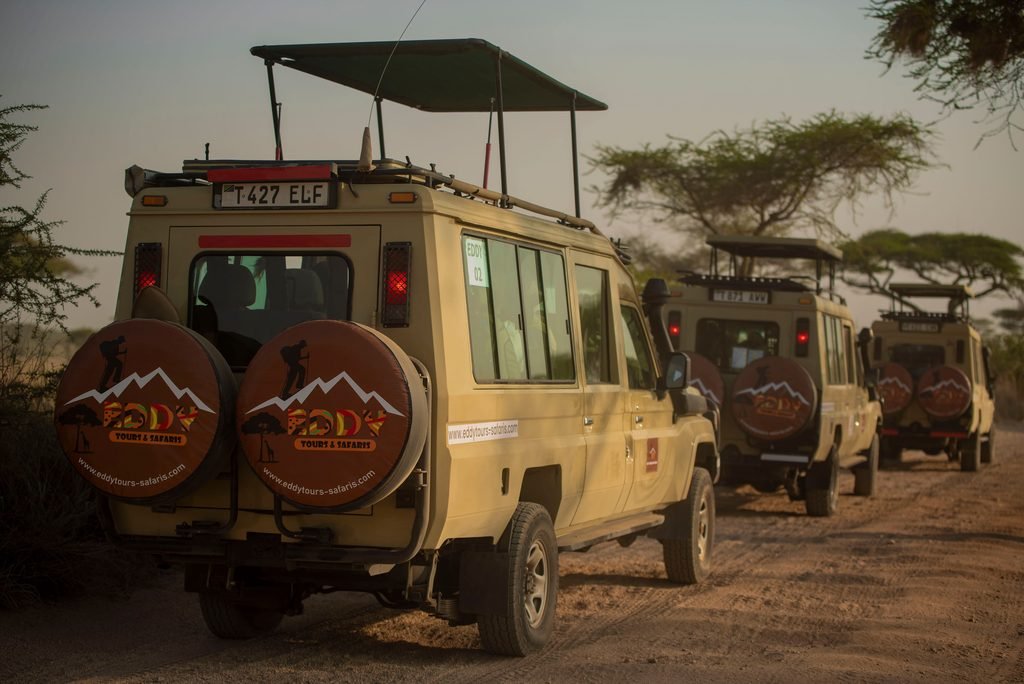
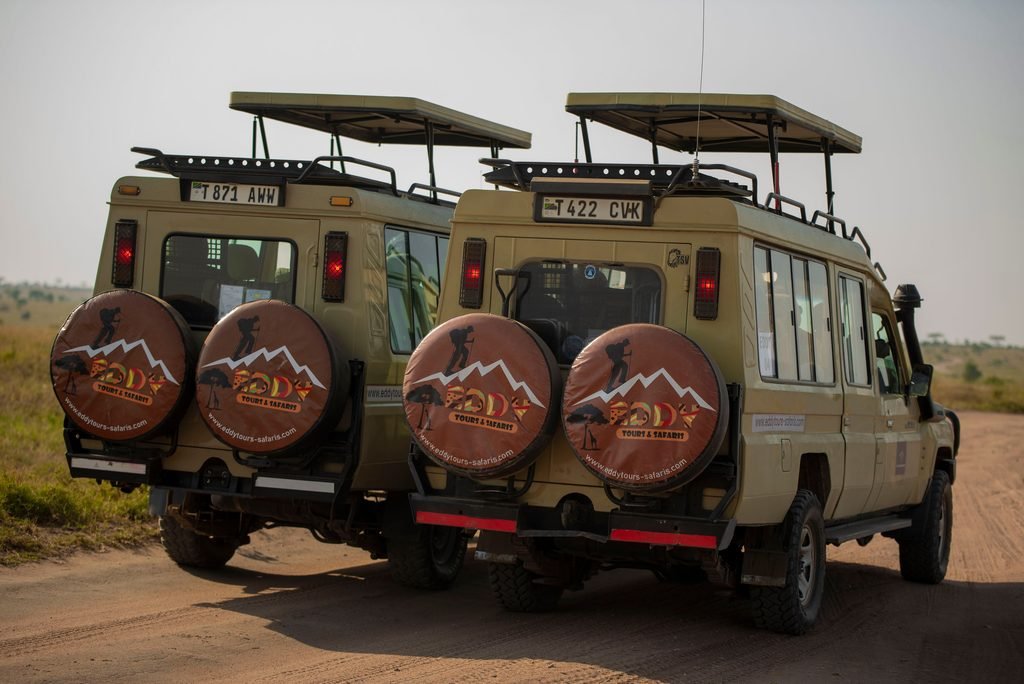
Eddy Tours & Safaris is a local tour company in Arusha, Tanzania, highly recommended by travellers. We arrange professionally guided Tanzania wildlife safaris, Kilimanjaro climbing expeditions, and Zanzibar beach holidays. Our team helps visitors select suitable Serengeti safari routes according to their travel dates, available time, accommodation preferences, and wildlife interests.
This guide explains the best Serengeti safari tours, popular travel routes, seasonal wildlife experiences, and important information to consider when planning a Tanzania safari.
Why Serengeti National Park Is One of Africa’s Best Safari Destinations
Serengeti National Park covers approximately 14,763 square kilometres of protected land in northern Tanzania. The park forms part of the larger Serengeti–Mara ecosystem, which extends into Kenya’s Maasai Mara region. Its landscapes include open grasslands, woodland areas, rivers, seasonal wetlands, and rocky outcrops known as kopjes.
The Serengeti is internationally recognised for its exceptional wildlife populations and the annual movement of wildebeest, zebras, and gazelles. This migration follows seasonal rainfall and grazing conditions, with animals moving between different parts of the ecosystem throughout the year. Predators such as lions, cheetahs, leopards, and hyenas are closely associated with these large herbivore populations.
The park was recognised as a UNESCO World Heritage Site in 1981 because of its outstanding natural importance and ecological diversity. Its combination of wildlife, landscapes, and conservation value makes it one of the most important safari destinations in Africa.
Travellers can learn more about the park through the UNESCO World Heritage Centre and the Tanzania National Parks Authority.
Best Serengeti Safari Routes and Wildlife Experiences
Choosing the right Serengeti safari route depends on your travel dates and the wildlife you want to observe. The park is large, and travelling between different regions can take several hours. Understanding the main safari areas helps visitors select an itinerary that provides sufficient time for wildlife viewing rather than spending most of the holiday driving.
1. Central Serengeti Safari – Best for Year-Round Wildlife Viewing
The central Serengeti, particularly the Seronera region, is one of the most popular safari areas in Tanzania. Its varied habitats support wildlife throughout the year, making it a suitable destination for travellers visiting outside the main migration periods.
The Seronera Valley contains rivers, open plains, rocky kopjes, and woodland habitats. These environments provide suitable conditions for many wildlife species, including lions, leopards, cheetahs, elephants, giraffes, buffaloes, zebras, and different antelope species.
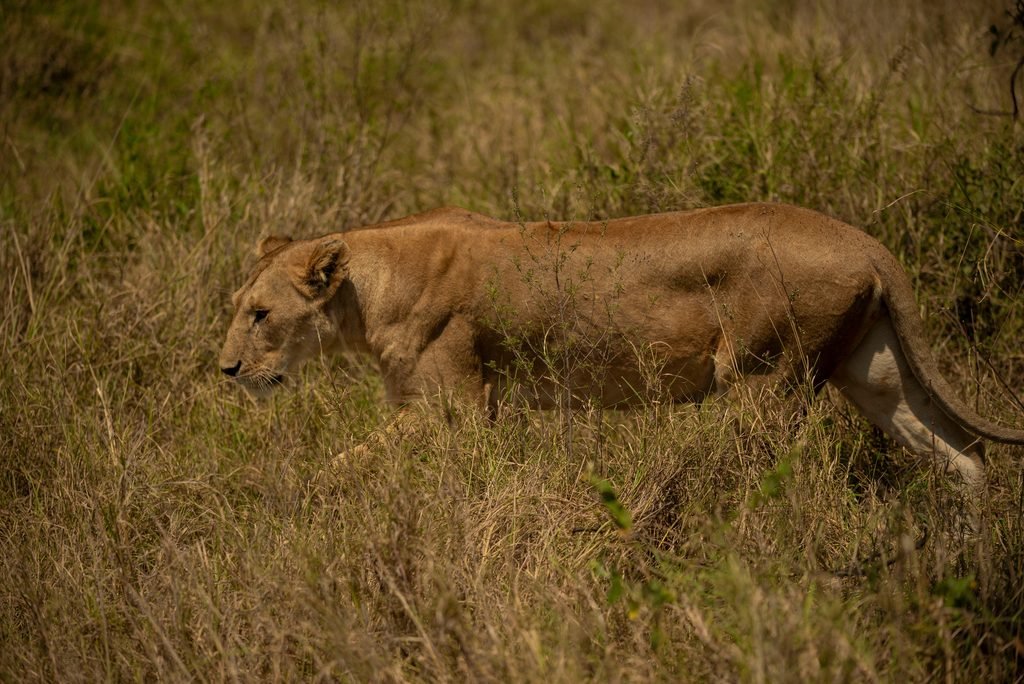
Lions are frequently associated with the open grasslands and rocky areas, while leopards may be found resting in trees along riverine habitats. Cheetahs are often seen in open areas where they hunt smaller antelopes.
Central Serengeti is particularly suitable for first-time safari visitors because it offers a wide variety of wildlife-viewing opportunities. Travellers planning a three-day or four-day Serengeti safari often concentrate on this region to reduce travelling distances.
Recommended safari duration: 3–5 days
Best travel period: Throughout the year
Main attractions: Lions, leopards, cheetahs, elephants, giraffes, and resident wildlife
2. Northern Serengeti Safari – Best for Mara River Crossings
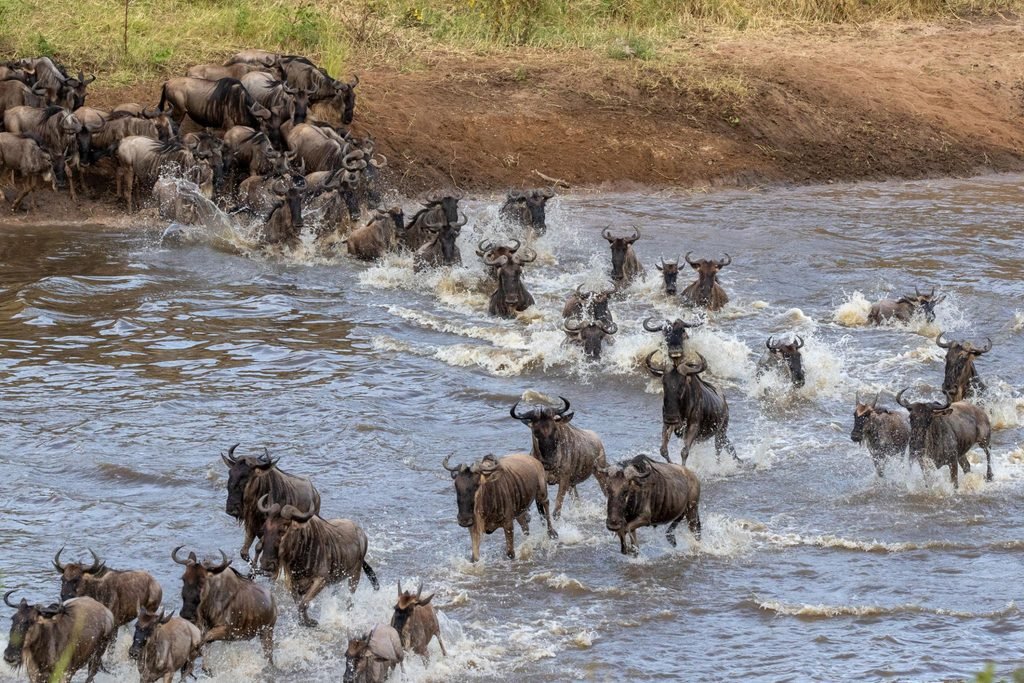
Northern Serengeti is particularly famous for the Great Wildebeest Migration during the period when large herds move towards the Mara River. This region includes the Kogatende area, where visitors may have opportunities to observe wildebeest gathering near river crossing points.
Between approximately July and October, migrating herds may be found in northern Serengeti, although their exact locations depend on rainfall and grazing conditions. During this period, wildebeest sometimes cross the Mara River, where strong currents and crocodiles create significant challenges.
River crossings are unpredictable. Herds may gather near the river for several hours before crossing, or they may move away without entering the water. Travellers should therefore avoid expecting a guaranteed crossing on a particular day.
Northern Serengeti is considerably farther from Arusha than central Serengeti. For this reason, visitors interested in the Mara River should consider spending several nights in the northern region or using a domestic flight to reduce road travel.
Recommended safari duration: 5–7 days or longer
Best travel period: Approximately July–October
Main attractions: Wildebeest migration, possible Mara River crossings, lions, crocodiles, and other wildlife
3. Southern Serengeti and Ndutu Safari – Best for Wildebeest Calving
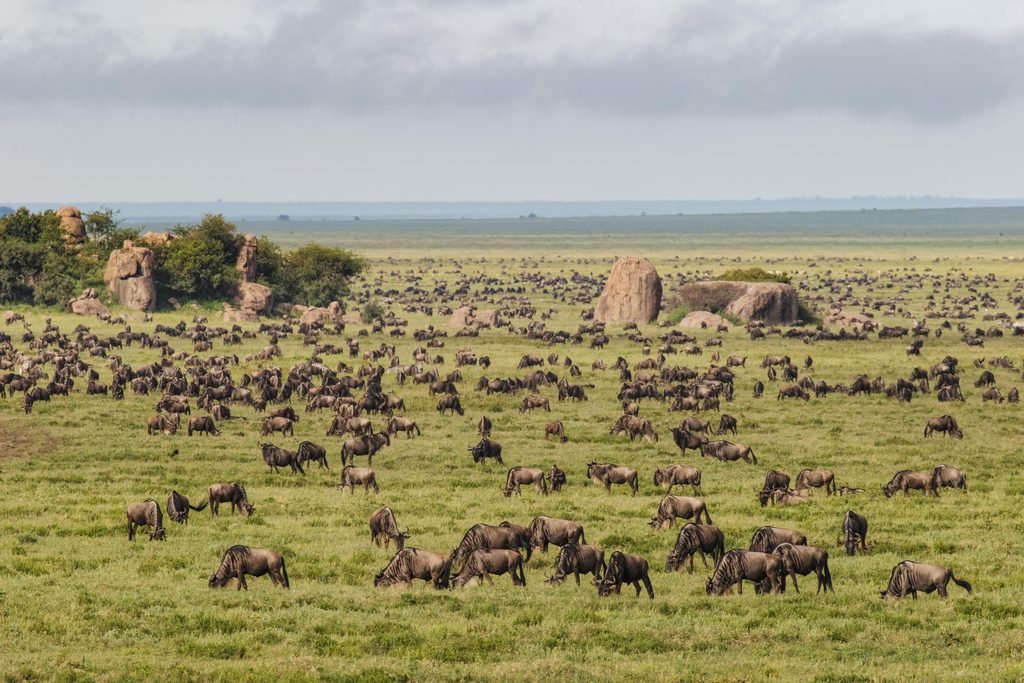
The southern Serengeti plains and neighbouring Ndutu region are particularly rewarding during the wildebeest calving season. Between approximately January and March, large numbers of wildebeest often gather on the short-grass plains, where many females give birth.
The calving season attracts wildlife photographers and visitors interested in observing newborn animals, large grazing herds, and predator activity. Lions, cheetahs, hyenas, and other predators may be found in areas where wildebeest and zebras gather.
The open landscape provides excellent visibility, making it easier to observe animals across the plains. Visitors may also encounter gazelles, giraffes, elephants, and numerous bird species depending on the specific area.
Ndutu lies within the wider Serengeti ecosystem, with important wildlife areas extending into the Ngorongoro Conservation Area. Safari operators must plan routes and accommodation according to the relevant protected-area boundaries and regulations.
For travellers visiting Tanzania in February, a southern Serengeti and Ndutu safari is often one of the most rewarding options.
Recommended safari duration: 4–6 days
Best travel period: January–March
Main attractions: Wildebeest calving, large herds, cheetahs, lions, and wildlife photography
4. Western Serengeti Safari – Best for Seasonal Migration Movements
The western corridor of Serengeti National Park offers a different safari experience from the open central plains. This region contains woodland habitats, river systems, and grasslands that support various wildlife species.
The Grumeti River is one of the area’s most important natural features. During the migration’s westward movement, wildebeest and zebras may travel through this region, particularly between approximately May and July. Depending on rainfall and herd movements, visitors may observe large concentrations of grazing animals and occasional river crossings.
The western Serengeti also supports resident wildlife, including elephants, buffaloes, giraffes, lions, and different antelope species. Riverine habitats provide opportunities for birdwatching and wildlife photography.
This region is suitable for travellers who want to explore a less frequently visited part of the Serengeti while following the seasonal migration.
Recommended safari duration: 4–6 days
Best travel period: Approximately May–July for migration activity
Main attractions: Grumeti River, migrating herds, woodland wildlife, and birdlife
Best Serengeti Safari Tours by Duration
The number of days you spend in Serengeti National Park affects how much of the park you can explore. Shorter itineraries are suitable for travellers with limited time, while longer safaris provide opportunities to visit additional wildlife areas and follow seasonal animal movements.
3-Days Serengeti Safari Tour
A three-day Serengeti safari is suitable for travellers who want a short introduction to the park. Most road-based itineraries concentrate on central Serengeti because reaching more distant areas would require considerable driving time.
Travellers normally depart from Arusha, travel through the Ngorongoro Conservation Area, and continue towards Serengeti National Park. Wildlife viewing takes place along the route and during scheduled game drives.
Because the journey from Arusha can take approximately seven to eight hours, a three-day road safari provides relatively limited time inside the park. Visitors who want more wildlife-viewing time can consider flying into Seronera.
Best for: Travellers with limited time and first-time safari visitors.
4-Days Serengeti Safari Tour
A four-day Serengeti safari provides additional time for wildlife viewing and can include several game drives in central Serengeti. This itinerary is suitable for travellers who want to observe different animals without rushing through the park.
Depending on the programme, visitors may combine Serengeti with Ngorongoro Crater or spend more time exploring the Seronera region. The extra day allows more flexibility for photography and wildlife observation.
Best for: Couples, families, and travellers seeking a short but comfortable safari.
5-Days Serengeti Migration Safari
A five-day Serengeti safari is suitable for visitors who want to focus on the Great Wildebeest Migration. The itinerary can be adjusted according to the travel season, concentrating on southern Serengeti during calving or northern Serengeti during the Mara River crossing period.
For northern migration safaris, a fly-in arrangement may be preferable because the Kogatende region is far from Arusha. Staying close to the expected migration area reduces unnecessary travelling and provides more time for game drives.
Best for: Migration enthusiasts, photographers, and travellers interested in seasonal wildlife movements.
6-Days Serengeti and Ngorongoro Safari
A six-day safari provides enough time to explore Serengeti National Park and Ngorongoro Crater at a more comfortable pace. Travellers can spend several days in Serengeti before continuing to Ngorongoro, where a crater game drive provides opportunities to observe different wildlife species.
This combination is particularly popular because Serengeti offers extensive landscapes and predator viewing, while Ngorongoro Crater provides wildlife-rich habitats within a relatively compact area.
Best for: First-time Tanzania visitors and travellers interested in combining two famous safari destinations.
7-Days Northern Tanzania Safari
A seven-day northern Tanzania safari can include Tarangire National Park, Serengeti National Park, and Ngorongoro Crater. This itinerary offers different landscapes and wildlife experiences, from the baobab trees and elephant herds of Tarangire to the open plains of Serengeti.
Depending on your travel dates, the itinerary can include additional time in the region where the wildebeest migration is expected to be present.
Best for: Families, couples, and travellers wanting a varied northern Tanzania safari.
8–10 Days Serengeti and Northern Tanzania Safari
An eight- to ten-day safari provides greater flexibility for exploring different regions of the Serengeti and other northern Tanzania destinations. Travellers can spend additional nights near migration areas, include longer game drives, and select accommodation according to their preferred comfort level.
Longer itineraries are particularly useful for wildlife photographers because animal behaviour and lighting conditions change throughout the day. Spending several nights in one area also reduces the pressure to move between destinations too frequently.
Best for: Wildlife enthusiasts, photographers, honeymoon couples, and travellers seeking a more relaxed safari.
The Great Wildebeest Migration in Serengeti National Park
The Great Wildebeest Migration is one of the main reasons travellers choose Serengeti National Park. Each year, enormous herds of wildebeest, accompanied by zebras and gazelles, move across the Serengeti–Mara ecosystem in search of fresh grass and water.
Unlike a single event that occurs on a fixed date, the migration is a continuous movement influenced by rainfall, grazing conditions, and seasonal changes. Different sections of the ecosystem become important at different times of the year.
The migration is also closely connected to predator activity. Lions, cheetahs, hyenas, and other carnivores depend on the large herbivore populations that move through the ecosystem.
According to UNESCO, the annual movement of wildebeest and other grazing animals is one of the Serengeti’s defining ecological features.
Serengeti Great Migration Calendar
| Months | Main Migration Area | Wildlife Experience |
|---|---|---|
| January–March | Southern Serengeti and Ndutu | Wildebeest calving and predator activity |
| April–May | Southern and central Serengeti | Herd movements following seasonal rainfall |
| May–July | Western Corridor and Grumeti region | Moving herds and possible river crossings |
| July–October | Northern Serengeti and Mara River | Migration concentrations and possible Mara River crossings |
| November–December | Central and southern Serengeti | Herds moving towards fresh grazing areas |
These periods are approximate. The migration does not follow an exact calendar, and large herds may arrive earlier or later depending on rainfall.
Top Wildlife Experiences in Serengeti National Park
Lion Watching in the Serengeti
Lions are among the most popular animals visitors hope to observe during a Serengeti safari. The park supports important lion populations, with prides occupying different territories across grasslands, river valleys, and woodland habitats.
Early morning game drives often provide rewarding opportunities to observe lions before daytime temperatures rise. Visitors may see lions resting, interacting with other pride members, or moving through their territories.
Although lions are commonly associated with Serengeti, sightings are not guaranteed. A professional guide can help identify suitable habitats and signs of recent wildlife activity.
Leopard and Cheetah Sightings
Serengeti National Park is an excellent destination for travellers interested in Africa’s large cats. Leopards are generally solitary and may spend time resting in trees or moving through riverine habitats.
Cheetahs prefer more open environments where they can use their speed to hunt smaller antelopes. The southern and central Serengeti plains provide suitable habitats for these animals.
Wildlife photographers often enjoy searching for cheetahs and leopards because their behaviour and preferred habitats differ considerably.
Elephant and Giraffe Encounters
Although the Serengeti is widely known for its migrating wildebeest, the park also supports elephants and giraffes. Elephants may be encountered in woodland areas and along river systems, while giraffes are often seen browsing on trees and shrubs.
These animals provide excellent opportunities for photography, particularly when observed against the Serengeti’s open landscapes.
Travellers particularly interested in large elephant herds can also consider combining Serengeti with Tarangire National Park.
Birdwatching in Serengeti
Serengeti National Park supports more than 500 bird species, making it an attractive destination for birdwatchers. The park’s different habitats provide opportunities to observe birds of prey, waterbirds, grassland species, and woodland birds.
Visitors may encounter ostriches, secretary birds, vultures, eagles, hornbills, and various other species. Seasonal rainfall can influence bird activity, particularly around wetlands and temporary water sources.
Birdwatching can be enjoyed alongside normal wildlife game drives, although dedicated birdwatching safaris may provide additional time for observation and photography.
Best Time to Visit Serengeti National Park
Serengeti National Park can be visited throughout the year, but the best time depends on your wildlife interests.
The dry season, generally from June to October, is popular because vegetation becomes shorter in many areas and wildlife may gather around available water sources. This period is also associated with migration activity in western and northern Serengeti.
January to March is particularly rewarding for travellers interested in wildebeest calving around the southern plains and Ndutu region.
The greener months can provide beautiful landscapes, birdwatching opportunities, and fewer visitors in some areas. However, heavy rainfall may affect road conditions and travel schedules.
For general wildlife viewing, central Serengeti remains a suitable destination throughout much of the year.
Serengeti Safari by Road or Fly-In Safari
Travellers can reach Serengeti National Park by road or domestic flight. The best option depends on the available time, budget, and preferred safari experience.
Serengeti Road Safari from Arusha
A road safari normally begins in Arusha and travels through the Ngorongoro highlands before entering Serengeti National Park. The journey provides opportunities to enjoy northern Tanzania’s landscapes and observe rural communities along the route.
However, the drive to central Serengeti can take approximately seven to eight hours, depending on road conditions, stops, and the selected route. Travellers should consider these distances when planning short itineraries.
Road safaris are often suitable for visitors who want to combine Serengeti with Tarangire National Park, Lake Manyara, or Ngorongoro Crater.
Serengeti Fly-In Safari
A fly-in safari uses a domestic flight to reach an airstrip within or near the Serengeti. Seronera is a common arrival point for central Serengeti, while other airstrips serve different regions of the park.
Fly-in safaris can reduce travel time and are particularly useful for travellers visiting northern Serengeti during the migration season.
They are also attractive for honeymoon couples, luxury travellers, and visitors with limited time in Tanzania.
The Serengeti National Park visitor guide provides additional information about park access, accommodation, and visitor regulations.
Serengeti Safari Accommodation Options
Serengeti National Park offers accommodation for different budgets and travel preferences. Choosing the right location is important because the park is extensive, and some wildlife-viewing areas are several hours apart.
Budget camping: Suitable for travellers who want a more affordable safari. Designated campsites provide basic facilities, and visitors generally sleep in camping tents.
Mid-range tented camps: Comfortable safari accommodation with proper beds, private bathrooms in many properties, and meals served at the camp. This category is popular among couples, families, and small groups.
Luxury safari lodges: Higher-end accommodation offering spacious rooms, attractive locations, and additional guest services.
Mobile migration camps: Seasonal camps that operate in different areas of the Serengeti ecosystem according to the migration period. These camps can provide convenient access to seasonal wildlife-viewing areas.
Travellers should select accommodation based on their travel dates and planned game-drive locations rather than choosing a property solely because of its appearance.
Serengeti Safari for Couples and Honeymoon Travellers
Serengeti is a popular destination for couples who want to enjoy a private wildlife safari in Tanzania. Private safaris allow couples to travel with their own guide and vehicle, providing greater flexibility when planning daily activities.
Accommodation can include comfortable tented camps or luxury lodges with beautiful views of the surrounding landscape. Depending on the property, couples may also arrange private dining experiences or other special services.
Many honeymoon travellers combine Serengeti with Ngorongoro Crater before continuing to Zanzibar for several days of beach relaxation.
Eddy Tours & Safaris can help couples arrange a personalised Tanzania safari and Zanzibar holiday according to their preferred dates and accommodation requirements.
Serengeti Safari for Families with Children
Families can enjoy Serengeti National Park through carefully planned safari itineraries. A private safari is often convenient because game-drive schedules, rest stops, and accommodation arrangements can be adjusted according to the family’s needs.
Children may enjoy observing elephants, giraffes, zebras, lions, and other wildlife while learning about Tanzania’s natural environment.
However, families should consider travelling distances, accommodation age restrictions, and the amount of time spent inside the safari vehicle. Choosing lodges with suitable family facilities can make the journey more comfortable.
For families with younger children, spending several nights in one area may be preferable to changing accommodation frequently.
Serengeti Safari for Solo Travellers and Groups
Solo travellers can experience Serengeti National Park through private safaris or selected group-joining departures. Group safaris allow participants to share transport and guiding costs while travelling with other visitors.
Private safaris provide greater flexibility, but the cost per person is usually higher because the vehicle and guide are reserved for one traveller.
Small groups of friends can also arrange private Serengeti safaris, sharing vehicle costs while choosing their preferred accommodation and travel schedule.
When booking a group safari, travellers should confirm departure dates, accommodation arrangements, group size, and the services included.
Hot-Air Balloon Safaris in Serengeti
A hot-air balloon safari offers a different perspective of the Serengeti landscape. Flights normally take place early in the morning when weather conditions are suitable, allowing passengers to view the plains, rivers, and wildlife habitats from above.
Balloon safaris operate in selected regions of Serengeti National Park and must be arranged through authorised operators. Flight availability depends on location, weather conditions, and advance reservations.
Although balloon safaris can provide beautiful views, wildlife sightings from the air are not guaranteed. The activity is generally offered at an additional cost and is not included in standard safari packages unless specifically stated.
Travellers interested in this experience should discuss availability during the safari planning process.
What to Pack for a Serengeti Safari
Packing suitable clothing and personal items can make your Serengeti safari more comfortable. Daytime temperatures can be warm, while early mornings and evenings may be considerably cooler, particularly during the dry season.
Recommended items include:
- Lightweight, comfortable clothing in neutral colours.
- A warm jacket or fleece for early morning game drives.
- Comfortable closed shoes.
- A wide-brimmed hat and sunglasses.
- Sunscreen and insect repellent.
- Binoculars for wildlife viewing.
- A camera with spare batteries and memory cards.
- Personal medication and basic travel essentials.
- A reusable water bottle.
- Travel documents and suitable insurance information.
Visitors should avoid approaching wildlife, feeding animals, or leaving their safari vehicle in unauthorised areas. Following the instructions of your professional safari guide is important for both personal safety and wildlife protection.
How Much Does a Serengeti Safari Cost?
The cost of a Serengeti safari depends on several factors, including the number of travel days, accommodation category, group size, travel season, and transport arrangements.
Shorter safaris generally have lower total costs, but the price per day can be affected by park fees, vehicle expenses, and the distance travelled. Luxury lodges and fly-in arrangements usually increase the overall package price.
Private safaris provide greater flexibility, while group-joining departures may offer lower prices per person.
Travellers should request a detailed quotation showing accommodation, meals, park fees, game drives, transport, and other included services. Park tariffs and accommodation rates may change, so prices for future travel dates should be confirmed before booking.
For a personalised quotation, contact Eddy Tours & Safaris with your preferred travel dates and number of travellers.
Why Choose Eddy Tours & Safaris for Your Serengeti Safari?
Eddy Tours & Safaris is a local tour company in Arusha, Tanzania, highly recommended by travellers. We arrange professionally guided wildlife safaris throughout northern Tanzania, including Serengeti National Park, Ngorongoro Crater, Tarangire National Park, and Lake Manyara National Park.
Our team understands the importance of choosing suitable safari routes, especially when travellers are interested in the Great Wildebeest Migration. Because wildlife movements change throughout the year, we help visitors select destinations and accommodation according to their preferred travel season.
We arrange private safaris, family holidays, honeymoon trips, and selected group safari options. Our services also include Mount Kilimanjaro climbing expeditions and Zanzibar beach holidays for travellers who want to explore more of Tanzania.
Whether you are planning a short Serengeti safari or a longer northern Tanzania holiday, we can help you organise an itinerary that matches your interests, available time, and budget.
Frequently Asked Questions About Serengeti Safari Tours
What is the best Serengeti safari tour?
The best Serengeti safari depends on your travel dates, available time, and wildlife interests. Central Serengeti is suitable for general wildlife viewing, while northern Serengeti is popular during the Mara River crossing season. Southern Serengeti and Ndutu are particularly rewarding during the wildebeest calving period.
How many days are enough for a Serengeti safari?
Three days can provide an introduction to Serengeti, particularly with a fly-in arrangement. However, four to six days generally allow more time for wildlife viewing. Travellers interested in the migration or multiple regions may prefer longer itineraries.
What is the best month to visit Serengeti?
The best month depends on what you want to experience. January and February are popular for the southern calving season, while July to October is often selected for migration activity in northern Serengeti.
Can I see the Big Five in Serengeti National Park?
Serengeti supports lions, leopards, elephants, buffaloes, and black rhinoceroses. However, rhinos are difficult to encounter, and sightings of all five species cannot be guaranteed.
Is Serengeti better than Ngorongoro Crater?
Both destinations offer excellent wildlife experiences. Serengeti is much larger and provides opportunities to explore extensive landscapes and seasonal migration areas. Ngorongoro Crater is more compact and supports a high concentration of wildlife. Many travellers choose to visit both destinations.
Can I see the Great Migration throughout the year?
The Great Migration takes place throughout the year, but the herds move between different parts of the Serengeti–Mara ecosystem. Choosing the right region for your travel dates improves the opportunity to observe migration activity.
Are Mara River crossings guaranteed?
No. River crossings are natural events and cannot be guaranteed. Wildebeest may gather near the river without crossing, and their movements depend on rainfall, grazing conditions, and other environmental factors.
Can I visit Serengeti from Zanzibar?
Yes. Travellers staying in Zanzibar can arrange domestic flights to Serengeti or travel through Arusha, depending on available flight schedules and their preferred itinerary.
Is Serengeti suitable for a luxury safari?
Yes. Serengeti offers luxury lodges and tented camps in different regions of the park. Private vehicles, fly-in arrangements, and selected additional activities can also be included in luxury safari packages.
Can I combine Serengeti with Kilimanjaro climbing?
Yes. Many visitors climb Mount Kilimanjaro before continuing to Serengeti National Park for a wildlife safari. The two activities can be arranged as part of a longer Tanzania holiday.
Plan Your Serengeti Safari with Eddy Tours & Safaris
The best Serengeti safari tours offer opportunities to experience Tanzania’s remarkable wildlife, beautiful landscapes, and seasonal animal movements. Whether you want to observe lions in central Serengeti, photograph wildebeest calves on the southern plains, or explore northern Serengeti during the Mara River crossing season, selecting the right itinerary is an important part of planning your holiday.
Eddy Tours & Safaris can help you arrange a Serengeti safari for 2027, 2028, or 2029, including transport, accommodation, professional guiding services, and visits to other northern Tanzania destinations.
Our safari packages can be tailored for couples, families, solo travellers, honeymoon visitors, and groups of friends. We can also help you combine your Serengeti safari with Ngorongoro Crater, Tarangire National Park, Mount Kilimanjaro, or Zanzibar.
Visit Eddy Tours & Safaris to explore our Tanzania safari services or contact our safari team to request a personalised quotation.
Email: sales@eddytours-safaris.com
WhatsApp: +255 711 906 664 — Chat with our safari team