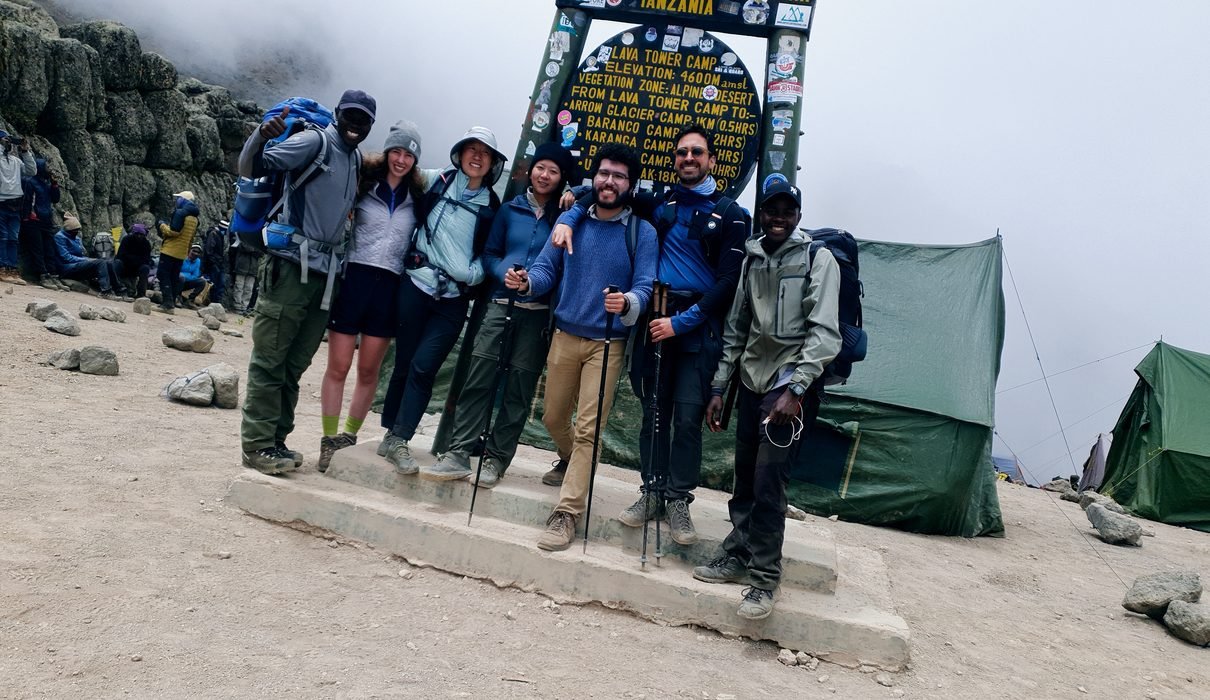
9-Day Kilimanjaro Lemosho Trek 2027/2028, following a scenic western approach through rainforest, across the Shira Plateau, and toward Uhuru Peak at 5,895 metres.
This proposed itinerary includes an additional acclimatization day at Shira 2, giving you more time on the mountain before continuing toward the summit. Along the way, you will experience changing landscapes, camp beneath open skies, and tackle the challenge with a mountain team.
A longer trek gives you more time to adjust to altitude, but reaching the summit remains demanding. Preparation, suitable equipment, responsible guiding, and honest communication about your health all matter.
Contact Eddy Tours & Safaris to discuss your travel dates, trekking experience, and accommodation requirements.
Route availability: TANAPA published a notice dated 29 September 2026 announcing suspension of Lemosho and Londorossi route use. Access for your 2027/2028 departure must therefore be confirmed before booking. The itinerary below is a proposed programme, subject to park authorization and operating arrangements.
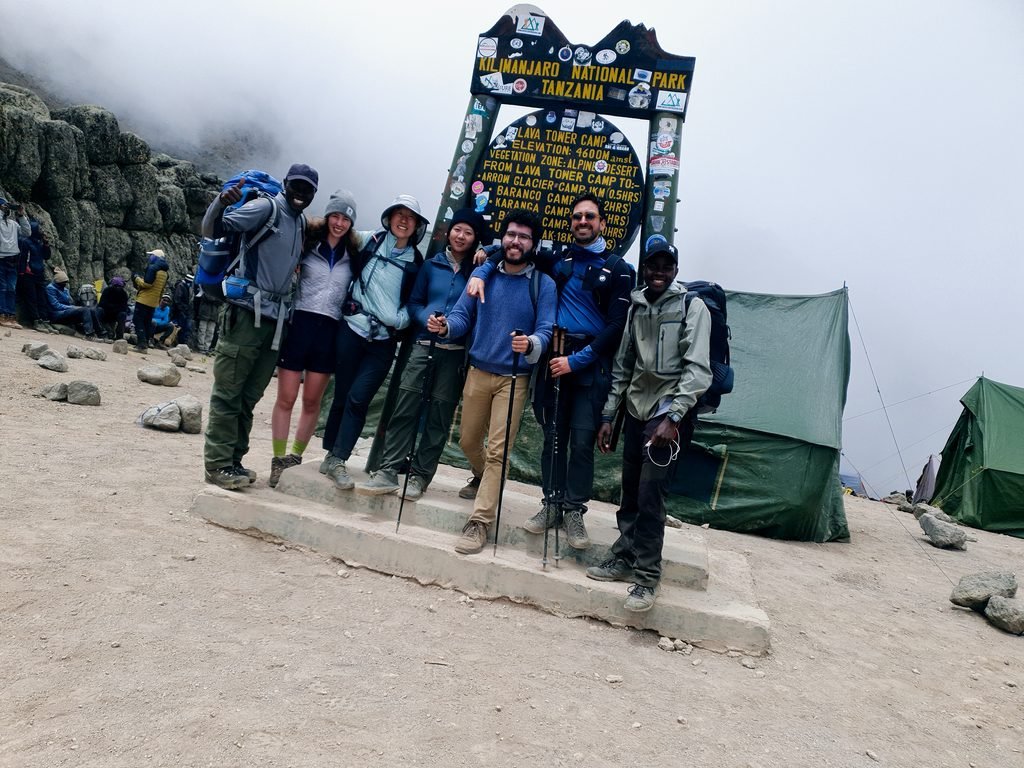
9-Day Kilimanjaro Lemosho Trek 2027/2028 Overview
| Detail | Proposed arrangement |
|---|---|
| Mountain | Mount Kilimanjaro |
| Route | Lemosho via the southern circuit |
| Duration | 9 mountain days and 8 mountain nights |
| Travel years | 2027 and 2028 |
| Summit | Uhuru Peak, 5,895 metres |
| Accommodation | Mountain camping |
| Additional acclimatization | Two nights at Shira 2 |
| Summit approach | Barafu Camp via Stella Point |
| Descent | Mweka Route |
| Travel style | Private trek or available group departure |
| Arrival and departure hotels | Separately specified in the quotation |
| Price | Request a quotation |
| Route access | Requires confirmation |
This programme uses an extra day at Shira 2 and descends after the summit attempt. It does not include an overnight stay at Crater Camp.
Camp elevations and walking times below are approximate. Weather, trail conditions, group pace, and individual health can affect the daily schedule.
Why Choose a Nine-Day Lemosho Trek?
More Time Before the Summit Attempt
This itinerary adds an overnight at Shira 2 before continuing toward Barranco.
The additional day provides time for a guided acclimatization walk, rest, and assessment of how you are feeling. It also reduces the pressure to move to a new camp every day.
Gradual ascent supports acclimatization, although individual responses vary and a longer itinerary cannot eliminate altitude illness.
A Varied Mountain Journey
The early forest sections feel very different from the open Shira Plateau and the rocky terrain higher on the mountain.
As you climb, vegetation becomes sparser and the landscape more exposed. These changes make the journey rewarding well before summit day.
Time to Enjoy the Trek
A mountain holiday involves more than its highest point.
Walking through the forest, sharing meals at camp, watching clouds move across the plateau, and learning from your guides all contribute to the experience.
A nine-day programme gives these moments room within the schedule.
Before the Trek: Arrival and Preparation
Plan to arrive in Tanzania before the first mountain day.
Your pre-trek arrangements should include time to rest, meet the team, review the itinerary, and check equipment. Confirm whether airport transfers and hotel nights are included in your quotation.
During the briefing, discuss:
- Your previous trekking experience.
- Relevant health history and regular medication.
- Clothing and equipment.
- Daypack and porter-carried luggage arrangements.
- Daily communication and health assessments.
- Emergency equipment and evacuation procedures.
- Tips and other expenses.
Allow at least one arrival night before trekking. Additional time may be useful after a long journey.
Full Nine-Day Lemosho Itinerary
Day 1: Transfer to the Western Trailhead and Trek to Mti Mkubwa
Travel from your agreed hotel to the western access area for registration and preparation.
After completing the required arrangements, continue to the authorized trailhead and begin walking through the forest.
The first day is an opportunity to settle into a steady pace. Trails can be muddy, so use footwear with reliable grip and keep waterproof clothing accessible.
Reach Mti Mkubwa Camp, also called Big Tree Camp, and settle into your first mountain night.
Approximate camp elevation: 2,800 metres
Estimated walking time: 3–4 hours
Overnight: Mti Mkubwa Camp
Planned meals: Lunch and dinner
Day 2: Mti Mkubwa to Shira 1 Camp
After breakfast, continue uphill through the forest toward more open terrain.
This is a substantial ascent day. Walk patiently, take the agreed breaks, and tell your guide how you are feeling.
As the surroundings open, you begin to appreciate the mountain’s scale. Conditions may change during the day, so keep layers within reach.
Arrive at Shira 1 Camp for dinner and rest.
Approximate camp elevation: 3,500 metres
Estimated walking time: 5–7 hours
Overnight: Shira 1 Camp
Planned meals: Breakfast, lunch, and dinner
Day 3: Shira 1 to Shira 2 Camp
Continue across the Shira Plateau toward Shira 2.
The terrain offers a different walking experience from the forest ascent. Your guide will select the permitted route and explain the day’s pace and stops.
Although the walking day is generally shorter, maintain a comfortable rhythm. Extra energy is better saved for the days ahead.
After reaching camp, relax and prepare for your additional acclimatization day.
Approximate camp elevation: 3,850 metres
Estimated walking time: 3–5 hours
Overnight: Shira 2 Camp
Planned meals: Breakfast, lunch, and dinner
Day 4: Acclimatization Day at Shira 2
Remain at Shira 2 for a second night.
Your guide may arrange a suitable acclimatization walk before returning to camp. The walk’s length and elevation will depend on conditions and how you are responding to altitude.
The aim is to support adjustment while preserving energy. There is no need to turn the day into a demanding additional expedition.
Use the afternoon to rest, organize equipment, and discuss any symptoms with your guide.
Sleeping elevation: Approximately 3,850 metres
Estimated activity: 2–4 hours of guided walking, adjusted as appropriate
Overnight: Shira 2 Camp
Planned meals: Breakfast, lunch, and dinner
Day 5: Shira 2 to Barranco Camp via Lava Tower
Leave Shira 2 and continue toward Lava Tower, reaching approximately 4,630 metres before descending to Barranco Camp.
This is a longer day with significant altitude exposure. Keep your pace measured and communicate any changes in how you feel.
The descent to Barranco brings you to a lower sleeping elevation after the higher section of the walk.
Arrive at camp, have dinner, and prepare for the Barranco Wall the following morning.
Highest planned point: Approximately 4,630 metres
Approximate camp elevation: 3,950–4,000 metres
Estimated walking time: 6–8 hours
Overnight: Barranco Camp
Planned meals: Breakfast, lunch, and dinner
Day 6: Barranco Camp to Karanga Camp
Begin with the Barranco Wall.
This section involves steep steps and places where you use your hands for balance. Follow your guide’s instructions and move carefully, especially where the trail is narrow or busy.
Continue over changing terrain toward Karanga Valley and climb to Karanga Camp.
The shorter day gives you time to settle in before the move to summit base camp.
Approximate camp elevation: 4,000 metres
Estimated walking time: 4–5 hours
Overnight: Karanga Camp
Planned meals: Breakfast, lunch, and dinner
Day 7: Karanga Camp to Barafu Camp
Continue uphill toward Barafu Camp.
The surroundings become increasingly rocky and exposed. Wind and cold can affect comfort, so adjust layers as needed.
After arriving, prepare your summit clothing, headlamp, water containers, and essential supplies. Your guide will explain the planned departure and turnaround arrangements.
Eat and rest before the summit attempt, which usually begins late at night.
Approximate camp elevation: 4,670 metres
Estimated walking time: 3–5 hours
Overnight: Barafu Camp, with a late-night summit departure
Planned meals: Breakfast, lunch, and dinner
Day 8: Barafu to Uhuru Peak and Descent to Mweka Camp
Start the summit attempt at the time agreed by your guides.
Climb slowly through the darkness toward Stella Point. The combination of altitude, cold, and sustained effort makes this the most demanding stage of the trek.
If conditions and your health allow, continue along the crater rim toward Uhuru Peak at 5,895 metres.
Summit decisions must remain flexible. Reaching the highest point is conditional on your condition, the weather, and your guide’s assessment.
After a brief summit stop where appropriate, descend to Barafu for a break, then continue toward Mweka Camp.
The descent is a major part of the day. Stay attentive, use trekking poles where helpful, and conserve energy for the lower sections.
Summit elevation: 5,895 metres
Approximate overnight elevation: 3,100 metres
Estimated total walking time: 12–16 hours
Overnight: Mweka Camp
Planned meals: Breakfast, lunch, and dinner, timed around the climb
Day 9: Mweka Camp to Mweka Gate
After breakfast, descend through the forest toward Mweka Gate.
The trail may be wet or slippery. Continue carefully even though the hardest ascent is behind you.
Complete the park formalities and meet your arranged transfer back to the agreed hotel.
A shower, a meal, and a comfortable night provide a welcome finish to nine days on the mountain. Confirm whether this hotel night is included.
Approximate gate elevation: 1,640 metres
Estimated walking time: 3–4 hours
End point: Mweka Gate, followed by the agreed transfer
Planned meals: Breakfast and lunch, subject to the confirmed schedule
Fitness and Altitude Preparation
Prepare for consecutive walking days, uphill effort, and a long summit day.
Regular hikes, gradual increases in walking duration, and practice with your daypack can help develop endurance. Use your trekking boots during training to check comfort before departure.
Fitness does not protect you from altitude illness. Discuss high-altitude travel with a clinician, particularly if you have relevant medical conditions or a history of altitude problems.
On the mountain, report headache, nausea, dizziness, unusual fatigue, or other concerns promptly. Do not ascend with altitude-illness symptoms; worsening symptoms require descent. Confusion, difficulty walking, or breathlessness at rest require urgent attention.
Equipment for the Lemosho Route
Request a complete packing list before traveling.
Essential categories include:
- Comfortable trekking boots and suitable socks.
- Layered clothing for changing temperatures.
- Waterproof jacket and trousers.
- Warm insulated clothing.
- Gloves and warm headwear.
- Sleeping bag suitable for the agreed conditions.
- Headlamp and spare batteries.
- Trekking poles.
- Sun protection.
- Daypack and waterproof packing protection.
- Personal medication and hygiene items.
Confirm which items are supplied, available to rent, or your responsibility to bring.
Proposed Package Inclusions
Request a quotation covering:
- Guide, porter, and cook services.
- Transfers between the agreed hotel and trailhead or exit gate.
- Applicable park, camping, and conservation charges.
- Eight mountain nights in the agreed camping arrangement.
- Mountain meals specified in the programme.
- Drinking-water arrangements.
- Tents and agreed communal camping equipment.
- Pre-trek briefing and equipment review.
- Clearly specified emergency equipment and support arrangements.
Hotel nights, airport transfers, sleeping bags, and private toilet facilities should be listed individually if included.
Proposed Package Exclusions
Unless stated otherwise, allow separately for:
- International and domestic flights.
- Visa and entry-related expenses.
- Travel insurance covering trekking to 5,895 metres and evacuation.
- Personal trekking equipment.
- Equipment rental.
- Hotel nights and airport transfers outside the quotation.
- Tips for the mountain team.
- Laundry, drinks, and personal purchases.
- Safari or Zanzibar extensions.
Ask how early descent, additional accommodation, or changes to the programme would be charged.
Prices and Departures for 2027/2028
The price depends on group size, private or shared arrangements, equipment, hotel services, and applicable charges.
Send Eddy Tours & Safaris your preferred dates, number of climbers, and travel plans. Request a complete quotation showing nine mountain days, so arrival and departure hotel nights are counted separately.
Ask for confirmation of:
- Authorized route access.
- Exact overnight camps.
- Private or group departure arrangements.
- Emergency procedures.
- Porter load and welfare arrangements.
- Payment and cancellation terms.
- Conditions affecting future charges.
Frequently Asked Questions
Are all nine days spent on the mountain?
Yes. This proposed itinerary includes nine mountain days and eight mountain nights. Arrival and post-trek accommodation are separate arrangements.
Does this itinerary include Crater Camp?
It includes an additional night at Shira 2 and descends after the summit attempt. A Crater Camp itinerary requires separate planning and assessment.
Is the summit guaranteed?
No. Weather, altitude response, and individual health affect the outcome. No verified future-year success rate is claimed for this package.
Can a first-time trekker consider Lemosho?
A first-time high-altitude trekker can discuss this route with the operator, provided they prepare adequately and understand its demands.
Is Lemosho access confirmed for 2027/2028?
Access must be checked with the park before confirming the departure, following the September 2026 suspension notice.
Can I add a safari afterward?
Yes, you can request a separate safari or beach extension. Allow time to recover after the trek.
Plan Your Nine-Day Lemosho Trek
Discuss your Kilimanjaro plans with Eddy Tours & Safaris and request a detailed proposal for 2027 or 2028.
Confirm the route, mountain-day count, equipment, support arrangements, and total price before booking.
Website: eddytours-safaris.com
Enquiries: Contact Eddy Tours & Safaris
Sales email: sales@eddytours-safaris.com
Alternative email: eddytoursandsafaris@gmail.com
Phone and WhatsApp: +255 711 906 664
1 Comment
Comments are closed.