

The 9-day Lemosho Route is one of the most rewarding ways to climb Mount Kilimanjaro, offering a longer trekking experience through beautiful mountain landscapes and a gradual approach to Africa’s highest summit. Starting from USD $1,700 per person, this Kilimanjaro climbing package is designed for travellers planning their mountain adventure in 2027, 2028 or 2029 who want enough time to enjoy the scenery, adjust to the altitude and prepare for the demanding final ascent to Uhuru Peak at 5,895 metres above sea level.

Unlike shorter Kilimanjaro itineraries that require climbers to gain altitude within a limited number of days, the nine-day Lemosho climb follows a more measured schedule across the western slopes of the mountain. The journey begins in the rainforest, continues across the wide Shira Plateau, passes through the rocky alpine landscapes near Lava Tower and Barranco, and eventually reaches the high-altitude camping grounds at Barafu before the summit attempt. Along the way, trekkers experience changing vegetation, remarkable views of the surrounding plains and several of the mountain’s most recognisable landmarks.
At Eddy Tours & Safaris, we arrange Kilimanjaro climbing experiences for solo travellers, couples, friends and organised groups. Our approach focuses on practical mountain preparation, experienced local guides, suitable trekking schedules and clear communication before departure. Whether you are visiting Tanzania specifically to climb Kilimanjaro or combining your trek with a wildlife safari, the nine-day Lemosho itinerary provides an opportunity to experience the mountain without rushing through its most interesting sections.
The Lemosho Route is particularly attractive to travellers who appreciate nature and photography. Its western approach is generally quieter during the first part of the climb, while the gradual movement across the Shira Plateau provides time to become familiar with the mountain environment. Although the extended itinerary offers useful acclimatisation opportunities, Kilimanjaro remains a serious high-altitude trek, and reaching the summit depends on weather, personal fitness, individual altitude response and the decisions of the mountain guides.

Why Choose the 9-Day Lemosho Route for 2027, 2028 and 2029?
Choosing the right route is an important part of planning a successful Kilimanjaro climbing holiday. The Lemosho Route has become a popular choice among international trekkers because it combines mountain scenery with a relatively gradual ascent and a varied trekking experience. The nine-day version provides additional time on the mountain compared with the more common seven- and eight-day schedules, making it suitable for travellers who prefer a less hurried approach.
One of the main advantages of the Lemosho Route is its geographical diversity. The trail approaches Kilimanjaro from the west, where the lower slopes are covered by tropical forest. As the trek continues, the environment changes into heathland, moorland and alpine desert before reaching the cold summit zone. These transitions allow climbers to experience several distinct landscapes within a single expedition, something that makes the route particularly interesting for visitors who want more than a direct climb to the summit.
Another important consideration is altitude adjustment. Kilimanjaro rises to almost 6,000 metres, where oxygen availability is substantially lower than at sea level. The additional trekking days allow for a more gradual sleeping-altitude progression and opportunities to walk higher before returning to lower camps. This approach can support acclimatisation, although it does not eliminate the possibility of altitude sickness.
Travellers comparing different routes can explore our Kilimanjaro climbing holidays and travel information or read the additional nine-day Lemosho climbing guide for another overview of the mountain itinerary.

9-Day Lemosho Route Kilimanjaro Climbing Itinerary
The following itinerary covers nine trekking days and eight nights on Mount Kilimanjaro. It begins with a transfer from Arusha or Moshi to the western entrance of Kilimanjaro National Park and finishes at Mweka Gate after the summit attempt. The schedule includes overnight stops at Mti Mkubwa, Shira 1, Shira 2, Moir Hut, Barranco, Karanga, Barafu and Mweka camps. Walking times and elevations are approximate and may vary according to trail conditions, weather and the pace of the group.
Day 1: Arusha or Moshi to Londorossi Gate – Trek to Mti Mkubwa Camp
Starting Elevation: Approximately 2,100–2,400 metres
Overnight Elevation: Approximately 2,800 metres
Walking Time: 3–4 hours
Accommodation: Mti Mkubwa Camp
Your Kilimanjaro climbing adventure begins with a morning departure from your hotel in Arusha or Moshi. After meeting your mountain guide and completing the final equipment checks, you will travel towards Londorossi Gate on the western side of Mount Kilimanjaro. The journey passes through local communities, farmland and rural landscapes, providing an opportunity to see everyday life around the mountain before entering the national park.
Upon arrival at Londorossi Gate, the mountain crew completes the necessary registration procedures while the guides check the climbing permits and organise the equipment. After the formalities, the group continues to the designated trailhead, where the first walking section begins through the tropical rainforest. This part of the mountain is often humid, and the trail may be muddy, especially after rainfall. The forest is home to various birds and monkeys, including blue monkeys and black-and-white colobus monkeys, although wildlife sightings cannot be guaranteed.
The first day’s walk is relatively moderate compared with the higher sections of the mountain. Your guide will introduce the importance of maintaining a slow, steady pace, commonly described by the Swahili expression pole pole. By the time you arrive at Mti Mkubwa Camp, the support crew will have prepared the camping area and evening meal. After dinner, your guide will explain the following day’s route and provide an opportunity to discuss any concerns before your first night on Kilimanjaro.
Day 2: Mti Mkubwa Camp to Shira 1 Camp
Starting Elevation: Approximately 2,800 metres
Overnight Elevation: Approximately 3,500 metres
Walking Time: 5–7 hours
Accommodation: Shira 1 Camp
After breakfast, the trek continues through the remaining rainforest before gradually entering the heathland and moorland zones. As the vegetation becomes shorter, the landscape opens to reveal wider views of the mountain and surrounding countryside. The trail includes several uphill sections, making this a more demanding day than the initial forest walk, particularly as the group begins gaining significant altitude.
The route crosses the western slopes towards the Shira Plateau, one of the most distinctive geological features of Mount Kilimanjaro. The plateau forms part of the ancient Shira volcanic structure and provides expansive views across the mountain’s western side. On clear days, trekkers can see the higher slopes of Kibo, the volcanic cone that contains Uhuru Peak, while the surrounding moorland is characterised by grasses, shrubs and unusual high-altitude plants.
By afternoon, the group reaches Shira 1 Camp, situated at approximately 3,500 metres. The noticeably cooler air and increased elevation make it important to drink sufficient water, eat properly and communicate openly with your guide about how you are feeling. The evening is spent resting, enjoying a warm meal and preparing for the following day’s crossing of the Shira Plateau.
Day 3: Shira 1 Camp to Shira 2 Camp
Starting Elevation: Approximately 3,500 metres
Overnight Elevation: Approximately 3,850 metres
Walking Time: 3–5 hours
Accommodation: Shira 2 Camp
The third day offers a relatively gentle journey across the Shira Plateau, allowing climbers to enjoy the surrounding scenery while continuing their gradual adjustment to the altitude. The walking route passes through open moorland, where the landscape feels considerably different from the forest encountered during the first two days. The broad plateau provides excellent opportunities for mountain photography, particularly when the skies are clear and the summit of Kibo becomes visible.
Although the walking distance is manageable, the altitude requires continued attention. The guides maintain a controlled pace and encourage regular hydration throughout the trek. Depending on weather conditions and the group’s physical condition, there may be opportunities for short acclimatisation walks after arriving at camp, but these are always subject to the guide’s assessment.
Shira 2 Camp is located at approximately 3,850 metres and provides impressive views of the surrounding mountain landscape. The afternoon is generally reserved for rest, personal preparation and discussions about the higher-altitude sections ahead. This additional night on the Shira Plateau is one of the reasons the nine-day itinerary appeals to climbers who prefer a gradual progression rather than a shorter climbing schedule.
Day 4: Shira 2 Camp to Moir Hut Camp
Starting Elevation: Approximately 3,850 metres
Overnight Elevation: Approximately 4,200 metres
Walking Time: 4–6 hours
Accommodation: Moir Hut Camp
Leaving Shira 2 Camp after breakfast, the trail continues towards the northern side of the mountain, gradually moving into more rugged terrain. The vegetation becomes increasingly sparse, and the landscape changes into a mixture of rocky paths, volcanic formations and open alpine ground. This section provides a clear impression of Kilimanjaro’s immense size, with wide views across the western and northern slopes.
Moir Hut Camp lies in a relatively quiet area beneath the northern slopes of Kibo. Its position makes it an interesting overnight stop for climbers following an extended Lemosho itinerary, and the surrounding terrain provides opportunities for additional altitude exposure when conditions permit. The guide may recommend a short acclimatisation walk near camp, depending on the group’s condition and the weather.
At approximately 4,200 metres, the reduced oxygen availability becomes more noticeable, and some climbers may experience mild symptoms such as headaches or reduced appetite. These symptoms must be reported to the mountain guide so that appropriate decisions can be made. The evening is spent at Moir Hut Camp, where the crew prepares dinner and the group rests before continuing towards Lava Tower and Barranco.
Day 5: Moir Hut Camp to Lava Tower and Barranco Camp
Starting Elevation: Approximately 4,200 metres
Highest Point: Lava Tower, approximately 4,630 metres
Overnight Elevation: Approximately 3,950 metres
Walking Time: 6–8 hours
Accommodation: Barranco Camp
Day five is an important part of the acclimatisation schedule because the route climbs towards Lava Tower before descending to Barranco Camp. This follows the well-known mountain trekking principle of gaining altitude during the day and sleeping at a lower elevation, which can help the body adapt to thinner air. The terrain becomes increasingly rocky, with fewer plants and broader views of the surrounding volcanic landscape.
Lava Tower is one of Kilimanjaro’s most recognisable geological landmarks, rising above the surrounding alpine desert at approximately 4,630 metres. The group normally stops in this area for lunch and a rest period before beginning the descent towards Barranco Valley. The time spent at this elevation can be demanding, and guides monitor climbers for signs of altitude-related illness throughout the day.
As the trail descends, the landscape changes once again, and unusual giant groundsels become visible around the Barranco Valley. The camp sits beneath the impressive Barranco Wall, a steep rocky formation that climbers will tackle the following morning. Barranco Camp is widely regarded as one of the most scenic camping locations on Kilimanjaro, particularly when the mountain is clear during the late afternoon. After a substantial dinner, the group rests in preparation for the next stage.
Day 6: Barranco Camp to Karanga Camp via Barranco Wall
Starting Elevation: Approximately 3,950 metres
Overnight Elevation: Approximately 4,000 metres
Walking Time: 4–5 hours
Accommodation: Karanga Camp
The sixth day begins with the ascent of Barranco Wall, one of the most memorable sections of the Lemosho Route. Although the wall looks intimidating when viewed from the campsite, the usual climbing line follows a series of rocky steps and narrow passages rather than a technical rock-climbing route. There are sections where trekkers must use their hands for balance, and the guides provide assistance where necessary.
The ascent requires concentration and patience, especially where the path becomes narrow or exposed. Once the group reaches the upper section of Barranco Wall, there are excellent views back towards the valley and across the surrounding mountain slopes. From here, the route continues through a series of ridges and valleys before descending towards the Karanga Valley and climbing again to reach Karanga Camp.
Karanga Camp is located at approximately 4,000 metres and serves as an important overnight stop before the final approach to Barafu. The relatively short trekking day provides additional recovery time, allowing climbers to rest, organise their equipment and continue adjusting to the altitude. During the evening briefing, the guide explains the remaining ascent and the preparations required for summit night.
Day 7: Karanga Camp to Barafu Camp
Starting Elevation: Approximately 4,000 metres
Overnight Elevation: Approximately 4,670 metres
Walking Time: 3–5 hours
Accommodation: Barafu Camp
After breakfast, the group leaves Karanga Camp and follows the trail towards Barafu, the main base for the summit attempt on this section of Kilimanjaro. The landscape becomes increasingly barren, with rocky ground and little vegetation. The altitude is now significant, and the walking pace remains slow to reduce unnecessary physical strain.
Barafu Camp is situated at approximately 4,670 metres, where temperatures can fall below freezing, particularly during the night. The campsite is exposed to mountain weather, and strong winds are possible. Upon arrival, the guides and support crew help climbers settle into camp, while the cook prepares a warm meal. The afternoon is generally reserved for rest and preparation rather than further strenuous activity.
Before the summit attempt, the guide conducts a detailed briefing covering the planned departure time, clothing layers, headlamps, water, snacks and the importance of staying close to the group. Climbers are encouraged to sleep or rest as much as possible because the ascent normally begins around midnight. Although reaching Barafu represents major progress, the most demanding part of the expedition still lies ahead.
Day 8: Barafu Camp to Uhuru Peak – Descend to Mweka Camp
Starting Elevation: Approximately 4,670 metres
Summit Elevation: 5,895 metres
Overnight Elevation: Approximately 3,100 metres
Walking Time: 12–16 hours in total
Accommodation: Mweka Camp
Summit day begins during the night, usually around midnight, when the group leaves Barafu Camp with headlamps and warm clothing. The route climbs steadily through loose volcanic scree and rocky sections towards Stella Point on the crater rim. Temperatures can be extremely cold, and the combination of darkness, altitude and physical exhaustion makes this the most challenging stage of the nine-day expedition.
The guides maintain a slow and controlled pace, allowing regular breaks while monitoring the condition of each climber. The ascent towards Stella Point requires determination, but safety remains the main priority throughout the climb. If a climber develops concerning symptoms of altitude sickness or another medical problem, the guides may recommend or require descent rather than continuing towards the summit.
After reaching Stella Point at approximately 5,756 metres, the trail continues along the crater rim towards Uhuru Peak, the highest point in Africa at 5,895 metres. Depending on weather conditions and the group’s progress, climbers may witness sunrise over the surrounding landscape. Reaching the summit provides a remarkable view of the mountain’s remaining glaciers, volcanic terrain and distant plains, although visibility can change quickly.
After a brief stop for photographs, the group begins the long descent towards Barafu Camp, where there is usually an opportunity to rest and eat before continuing down to Mweka Camp. The descent is physically demanding because of the considerable loss in elevation, and trekking poles can be particularly useful on the loose sections. By the time the group reaches Mweka Camp, the warmer air and lower altitude are generally a welcome change after the demanding summit experience.
Day 9: Mweka Camp to Mweka Gate – Return to Arusha or Moshi
Starting Elevation: Approximately 3,100 metres
Finishing Elevation: Approximately 1,640 metres
Walking Time: 3–4 hours
Accommodation: Not included unless arranged separately
The final morning on Kilimanjaro begins with breakfast at Mweka Camp before the group starts descending through the mountain’s lower forest zone. The trail is generally easier than the summit sections, although it can be slippery when wet. The return of dense vegetation, warmer temperatures and forest sounds provides a pleasant contrast to the cold alpine environment experienced during the previous days.
Upon reaching Mweka Gate, the group completes the necessary exit procedures, and eligible climbers receive their official Kilimanjaro summit certificates. This is also an opportunity to thank the guides, porters and cooks who have supported the expedition throughout the nine days. The mountain crew plays an essential role in making Kilimanjaro climbing possible, from carrying equipment and preparing meals to assisting climbers during difficult sections.
After leaving the national park, a vehicle transfers you back to your hotel in Arusha or Moshi. Travellers can spend the remainder of the day resting, enjoying a hot shower and recovering from the climb. Those with additional time in Tanzania may choose to continue their holiday with a wildlife safari to destinations such as Tarangire National Park, Serengeti National Park or the Ngorongoro Conservation Area.

9-Day Lemosho Route Kilimanjaro Climbing Price for 2027, 2028 and 2029
The advertised starting price for this nine-day Lemosho Route package is USD $1,700 per person. This is a promotional starting figure for planning purposes, rather than a confirmed rate for every departure. The final cost depends on the number of climbers, departure dates, accommodation arrangements, mountain services, government fees and any additional requirements requested by the traveller.
Group departures can sometimes offer better value because certain operational costs are shared among participants. Private climbs provide greater flexibility regarding departure dates and group arrangements, although they may involve higher individual costs. Travellers planning to climb in 2027, 2028 or 2029 should request an updated written quotation before making payment, particularly because park charges and other operating expenses may change.
At Eddy Tours & Safaris, we encourage travellers to consider the full contents of a climbing package rather than selecting an operator based on the advertised price alone. Mountain crew welfare, guide experience, adequate food, suitable camping equipment, safety arrangements and clear information about additional expenses are important factors when comparing Kilimanjaro climbing offers.
For travellers researching other routes, our Kilimanjaro climbing packages include shorter and longer trekking options. You can also review Kilimanjaro climbing prices and itinerary examples when comparing different mountain arrangements.
What’s Included in the 9-Day Lemosho Route Package?
The following services form the proposed standard package inclusions. The final booking confirmation should clearly identify all included services and any changes to the agreed arrangements.
- Kilimanjaro National Park entrance and applicable camping fees.
- National park rescue fees.
- Professional English-speaking mountain guide.
- Assistant mountain guides according to group requirements.
- Mountain porters to carry communal equipment and the permitted personal luggage allowance.
- Professional mountain cook.
- Wages for the mountain support crew.
- Three meals per day while trekking, with appropriate adjustments for arrival and departure days.
- Treated drinking water while on the mountain.
- Mountain sleeping tents on a sharing basis.
- Sleeping mattresses.
- Dining tent and communal camping equipment.
- Transfers from Arusha or Moshi to the Kilimanjaro trailhead.
- Return transfer from Mweka Gate to Arusha or Moshi.
- Applicable government taxes included in the confirmed quotation.
- Emergency oxygen and first-aid equipment carried by the mountain team.
- Daily health monitoring by the mountain guides.
- Official Kilimanjaro summit certificate for qualifying climbers.
- Assistance with mountain preparation and pre-climb briefing.
What’s Not Included in the 9-Day Lemosho Route Package?
The following expenses are normally excluded unless they are specifically added to the confirmed quotation.
- International and domestic flights.
- Tanzania tourist visa fees.
- Travel and medical insurance covering high-altitude trekking and emergency evacuation.
- Accommodation before and after the mountain climb.
- Airport transfers unless specifically included.
- Tips for mountain guides, porters and cooks.
- Personal trekking clothing and equipment.
- Sleeping bags and other personal camping items unless rented or included separately.
- Alcoholic drinks, soft drinks and bottled beverages.
- Personal expenses, laundry and telephone charges.
- Additional meals outside the mountain itinerary.
- Optional sightseeing tours and wildlife safaris.
- Additional accommodation caused by flight changes or personal travel arrangements.
- Expenses arising from itinerary changes not covered by the agreed package or applicable insurance.
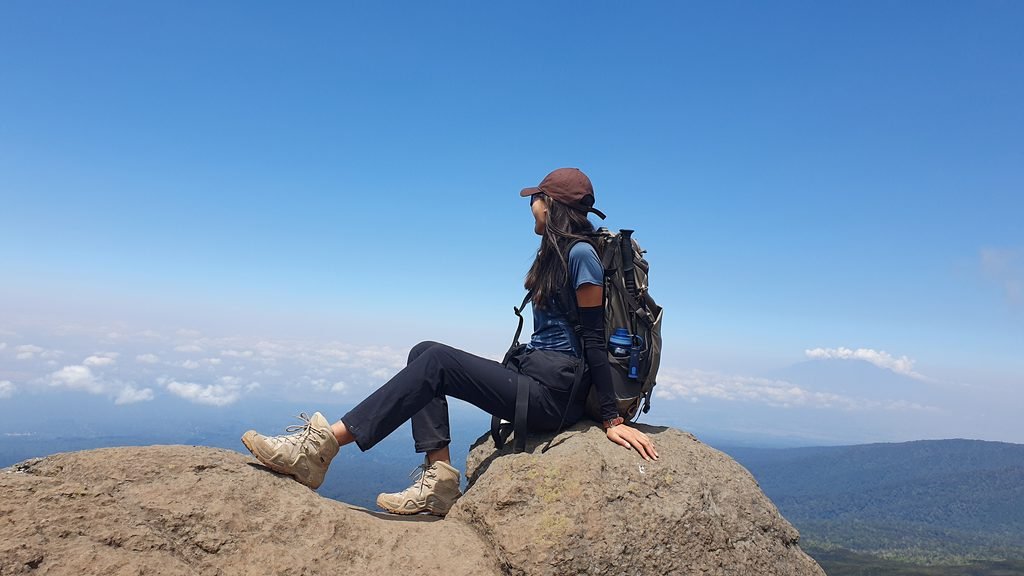
Best Time to Climb the Lemosho Route in 2027, 2028 and 2029
Mount Kilimanjaro can be climbed throughout the year, but weather conditions vary considerably between seasons. The generally drier climbing periods are January to early March and late June to October, although rain, snow, wind and freezing temperatures remain possible at any time. Travellers who prefer clearer mountain views and relatively stable trekking conditions often select dates within these periods.
January and February are popular months for Kilimanjaro climbing because the weather is frequently more settled than during the main rainy season. These months can provide good visibility across the Shira Plateau and surrounding mountain landscapes, although temperatures near the summit remain very cold. March can also offer suitable conditions, particularly earlier in the month, but rainfall becomes more likely as the season progresses.
The period from late June through September is another popular climbing season. During these months, the mountain generally experiences drier conditions, making trekking more comfortable on many sections of the trail. However, the higher number of visitors can result in busier campsites and trails, especially around Barranco, Karanga and Barafu, where several Kilimanjaro routes share the same paths.
October and December can also provide suitable climbing opportunities, although the short rains may affect conditions during parts of this period. April and May are typically associated with heavier rainfall, making the forest trails muddy and reducing visibility on some days. Travellers planning a nine-day Lemosho climb should select their dates based on weather preferences, availability and their overall Tanzania travel schedule rather than assuming that any particular month guarantees favourable conditions.
How Difficult Is the 9-Day Lemosho Route?
The Lemosho Route is a non-technical trekking route, meaning that standard ascents do not normally require specialised mountaineering skills such as rope climbing or technical ice climbing. However, this does not make the climb easy. Reaching Uhuru Peak involves several consecutive days of walking, steep sections, cold weather, uneven terrain and exposure to high altitude.
The nine-day schedule can make the experience more manageable by spreading the ascent over a longer period, but climbers still need a reasonable level of physical fitness and mental preparation. Regular walking, hill training, cardiovascular exercise and practice hikes with a daypack are useful ways to prepare for the journey. Travellers who have never undertaken a multi-day trek should begin their preparation well before arriving in Tanzania.
Altitude sickness is one of the most important risks on Kilimanjaro. Even physically fit climbers can develop altitude-related symptoms because the body’s response to reduced oxygen varies between individuals. The longer itinerary offers additional opportunities for acclimatisation, but it cannot guarantee protection from acute mountain sickness or more serious altitude-related conditions.
Our mountain guides monitor the condition of climbers throughout the expedition and make safety decisions according to individual circumstances. Travellers should obtain suitable medical advice before departure, particularly if they have existing health concerns or are uncertain about their ability to undertake a demanding high-altitude trek.
What to Pack for the 9-Day Lemosho Route Kilimanjaro Climb
Packing suitable clothing and equipment is essential because Kilimanjaro’s weather changes considerably between the rainforest and summit zones. The lower slopes may be warm and humid, while the higher camps and summit approach can experience strong winds and temperatures well below freezing. A layered clothing system allows climbers to adjust their clothing throughout the day without carrying unnecessary weight.
A good-quality waterproof jacket, insulated outer layer, thermal base layers, comfortable trekking trousers and reliable hiking boots are among the most important items. Boots should be worn and tested before the climb to reduce the likelihood of blisters. Warm gloves, a suitable hat, hiking socks and waterproof protection for personal equipment are also recommended.
For summit night, climbers need particularly warm clothing, including an insulated jacket, thermal layers, suitable gloves and head protection. A headlamp with spare batteries is essential because the ascent normally begins during darkness. Trekking poles are useful for both the uphill sections and the long descent after reaching the summit.
A suitable sleeping bag rated for cold mountain conditions is another important item, along with a comfortable daypack, reusable water containers, personal toiletries, sunscreen, sunglasses and any prescribed medication. Travellers should confirm the permitted luggage weight with the tour operator and arrange equipment rental in advance if they do not wish to purchase everything before travelling.
Can Beginners Climb Kilimanjaro via the 9-Day Lemosho Route?
Yes, the nine-day Lemosho Route can be suitable for first-time Kilimanjaro climbers who are physically prepared, understand the challenges of high-altitude trekking and are willing to follow the guidance of experienced mountain professionals. The route does not normally require previous technical climbing experience, making it accessible to many travellers who have experience with hiking and outdoor activities.
The extended itinerary is particularly useful for beginners because it allows additional time to become familiar with the trekking routine and adjust to the mountain environment. Each day involves a combination of walking, rest, meals and preparation for the next stage, giving climbers an opportunity to develop a steady rhythm rather than rushing towards the summit.
However, beginners should not underestimate the physical and mental demands of the expedition. Summit night can involve many hours of walking in freezing conditions, and altitude can affect people regardless of their age or fitness. Proper preparation, realistic expectations and open communication with the mountain guide are essential throughout the climb.
Travellers who are uncertain whether Lemosho is the right option can compare it with the Machame, Marangu and Rongai routes through Eddy Tours & Safaris. Each route offers different advantages regarding scenery, duration, accommodation and altitude progression.
Combine Your 9-Day Kilimanjaro Climb with a Tanzania Wildlife Safari
Many travellers visiting Tanzania for Kilimanjaro climbing choose to extend their holiday with a wildlife safari. After spending nine days trekking through mountain landscapes, a safari provides an opportunity to explore Tanzania’s national parks at a more relaxed pace while experiencing a completely different side of the country.
Tarangire National Park is particularly well known for its elephant populations, baobab trees and seasonal wildlife movements. The park can be visited as part of a short safari from Arusha and offers an excellent introduction to Tanzania’s northern wildlife circuit. Lake Manyara National Park is another option, featuring varied habitats that include groundwater forest, open grassland and the lake environment.
For travellers with additional time, Serengeti National Park provides extensive wildlife-viewing opportunities across its famous plains, while the Ngorongoro Conservation Area offers the chance to visit the Ngorongoro Crater and observe wildlife within its distinctive volcanic landscape. These destinations can be combined into multi-day safari itineraries depending on the traveller’s available time and budget.
Eddy Tours & Safaris can help travellers plan a combined Kilimanjaro and Tanzania safari holiday, including transport arrangements, accommodation and suitable travel dates. Visitors interested in extending their journey can explore our Tanzania safari tours and request a personalised itinerary that fits their mountain climbing schedule.
Why Book Your Kilimanjaro Climb with Eddy Tours & Safaris?
Choosing a local tour operator is an important decision when planning a Kilimanjaro expedition. Eddy Tours & Safaris is based in Arusha, Tanzania, providing direct access to the northern tourism circuit and the local mountain climbing community. Our team assists travellers with route selection, itinerary planning, equipment preparation and arrangements for their arrival in Tanzania.
We understand that many visitors travel a considerable distance to climb Kilimanjaro, often after months of preparation and saving. For this reason, we aim to provide clear information about the itinerary, expected costs, physical demands and services included in the booking. Travellers can discuss their preferences with our team before selecting a private climb or a suitable group departure.
Our mountain expeditions are supported by local guides, porters and cooks who contribute their experience and knowledge throughout the climb. We recognise the importance of proper preparation, responsible mountain operations and respectful treatment of the people who make these expeditions possible.
Whether you are planning your first Kilimanjaro trek in 2027, organising a group climb for 2028 or considering a longer Tanzania adventure in 2029, our team can assist with practical planning and a quotation based on your travel requirements.
Frequently Asked Questions About the 9-Day Lemosho Route
How much does the 9-day Lemosho Route cost in 2027, 2028 and 2029?
The advertised starting price is USD $1,700 per person, with the final amount depending on group size, departure dates, included services and any additional arrangements. Travellers should request an updated quotation before booking because park fees and other operating costs may change between 2027 and 2029. A written quotation should clearly state the number of mountain days, accommodation arrangements, included transfers and any additional expenses.
Is the 9-day Lemosho Route better than the 7-day Lemosho Route?
The nine-day itinerary provides additional time for trekking and acclimatisation compared with the seven-day version. This can be particularly helpful for travellers who prefer a gradual approach and want more time to enjoy the scenery. However, the best itinerary depends on personal fitness, available travel time, budget and individual altitude response. A longer route may improve acclimatisation opportunities but cannot guarantee that every climber will reach the summit.
What is the highest point on the Lemosho Route?
The highest point is Uhuru Peak, which stands at 5,895 metres above sea level. Uhuru Peak is located on the Kibo volcanic cone and represents the summit of Mount Kilimanjaro, the highest mountain in Africa. Climbers following this nine-day itinerary normally approach the summit from Barafu Camp, passing Stella Point before continuing along the crater rim to Uhuru Peak.
Do I need previous climbing experience?
Previous technical mountaineering experience is not normally required for the standard Lemosho Route, but good physical preparation is strongly recommended. Climbers should be comfortable walking for several hours on consecutive days and understand the challenges associated with cold weather, steep terrain and high altitude. Regular hiking and fitness training before departure can help improve endurance and confidence.
Where do climbers sleep during the nine-day Lemosho trek?
Accommodation is provided in mountain tents at designated campsites along the route. The itinerary includes overnight stays at Mti Mkubwa, Shira 1, Shira 2, Moir Hut, Barranco, Karanga, Barafu and Mweka camps. Sleeping arrangements normally involve sharing a tent unless another arrangement is agreed in advance. Climbers should bring or rent a suitable sleeping bag for cold mountain conditions.
Can I book a private 9-day Lemosho Route climb?
Private climbs can be arranged for individuals, couples, families and groups who prefer their own mountain team and a departure date that suits their travel plans. Private arrangements may provide greater flexibility in preparation and group organisation, although all trekking activities remain subject to national park requirements, mountain conditions and the guide’s safety decisions.
Is it possible to climb Kilimanjaro and visit Zanzibar on the same holiday?
Yes. Many travellers combine a Kilimanjaro expedition with a few days in Zanzibar after completing their mountain adventure. Zanzibar provides opportunities to relax on the coast, explore Stone Town and enjoy the island’s beaches and cultural attractions. Travellers can also include a Tanzania wildlife safari before travelling to Zanzibar, depending on their available holiday time and budget.
Book Your 9-Day Lemosho Route Kilimanjaro Climb for 2027, 2028 or 2029
The 9-day Lemosho Route offers an excellent combination of mountain scenery, gradual trekking and time to prepare for the demanding ascent to Uhuru Peak. From the forest trails on Kilimanjaro’s western slopes to the open Shira Plateau, Barranco Wall and final summit approach, this itinerary allows climbers to experience many of the mountain’s most interesting landscapes over nine days.
With an advertised starting price of USD $1,700 per person, the package is intended for travellers looking for a scenic Kilimanjaro climbing experience in 2027, 2028 or 2029. Final prices and availability are confirmed individually, allowing each traveller to understand the arrangements before committing to a departure.
Contact Eddy Tours & Safaris to discuss your preferred climbing dates, group size and travel plans. Our team can provide a detailed quotation, explain the equipment requirements and help you arrange a Kilimanjaro climbing holiday that fits your schedule.
Website: Eddy Tours and Safaris
Email: sales@eddytours-safaris.com
Alternative Email: eddytoursandsafaris@gmail.com
Location: Arusha, Tanzania
REQUEST YOUR 9-DAY LEMOSHO ROUTE KILIMANJARO CLIMBING QUOTE