

Kenya is one of Africa’s leading safari destinations, with large wildlife populations, open grasslands, beautiful lakes, mountain scenery and national parks that offer different experiences throughout the year. For travellers planning a Kenya safari in 2027, 2028 or 2029, this 11-day itinerary provides enough time to explore several of the country’s best-known wildlife areas without rushing from one destination to another. The journey begins with a pickup at Jomo Kenyatta International Airport in Nairobi and continues through Amboseli National Park, Lake Naivasha, Lake Nakuru National Park and the Maasai Mara National Reserve before returning to Nairobi.
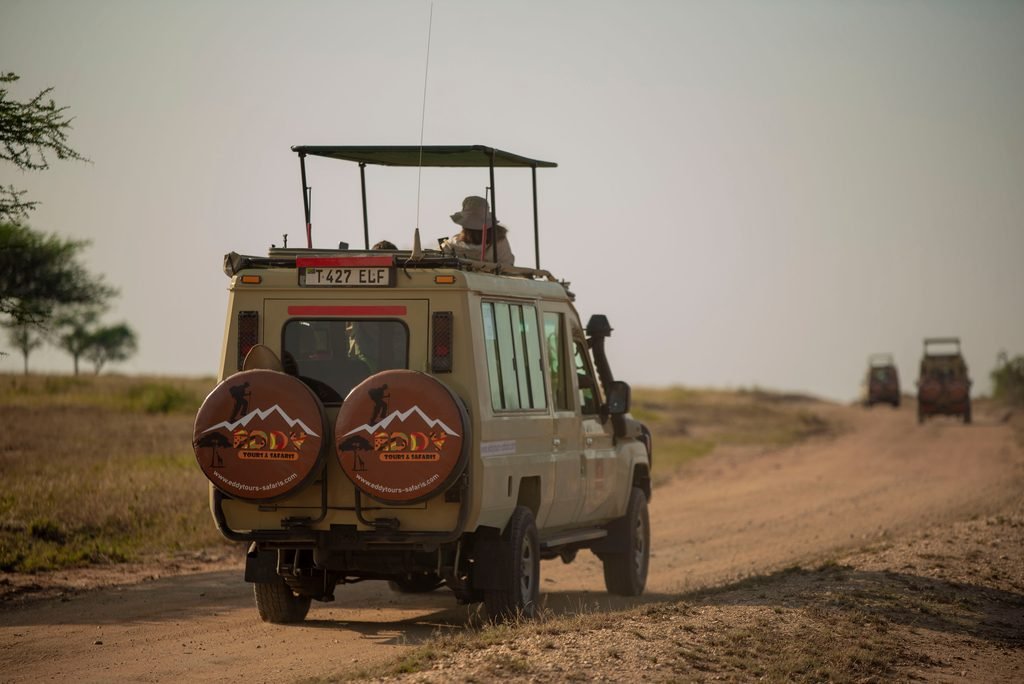
At Eddy Tours & Safaris, we understand that a good safari requires more than visiting famous parks. Travellers need reliable transport, suitable accommodation, experienced guides and a well-organised itinerary that allows enough time for wildlife viewing. Our team can help arrange a Kenya safari through trusted local operating partners, with the flexibility to accommodate couples, families, groups and private travellers. Whether you prefer comfortable mid-range lodges or luxury safari camps, this itinerary can be adjusted to suit your travel dates, interests and budget.
11-Day Kenya Safari Overview
Safari destination: Kenya, East Africa
Duration: 11 days and 10 nights
Starting point: Jomo Kenyatta International Airport, Nairobi
Ending point: Nairobi Airport or a designated Nairobi hotel
Safari type: Private wildlife safari
Travel years: 2027, 2028 and 2029
Accommodation: Mid-range or luxury safari lodges and camps
Transport: Private 4×4 safari vehicle
Main destinations: Nairobi, Amboseli, Lake Naivasha, Lake Nakuru and Maasai Mara
Best for: Couples, families, honeymooners, photographers and wildlife enthusiasts
Kenya Safari Highlights
- Airport pickup and organised safari transfers from Nairobi.
- Game drives in Amboseli National Park with views of Mount Kilimanjaro when weather conditions are favourable.
- Opportunities to observe elephants, lions, buffaloes, giraffes, zebras and other wildlife.
- A relaxing visit to Lake Naivasha, with an optional boat excursion.
- Wildlife viewing at Lake Nakuru National Park, including opportunities to see rhinos.
- Three nights in the Maasai Mara region, allowing more time for game drives.
- Opportunities to witness the Great Migration during the appropriate season.
- Comfortable accommodation with meals during the safari.
- A private safari itinerary that can be adjusted to individual travel preferences.

Detailed 11-Day Kenya Safari Itinerary
Day 1: Arrival at Nairobi Airport and Transfer to Your Hotel
Your Kenya safari begins when you arrive at Jomo Kenyatta International Airport in Nairobi. After completing immigration procedures and collecting your luggage, you will meet your designated airport representative, who will welcome you and assist with your transfer to the hotel. Depending on your arrival time, you may have an opportunity to see parts of Nairobi during the journey, although the main purpose of the first day is to settle into your accommodation and recover from your flight.
Nairobi is Kenya’s capital and the main arrival point for international safari travellers. The city has a wide selection of hotels, restaurants and shopping centres, making it a convenient place to prepare for the days ahead. Your guide or safari representative will provide information about the itinerary, expected departure times, accommodation arrangements and general safety procedures. If you arrive early enough, optional sightseeing can be organised, but travellers arriving after a long international flight may prefer to spend the afternoon relaxing at the hotel.
Accommodation: Nairobi hotel
Meals: Depending on arrival time and hotel arrangement
Day 2: Nairobi to Amboseli National Park
After breakfast at your Nairobi hotel, you will meet your safari driver-guide and begin the journey south towards Amboseli National Park. The drive passes through towns, agricultural areas and the open countryside of southern Kenya, gradually approaching the landscapes surrounding Mount Kilimanjaro. Although the mountain itself stands across the border in Tanzania, Amboseli is one of the most popular places to photograph its snow-covered summit rising above the African plains when the sky is clear.
You will arrive at your lodge or tented camp around lunchtime, depending on road conditions and your departure time. After checking in and enjoying lunch, there will be time to rest before your first afternoon game drive. Amboseli is particularly well known for its elephants, including large family groups that move through the grasslands and marshes. The park also supports buffaloes, zebras, wildebeest, giraffes, lions, hyenas and numerous bird species. Your guide will follow the designated game-drive tracks while explaining animal behaviour, the local environment and the importance of wildlife conservation.
Accommodation: Amboseli safari lodge or tented camp
Meals: Breakfast, lunch and dinner
Day 3: Full-Day Wildlife Safari in Amboseli National Park
Today is dedicated to exploring Amboseli National Park, with the possibility of an early morning game drive when temperatures are cooler and wildlife is often more active. The landscape includes seasonal lakebeds, open plains, acacia woodland and permanent wetlands fed by underground water from the Kilimanjaro region. These different habitats attract a wide range of animals, making Amboseli a rewarding destination for both experienced safari travellers and first-time visitors.
Your guide will plan the day’s activities according to wildlife movements, weather conditions and your interests. You may encounter elephants feeding in the marshes, buffaloes resting near water, giraffes browsing on trees and predators moving through the grasslands. Birdwatchers can look for pelicans, herons, egrets, raptors and other species associated with the park’s wetland environment. Where conditions and park regulations permit, a visit to Observation Hill can provide a wider view of the surrounding landscape. Lunch may be served at the lodge or arranged as a packed meal, followed by additional wildlife viewing before returning to your accommodation for dinner.
Amboseli also offers an opportunity to appreciate the relationship between wildlife, pastoral communities and protected areas. Travellers interested in learning more about Maasai culture may arrange a community visit through an appropriate local host, subject to availability and an additional fee. Such visits should be organised respectfully, with clear information about the activities and costs involved.
Accommodation: Amboseli safari lodge or tented camp
Meals: Breakfast, lunch and dinner
Day 4: Amboseli to Lake Naivasha
Following breakfast, you will depart Amboseli and travel towards Lake Naivasha in Kenya’s Great Rift Valley. This is a longer transfer day, and the journey provides an opportunity to observe changing landscapes as you move from the dry plains of southern Kenya towards the greener highland and lake regions. Your guide will make suitable stops along the way for refreshments, rest and photographs where it is safe to do so.
Lake Naivasha is a freshwater lake surrounded by farms, woodland, wetlands and accommodation properties. It is particularly attractive to travellers who enjoy birdwatching and quieter natural settings between major wildlife parks. Depending on your arrival time, you may spend the afternoon relaxing at the lodge or choose an optional boat excursion on the lake. Boat trips can provide opportunities to observe hippos from a safe distance and identify waterbirds such as fish eagles, cormorants and herons. Any boat activity will be arranged with an authorised local operator and will depend on weather and lake conditions.
The evening is spent at your accommodation near Lake Naivasha, where you can enjoy dinner and prepare for the next day’s journey to Lake Nakuru National Park.
Accommodation: Lake Naivasha lodge or hotel
Meals: Breakfast, lunch and dinner
Day 5: Lake Naivasha to Lake Nakuru National Park
After breakfast, you will travel to Lake Nakuru National Park, one of Kenya’s important wildlife conservation areas. The journey is relatively short compared with the previous day’s transfer, allowing more time for a game drive after entering the park. Lake Nakuru is known for its rhino conservation efforts, woodland habitats, lake scenery and varied wildlife. It offers a different safari experience from Amboseli because of its mixture of grassland, rocky viewpoints, forest and lakeshore environments.
During the game drive, your guide will search for white rhinos and the more elusive black rhinos, although sightings can never be guaranteed. Other animals that may be encountered include buffaloes, giraffes, zebras, waterbucks, baboons and various antelope species. Lions and leopards also inhabit the park, but finding them depends on their movements and the conditions on the day. Lake Nakuru has historically been famous for large flamingo gatherings, although flamingo numbers vary with water levels, food availability and other environmental factors.
The afternoon may include additional game viewing and a visit to an accessible viewpoint, subject to park conditions. You will later continue to your lodge or hotel for dinner and an overnight stay.
Accommodation: Lake Nakuru lodge or hotel
Meals: Breakfast, lunch and dinner
Day 6: Lake Nakuru to Maasai Mara National Reserve
After an early breakfast, your safari continues towards the Maasai Mara, one of Africa’s best-known wildlife destinations. The journey takes you through the Rift Valley region, agricultural settlements and rural landscapes before reaching the wider Mara ecosystem. Some sections of the journey may involve rough roads, particularly as you approach certain camps and reserve access routes, so travel times will depend on the selected accommodation and prevailing road conditions.
The Maasai Mara forms part of the larger Serengeti-Mara ecosystem, which extends across the Kenya-Tanzania border. Its open grasslands support large populations of herbivores and predators, making it an excellent destination for wildlife photography and extended game drives. Depending on your arrival time and the location of your camp, you may enjoy an afternoon game drive before sunset. Your guide will introduce you to the landscape and begin searching for animals such as lions, elephants, buffaloes, giraffes, zebras and antelopes.
After the game drive, you will proceed to your safari lodge or tented camp for dinner. Spending several nights in the Mara allows you to explore different sections of the reserve without having to travel long distances between accommodation properties every day.
Accommodation: Maasai Mara safari lodge or tented camp
Meals: Breakfast, lunch and dinner
Day 7: Full-Day Game Drive in the Maasai Mara
Today you will spend a full day exploring the Maasai Mara with your professional safari guide. The reserve is famous for its predator populations, particularly lions, cheetahs and leopards, although these animals require patience and careful observation to locate. Early morning game drives are often productive because temperatures are lower and some predators may still be active after hunting during the night.
Your guide will choose routes based on recent wildlife observations, road conditions and the interests of your group. The Mara’s extensive grasslands make it possible to observe animal interactions over long distances, while rivers and wooded areas provide habitats for different species. You may see elephants travelling between feeding areas, giraffes moving through scattered trees, large buffalo herds or predators resting in shaded locations.
During the migration season, generally associated with the movement of wildebeest and zebras between the Serengeti and Maasai Mara, there may be opportunities to observe large herds and, with considerable luck, river crossings. The timing of these movements depends on rainfall, grazing conditions and animal behaviour, so no particular crossing can be promised. A packed lunch can be arranged to maximise time in the reserve, followed by further game viewing before returning to camp in the evening.
Accommodation: Maasai Mara safari lodge or tented camp
Meals: Breakfast, lunch and dinner
Day 8: Exploring More of the Maasai Mara
Your second full day in the Maasai Mara provides another opportunity to search for wildlife and explore areas that may not have been covered during the previous day’s game drive. One of the advantages of spending several nights in the reserve is that you do not need to rush through the landscape. Wildlife movements change from day to day, and returning to an area at a different time can produce a completely different experience.
Travellers interested in photography may prefer to spend more time observing a particular animal or waiting for better lighting conditions. Families may enjoy a more relaxed schedule with breaks between game drives, while wildlife enthusiasts may wish to spend longer periods searching for predators and large herds. Your guide will help organise the day’s activities within the permitted game-drive hours and designated road network.
An optional early morning hot-air balloon safari can be arranged for travellers who would like to experience the Mara from above. Balloon flights normally require advance booking and depend on suitable weather conditions. Another optional activity is a cultural visit to a Maasai community, where arrangements can be made through local hosts. Both activities are separate from the standard safari package unless specifically included in your quotation.
Accommodation: Maasai Mara safari lodge or tented camp
Meals: Breakfast, lunch and dinner
Day 9: Maasai Mara to Lake Naivasha
After breakfast, you will leave the Maasai Mara and begin the return journey towards Lake Naivasha. This travel day gives you another opportunity to enjoy Kenya’s countryside, with changes in vegetation, elevation and settlement patterns along the route. Your guide will arrange appropriate comfort stops, and the exact arrival time will depend on traffic, weather and the location of your accommodation in the Mara.
Upon reaching Lake Naivasha, you will check in at your lodge and enjoy a quieter afternoon after several days of intensive wildlife viewing. Travellers who did not take a boat excursion earlier in the safari may choose to arrange one, while others may prefer to relax within the lodge grounds. Where available, a guided nature walk or visit to a nearby attraction can be organised at an additional cost, provided the activity is conducted in an appropriate and safe location.
The evening is spent near Lake Naivasha, with dinner at your accommodation. This additional overnight stop helps break up the return journey and gives you time to rest before travelling back to Nairobi.
Accommodation: Lake Naivasha lodge or hotel
Meals: Breakfast, lunch and dinner
Day 10: Lake Naivasha to Nairobi
After breakfast, you will depart Lake Naivasha and travel back to Nairobi. The route passes through sections of the Great Rift Valley and the surrounding highlands, with the possibility of a short stop at a suitable viewpoint if weather and road conditions allow. Your arrival in Nairobi will depend on traffic, but the journey is generally shorter than the longer inter-park transfers earlier in the safari.
After checking in at your Nairobi hotel, the remainder of the day can be spent relaxing or enjoying optional city activities. Travellers interested in local crafts and souvenirs may visit a suitable shopping centre or craft market, while those who prefer to rest can remain at the hotel. Optional sightseeing arrangements can also be discussed with your guide or safari representative, depending on the time available and your preferences.
This final overnight stay in Nairobi is particularly useful for travellers with international flights departing the following day. It reduces the pressure of travelling directly from a distant national park to the airport and allows more flexibility if there are unexpected road delays.
Accommodation: Nairobi hotel
Meals: Breakfast; other meals according to the agreed package
Day 11: Nairobi Hotel to Jomo Kenyatta International Airport
Your 11-day Kenya safari concludes with breakfast at your Nairobi hotel, followed by a scheduled transfer to Jomo Kenyatta International Airport. Your representative will coordinate the pickup time according to your international flight schedule, allowing sufficient time for airport check-in, security procedures and possible traffic delays around Nairobi.
If your flight departs later in the day, additional sightseeing or a day-use hotel arrangement may be possible at an extra cost. Travellers continuing their East African holiday can also request assistance with onward travel to Tanzania, Uganda or another destination. For those interested in combining Kenya’s wildlife parks with Tanzania’s northern safari circuit, our team can help discuss a suitable cross-border itinerary.
Accommodation: Not included after checkout
Meals: Breakfast, subject to hotel arrangements

11-Day Kenya Safari Package Inclusions
The standard package is planned to include the following services, subject to confirmation in the final booking quotation:
- Airport pickup at Jomo Kenyatta International Airport on arrival.
- Airport drop-off at the end of the safari.
- Private 4×4 safari vehicle for the scheduled safari activities.
- Services of a professional English-speaking safari driver-guide.
- Ten nights of accommodation in the selected hotels, lodges and safari camps.
- Meals as indicated in the day-by-day itinerary.
- Scheduled game drives in Amboseli, Lake Nakuru and Maasai Mara.
- Applicable national park and reserve entry fees for the agreed itinerary.
- Fuel and vehicle operating costs during the scheduled safari.
- Bottled drinking water in the safari vehicle.
- Government taxes applicable to the quoted safari services.
- Assistance with safari planning and booking arrangements.
11-Day Kenya Safari Package Exclusions
The following services are not included in the standard package unless specifically stated in your confirmed quotation:
- International and domestic flights.
- Kenya Electronic Travel Authorisation (eTA) or other applicable entry documentation costs.
- Travel insurance and personal medical expenses.
- Hot-air balloon safari in the Maasai Mara.
- Optional Maasai community visits and cultural activities.
- Optional Lake Naivasha boat excursions and additional nature activities.
- Alcoholic beverages, soft drinks and other personal purchases.
- Tips and gratuities for guides, hotel staff and other service providers.
- Laundry services, telephone calls and personal expenses.
- Extra accommodation before or after the scheduled safari.
- Activities or transfers not mentioned in the confirmed itinerary.
- Additional costs resulting from personal itinerary changes or unforeseen travel disruptions.
Best Time to Visit Kenya for an 11-Day Safari in 2027, 2028 and 2029
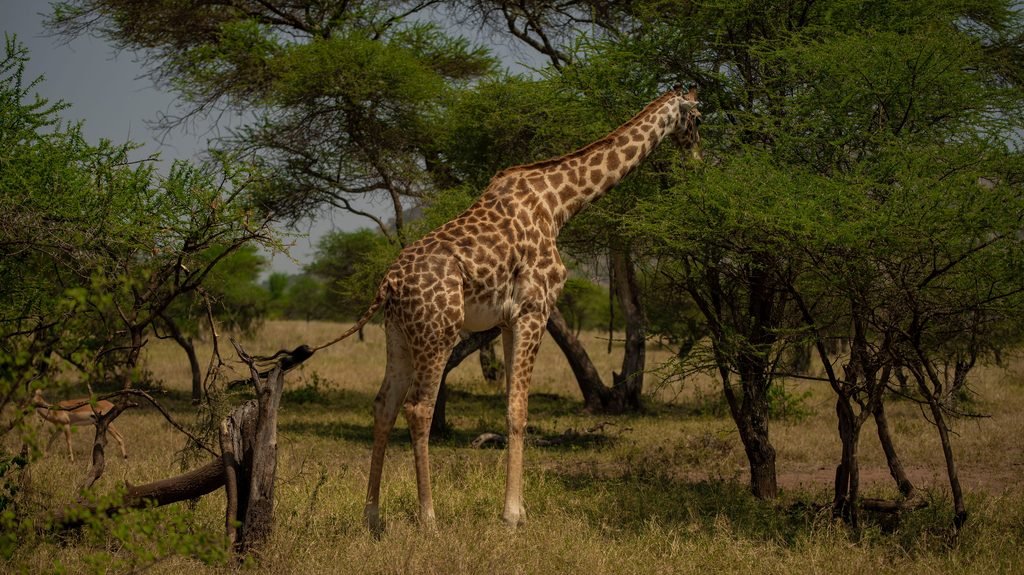
Kenya offers wildlife viewing throughout the year, although the experience varies between seasons and destinations. Travellers planning their safari should consider rainfall patterns, wildlife movements, accommodation availability and the type of experience they would like to have. Some months are particularly popular for the Great Migration, while others provide greener landscapes, fewer visitors and different photographic opportunities.
January to March: Warm Weather and Good Wildlife Viewing
January, February and March are often attractive months for travellers who prefer relatively dry conditions in many of Kenya’s major safari destinations. Amboseli can offer excellent elephant viewing, while the Maasai Mara continues to support resident wildlife even when the main migratory herds are elsewhere. These months can also be suitable for travellers combining a Kenya safari with a visit to Tanzania, including a Tanzania wildlife safari or a Kilimanjaro climbing holiday.
April to June: Green Landscapes and Quieter Safari Conditions
April and May are generally associated with the long rainy season in many parts of Kenya, although rainfall varies from year to year. The countryside becomes greener, and some destinations may experience fewer visitors compared with peak safari months. Travellers should be prepared for muddy roads, occasional heavy showers and changes to game-drive plans when conditions require them. June often marks a transition towards drier weather, making it an appealing period for visitors who want to explore Kenya before the busiest migration season.
July to October: The Great Migration Season
July through October is widely associated with the Great Migration in the Maasai Mara, although the arrival and departure of large herds cannot be predicted precisely. During favourable conditions, wildebeest and zebras move through the greater Serengeti-Mara ecosystem in search of grazing and water. The possibility of seeing large herds, predator activity and river crossings attracts many visitors, making accommodation reservations especially important during these months.
For travellers planning a Kenya safari in July, August or September 2027, 2028 or 2029, early booking is strongly recommended. Safari camps and lodges in popular parts of the Maasai Mara can fill quickly, and park fees may be higher during peak periods. Travellers interested in seeing different stages of the migration can also consider combining Kenya with a Serengeti safari in Tanzania.
November to December: Short Rains and Year-Round Wildlife
November and December often bring short rains to parts of Kenya, although conditions can vary considerably. These months can offer attractive green scenery, active birdlife and opportunities to observe resident animals in the major national parks. December is also a popular holiday period, particularly around Christmas and New Year, so accommodation should be booked well in advance if travelling during the festive season.
Accommodation Options for Your Kenya Safari
Accommodation is an important part of the safari experience, particularly on a longer itinerary that includes several destinations. This 11-day Kenya safari can be organised using mid-range or luxury lodges and tented camps, depending on the traveller’s preferences and budget. The final accommodation selection will be based on availability, location, comfort standards and the agreed package price.
Mid-range safari accommodation generally provides comfortable rooms or permanent safari tents, private bathrooms, meals and access to the main wildlife areas. This option is suitable for travellers who want reliable accommodation and good safari services while keeping the overall cost manageable. Properties may be located inside national parks, in surrounding conservancies or near reserve access gates, depending on availability and the itinerary.
Luxury safari accommodation may include larger rooms or tents, more private settings, additional guest facilities and higher levels of personalised service. Some luxury camps offer attractive locations overlooking rivers, plains or other natural features. However, a higher accommodation category does not guarantee more wildlife sightings, and the quality of the guide, game-drive planning and location of the property remain important considerations.
For families travelling with children, we can help identify accommodation with suitable room arrangements and family-friendly facilities. Honeymooners and couples may prefer smaller lodges or camps that offer greater privacy and a quieter atmosphere.

How Much Does an 11-Day Kenya Safari Cost in 2027, 2028 and 2029?
The cost of an 11-day Kenya safari depends on several factors, including the travel month, number of travellers, accommodation category, park fees and whether the safari is private or shared. The Maasai Mara can be particularly expensive during the main migration season because of accommodation demand and seasonal conservation fees.
Rather than publishing a fixed price that may not reflect the actual cost of travel in 2027, 2028 or 2029, Eddy Tours & Safaris recommends requesting a personalised quotation based on your intended dates and group size. This allows the accommodation, transport and applicable park charges to be calculated accurately.
A private safari for two people generally costs more per person than a safari for four or six people because the vehicle and guide expenses are shared among fewer travellers. Luxury accommodation and additional activities, such as balloon flights, can also increase the total cost considerably. For accurate budgeting, travellers should request a quotation showing the accommodation category, included park fees, meals, transport arrangements and any optional activities.
Park entry charges are determined by the relevant authorities and may change before your travel date. Kenya Wildlife Service publishes information about national parks and conservation fees through its official website, while Maasai Mara reserve charges are administered separately. All rates and inclusions should therefore be reconfirmed before booking.
Why Book Your Kenya Safari with Eddy Tours & Safaris?
Choosing a safari organiser is an important decision because transport arrangements, guide experience, accommodation selection and communication can affect the quality of the entire trip. At Eddy Tours & Safaris, our approach is to help travellers plan East African holidays that match their interests, available time and budget. We are based in Arusha, Tanzania, and can assist with Kenya safari arrangements through suitable local partners rather than presenting ourselves as a Kenya-based operator.
Our experience in East African travel planning is particularly useful for visitors who want to combine Kenya with Tanzania. Some travellers prefer to begin in Nairobi, explore the Maasai Mara and Amboseli, then continue towards Arusha for additional wildlife viewing in Tarangire, Ngorongoro and Serengeti. Others may wish to add a mountain trekking experience or finish their holiday on the beaches of Zanzibar.
We also understand the importance of clear information before a booking is confirmed. Travellers should know which accommodation has been selected, what meals are included, whether park fees are covered and which activities require additional payment. Our aim is to provide an organised itinerary and explain the arrangements so that guests can make informed decisions before travelling.
Combine Your Kenya Safari with Tanzania and Mount Kilimanjaro
An 11-day Kenya safari can be part of a longer East African holiday, particularly for travellers who want to visit more than one country. Kenya and Tanzania share important wildlife ecosystems, but each destination offers its own landscapes, national parks and travel experiences. Combining the two countries can provide opportunities to explore the Maasai Mara, Serengeti, Ngorongoro Crater, Tarangire and Amboseli within one extended itinerary.
Travellers interested in visiting Tanzania can explore the safari options available through Eddy Tours & Safaris. Depending on the route and travel schedule, a cross-border safari can be arranged with the necessary immigration procedures, vehicle transfers and accommodation bookings.
For those interested in climbing Africa’s highest mountain, Mount Kilimanjaro is located in northern Tanzania, not far from the Kenya-Tanzania border. Several established trekking routes are available, including Machame, Marangu, Lemosho and Rongai. Travellers can learn more about trekking options, route selection and mountain preparation through Kilimanjaro Climb Specialist.
Climbing Kilimanjaro requires additional days beyond the standard Kenya safari itinerary. Most travellers should allow time for acclimatisation, the trek itself and recovery before continuing their international journey. Anyone planning a combined safari and climbing holiday should consider the physical demands of trekking, the season and the total number of available travel days.
Important Travel Information for Kenya Safari Visitors
Entry Requirements and Travel Documents
International visitors should check Kenya’s entry requirements before departure. Depending on nationality and applicable exemptions, travellers may need an approved Electronic Travel Authorisation or another recognised form of entry permission. Passport validity, travel documentation and immigration rules should be confirmed through the official Kenya eTA website. Travellers combining Kenya and Tanzania should also check the entry requirements for both countries, particularly when planning a road transfer across the border.
Health and Travel Insurance
Travel insurance is strongly recommended for all safari travellers. A suitable policy should cover medical treatment, emergency evacuation, trip interruption and other relevant travel risks. Visitors should seek advice from a qualified healthcare professional about vaccinations, malaria prevention and any other health precautions appropriate to their travel plans. Health requirements can change, and travellers should check the latest guidance before departure.
What to Pack for an 11-Day Kenya Safari
Packing for a Kenya safari is generally straightforward, but it is important to prepare for changing temperatures and different environments. Lightweight clothing in neutral colours is useful during game drives, while a warm jacket or fleece can be helpful during early mornings and evenings, particularly in higher-altitude areas. Comfortable walking shoes, sunscreen, sunglasses, a hat, insect repellent and personal medication should also be included.
Travellers interested in photography may wish to bring binoculars, a camera with a suitable zoom lens, spare batteries and additional memory cards. A small day bag is useful for carrying essential items during game drives. Visitors travelling during rainy periods should also consider packing a lightweight waterproof jacket.
Safari Vehicles and Game Drive Safety
Game drives are conducted in designated wildlife areas under the guidance of a professional driver-guide. Travellers should remain inside the vehicle unless their guide confirms that stopping or getting out is permitted. Wildlife must never be fed, approached on foot without authorisation or disturbed for photography. National park regulations are designed to protect both visitors and animals, and following them helps maintain responsible tourism practices.
Frequently Asked Questions About the 11-Day Kenya Safari
Is 11 days enough for a Kenya safari?
Yes. Eleven days provides sufficient time to visit several major safari destinations, including Amboseli, Lake Nakuru and the Maasai Mara, while allowing for travel between the parks and overnight stops in Nairobi and Lake Naivasha. The itinerary includes three nights in the Maasai Mara and two nights in Amboseli, providing opportunities for multiple game drives rather than brief visits. Travellers who prefer fewer road transfers can also request an adjusted itinerary with longer stays in selected destinations.
Can the safari start directly from Nairobi Airport?
Yes. The package begins with pickup at Jomo Kenyatta International Airport. The first night is scheduled in Nairobi to allow travellers to rest after their international flight before starting the longer road journey to Amboseli the following morning. Guests who arrive early and prefer to begin travelling immediately can discuss alternative arrangements when requesting a quotation.
Is the Maasai Mara included in the safari?
Yes. The itinerary includes three nights in the Maasai Mara region, with game drives planned over several days. This gives travellers opportunities to explore the reserve and observe its resident wildlife. During the migration season, there may also be opportunities to see large wildebeest and zebra herds, although specific wildlife sightings and river crossings cannot be guaranteed.
Can families with children book this Kenya safari?
Yes. The itinerary can be adapted for families travelling with children. Accommodation can be selected according to family room availability, and the daily schedule can be adjusted to allow suitable breaks. Parents should consider the length of road transfers and the ages of their children when choosing between a fully road-based safari and an itinerary that includes domestic flights.
Can I book the safari for 2027, 2028 or 2029?
Yes. This itinerary is designed for travel planning in 2027, 2028 and 2029, subject to accommodation availability, operating arrangements and confirmation of the applicable rates. Travellers planning to visit during the main migration season or major holiday periods are encouraged to enquire early. The final itinerary, accommodation and price will be confirmed according to the requested travel dates.
Can I combine this safari with Zanzibar?
Yes. Travellers can extend their holiday with a beach stay in Zanzibar after completing the Kenya safari. The most suitable flight connections and transfer arrangements will depend on the travel date and airline schedules. Our team can help discuss a combined East African safari and beach itinerary through Eddy Tours & Safaris.
Is this a private or group safari?
The standard itinerary is designed as a private safari, meaning the vehicle and scheduled activities are arranged for the booking party. This offers greater flexibility for families, couples and small groups. Travellers interested in shared or group-joining arrangements can enquire about available options, although group departures and prices must be confirmed separately.
Book Your 11-Day Kenya Safari for 2027, 2028 or 2029
Planning a Kenya safari is easier when you have a clear itinerary, suitable accommodation and reliable information about the services included in your trip. This 11-day Kenya safari from Nairobi Airport brings together some of the country’s most popular wildlife destinations, with time to explore Amboseli’s elephant habitats, Lake Nakuru’s varied wildlife and the extensive grasslands of the Maasai Mara.
At Eddy Tours & Safaris, we can help you plan a safari that suits your travel dates, group size and preferred accommodation standard. Whether you are visiting Kenya for the first time, travelling with family or planning a longer East African holiday, our team can discuss suitable arrangements and prepare a quotation based on your requirements.
Contact Eddy Tours & Safaris
Website: https://eddytours-safaris.com/
Email: sales@eddytours-safaris.com
Alternative email: eddytoursandsafaris@gmail.com
Location: Arusha, Tanzania
Request Your 11-Day Kenya Safari Quote for 2027, 2028 or 2029
Send us your preferred travel dates, number of travellers and accommodation preference. We will help you review the available options and plan your Kenya safari from arrival at Nairobi Airport through to your final departure.