
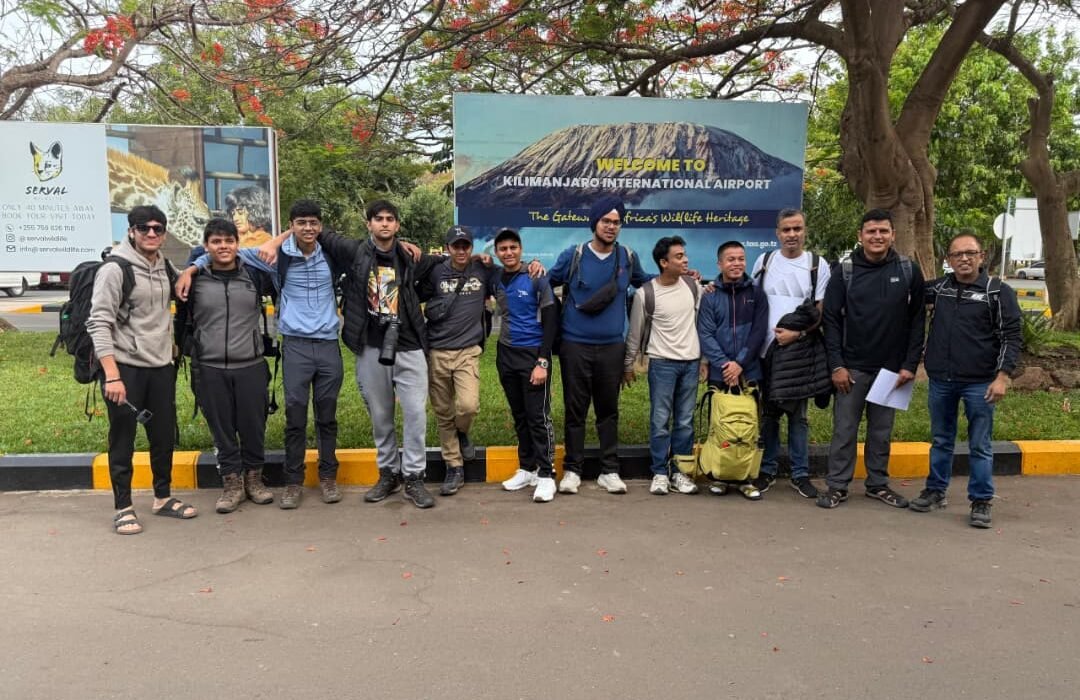
9 Days Rongai Route Kilimanjaro Northern Traverse is a carefully designed trekking package for climbers who want a quieter trail, better acclimatization and a full crossing of Mount Kilimanjaro from the remote northern side to the southern descent. This route avoids the busiest paths, offers wide open mountain views, and provides more time for your body to adapt naturally to altitude, making it one of the most balanced and comfortable ways to reach the roof of Africa.
This package is operated by an experienced local team from Eddy Tours & Safaris, focusing on safety, fair crew treatment, environmental responsibility and honest guiding. The itinerary below is built around international mountain medicine and conservation recommendations, not rushed schedules, so that your journey becomes both successful and meaningful.
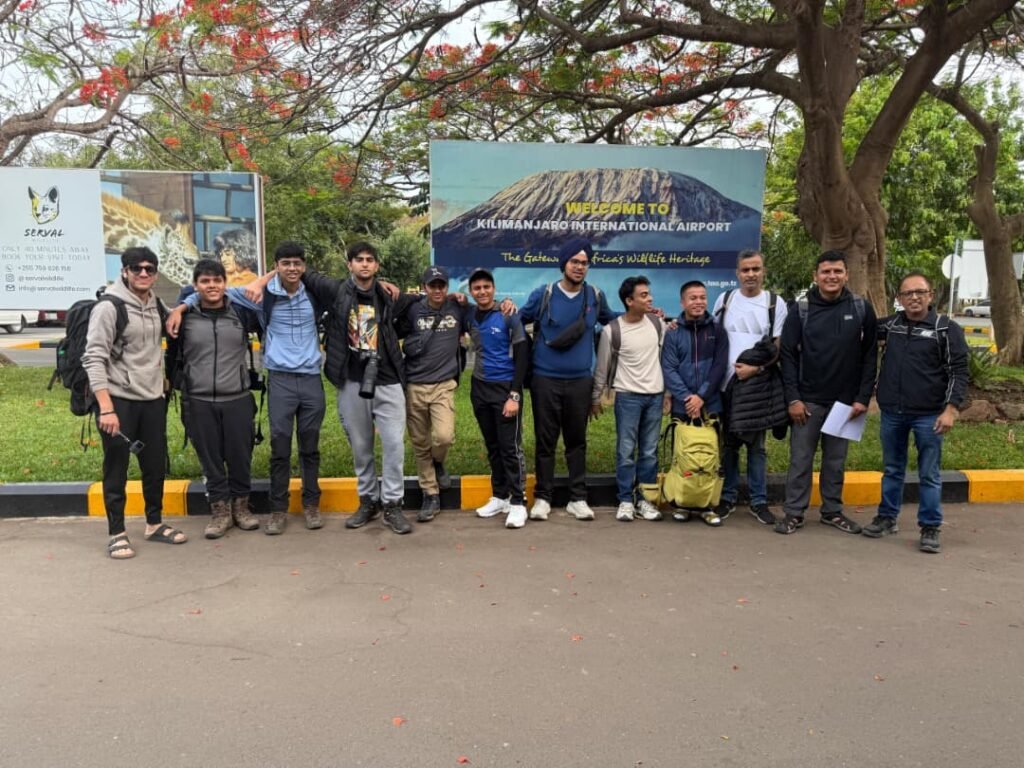
9 Days Rongai Route Kilimanjaro Northern Traverse – Trip Overview
The 9 Days Rongai Route Kilimanjaro Northern Traverse begins on the quiet northern slopes close to the Kenyan border and gradually climbs through forest, moorland and alpine desert before crossing the mountain and descending on the southern side. This design creates a true traverse of the mountain and gives your body more natural time to adjust to reduced oxygen levels.
Medical and high-altitude research published by the Centers for Disease Control and Prevention, the International Society for Mountain Medicine and the U.S. National Library of Medicine consistently confirms that slower ascents and extra acclimatization days significantly improve summit success and safety.
This route also passes through fragile high-altitude ecosystems monitored by conservation bodies such as the International Union for Conservation of Nature and the United Nations Environment Programme, which is why this package follows strict waste, camping and movement guidelines.
9 Days Rongai Route Kilimanjaro Northern Traverse – Detailed Itinerary
Day 1 – Arrival and mountain briefing
After arrival in Moshi or Arusha, you meet your guide team for equipment inspection, route briefing and safety orientation. Health screening and hydration guidance follow international travel health standards recommended by the World Health Organization and emergency preparedness principles of the International Federation of Red Cross and Red Crescent Societies.
Day 2 – Rongai trailhead to forest camp
The trek starts through quiet montane forest where colobus monkeys and rich birdlife are common. Biodiversity monitoring work by World Wide Fund for Nature and African Wildlife Foundation shows how this habitat supports key ecological corridors on the northern side of Kilimanjaro.
Day 3 – Forest zone to moorland camp
The trail opens into moorland with giant lobelias and senecios. Plant distribution and alpine vegetation dynamics are actively studied by institutions working with the Food and Agriculture Organization and environmental mapping programs supported by the United States Geological Survey.
Day 4 – Moorland to alpine zone
You continue gradually upward through open ridges and broad valleys. Climate and landscape studies published by NASA Climate and the Intergovernmental Panel on Climate Change highlight how temperature and wind patterns become more extreme at these elevations.
Day 5 – Acclimatization hike and recovery day
This day is dedicated to short altitude hikes and active recovery. Medical research reviewed by Johns Hopkins Medicine confirms that active acclimatization improves oxygen use efficiency and reduces acute mountain sickness risk.
Day 6 – Northern traverse toward the saddle
The traverse section gives wide views across Kenya and the northern plains. Geological background of Kilimanjaro’s volcanic structure is documented by research published through the US Geological Survey and field studies shared by Frontiers in Earth Science.
Day 7 – Summit night via the crater rim
The summit push begins shortly before midnight. High-altitude performance and fatigue studies published by Nature Research and ScienceDirect show how controlled pacing and guided decision-making improve safety during prolonged cold exposure.
Day 8 – Descent to lower camps
After the summit, you descend carefully into warmer zones. Environmental impact studies supported by the Conservation International and educational programs from the National Geographic Society emphasize the importance of staying on designated trails to protect alpine soils.
Day 9 – Final descent and transfer
The trek finishes through forest trails before transfer back to Moshi or Arusha. Community livelihood programs promoted by the International Labour Organization and social development initiatives from Oxfam International support ethical employment of mountain crews along this route.
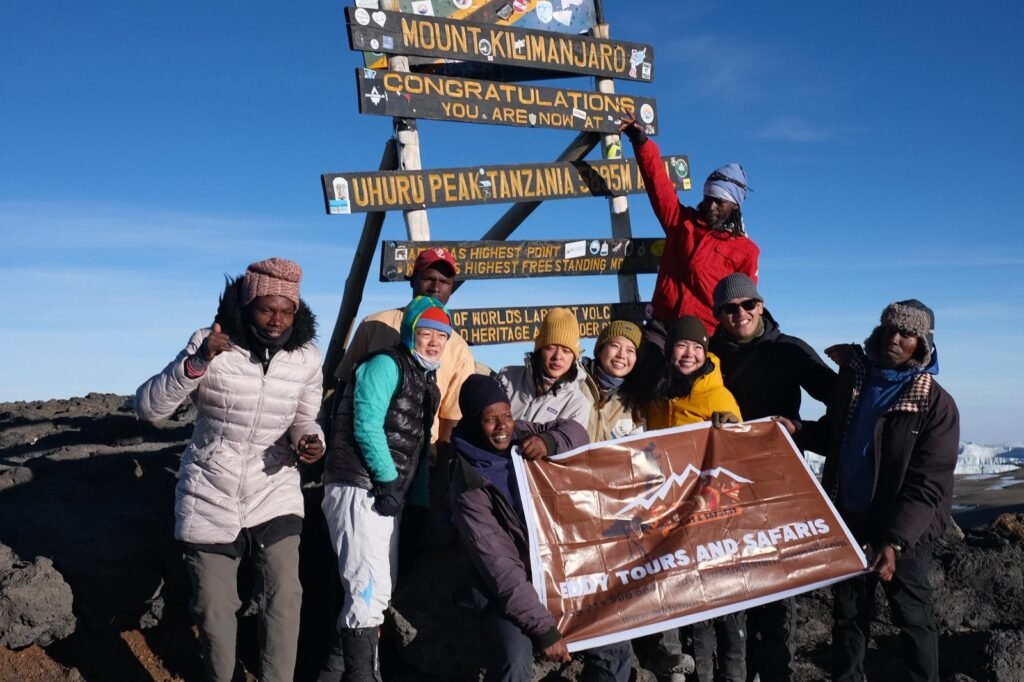
9 Days Rongai Route Kilimanjaro Northern Traverse – Inclusions
- Professional licensed mountain guides, assistant guides and trained support crew.
- All park permits, conservation and rescue fees required by the national authorities.
- Quality tents, dining tent, sleeping mattress and camping equipment.
- All meals on the mountain prepared by a trained cook.
- Emergency oxygen, first-aid equipment and communication devices.
- Pre-climb briefing and equipment check at your hotel.
- Transfers between Moshi/Arusha and the trailheads.
9 Days Rongai Route Kilimanjaro Northern Traverse – Exclusions
- International and domestic flights.
- Visa and travel insurance.
- Personal trekking equipment such as boots, sleeping bags and jackets.
- Tips for guides and support crew.
- Personal expenses and drinks not listed in the meals.
Why book the 9 Days Rongai Route Kilimanjaro Northern Traverse with us
Choosing the 9 Days Rongai Route Kilimanjaro Northern Traverse through a local operator gives you direct access to experienced guides who understand real mountain conditions, weather behavior and daily trail changes. You work with professionals who follow environmental protection practices promoted by the Wildlife Conservation Society and international conservation planning frameworks.
Your climb also supports research access and conservation awareness initiatives that contribute to long-term protection of Kilimanjaro’s ecosystems, which are closely monitored by the IUCN and partner institutions.
You benefit from realistic pacing, flexible decisions on summit night and proper medical monitoring following global mountain medicine recommendations.
Who this package is best for
The 9 Days Rongai Route Kilimanjaro Northern Traverse is ideal for climbers who prefer a quieter approach, value acclimatization time and want a full crossing of the mountain rather than a simple out-and-back route. It is especially suitable for first-time high-altitude trekkers who want extra safety margin and for experienced hikers who appreciate scenic, low-traffic trails.
Public health studies from the Harvard T.H. Chan School of Public Health and physiological reviews published by Frontiers in Physiology show that conservative ascent profiles are strongly linked to improved physical tolerance at altitude.
Safety and environmental responsibility on this route
Safety procedures for the 9 Days Rongai Route Kilimanjaro Northern Traverse follow emergency management guidance supported by the International Federation of Red Cross and Red Crescent Societies and medical field guidance reviewed through PubMed.
Environmental protection along the route aligns with global conservation policies promoted by the UN Environment Programme and biodiversity research initiatives supported by the Intergovernmental Science-Policy Platform on Biodiversity and Ecosystem Services.
Plan your 9 Days Rongai Route Kilimanjaro Northern Traverse with local experts
You can explore more professionally designed climbing options through our dedicated Kilimanjaro climbing programs page, or combine your trek with wildlife experiences offered in our Tanzania safari itineraries.
For personalized advice and availability, speak directly with our mountain team using our contact and booking support page. Our goal is to make your climb safe, fair and truly memorable.
The 9 Days Rongai Route Kilimanjaro Northern Traverse is not designed for speed. It is designed for success, safety and respect for one of Africa’s most important mountain ecosystems.