

Planning a trip to Tanzania involves more than choosing the national parks you want to visit or deciding when to climb Mount Kilimanjaro. Understanding the local time is equally important, especially when arranging international flights, airport transfers, safari departures, hotel check-ins and communication with your tour operator. Travelers arriving from Europe, North America, Asia and other parts of Africa often need to adjust their watches and daily routines when they reach Tanzania. Knowing how the country’s time system works can make these arrangements much easier.
Tanzania follows East Africa Time (EAT), which is three hours ahead of Coordinated Universal Time (UTC+3). The country maintains this time throughout the year, meaning there are no seasonal clock changes. Whether you are visiting the Serengeti in January, climbing Kilimanjaro in July or spending Christmas in Zanzibar, the official time remains the same. This guide from Eddy Tours & Safaris explains Tanzania’s time zone, its differences from other countries, the traditional Swahili way of telling time and what international visitors should know before traveling in 2027 or 2028.

What Time Zone Does Tanzania Use?
Tanzania operates on East Africa Time, commonly abbreviated as EAT. Its standard time is UTC+3, which means that when it is 12:00 noon in London during Greenwich Mean Time, it is 3:00 PM in Tanzania. The country uses one official time zone across its entire territory, including mainland destinations and the Zanzibar islands. Visitors traveling between Arusha, Moshi, Dar es Salaam, Dodoma, Mwanza, the Serengeti and Zanzibar do not need to change their watches when moving from one destination to another.
This uniform time system is particularly helpful for travelers combining several destinations within one holiday. For example, someone may begin with a Tanzania wildlife safari, continue to the Kilimanjaro region and finish with a few days on the beaches of Zanzibar. Although the locations and daily activities change, the local time remains consistent. This makes it easier to coordinate domestic flights, hotel reservations, transfers and scheduled activities without worrying about different regional time zones.
For travelers who want to check the exact local time before making arrangements, reliable references include Time and Date and Time.is Tanzania. These services are useful when arranging calls with a Tanzanian travel company or confirming the time of an upcoming flight.
Does Tanzania Change Its Clocks During the Year?
Tanzania does not observe daylight saving time. Unlike countries that move their clocks forward or backward during particular months, Tanzania remains on UTC+3 throughout the year. This applies to both 2027 and 2028 under the current time zone rules. Visitors do not need to make seasonal clock adjustments after arriving in the country, and local businesses, transport operators and tourism companies continue using the same standard time.
However, travelers should be aware that the time difference between Tanzania and their home country may change during the year. This happens when their home country observes daylight saving time. For instance, London is three hours behind Tanzania during the British winter and two hours behind during British Summer Time. Similarly, New York is eight hours behind Tanzania during Eastern Standard Time and seven hours behind during Eastern Daylight Time. These differences are particularly important when arranging international meetings or communicating with family members back home.

Tanzania Time Compared With Other Countries
One of the most useful things to understand before traveling is how Tanzania’s time compares with your home country. Travelers from different continents may experience anything from a small adjustment to a considerable difference in their daily schedules.
| Country or City | Time Difference From Tanzania |
|---|---|
| London, United Kingdom | 2–3 hours behind |
| Berlin, Germany | 1–2 hours behind |
| Paris, France | 1–2 hours behind |
| New York, United States | 7–8 hours behind |
| Los Angeles, United States | 10–11 hours behind |
| Dubai, United Arab Emirates | 1 hour ahead |
| Mumbai, India | 2 hours 30 minutes ahead |
| Beijing, China | 5 hours ahead |
| Tokyo, Japan | 6 hours ahead |
| Nairobi, Kenya | Same time |
| Kampala, Uganda | Same time |
| Johannesburg, South Africa | 1 hour behind |
These differences are based on the time zones commonly used in the listed cities. Countries such as the United States have multiple time zones, while seasonal clock changes in Europe, North America and some other regions affect the difference during certain months. Travelers should therefore check the exact date when planning international calls or connections rather than relying on a single fixed difference throughout the year.
Understanding Swahili Time in Tanzania
One interesting aspect of visiting Tanzania is learning how people traditionally express time in Swahili. While airports, hotels, tour operators and official travel documents generally use the international 12-hour or 24-hour clock, traditional Swahili time follows a different counting system. This system is closely connected to the daily cycle of sunrise and sunset, with the daytime count beginning around 6:00 AM on the international clock.
For example, 7:00 AM in international time is called saa moja asubuhi, meaning one o’clock in the morning according to Swahili time. Similarly, 8:00 AM becomes saa mbili asubuhi, and 12:00 noon is saa sita mchana. In the evening, 7:00 PM is commonly expressed as saa moja usiku. This may initially seem confusing to visitors who are unfamiliar with the system, but it becomes easier to understand once you recognize the six-hour difference in the way the hours are counted.
| International Time | Traditional Swahili Time |
|---|---|
| 6:00 AM | Saa kumi na mbili asubuhi |
| 7:00 AM | Saa moja asubuhi |
| 8:00 AM | Saa mbili asubuhi |
| 9:00 AM | Saa tatu asubuhi |
| 12:00 PM | Saa sita mchana |
| 3:00 PM | Saa tisa alasiri |
| 6:00 PM | Saa kumi na mbili jioni |
| 7:00 PM | Saa moja usiku |
This cultural difference is worth understanding when speaking with local residents, especially in markets, villages and informal settings. For organized tourism services, however, reputable operators generally communicate departure and meeting times using international clock formats to avoid misunderstandings. When arranging activities with Eddy Tours & Safaris, visitors can confirm their schedules in the familiar international format.
Why Understanding Tanzania Time Matters for Safari Travelers
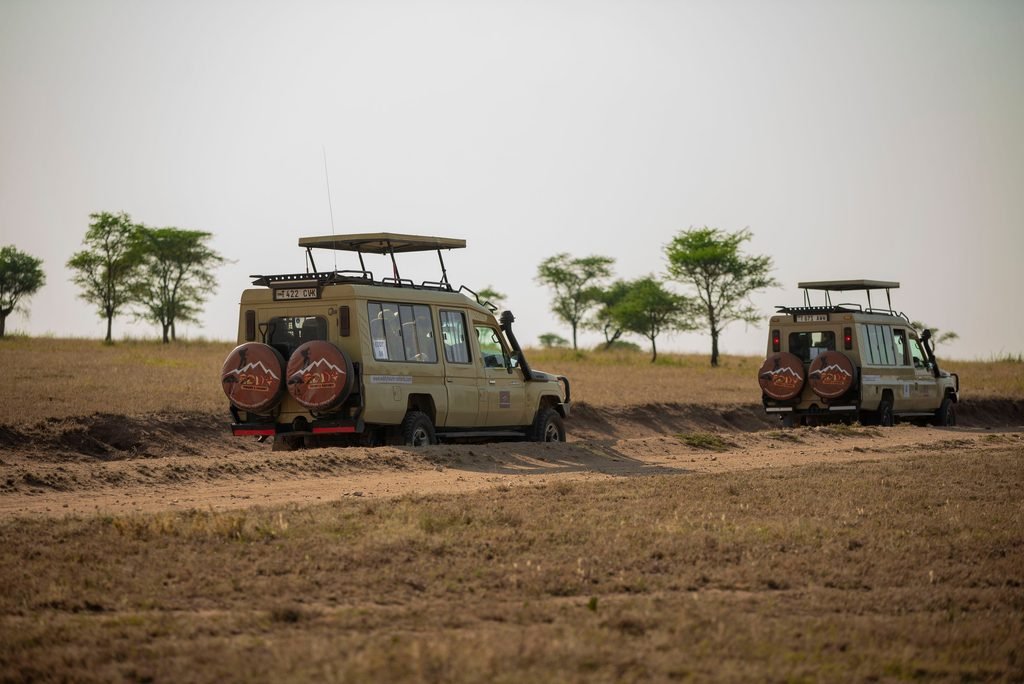
Time plays an important role in planning a successful wildlife safari. Many animals are particularly active during the cooler hours of the morning and toward the end of the afternoon, which is why safari itineraries often include early departures and carefully arranged game drives. In destinations such as Serengeti National Park, Tarangire National Park and the Ngorongoro Conservation Area, starting at the agreed time helps travelers make the most of the available daylight and their planned activities.
A typical safari morning may begin with breakfast before sunrise or shortly afterward, followed by a game drive that continues through the morning. The exact schedule depends on the park, accommodation, travel distance and activities included in the itinerary. Some visitors prefer a full-day game drive with a packed lunch, while others enjoy returning to their lodge during the warmer part of the day before heading out again in the afternoon. These arrangements should always be discussed with the guide or tour operator before the activity begins.
Travelers booking a Tanzania safari with Eddy Tours & Safaris should check their daily departure times, particularly when transferring between parks or catching domestic flights. A clear schedule helps reduce unnecessary delays and allows sufficient time for meals, park procedures and travel between destinations.

Time Planning for Mount Kilimanjaro Climbers
Travelers preparing to climb Mount Kilimanjaro should also understand how time affects their mountain itinerary. Trekking days usually begin in the morning, although departure times vary depending on the route, weather conditions, distance and elevation gain. Guides arrange walking schedules to allow enough time for rest, meals, acclimatization and arrival at the next campsite or mountain hut.
Summit night is one of the most important parts of a Kilimanjaro climbing itinerary. On many routes, climbers begin the final ascent around midnight or during the early hours of the morning, aiming to reach the summit area near sunrise when conditions permit. This requires careful preparation, appropriate clothing and sufficient rest beforehand. The exact timing is determined by the mountain guide according to the group’s pace, route and prevailing conditions.
Anyone considering a Kilimanjaro climbing adventure should discuss the expected daily schedule with their operator before departure. Additional climbing information is also available through Kilimanjaro Climb Specialist, which can serve as a useful resource when researching mountain routes and preparation.

Tanzania Time for International Flights and Airport Transfers
International travelers arriving in Tanzania should pay particular attention to the times printed on their flight itineraries. Airlines normally display departure and arrival times according to the local time at each airport. This means that a flight leaving Europe in the evening may arrive in Tanzania the following morning, depending on the route, duration and time difference. The arrival date is just as important as the arrival hour, particularly when arranging accommodation and airport collection.
Tanzania’s main international gateways include Julius Nyerere International Airport in Dar es Salaam, Kilimanjaro International Airport near Arusha and Moshi, and Abeid Amani Karume International Airport in Zanzibar. Visitors should check which airport appears on their booking confirmation and communicate the correct arrival date, flight number and scheduled landing time to their transfer provider.
For travelers arranging airport pickups through Eddy Tours & Safaris, it is helpful to send the complete flight itinerary rather than only mentioning the expected arrival hour. This allows the team to identify the correct airport, arrival date and flight details when planning the transfer.
Managing Jet Lag When Traveling to Tanzania
Visitors traveling across several time zones may experience jet lag, especially when arriving from North America, East Asia or Australia. Symptoms can include tiredness during the day, difficulty sleeping at night and changes in appetite. The adjustment varies between individuals and is influenced by the number of time zones crossed, travel direction, sleep habits and the timing of the journey.
Travelers can make the transition easier by gradually adjusting their sleeping schedule before departure, staying hydrated during the flight and spending time outdoors after arrival. Natural daylight helps the body adapt to a new daily routine, while maintaining regular meal and sleep times may also support the adjustment. Those arriving after a long international journey may prefer to spend their first night in Arusha or another convenient destination before beginning a demanding safari or mountain trek.
This is especially worth considering before a Kilimanjaro climb, where adequate rest and physical preparation are important. A well-planned itinerary should allow travelers to settle in, check their equipment and meet their guide before the trek begins.
Sunrise and Sunset Times in Tanzania
Tanzania lies relatively close to the equator, so the length of daylight changes less dramatically throughout the year than it does in countries farther north or south. In many parts of Tanzania, sunrise generally occurs around 6:00 AM and sunset around 6:00 PM, although the exact times vary by location and season. Travelers should not assume that every national park or coastal destination has identical sunrise and sunset times.
For safari activities, these daylight patterns are useful when deciding when to depart from accommodation, take photographs or plan an afternoon game drive. Photographers often prefer the softer light of the early morning and late afternoon, while travelers visiting Zanzibar may enjoy planning beach walks and coastal activities around the local sunset. The actual schedule should be based on the specific destination, the season and the arrangements permitted by the accommodation or park authorities.
Best Times to Contact a Tanzania Tour Operator
When planning a safari or Kilimanjaro climb from overseas, it is useful to consider Tanzania’s working hours before calling a local travel company. For example, a traveler in London may find that their morning corresponds with late morning or early afternoon in Arusha, depending on the season. Someone in New York may need to contact a Tanzanian operator early in their own morning to reach the office during normal working hours.
Email and WhatsApp are convenient ways to communicate when time differences make direct telephone calls difficult. Travelers can send their preferred travel dates, number of participants, destinations and general budget, allowing the tour operator to prepare a suitable response. For personalized arrangements, visitors can contact Eddy Tours & Safaris in Arusha to discuss safari itineraries, Kilimanjaro trekking schedules, airport transfers and Zanzibar holidays.
Frequently Asked Questions About Tanzania Time
What is the current time zone in Tanzania in 2027 and 2028 ?
Tanzania uses East Africa Time (EAT), which is UTC+3. The same time zone applies throughout the country, including Arusha, Moshi, Dar es Salaam, Dodoma, the Serengeti and Zanzibar.
Is Tanzania ahead of or behind London?
Tanzania is ahead of London by three hours during Greenwich Mean Time and two hours during British Summer Time. The difference changes because the United Kingdom adjusts its clocks seasonally while Tanzania does not.
Does Zanzibar have a different time zone?
No. Zanzibar follows the same East Africa Time as mainland Tanzania. Visitors traveling between Zanzibar, Dar es Salaam and Arusha do not need to adjust their watches.
What does 9:00 AM EAT mean?
It means 9:00 in the morning according to East Africa Time. In Tanzania, this is the standard local time used for official travel schedules, business appointments and most tourism arrangements.
Is Tanzania time the same as Kenya time?
Yes. Tanzania and Kenya both use East Africa Time (UTC+3), so travelers crossing between the two countries do not need to change their watches.
Why do some Tanzanians say 1:00 when it is 7:00 AM?
This comes from the traditional Swahili time system, which counts the daytime hours beginning around sunrise. Therefore, 7:00 AM in international time is saa moja asubuhi, or one o’clock in Swahili time.
Plan Your Tanzania Holiday With Eddy Tours & Safaris
Understanding Tanzania’s local time makes it easier to organize your journey, communicate with your guide and arrive on schedule for the activities you have booked. Whether your plans include early morning wildlife drives, a Kilimanjaro summit attempt, a domestic flight or a relaxing holiday in Zanzibar, checking the correct local time is a simple but important part of travel preparation.
Eddy Tours & Safaris is based in Arusha, Tanzania, and assists international visitors with safari planning, mountain climbing trips, airport transfers and private travel arrangements. If you are preparing a journey for 2027 or 2028, contact our team to discuss your preferred dates, destinations and travel schedule. We can help you put together an itinerary with clear departure times and practical arrangements from arrival to departure.