
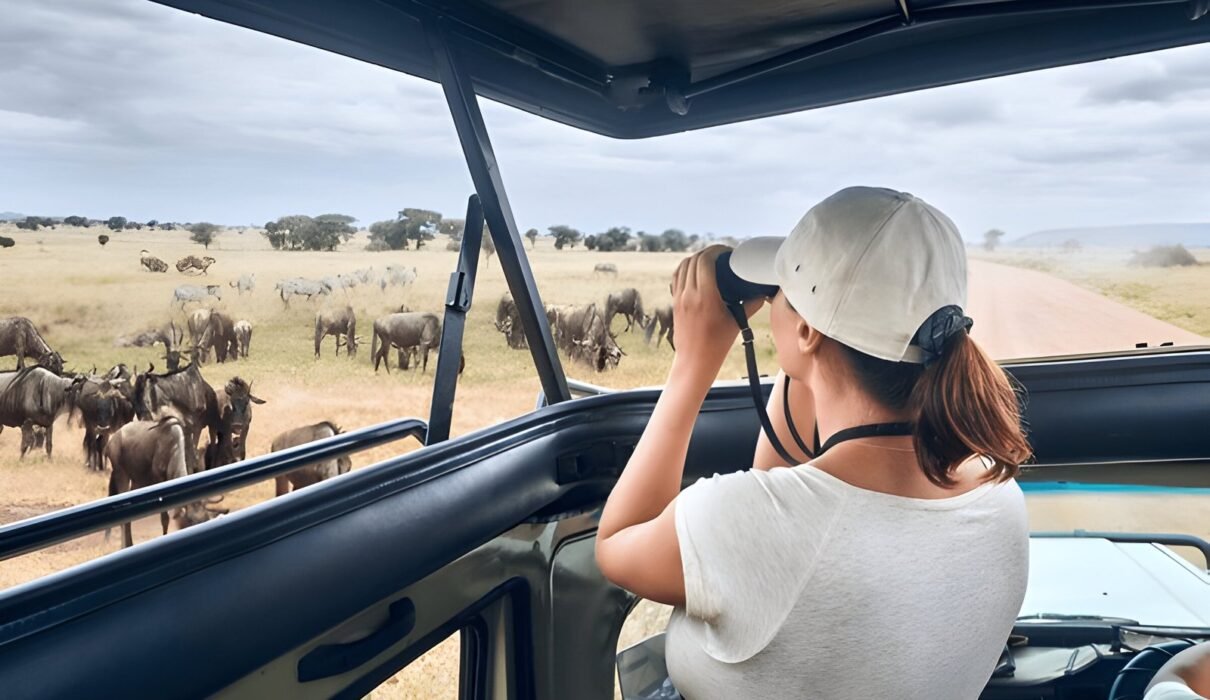
A Tanzania safari in 2027 or 2028 gives you the opportunity to explore open savannahs, watch wildlife in its natural habitat, and discover landscapes that change dramatically from one destination to another. You might spend a morning watching elephants beneath Tarangire’s baobab trees, explore the Serengeti with your camera ready, or descend into Ngorongoro Crater for a day of wildlife viewing.
The best safari starts with a route that suits your interests, travel dates, and budget. Visiting more parks does not always create a better experience. Spending enough time in the right places often matters more.
This guide explains where to go, how to plan your itinerary, what affects the price, and what to ask before booking your Tanzania safari with Eddy Tours & Safaris.
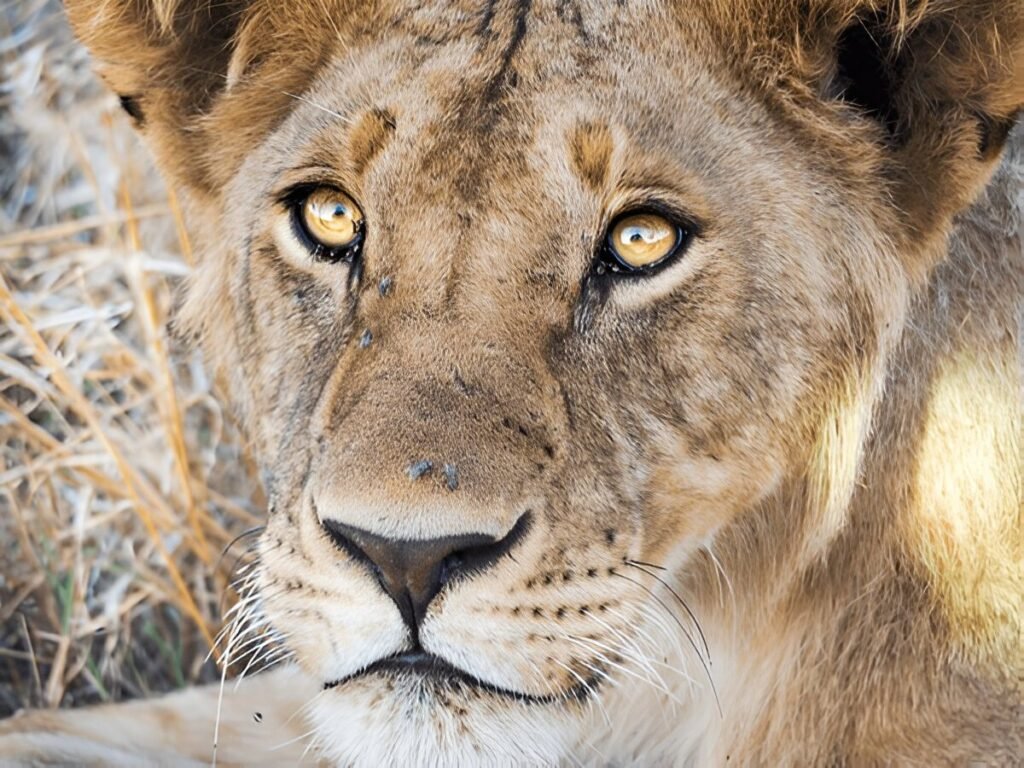
Why Choose Tanzania for Your Safari?
Tanzania offers considerable variety within a single holiday. A northern circuit itinerary can combine the Serengeti, Ngorongoro Crater, and Tarangire, while a longer trip can include additional destinations or time on Zanzibar.
Each location brings a different experience. Some days focus on searching for predators; others offer opportunities to photograph landscapes, observe birds, or simply watch animals interact.
A rewarding safari allows time for these smaller moments. An elephant family moving together, a bird defending its territory, or a herd gathering near water can be just as engaging as a major predator sighting.
For first-time visitors, the main planning priorities are straightforward:
- Choose destinations that match your interests.
- Allow enough time for travel between parks.
- Select accommodation in useful locations.
- Understand exactly what your quotation includes.
- Keep wildlife expectations realistic.
Best Places to Visit on a Tanzania Safari
Serengeti National Park: Open Plains and Wildlife Viewing
The Serengeti is a central destination for many Tanzania safari itineraries. Its landscapes and wildlife offer plenty of reasons to stay for several nights instead of treating it as a brief stop.
The park is accessible by road and air, giving travelers different ways to balance their budget and available time. A road itinerary connects the Serengeti with other northern circuit destinations, while a flight can reduce the time spent on a long transfer.
Accommodation location deserves careful attention. A camp that suits one itinerary may be inconvenient for another, particularly when your priority is a specific region or seasonal wildlife movement.
Before booking, ask:
- Which part of the Serengeti will we explore?
- How much time will we have for game drives?
- Where is the proposed camp located?
- Does the itinerary include long transfers between camps?
- Is the route designed around general wildlife viewing or migration interests?
You can find official destination information through Tanzania National Parks’ Serengeti page.
Ngorongoro Crater: Wildlife in a Distinctive Landscape
Ngorongoro Crater combines wildlife viewing with striking scenery. The journey from the surrounding highlands to the crater floor gives this destination a different feel from the Serengeti’s open plains.
The conservation authority lists animals such as zebras, wildebeest, hippos, hyenas, warthogs, and gazelles among the crater’s wildlife. Sightings still depend on conditions and the animals’ movements during your visit.
A crater visit works well alongside a Serengeti safari. It adds variety without requiring a completely separate regional itinerary.
When comparing packages, confirm whether the quotation includes the crater descent and its associated charges. A stay near Ngorongoro does not automatically mean a game drive on the crater floor is included.
For information about available experiences, visit the Ngorongoro Conservation Area Authority.
Tarangire National Park: Elephants and Baobab Landscapes
Tarangire is a strong choice for travelers interested in elephants, distinctive trees, and varied scenery. Its characteristic landscapes include elephant families moving through areas of baobabs, river terraces, and open savannah. During the dry season, the Tarangire River attracts concentrations of wildlife.
For a northern circuit safari, Tarangire can provide an excellent introduction to wildlife viewing before continuing toward the Serengeti and Ngorongoro.
Consider giving it more than a rushed stop if elephants or photography are major priorities. An overnight stay nearby can help you avoid combining a demanding transfer with an overly ambitious game-drive schedule.
Read more through the official Tarangire visitor guide.
Lake Manyara: An Additional Northern Circuit Option
Lake Manyara can be considered when you have enough time to add another destination to your northern Tanzania itinerary. Its location makes it possible to combine a visit with travel toward Ngorongoro and the Serengeti.
However, adding another park should improve your trip rather than simply increase the number of destinations listed in the package.
If your safari is short, you may prefer to spend the extra time in the Serengeti or Tarangire. Discuss this choice before confirming your route.
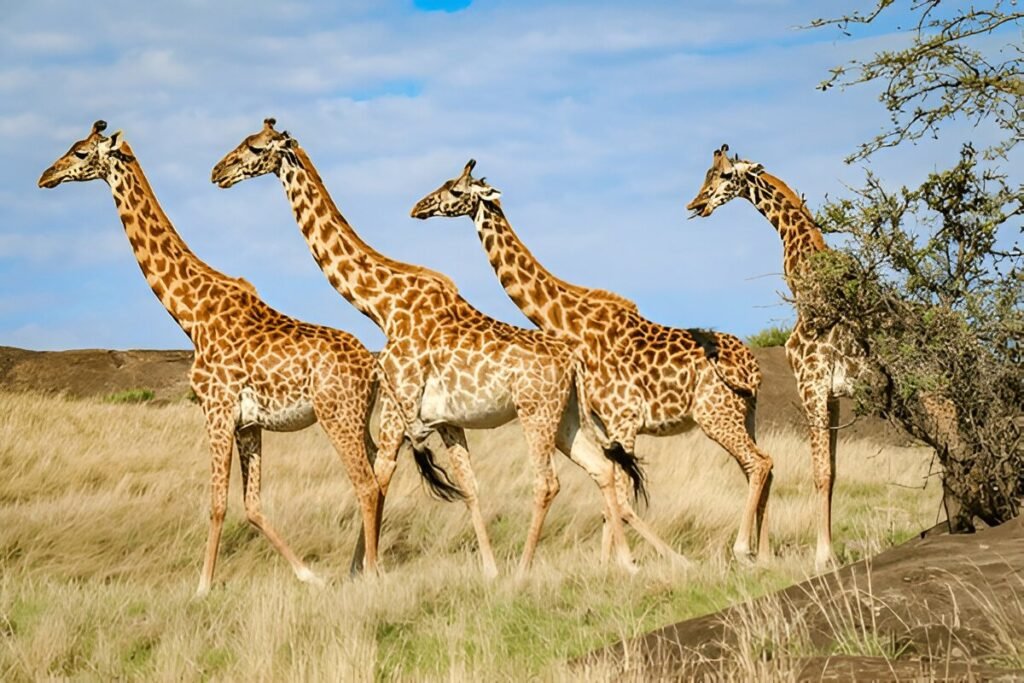
When Should You Travel in 2027 or 2028?
Your preferred experience should guide your travel dates. General seasonal patterns can help with planning, but rainfall and wildlife movements do not follow an exact calendar.
For example, Tarangire’s official information describes its dry season as particularly important for wildlife gathering around the river. This can influence your timing if Tarangire is a major focus of your trip.
For a migration-focused safari, ask for an itinerary designed around the likely location of the herds during your proposed dates. The Great Migration moves through the wider ecosystem, so a generic Serengeti itinerary may not place you close to the action you hope to see.
Avoid choosing a trip based on a guaranteed river crossing or a promise of a particular sighting. Wildlife movements depend on natural conditions, and even a carefully planned itinerary involves uncertainty.
Before selecting your dates, consider:
- Are you interested in general wildlife or the migration?
- Do you prefer a quieter trip or have fixed school-holiday dates?
- Is photography your main priority?
- How flexible are you about accommodation?
- Would you rather spend more on location or on room comfort?
For Christmas, New Year, and other fixed travel periods, request availability early and confirm the booking terms before paying.
A Sample Seven-Day Tanzania Safari Itinerary
The following itinerary is a planning example for a northern circuit safari. It includes arrival time, Tarangire, several nights in the Serengeti, and Ngorongoro Crater.
The final route should be adjusted to your flight schedule, accommodation, interests, and travel dates.
Day 1: Arrive and Stay in Arusha
Arrive in Tanzania and transfer to your accommodation in Arusha.
Use the day to rest after your journey and prepare for the safari. Depending on your arrival time, you may have an opportunity to discuss the itinerary with your guide or trip coordinator.
Check your camera equipment, organize your luggage, and keep the following day’s essentials easy to reach.
Overnight: Arusha.
Day 2: Arusha to Tarangire National Park
Travel from Arusha to Tarangire for a game drive.
Spend the day exploring with your guide, allowing time to observe wildlife and photograph the landscape. Rather than rushing between sightings, take the opportunity to learn how animals use the different habitats.
After your visit, continue to accommodation positioned for the next stage of the journey.
Overnight: Near Tarangire or in the Karatu area, depending on the agreed route.
Day 3: Travel to the Serengeti
Continue toward the Serengeti.
This is a substantial travel day, so your itinerary should make a clear distinction between transfer time and wildlife-viewing time. The amount of afternoon exploration available will depend on your departure time, route, stops, and camp location.
Arrive at your accommodation and settle in for the next few nights.
Overnight: Serengeti.
Day 4: Serengeti Wildlife Exploration
Spend the day exploring the Serengeti with your guide.
Your schedule can be arranged around wildlife activity, your interests, and the location of your camp. Photographers may prefer time to wait at promising sightings, while families may appreciate a more flexible pace.
Allow the day to develop naturally. A safari is often most rewarding when there is room to follow an interesting sighting rather than a rigid checklist.
Overnight: Serengeti.
Day 5: Another Day in the Serengeti
A second full day gives you more opportunities to explore and reduces the pressure to see everything during one outing.
Your guide can suggest areas to visit based on recent observations and your priorities. If migration viewing is the focus, this day should be part of a route designed around the appropriate region.
Optional activities should be arranged in advance, with availability and additional costs clearly stated.
Overnight: Serengeti.
Day 6: Serengeti to the Ngorongoro Area
Enjoy wildlife viewing as your schedule permits before traveling toward Ngorongoro.
The journey gives you time to appreciate the changing landscape and prepare for the following day’s crater visit. Avoid adding so many stops that the day becomes rushed.
Your overnight location should be chosen with the crater visit and overall budget in mind.
Overnight: Ngorongoro area or Karatu.
Day 7: Ngorongoro Crater and Return to Arusha
Descend into Ngorongoro Crater for a game drive, then travel back toward Arusha.
If you plan to fly out that evening, the itinerary must be checked against your actual departure time. A crater visit followed by a road transfer can make for a long day.
An additional overnight in Arusha may be a more comfortable option before an international flight.
End of safari: Arusha or an agreed onward transfer.
How Much Does a Tanzania Safari Cost in 2027 or 2028?
The price depends on the complete itinerary. Two safaris with the same number of days can have very different costs because of accommodation, location, transport, and group size.
Future-year rates should be confirmed in a written quotation. Park fees and supplier charges may change before your departure.
The main cost factors include:
| Factor | How it affects your safari |
|---|---|
| Number of travelers | Determines how vehicle and guide costs are shared |
| Private or shared safari | Changes flexibility and the way costs are divided |
| Accommodation | Camping, lodges, and tented camps have different rates |
| Camp location | Can affect both price and daily travel time |
| Travel dates | Availability and accommodation rates can vary |
| Road or air transfers | Changes transport costs and the time required |
| Optional activities | May add separate charges |
| Length of stay | More nights and park visits increase the total |
Compare the full inclusions rather than the headline price.
A clear quotation should explain accommodation, meals, transport, park charges, transfers, and payment conditions. It should also list exclusions such as flights, insurance, tips, drinks, or optional activities where applicable.
Private Safari or Shared Group Safari?
Private Tanzania Safari
A private safari gives your traveling party its own vehicle and an itinerary agreed around your interests.
It can suit families, couples, photographers, and travelers who want more control over the pace of each day. Your flexibility still operates within park rules, travel distances, and booked accommodation arrangements.
Shared Group Safari
A shared safari can help travelers divide vehicle and guide costs with others.
Before booking, confirm the departure date, minimum group requirement, maximum group size, accommodation arrangements, and what happens if the departure does not attract enough participants.
A shared trip works best when you are comfortable following a common itinerary.
Choosing Your Safari Accommodation
Accommodation affects more than comfort. Its location can influence how much time you spend driving to your intended wildlife-viewing areas.
Compare these details before confirming:
- Exact property name and location.
- Room or tent type.
- Private or shared bathroom arrangements.
- Meals included.
- Family room availability, where relevant.
- Charging facilities.
- Cancellation terms.
- Proposed alternatives if the property is unavailable.
A well-positioned camp may be more useful for your trip than a more expensive property far from the area you want to explore.
What Should You Pack?
Pack for outdoor days, variable temperatures, dust, and time spent in a vehicle.
Useful items include comfortable clothing, a warm layer, sun protection, a reusable water bottle, binoculars, and your regular personal essentials.
For photography, bring spare batteries, memory cards, and a way to protect equipment from dust. Check charging arrangements at your accommodation before departure.
If your itinerary includes a small aircraft transfer, confirm the luggage allowance and bag requirements with the relevant airline before packing.
How to Travel Responsibly on Safari
Responsible travel starts with how you behave around wildlife and the people you meet.
Follow your guide’s instructions, keep noise low near animals, and avoid pressuring your driver to break park rules for a closer photograph.
Do not feed wildlife. Keep litter in the vehicle until it can be disposed of properly, and ask permission before photographing people.
For cultural visits, request a clear explanation of the activity, its cost, and how the participating community benefits. A visit should give people control over how they welcome guests and share their lives.
Frequently Asked Questions
How many days should I spend on safari?
For the sample northern circuit route above, seven days allows arrival time, Tarangire, several Serengeti nights, and Ngorongoro Crater. A shorter trip can work, but requires careful decisions about destinations and driving time.
Will I see the Big Five?
No operator can guarantee every species. Wildlife is free-ranging, and sightings depend on conditions, location, time, and chance.
Can I combine a safari with Zanzibar?
Yes. A beach extension can be arranged after the safari, with flight connections, transfers, and accommodation confirmed as part of the wider trip.
Is a Tanzania safari suitable for children?
A family itinerary should consider children’s ages, interests, tolerance for long drives, and the accommodation’s policies. Ask for a route designed around your family’s needs.
Are 2027 and 2028 prices confirmed?
They must be checked for your specific dates and itinerary. Request a quotation that states its validity period and explains how any unconfirmed future charges will be handled.
Plan Your Tanzania Safari with Eddy Tours & Safaris
Start with the experience you want: elephants in Tarangire, several days exploring the Serengeti, a visit to Ngorongoro Crater, or a safari followed by Zanzibar.
Send Eddy Tours & Safaris your preferred dates, number of travelers, accommodation preference, and approximate budget. Include any special interests, such as photography, birdwatching, migration viewing, or family travel.
These details make it easier to prepare a route that gives you enough time in the places that matter most to you.
Contact Eddy Tours & Safaris
- Website: eddytours-safaris.com
- Enquiries: Contact us
- Email: sales@eddytours-safaris.com
- Alternative email: eddytoursandsafaris@gmail.com
- WhatsApp: +255 711 906 664