

Planning a safari in Tanzania often begins with one important question: how many days should you spend on safari? Some travellers have only three or four days available, while others can spend two weeks exploring the national parks, wildlife areas and beautiful landscapes that make Tanzania one of Africa’s leading safari destinations. Choosing the right number of days is important because it determines which parks you can visit, how much time you spend watching wildlife and how comfortable your journey will be.
For most first-time visitors, a Tanzania safari lasting between 5 and 7 days is a good starting point. This gives travellers enough time to explore famous destinations such as Serengeti National Park, Ngorongoro Crater and Tarangire National Park without spending the entire holiday moving between destinations. Travellers with more time can extend their safari to 8, 10 or 14 days, allowing for longer stays in the Serengeti, additional wildlife areas and even a relaxing beach holiday in Zanzibar.

At Eddy Tours & Safaris, we understand that travellers have different expectations, budgets and travel schedules. Some visitors want to see the Big Five, others hope to witness the Great Wildebeest Migration, while families may prefer a slower journey with shorter driving distances. This guide explains how different safari durations work, what you can realistically experience and how to choose a Tanzania safari that suits your holiday plans.
What Is the Ideal Length for a Tanzania Safari?
The ideal safari duration depends on the destinations you want to visit, your available budget and how much time you are willing to spend travelling between national parks. Tanzania is a large country, and many of its famous wildlife destinations are separated by considerable driving distances. Although the northern safari circuit is relatively convenient to explore from Arusha, reaching the Serengeti and returning requires careful planning.
A short safari of two or three days can provide excellent wildlife viewing in Tarangire National Park, Lake Manyara National Park or the Ngorongoro Crater. However, travellers hoping to explore the Serengeti properly should consider at least four or five days, especially when travelling by road. Longer safaris provide more opportunities to visit different areas, spend time observing animals and enjoy early morning or afternoon game drives without constantly changing accommodation.
| Safari duration | Recommended experience | Best suited for |
|---|---|---|
| 1–2 days | Tarangire, Arusha National Park or Ngorongoro | Travellers with limited time |
| 3–4 days | Tarangire, Ngorongoro or a short Serengeti safari | Short holidays |
| 5–6 days | Serengeti, Ngorongoro and Tarangire | First-time safari visitors |
| 7–8 days | Northern safari circuit with more Serengeti time | Wildlife enthusiasts and families |
| 9–10 days | Extended Serengeti and additional destinations | Photographers and migration travellers |
| 11–14 days | Extended safari with Zanzibar or other regions | Honeymooners and longer holidays |
These durations are general planning guidelines rather than fixed requirements. The best itinerary is one that gives you sufficient time in the destinations that interest you most, rather than trying to visit as many national parks as possible.

Is a 1–2 Day Tanzania Safari Worth It?
A one- or two-day safari can be worthwhile for travellers visiting Tanzania for business, a Kilimanjaro climbing expedition or another holiday who want to experience wildlife without committing to a longer safari. Although a short trip cannot cover the major northern safari destinations, it can still provide excellent game viewing when the right national park is selected.
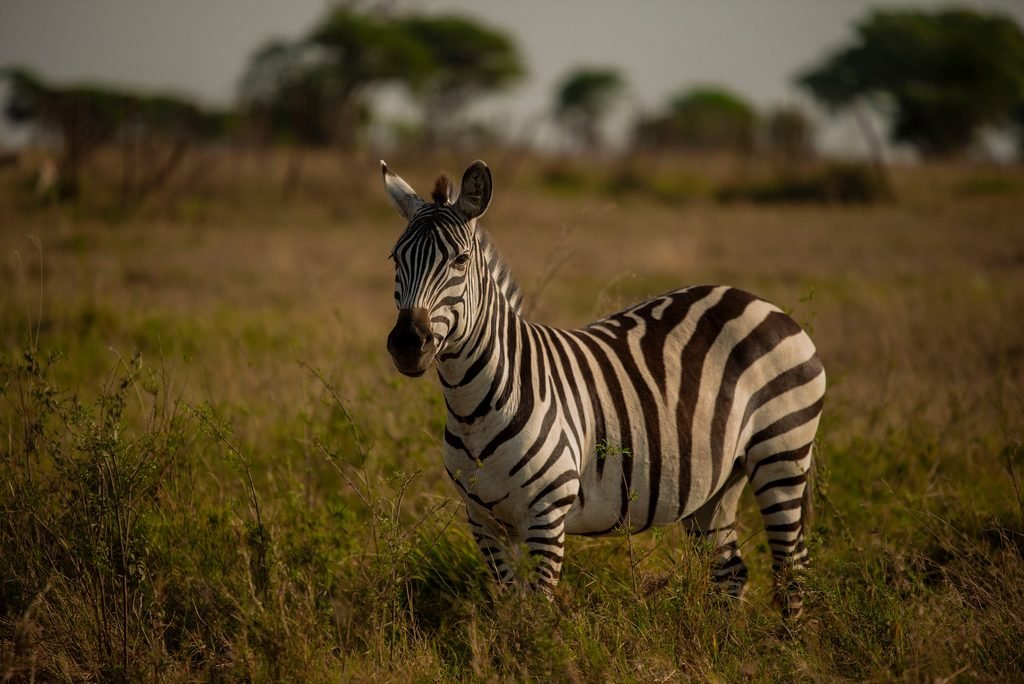
Tarangire National Park is a particularly good choice for a short safari from Arusha. The park is famous for its large elephant populations, ancient baobab trees and the Tarangire River, which attracts wildlife during the dry season. Travellers may encounter giraffes, zebras, wildebeest, buffaloes, antelopes and occasionally lions or leopards. Its relatively convenient location makes it possible to enjoy a day of game viewing and return to Arusha in the evening.
The Ngorongoro Crater is another popular option for a short safari. Its grasslands, forests, wetlands and permanent water sources support a remarkable concentration of wildlife, including lions, buffaloes, elephants, hippos and the endangered black rhinoceros. A two-day safari combining Tarangire and Ngorongoro allows travellers to experience two very different wildlife environments.
However, a short safari should not be planned with unrealistic expectations. Wildlife sightings are never guaranteed, and travelling long distances to include the Serengeti in a one- or two-day road itinerary is generally impractical. Visitors who specifically want the Serengeti but have very limited time may consider a fly-in safari, although domestic flights usually increase the total cost.
Is 3–4 Days Enough for a Tanzania Safari?
A three- or four-day Tanzania safari is a practical option for travellers who want more than a single game drive but cannot spend an entire week on safari. This duration allows visitors to explore two or three wildlife destinations, depending on the route, accommodation arrangements and whether they travel by road or air.
A three-day safari could begin with a game drive in Tarangire National Park, followed by a visit to Lake Manyara National Park and a final day exploring the Ngorongoro Crater. This route provides a combination of elephant viewing, varied landscapes, birdlife and the opportunity to search for the Big Five.
Travellers who prefer the Serengeti can also arrange a three- or four-day itinerary focused on the Serengeti and Ngorongoro. However, travelling to the Serengeti from Arusha takes several hours, and a three-day road safari leaves relatively little time for game viewing inside the park. Four days generally provides a better balance, particularly when at least one full day is reserved for the Serengeti.
For travellers with a short holiday, it is usually better to concentrate on fewer destinations rather than spend most of the trip driving. Choosing accommodation close to the national parks and starting activities early can also help make better use of the available time.
Why a 5-Day Tanzania Safari Is a Popular Choice
A five-day Tanzania safari provides a good balance between travel time, wildlife viewing and overall holiday cost. It is long enough to include some of the country’s most famous national parks while remaining manageable for travellers with limited annual leave or a fixed travel budget.
A typical five-day northern Tanzania safari begins in Arusha and travels to Tarangire National Park, where visitors can enjoy game drives among baobab trees and large elephant herds. The journey then continues towards the Serengeti, often passing through the Ngorongoro highlands, before returning for a game drive inside the Ngorongoro Crater.
Spending two nights in the Serengeti gives travellers more time to explore its plains and woodland areas. The park is well known for lions, cheetahs, leopards, hyenas, elephants and the seasonal movements of wildebeest and zebras. Although five days cannot cover every part of the Serengeti, a well-planned itinerary can provide rewarding wildlife experiences.
Five-day safaris are also suitable for couples, small groups and families who want to experience Tanzania’s major wildlife destinations without committing to a longer holiday. Travellers can choose budget camping, mid-range lodges or luxury tented camps according to their preferred comfort level.
For additional itinerary ideas, explore the Tanzania safari holidays offered by Eddy Tours & Safaris.
Is a 6–7 Day Tanzania Safari the Best Option for First-Time Visitors?
For many first-time visitors, six or seven days is one of the most suitable safari durations. It provides enough time to explore the northern safari circuit while reducing the pressure to move between destinations every morning.
A six-day safari can combine Tarangire National Park, Serengeti National Park and Ngorongoro Crater, with the possibility of including Lake Manyara depending on the route. Travellers can spend more time in the Serengeti, where additional game drives improve the opportunity to explore different habitats and observe wildlife behaviour.
A seven-day safari provides even more flexibility. Instead of visiting the Serengeti for only one or two nights, travellers may spend three nights in the park, giving them time for early morning drives, afternoon wildlife viewing and visits to different areas. This can be particularly useful for travellers interested in big cats or the Great Migration.
Longer stays also make the experience more comfortable. Rather than packing luggage every day, visitors can remain at selected lodges or tented camps and explore the surrounding wildlife areas. This is especially valuable for families travelling with children, older visitors and photographers who prefer to spend time observing animals.
A seven-day itinerary may also include cultural experiences near Karatu, visits to local communities or additional time in Tarangire. However, these activities should be selected carefully to avoid making the itinerary unnecessarily busy.

How Many Days Should You Spend in Serengeti National Park?
Serengeti National Park is one of Tanzania’s most famous safari destinations and often the main reason travellers visit the country. Its vast plains, seasonal rivers, woodland areas and rocky kopjes support an impressive variety of wildlife throughout the year.
For most visitors, spending at least two to three nights in the Serengeti is recommended. Two nights provide time for a full day of game viewing between arrival and departure, while three or four nights allow visitors to explore more areas at a comfortable pace.
The Serengeti is much larger than many first-time visitors expect. The central Seronera region is known for resident wildlife and big cats, while the northern Serengeti is particularly popular during the period when migrating wildebeest may cross the Mara River. The southern Serengeti and neighbouring Ndutu area attract large numbers of wildebeest during the calving season, generally around January to March, although the exact timing depends on rainfall and grazing conditions.
Travellers planning a Great Migration safari should therefore consider both the time of year and the number of days available. A longer stay improves flexibility when locating herds, but sightings of specific events, including river crossings, can never be guaranteed.
Photographers may benefit from spending four or five nights in the Serengeti, particularly when they want to photograph wildlife during different lighting conditions. Visitors with limited time can still enjoy a shorter Serengeti safari, but the itinerary should concentrate on one suitable region rather than attempting to cover the entire park.
How Long Do You Need for the Great Wildebeest Migration?
The Great Wildebeest Migration is one of the most remarkable wildlife movements in Africa, involving large herds of wildebeest, zebras and other grazing animals moving through the Serengeti-Mara ecosystem in search of fresh pasture and water.
Travellers hoping to witness the migration should generally consider a safari of seven to ten days, particularly if they also want to visit Ngorongoro Crater and Tarangire National Park. This duration allows more time in the Serengeti and provides greater flexibility when planning game drives around the seasonal movement of the herds.
The migration does not occur in one location throughout the year. Between approximately December and March, large herds are commonly found in the southern Serengeti and Ndutu region, where calving takes place. During April and May, the animals generally begin moving towards the central and western areas, while the northern Serengeti becomes particularly important during the middle and later months of the year.
River crossings are unpredictable, and visitors should not expect them to happen at a particular hour or on a particular day. Spending additional nights in the appropriate Serengeti region gives travellers more opportunities to observe migration activity without making promises that nature cannot guarantee.
At Eddy Tours & Safaris, migration itineraries can be planned around the expected seasonal location of the herds, helping travellers select suitable accommodation and game-drive areas.

Is an 8–10 Day Tanzania Safari Too Long?
An eight- to ten-day safari is not too long for travellers who enjoy wildlife, photography, nature and exploring different landscapes. In fact, this duration can provide a more relaxed experience than shorter itineraries because there is less pressure to fit several destinations into a limited number of days.
With eight days available, visitors can explore Tarangire, Lake Manyara, Ngorongoro Crater and Serengeti National Park while allowing more time for game viewing. They may also include additional experiences such as visiting Lake Eyasi, exploring the Ngorongoro highlands or spending extra nights in the Serengeti.
A ten-day safari provides opportunities to visit different parts of the Serengeti or combine the northern circuit with other destinations, depending on travel arrangements. Some visitors may prefer to focus entirely on wildlife, while others choose a mixture of game drives, cultural experiences and relaxation.
The main advantage of a longer safari is flexibility. Wildlife does not follow a fixed timetable, and some of the most rewarding sightings happen when visitors have time to wait and observe. Spending several days in the same area may reveal different animal behaviour, from predators hunting to elephants interacting with their young.
However, a longer safari does not necessarily mean visiting more parks. Travellers often gain more from spending three nights in one excellent wildlife area than from moving to a different lodge every day.
Should You Spend 10–14 Days on a Tanzania Safari?
A ten- to fourteen-day holiday is ideal for travellers who want to combine wildlife viewing with other experiences in Tanzania. Rather than spending the entire trip inside national parks, visitors can divide their time between a northern Tanzania safari, cultural activities, mountain trekking or a beach holiday.
One popular arrangement is to spend six or seven days visiting Tarangire, Serengeti and Ngorongoro before travelling to Zanzibar for four or five nights. This combination allows travellers to enjoy wildlife viewing during the first part of their holiday and relax along the Indian Ocean coast afterwards.
Travellers with a strong interest in wildlife may instead use the additional days to explore remote destinations such as Nyerere National Park or Ruaha National Park. These parks are located in southern Tanzania and are generally better planned as a separate safari circuit or connected to the north by domestic flights, rather than included in a rushed road itinerary.
Longer holidays can also include Mount Kilimanjaro, although climbing Africa’s highest mountain requires separate planning, suitable fitness preparation and enough time for altitude acclimatisation. Travellers interested in combining trekking with wildlife viewing can learn more about mountain routes and climbing preparation through Kilimanjaro Climb Specialist.
How Many Days Should You Spend in Each Tanzania National Park?
Each national park offers a different wildlife experience, and the recommended number of days varies according to its size, accessibility and the activities available.
Serengeti National Park: 2–4 Nights
The Serengeti deserves the largest share of time on many northern Tanzania safari itineraries. Its size and variety of wildlife habitats mean that visitors can enjoy several days of game drives without repeating the same experience. Two nights are a practical minimum for many road itineraries, while three or four nights are preferable for travellers who want more time for big cats, photography or migration viewing.
Ngorongoro Crater: 1 Day of Game Viewing
A full-day excursion to Ngorongoro Crater is usually sufficient for visitors whose main interest is wildlife viewing on the crater floor. The descent provides access to grasslands, lakes, swamps and woodland habitats supporting numerous animal species. Travellers interested in exploring the wider Ngorongoro Conservation Area may choose additional nights for cultural experiences, highland scenery and other activities.
Tarangire National Park: 1–2 Days
Tarangire is particularly rewarding during the dry season, when wildlife gathers around the Tarangire River and other remaining water sources. One day provides an introduction to the park, while two days allow visitors to explore additional areas and enjoy more opportunities to observe elephants, giraffes, lions and other wildlife.
Lake Manyara National Park: 1 Day
Lake Manyara National Park is known for its groundwater forest, birdlife, hippos and scenic views of the Great Rift Valley escarpment. A day visit is suitable for most travellers, although birdwatchers and nature enthusiasts may prefer additional time to explore the park’s different habitats.
Arusha National Park: 1 Day
Located relatively close to Arusha, this national park is suitable for travellers who want a short wildlife excursion. Visitors can enjoy views of Mount Meru, observe giraffes, buffaloes and monkeys, and participate in permitted walking safaris accompanied by qualified guides or rangers.
Nyerere National Park: 2–4 Days
Nyerere National Park offers a different safari environment from the northern circuit, with rivers, lakes, woodland and extensive wildlife habitats. Visitors may enjoy game drives and, where permitted and available, boat safaris or guided walking activities. A stay of two to four days is generally suitable, depending on the activities and travel arrangements.
Ruaha National Park: 3–4 Days
Ruaha is known for its rugged landscapes, large elephant populations and impressive predator sightings. Because it is relatively remote compared with the northern safari circuit, travellers should allow enough time to justify the journey. Three or four days provide a good opportunity to explore its wildlife areas.
Does Safari Duration Affect the Total Cost?
Yes, the number of safari days directly influences the total cost of a Tanzania safari. Longer trips generally require more accommodation nights, additional meals, extended vehicle use, guide services and potentially higher cumulative park fees.
However, a longer safari does not always have a higher daily cost. Some fixed expenses, such as airport transfers and certain transport arrangements, can be spread across more days. The final price depends on several factors, including accommodation category, number of travellers, travel season, park selection and whether domestic flights are included.
Budget camping safaris are generally suitable for travellers who want to reduce accommodation costs while still visiting major national parks. Mid-range safaris offer additional comfort through lodges and tented camps, while luxury safaris may include premium accommodation, private services and flights between destinations.
Travellers should also consider the cost of travelling during peak wildlife seasons. Accommodation in popular areas of the Serengeti can be more expensive during periods of high demand, especially when the Great Migration attracts visitors to particular regions.
When comparing safari quotations, it is important to check what is included in the price. Park entry fees, crater service fees, accommodation, meals, drinking water, transport, guide services and airport transfers may be handled differently by different operators. A lower advertised price is not always the better option if important services are excluded.
How Does the Time of Year Affect Your Safari Length?
The season in which you travel can influence how many days you should spend on safari. Tanzania offers wildlife viewing throughout the year, but rainfall, vegetation, road conditions and animal movements can affect the experience.
The dry season, generally from June to October, is popular because vegetation becomes thinner and animals often gather around permanent water sources. This period is particularly suitable for travellers interested in wildlife viewing in Tarangire and other northern parks. However, popular destinations can also attract more visitors during these months.
The wetter months bring green landscapes, birdlife and seasonal wildlife activity. From approximately January to March, the southern Serengeti and Ndutu region are especially interesting because of the wildebeest calving season. April and May commonly experience heavier rainfall, although conditions vary from year to year.
During wetter periods, travellers may benefit from allowing additional time for road journeys and unexpected changes in travel conditions. Some remote areas become more difficult to access, and certain seasonal camps may close temporarily.
Choosing the right safari duration therefore involves considering both the destinations and the month of travel. A carefully planned five-day safari during a suitable season may provide a better experience than a longer trip with poorly selected locations.
How Long Should a Family Tanzania Safari Be?
For families travelling with children, a five- to seven-day safari often provides a comfortable balance between wildlife activities and relaxation. Children may enjoy watching elephants, giraffes, zebras and lions, but long hours inside a vehicle can become tiring, especially for younger travellers.
Family itineraries should therefore be designed around manageable driving distances, suitable accommodation and regular breaks. Spending two or three nights at selected lodges can be more comfortable than changing accommodation every day.
Tarangire and Ngorongoro are particularly suitable for families because they offer rewarding wildlife viewing within relatively manageable travel distances from Arusha. The Serengeti can also be included, but families may consider flying in or out when their budget allows.
Parents should check whether lodges provide family rooms, connecting rooms, suitable meals and child-friendly facilities. It is also important to confirm age restrictions for activities such as walking safaris, as these vary depending on the location and operator.
A longer family holiday can include several nights in Zanzibar after the safari, allowing children and parents to enjoy a slower pace before returning home.
How Long Should a Tanzania Honeymoon Safari Be?
A honeymoon safari in Tanzania can last anywhere from four days to two weeks, depending on the couple’s preferences and available holiday time. Many couples choose a combination of wildlife viewing and a beach holiday, giving them two different experiences during the same trip.
A popular honeymoon arrangement includes five or six days visiting Serengeti, Ngorongoro and Tarangire, followed by four or five nights in Zanzibar. Couples can enjoy private game drives, comfortable lodges and scenic accommodation during the safari before spending time relaxing by the ocean.
Travellers seeking a quieter experience may prefer longer stays in fewer destinations. Instead of changing accommodation every night, they can spend several nights at a selected Serengeti camp or lodge, allowing more time to enjoy the surroundings.
Honeymoon packages can be arranged in different accommodation categories, from comfortable mid-range lodges to luxury tented camps and beach resorts. The best duration depends on whether the couple wants an active wildlife holiday, a relaxing getaway or a combination of both.
Should You Combine a Tanzania Safari With Mount Kilimanjaro?
Combining a Tanzania safari with Mount Kilimanjaro is an excellent option for travellers who want to experience both mountain trekking and wildlife viewing during the same holiday. However, climbing Kilimanjaro requires several days and should not be treated as a short excursion.
Popular Kilimanjaro routes such as Machame and Lemosho commonly take approximately six to eight days, depending on the selected itinerary. Longer routes generally provide more time for acclimatisation, which is important when ascending to high altitude.
Travellers planning both activities should consider allowing approximately twelve to sixteen days in Tanzania, including arrival, mountain trekking, a recovery period and several days on safari. The exact duration depends on the climbing route and the number of wildlife destinations included.
Some travellers prefer to climb Kilimanjaro first and enjoy the safari afterwards, allowing them to relax following the physical demands of the mountain. Others begin with a safari before travelling to Moshi for their climb.
For detailed information about mountain routes, preparation and trekking arrangements, visit Kilimanjaro Climb Specialist. Travellers can also contact Eddy Tours & Safaris for assistance planning a safari alongside their mountain adventure.
Important Factors to Consider Before Choosing Your Safari Duration
Choosing the number of safari days involves more than simply deciding how long you want to be away from home. Several practical considerations can influence the quality of your experience.
1. Your Main Wildlife Interests
Travellers interested primarily in elephants, giraffes and other common safari animals may be satisfied with a shorter trip to Tarangire and Ngorongoro. Those hoping to photograph big cats, observe the Great Migration or explore different wildlife habitats should consider spending more time in the Serengeti.
2. Driving Distances Between Destinations
Travelling between national parks takes time, and some journeys involve long sections of gravel roads. The drive from Arusha to the central Serengeti can take much of a day, depending on road conditions, stops and the route selected. Safari itineraries should therefore account for realistic travel times rather than treating every day as a full day of game viewing.
3. Your Accommodation Preferences
Travellers who prefer budget camping may be comfortable moving between campsites, while those staying in luxury lodges may want more time to enjoy the facilities and surroundings. Accommodation location also matters because staying far outside a national park can increase daily travel time.
4. Your Available Budget
Longer safaris generally cost more overall, but the most expensive itinerary is not necessarily the most suitable. A carefully planned five-day safari may provide excellent value, while an eight-day trip can offer more comfort and flexibility. Travellers should select a duration that fits their budget without sacrificing important experiences.
5. Your Arrival and Departure Schedule
International flights can affect the amount of time available for safari activities. Travellers arriving late in the evening may need an overnight stay in Arusha before beginning their safari the following morning. Similarly, departure arrangements may require returning to town or the airport earlier than expected.
It is therefore important to distinguish between the total number of holiday days and the number of days actually spent inside national parks.
Common Mistakes When Planning Tanzania Safari Days
One of the most common mistakes travellers make is trying to visit too many destinations within a short period. Although Tanzania has numerous beautiful national parks, adding more locations does not automatically create a better safari experience. Long transfers can reduce the time available for wildlife viewing and leave visitors feeling tired.
Another mistake is spending too little time in the Serengeti. Because the park is large and wildlife moves freely, a single afternoon game drive cannot provide a complete experience. Travellers who make the long journey to the Serengeti should ideally allow at least two nights, with additional time whenever possible.
Some visitors also overlook the importance of arrival and departure days. A five-day holiday does not necessarily mean five full days of game viewing, particularly when airport transfers and international flights are included in the schedule.
Finally, travellers sometimes choose safari durations based entirely on price without considering what the itinerary actually includes. It is important to review the route, accommodation locations, driving distances and time allocated to each national park before confirming a booking.
Frequently Asked Questions About Tanzania Safari Duration
Is 3 Days Enough for a Tanzania Safari?
Yes, three days can be enough for a short safari, particularly when visiting Tarangire, Lake Manyara or Ngorongoro Crater. It is a practical choice for travellers with limited time, although it does not allow extensive exploration of the Serengeti. Visitors who want to include the Serengeti should consider a longer trip or a fly-in arrangement.
Is 5 Days Enough for Serengeti and Ngorongoro?
Yes, five days can provide a good safari covering Serengeti National Park and Ngorongoro Crater, particularly when the itinerary is carefully planned. Travellers can spend two nights in the Serengeti and reserve time for a crater game drive. However, those interested in exploring more Serengeti regions may benefit from an additional day or two.
Is 7 Days Too Long for a Tanzania Safari?
No, seven days is an excellent duration for travellers who enjoy wildlife and nature. It allows visitors to explore several major destinations while spending more time in the Serengeti. A seven-day safari is particularly suitable for first-time visitors who want a balanced itinerary without rushing between parks.
How Many Days Are Needed to See the Big Five in Tanzania?
There is no fixed number of days required to see the Big Five because wildlife sightings depend on natural animal movements and local conditions. However, a five- to seven-day safari visiting Serengeti and Ngorongoro provides opportunities to search for lions, leopards, elephants, buffaloes and black rhinos. Seeing all five cannot be guaranteed, regardless of trip length.
Can You Visit Serengeti in 2 Days?
Yes, a two-day Serengeti visit is possible, particularly with domestic flights, but it provides limited time for exploring the park. Travelling from Arusha by road and returning within two days involves substantial driving. Most travellers will have a better experience with at least two nights in the Serengeti.
How Many Days Do You Need for a Tanzania Safari and Zanzibar?
A combined safari and Zanzibar holiday generally works well with ten to fourteen days. Travellers can spend five to seven days exploring Tanzania’s national parks before travelling to Zanzibar for four to six nights. Shorter combinations are also possible, depending on flight schedules and preferred destinations.
What Is the Best Tanzania Safari Duration for First-Time Visitors?
For most first-time visitors, five to seven days is a suitable duration. This allows enough time to explore the Serengeti, Ngorongoro Crater and Tarangire National Park while keeping travel arrangements manageable. Travellers with additional time may prefer seven to ten days for a more relaxed experience.
Is a Longer Safari Always Better?
Not necessarily. A longer safari provides more time for wildlife viewing, but good planning is more important than the number of days alone. A five-day itinerary that concentrates on suitable destinations can be more enjoyable than a ten-day trip involving unnecessary driving and frequent accommodation changes.
Plan the Right Tanzania Safari With Eddy Tours & Safaris
The best Tanzania safari is not necessarily the longest or most expensive one. It is the trip that gives you enough time to enjoy the wildlife, landscapes and destinations that matter most to you. For travellers with limited time, a two- or three-day safari can provide a rewarding introduction to Tanzania’s national parks. Those visiting for the first time will often find that five to seven days offers a good balance between wildlife viewing, travel time and cost, while longer holidays allow for additional destinations and a more relaxed pace.
At Eddy Tours & Safaris, we help travellers plan Tanzania safaris according to their available time, interests, travel dates and preferred accommodation. Whether you are interested in a short wildlife safari, a week exploring the northern circuit, a Great Migration experience or a safari combined with Zanzibar or Mount Kilimanjaro, the itinerary can be arranged around your individual travel plans.
Contact our team at sales@eddytours-safaris.com to discuss your preferred safari duration and receive assistance planning your Tanzania holiday.