
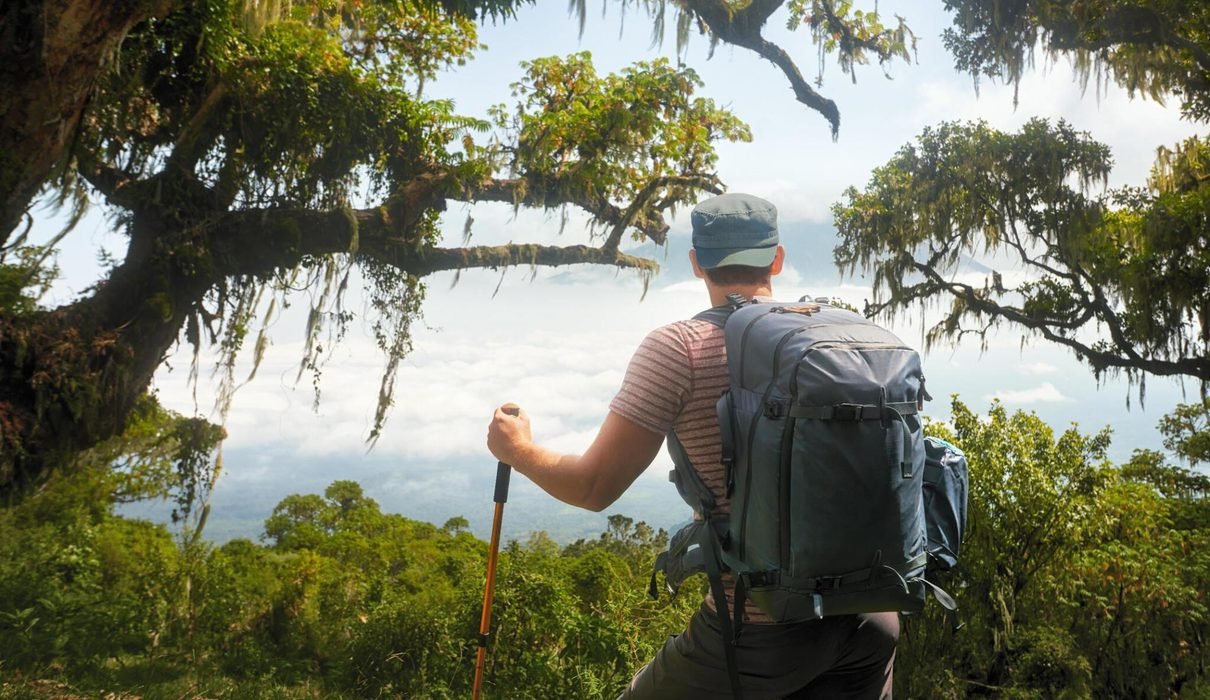
Mount Meru is one of Tanzania’s most rewarding trekking destinations. Located inside Arusha National Park, the mountain rises to approximately 4,566 meters (14,980 feet) above sea level, making it the second-highest mountain in Tanzania after Mount Kilimanjaro.
For travelers planning to climb Mount Meru, one of the first questions is how many days they need to reach the summit and return safely.
Most Mount Meru climbs take three or four days. The three-day itinerary is suitable for experienced, physically fit hikers who can manage a demanding final day. The four-day itinerary is generally recommended because it allows a more comfortable descent after summit day.
Unlike Kilimanjaro, Mount Meru offers a distinctive combination of mountain trekking and wildlife viewing. The lower slopes pass through Arusha National Park, where giraffes, buffaloes, warthogs, monkeys, and numerous birds live.
As the trail climbs higher, the landscape changes from forest to moorland and eventually to rocky volcanic ridges overlooking a spectacular crater.
The summit, known as Socialist Peak, offers remarkable views across the mountain’s volcanic landscape. On clear mornings, climbers may also see Mount Kilimanjaro rising above the distant horizon.
Whether you are planning Mount Meru as a separate trekking adventure or using it as preparation for Kilimanjaro, understanding the route, walking times, accommodation, and altitude challenges will help you choose the right itinerary.
How Many Days Does It Take to Climb Mount Meru?
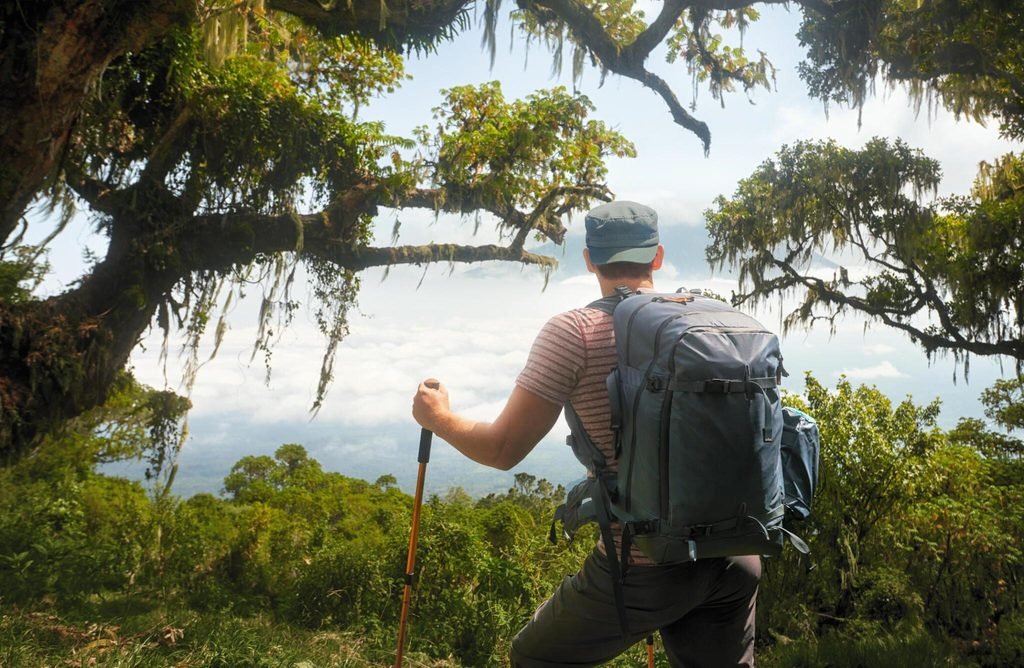
Mount Meru can normally be climbed in three or four days using the established Momella Route.
Both itineraries follow the same main ascent route. The difference is how the descent is organized.
On the three-day itinerary, climbers generally reach the summit and continue descending all the way to Momella Gate on the same day.
On the four-day itinerary, climbers usually descend from the summit to Miriakamba Hut, spend another night on the mountain, and complete the final descent the following morning.
Mount Meru Climbing Duration Comparison
| Feature | 3-day climb | 4-day climb |
|---|---|---|
| Total duration | 3 days, 2 nights | 4 days, 3 nights |
| Main route | Momella Route | Momella Route |
| Summit | Socialist Peak | Socialist Peak |
| Summit elevation | Approximately 4,566 m | Approximately 4,566 m |
| Accommodation | Mountain huts | Mountain huts |
| Final day | Very long summit and descent day | Shorter descent after an overnight stop |
| Best suited for | Fit, experienced hikers | Most trekkers and first-time visitors |
| Overall pace | Fast and demanding | More manageable |
For most travelers, the four-day climb offers a better balance between trekking, rest, and enjoying the mountain.
Where Is Mount Meru Located?
Mount Meru is located inside Arusha National Park in northern Tanzania, near the city of Arusha.
The mountain is a prominent volcanic feature of the region and is visible from several locations around the city when weather conditions are clear.
Arusha is one of Tanzania’s main tourism centers and a common starting point for wildlife safaris to Tarangire National Park, Ngorongoro Crater, and Serengeti National Park.
The main Mount Meru climbing route begins at Momella Gate, inside Arusha National Park.
Travelers usually reach the gate by road from Arusha or Moshi.
How Far Is Mount Meru from Arusha?
The driving distance depends on the hotel location and road route.
Transfers from Arusha to Momella Gate commonly take approximately one to two hours.
From Moshi, the journey is usually longer.
Your climbing operator should confirm the transfer arrangements and departure time before the trek.
How High Is Mount Meru?
Mount Meru rises to approximately 4,566 meters above sea level.
Its highest accessible trekking summit is Socialist Peak.
Although Mount Meru is lower than Kilimanjaro, it remains a serious high-altitude mountain.
Mount Meru vs Mount Kilimanjaro
| Feature | Mount Meru | Mount Kilimanjaro |
|---|---|---|
| Elevation | Approximately 4,566 m | 5,895 m |
| Location | Arusha National Park | Kilimanjaro National Park |
| Common duration | 3–4 days | 5–9 days |
| Main summit | Socialist Peak | Uhuru Peak |
| Accommodation | Mountain huts | Huts or camping, depending on route |
| Main challenges | Steep ridges, altitude, long summit day | Higher altitude, acclimatization, long trekking days |
| Wildlife on lower slopes | Particularly notable | Possible in forest areas |
Mount Kilimanjaro is approximately 1,329 meters higher than Mount Meru.
However, some sections of Mount Meru’s summit route are steeper and more exposed than the standard trekking trails on Kilimanjaro.
Four-Day Mount Meru Climbing Itinerary
The four-day itinerary is a popular choice for travelers who want to reach Socialist Peak without combining the summit ascent and entire descent into one exhausting day.
The itinerary below follows the commonly used route through Miriakamba Hut and Saddle Hut.
Walking times are approximate and depend on fitness, weather, trail conditions, and group pace.
Day 1: Momella Gate to Miriakamba Hut
Starting elevation: Approximately 1,500 meters
Sleeping elevation: Approximately 2,514 meters
Walking time: 4–6 hours
Accommodation: Miriakamba Hut
Your Mount Meru climb begins with a transfer from Arusha or Moshi to Momella Gate.
At the gate, your guide completes the necessary registration procedures and organizes the trekking arrangements.
Because the route passes through wildlife habitats inside Arusha National Park, climbers are accompanied by an armed park ranger according to park requirements.
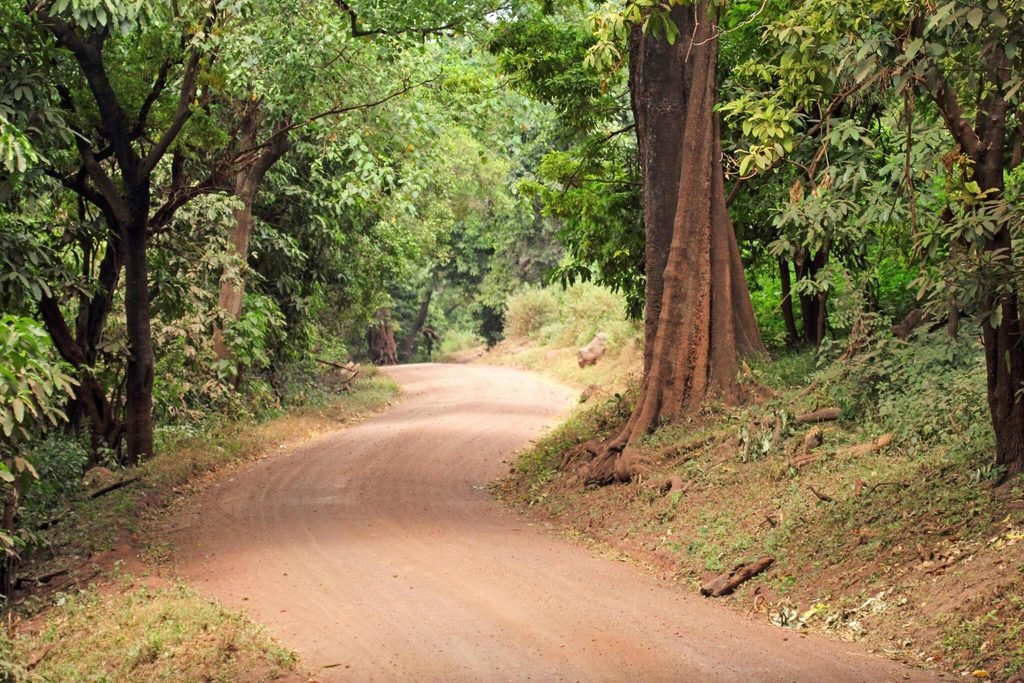
The first section passes through grassland and woodland, where wildlife may be encountered.
Depending on the route and conditions, visitors may see giraffes, buffaloes, warthogs, monkeys, and various birds.
The trail gradually enters mountain forest as elevation increases.
After several hours of walking, you reach Miriakamba Hut.
The afternoon is generally spent resting, enjoying the surroundings, and preparing for the following day’s ascent.
Dinner and overnight accommodation are provided at the hut according to your trekking package.
Day 2: Miriakamba Hut to Saddle Hut
Starting elevation: Approximately 2,514 meters
Sleeping elevation: Approximately 3,570 meters
Walking time: 3–5 hours
Accommodation: Saddle Hut
After breakfast, the trail continues uphill through forest and increasingly open vegetation.
The climb becomes steeper in places.
As you gain elevation, the surrounding landscape changes to heath and moorland.
The route offers impressive views of Mount Meru’s volcanic crater and surrounding ridges when visibility is good.
You eventually reach Saddle Hut, located at approximately 3,570 meters.
After lunch and rest, some itineraries offer an optional acclimatization walk toward Little Meru, which rises to approximately 3,820 meters.
This additional walk should only be undertaken if conditions and your guide’s assessment make it appropriate.
The evening is spent preparing clothing, headlamps, water, and other essentials for the summit attempt.
Because the summit ascent usually begins during the night, climbers normally rest early.
Day 3: Saddle Hut to Socialist Peak and Miriakamba Hut
Starting elevation: Approximately 3,570 meters
Summit elevation: Approximately 4,566 meters
Sleeping elevation: Approximately 2,514 meters
Total walking time: Approximately 10–12 hours, sometimes longer
Accommodation: Miriakamba Hut
This is the most demanding day of the Mount Meru climb.
The summit attempt commonly begins around midnight or during the early morning hours.
Climbers follow a rocky trail toward Rhino Point before continuing along the mountain’s exposed summit ridge.
The route includes steep and uneven sections where careful footing is essential.
Some parts require the use of hands for balance over rocky terrain.
As you approach the summit, the landscape becomes increasingly dramatic.
The volcanic crater and ash cone are visible below in suitable weather.
Reaching Socialist Peak around sunrise is a memorable experience.
On clear mornings, Mount Kilimanjaro may be visible in the distance.
After spending a short time at the summit, climbers begin descending toward Saddle Hut.
Following a rest and meal, the four-day itinerary normally continues down to Miriakamba Hut for the final overnight stay.
This remains a long and physically demanding day.
Day 4: Miriakamba Hut to Momella Gate
Starting elevation: Approximately 2,514 meters
Finishing elevation: Approximately 1,500 meters
Walking time: 2–4 hours, depending on the trail used
Destination: Arusha or Moshi
After breakfast, climbers begin their final descent through the forest.
The trail passes through vegetation and wildlife habitats encountered during the first day.
This provides another opportunity to enjoy the scenery and observe birds and other animals from a safe distance.
Upon reaching Momella Gate, the climbing team completes the required exit procedures.
You then travel back to your hotel in Arusha or Moshi.
The four-day Mount Meru expedition is complete.
Three-Day Mount Meru Climbing Itinerary
The three-day climb follows a similar ascent but combines the summit attempt and final descent into one long day.
This option is generally more suitable for experienced hikers with good endurance.
Day 1: Momella Gate to Miriakamba Hut
The climb begins at Momella Gate and continues through the forest and grassland habitats of Arusha National Park.
Walking time is commonly around four to six hours.
Overnight accommodation is at Miriakamba Hut.
Day 2: Miriakamba Hut to Saddle Hut
The trail climbs through forest, heath, and moorland to Saddle Hut.
Walking time is generally around three to five hours.
Depending on the itinerary and conditions, climbers may take an optional acclimatization walk toward Little Meru.
Overnight accommodation is at Saddle Hut.
Day 3: Saddle Hut to Socialist Peak and Momella Gate
The summit attempt begins during the night.
Climbers reach Socialist Peak and then descend past Saddle Hut and Miriakamba Hut before continuing to Momella Gate.
This can involve approximately 12–15 hours of trekking, sometimes longer.
The day is particularly demanding because it combines the summit ascent with a substantial descent.
For travelers without strong hiking experience, the four-day option is generally preferable.
Is Three Days Enough to Climb Mount Meru?
Three days can be enough for physically fit and experienced trekkers.
However, the shorter itinerary requires a long final day and offers less flexibility for fatigue and changing conditions.
The main challenge is not simply reaching the summit.
Climbers must also descend safely after spending several hours at high altitude.
Tired legs, steep terrain, and reduced concentration can make the descent difficult.
If your schedule allows, a four-day itinerary is usually a more comfortable choice.
Why Is the Four-Day Mount Meru Climb Recommended?
The main advantage of the four-day climb is that it separates the final descent from the already demanding summit day.
Instead of walking from Saddle Hut to the summit and then all the way to Momella Gate, climbers stop at Miriakamba Hut for another night.
This reduces the amount of continuous walking required after the summit.
It also provides additional time to enjoy the forest and wildlife habitats on the lower mountain.
Importantly, the standard three-day and four-day itineraries usually reach the summit on the same third day. Therefore, the fourth day mainly improves descent pacing rather than adding an extra acclimatization day before the summit.
Travelers specifically seeking more time to acclimatize before the summit should discuss a customized itinerary with their operator.
How Difficult Is It to Climb Mount Meru?
Mount Meru is generally considered a moderately challenging to strenuous high-altitude trek.
Its difficulty comes from several factors.
High Altitude
At 4,566 meters, the air pressure is considerably lower than at sea level.
Physical activity becomes more demanding, and altitude illness is possible.
Steep Trails
Some sections of the mountain are steep, particularly the ascent toward Saddle Hut and the summit ridge.
Rocky Summit Terrain
The upper mountain includes exposed ridges and rocky sections that require balance and careful footing.
Long Summit Day
The summit attempt involves several hours of walking at altitude, often beginning during the night.
Changing Weather
Temperatures can be cold, especially near the summit.
Rain, wind, cloud, and poor visibility can affect the climb.
Can Beginners Climb Mount Meru?
Some beginners with good fitness and suitable preparation can climb Mount Meru.
However, first-time mountain trekkers should understand that the summit route is more demanding than an ordinary hiking trail.
A professional guide, appropriate equipment, and a realistic itinerary are important.
Anyone with relevant health concerns should seek medical advice before attempting the climb.
Does Mount Meru Require Technical Climbing Skills?
The established route to Socialist Peak is generally considered a trekking and scrambling route rather than a conventional technical mountaineering expedition.
However, the summit ridge includes exposed sections and rocky terrain.
Climbers should be comfortable walking on uneven ground and following guide instructions.
Weather conditions can increase the difficulty.
The guide may decide to turn back if the route becomes unsafe.
Reaching the summit should never take priority over safety.
Can You Get Altitude Sickness on Mount Meru?
Yes.
Although Mount Meru is lower than Kilimanjaro, its summit is high enough for altitude illness to occur.
Acute mountain sickness may cause headaches, nausea, fatigue, dizziness, or loss of appetite.
More serious altitude-related conditions can become life-threatening.
How Can You Reduce Altitude Risks?
Choose an appropriate itinerary and avoid unnecessary rapid ascent.
Walk at a manageable pace and inform your guide if you develop symptoms.
Maintain normal hydration and nutrition without forcing excessive water intake.
Avoid continuing higher when altitude symptoms are worsening.
Serious warning signs, including confusion, difficulty walking normally, or breathlessness at rest, require urgent medical attention and descent.
Fitness does not guarantee protection against altitude illness.
What Accommodation Is Available on Mount Meru?
Unlike the camping routes commonly used on Kilimanjaro, the standard Mount Meru climb uses mountain huts.
The main overnight locations are Miriakamba Hut and Saddle Hut.
Miriakamba Hut
Miriakamba Hut is located at approximately 2,514 meters.
It provides basic mountain accommodation and serves as the first overnight stop.
Saddle Hut
Saddle Hut is located at approximately 3,570 meters.
It is the main base for the summit attempt.
Facilities are relatively simple compared with ordinary hotels.
Climbers should bring suitable sleeping equipment and personal essentials according to their operator’s packing list.
Why Do You Need an Armed Ranger on Mount Meru?
Mount Meru is located inside Arusha National Park, which supports large wild animals.
The lower mountain habitats are home to buffaloes, giraffes, elephants, and other wildlife.
An armed park ranger accompanies climbing groups as part of the park’s wildlife safety arrangements.
The ranger’s role is to help manage potential encounters with dangerous animals and support safe movement through the park.
Visitors should always follow the ranger’s instructions.
Do not approach wildlife, leave the designated group, or attempt to take close-up photographs on foot without permission.
Best Time to Climb Mount Meru
Mount Meru can be climbed during different months, but weather conditions influence trail safety, visibility, and comfort.
January to Early March
This is generally one of the more favorable periods for trekking.
Conditions can be relatively dry, although rain remains possible.
June to October
These months are commonly associated with drier weather and are popular for mountain trekking.
Clear mornings may provide excellent views of Mount Kilimanjaro.
March to May
The long rainy season can bring wet and slippery trails.
Cloud cover may reduce visibility, and exposed summit sections can become more difficult.
November to December
The short rains can produce variable weather.
Climbing remains possible when conditions permit, but travelers should prepare for rain and changing visibility.
No month guarantees clear weather or successful summit conditions.
How Much Does It Cost to Climb Mount Meru?
Mount Meru climbing prices depend on the itinerary, number of travelers, accommodation arrangements, park charges, transport, and crew support.
A three-day climb may cost less than a four-day climb because it involves fewer overnight stays and fewer operating days.
However, the difference depends on the package.
What Is Usually Included?
A complete Mount Meru climbing quotation may include park entry and hut fees, guide services, ranger arrangements, meals, support crew, and transfers.
The exact inclusions vary by operator.
What May Be Excluded?
Common exclusions include international flights, visas, travel insurance, personal trekking equipment, tips, and additional hotel nights.
Ask for a written breakdown before booking.
For future travel, confirm the current official park tariff and obtain a personalized quotation rather than relying on older advertised prices.
Is Mount Meru a Good Preparation Climb for Kilimanjaro?
Yes. Mount Meru is a popular mountain for travelers who want trekking experience before attempting Kilimanjaro.
Its summit reaches more than 4,500 meters, allowing climbers to experience the physical demands of high-altitude hiking.
The route also provides practice with long walking days, cold weather, and mountain accommodation.
Does Climbing Mount Meru Guarantee Success on Kilimanjaro?
No.
Climbing Meru can provide useful experience and some acclimatization benefit, particularly when the climbs are appropriately scheduled.
However, altitude adaptation is temporary and varies between individuals.
Kilimanjaro is significantly higher, and altitude illness remains possible even after successfully climbing Meru.
Travelers should still choose a Kilimanjaro itinerary with adequate acclimatization time.
Mount Meru vs Kilimanjaro: Which Should You Climb First?
The answer depends on your experience, available time, and goals.
Mount Meru is a good choice for travelers interested in a shorter mountain expedition with dramatic volcanic scenery and wildlife habitats.
Kilimanjaro is more suitable for those whose main objective is reaching Africa’s highest summit.
If you have sufficient time, climbing Meru before Kilimanjaro can provide valuable trekking experience.
However, both mountains deserve appropriate preparation and should be approached as serious high-altitude climbs.
What Should You Pack for Mount Meru?
Mount Meru passes through warm lower elevations and cold high-altitude environments.
Your clothing and equipment should be suitable for changing conditions.
Essential items include:
- Comfortable hiking boots with good grip.
- Moisture-wicking base layers.
- Warm fleece or insulated jacket.
- Waterproof and windproof outer clothing.
- Warm gloves and hat.
- Suitable hiking trousers.
- Trekking poles.
- Headlamp with spare batteries.
- Sunglasses and sunscreen.
- Refillable water bottles or hydration system.
- Cold-weather sleeping bag.
- Daypack.
- Personal medication and toiletries.
- Snacks suitable for trekking.
Your operator should provide a detailed equipment checklist before departure.
Can You Combine Mount Meru with a Tanzania Safari?
Yes.
Mount Meru is located inside Arusha National Park, making it convenient to combine mountain trekking with other northern Tanzania destinations.
After completing the climb, travelers may visit Tarangire National Park, Ngorongoro Crater, or Serengeti National Park.
A safari can provide a change of pace after several physically demanding trekking days.
Travelers with more time may also combine Mount Meru with Mount Kilimanjaro or a Zanzibar beach holiday.
The itinerary should include adequate rest and realistic transfer times.
Frequently Asked Questions About Climbing Mount Meru
How long does it take to climb Mount Meru?
Most Mount Meru climbs take three or four days, depending on the itinerary and descent arrangements.
Is three days enough for Mount Meru?
Yes, for fit and experienced trekkers. However, the three-day itinerary requires a particularly long final day.
Is four days better than three days?
For most travelers, four days is preferable because the descent is divided over two days.
How high is Mount Meru?
Mount Meru reaches approximately 4,566 meters above sea level.
Is Mount Meru harder than Kilimanjaro?
Mount Meru is lower, but its summit ridge can be steeper and more exposed than some standard Kilimanjaro trails. Kilimanjaro presents a greater altitude challenge.
Can beginners climb Mount Meru?
Some beginners can climb Mount Meru with appropriate fitness, preparation, and professional guidance.
Do you sleep in tents on Mount Meru?
The standard route uses mountain huts at Miriakamba and Saddle rather than ordinary camping arrangements.
Do you need a ranger to climb Mount Meru?
Yes. Climbers are accompanied by an armed park ranger because the lower slopes pass through wildlife habitats.
Can you see Kilimanjaro from Mount Meru?
Yes. On clear days, Mount Kilimanjaro can be visible from parts of Mount Meru, including the upper slopes.
Is Mount Meru good for acclimatization before Kilimanjaro?
It can provide useful high-altitude experience and some acclimatization benefit, but it does not guarantee success or prevent altitude illness on Kilimanjaro.
What is the best month to climb Mount Meru?
January to early March and June to October are generally popular periods because conditions are often relatively dry.
How long is Mount Meru summit day?
On the four-day itinerary, summit day commonly takes around 10–12 hours, sometimes longer, including the descent to Miriakamba Hut.
Can Mount Meru be climbed in one day?
The standard summit expedition is not a one-day hike. Shorter walks are possible in Arusha National Park, but reaching Socialist Peak normally requires a multi-day trek.
Choosing the Right Mount Meru Climbing Duration
Mount Meru is an excellent mountain for travelers who want a challenging trek without committing to the longer expedition commonly required for Kilimanjaro.
The three-day climb is possible for strong, experienced hikers, but its long final day can be exhausting.
The four-day itinerary provides a more comfortable descent and additional time to enjoy the mountain’s scenery.
For most travelers, four days is the better choice.
Whichever itinerary you choose, prepare for steep trails, cold summit conditions, high altitude, and long walking hours.
With realistic expectations and a knowledgeable mountain team, Mount Meru offers an impressive combination of volcanic scenery, wildlife, and high-altitude trekking.
Plan Your Mount Meru Climb with Eddy Tours and Safaris
Are you planning to climb Mount Meru in Tanzania?
Eddy Tours and Safaris can help you explore three-day and four-day Mount Meru climbing itineraries based on your available time, hiking experience, and travel preferences.
Our team can discuss mountain accommodation, guide arrangements, park requirements, transport, and equipment preparation.
You can also combine your Mount Meru climb with Mount Kilimanjaro, a Serengeti wildlife safari, Ngorongoro Crater, Tarangire National Park, or a Zanzibar beach holiday.
Visit Eddy Tours and Safaris to learn more about our Tanzania travel services.
For a personalized Mount Meru climbing itinerary and quotation, contact us through our official contact page.
Email: sales@eddytours-safaris.com
WhatsApp: +255 711 906 664
Contact Eddy Tours and Safaris to plan your Mount Meru trekking adventure in Tanzania.