
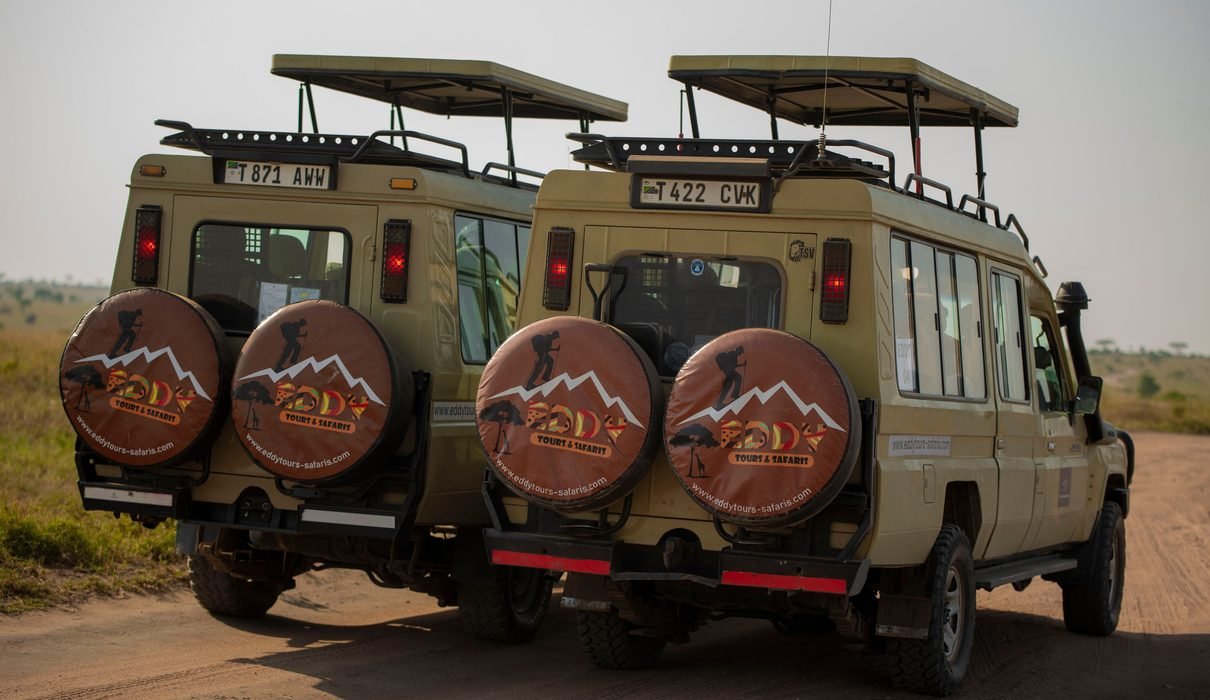
An African safari game drive is one of the best ways to experience wildlife in its natural surroundings. Instead of watching animals behind fences or in controlled environments, you travel through national parks and wildlife reserves where lions, elephants, giraffes, zebras, and many other species move freely. Every game drive is different because animal movements depend on the weather, available water, food, and the time of day. Some mornings bring several exciting wildlife encounters within a short distance, while other drives require patience as your guide searches through grasslands, woodlands, and river valleys.
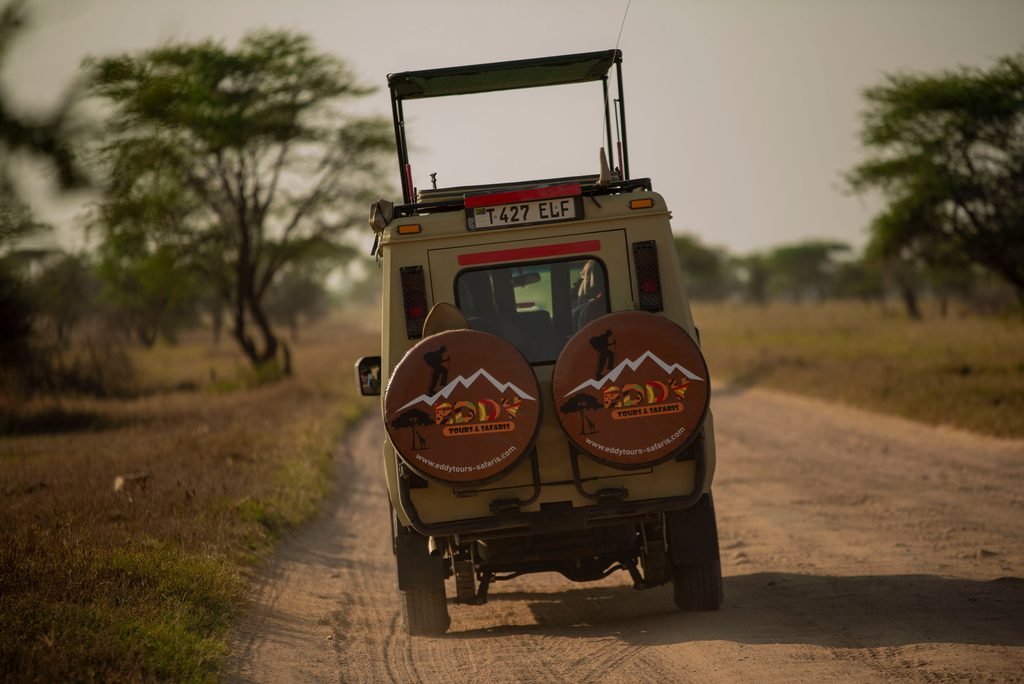
For travellers planning their first African safari, understanding what happens during a game drive makes the experience more comfortable and enjoyable. From early morning departures and safari vehicles to wildlife sightings, photography, safety, and picnic lunches, there are several things worth knowing before entering the park. Tanzania is particularly well suited to this kind of adventure, with famous destinations such as Serengeti National Park, Tarangire National Park, Lake Manyara National Park, and the Ngorongoro Crater offering different landscapes and wildlife experiences. At Eddy Tours & Safaris, we arrange guided Tanzania safaris for travellers who want to explore these destinations with experienced local guides.
What Is a Game Drive on an African Safari?
A game drive is a guided journey through a national park, wildlife reserve, or conservation area in a safari vehicle, mainly for observing wild animals in their natural habitats. The word “game” comes from an older term used to describe wild animals, but modern safari game drives focus on wildlife observation, photography, and learning about nature rather than hunting. Most game drives follow established tracks, allowing visitors to explore different habitats while reducing disturbance to animals and their environment.
Unlike ordinary sightseeing trips, game drives do not always follow a fixed route with guaranteed stops. Your guide may change direction after noticing fresh animal tracks, hearing information about wildlife movements, or observing unusual behaviour among antelopes and birds. A herd of elephants crossing the road might require the vehicle to remain stationary for several minutes, while a leopard resting in a tree may encourage the group to spend more time in one location. This flexibility is part of what makes a safari interesting, as the experience develops naturally throughout the day.
Game drives are the main activity included in many Tanzania safari itineraries. Depending on the park and travel arrangements, visitors can enjoy morning, afternoon, or full-day wildlife drives, with opportunities to stop at designated picnic areas and viewpoints.
What Happens During a Typical African Safari Game Drive?
Early Morning Departure from Your Lodge or Camp
Most morning game drives begin early because cooler temperatures often encourage wildlife activity. Depending on the park, accommodation location, and permitted operating hours, travellers may leave their lodge around sunrise or shortly afterwards. Before departure, breakfast may be served at the lodge, or the safari team may arrange a packed meal for guests who prefer to spend more time exploring the park.
The morning atmosphere is often one of the most enjoyable parts of the experience. Temperatures are cooler, the landscape is quieter, and the light is suitable for wildlife photography. Lions may still be active after hunting during the night, while giraffes, zebras, antelopes, and elephants begin moving between feeding areas and water sources. Birds are also particularly active during the early hours, making morning game drives rewarding for travellers interested in birdwatching.
Searching for Wildlife Along the Safari Tracks
Once inside the park, your guide drives slowly along established wildlife-viewing routes, looking for animals and signs of recent activity. Experienced guides pay attention to footprints, animal calls, disturbed vegetation, and the behaviour of other wildlife. For example, a group of antelopes staring in one direction may indicate the presence of a predator nearby, while vultures gathering in trees can sometimes suggest a carcass in the surrounding area.
Wildlife sightings are never guaranteed, and visitors should not expect every animal to appear immediately. Some species are easier to find than others, depending on the season and habitat. Elephants and giraffes may be visible in open woodland, while leopards can remain hidden among branches or thick vegetation. A good guide balances the search for popular animals with opportunities to appreciate smaller species, birds, and the natural environment.
Stopping to Observe Animals
When wildlife is spotted, the guide will normally position the vehicle at a safe and permitted viewing distance. Passengers can observe the animals, take photographs, and listen to explanations about their behaviour. Depending on the situation, the vehicle may remain stationary for a few minutes or longer, particularly when animals are feeding, resting, hunting, or interacting with one another.
One important thing to understand is that wildlife does not perform for visitors. A lion may sleep throughout an entire sighting, while elephants may spend considerable time feeding without approaching the vehicle. These quiet moments are still valuable because they allow travellers to observe natural behaviour without disturbing the animals.
Picnic Lunch and Afternoon Wildlife Viewing
Full-day game drives often include a packed lunch enjoyed at an approved picnic site. These locations provide an opportunity to stretch your legs, use available toilet facilities, and enjoy a meal before continuing the safari. Some picnic areas overlook lakes, grasslands, or other scenic parts of the park, although visitors must still follow local safety instructions and avoid feeding wild animals.
Afternoon drives may involve exploring different habitats or returning to areas where wildlife was observed earlier. During hot weather, some animals rest in shaded areas, while others gather near rivers, pools, and permanent water sources. As temperatures begin to fall later in the day, wildlife activity can increase again. The drive usually ends with a return to the lodge, camp, or park gate according to the day’s itinerary and applicable park regulations.
What Animals Can You Expect to See on a Game Drive?
Africa supports an enormous variety of wildlife, although the species you encounter will depend on the country, national park, season, and habitat. Tanzania’s northern safari circuit is particularly popular because visitors can explore several different ecosystems during one trip. The open plains of the Serengeti, the baobab woodlands of Tarangire, and the crater floor of Ngorongoro each provide different opportunities for wildlife observation.
The Big Five Animals
The Big Five are among the best-known animals associated with African safaris. They include the lion, leopard, elephant, African buffalo, and rhinoceros. The name originally came from hunting terminology, but today it is widely used by wildlife enthusiasts and safari travellers. Seeing all five animals on one trip is possible in certain destinations, although sightings depend on location and circumstances.
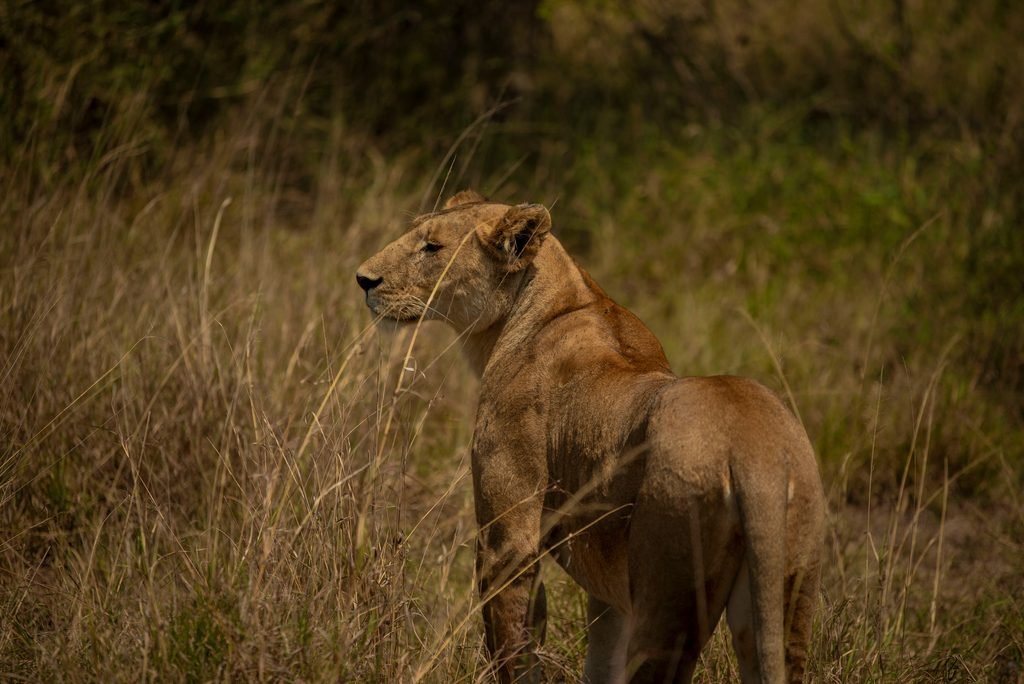
Lions are commonly associated with the Serengeti and Ngorongoro, where they may be seen resting in groups or moving through grasslands. Leopards are generally more difficult to locate because they are solitary and often spend time in trees or concealed vegetation. Elephants can be observed in several Tanzanian parks, with Tarangire particularly well known for its elephant populations. African buffaloes are found in grasslands and woodland habitats, while black rhinoceroses are much rarer and require considerable luck to observe.
Travellers interested in exploring several wildlife habitats can consider the 7-day Northern Circuit safari in Tanzania, which combines several of the country’s most established safari destinations.
Giraffes, Zebras, Wildebeest, and Antelopes
Although the Big Five attract considerable attention, many of the most interesting game drive experiences involve other animals. Giraffes browsing from acacia trees, zebras grazing in groups, and wildebeest moving across open plains are familiar sights in many East African wildlife areas. Their behaviour also provides important clues about the surrounding ecosystem, including grazing patterns, predator activity, and seasonal changes.
Antelope species such as impalas, gazelles, hartebeests, and elands are also worth observing. They differ in size, feeding habits, and social behaviour, and their presence helps support predator populations. During the wildebeest migration in the Serengeti ecosystem, enormous numbers of grazing animals move in response to rainfall and fresh pasture. The exact location of the herds changes throughout the year, so travellers hoping to witness particular migration events should plan their safari around expected seasonal movements rather than assuming the herds remain in one area.
Hippos, Crocodiles, Hyenas, and Smaller Wildlife
Rivers, lakes, and wetlands provide opportunities to observe animals that may not be encountered on open grasslands. Hippos spend much of the day in water, while Nile crocodiles can sometimes be seen resting along riverbanks. Spotted hyenas are common in some savannah ecosystems and may be observed moving alone, feeding, or interacting within their social groups.
Smaller animals also deserve attention. Warthogs, mongooses, jackals, dik-diks, and various reptiles contribute to the diversity of African wildlife. Taking time to observe these species often reveals interesting behaviour that visitors might miss when concentrating entirely on larger animals.
What Are Safari Vehicles Like in Africa?
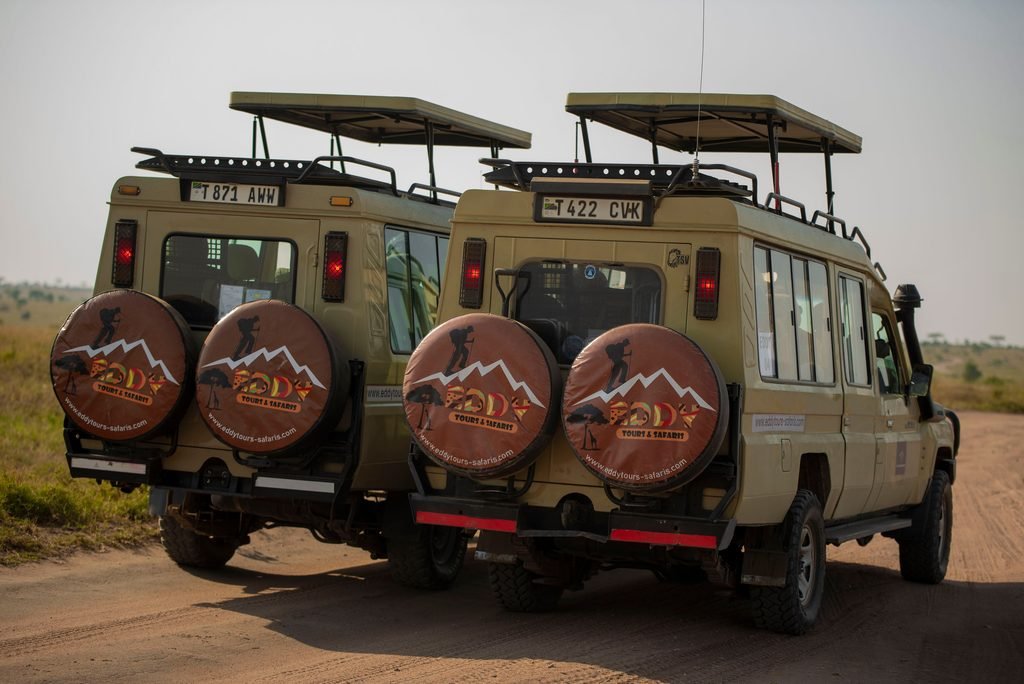
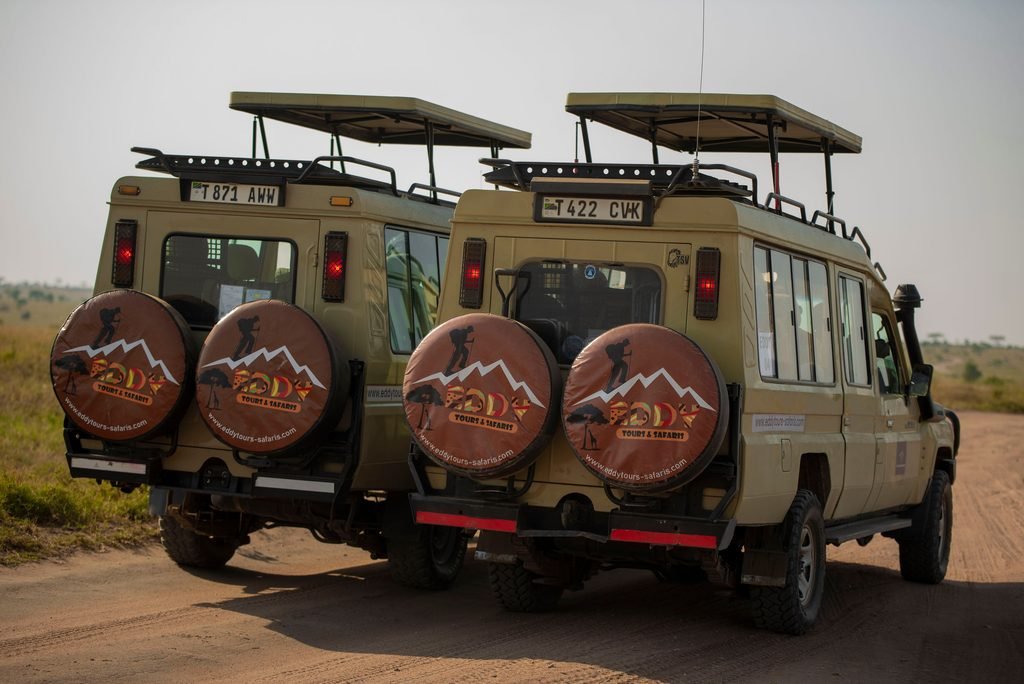
Most organized Tanzania safaris use specially prepared four-wheel-drive vehicles designed for wildlife viewing. Toyota Land Cruisers are commonly used because they can handle rough tracks and provide suitable space for passengers, luggage, and safari equipment. Many vehicles feature pop-up roofs, allowing travellers to stand safely within the vehicle while observing wildlife or taking photographs when conditions and guide instructions permit.
The seating arrangement depends on the vehicle and the number of travellers. Private safari vehicles generally offer more flexibility because guests can decide how much time to spend at particular sightings, while group-joining safaris involve sharing the vehicle with other travellers. Both arrangements can provide enjoyable experiences, although private safaris are often preferred by families, photographers, and visitors who want a more flexible schedule.
Safari roads can be dusty, uneven, and occasionally muddy, especially during rainy periods. Travellers should expect some movement and vibration during the journey. Bringing a light jacket, drinking water, sunglasses, and a small bag for personal items can make the drive more comfortable. Visitors with back problems, mobility limitations, or other travel concerns should discuss their needs with the safari operator before booking.
Morning, Afternoon, and Night Game Drives: What Is the Difference?
Morning Game Drives
Morning game drives are particularly popular because wildlife activity is often higher during cooler hours. Predators may still be moving after overnight hunting, and many herbivores begin feeding before temperatures rise. Morning light is also useful for photography, especially when animals are positioned against open landscapes or the rising sun.
Afternoon Game Drives
Afternoon game drives offer a different atmosphere, with warmer conditions and changing animal behaviour. During the hottest part of the day, lions and other predators often rest in shaded areas, while elephants may visit water sources or mud pools. Later in the afternoon, cooler temperatures can encourage movement again, and the softer light can create attractive photography conditions.
Night Game Drives
Night game drives are specialized activities available only in locations where they are permitted. They offer opportunities to observe nocturnal wildlife, including certain predators and smaller mammals that are difficult to find during daylight hours. These drives normally require specific arrangements, approved equipment, and compliance with the rules of the relevant wildlife authority.
Visitors should understand that ordinary daytime safari permits do not automatically authorize night drives. Tanzania National Parks provides official information about park activities and regulations, and travellers should confirm the availability of night game drives before including them in an itinerary.
Best Places for Game Drives in Tanzania
Serengeti National Park
Serengeti National Park is one of Africa’s best-known wildlife destinations, famous for its extensive grasslands, predator populations, and the seasonal movements of wildebeest and zebras. Game drives here can cover open plains, rocky outcrops, river systems, and woodland habitats, providing opportunities to observe different species throughout the year.
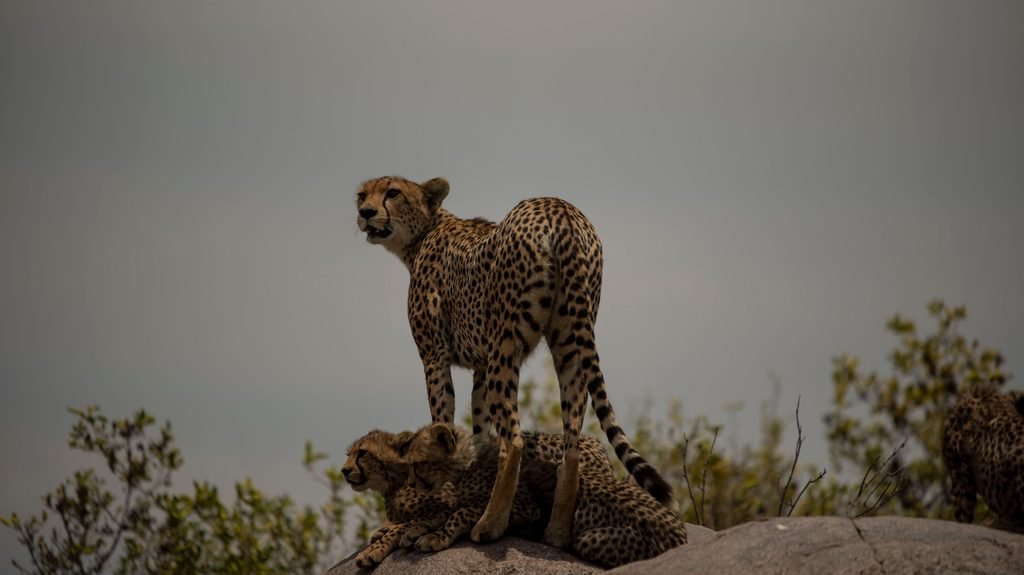
The Serengeti is especially attractive to travellers interested in lions, cheetahs, leopards, and large grazing herds. However, the park is extensive, and wildlife distribution changes with rainfall and seasonal conditions. Spending several days in the Serengeti generally provides more opportunities to explore different areas than a brief visit.
Ngorongoro Crater
The Ngorongoro Crater offers a distinctive safari environment, with grasslands, wetlands, forests, and a soda lake contained within a large volcanic caldera. Its varied habitats support numerous wildlife species, including lions, buffaloes, zebras, wildebeest, hippos, and the endangered black rhinoceros.
Game drives descend from the crater rim to the crater floor, where visitors explore approved routes and stop at designated viewing and picnic areas. The surrounding highlands can be considerably cooler than the crater floor, so bringing an additional layer of clothing is advisable.
For travellers with limited time, the 3-day Tanzania safari to Tarangire, Lake Manyara, and Ngorongoro offers a practical introduction to northern Tanzania’s wildlife destinations.
Tarangire National Park
Tarangire National Park is known for its baobab trees, elephant herds, seasonal river systems, and varied birdlife. During the dry season, animals often concentrate around reliable water sources, creating good wildlife-viewing opportunities. The park’s combination of open grassland, woodland, and riverine habitats also supports giraffes, buffaloes, zebras, antelopes, and predators.
Tarangire is particularly suitable for travellers who enjoy observing elephants in natural family groups. Visitors may see them feeding, moving through woodland, drinking, or interacting with younger animals. Its scenery also makes it an appealing destination for landscape photography.
Lake Manyara National Park
Lake Manyara National Park offers a different setting, with groundwater forest, open areas, wetlands, and the lake itself. The park supports elephants, buffaloes, giraffes, monkeys, and numerous bird species. Flamingos may be present depending on water conditions and seasonal movements.
Although Lake Manyara is sometimes associated with tree-climbing lions, sightings are unpredictable and should not be treated as guaranteed. The park remains worth visiting for its varied habitats, birdlife, and contrast with the more open landscapes of Serengeti and Ngorongoro.
What Should You Wear on an African Safari Game Drive?
Comfortable clothing is more important than expensive safari outfits. Neutral colours such as khaki, beige, olive, and brown are practical choices because they blend reasonably well with the natural environment and generally show less dust than very dark clothing. Lightweight trousers, breathable shirts, and comfortable closed shoes are suitable for most daytime game drives.
Morning temperatures can be surprisingly cool, particularly in highland areas such as Ngorongoro. A fleece, light jacket, or sweater is useful before sunrise, while a hat and sunglasses provide protection during warmer hours. Travellers visiting during the rainy season should also consider bringing a lightweight waterproof jacket.
A small day bag is usually sufficient for personal belongings, including a camera, binoculars, sunscreen, insect repellent, tissues, medication, and drinking water. Large suitcases are unnecessary inside the game drive seating area and may reduce passenger comfort.
How Long Does an African Safari Game Drive Last?
The length of a game drive depends on the safari itinerary, park regulations, accommodation location, and travellers’ preferences. Shorter drives may last approximately two to four hours, while full-day game drives can occupy much of the day, including travel between wildlife-viewing areas and meal breaks.
A full-day drive does not mean continuously travelling at high speed. Much of the experience involves slow driving, stopping to observe wildlife, waiting at interesting locations, and allowing time for photography. The pace may change considerably depending on animal activity.
Travellers planning a multi-day safari should consider balancing game drives with enough time for meals, rest, and travel between parks. Longer itineraries can provide more flexibility, especially when visiting destinations such as Serengeti National Park, where distances between different wildlife areas can be considerable.
Is an African Safari Game Drive Safe?
Guided game drives are generally safe when conducted by qualified professionals who follow wildlife regulations and appropriate safety procedures. Safari guides understand the importance of maintaining safe distances, recognizing animal behaviour, and avoiding situations that could place passengers or wildlife at risk.
Visitors should remain inside the vehicle except at designated stopping points or when their guide confirms that leaving the vehicle is permitted. Standing outside the vehicle near wildlife, approaching animals for photographs, or attempting to feed them can create dangerous situations. Even animals that appear calm may react unpredictably when disturbed.
Passengers should also avoid loud noises, sudden movements, and attempts to attract wildlife attention. Tanzania’s national park rules require visitors to respect designated roads, speed limits, and wildlife protection measures. These guidelines are explained further by Tanzania National Parks.
Tips for Taking Better Wildlife Photographs During a Game Drive
Wildlife photography is one of the main reasons many travellers choose an African safari. However, taking good photographs requires patience and an understanding of the conditions inside a moving vehicle. Animals may appear suddenly, remain partially hidden, or move away before the camera is ready, so keeping equipment accessible is useful.
A camera with a zoom lens allows visitors to photograph animals without requiring the vehicle to approach too closely. Binoculars are equally useful for observing distant wildlife, particularly birds and smaller mammals. Travellers using smartphones can still capture excellent landscape photographs and nearby animal sightings, although distant wildlife may be more difficult to photograph clearly.
Early morning and late afternoon often provide softer natural light, while midday conditions can create strong shadows and heat haze. Rather than focusing only on close-up photographs, try including the surrounding landscape to show how animals live within their environment. An elephant walking beneath a baobab tree or giraffes moving across an open plain can create photographs that communicate more about the safari experience than an isolated animal portrait.
Visitors should never pressure guides to drive off-road, approach wildlife too closely, or interrupt animal behaviour for photography. Respectful viewing protects the animals and allows future visitors to enjoy the same natural environments.
When Is the Best Time of Year for an African Safari Game Drive?
Game drives are possible throughout much of the year in many African safari destinations, but seasonal conditions influence wildlife visibility, road access, and landscape appearance. In Tanzania, the dry season generally runs from June to October, while rainfall patterns vary across different regions and years.
During the dry season, vegetation is often less dense, and animals may gather around remaining water sources. These conditions can make wildlife easier to locate, particularly in areas such as Tarangire National Park. However, popular safari destinations can also attract more visitors during peak travel periods.
The green season brings fresh vegetation, changing landscapes, migratory birds, and opportunities to observe young animals in certain ecosystems. Some roads may become muddy or difficult to access after heavy rain, but the scenery can be particularly attractive for photography.
Travellers interested in the Serengeti migration should remember that the movement of wildebeest is a continuous seasonal process rather than a single event occurring on fixed dates. Rainfall and grazing conditions influence herd locations, so planning with a knowledgeable local safari operator can help match travel dates with the areas most likely to offer the desired experience.
What Is the Difference Between a Private and Group-Joining Game Drive?
Private game drives involve a safari vehicle reserved for one traveller, couple, family, or group travelling together. This arrangement allows greater flexibility when deciding where to stop, how long to remain at sightings, and how to organize the day within park regulations. Private safaris are particularly useful for photographers, families with children, and travellers with specific wildlife interests.
Group-joining game drives involve sharing a vehicle with other travellers following an agreed itinerary. They can be a more affordable option because transport and guiding costs are shared among participants. Group safaris also provide opportunities to meet other visitors, although individual preferences may need to be balanced with those of the wider group.
Neither arrangement guarantees better wildlife sightings. The quality of the experience depends on factors such as the guide’s knowledge, time spent in the park, seasonal conditions, and the behaviour of wildlife on the day.
Can You Combine a Game Drive with Other Activities in Tanzania?
Many travellers combine wildlife safaris with other experiences to explore more of Tanzania during one holiday. Northern Tanzania is particularly convenient for this because several well-known destinations can be reached through Arusha and the surrounding region.
One popular combination is a wildlife safari followed by a Mount Kilimanjaro climb. Travellers can spend several days exploring Serengeti, Ngorongoro, or Tarangire before beginning a mountain trekking itinerary. Climbing Kilimanjaro requires a different level of preparation, including suitable equipment, physical readiness, and enough time for acclimatization.
Those interested in mountain trekking can explore route information and climbing arrangements through Kilimanjaro Climb Specialist, including its 6-day Machame Route itinerary. Travellers should allow enough time between safari activities, mountain trekking, and international flights rather than trying to fit everything into an overly demanding schedule.
Another popular option is combining a Tanzania safari with a beach holiday in Zanzibar. After several days of early morning game drives and road travel, visitors can spend time relaxing along the Indian Ocean coast, exploring Stone Town, or enjoying marine activities.
Common Questions About African Safari Game Drives
Will I Definitely See Lions and Elephants on a Game Drive?
No wildlife sighting can be guaranteed because animals move freely and their behaviour changes throughout the day. However, choosing parks with suitable habitats and allowing enough time for wildlife viewing can improve the chances of seeing particular species. Elephants are frequently encountered in destinations such as Tarangire, while Serengeti and Ngorongoro provide opportunities to observe lions and other predators.
Can Children Join an African Safari Game Drive?
Children can participate in many family safari programmes, although age restrictions may apply to certain activities, accommodation properties, or shared vehicle arrangements. Families should consider the length of game drives, travel distances, and the ability of younger children to remain seated and quiet during wildlife sightings. Private safaris can provide greater flexibility for families travelling with children.
Are There Toilets During Game Drives?
Toilet facilities are generally available at designated picnic sites, visitor facilities, or other approved stopping locations. They may not be available along every section of a game drive route, particularly in remote wildlife areas. Visitors should inform their guide when they need a stop so that suitable arrangements can be made without breaking park rules.
What Happens If It Rains During a Game Drive?
Game drives often continue during light or moderate rainfall, although guides may adjust routes according to road conditions and visibility. Safari vehicles with pop-up roofs can usually be closed when necessary. Heavy rain may make certain tracks difficult to use, and safety always takes priority over following the original route.
Do I Need Previous Safari Experience?
No previous experience is necessary. A professional safari guide will explain the basic safety rules, assist with wildlife identification, and help travellers understand what is happening during the drive. First-time visitors are encouraged to ask questions and share their interests with the guide before departure.
Plan Your African Safari Game Drive with Eddy Tours & Safaris
A successful game drive is not simply about seeing as many animals as possible. It is about spending time in the natural environment, understanding wildlife behaviour, and appreciating the landscapes that support Africa’s remarkable biodiversity. Some of the most memorable moments happen unexpectedly, whether it is watching elephants gather at a waterhole, observing a lion pride resting beneath a tree, or seeing hundreds of zebras moving across open grassland.
At Eddy Tours & Safaris, we help travellers plan Tanzania wildlife safaris based on their interests, available time, and preferred travel arrangements. Whether you are visiting Africa for the first time or returning to explore more of Tanzania’s national parks, choosing a suitable itinerary and travelling with a knowledgeable guide can make a significant difference to your experience.
Explore our 3-day Tanzania safari or 7-day Northern Circuit safari to compare different wildlife experiences. For a personalized itinerary, accommodation options, and safari quotation, contact Eddy Tours & Safaris and tell us when you would like to travel, how many people are joining, and which wildlife destinations interest you most.