
Planning a family holiday is not always easy, especially when everyone has different interests and expectations. Parents may want a comfortable place to relax, teenagers might be looking for something exciting, and younger children often enjoy activities that allow them to explore and learn. A family safari in Tanzania brings these interests together through wildlife viewing, beautiful landscapes, comfortable accommodation, and opportunities to discover a different way of life. It is a holiday where families can spend meaningful time together while exploring some of Africa’s most remarkable natural areas.
Tanzania has become a popular destination for families who want more than an ordinary beach holiday. Its national parks are home to elephants, lions, giraffes, zebras, wildebeest, and many other animals that children may have previously seen only in books or on television. Watching these animals in their natural surroundings gives young travellers a better understanding of wildlife and conservation. With a carefully arranged itinerary, families can enjoy the experience without spending every day travelling long distances or following an exhausting schedule.
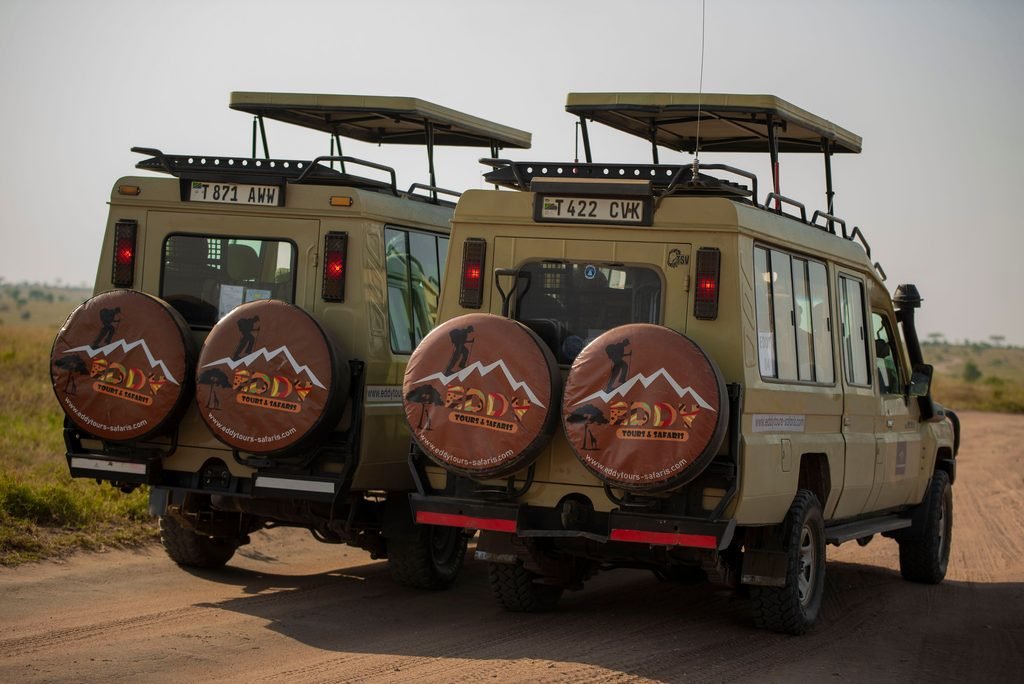
For families considering a holiday in 2027, Eddy Tours & Safaris offers the opportunity to explore Tanzania through privately arranged safari experiences. Whether you are travelling with young children, teenagers, grandparents, or several generations together, Tanzania provides enough variety to create a holiday that suits your family’s interests, travel dates, and budget.
1. Tanzania Offers Some of Africa’s Best Wildlife Experiences
One of the main reasons families choose Tanzania is the opportunity to see wild animals living freely in their natural habitats. Unlike visiting a zoo, a safari allows children to observe how animals behave, feed, protect their young, and interact with their surroundings. Every game drive is different, and nobody can predict exactly which animals will appear along the way. This makes the experience interesting for both children and adults, especially when a knowledgeable safari guide explains what is happening.
The country is home to famous wildlife destinations, including Serengeti National Park, Ngorongoro Crater, Tarangire National Park, and Lake Manyara National Park. Each destination offers something different, allowing families to experience several landscapes and animal populations during one holiday. The Tanzania National Parks Authority provides official information about the country’s protected national parks, visitor regulations, and conservation activities.
For children, seeing a herd of elephants crossing the road or watching giraffes feeding from tall trees can become one of the most memorable parts of the holiday. Parents also have the opportunity to introduce their children to wildlife conservation and explain why protecting natural habitats matters. A family safari is therefore not only about seeing animals but also about understanding the relationship between wildlife, people, and the environment.
2. The Serengeti Is an Excellent Destination for Families
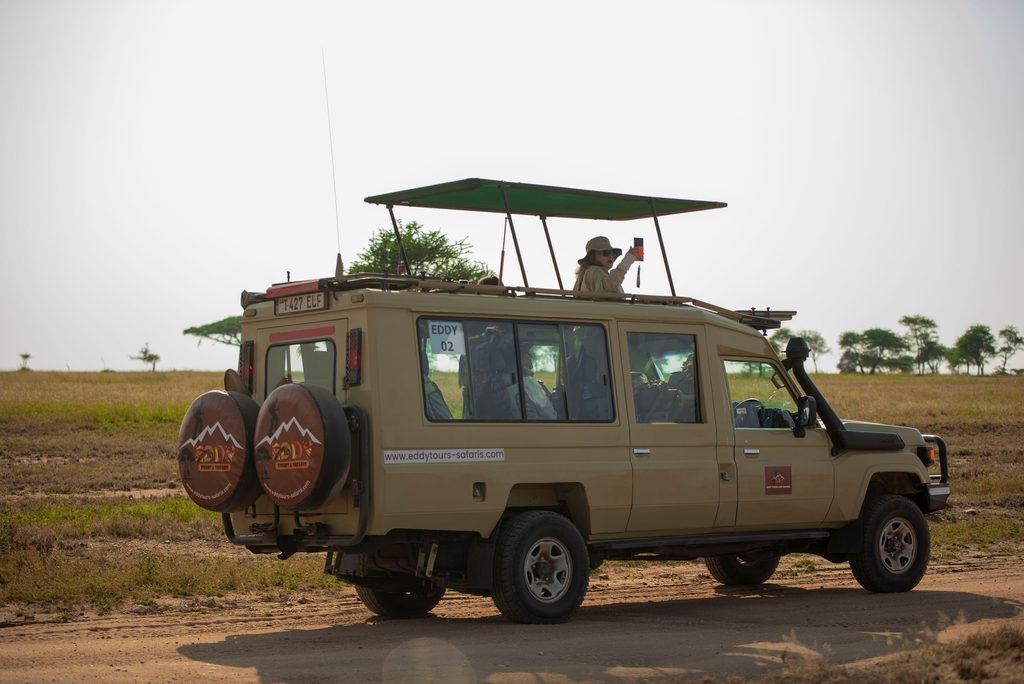
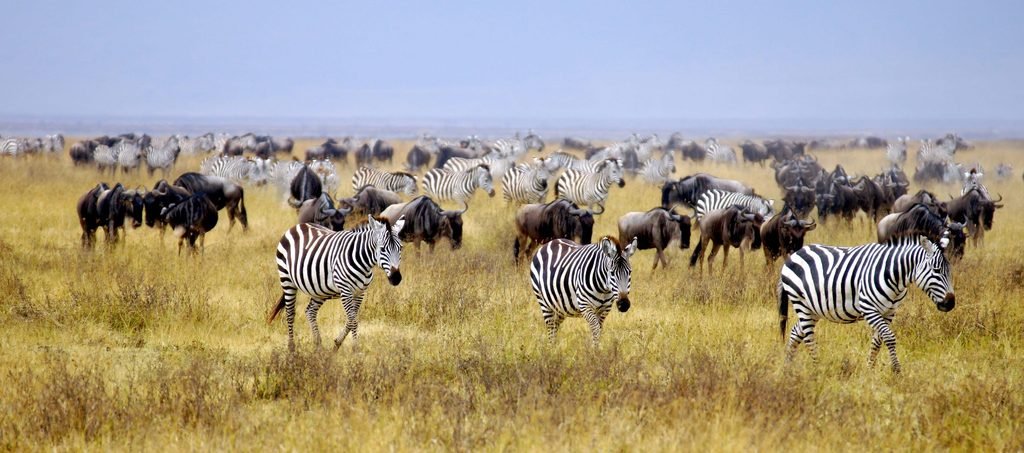
The Serengeti National Park is one of Tanzania’s best-known wildlife destinations and an important part of many family safari itineraries. Its open grasslands, scattered acacia trees, and extensive wildlife populations make it a fascinating place for visitors of different ages. Families travelling through the park may encounter lions resting beneath trees, elephants moving across the plains, giraffes feeding, and large groups of zebras and wildebeest grazing together.
The Serengeti is particularly famous for the Great Wildebeest Migration, during which large numbers of wildebeest, zebras, and other grazing animals move through the wider Serengeti-Mara ecosystem in search of suitable grazing and water. Families planning to visit in 2027 can arrange their safari according to the areas where wildlife movements are generally expected during different seasons. However, migration movements depend on rainfall and grazing conditions, so sightings cannot be guaranteed for particular dates.
Families travelling with children may prefer spending two or three nights in the Serengeti rather than rushing through the park in a single day. Staying longer allows time for relaxed morning and afternoon game drives, comfortable meals, and breaks at the accommodation. A private safari also makes it easier to adjust daily activities when children become tired or need more time to rest.
3. Ngorongoro Crater Makes Wildlife Viewing Easier for Families
Ngorongoro Crater is another excellent destination for a family safari in Tanzania. Located within the Ngorongoro Conservation Area, the crater contains grasslands, woodland, wetlands, and a permanent lake, supporting a wide variety of wildlife. Its relatively compact wildlife-viewing area gives families an opportunity to see several animal species during a single game drive without having to travel across the much larger distances found in the Serengeti.
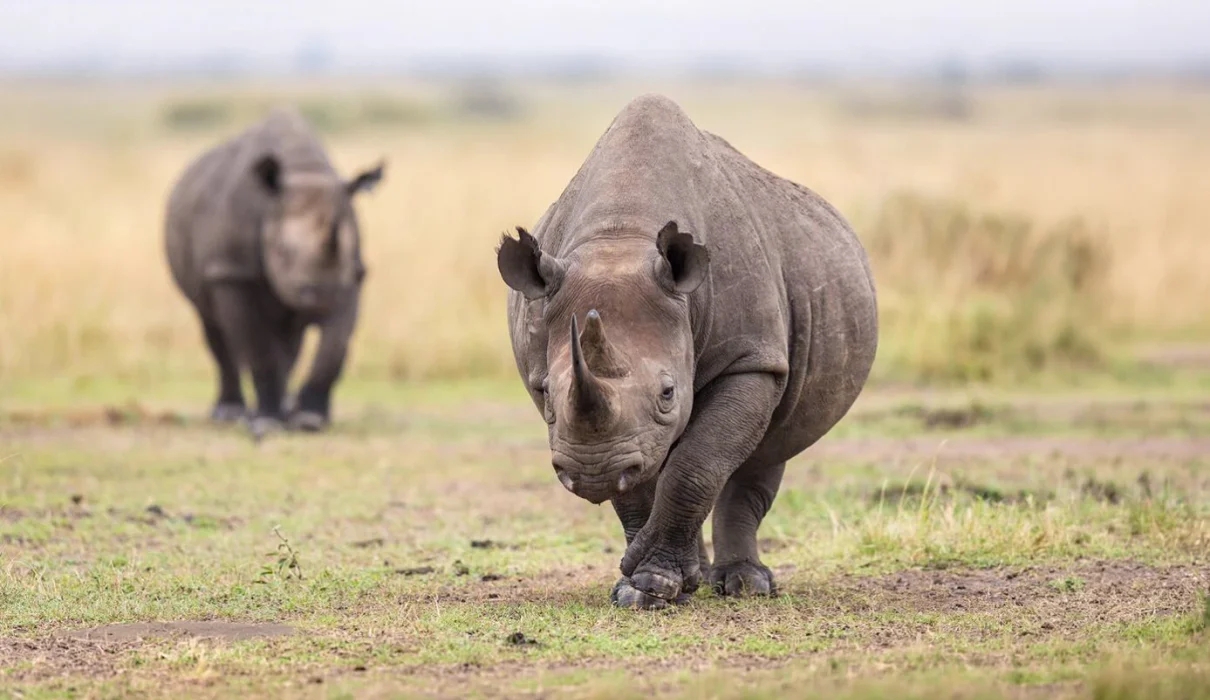
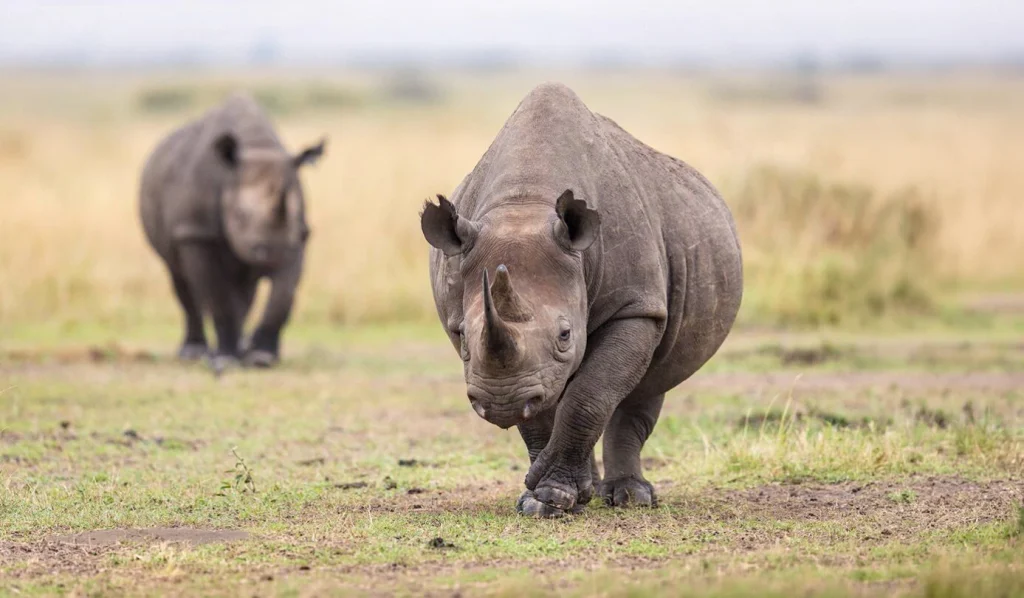
During a crater safari, visitors may see buffaloes, zebras, wildebeest, hippos, elephants, and lions. The crater is also one of the places in Tanzania where visitors may have an opportunity to spot the endangered black rhinoceros, although sightings depend on the animals’ movements and conditions on the day. Children often enjoy seeing different animals within a relatively short period, while parents appreciate the variety of wildlife and scenery.
Families can stay in Karatu or at suitable accommodation around the Ngorongoro highlands before visiting the crater. This makes it possible to enjoy a comfortable overnight stay and begin the following day’s game drive without unnecessary rushing. For travellers arranging a Tanzania safari with Eddy Tours & Safaris, Ngorongoro can be combined with Tarangire and the Serengeti to create a well-balanced northern Tanzania itinerary.
4. Tarangire National Park Is Wonderful for Children Who Love Elephants
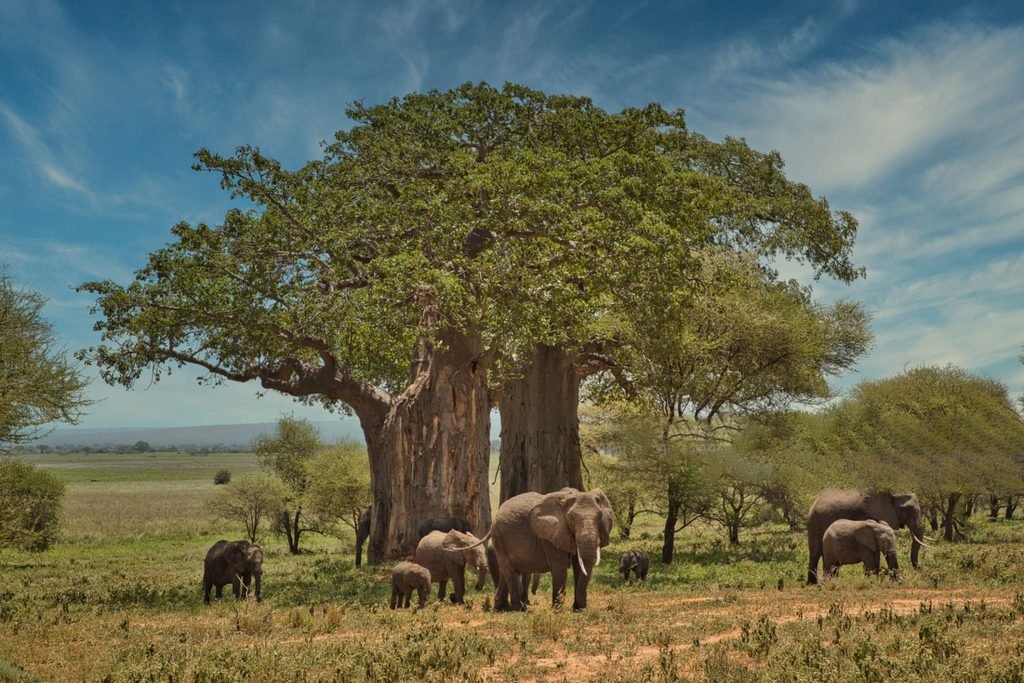
Tarangire National Park is especially suitable for families interested in elephants and beautiful natural landscapes. The park is known for its large elephant populations, impressive baobab trees, and the Tarangire River, which provides an important source of water for wildlife during the dry season. The combination of open areas, woodland, and riverine habitats creates opportunities to observe many different animals throughout the year.
Children often enjoy watching elephants because of their social behaviour. Families may observe young calves walking beside adults, elephants drinking at water sources, or herds moving slowly through the vegetation. These sightings can lead to interesting conversations about animal families, communication, and how elephants survive in the wild. Tarangire also supports giraffes, zebras, antelopes, buffaloes, lions, and numerous bird species.
Another advantage of Tarangire is its location within the northern safari circuit. It can be visited early in a safari itinerary from Arusha, making it a practical starting point for families who want to begin wildlife viewing without immediately travelling to the more distant Serengeti. A well-planned visit allows children to become familiar with safari vehicles, park rules, and the general rhythm of game drives before continuing to other destinations.
5. Family Safaris Can Be Arranged Around Children’s Ages
Not every family travels in the same way, and one of Tanzania’s advantages is the flexibility available when arranging a private safari. Families with younger children may need shorter game drives, more frequent breaks, and accommodation with suitable family rooms. Those travelling with teenagers may prefer longer wildlife-viewing activities, photography opportunities, and additional experiences such as cultural visits or nature activities where age restrictions permit.
For children under six, a slower itinerary is usually more comfortable. Parents may prefer visiting fewer parks, staying at accommodation with space to relax, and avoiding long driving days. Children between seven and twelve often enjoy wildlife identification, learning about animal tracks, and listening to stories about the animals they encounter. Teenagers may become interested in wildlife photography, conservation discussions, and understanding the different ecosystems they visit.
Families should also consider that some safari lodges and activities have minimum age requirements. Walking safaris, certain adventure activities, and some accommodation facilities may not accept very young children. When arranging a trip with Eddy Tours & Safaris, parents should provide the ages of all children so the itinerary, accommodation, and activities can be selected appropriately.
6. Tanzania Has Accommodation Options for Different Family Budgets
Accommodation plays an important role in making a family safari comfortable. After several hours of wildlife viewing, children and adults need a place where they can relax, enjoy a proper meal, and prepare for the following day’s activities. Tanzania offers a wide range of safari accommodation, from comfortable mid-range lodges to luxury properties and tented camps located close to wildlife areas.
Families travelling with younger children may prefer lodges that offer interconnected rooms, family suites, swimming pools, and flexible meal arrangements. Some properties provide larger family units that allow parents and children to stay together, while others have separate rooms within the same building. Families should confirm sleeping arrangements before booking because the meaning of a family room can differ between properties.
Tented safari camps can also provide an enjoyable experience, particularly for older children who appreciate being close to nature. However, parents should understand that wildlife may move near unfenced accommodation areas and that children must follow the property’s safety instructions. The best accommodation is not necessarily the most expensive; it is the one that offers the right balance of comfort, location, safety arrangements, and suitability for the family’s needs.
7. A Private Safari Gives Families More Freedom
For many families, a private safari is a practical choice because it allows them to travel together without following the preferences or schedule of unrelated travellers. A private vehicle and dedicated safari guide make it easier to arrange suitable departure times, adjust the length of game drives, and stop when children need a break. This flexibility becomes particularly valuable when travelling with younger children or several generations of family members.
Private safaris also allow parents to choose the pace of the holiday. One family may enjoy leaving early in the morning to look for predators, while another may prefer a later breakfast before beginning the day’s activities. Although park opening hours, driving distances, and wildlife conditions still influence the schedule, a private arrangement provides more flexibility than a fixed group departure.
Families considering a private Tanzania safari should discuss their expectations before the itinerary is prepared. Information about children’s ages, preferred accommodation standards, dietary requirements, and the number of days available can help create a programme that avoids unnecessary travel and gives everyone enough time to enjoy the experience.
8. Children Can Learn About Wildlife and Conservation
A family safari offers educational opportunities that are difficult to reproduce in a classroom. Children can observe animals in their natural surroundings and begin understanding how different species depend on their environment. A safari guide may explain why zebras and wildebeest often graze in the same areas, how predators hunt, why elephants travel in family groups, and how seasonal rainfall influences wildlife movements.
These experiences can encourage children to become more interested in geography, biology, and environmental protection. They may also begin to understand the challenges facing wildlife, including habitat loss, human-wildlife conflict, and the importance of protected areas. Parents can support this learning by encouraging children to ask questions, keep a wildlife journal, or identify animals and birds they encounter during game drives.
The educational value of a safari is especially meaningful when it is presented in a natural and enjoyable way. Children do not need a formal lesson every time they see an animal. Sometimes, simply watching a group of elephants interact or observing a bird building its nest can create enough curiosity for an interesting family conversation later in the day.
9. Families Can Combine Wildlife Safaris With Cultural Experiences
Tanzania is home to many communities with different languages, customs, and ways of life. Families who want to learn more about the country can include carefully arranged cultural experiences alongside their wildlife safari. Depending on the itinerary and location, these may involve visiting local markets, learning about traditional crafts, exploring agricultural communities, or taking part in community-led cultural activities.
The area around Mto wa Mbu, for example, offers opportunities to learn about local farming, food, and everyday community life through organised visits. Families may also arrange appropriate cultural experiences in the wider Arusha and Karatu regions. These activities can give children a better understanding of Tanzania beyond its national parks and help them appreciate the people who live near important wildlife areas.
Cultural visits should be organised respectfully, with the agreement of the communities involved. Parents can use these experiences to encourage children to ask thoughtful questions and appreciate differences in daily life without treating local communities as tourist attractions. Combining wildlife and cultural activities can make a family safari more varied, particularly for children who enjoy learning through direct experiences.
10. A Tanzania Safari Can Be Combined With a Zanzibar Beach Holiday
One of the most appealing features of travelling to Tanzania is the possibility of combining a wildlife safari with a beach holiday. After several days of game drives, families can travel to Zanzibar to enjoy the Indian Ocean, sandy beaches, and a slower pace of activities. This combination works particularly well for families who want both adventure and relaxation during the same trip.
Zanzibar offers a variety of accommodation, including family-friendly beach resorts, smaller hotels, and private villas. Depending on the ages of the children, families may enjoy swimming, supervised water activities, boat excursions, or visiting Stone Town to learn about the island’s history. Some beaches are affected significantly by tides, so choosing the right location is important for families who want easy access to swimming.
A holiday combining a Tanzania safari and Zanzibar can be arranged over approximately ten to fourteen days, depending on the number of parks and beach nights included. Families with limited time may choose a shorter safari followed by several nights on the coast, while those with longer holidays can spend more time exploring the Serengeti and Ngorongoro before travelling to the island.
11. Older Children Can Explore Mount Kilimanjaro and Its Surroundings
Mount Kilimanjaro is another attraction that makes Tanzania an interesting destination for families. Although climbing to the summit is a demanding high-altitude undertaking and is not suitable for every child, the surrounding region offers opportunities for families to enjoy mountain scenery, cultural visits, and other activities without attempting a full summit expedition.
Families with older teenagers who are interested in mountain climbing can explore trekking options after considering age requirements, physical fitness, altitude risks, and medical advice. A full Kilimanjaro climb requires careful preparation and should never be treated as an ordinary family hike. Parents should also understand that reaching high altitude can affect both adults and younger climbers, regardless of their general fitness.
For information about trekking routes, mountain preparation, and climbing arrangements, families can explore Kilimanjaro Climb Specialist. Those who prefer a less demanding holiday can spend time around Moshi and the lower slopes of Kilimanjaro before or after their safari. This provides an opportunity to appreciate the mountain’s scenery without committing to a multi-day high-altitude climb.
12. What Is the Best Time for a Family Safari in Tanzania in 2027?
Tanzania offers wildlife viewing throughout the year, although weather conditions, animal movements, and visitor numbers vary between seasons. The most suitable travel period depends on the family’s priorities, school holiday dates, preferred destinations, and budget. Parents should also consider whether they are comfortable travelling during the rainy season or would prefer generally drier conditions.
June to October: The Dry Season
June through October is a popular period for family safaris because conditions are generally drier across much of northern Tanzania. Vegetation becomes less dense in many areas, and wildlife often gathers near permanent water sources. Tarangire can be particularly rewarding during this period, while the Serengeti and Ngorongoro continue to provide excellent wildlife-viewing opportunities. The main consideration is that popular destinations and accommodation can become busy, especially during school holidays.
November to December: The Short Rains
November and December often bring short seasonal rains, although the timing and intensity vary. Landscapes begin turning greener, and visitors may enjoy attractive scenery and birdwatching opportunities. Families travelling during this period should allow some flexibility because rainfall can affect road conditions and daily activities. It is also important to book early for Christmas and New Year holidays, when demand for family accommodation can increase.
January to March: Green Landscapes and Wildlife Activity
January through March can be a rewarding period for families interested in green scenery and wildlife activity in the southern Serengeti and Ndutu region. The wildebeest calving season generally takes place around January to March, with February often an important month, depending on rainfall and animal movements. This period can provide opportunities to observe young animals and predator activity, although specific sightings are never guaranteed.
April to May: The Main Rainy Season
April and May are generally associated with the longer rainy season in northern Tanzania. Some roads can become difficult, and certain camps may close temporarily. However, families who do not mind occasional heavy rain may appreciate the greener landscapes and quieter atmosphere. Accommodation availability, access conditions, and suitable routes should be checked carefully before arranging a safari during these months.
13. How Many Days Does a Family Need for a Tanzania Safari?
The ideal length of a family safari depends on children’s ages, the number of destinations included, and how much time the family wants to spend travelling. Although Tanzania offers many attractions, trying to visit too many parks within a short holiday can make the experience tiring. Families generally benefit from spending enough time in each destination rather than moving to a different lodge every night.
A four- or five-day safari can work well for families with limited holiday time, particularly when focusing on Tarangire, Lake Manyara, and Ngorongoro. Families with six or seven days can consider adding the Serengeti while allowing sufficient time for wildlife viewing and transfers. Those planning a longer holiday of ten days or more may include additional safari nights or a Zanzibar beach extension.
For a first family safari in Tanzania, seven to ten days is often a comfortable starting point, depending on the itinerary. It allows time to explore several destinations without making every day feel rushed. Families should also account for international arrival times, possible jet lag, and the need for rest before beginning longer road transfers.
14. Is Tanzania Safe for a Family Safari?
Safety is one of the most important considerations for parents planning a holiday with children. Tanzania has an established safari tourism industry, with professional guides, accommodation providers, and organised tourism services operating in its major wildlife destinations. However, travelling in wildlife areas requires sensible precautions, and parents should never assume that wild animals are harmless simply because they are accustomed to safari vehicles.
During game drives, children should remain inside the vehicle unless the guide confirms that it is safe to leave at an authorised stopping point. Families should never approach, feed, or attempt to touch wild animals. At lodges and tented camps, parents should follow staff instructions, particularly after dark or in properties where wildlife can move freely through the grounds. Young children should always be supervised near swimming pools and other potential hazards.
Health preparations are equally important. Parents should consult a qualified travel-health professional about malaria prevention, recommended vaccinations, and suitable medicines for children. Comprehensive travel insurance, including appropriate medical evacuation cover, is strongly recommended. Families should also check current official travel advice before departure, as entry rules, health requirements, and local conditions may change before 2027.
15. What Should Families Pack for a Tanzania Safari?
Packing for a family safari requires a balance between comfort and practicality. Clothing should be suitable for warm afternoons, cooler mornings, and occasional changes in weather. Lightweight shirts, comfortable trousers, closed shoes, hats, and warm layers are useful for most northern Tanzania itineraries. Neutral clothing colours are generally practical for game drives, although families do not need to purchase an entirely new wardrobe for the trip.
Parents should bring sunscreen, insect repellent appropriate for each child’s age, personal medication, reusable water bottles, and basic first-aid supplies. Binoculars and a simple wildlife identification book can make game drives more enjoyable for children. A camera or notebook may also help older children record their favourite sightings and remember the places they visit.
Families travelling with very young children should discuss car seats, suitable meals, and other essential equipment with their safari operator before arrival. It is better to confirm what can be provided locally rather than assume every lodge or safari vehicle will have the same facilities. A well-prepared packing list helps reduce unnecessary stress and allows families to focus on enjoying their holiday.
16. How Much Does a Family Safari in Tanzania Cost in 2027?
The cost of a Tanzania family safari depends on the number of travellers, children’s ages, accommodation standards, travel dates, destinations, and duration. A family travelling during the busiest months and staying in luxury lodges will generally spend more than one choosing comfortable mid-range accommodation during a quieter period. Park fees, transportation, accommodation, meals, and guiding services all contribute to the overall price.
Private safaris can offer good value for families because several travellers share the cost of the safari vehicle and guide. However, the total price will still depend on the family’s accommodation arrangements and the number of park days included. Some properties offer reduced rates for children sharing with adults, while national park fees may vary according to age, residency, and the applicable tariff.
Families planning a 2027 safari should request a detailed quotation rather than rely on general online price estimates. Official park fees and accommodation rates can change, so a quotation should clearly explain what is included and whether any additional payments will be required. Contact Eddy Tours & Safaris to discuss a family itinerary based on your preferred travel dates, number of adults and children, and accommodation budget.
17. A Suggested Seven-Day Tanzania Family Safari Itinerary
For families visiting Tanzania for the first time, a seven-day northern circuit safari can provide a good balance of wildlife viewing, comfortable accommodation, and manageable activities. The following outline is an example rather than a fixed package, and it can be adjusted according to children’s ages, arrival schedules, and preferred accommodation.
Day 1 – Arrival in Arusha: Arrive at Kilimanjaro International Airport or Arusha Airport and transfer to your accommodation. Spend the remaining time resting, enjoying the hotel facilities, and preparing for the safari.
Day 2 – Tarangire National Park: Travel to Tarangire for a game drive focused on elephants, giraffes, zebras, and other wildlife. Continue to your selected lodge for dinner and an overnight stay.
Day 3 – Lake Manyara National Park: Explore Lake Manyara’s forest, open areas, and lakeside habitats before travelling to Karatu for an overnight stay. The schedule can be adjusted to allow additional rest time for younger children.
Day 4 – Ngorongoro Crater: Begin the day with a drive into Ngorongoro Crater for wildlife viewing. Enjoy a picnic lunch at an authorised location before returning to suitable accommodation in the Ngorongoro highlands or continuing according to the planned route.
Day 5 – Travel to Serengeti National Park: Continue towards the Serengeti, enjoying the changing landscapes along the way. Depending on travel conditions and arrival time, enjoy an afternoon game drive before settling into your safari accommodation.
Day 6 – Full-Day Serengeti Safari: Spend the day exploring the Serengeti with your private guide. Game drives can be arranged around the family’s preferences, with appropriate breaks for meals and rest.
Day 7 – Departure or Safari Extension: Complete the final transfer according to the chosen route and departure arrangements. Families should allow enough time for road travel or consider a domestic flight where suitable. Those with additional holiday days can continue to Zanzibar for a beach stay.
This itinerary can be shortened, extended, or rearranged to suit different family requirements. For families with younger children, additional nights in selected locations may be preferable to frequent transfers.
18. Why Choose Eddy Tours & Safaris for Your Family Holiday?
Choosing a safari operator is an important part of planning a family holiday because the quality of the itinerary, guiding arrangements, and accommodation choices can affect the entire experience. Families need clear information about travel distances, daily activities, available facilities, and the suitability of different destinations for children. Working with a local safari company provides an opportunity to discuss these details directly before making a booking.
Based in Arusha, Tanzania, Eddy Tours & Safaris helps travellers plan safari experiences in Tanzania’s major wildlife destinations. Families can discuss private safari arrangements, preferred accommodation standards, travel dates, and possible combinations with Zanzibar or other attractions. Providing this information early makes it easier to prepare a programme that reflects the needs of both parents and children.
For families planning their first visit, the most useful approach is to explain what matters most. Some travellers prioritise wildlife sightings, others want comfortable lodges and shorter driving days, while some prefer combining several destinations in one holiday. A carefully discussed itinerary helps ensure that the family understands what to expect before arriving in Tanzania.
Frequently Asked Questions About Tanzania Family Safaris in 2027
Is Tanzania suitable for families with young children?
Yes, Tanzania can be suitable for families with young children when the safari is planned around their needs. Parents should choose appropriate accommodation, avoid excessively long game drives, and confirm age restrictions for any proposed activities. A private safari is often a practical option because it allows more flexibility for rest and meal breaks.
What is the best age for children to go on safari?
There is no single perfect age because children have different interests and levels of patience. Many school-age children enjoy wildlife viewing and can comfortably participate in game drives when suitable breaks are included. Younger children can also travel on safari, but parents should consider the length of drives, accommodation policies, and the child’s ability to follow safety instructions.
Can children see the Big Five in Tanzania?
Tanzania provides opportunities to see lions, elephants, buffaloes, leopards, and rhinoceroses, collectively known as the Big Five. However, seeing all five during one safari is never guaranteed. Some species, particularly leopards and black rhinoceroses, can be difficult to locate, and sightings depend on wildlife movements and conditions.
Is a private safari better than a group safari for families?
A private safari is often more convenient for families because they can travel together and have greater flexibility over daily schedules. Group safaris may be more affordable in some circumstances, but they usually follow a shared programme. Families should compare the arrangements carefully before choosing.
Can we combine a family safari with Zanzibar?
Yes, combining a northern Tanzania safari with Zanzibar is a popular holiday option. Families can spend several days visiting wildlife parks before travelling to the coast for swimming, relaxation, and suitable excursions. The number of beach nights can be adjusted according to the total holiday duration.
How early should we book a family safari for 2027?
Families travelling during school holidays or popular safari months should consider planning several months in advance, particularly when they need family suites, interconnected rooms, or accommodation for larger groups. Booking early provides a wider choice of suitable properties, although exact availability depends on the travel dates.
Plan Your Tanzania Family Safari for 2027
A family safari in Tanzania offers much more than a chance to see wild animals. It gives parents and children an opportunity to travel together, learn about nature, experience different landscapes, and spend time away from their usual routines. From the elephant herds of Tarangire and the wildlife-rich Ngorongoro Crater to the open plains of the Serengeti, each destination brings something different to a family holiday.
The most successful family safaris are not necessarily those that visit the greatest number of parks. They are the ones that provide enough time for everyone to enjoy the experience comfortably, with suitable accommodation, realistic driving schedules, and activities that match the children’s ages and interests.
If you are considering a Tanzania family safari in 2027, Eddy Tours & Safaris can help you explore suitable travel options and prepare a personalised itinerary. Visit the contact page to share your preferred dates, number of travellers, children’s ages, and holiday expectations, and begin planning a family safari that works for everyone.