

Tanzania is one of Africa’s finest destinations for wildlife safaris, offering visitors the opportunity to see wild animals in their natural surroundings across some of the continent’s most remarkable national parks. From the open grasslands of the Serengeti to the wildlife-filled Ngorongoro Crater and the elephant country of Tarangire, Tanzania provides a wide range of safari experiences for travellers interested in nature, photography, conservation and African wildlife. Whether you are planning your first African safari or returning to explore a different part of the country, Tanzania has something worth discovering throughout the year.
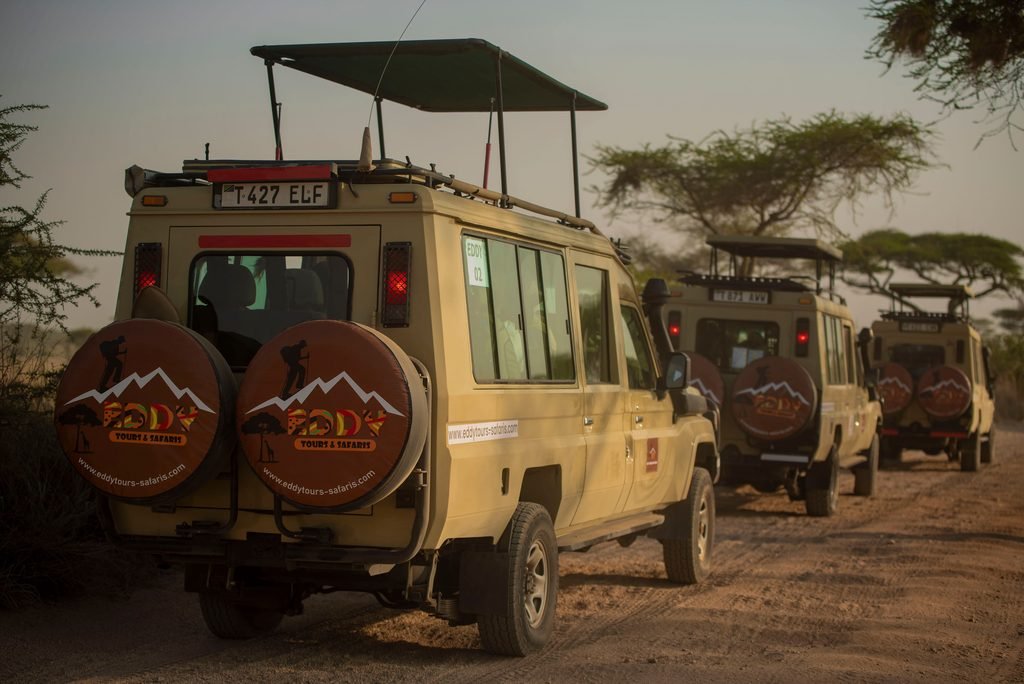
A Tanzania safari is about much more than seeing animals from a vehicle. It is an opportunity to understand how wildlife survives in different environments, observe the relationship between predators and their prey, and experience the changing landscapes of East Africa. Travellers can spend their mornings watching lions resting in the grass, follow elephant families moving between feeding areas, or witness thousands of wildebeest crossing the plains in search of fresh grazing. With Eddy Tours & Safaris, visitors can explore Tanzania’s wildlife destinations through carefully planned safaris that consider their interests, travel dates, accommodation preferences and available budget.
Why Tanzania Is One of Africa’s Best Safari Destinations
Tanzania has earned its reputation as a leading African safari destination because of its extensive protected areas, remarkable wildlife diversity and variety of natural habitats. The country is home to national parks, conservation areas and wildlife reserves that protect animals ranging from large mammals to rare birds and smaller species. These protected landscapes include grasslands, woodlands, forests, wetlands, mountains and river systems, creating suitable habitats for many different animals. The combination of these environments means visitors can experience several types of wildlife viewing during a single safari.
One of Tanzania’s greatest attractions is the opportunity to see animals behaving naturally in large protected landscapes. Unlike wildlife attractions where animals are kept in enclosed facilities, Tanzania’s major safari parks allow visitors to observe wildlife moving through natural habitats. Lions hunt on the plains, elephants travel between feeding grounds, giraffes browse from tall trees, and large herds of wildebeest and zebras move according to seasonal rainfall and available grass. Every game drive is different because wildlife movements are influenced by weather, habitat conditions, food availability and animal behaviour.
Another advantage is the variety of safari experiences available. Visitors can choose budget camping safaris, comfortable lodge safaris, private wildlife tours, luxury tented camps and specialised photography trips. Tanzania also offers opportunities to combine wildlife viewing with cultural experiences, mountain climbing and beach holidays. Travellers interested in exploring more than one destination can plan a longer holiday that includes the Serengeti, Ngorongoro, Tarangire and the beautiful beaches of Zanzibar.
Best National Parks to Visit on a Tanzania Wildlife Safari
Serengeti National Park – Home of the Great Migration
Serengeti National Park is one of the most recognised wildlife destinations in the world and an important part of Tanzania’s northern safari circuit. Its extensive plains, scattered acacia trees, rocky outcrops and seasonal rivers provide habitats for a remarkable range of animals. The Serengeti is particularly well known for its large populations of lions, leopards, cheetahs, elephants, giraffes, buffaloes, wildebeest and zebras. Its open landscapes make it especially suitable for game drives and wildlife photography, although animal sightings depend on the season and conditions.
The Great Wildebeest Migration is one of the main reasons travellers visit the Serengeti. Every year, enormous herds of wildebeest, accompanied by zebras and other grazing animals, move through the Serengeti-Mara ecosystem in response to rainfall and changing pasture conditions. During the migration, visitors may witness large gatherings of animals, newborn calves, predator activity and dramatic river crossings. However, the migration does not follow a fixed calendar, and the location of the herds varies from year to year. Travellers hoping to see a particular stage of the migration should choose their travel dates and accommodation locations carefully.
The Serengeti is also an excellent destination outside the main migration viewing periods. Resident wildlife remains throughout the year, and visitors can enjoy opportunities to observe big cats, elephants, antelopes, hyenas and numerous bird species. Spending several days in the park allows more time to explore different areas rather than rushing between destinations. Travellers planning a longer safari can combine the Serengeti with the Ngorongoro Conservation Area and Tarangire National Park through a customised itinerary arranged by Eddy Tours & Safaris.
Ngorongoro Crater – A Remarkable Wildlife Sanctuary
The Ngorongoro Crater is one of Tanzania’s most impressive natural attractions and an important wildlife destination within the Ngorongoro Conservation Area. Formed by the collapse of an ancient volcano, the crater contains grasslands, woodland, wetlands and a soda lake that support a wide variety of wildlife. Its enclosed landscape and relatively concentrated animal populations make it a popular destination for visitors who want to see several species during a single game drive.
Wildlife commonly encountered inside the crater includes lions, buffaloes, zebras, wildebeest, hippos, hyenas and different antelope species. The crater is also one of the places in Tanzania where visitors have a chance of seeing the endangered black rhinoceros, although sightings are never guaranteed. Elephants, particularly mature males, can also be found in the crater, while its wetlands and lake areas attract numerous birds. The scenery itself is an important part of the experience, with steep crater walls surrounding the grasslands and forests below.
A typical Ngorongoro safari includes a descent from the crater rim to the floor, where visitors explore designated game-drive routes with a professional guide. The combination of wildlife, scenery and relatively short driving distances makes the crater suitable for travellers with limited time. However, Ngorongoro is a popular destination, so visitors should expect other safari vehicles around well-known wildlife sightings, particularly during busy travel seasons.
Tarangire National Park – Elephants and Ancient Baobab Trees
Tarangire National Park is famous for its elephant populations, impressive baobab trees and beautiful woodland landscapes. Located southwest of Arusha, the park is an excellent destination for visitors who enjoy watching elephants and exploring a different environment from the open plains of the Serengeti. The Tarangire River plays an important role in the park’s ecosystem, particularly during the dry season when animals gather around permanent and seasonal water sources.
During the dry months, large numbers of elephants, zebras, wildebeest, giraffes and other herbivores can be seen in different parts of the park. Lions and leopards also inhabit Tarangire, although sightings depend on their movements and the conditions during a particular game drive. The park’s baobab trees provide distinctive scenery and are especially attractive to photographers interested in capturing wildlife within its natural landscape.
Tarangire is often included in northern Tanzania safari itineraries because it is accessible from Arusha and combines well with Lake Manyara, Ngorongoro and the Serengeti. A full-day game drive allows visitors to explore the park’s different habitats, while an overnight stay provides more time for wildlife observation. Travellers who are particularly interested in elephants may benefit from spending additional time in Tarangire during the dry season.
Lake Manyara National Park – Forests, Birdlife and Rift Valley Scenery
Lake Manyara National Park offers a different safari environment from the Serengeti and Tarangire. Situated beneath the Great Rift Valley escarpment, the park contains groundwater forests, open grasslands, wetlands and lake habitats. This variety of environments supports elephants, giraffes, buffaloes, hippos, baboons, monkeys and numerous bird species, making the park attractive to visitors interested in both mammals and birdwatching.
Lake Manyara is particularly associated with its tree-climbing lions, although these animals are not always easy to locate. Visitors may also encounter large troops of baboons along the forest roads and elephants feeding among the trees. The lake and surrounding wetlands attract waterbirds, including flamingos when environmental conditions are suitable. Birdlife changes throughout the year according to water levels, rainfall and seasonal movements.
The park is frequently included in shorter northern Tanzania safari itineraries and can be visited while travelling between Arusha and the Ngorongoro highlands. Its relatively compact size makes it suitable for a half-day or full-day visit, although the time available for wildlife viewing should be considered when preparing an itinerary.
Nyerere National Park – Explore Southern Tanzania’s Wilderness
Nyerere National Park is one of the major wildlife destinations in southern Tanzania and offers a different experience from the more frequently visited northern safari circuit. The park is known for its extensive wilderness, river systems, woodlands and diverse wildlife populations. Visitors can encounter elephants, giraffes, buffaloes, hippos, crocodiles, lions and a variety of antelope species. African wild dogs are another important attraction, although sightings depend on their movements and the areas being explored.
One of the distinctive experiences associated with Nyerere is the opportunity to enjoy boat safaris in authorised areas of the Rufiji River system. Boat excursions allow visitors to observe hippos, crocodiles, waterbirds and wildlife approaching the riverbanks from a different perspective. Guided walking safaris may also be available through authorised operators and under the appropriate park regulations.
Nyerere is particularly attractive to travellers who prefer a quieter safari experience and want to explore areas beyond Tanzania’s northern circuit. Because of the park’s size and the distances involved, visitors should allow sufficient time to explore the area rather than treating it as a brief stop.
The Big Five Animals You Can See in Tanzania
One of the main attractions of an African safari is the possibility of seeing the Big Five: lion, leopard, elephant, buffalo and rhinoceros. The term originally came from big-game hunting, but today it is widely used in wildlife tourism to describe five of Africa’s most recognised large mammals. Tanzania provides opportunities to encounter all five species, although their distribution varies between protected areas and sightings cannot be guaranteed.
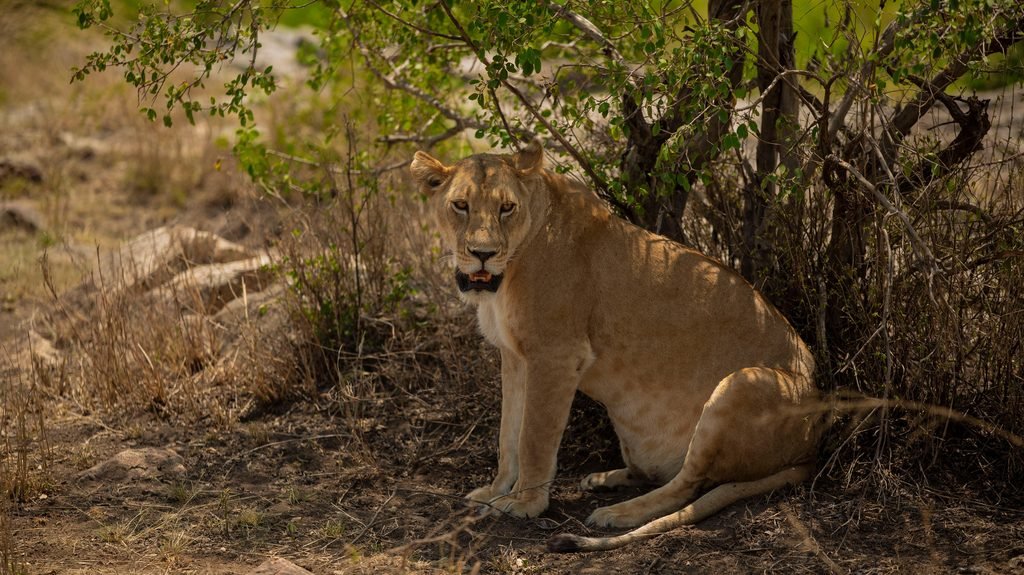
Lions are among the most sought-after animals on safari, and Tanzania’s Serengeti and Ngorongoro are particularly well known for lion sightings. Visitors may observe lions resting beneath trees, moving through grasslands or interacting with members of their prides. Leopards are more difficult to find because they are generally solitary and often spend time hidden in vegetation or resting in trees. Experienced safari guides can help visitors recognise signs of leopard activity and identify suitable habitats.
African elephants are widely distributed across several Tanzanian national parks, with Tarangire being particularly well known for its large herds. Buffaloes are also common in many wildlife areas and can be observed grazing in groups or resting near water sources. Rhinoceroses are considerably more difficult to see, and visitors interested in this species often include Ngorongoro Crater in their itinerary. Travellers should remember that wildlife encounters depend on natural animal movements, and no responsible safari operator can promise sightings of every species.
Other Amazing Animals to See on a Tanzania Safari
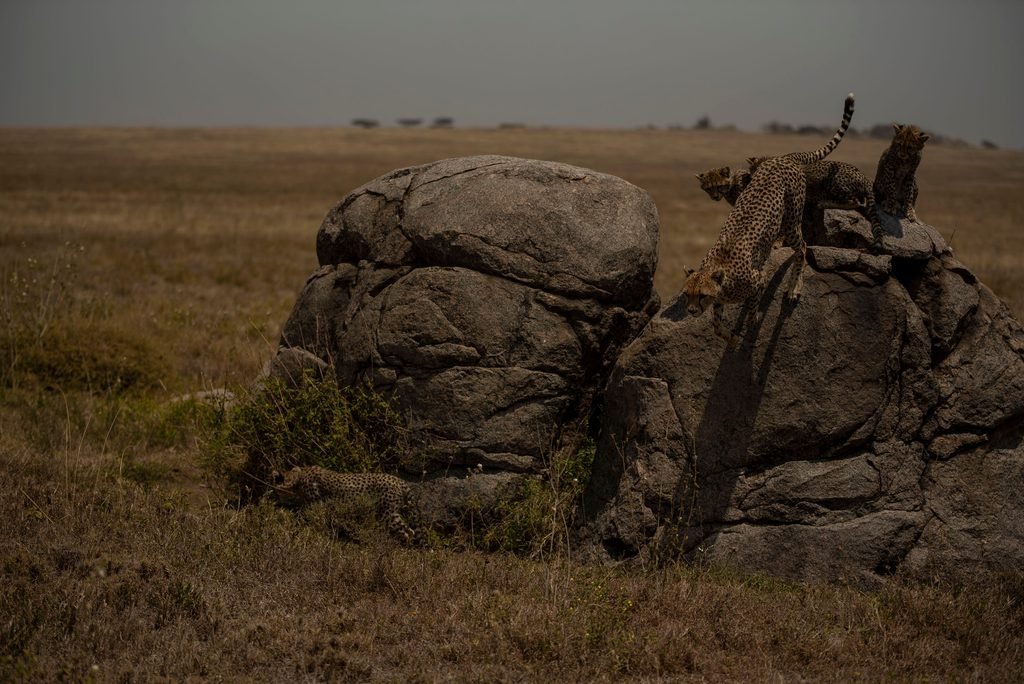
Although the Big Five receive much of the attention, Tanzania is home to many other animals that are equally interesting to observe. Cheetahs are particularly attractive to wildlife photographers because of their speed, hunting behaviour and preference for relatively open habitats. The Serengeti offers opportunities to see these predators scanning the grasslands or resting on elevated ground while searching for prey.
Giraffes are another familiar sight across Tanzania’s savannah and woodland habitats. Their height allows them to feed on leaves that are difficult for many other herbivores to reach, while their slow movements and distinctive appearance make them popular with visitors. Zebras, wildebeest, impalas, gazelles, hartebeest and other antelopes contribute to the diversity of the landscape and play important roles in the food chain.
Hippos and crocodiles can be observed in suitable rivers, pools and wetlands, while hyenas, jackals and other carnivores are important members of Tanzania’s ecosystems. Birdwatchers can also enjoy a remarkable variety of species, including ostriches, secretary birds, hornbills, eagles, vultures, kingfishers and flamingos. A good safari guide can explain the behaviour and ecological importance of these animals, helping visitors appreciate species that might otherwise receive little attention.
Experience the Great Wildebeest Migration in Tanzania
The Great Wildebeest Migration is one of the most remarkable natural wildlife movements in the world. It involves large herds travelling through the Serengeti-Mara ecosystem in search of suitable grazing and water. The movement is closely connected to seasonal rainfall, which influences grass growth and the availability of resources. While the migration is often described as an annual circular journey, the actual routes and timing can vary considerably depending on weather conditions.
Between approximately December and March, many migrating herds are commonly found in the southern Serengeti and Ndutu region, where the short-grass plains provide important grazing areas. This period is associated with the wildebeest calving season, when large numbers of calves are born over a relatively short time. The presence of newborn animals also attracts predators, creating opportunities to observe interactions between wildebeest, lions, cheetahs and hyenas.
As conditions change, the herds generally move through the central and western parts of the Serengeti before many reach the northern Serengeti and neighbouring Maasai Mara ecosystem. River crossings are often associated with the middle and later parts of the year, but the timing is unpredictable and depends on the movements of the animals. Travellers interested in witnessing river crossings should plan for several days in the appropriate region because crossings may occur without warning or may not happen during a particular visit.
A migration safari should be planned according to the stage of the migration that interests the traveller most. Visitors who want to observe calving activity may prefer the southern Serengeti early in the year, while those interested in river crossings often consider the northern Serengeti later in the dry season. Eddy Tours & Safaris can help travellers choose suitable destinations and accommodation areas based on their intended travel period.

Best Time to Visit Tanzania for a Wildlife Safari
Tanzania offers wildlife viewing throughout the year, but the experience changes with the seasons. The dry season, generally from June to October, is often considered a particularly favourable period for traditional game drives because vegetation becomes less dense and many animals gather near reliable water sources. This can make wildlife easier to locate in parks such as Tarangire, while the Serengeti and Ngorongoro remain important safari destinations.
The wetter months offer different advantages, including greener landscapes, fewer visitors in some areas and opportunities for birdwatching. The short rains often occur around November and December, while the longer rainy period is generally associated with March through May. Rainfall patterns are not identical every year, and conditions can vary between northern, southern and western Tanzania. Some roads may become difficult during heavy rainfall, so accommodation choices and travel arrangements should be considered carefully.
Travellers who prefer wildlife photography may appreciate the greener landscapes and dramatic skies during the wetter periods, while those seeking easier game viewing may prefer the dry months. Visitors planning a Great Migration safari should focus more on the expected location of the herds than on general descriptions of the best safari season. Information from Tanzania National Parks Authority can also help travellers understand the country’s protected areas and available visitor activities.
Types of Tanzania Safaris Available
Budget Camping Safaris
Budget camping safaris are suitable for travellers who want to experience Tanzania’s wildlife destinations while keeping accommodation expenses relatively low. These trips generally use designated public campsites and involve travelling in a shared or private safari vehicle, depending on the arrangement. Camping provides an opportunity to spend nights close to nature while still enjoying guided wildlife activities. Travellers should check whether camping equipment, meals, park fees and other essential services are included before confirming a booking.
Mid-Range Lodge Safaris
Mid-range lodge safaris combine wildlife viewing with comfortable accommodation in lodges or tented camps. These properties generally provide private rooms or tents, beds, bathroom facilities and prepared meals, although the exact facilities vary by property. Mid-range safaris are popular with couples, families and small groups who want a comfortable experience without the higher costs associated with premium luxury accommodation.
Luxury Tanzania Safaris
Luxury safaris are designed for travellers seeking higher-end accommodation, personalised services and carefully selected locations. Depending on the itinerary, guests may stay in luxury tented camps, boutique lodges or exclusive safari properties. Some luxury trips include domestic flights between destinations, reducing long road transfers and allowing more time for wildlife viewing. Travellers should compare the actual services, accommodation standards and safari activities rather than assuming that a higher price automatically guarantees better wildlife sightings.
Private and Family Safaris
Private safaris allow travellers to explore Tanzania with their own vehicle and guide, offering greater flexibility in the daily schedule. Families can arrange suitable driving times, accommodation and activities according to the ages and interests of their children. Private safaris are also popular with photographers, honeymooners and groups of friends who want to spend more time at particular wildlife sightings or travel at a comfortable pace.
How Many Days Do You Need for a Tanzania Safari?
The ideal safari duration depends on the destinations you want to visit, the time available and your travel budget. A two- or three-day safari can provide a rewarding introduction to Tanzania’s wildlife, particularly when visiting parks such as Tarangire and Ngorongoro. These shorter trips are suitable for travellers who are already in Arusha or who want to add a wildlife experience to a longer holiday.
A four- to six-day safari allows visitors to combine several northern circuit destinations, potentially including Tarangire, Ngorongoro and the Serengeti. However, driving distances should be considered carefully because travelling between parks can take several hours. A longer safari provides more opportunities for game drives and reduces the need to rush through each destination.
Seven to ten days is a good option for travellers who want to explore the northern safari circuit in greater depth. This duration allows time for multiple days in the Serengeti, visits to other national parks and a more relaxed travel schedule. Visitors with additional time may consider combining their wildlife safari with Mount Kilimanjaro climbing or a Zanzibar beach holiday.
What to Expect During a Tanzania Safari Game Drive
A typical Tanzania safari day often begins early in the morning when temperatures are cooler and many animals are active. After breakfast or an early departure from the lodge, guests travel through the park with their driver-guide, stopping to observe wildlife and take photographs. Morning game drives can be particularly rewarding for seeing predators before temperatures rise, although animal activity varies according to species and environmental conditions.
During the day, the guide may stop at designated picnic areas for lunch before continuing the game drive. Visitors can expect to travel through different habitats, including grasslands, woodlands and areas near rivers or waterholes. Some days may involve long periods of driving between sightings, while others may provide several wildlife encounters within a short distance. Patience is an important part of the safari experience because animals are free to move naturally and cannot be expected to appear at specific locations.
Professional safari guides play an important role in helping visitors understand the environment. They identify animals and birds, explain behaviour, discuss conservation issues and follow park regulations designed to protect wildlife and visitors. Guests should follow their guide’s instructions, remain inside the vehicle where required and avoid feeding or disturbing animals.
What to Pack for a Tanzania Wildlife Safari
Packing appropriately can make a significant difference to your comfort during a safari. Lightweight clothing in neutral colours is generally suitable for daytime game drives, while a warm jacket or fleece is useful for early mornings and evenings, particularly in higher-altitude areas such as the Ngorongoro highlands. Comfortable footwear, a hat, sunglasses and sunscreen are also useful because travellers may spend several hours outdoors or in open safari vehicles.
Visitors interested in wildlife photography should consider bringing a camera with a suitable zoom lens, spare batteries and enough memory storage. Binoculars can improve the experience of observing distant animals and birds, especially when wildlife is too far away for clear viewing with the naked eye. A small daypack is useful for carrying personal belongings, drinking water, medication and other essentials during game drives.
Travellers should also prepare their travel documents and confirm entry requirements before departure. Depending on nationality and personal circumstances, visitors may need a visa, suitable travel insurance and specific health precautions. It is advisable to consult official immigration and health information before travelling rather than relying entirely on general travel advice.
Combine Your Tanzania Safari with Mount Kilimanjaro Climbing
Tanzania offers travellers the opportunity to combine wildlife viewing with a mountain trekking adventure. Mount Kilimanjaro, located in northern Tanzania, is Africa’s highest mountain and attracts climbers from around the world. Its trekking routes pass through different ecological zones, from cultivated foothills and mountain forests to alpine landscapes and the high-altitude summit environment.
Visitors who want to experience both activities can plan a Kilimanjaro climb followed by a wildlife safari. This combination allows travellers to enjoy a demanding mountain adventure before spending several days exploring the national parks. Popular climbing routes include Machame, Lemosho, Marangu, Rongai and the Northern Circuit, each offering different walking distances, scenery, accommodation arrangements and acclimatisation schedules.
Travellers interested in climbing can find additional route information and trekking guidance through Kilimanjaro Climb Specialist. When combining a climb with a safari, it is important to allow sufficient time for acclimatisation, rest and travel between destinations. A carefully planned itinerary can help visitors enjoy both experiences without unnecessary pressure on their schedule.
Add a Zanzibar Beach Holiday After Your Safari
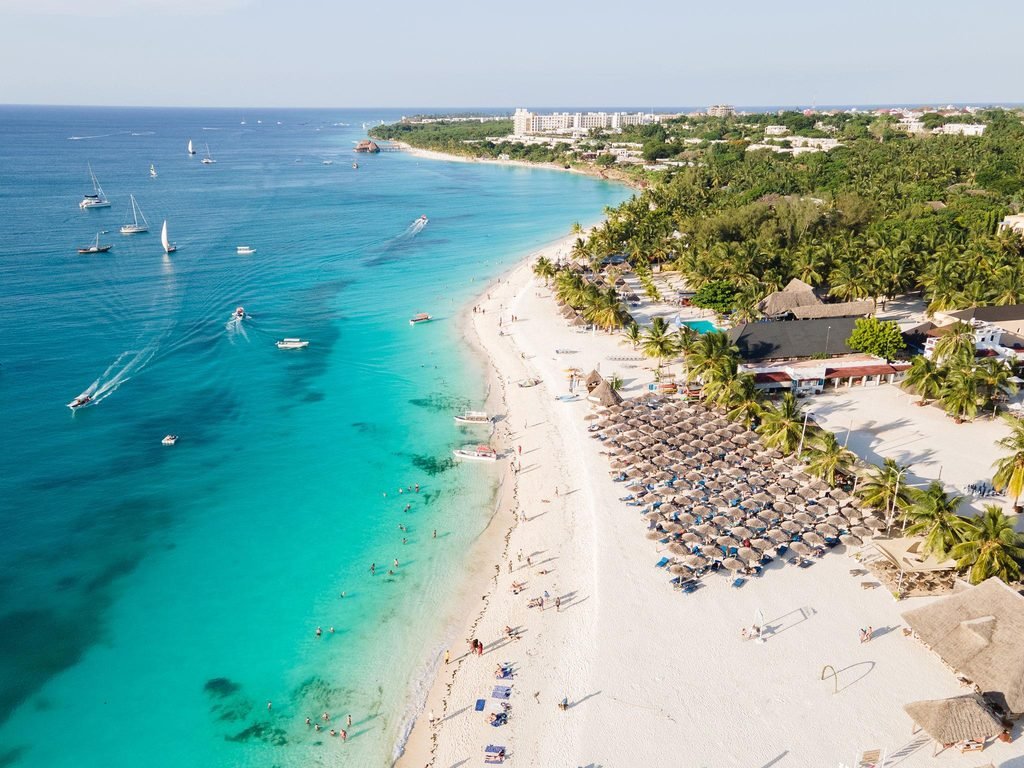
After several days exploring Tanzania’s national parks, many travellers choose to continue their holiday on the island of Zanzibar. Located off Tanzania’s Indian Ocean coast, Zanzibar is known for its sandy beaches, warm coastal climate, historical sites and Swahili cultural heritage. The island offers a different atmosphere from the safari destinations of mainland Tanzania, making it a popular choice for travellers who want to combine wildlife adventures with relaxation.
Visitors can spend time exploring Stone Town, visiting spice farms, enjoying boat excursions or relaxing at coastal resorts. Popular beach areas include Nungwi, Kendwa, Paje and Jambiani, although each location has its own character and accommodation options. The length of a Zanzibar extension depends on individual preferences, with many travellers choosing three to five days after completing their safari.
Combining a Tanzania safari with Zanzibar is especially suitable for honeymooners, families and travellers planning a longer African holiday. Depending on the itinerary, domestic flights may connect northern Tanzania with Zanzibar, reducing travel time compared with longer overland journeys. Visitors can discuss safari and beach combinations with Eddy Tours & Safaris when planning their trip.
Responsible Wildlife Tourism and Conservation in Tanzania
Wildlife tourism contributes to the protection of Tanzania’s natural environments by supporting conservation activities, park management and employment opportunities associated with tourism. National parks and conservation areas provide important habitats for animals, while tourism-related businesses create opportunities for guides, drivers, accommodation staff and other workers. However, responsible tourism requires careful management to ensure that wildlife and natural resources are not negatively affected by visitor activities.
Travellers can support responsible tourism by following park regulations, respecting wildlife viewing distances and avoiding activities that disturb animals. Feeding wildlife, leaving litter and encouraging guides to drive off authorised tracks can damage habitats and affect natural animal behaviour. Visitors should also respect local communities and their cultural practices when travelling through villages and conservation landscapes.
Choosing a responsible safari operator is another important consideration. Travellers should look for clear itineraries, transparent pricing, knowledgeable guides and appropriate arrangements for accommodation, transport and park access. Further information about Tanzania’s protected areas and visitor guidelines is available through the official Tanzania National Parks Authority.
Why Choose Eddy Tours & Safaris for Your Tanzania Safari?
Planning a safari involves several important decisions, including which parks to visit, how many days to travel, where to stay and what type of experience best suits your interests. Eddy Tours & Safaris is a local tour company based in Arusha, Tanzania, offering travellers assistance with organising wildlife safaris and other travel experiences across the country.
Being based in Arusha provides a convenient starting point for exploring Tanzania’s northern safari circuit, including Tarangire, Lake Manyara, Ngorongoro and the Serengeti. Travellers can discuss their preferred destinations, accommodation standards, group size and available travel dates when requesting a safari itinerary. Whether you are interested in a short wildlife trip, a longer Great Migration safari or a combination of wildlife viewing and mountain climbing, the aim is to prepare a journey that fits your interests and available time.
A well-planned safari should provide sufficient time for wildlife observation while considering travel distances and accommodation locations. Travellers are encouraged to review the proposed itinerary carefully, confirm the services included in their booking and ask questions about park fees, meals, transfers and other arrangements before departure. Clear communication during the planning stage helps ensure that expectations are understood by both the traveller and the tour operator.
Frequently Asked Questions About Tanzania Safaris
Is Tanzania a good destination for a first African safari?
Yes. Tanzania is an excellent choice for first-time safari travellers because it offers well-known wildlife destinations, a wide range of accommodation options and opportunities to observe many of Africa’s most recognised animals. The northern safari circuit is particularly popular because travellers can combine the Serengeti, Ngorongoro, Tarangire and Lake Manyara within one itinerary. A professional guide can also help first-time visitors understand animal behaviour, park regulations and the different environments they encounter.
Can you see the Big Five during a Tanzania safari?
Tanzania provides opportunities to see all five members of the Big Five, but sightings depend on the destinations visited and the movements of individual animals. Lions, elephants and buffaloes are relatively common in several parks, while leopards can be difficult to locate because of their behaviour and preferred habitats. Black rhinoceroses are much rarer and are most often sought by visitors exploring suitable protected areas such as Ngorongoro Crater. No safari operator can guarantee that every species will be seen.
How much does a Tanzania safari cost?
The cost of a Tanzania safari depends on the number of days, travel season, accommodation category, group size, park fees and transport arrangements. Budget camping trips are generally less expensive than luxury lodge safaris, while private tours may cost more per person than shared group departures. Domestic flights, premium accommodation and specialised activities can also increase the overall price. Travellers should request a detailed quotation showing the services included and excluded before confirming a booking.
Is Tanzania safe for tourists going on safari?
Tanzania is an established international safari destination, and many visitors travel to its national parks every year. However, safety depends on individual circumstances, road conditions, wildlife behaviour and the arrangements made during the trip. Travellers should use reputable operators, follow their guides’ instructions, take appropriate health precautions and consult current official travel advice before departure. Wildlife should always be treated with caution, even when animals appear calm or are frequently seen near safari vehicles.
Which is better for a safari, Serengeti or Ngorongoro?
Both destinations offer excellent wildlife viewing, but they provide different experiences. The Serengeti is known for its vast plains, big cats and the Great Migration, making it especially suitable for longer game drives and multi-day safaris. Ngorongoro Crater offers a more concentrated wildlife viewing environment within a dramatic volcanic landscape. Travellers with sufficient time can include both destinations in their itinerary to experience their different scenery and animal populations.
Can I combine a Tanzania safari with Kilimanjaro climbing?
Yes. Many travellers combine a wildlife safari with a Mount Kilimanjaro trek because both experiences can be organised from northern Tanzania. The mountain climb requires careful preparation, suitable equipment and enough days for acclimatisation, while the safari provides an opportunity to explore the country’s wildlife destinations. Visitors can learn more about climbing routes through Kilimanjaro Climb Specialist and arrange their safari according to their available travel dates.
Plan Your Tanzania Wildlife Safari with Eddy Tours & Safaris
Tanzania offers some of Africa’s most rewarding wildlife experiences, from watching elephants in Tarangire to exploring the Ngorongoro Crater and following the seasonal movements of wildebeest across the Serengeti. Every national park has its own landscapes, animal populations and attractions, giving travellers the opportunity to choose a safari that reflects their interests. Whether you want to photograph big cats, observe the Great Migration, discover birdlife or simply spend time in nature, careful planning can help you make the most of your visit.
At Eddy Tours & Safaris, travellers can enquire about Tanzania wildlife safaris, private tours, camping experiences, lodge safaris and customised holiday itineraries. The company can assist with planning a trip that considers the destinations you want to visit, your preferred accommodation and the number of days available.
Start planning your Tanzania safari today. Visit www.eddytours-safaris.com or contact sales@eddytours-safaris.com to discuss your preferred travel dates, destinations and safari requirements. Discover Tanzania’s wildlife, explore its national parks and experience the natural beauty that makes this country one of Africa’s leading safari destinations.