
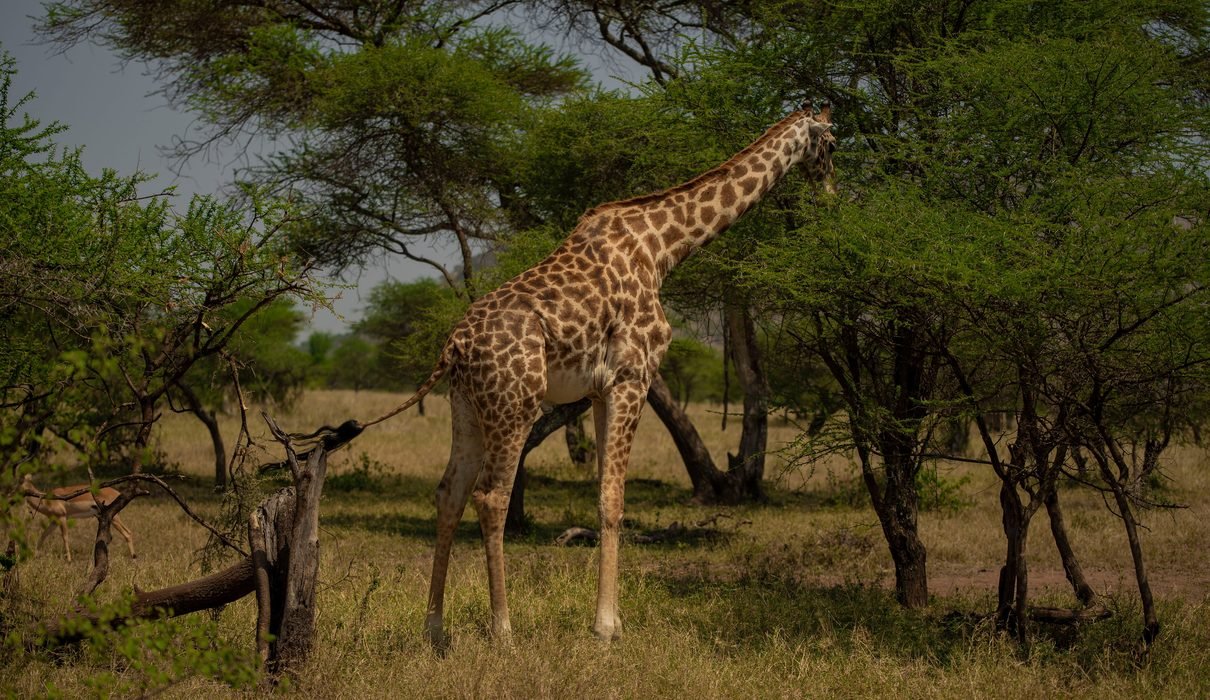
Tanzania in March offers a different kind of African safari experience, with green landscapes, warm weather, fewer visitors, and exciting wildlife opportunities across the country’s famous national parks. For travelers planning a holiday in 2027 or 2028, March can be an excellent time to explore the Serengeti, visit Ngorongoro Crater, enjoy the scenery around Lake Manyara, or spend a few relaxing days on Zanzibar’s beaches. Although March marks the beginning of the long rainy season in much of northern Tanzania, the weather does not necessarily mean continuous rainfall throughout the day.
One of the biggest attractions of visiting Tanzania in March is the changing landscape. Following the seasonal rains, grasslands become greener, rivers and waterholes receive fresh water, and many wildlife areas offer beautiful scenery for photography. In the southern Serengeti and Ndutu region, the wildebeest migration may still be present during the early part of the month, with young calves and predators creating interesting wildlife encounters. As the month progresses, the herds may begin moving toward other parts of the Serengeti ecosystem in response to changing rainfall and grazing conditions.
March is also attractive for travelers who prefer a quieter safari. Compared with the busy months of July, August, and September, some national parks and safari lodges receive fewer visitors. This can create a more relaxed experience, particularly for couples, families, photographers, and travelers who enjoy spending time watching animals without large numbers of safari vehicles nearby. Some accommodations may offer seasonal rates, although discounts are not guaranteed and depend on the property and travel dates.
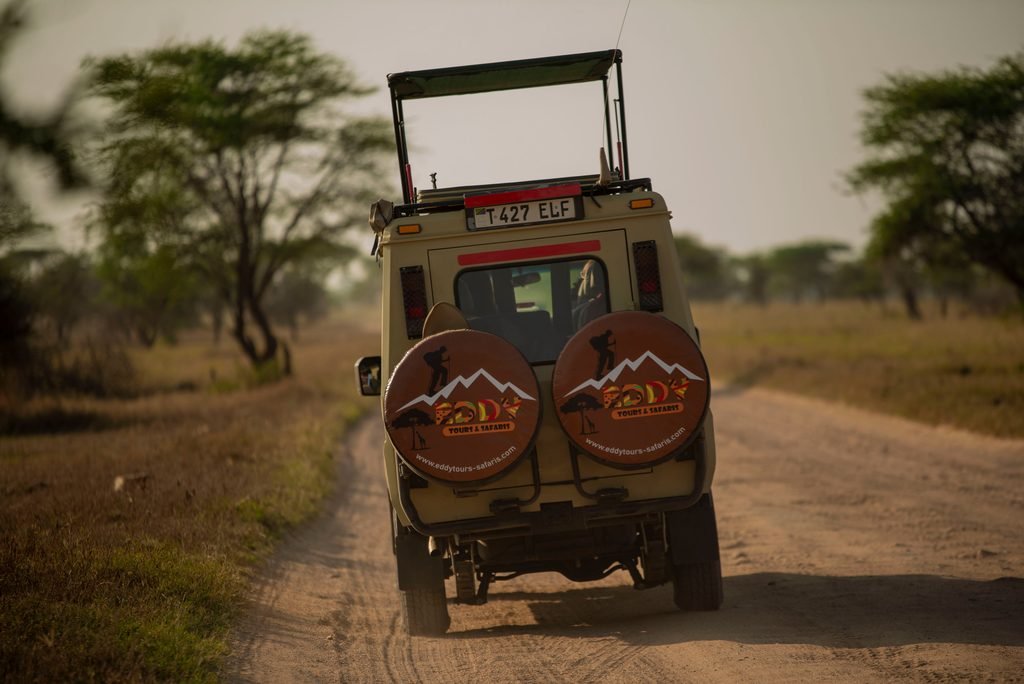
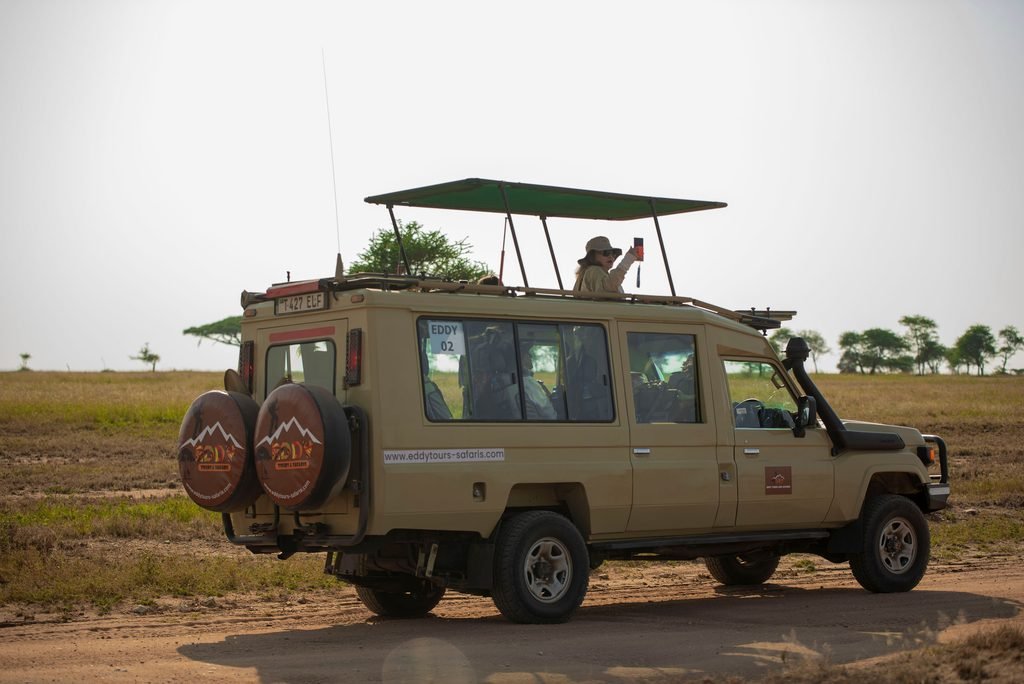
At Eddy Tours & Safaris, we help visitors plan Tanzania wildlife safaris, Kilimanjaro climbing expeditions, and Zanzibar holidays throughout the year. This guide explains what to expect when visiting Tanzania in March, including weather conditions, wildlife viewing, the Great Migration, the best safari destinations, travel costs, packing advice, and suggested itineraries for 2027 and 2028.
Tanzania in March: Travel Overview
| Travel information | What to expect |
|---|---|
| Travel month | March |
| Travel years | 2027 and 2028 |
| Season | Transition into the long rainy season in northern Tanzania |
| General weather | Warm days, increasing rainfall and occasional thunderstorms |
| Safari conditions | Good opportunities, particularly early in the month |
| Great Migration | Often around the southern Serengeti and Ndutu early in March, depending on rainfall |
| Wildlife photography | Green landscapes, dramatic clouds and active wildlife |
| Tourist crowds | Generally lower than peak dry-season months |
| Accommodation prices | Some seasonal offers may be available |
| Zanzibar weather | Hot and humid, with increasing rain |
| Kilimanjaro climbing | Possible, but wetter conditions become more likely |
| Recommended activities | Wildlife safaris, photography, birdwatching, cultural visits and selected beach activities |
Is March a Good Time to Visit Tanzania?
Yes, March can be a good time to visit Tanzania, especially if you enjoy green scenery, wildlife photography, and a quieter safari atmosphere. However, the experience depends on when you travel and which destinations you choose. Early March often offers more favorable safari conditions than the later part of the month, when the long rains may become more frequent across northern Tanzania.
The main advantage of traveling during March is the opportunity to experience Tanzania outside its busiest tourism season. Many safari areas remain accessible, and wildlife viewing continues throughout the year. Animals do not disappear when the rains arrive, although their movements and distribution can change as water becomes more widely available. This means that a flexible itinerary and an experienced safari guide are particularly valuable.
Travelers should also be prepared for some practical challenges. Rain can make unpaved roads muddy, particularly in remote areas, and occasional storms may affect travel schedules. Some seasonal camps may close or relocate as the rainy season develops. Nevertheless, a carefully planned March safari can provide rewarding wildlife encounters and a comfortable holiday experience.
Tanzania Weather in March: What Should You Expect?
March is a transitional month in northern Tanzania, moving from the relatively drier conditions of January and February toward the long rainy season, commonly known as Masika. The rains generally develop during March and continue through April and May, although their exact timing and intensity vary from year to year. Some days may be sunny and warm, while others bring afternoon showers, thunderstorms, or longer periods of rain.
Weather conditions also differ considerably between destinations. Arusha and Moshi are generally warm during the day, while the higher elevations around Ngorongoro Crater can feel cool, particularly in the early morning and evening. The Serengeti often experiences warm daytime temperatures, although rainfall can change road conditions quickly. Zanzibar is usually hotter and more humid, with increasing chances of tropical showers as March progresses.
For travelers planning a safari in 2027 or 2028, it is important to understand that historical weather patterns are only a guide. The exact rainfall and temperatures for your travel dates cannot be predicted accurately so far in advance. Checking updated forecasts closer to departure will help you prepare for the conditions expected during your holiday.
Typical March Weather by Destination
| Destination | General daytime conditions | March travel considerations |
|---|---|---|
| Arusha | Warm, sometimes cloudy | Showers become more frequent |
| Serengeti National Park | Warm days, cooler mornings | Green plains and possible muddy tracks |
| Ngorongoro Crater | Mild days, cool crater-rim mornings | Mist, rain and cooler evenings |
| Tarangire National Park | Warm conditions | Wildlife may spread out as water becomes available |
| Lake Manyara National Park | Warm and humid | Lush vegetation and possible wet trails |
| Zanzibar | Hot and humid | Increasing rainfall and occasional storms |
| Mount Kilimanjaro | Highly variable by elevation | Wet lower trails and freezing summit conditions |
These are general seasonal descriptions rather than forecasts for specific dates.
Best Places to Visit in Tanzania in March
Tanzania offers several excellent destinations during March, but each park provides a different wildlife experience. Choosing the right combination depends on your interests, the length of your holiday, and whether you are traveling early or late in the month.
1. Serengeti National Park: Great Migration and Wildlife Photography
Serengeti National Park is one of the best destinations to consider for a Tanzania safari in March. The park is famous for its extensive grasslands, large predator populations, and the annual movement of wildebeest and other grazing animals through the wider Serengeti ecosystem. During the early part of March, substantial wildebeest herds may still be found around the southern plains and Ndutu area, depending on rainfall and grazing conditions.
The wildebeest calving season is usually most active during January and February, but some young calves and family groups may still be observed in early March. This period can also provide opportunities to watch predators such as lions, cheetahs, and hyenas, which follow the movements of grazing animals. However, wildlife encounters are unpredictable, and no safari can guarantee a particular sighting or predator interaction.
As March progresses, rainfall can influence where the herds travel. Some groups may begin moving toward the central Serengeti or other grazing areas, while others remain farther south. For this reason, travelers planning a migration safari should avoid assuming that the wildebeest will be in one exact location throughout the month.
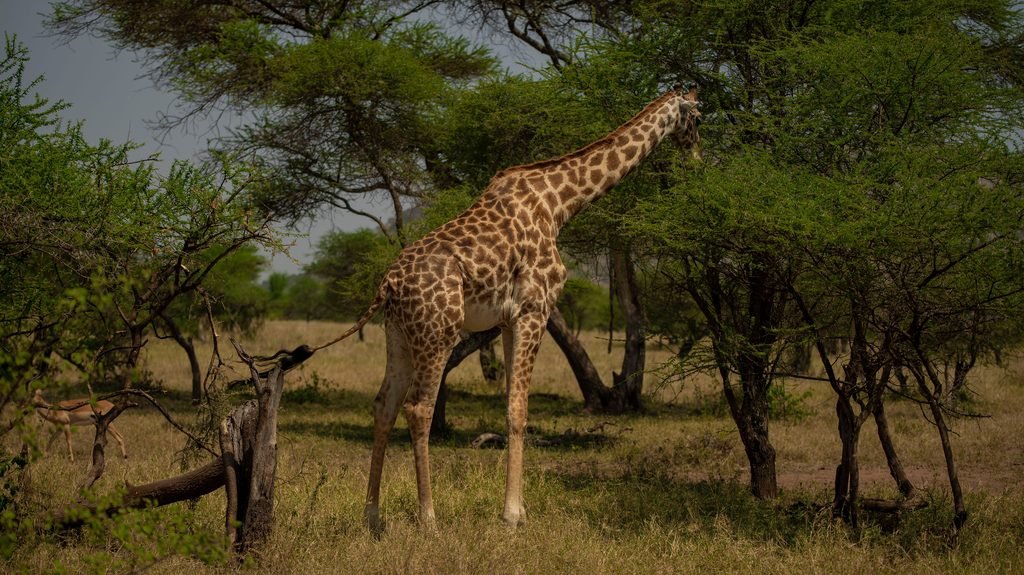
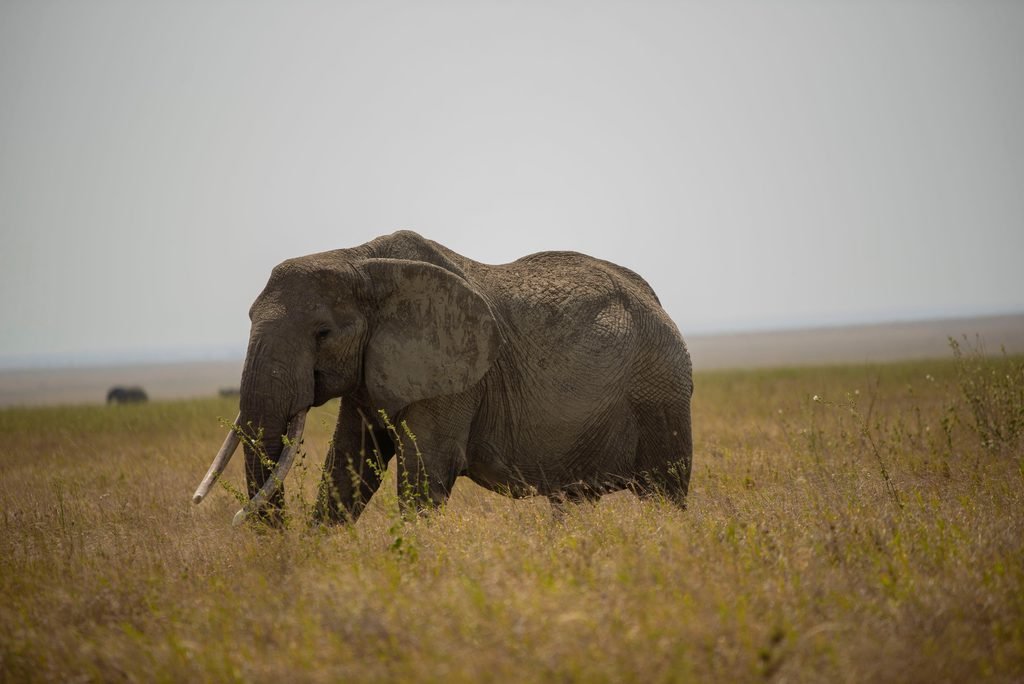
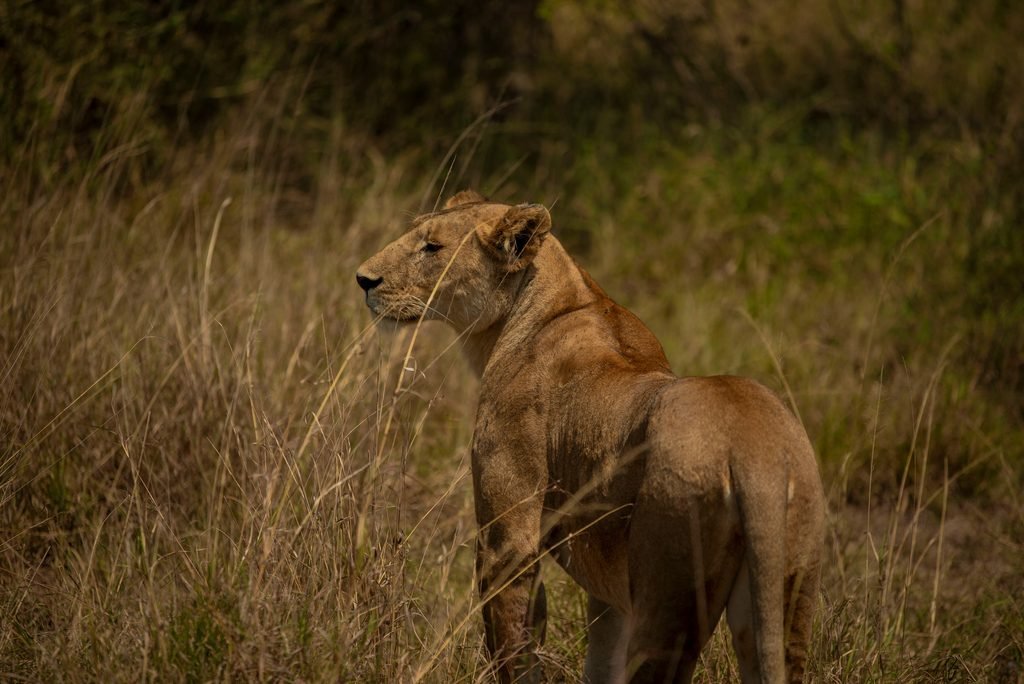
The Serengeti is also rewarding beyond the migration. Resident wildlife, including giraffes, elephants, buffaloes, zebras, lions, leopards, and many antelope species, can be observed in different areas of the park throughout the year. The green landscapes and changing cloud formations during March can create excellent photography opportunities, particularly during the morning and late afternoon.
2. Ngorongoro Crater: Year-Round Wildlife Viewing
Ngorongoro Crater is another excellent destination for travelers visiting Tanzania in March. Located within the Ngorongoro Conservation Area, the crater contains grasslands, wetlands, woodland, and freshwater habitats that support a wide variety of wildlife. Its relatively compact landscape makes it possible to explore several habitats during a single game drive.
Wildlife commonly associated with the crater includes buffaloes, zebras, wildebeest, hippos, lions, hyenas, and different antelope species. The area is also known for its endangered black rhinoceros population, although sightings are never guaranteed. Birdwatchers may encounter flamingos, waterbirds, and various raptors depending on seasonal conditions.
March brings greener scenery to the Ngorongoro highlands, and the crater rim may experience mist or low clouds during the morning. These conditions can make the landscape particularly attractive for photography, although they may also reduce visibility temporarily. The high elevation means that mornings and evenings can be cool, so warm clothing is recommended even when the lower safari areas are relatively warm.
For travelers with limited time, Ngorongoro Crater combines well with Tarangire, Lake Manyara, or Serengeti National Park. A well-planned itinerary allows visitors to experience different habitats without spending the entire holiday driving between destinations.
3. Tarangire National Park: Elephants and Beautiful Green Landscapes
Tarangire National Park is widely known for its elephants, baobab trees, and varied wildlife habitats. During the dry season, animals often gather near the Tarangire River and other remaining water sources, creating concentrated wildlife viewing opportunities. In March, however, the availability of seasonal water can allow some animals to move into surrounding areas, meaning that wildlife may be more widely distributed.
This does not mean Tarangire is unsuitable for a March safari. Resident elephants, giraffes, zebras, antelopes, and predators may still be observed, and the park’s green scenery can be particularly attractive. The combination of large baobab trees, open woodland, and seasonal vegetation gives Tarangire a distinctive appearance during the rainy-season transition.
March can also be interesting for birdwatching, with a variety of resident and migratory species present in suitable habitats. Travelers who enjoy photography may appreciate the fresh vegetation and dramatic skies, although rainfall can occasionally affect the accessibility of certain tracks.
Tarangire is especially convenient for travelers beginning their safari in Arusha because it can be reached by road without requiring a long journey. It works well as the first destination on a multi-day northern Tanzania safari.
4. Lake Manyara National Park: Forest, Birds and Scenic Landscapes
Lake Manyara National Park is another attractive destination during March, particularly for travelers interested in birdwatching, varied vegetation, and scenic landscapes. The park lies beneath the Great Rift Valley escarpment and includes groundwater forest, woodland, open areas, and lake-related habitats. This variety creates opportunities to observe different wildlife species within a relatively compact area.
The park is known for elephants, monkeys, baboons, giraffes, and numerous bird species. Flamingos and other waterbirds may be present depending on water levels and seasonal conditions. Although Lake Manyara is sometimes associated with tree-climbing lions, these animals are not commonly seen on every visit, and sightings should never be promised.
During March, the vegetation can become especially lush, creating beautiful scenery but sometimes making animals more difficult to spot through dense foliage. The park is nevertheless a worthwhile addition for travelers who want a different environment from the open Serengeti plains.
Lake Manyara is often combined with Tarangire and Ngorongoro Crater on shorter safari itineraries. Its location near the northern safari circuit makes it convenient for travelers who want to visit several parks without spending too many days on the road.
5. Zanzibar: Beaches, Culture and Relaxation
Zanzibar can be a pleasant destination in March for travelers who enjoy warm coastal weather and are comfortable with the possibility of rain. The island is known for its white-sand beaches, historic Stone Town, spice farms, and Indian Ocean scenery. March is generally hot and humid, with rainfall becoming more frequent as the long rainy season approaches.
The early part of March may provide opportunities for swimming, beach relaxation, boat excursions, and cultural visits, depending on local weather and sea conditions. Travelers can explore Stone Town’s narrow streets, learn about Zanzibar’s history, or visit spice farms to discover some of the crops associated with the islands.
However, March is not the most reliable month for consistently dry beach weather. Rainfall can affect outdoor activities, and occasional storms may lead to changes in boat excursions or other coastal arrangements. Travelers who prioritize uninterrupted sunshine may prefer a drier period, while those who are flexible may appreciate the quieter atmosphere.
Zanzibar combines well with a northern Tanzania safari. After several days exploring the Serengeti, Ngorongoro, or Tarangire, visitors can continue to the coast for a relaxing end to their holiday.
The Great Wildebeest Migration in March
The Great Wildebeest Migration is one of the main reasons travelers consider visiting the Serengeti in March. The migration involves large numbers of wildebeest, zebras, and other grazing animals moving through the Serengeti ecosystem in search of suitable grass and water. Unlike a fixed annual event held on particular dates, the migration is influenced by rainfall, grazing conditions, and the animals’ natural movements.
During January and February, many wildebeest gather on the southern Serengeti plains and in the wider Ndutu region for the calving season. Early March can still provide opportunities to see herds with young calves, although the main calving period is usually coming to an end. Predators may remain active around the grazing animals, creating interesting wildlife encounters for visitors.
As rainfall patterns change, the herds may begin spreading out or moving toward other parts of the ecosystem. Their exact location can vary between years, making it important to plan your accommodation and game-drive areas according to current wildlife information rather than relying entirely on a fixed monthly migration map.
For a March migration safari, travelers should consider spending enough time in the southern and central Serengeti to allow flexibility. A knowledgeable guide can adjust game-drive plans based on road conditions, recent sightings, and the location of wildlife during the trip.
Is March a Good Month for Wildlife Photography?
March can be an excellent month for wildlife photography in Tanzania because the landscape is often greener than during the dry season. Fresh grass, flowering vegetation, dramatic cloud formations, and changing light conditions create opportunities for attractive photographs. In the Serengeti, the open plains can provide beautiful backgrounds for wildlife, while Ngorongoro Crater offers a mixture of grassland, wetlands, and highland scenery.
The early morning and late afternoon are often productive periods for photography because the light is softer and many animals are active. After rainfall, the atmosphere may become clearer, and the contrast between green vegetation and dark clouds can produce striking landscape images. However, cloudy weather and heavy rain can also reduce available light, making it important to prepare suitable camera equipment.
Photographers should carry waterproof protection for cameras and lenses, particularly when traveling later in March. A suitable zoom lens is useful for photographing wildlife from a safari vehicle without approaching animals too closely. Always follow park regulations and your guide’s instructions, and avoid disturbing wildlife for the purpose of obtaining a photograph.
Can You Climb Mount Kilimanjaro in March?
Mount Kilimanjaro can be climbed during March, but travelers should understand that the weather becomes less predictable as the long rainy season approaches. Early March may offer relatively favorable trekking conditions in some years, while later departures may experience more frequent rainfall, muddy forest trails, cloud cover, and wet camping conditions.
At higher elevations, freezing temperatures, strong winds, and snow or ice can occur regardless of the season. Climbers must therefore prepare for both wet lower-mountain conditions and extreme cold near the summit. Waterproof clothing, suitable hiking boots, warm layers, and reliable camping equipment are particularly important.
For travelers considering Kilimanjaro in March 2027 or 2028, route selection and acclimatization time remain essential. Longer itineraries such as the eight-day Lemosho Route, seven-day Machame Route, or nine-day Northern Circuit may provide better acclimatization opportunities than shorter climbs, although none guarantees summit success. Weather and route conditions should be reviewed with the mountain operator before departure.
Travelers who prefer a higher likelihood of drier trekking conditions may wish to consider January, February, or the June-to-October period instead.
Tanzania Safari Costs in March 2027 and 2028
The cost of a Tanzania safari in March depends on several factors, including the number of travelers, accommodation category, parks visited, travel duration, and whether the safari is private or shared. Budget camping safaris generally cost less than lodge-based itineraries, while luxury safaris may include premium accommodation, private services, and additional activities.
March can offer good value because some accommodation providers introduce seasonal offers as visitor numbers decrease. However, it would be misleading to promise that every safari is cheaper during March. National park fees, vehicle operating costs, accommodation contracts, and other expenses can affect the final price, and future rates for 2027 or 2028 should be confirmed before booking.
Travelers looking for a more affordable safari can consider traveling with a small group, choosing comfortable mid-range accommodation, or selecting an itinerary that limits unnecessary long-distance transfers. A shorter safari visiting Tarangire, Lake Manyara, and Ngorongoro Crater may also be practical for visitors who do not have enough time for an extended Serengeti expedition.
For accurate pricing, request a written quotation that clearly identifies accommodation, transport, meals, park fees, guiding services, and any excluded expenses.
Suggested 7-Day Tanzania Safari Itinerary for March
A seven-day northern Tanzania safari provides enough time to visit several major wildlife destinations while allowing a reasonable amount of time for game drives. The following itinerary is an example and can be adjusted according to rainfall, wildlife movements, accommodation availability, and the location of the wildebeest migration.
Day 1: Arrival in Arusha
Upon arrival at Kilimanjaro International Airport or another agreed arrival point, you are transferred to your accommodation in Arusha. Depending on your arrival time, you can rest after your journey and meet your safari representative for a briefing about the coming days. Your guide explains the planned route, expected weather conditions, and practical arrangements for visiting the national parks.
Day 2: Arusha to Tarangire National Park
After breakfast, you travel to Tarangire National Park for your first game drive. The park is known for its elephants, baobab trees, and varied landscapes, providing an excellent introduction to Tanzania’s wildlife. During March, the vegetation may be green and some animals may be more widely distributed, so your guide will explore suitable wildlife areas according to current conditions. In the evening, you continue to your booked accommodation for dinner and overnight.
Day 3: Tarangire Area to the Serengeti
You travel toward Serengeti National Park, passing through the Ngorongoro highlands and enjoying views of Tanzania’s changing landscapes. The journey can be long, but it introduces the transition from cultivated highlands to open savanna. Depending on your itinerary and the location of the migration, your guide may plan the route toward the southern or central Serengeti. Wildlife viewing begins when you reach suitable game-drive areas before continuing to your accommodation.
Day 4: Full-Day Serengeti Wildlife Safari
Today is dedicated to exploring the Serengeti. Your guide selects game-drive areas based on recent wildlife sightings, road conditions, and the possible location of wildebeest herds. Early March may offer opportunities around the southern plains and Ndutu region, while later in the month some herds may be moving or spreading out. You may also encounter resident wildlife such as lions, giraffes, elephants, zebras, and various antelope species. After a full day in the park, you return to your accommodation for dinner and overnight.
Day 5: Serengeti Game Drive and Transfer Toward Ngorongoro
After breakfast, you enjoy another game drive in the Serengeti before beginning the journey toward the Ngorongoro Conservation Area. This provides additional time for wildlife viewing and photography before leaving the open plains. Depending on the route and accommodation arrangements, you may spend the night near the crater rim or in the Karatu area. Your guide explains the following day’s crater visit and the expected early departure.
Day 6: Ngorongoro Crater Safari
You begin the day with a drive into Ngorongoro Crater, where you explore grassland, woodland, and wetland habitats. The crater supports a wide variety of wildlife, including buffaloes, zebras, hippos, lions, and different antelope species. Black rhinos are also present, although sightings are not guaranteed. After the game drive, you return to the crater rim and continue toward Karatu or another agreed overnight location.
Day 7: Return to Arusha and Departure
After breakfast, you begin the return journey to Arusha. Depending on your departure time, the day may include a short stop for shopping or lunch before continuing to the airport or your next accommodation. Travelers who wish to extend their holiday can arrange additional days in Zanzibar or another Tanzania destination. This marks the end of your seven-day wildlife safari.
What to Pack for Tanzania in March
Packing for a March safari requires some preparation because weather conditions can change during the day. Lightweight clothing is useful for warm afternoons, while a light jacket or fleece provides comfort during cool early-morning game drives, particularly around Ngorongoro. A waterproof jacket is also recommended because showers may occur unexpectedly.
Comfortable walking shoes, sunscreen, sunglasses, a hat, insect repellent, and personal medication should be included in your luggage. Neutral-colored clothing is practical for safari activities, although specialized safari clothing is not essential for ordinary vehicle-based game drives. Travelers visiting Zanzibar should also pack suitable beach clothing and modest attire for visits to towns and cultural sites.
For photography, carry protective bags or covers for electronic equipment. If your itinerary includes remote safari camps, a power bank and suitable charging accessories may also be useful. Your tour operator can advise on luggage restrictions, especially when domestic flights are included.
Advantages and Disadvantages of Visiting Tanzania in March
March offers several advantages, particularly for travelers who enjoy quieter destinations and green landscapes. Visitor numbers are generally lower than during the peak dry-season months, some accommodations may offer seasonal rates, and wildlife photography can be especially rewarding. Early March may also provide opportunities to observe wildebeest herds in the southern Serengeti during the final part of the calving period.
However, travelers should be prepared for the possibility of rain, muddy roads, and changing wildlife distributions. Some seasonal camps may reduce operations as the long rains approach, while remote tracks may become difficult to use after heavy rainfall. The weather can also affect beach activities and mountain climbing plans.
The best approach is to travel with realistic expectations and allow flexibility in your itinerary. March is particularly suitable for visitors who are comfortable with occasional rain and prefer a quieter safari experience rather than guaranteed dry weather.
Frequently Asked Questions About Tanzania in March
1. Is March a good month to visit Tanzania?
Yes. March can be a good month for wildlife safaris, green landscapes, and quieter travel, especially during the earlier part of the month.
2. Does it rain a lot in Tanzania in March?
Rainfall generally increases during March as the long rainy season begins, but the amount and timing vary by region and year.
3. Is early March better than late March for a safari?
Early March often has more favorable conditions, although good wildlife viewing is possible throughout the month.
4. Can I see the Great Migration in March?
Yes. Wildebeest herds may be present in the southern or central Serengeti, depending on rainfall and grazing conditions.
5. Is the wildebeest calving season still active in March?
The main calving period usually occurs in January and February, but young calves and some later births may still be seen in early March.
6. Is Serengeti National Park worth visiting in March?
Yes. The Serengeti offers year-round wildlife viewing, and March can provide attractive green landscapes and fewer visitors.
7. Can I visit Ngorongoro Crater in March?
Yes. Ngorongoro Crater is open to visitors throughout the year, subject to park conditions and regulations.
8. Is Tarangire good for a March safari?
Yes, although animals may be more widely distributed because seasonal water becomes available.
9. Is Lake Manyara worth visiting in March?
Yes. The park can be especially green and offers opportunities for wildlife viewing and birdwatching.
10. Can I visit Zanzibar in March?
Yes. Zanzibar is generally hot and humid in March, with increasing chances of rain.
11. Is March a good month for swimming in Zanzibar?
Swimming may be possible when sea and weather conditions are suitable, but rain and rough conditions can occasionally affect activities.
12. Is Tanzania cheaper in March?
Some lodges and camps may offer seasonal rates, but prices vary according to accommodation and travel arrangements.
13. Are Tanzania national parks crowded in March?
Many parks are generally quieter than during the busiest dry-season months.
14. Can I climb Kilimanjaro in March?
Yes, but rainfall and difficult trail conditions become more likely as the month progresses.
15. Is March good for wildlife photography?
Yes. Green vegetation, dramatic skies, and changing light conditions can provide excellent photographic opportunities.
16. What should I wear on safari in March?
Lightweight clothing, comfortable shoes, a hat, a waterproof jacket, and a warm layer for cooler mornings are recommended.
17. Are mosquitoes common in March?
Mosquito activity can increase in some areas during wet conditions, so suitable insect protection is important.
18. Can I see lions in the Serengeti in March?
Yes. Lions are present throughout the year, although individual sightings are never guaranteed.
19. Can I see black rhinos in Ngorongoro Crater?
Black rhinos are present in the crater, but sightings depend on animal movements and viewing conditions.
20. How many days should I spend on a March safari?
Five to eight days can provide a useful introduction to northern Tanzania, depending on the parks selected.
21. Is a private safari better in March?
A private safari can provide more flexibility for adjusting game drives and travel plans when weather conditions change.
22. Are safari roads accessible during March?
Many roads remain accessible, but heavy rainfall can make some unpaved tracks muddy or difficult to use.
23. Can I combine Serengeti and Zanzibar in March?
Yes. A wildlife safari followed by a Zanzibar beach stay can be arranged, subject to weather and travel schedules.
24. Can I book a Tanzania safari for March 2027?
Yes. You can request a quotation and discuss suitable safari arrangements for March 2027.
25. Can I book a Tanzania safari for March 2028?
Yes. Future safari arrangements can be discussed, although accommodation availability and prices must be confirmed.
Plan Your Tanzania Safari in March 2027 or 2028 with Eddy Tours & Safaris
Tanzania in March offers a rewarding combination of wildlife, green landscapes, quieter national parks, and opportunities to experience the country beyond its busiest tourism season. From the southern Serengeti and the wildebeest migration to Ngorongoro Crater, Tarangire, Lake Manyara, and Zanzibar, travelers can choose from several destinations according to their interests and available time.
The most important consideration is understanding the seasonal weather. Early March often provides more favorable safari conditions, while rainfall generally becomes more frequent later in the month. A flexible itinerary, suitable accommodation, and an experienced guide can help travelers make the most of their holiday while responding to changing road and weather conditions.
At Eddy Tours & Safaris, we organize Tanzania wildlife safaris, Kilimanjaro climbing expeditions, and Zanzibar holidays for travelers planning visits in 2027 and 2028. Our team can help you compare destinations, choose a suitable itinerary, and request a detailed quotation based on your travel dates, group size, and accommodation preferences.
Request Your Tanzania Safari Quotation
Chat with Eddy Tours & Safaris on WhatsApp
Email: sales@eddytours-safaris.com
Contact our team to plan a March safari that matches your interests, budget, and preferred travel experience.