
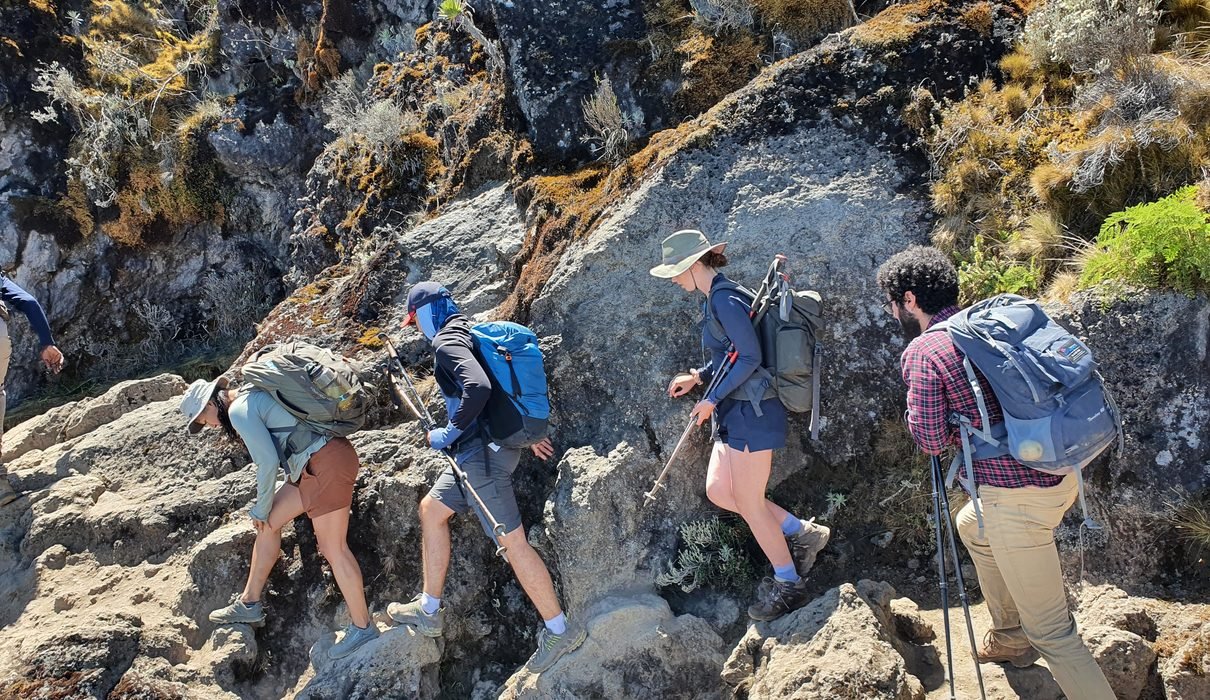
Planning to climb Mount Kilimanjaro in 2027 or 2028? One of the first decisions you need to make is which route to take. Kilimanjaro has several established climbing routes, and although they all lead toward the same summit, they offer very different experiences. Some take you through thick rainforest and open volcanic landscapes, while others follow quieter mountain trails with fewer climbers. The number of days, difficulty, accommodation, and time available for acclimatization also vary from route to route.
Standing at 5,895 metres (19,341 feet), Mount Kilimanjaro is Africa’s highest mountain and one of Tanzania’s most popular adventure destinations. The mountain attracts experienced hikers and first-time high-altitude trekkers who want to reach Uhuru Peak. However, choosing a climbing route should involve more than looking at beautiful photographs or comparing prices. The right route needs to match your physical fitness, previous hiking experience, available travel days, and comfort with mountain camping.
For many climbers, the biggest challenge is not the distance walked but the altitude. As you climb higher, the air pressure decreases, making less oxygen available with each breath. Your body needs time to adjust, and shorter routes can make this more difficult. That is why choosing a longer itinerary is often a better decision than trying to reach the summit as quickly as possible.
At Eddy Tours & Safaris, we help travelers choose suitable Kilimanjaro routes based on their interests, experience, and travel plans. Whether you are considering Machame, Lemosho, Marangu, Rongai, Umbwe, Shira, or the Northern Circuit, this guide explains what makes each route different and which one may be the best choice for your Kilimanjaro climb in 2027 or 2028.
Understanding the Different Kilimanjaro Climbing Routes
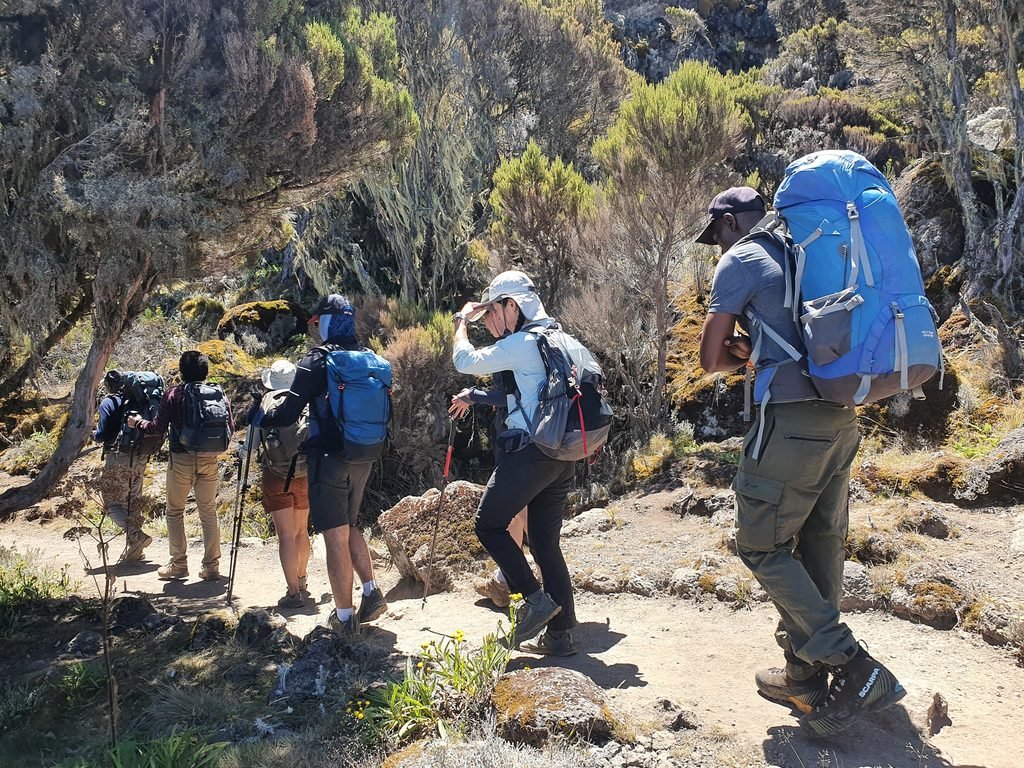
Mount Kilimanjaro has seven widely recognized ascent routes: Machame, Marangu, Lemosho, Rongai, Northern Circuit, Umbwe, and Shira. Each approaches the mountain from a different direction or follows a different combination of trails. The Mweka Route is commonly used for descending after climbs on several southern and western approaches rather than as a standard ascent route.
Although all the routes aim toward Uhuru Peak, they differ considerably in their daily elevation gains and overall trekking experience. Machame is known for its changing scenery and Barranco Wall, Marangu is famous for its mountain huts, and Rongai approaches from the northern side near the Kenyan border. Lemosho and Northern Circuit provide longer itineraries with additional acclimatization opportunities, while Umbwe is known for its steep and demanding early ascent.
Before choosing your route, it is important to understand that a route described as easy does not necessarily offer a better chance of reaching the summit. A trail may have relatively gentle walking sections but still involve rapid altitude gain. The complete itinerary, particularly the number of days spent on the mountain, matters just as much as the difficulty of the terrain.
Kilimanjaro Routes Comparison for 2027 and 2028
| Climbing route | Typical duration | Accommodation | Main advantage | Best suited for |
|---|---|---|---|---|
| Machame | 6–7 days | Camping | Beautiful scenery and varied terrain | Fit beginners and experienced hikers |
| Lemosho | 7–8 days | Camping | Longer acclimatization schedule and scenic western approach | First-time climbers with enough time |
| Marangu | 5–6 days | Mountain huts | Permanent hut accommodation | Travelers who prefer huts over tents |
| Rongai | 6–8 days | Camping | Quieter northern approach | Travelers seeking fewer crowds |
| Northern Circuit | 8–9 days | Camping | Extended acclimatization and remote trails | Climbers prioritizing time on the mountain |
| Umbwe | 5–7 days | Camping | Steep, direct mountain approach | Experienced high-altitude trekkers |
| Shira | 7–8 days | Camping | Open western landscapes | Climbers prepared for a high starting elevation |
The durations shown are common itinerary options rather than fixed requirements. Longer versions may be available, and the exact schedule should be confirmed with your climbing operator.
1. Machame Route: Best for Scenic Trekking and Adventure
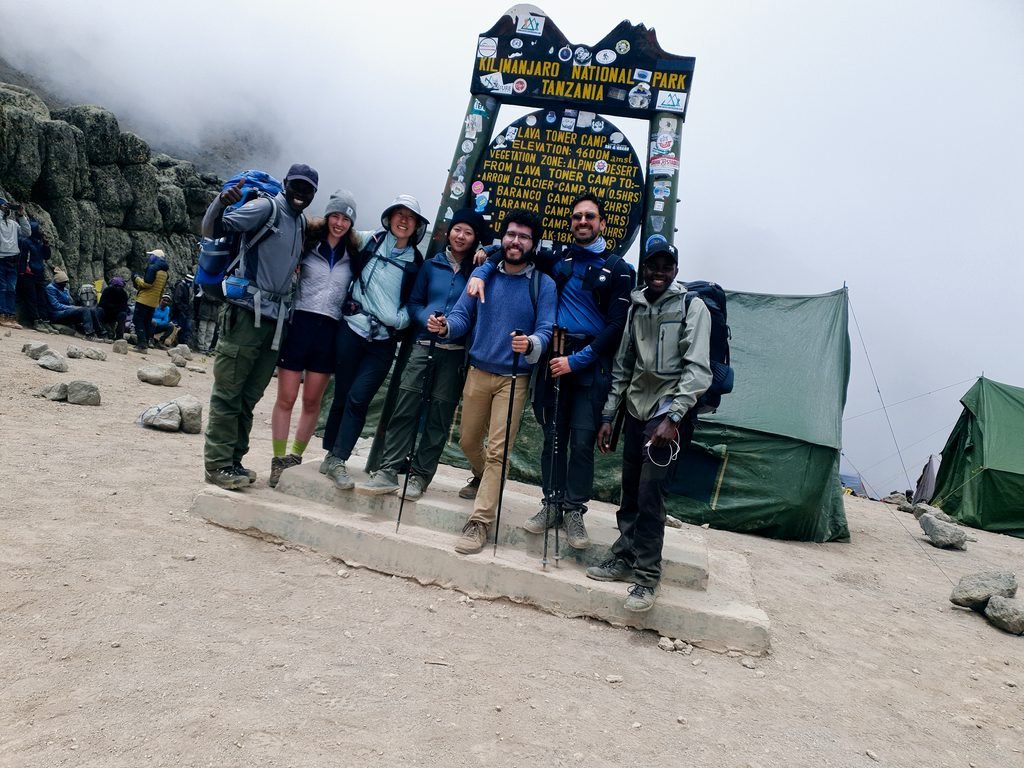
The Machame Route is one of Kilimanjaro’s most popular climbing paths. Often called the Whiskey Route, it approaches the mountain from the southwest and passes through several different ecological zones. The climb begins in rainforest near Machame Gate before continuing toward Shira Camp, Lava Tower, Barranco Camp, Karanga, and Barafu. Climbers then attempt the summit via Stella Point before descending along the Mweka Route.
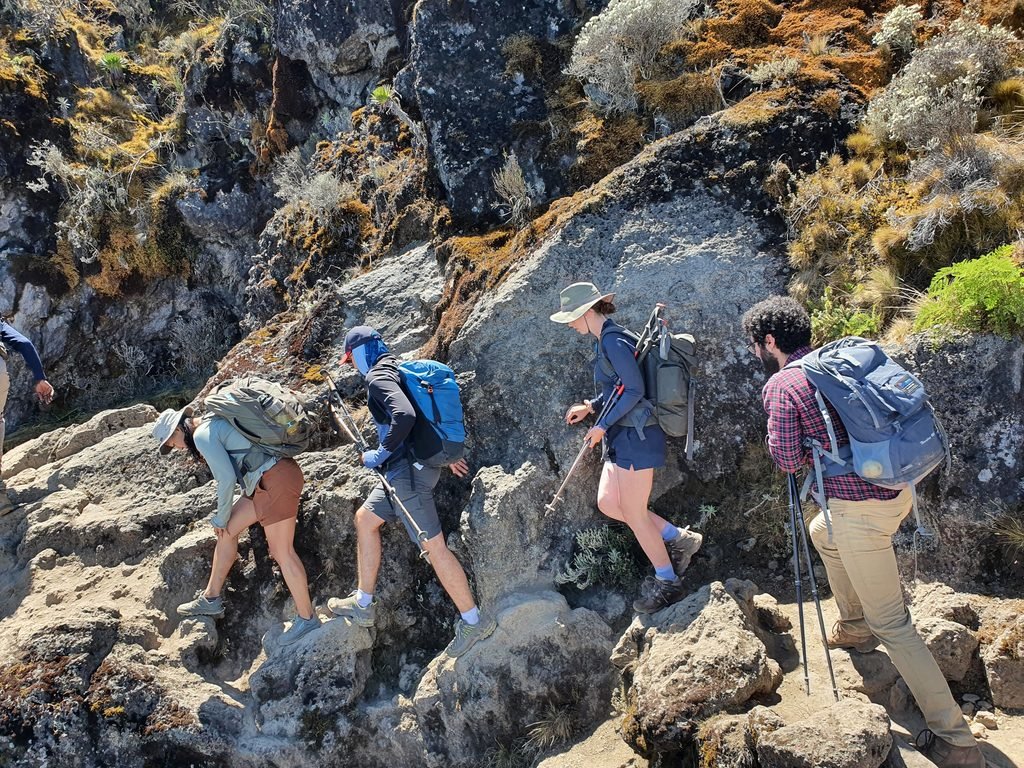
One of Machame’s main attractions is its scenery. During the climb, you pass through rainforest, open moorland, rocky valleys, and alpine desert. The route also includes the famous Barranco Wall, a steep rocky section where climbers use their hands for balance while moving carefully along the trail. Although Barranco Wall can look intimidating, it normally involves nontechnical scrambling rather than specialist rock climbing.
Machame is available as a six-day or seven-day itinerary, but the seven-day option is generally preferable. The additional day includes an overnight stay at Karanga Camp, dividing the journey from Barranco to Barafu into two stages. This gives climbers more time to rest and adjust to altitude before the final summit attempt.
Machame is a good choice for physically prepared travelers who enjoy varied scenery and do not mind camping. However, it is a popular route, so some sections and camps can be busy during peak climbing periods.
Recommended duration: Seven days.
For a more detailed breakdown, explore our Machame Route Kilimanjaro climbing guide.
2. Lemosho Route: Best for Scenery and Acclimatization
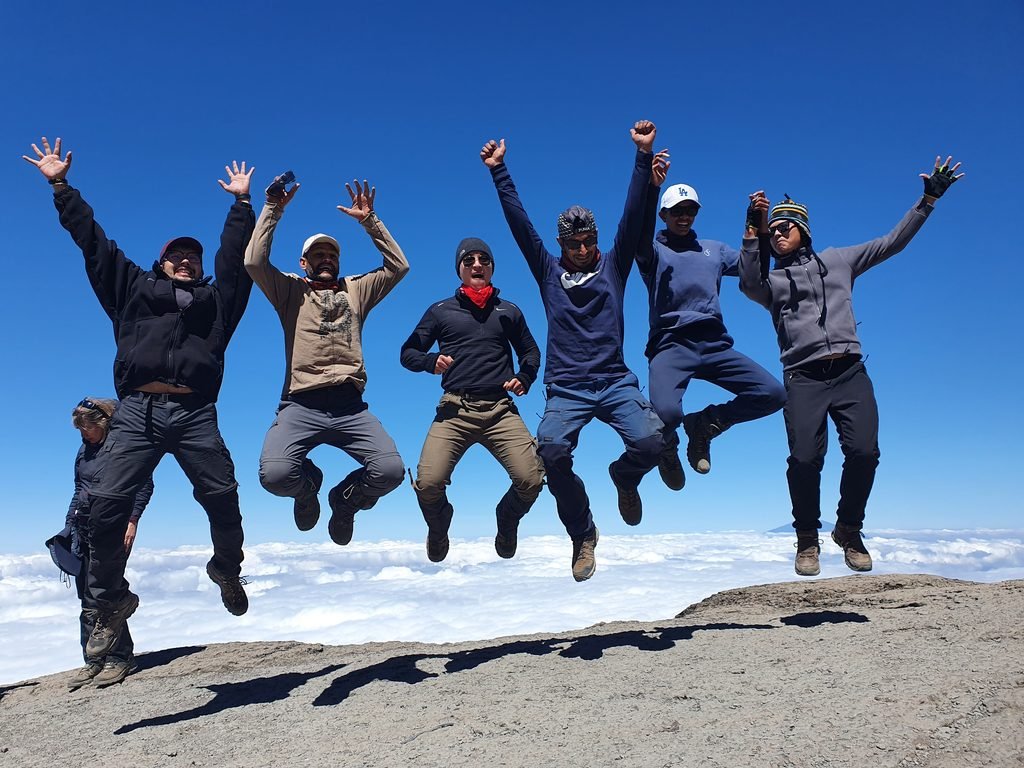
The Lemosho Route approaches Kilimanjaro from the western side and is often recommended to travelers who want a longer, more gradual climbing experience. The trail begins in the forest before reaching the Shira Plateau, where the landscape opens into wide volcanic scenery. From there, climbers continue toward Lava Tower and Barranco before joining the southern circuit toward Barafu and the summit.
One of Lemosho’s greatest advantages is the opportunity to spend additional days on the mountain. The eight-day itinerary provides more time for acclimatization than many shorter Kilimanjaro climbs. This is particularly useful for travelers who have never spent several nights at high altitude and want to avoid rushing through the early stages of the expedition.
Lemosho is also an attractive route for photographers and nature lovers. The early forest sections offer a different environment from the upper mountain, while the Shira Plateau provides impressive views of Kibo when weather conditions are clear. As the climb continues, the trail passes through alpine desert and rocky mountain landscapes, giving travelers an opportunity to experience Kilimanjaro’s changing scenery.
Although Lemosho offers a more gradual schedule, it remains physically demanding. Climbers still need to manage long walking days, cold mountain nights, and the difficult final ascent toward Uhuru Peak. The eight-day itinerary is a strong choice for many first-time climbers who have enough time and want to prioritize acclimatization.
Recommended duration: Eight days.
3. Marangu Route: Best for Climbers Who Prefer Mountain Huts
The Marangu Route is one of Kilimanjaro’s oldest and best-known climbing paths. Often called the Coca-Cola Route, it approaches the mountain from the southeastern side and is the main established route offering permanent mountain hut accommodation. Instead of sleeping in tents, climbers stay in huts at Mandara, Horombo, and Kibo, making Marangu attractive to travelers who prefer a roof over their heads during the expedition.
The trail begins at Marangu Gate and passes through rainforest before reaching Mandara Hut. It then continues through moorland toward Horombo Hut, where climbers can enjoy views of Mawenzi and Kibo when the weather is clear. From Horombo, the route climbs toward Kibo Hut before the final summit attempt via Gilman’s Point and Uhuru Peak. The descent generally follows the same route back toward Marangu Gate.
Although Marangu is sometimes described as Kilimanjaro’s easiest route because of its relatively direct trail and hut accommodation, this description can be misleading. The five-day itinerary involves a rapid ascent and provides limited time for acclimatization. Sleeping in a hut does not reduce the effects of altitude or make the summit ascent less demanding.
For travelers who choose Marangu, the six-day itinerary is generally preferable because it includes an additional acclimatization day around Horombo. Marangu can be a suitable option for climbers who prefer hut accommodation, but the shorter schedule should be considered carefully.
Recommended duration: Six days rather than five.
4. Rongai Route: Best for a Quieter Northern Approach
The Rongai Route approaches Kilimanjaro from the northern side, close to the Tanzania–Kenya border. It offers a different experience from the popular southern routes, with open landscapes, quieter trails, and views of the mountain’s northern slopes. The climb generally begins near Nalemoru and continues through a series of camps toward Mawenzi Tarn and Kibo before the final summit attempt.
One of Rongai’s main attractions is its quieter atmosphere. Travelers who prefer spending time on the mountain without encountering large numbers of other climbers may find Rongai appealing. The early stages also have relatively gradual sections, although the upper mountain remains challenging and the ascent from Kibo toward Gilman’s Point can be physically demanding.
Rongai is sometimes chosen during wetter periods because the northern slopes can receive less rainfall than the southern side of Kilimanjaro. However, weather conditions vary, and travelers should not assume that choosing Rongai guarantees dry trails or clear skies.
The seven- and eight-day Rongai itineraries are generally preferable to shorter versions because they provide additional time for acclimatization. Some longer itineraries include an extra day around Mawenzi Tarn, where climbers can rest and complete suitable acclimatization walks before continuing toward Kibo.
Recommended duration: Seven or eight days.
5. Northern Circuit Route: Best for a Longer and Quieter Expedition
The Northern Circuit is one of Kilimanjaro’s longest commonly offered trekking routes. It begins on the western side of the mountain, generally following the Lemosho approach before continuing around Kibo’s quieter northern slopes. The route passes through remote landscapes and mountain camps that are visited by fewer climbers than the main southern approaches.
The greatest advantage of the Northern Circuit is its extended itinerary. A nine-day schedule allows climbers to spend additional time at intermediate elevations before attempting the summit. This can provide better acclimatization opportunities than a shorter climb, although the actual benefit depends on the daily sleeping elevations and each person’s response to altitude.
The route is also attractive to travelers who enjoy long-distance trekking and want to experience less crowded parts of Kilimanjaro. The northern slopes offer wide views across the surrounding landscape, while the changing terrain creates a sense of traveling around the mountain rather than simply following a direct path upward.
The main disadvantage is the additional time required. A longer expedition generally involves more park fees, mountain crew expenses, and camping supplies, which can increase the overall cost. However, for travelers who can spend nine days on Kilimanjaro, the Northern Circuit is one of the strongest options to consider.
Recommended duration: Nine days.
6. Umbwe Route: Best for Experienced Trekkers Seeking a Challenge
The Umbwe Route is one of Kilimanjaro’s steepest and most demanding established approaches. It begins on the southern side of the mountain and follows a direct trail through rainforest before climbing along a narrow ridge toward the upper mountain. The early stages involve substantial elevation gain, and the route eventually joins the southern circuit near Barranco.
Umbwe attracts experienced hikers who enjoy steep terrain and challenging mountain environments. The route is less commonly chosen than Machame or Marangu, and some sections provide a quieter trekking experience. However, its direct ascent can make acclimatization difficult, particularly on short itineraries.
A five-day Umbwe itinerary is especially demanding because it combines steep early climbing with limited time for altitude adjustment. Travelers should not choose this route simply because they want to complete Kilimanjaro quickly. Even physically strong climbers can develop altitude illness when ascending too rapidly.
For experienced trekkers considering Umbwe in 2027 or 2028, a longer itinerary should be discussed with the climbing operator. The route may be suitable for some well-prepared travelers, but it is not generally recommended for beginners.
Recommended duration: A carefully planned six- or seven-day itinerary, with additional acclimatization considered where practical.
7. Shira Route: Best for Travelers Prepared for a High Starting Elevation
The Shira Route approaches Kilimanjaro from the west and reaches the Shira Plateau at a relatively high elevation. It shares sections of the upper mountain with Lemosho and other western approaches, including the journey toward Lava Tower, Barranco, and the southern circuit.
The route’s main attraction is its open mountain scenery. Climbers can enjoy wide views across the Shira Plateau and the volcanic landscape surrounding Kibo. However, the high starting elevation is an important consideration because travelers arriving from low altitude may have little time to adjust before beginning the trek.
For first-time climbers who have not recently spent time at altitude, Lemosho is often a more practical western approach because it begins lower and allows a more gradual progression. Shira may still suit experienced or appropriately acclimatized travelers, but the itinerary should be reviewed carefully.
Recommended duration: Seven or eight days, depending on the acclimatization plan.
Which Kilimanjaro Route Is Best for Beginners?
For many first-time climbers, the eight-day Lemosho Route and nine-day Northern Circuit are strong choices because they offer longer schedules and more opportunities for acclimatization. Both routes allow travelers to experience different mountain environments while avoiding some of the pressure associated with shorter itineraries. However, beginners should still prepare physically and understand the risks of climbing above 5,000 metres.
The seven-day Machame Route is another good option for fit beginners who enjoy scenic trekking and are comfortable sleeping in tents. Its varied terrain makes it interesting, although the Barranco Wall and summit ascent require effort and concentration. Travelers who prefer a quieter approach may consider seven- or eight-day Rongai, while those who strongly prefer hut accommodation may choose six-day Marangu.
There is no single route that is perfect for every beginner. The best choice depends on your available time, hiking background, health, budget, and preferences. If you are unsure which route to choose, you can contact Eddy Tours & Safaris for help comparing the options.
Which Kilimanjaro Route Offers Better Acclimatization?
Acclimatization is one of the most important factors when choosing a Kilimanjaro route. As you climb higher, the reduced oxygen availability places additional demands on your body. Spending more time at intermediate elevations can help the body adjust, which is why longer itineraries are generally preferable to rapid ascents.
The nine-day Northern Circuit and eight-day Lemosho provide particularly good opportunities for a longer acclimatization schedule. Seven-day Machame and longer Rongai itineraries can also provide useful additional time compared with shorter versions. Marangu and Umbwe require particular attention when offered as five-day climbs because the rapid ascent may leave limited time for adjustment.
The CDC’s guidance on African climbing expeditions recommends adding one or two days to Kilimanjaro itineraries where possible, especially shorter climbs. This is a useful reminder that taking more time on the mountain is often a better decision than rushing toward the summit.
Kilimanjaro Summit Success Rates: What Should You Believe?
When researching Kilimanjaro online, you may find tour companies advertising summit success rates of 85%, 90%, or even higher. These figures should be treated carefully because operators may use different methods to calculate success. Some statistics are based on a company’s own climbing records, while others are general estimates that do not clearly explain the number of climbers involved.
A reliable summit success rate should identify the route, itinerary duration, period covered, number of climbers, and whether reaching Uhuru Peak was required to count as a successful climb. Without this information, comparing percentages between companies can be misleading.
For 2027 and 2028, actual future climbing success rates are not yet available. Travelers should therefore focus on choosing a suitable route, allowing enough time for acclimatization, preparing physically, and selecting a responsible mountain operator rather than relying on promised summit percentages.
Which Kilimanjaro Route Has the Best Scenery?
Kilimanjaro offers impressive scenery on every established climbing route, but the experience differs depending on the direction of approach. Lemosho is especially attractive for travelers who want to experience rainforest, the Shira Plateau, and the southern circuit within one expedition. Machame also provides varied scenery, including Lava Tower, Barranco Valley, and the famous Barranco Wall.
The Northern Circuit offers a different experience because it travels around the quieter northern slopes of the mountain. Rongai provides open landscapes and views toward Mawenzi, while Marangu passes through rainforest and moorland before reaching the rocky upper mountain. Umbwe is known for its steep forested approach, and Shira offers wide volcanic landscapes from a relatively high starting point.
For travelers who want a combination of scenery, acclimatization time, and varied trekking terrain, eight-day Lemosho is one of the strongest options to consider. However, scenery is a personal preference, and some climbers may enjoy the quieter northern routes more than the busier southern approaches.
Which Kilimanjaro Route Is the Cheapest?
The cost of climbing Kilimanjaro depends on several factors, including the number of trekking days, park fees, crew size, accommodation arrangements, transport, and services included in the package. Shorter itineraries may have a lower total cost because they require fewer days of park access, meals, and mountain crew support. However, choosing the shortest itinerary purely to save money can be a poor decision when it reduces acclimatization time.
Marangu is sometimes considered a more budget-friendly option, particularly on shorter schedules, but the exact price depends on the operator and group arrangements. Machame and Rongai may also offer competitively priced itineraries, while longer routes such as Lemosho and Northern Circuit generally cost more because of the additional days involved.
For 2027 and 2028, prices should be confirmed through a written quotation rather than relying on estimates published for earlier years. At Eddy Tours & Safaris, we can help you compare different Kilimanjaro routes and understand what is included before choosing your preferred expedition.
Best Time to Climb Kilimanjaro in 2027 and 2028
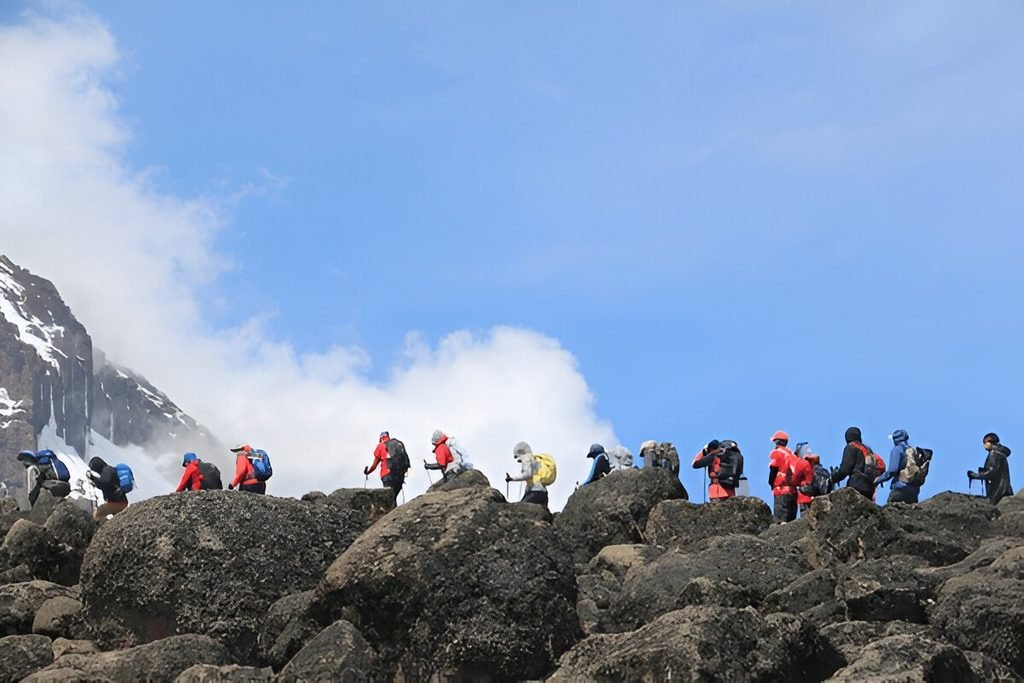
Mount Kilimanjaro can be climbed throughout the year, but some months generally offer more favorable trekking conditions. January to March and June to October are commonly popular because they often experience relatively drier weather. However, the mountain’s weather can change quickly, and even during the popular climbing seasons, travelers may encounter rain, strong winds, freezing temperatures, or poor visibility.
April and May are generally associated with heavier rainfall, particularly on the lower mountain slopes. November and December may also experience seasonal rain, although conditions vary between years. The northern approach used by Rongai can sometimes experience drier conditions than the southern routes, but this does not guarantee favorable weather.
When planning your climb for 2027 or 2028, consider your available travel dates, preferred conditions, and the amount of time you can spend on the mountain. It is also sensible to arrive in Tanzania at least one day before the climb to attend a briefing, check your equipment, and rest after international travel.
How to Prepare for Your Kilimanjaro Climb
Physical preparation is important because every Kilimanjaro route involves several consecutive days of trekking. Regular hill walking, stair climbing, cardiovascular exercise, and leg-strength training can help improve your endurance. For many beginners, starting a consistent training program three to six months before departure is a practical approach, although the exact period depends on current fitness and hiking experience.
You should also prepare suitable clothing and equipment for changing mountain conditions. Waterproof hiking boots, warm layers, an insulated jacket, gloves, trekking poles, a headlamp, and a suitable sleeping bag are among the important items to consider. Equipment should be tested before departure, particularly footwear, because discomfort can become a serious problem during a multi-day climb.
Altitude preparation is equally important. Physical fitness does not prevent altitude illness, and even experienced athletes can develop symptoms at high elevation. Before traveling, consult a qualified healthcare professional about high-altitude trekking and arrange insurance that covers mountain trekking and emergency evacuation.
For more practical advice, explore the Kilimanjaro climbing preparation resources available through Eddy Tours & Safaris, or request a detailed packing list when discussing your preferred route.
Can You Combine Kilimanjaro with a Tanzania Safari?
Yes. Many travelers combine their Kilimanjaro climb with a wildlife safari in northern Tanzania. After completing the mountain expedition, you can visit Tarangire National Park, Serengeti National Park, Ngorongoro Crater, or Lake Manyara National Park. These destinations offer opportunities to see Tanzania’s wildlife and landscapes after the physical demands of the climb.
A three- to five-day safari can be a practical addition for travelers with limited time, while longer itineraries allow you to explore several parks at a more relaxed pace. Some visitors also continue to Zanzibar for a beach holiday after their mountain and safari experiences.
When planning a combined trip, allow suitable recovery time after Kilimanjaro, especially if you experienced exhaustion, injury, or altitude-related symptoms. You can discuss a customized mountain and safari itinerary with Eddy Tours & Safaris.
Frequently Asked Questions About Kilimanjaro Routes 2027–2028
1. How many Kilimanjaro climbing routes are there?
There are seven widely recognized ascent routes: Machame, Marangu, Lemosho, Rongai, Northern Circuit, Umbwe, and Shira.
2. Which Kilimanjaro route is best for beginners?
Eight-day Lemosho and nine-day Northern Circuit are strong options because they provide additional time for acclimatization.
3. Which Kilimanjaro route is the easiest?
No Kilimanjaro route is truly easy because every route reaches extreme altitude. Marangu has relatively direct trails and hut accommodation, but its shorter itineraries can make acclimatization difficult.
4. Which Kilimanjaro route has the best scenery?
Lemosho and Machame are popular choices for varied scenery, although every route offers different mountain landscapes.
5. Which route is best for acclimatization?
Longer Northern Circuit and Lemosho itineraries provide particularly good opportunities for gradual acclimatization.
6. Is Machame better than Marangu?
Machame offers varied scenery and longer itinerary options, while Marangu provides hut accommodation. The better choice depends on your preferences and available time.
7. Is Lemosho better than Machame?
Lemosho generally offers a longer approach and additional acclimatization opportunities, while Machame is a popular scenic route with a shorter schedule.
8. Is the Northern Circuit suitable for beginners?
Yes, it can be suitable for physically prepared beginners who have enough time and understand the demands of high-altitude trekking.
9. Which route is the quietest?
Northern Circuit and Rongai are commonly chosen by travelers seeking quieter mountain trails.
10. Which route has mountain huts?
Marangu is the main established Kilimanjaro route with permanent mountain hut accommodation.
11. Which route is the most difficult?
Umbwe is generally considered one of the most demanding because of its steep early ascent and rapid altitude gain.
12. Is the Rongai Route good during the rainy season?
Rongai approaches from the northern side, which can be relatively drier, but rainfall and difficult conditions remain possible.
13. How many days should I spend climbing Kilimanjaro?
Seven to nine trekking days is often a sensible range to consider, depending on the route and acclimatization schedule.
14. Can I climb Kilimanjaro in five days?
Some five-day itineraries are available, but they provide limited acclimatization time and are not recommended for most climbers.
15. Does physical fitness guarantee summit success?
No. Physical fitness improves trekking endurance but does not prevent altitude illness.
16. What is the highest point of Kilimanjaro?
Uhuru Peak, at 5,895 metres above sea level.
17. Do I need technical climbing experience?
Technical mountaineering experience is not normally required on standard trekking routes under suitable conditions.
18. What is the hardest part of climbing Kilimanjaro?
For many climbers, summit night is the hardest stage because of altitude, cold temperatures, darkness, and fatigue.
19. What is the best month to climb Kilimanjaro?
January to March and June to October are generally popular climbing periods.
20. Can I climb Kilimanjaro during the rainy season?
Yes, but wet conditions can make trails muddy, slippery, and less comfortable.
21. How much does it cost to climb Kilimanjaro?
The price depends on the route, number of days, group size, park fees, and included services. Request a written quotation for accurate pricing.
22. Do I need a professional mountain guide?
Yes. Kilimanjaro climbs require appropriate authorized guiding arrangements.
23. Can I climb Kilimanjaro in 2027?
You can request a quotation and discuss suitable travel dates for 2027, subject to confirmation.
24. Can I book Kilimanjaro for 2028?
Yes. You can enquire about 2028 climbing arrangements, although final prices and availability must be confirmed.
25. Can I combine Kilimanjaro with a Serengeti safari?
Yes. A Serengeti safari can be arranged after your climb, allowing suitable recovery time.
Book Your Kilimanjaro Climb for 2027 or 2028 with Eddy Tours & Safaris
Choosing the right Kilimanjaro route is an important part of planning your mountain expedition. Machame offers varied scenery and a popular trekking experience, Lemosho provides a longer western approach, Marangu is known for its mountain huts, and Rongai offers a quieter northern trail. Northern Circuit is attractive for travelers who want additional acclimatization time, while Umbwe and Shira require careful consideration because of their elevation profiles.
For many first-time climbers, eight-day Lemosho, nine-day Northern Circuit, and seven-day Machame are strong options to compare. However, the best route depends on your fitness, health, available time, and personal preferences. Whichever path you choose, allow enough time for acclimatization and prepare carefully for the demands of high-altitude trekking.
At Eddy Tours & Safaris, we help travelers organize guided Kilimanjaro climbing expeditions for 2027 and 2028. Our team can explain the differences between routes, discuss suitable climbing schedules, and provide a detailed quotation based on your preferred travel dates and group size.
Request Your Kilimanjaro Climbing Quotation
Chat with Eddy Tours & Safaris on WhatsApp
Email: sales@eddytours-safaris.com
Contact our team to choose a Kilimanjaro climbing route that suits your travel plans, preparation, and experience, with mountain safety as the priority.