
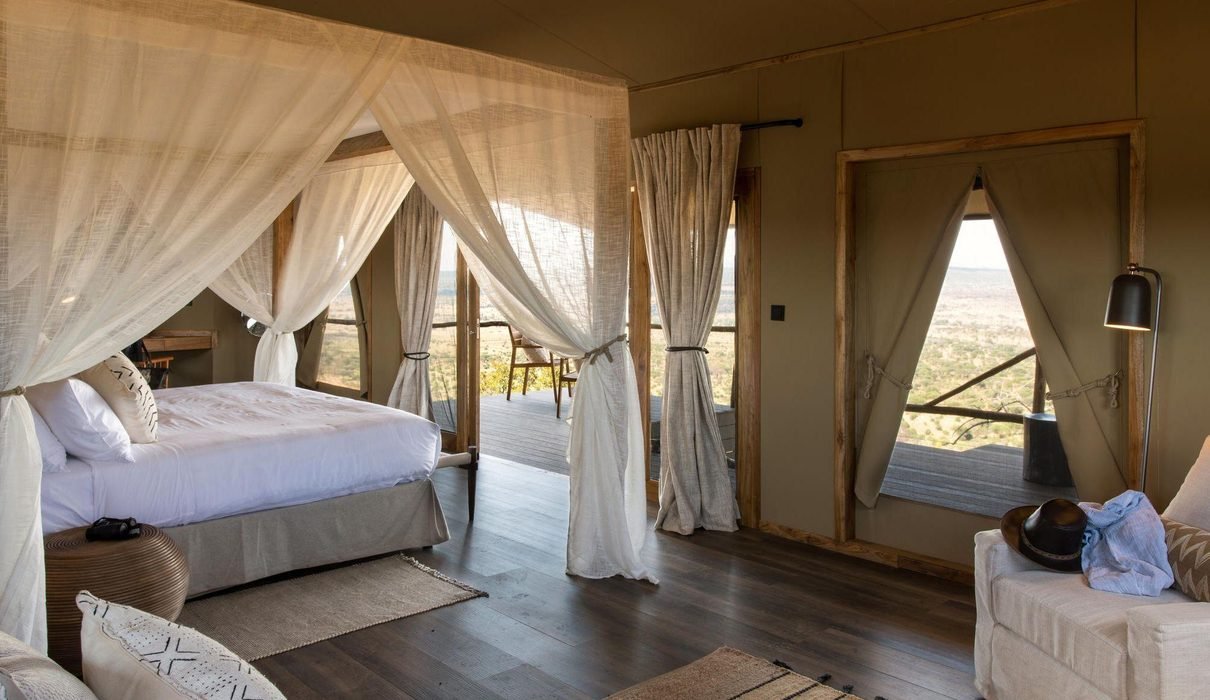
Choosing where to stay is an important part of planning an African safari. After a day of watching elephants, lions, giraffes, zebras, and other wildlife, you want somewhere comfortable to relax, enjoy a meal, and prepare for the next day’s adventure. Fortunately, African safari accommodation comes in many different styles, from simple campsites and affordable lodges to luxury tented camps and private safari villas.
In Tanzania, accommodation options vary depending on the national park, location, level of comfort, and travel budget. Some properties are located inside or close to famous wildlife destinations such as Serengeti National Park, Ngorongoro Conservation Area, Tarangire National Park, and Lake Manyara. Others are found in nearby towns, where travelers may find more affordable accommodation and convenient access to park gates.
Understanding the different types of African safari accommodation helps you choose the right place for your holiday. You do not always need to book an expensive luxury lodge to enjoy a memorable safari. A well-located mid-range tented camp or a comfortable budget lodge can also provide an excellent experience, especially when the accommodation suits your travel plans.
At Eddy Tours & Safaris, we help travelers plan Tanzania safari holidays with accommodation options suited to their budgets, interests, and preferred level of comfort. This guide explains the main types of African safari accommodation, their advantages, what to expect, and how to choose the right stay for your safari.
1. Luxury Safari Lodges
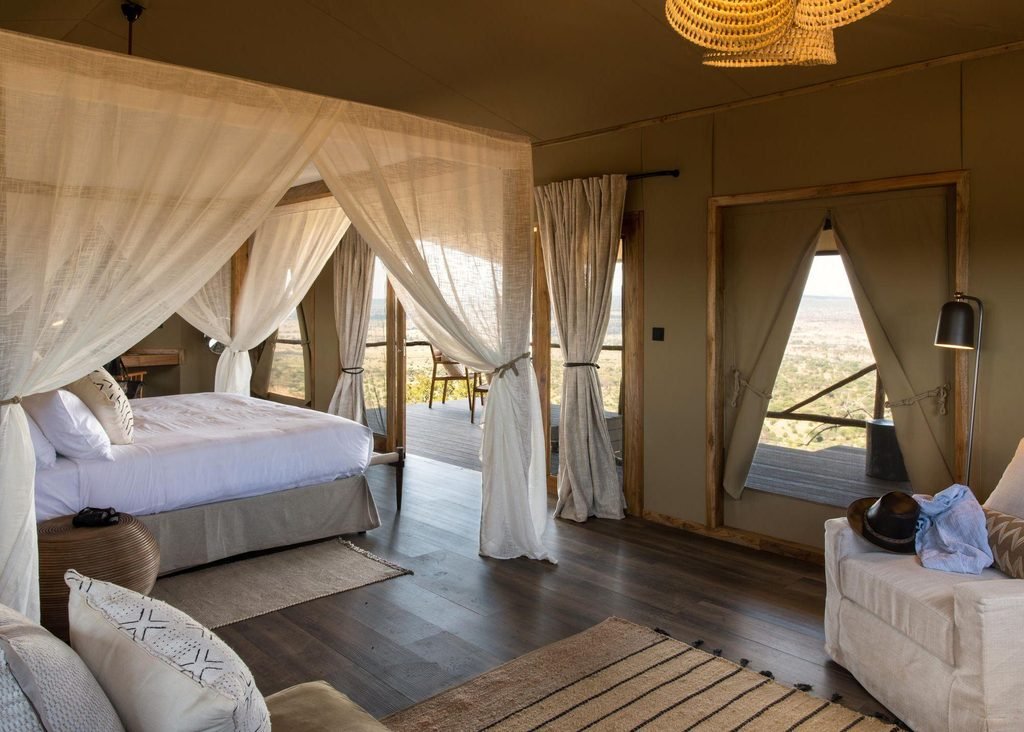
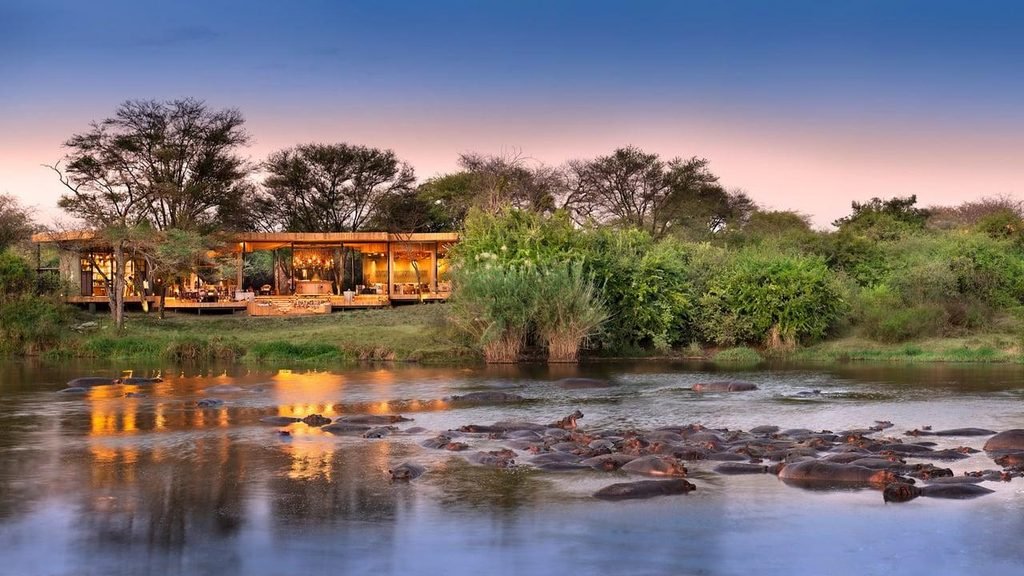
Luxury safari lodges are designed for travelers who want high-quality accommodation while exploring Africa’s wildlife destinations. These properties often feature spacious rooms or suites, comfortable beds, private bathrooms, stylish interiors, excellent dining facilities, and beautiful views of the surrounding landscape. Some also provide swimming pools, spa treatments, private decks, and personalized guest services.
In Tanzania, luxury safari lodges can be found in and around popular destinations such as the Serengeti, Ngorongoro, and Tarangire. Depending on the property, guests may stay in permanent buildings, individual cottages, or large luxury suites designed to blend into the natural surroundings. Some lodges overlook plains, valleys, or waterholes, creating opportunities to enjoy the landscape even when you are not on a game drive.
Luxury lodges are particularly suitable for honeymoon couples, families celebrating special occasions, and travelers who value privacy and comfort. However, prices can be considerably higher than those of standard safari accommodation, especially during the busiest travel months. It is worth comparing location and included services rather than choosing a lodge based only on photographs or its luxury rating.
If you are planning a premium holiday, Eddy Tours & Safaris can help you explore suitable accommodation as part of a custom Tanzania safari.
2. Tented Safari Camps
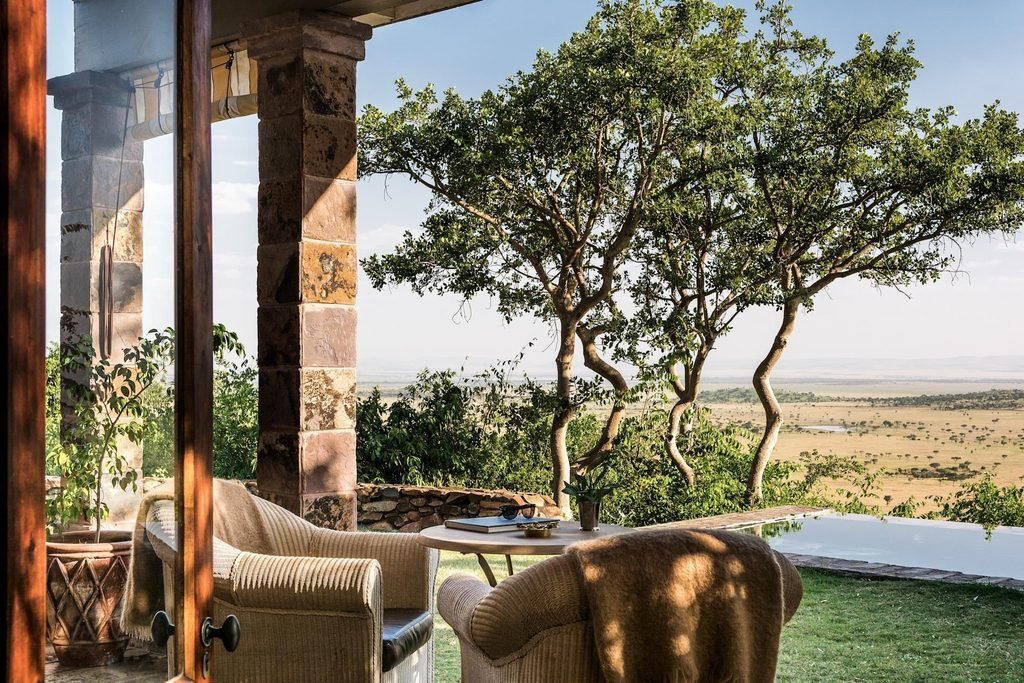
Tented safari camps are among the most popular accommodation options in Tanzania because they allow visitors to stay close to nature without necessarily giving up basic comforts. Unlike ordinary camping tents, many safari tents are large enough to stand inside and contain proper beds, furniture, lighting, and private bathrooms. The exact facilities depend on whether the property is budget, mid-range, or luxury.
Many tented camps are located within or near wildlife areas, making them convenient for early morning game drives. Guests may hear natural sounds during the night, including insects, birds, and occasionally animals moving through the surrounding area. This is part of the appeal of staying in a tented camp, although wildlife encounters and specific sounds cannot be guaranteed.
Tented camps vary greatly in quality. Some offer simple accommodation with shared facilities, while others provide spacious ensuite tents, hot showers, excellent meals, and comfortable lounge areas. Before booking, check whether the camp has electricity, charging facilities, Wi-Fi, hot water, and private bathrooms, as these services are not identical at every property.
For travelers visiting Serengeti National Park, a well-located tented camp can provide an excellent balance between comfort, atmosphere, and access to wildlife viewing areas.
3. Budget Safari Lodges and Guesthouses
Budget safari lodges and guesthouses are suitable for travelers who want to control their accommodation costs while still enjoying a comfortable place to sleep. These properties generally provide simpler rooms and fewer facilities than luxury lodges, but many offer clean beds, private or shared bathrooms, meals, and friendly service.
Budget accommodation is commonly found in towns such as Arusha, Karatu, and Mto wa Mbu, as well as other locations near safari destinations. Staying outside a national park may reduce accommodation costs, although it can also increase driving time to wildlife viewing areas. This is particularly important when planning early morning game drives or visiting destinations where distances between attractions are considerable.
Travelers should consider the total safari cost rather than accommodation prices alone. A cheaper lodge located far from the park may require additional transport time, fuel, or park-entry planning. In some cases, paying slightly more for accommodation closer to the wildlife area can make the overall itinerary more practical.
Budget lodges are a good choice for students, solo travelers, small groups, and visitors who prefer spending more of their travel budget on safari activities.
4. Mid-Range Safari Lodges
Mid-range safari lodges offer a balance between affordability and comfort. They are popular among travelers who want a proper bed, private bathroom, good meals, and pleasant surroundings without paying luxury accommodation prices. Depending on the lodge, facilities may include spacious rooms, gardens, restaurants, swimming pools, and views of nearby hills or wildlife landscapes.
In Tanzania, mid-range lodges are widely used for northern circuit safaris that combine Tarangire, Lake Manyara, Serengeti, and Ngorongoro. Travelers may stay at a lodge near Karatu before visiting Ngorongoro Crater, for example, or choose a tented lodge in the Serengeti to reduce driving distances during game-viewing days.
One advantage of mid-range accommodation is flexibility. Families, couples, and small groups can often find suitable room arrangements without moving into the highest price category. However, the term mid-range does not guarantee a particular standard, so it is important to review the property’s location, room facilities, meal arrangements, and recent guest feedback.
For many travelers booking their first Tanzania safari, mid-range lodges are a practical starting point when comparing accommodation options.
5. Mobile Safari Camps
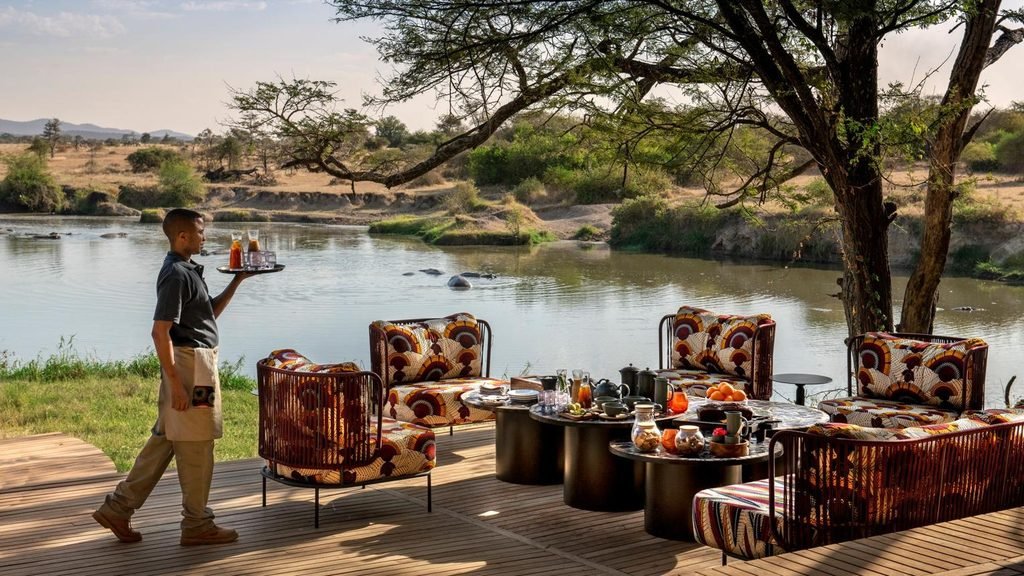
Mobile safari camps are designed to operate in different locations during particular periods of the year. They are especially associated with the Serengeti wildebeest migration, when some camps move seasonally to provide guests with better access to areas where large herds may be present.
For example, some migration-focused camps operate in the southern Serengeti or Ndutu region during the calving season and move toward northern Serengeti during the months when river crossings may occur. The exact camp locations and operating dates vary between providers, and wildlife movements are influenced by rainfall and grazing conditions rather than a fixed calendar.
Mobile camps often provide comfortable canvas tents, proper beds, meals, and private bathroom facilities, although the level of luxury differs. Their main attraction is location. Staying closer to the general migration area can reduce travel time and give visitors more opportunities to explore the surrounding wildlife habitat.
However, choosing a mobile camp does not guarantee seeing a river crossing, predator hunt, or large herd. The migration is a natural wildlife movement, and sightings depend on the animals’ actual locations during your visit.
Travelers interested in the Great Migration should discuss their preferred travel month with Eddy Tours & Safaris before selecting accommodation.
6. Public Campsites and Basic Camping
Public campsites are one of the more affordable ways to stay within certain Tanzanian national parks. These camping areas generally provide designated places to pitch tents and may have shared toilets, showers, and basic facilities. The standard of infrastructure varies by location, so travelers should not expect the same level of comfort as a lodge or permanent tented camp.
Camping safaris usually involve a support arrangement that includes tents, sleeping equipment, food preparation, and transport. Depending on the package, a safari cook or other crew members may assist with meals and campsite organization. Guests should be prepared for simpler conditions, limited privacy, and changing weather.
Camping can be especially appealing to adventurous travelers who enjoy spending time outdoors and do not require luxury facilities. Nights may be quiet or filled with the natural sounds of the surrounding environment, depending on the campsite and wildlife activity.
Because some campsites are located in wildlife areas, guests must follow all safety instructions. Walking around after dark, leaving food unsecured, or approaching animals can create serious risks. Your safari guide should explain the campsite rules and safe movement procedures.
7. Private Safari Villas and Exclusive-Use Accommodation
Private safari villas and exclusive-use properties are designed for travelers who prefer privacy, flexibility, and a more personalized accommodation experience. Instead of sharing common spaces with many other guests, a family or group may reserve an entire villa, private house, or exclusive camp. Depending on the property, the arrangement may include dedicated staff, private dining, and customized activities.
This accommodation style can be particularly attractive for extended families, honeymooners, groups of friends, or travelers celebrating a special occasion. Parents traveling with children may appreciate having separate bedrooms and shared living areas, while private groups may enjoy the flexibility of arranging meals and activities around their own schedules.
Exclusive-use accommodation is usually more expensive than standard lodge rooms, but the cost can sometimes be shared among several travelers. The final value depends on group size, property facilities, location, and included services.
Before booking, confirm whether the accommodation price includes meals, transfers, private game drives, park fees, and staff services. A private villa does not automatically include a complete safari package.
8. Eco-Lodges and Sustainable Safari Camps
Eco-lodges and sustainability-focused safari camps aim to reduce their environmental impact while providing accommodation for visitors. Depending on the property, these efforts may include solar power, water conservation, waste management, locally sourced materials, and employment opportunities for nearby communities.
Some eco-lodges use natural building materials and designs that blend into the surrounding landscape. Others operate tented accommodation with limited electricity or water use. However, the term eco-friendly is not always supported by independently verified environmental standards, so travelers should look beyond marketing descriptions.
If sustainability is important to you, ask how the property manages water, wastewater, energy, and waste. You can also enquire about local employment, purchasing practices, and whether the lodge has credible environmental certifications or documented conservation initiatives.
Choosing a property with responsible environmental practices can support a more thoughtful safari experience, particularly in destinations where tourism and conservation are closely connected.
9. Treehouse and Unusual Safari Accommodation
Some African safari properties offer unusual accommodation styles, including elevated rooms, treehouse-inspired structures, and open-air sleeping experiences. These properties appeal to travelers looking for something different from a traditional hotel or safari tent.
Elevated accommodation may provide views over forest, woodland, or open landscapes, depending on the property. The design can create a distinctive atmosphere, especially for couples and travelers celebrating special occasions. However, not every destination offers this type of accommodation, and availability may be limited.
When considering an unusual safari stay, comfort and safety should remain priorities. Check whether the accommodation has private bathroom facilities, protection from insects, suitable access arrangements, and appropriate procedures for guests moving around after dark.
Travelers should also confirm the exact location of the property because a treehouse-style lodge may be situated outside a national park rather than directly within a wildlife viewing area.
Comparing the Main Types of African Safari Accommodation
| Accommodation type | General budget level | Comfort level | Best suited for |
|---|---|---|---|
| Luxury safari lodge | High | Premium | Honeymoons, luxury travelers, special occasions |
| Tented safari camp | Mid-range to high | Varies from simple to luxury | Wildlife-focused safari travelers |
| Budget lodge or guesthouse | Low to moderate | Basic to comfortable | Budget travelers and small groups |
| Mid-range safari lodge | Moderate | Comfortable | Couples, families and first-time visitors |
| Mobile safari camp | Moderate to high | Varies by operator | Great Migration-focused safaris |
| Public campsite | Lower | Basic | Adventurous and budget-conscious travelers |
| Private safari villa | High | Premium and private | Families and private groups |
| Eco-lodge | Varies | Basic to luxury | Sustainability-conscious travelers |
| Treehouse-style accommodation | Moderate to high | Property-dependent | Couples and travelers seeking unusual stays |
These are general categories rather than fixed price or quality standards. Actual costs depend on the property, travel season, room type, park location, and services included.
How Much Does African Safari Accommodation Cost?
Safari accommodation prices vary considerably across Africa, and even within Tanzania, two properties in the same area can charge very different rates. A simple guesthouse outside a national park may cost far less than a luxury lodge inside a major wildlife destination. Seasonal demand also affects prices, especially during popular safari months and periods associated with the Great Migration.
When comparing accommodation prices, pay attention to whether the rate is per person or per room, whether meals are included, and whether taxes or other charges are added separately. Some safari camps quote full-board rates, while others may offer accommodation-only or half-board arrangements. Park fees, conservation charges, transport, and game drives may also be excluded from the accommodation price.
For travelers booking a complete safari package, the total cost usually includes more than the nightly room rate. Vehicle hire, fuel, professional guiding, park entry fees, meals, and transfers all contribute to the final quotation. This is why it is often easier to compare complete itineraries with the same level of accommodation rather than looking at lodge prices in isolation.
At Eddy Tours & Safaris, we can help travelers compare budget, mid-range, and luxury accommodation options when preparing a personalized safari quotation.
Where Should You Stay During a Tanzania Safari?
The best accommodation location depends on which parks you plan to visit and how many days you have available. Tanzania’s northern safari circuit includes several major destinations, and choosing suitable overnight stops can reduce unnecessary driving while giving you more time for wildlife viewing.
Serengeti National Park
The Serengeti offers a wide range of accommodation, including permanent lodges, tented camps, and seasonal migration camps. Central Serengeti is a popular base for general wildlife viewing, while other areas may be more convenient during particular stages of the Great Migration. The best location depends on your travel dates, planned game drives, and the wildlife experience you hope to have.
Ngorongoro Conservation Area
Accommodation options include lodges near the crater rim and properties in nearby Karatu. Staying near the crater can be convenient for early access, while Karatu often provides a wider range of budget and mid-range choices. Your itinerary should account for driving distances, park entry arrangements, and the time required to reach the crater floor.
Tarangire National Park
Travelers visiting Tarangire can choose accommodation inside the park or in surrounding areas. Properties range from simple camps to comfortable tented lodges and luxury safari accommodation. Location matters because Tarangire covers a large area, and the best overnight stop depends on the following day’s route.
Lake Manyara and Mto wa Mbu
The Lake Manyara area offers lodges, guesthouses, tented accommodation, and other options around Mto wa Mbu and nearby highlands. It is a practical overnight stop for travelers visiting Lake Manyara National Park or continuing toward Ngorongoro and Serengeti.
How to Choose the Right Safari Accommodation
The first step is deciding how much you want to spend on accommodation and what level of comfort you expect. Some travelers are happy with a clean room, comfortable bed, and good meals, while others prefer private decks, swimming pools, and premium service. There is no single best option for everyone, and spending more does not automatically mean you will see more wildlife.
Location should be the next priority. A beautiful lodge may be less convenient if it requires several additional hours of driving each day. For a short safari, choosing accommodation near the main wildlife viewing area can be particularly important because time spent traveling between the lodge and park reduces the time available for game drives.
You should also consider who is traveling. Families may need adjoining rooms or child-friendly facilities, while honeymoon couples may prefer privacy and quieter surroundings. Travelers with mobility concerns should ask about steps, walking distances, bathroom access, and transport arrangements before confirming a booking.
Finally, check what is included in the accommodation rate. Meals, drinks, Wi-Fi, laundry, transfers, and activities vary between properties. Reviewing these details before payment helps avoid unexpected expenses during your holiday.
Is It Better to Stay Inside or Outside a National Park?
Staying inside a national park can reduce travel time to certain wildlife viewing areas and may allow guests to begin game drives without first traveling from an outside town. This can be especially useful in large destinations such as Serengeti National Park, where distances between different wildlife areas can be substantial.
However, accommodation inside protected areas may be more expensive, and additional fees or operating restrictions may apply. Travelers should also understand that staying inside a park does not guarantee seeing wildlife near the lodge. Animal movements are unpredictable, and game-drive planning remains important.
Accommodation outside a park can be more affordable and may provide access to restaurants, shops, and other local services. The main disadvantage is that additional travel time may be required each day. For some itineraries, particularly short visits to Ngorongoro Crater or Lake Manyara, a well-located lodge outside the protected area can still be a practical choice.
The best decision depends on your budget, itinerary, travel dates, and the specific location of the accommodation.
Safari Accommodation for Families, Couples and Solo Travelers
Families often benefit from lodges with spacious rooms, flexible meal arrangements, and facilities suitable for children. Some properties offer family tents or interconnected rooms, while others may have minimum age restrictions or special rules because of their location in wildlife areas. Parents should confirm these arrangements before booking.
Couples and honeymoon travelers may prefer smaller tented camps, luxury lodges, or private accommodation with scenic views and personalized dining options. However, a comfortable mid-range camp can also provide a peaceful and enjoyable experience without the higher cost of a luxury property.
Solo travelers and small groups often focus on value, convenience, and opportunities to share certain safari costs. Budget lodges and mid-range tented camps can be practical options, especially when combined with a joining safari or a carefully planned private itinerary.
Frequently Asked Questions About African Safari Accommodation
1. What is the most common type of safari accommodation in Tanzania?
Lodges and tented camps are widely used, with options ranging from budget to luxury.
2. Are tented safari camps safe?
Professionally managed camps follow safety procedures, but guests must obey staff instructions because some properties are located in wildlife areas.
3. Do safari tents have private bathrooms?
Many mid-range and luxury tents do, but simpler camps may use shared facilities.
4. What is the difference between a safari lodge and a tented camp?
A lodge generally uses more permanent structures, while a tented camp uses canvas-based accommodation, although luxury tents can offer facilities comparable to lodges.
5. Is luxury safari accommodation worth the money?
It depends on your priorities. Luxury properties offer additional comfort and services, but they do not guarantee better wildlife sightings.
6. Can I enjoy a safari on a budget?
Yes. Budget lodges, guesthouses, and camping arrangements can make a Tanzania safari more affordable.
7. Is it cheaper to stay outside Serengeti National Park?
Outside accommodation may be cheaper, but additional driving and park-access considerations can affect the overall cost.
8. What is a mobile safari camp?
It is a camp that operates in different locations during certain periods, often to provide access to seasonal wildlife areas.
9. Do safari lodges have Wi-Fi?
Some do, but connection quality varies, particularly in remote locations.
10. Is electricity available in tented camps?
Many camps provide electricity or charging facilities, sometimes during limited hours.
11. Do safari lodges provide hot showers?
Many do, but water availability and shower arrangements vary by property.
12. Are meals included in safari accommodation?
Many safari packages include meals, but you should check the confirmed meal plan.
13. Can children stay in safari camps?
Many properties welcome children, although some have age restrictions or special safety policies.
14. Are safari accommodations suitable for honeymooners?
Yes. Tanzania offers a wide range of romantic lodges, tented camps, and private accommodation.
15. What is the best accommodation for a Serengeti migration safari?
A well-located permanent or seasonal camp can be useful, depending on the migration’s expected location during your travel period.
16. Can wild animals enter safari camps?
Some unfenced camps are located in wildlife areas where animals may move nearby. Guests must follow camp safety rules.
17. Should I book safari accommodation in advance?
Booking early is advisable during popular travel periods, particularly when you have specific properties in mind.
18. Is camping inside national parks allowed?
Camping is permitted at designated sites under the applicable park rules and booking arrangements.
19. What is the difference between full board and all-inclusive?
Full board usually includes accommodation and three daily meals, while all-inclusive may include additional drinks or services. Definitions vary by property.
20. Do safari lodges offer laundry services?
Some do, although availability, turnaround times, and charges vary.
21. Can I request vegetarian meals?
Many properties can accommodate dietary requests when informed in advance.
22. Are safari lodges accessible for travelers with mobility needs?
Some are, but accessibility varies significantly. Confirm the exact facilities before booking.
23. Which accommodation is best for a first-time safari?
A comfortable mid-range lodge or tented camp is often a good starting point.
24. Can I combine budget and luxury accommodation in one safari?
Yes. Many customized itineraries use different accommodation categories across the trip.
25. Can Eddy Tours & Safaris help me choose accommodation?
Yes. You can request a customized Tanzania safari quotation with accommodation suited to your travel budget and preferences.
Book Your Tanzania Safari Accommodation with Eddy Tours & Safaris
Choosing the right African safari accommodation is about finding a balance between comfort, location, budget, and the experience you want from your holiday. Luxury lodges provide premium facilities, tented camps offer a close connection to the natural environment, and budget lodges or campsites can make wildlife travel more affordable. Mid-range properties remain an excellent choice for many travelers because they combine comfort with reasonable costs.
When planning a Tanzania safari, accommodation location can be just as important as the room itself. Staying near the wildlife areas you want to explore can reduce unnecessary driving and help you make better use of your safari days. Whether you are visiting Serengeti, Ngorongoro, Tarangire, or Lake Manyara, the right overnight arrangements can make your itinerary more practical and enjoyable.
At Eddy Tours & Safaris, we help travelers plan private and group safaris with budget, mid-range, and luxury accommodation options. Our team can discuss your preferred destinations, travel dates, group size, and accommodation requirements before preparing a detailed quotation.
Request Your Tanzania Safari Quotation
Chat with Eddy Tours & Safaris on WhatsApp
Email: sales@eddytours-safaris.com
Contact our team to find safari accommodation that suits your travel style and makes the most of your time exploring Tanzania.