
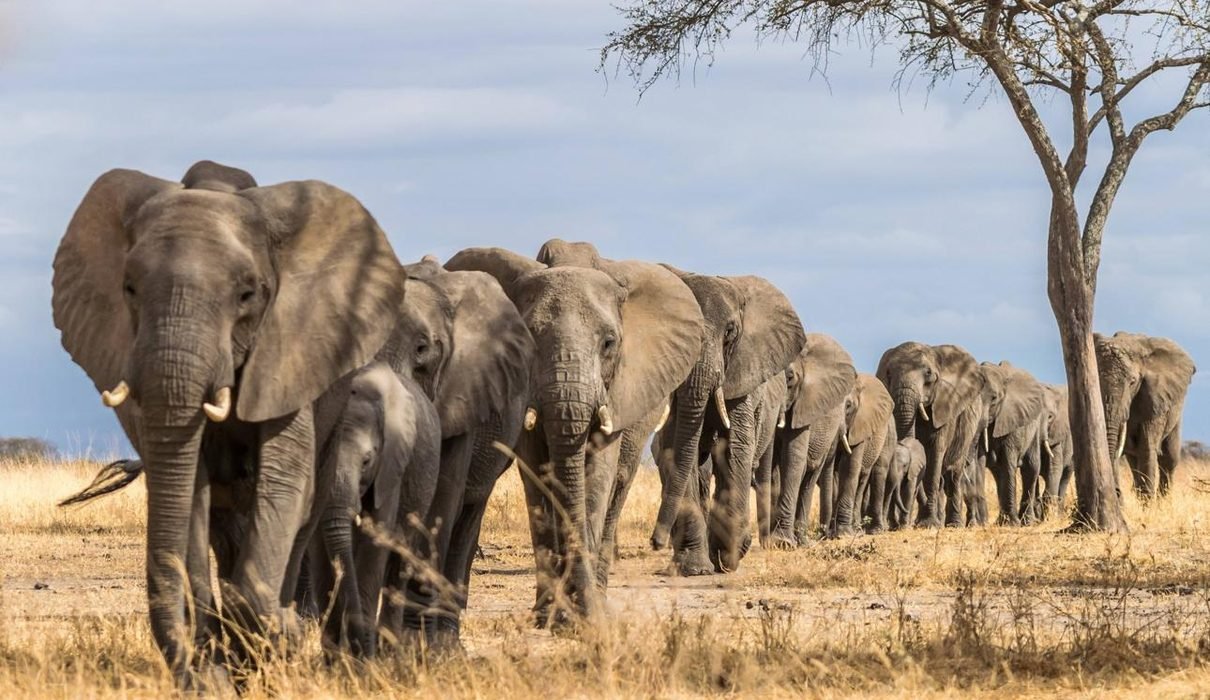
Planning an African safari in 2027 often begins with one big question: should you visit Tanzania or Kenya? Both countries are famous for their wildlife, beautiful landscapes, national parks, and opportunities to see animals living freely in their natural habitats. From lions resting on open grasslands to elephants walking beside rivers and wildebeest moving across the plains, both destinations offer experiences that attract travelers from around the world.
However, a Tanzania safari and a Kenya safari are not exactly the same. Tanzania is known for the vast Serengeti National Park, Ngorongoro Crater, Tarangire National Park, and the opportunity to combine wildlife viewing with Mount Kilimanjaro or a Zanzibar beach holiday. Kenya is famous for the Masai Mara National Reserve, Amboseli National Park, Lake Nakuru, and several other wildlife destinations that can be reached through different safari circuits.
The choice becomes even more interesting when you consider the Great Wildebeest Migration. This remarkable movement of wildebeest, zebras, and other grazing animals takes place across the wider Serengeti–Mara ecosystem, connecting Tanzania and Kenya. Although both countries offer opportunities to witness parts of the migration, the experience depends heavily on the month you travel and the location of the herds.
If you are organizing your first African safari in 2027, understanding the differences between these destinations can help you make a better decision. In this guide, Eddy Tours & Safaris compares Tanzania and Kenya in terms of wildlife, national parks, safari costs, accommodation, travel distances, the Great Migration, and the best time to visit. We also explain which country may suit families, honeymooners, photographers, budget travelers, and visitors planning longer African holidays.
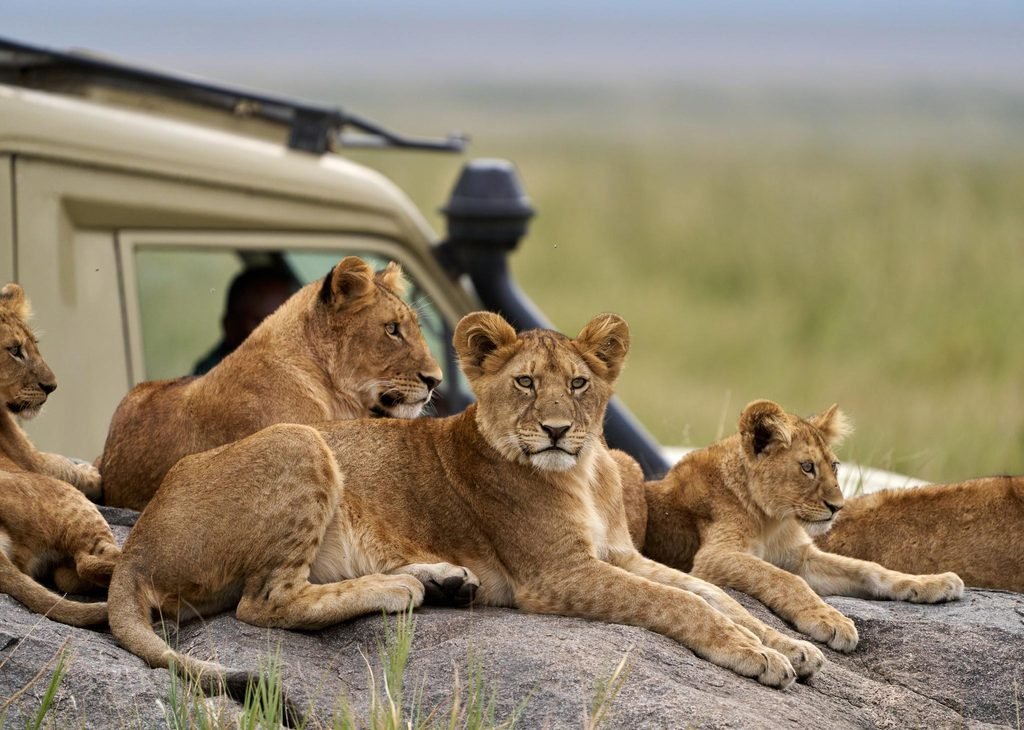
Tanzania Safari vs. Kenya Safari: Quick Comparison
| Safari feature | Tanzania | Kenya |
|---|---|---|
| Famous wildlife destination | Serengeti National Park | Masai Mara National Reserve |
| Other major attractions | Ngorongoro, Tarangire, Lake Manyara, Ruaha, Nyerere | Amboseli, Lake Nakuru, Tsavo, Samburu |
| Great Migration | Multiple stages across the Serengeti ecosystem | Northern migration period in the Masai Mara |
| Calving season | Southern Serengeti and Ndutu | Not the main calving grounds |
| Wildlife viewing | Excellent throughout the year in several parks | Excellent throughout the year in several parks |
| Big Five | Possible across the northern safari circuit | Possible across different parks and reserves |
| Elephant viewing | Tarangire and other parks | Amboseli and Tsavo |
| Safari duration | Particularly attractive for 5–10+ day circuits | Strong options for shorter or longer trips |
| Beach extension | Zanzibar, Pemba, mainland coast | Diani, Watamu, Malindi and other coastal destinations |
| Mountain experience | Mount Kilimanjaro and Mount Meru | Mount Kenya and views of Kilimanjaro from Amboseli |
| Main international gateway | Kilimanjaro or Dar es Salaam, depending on itinerary | Nairobi |
| Accommodation | Budget camping to luxury lodges | Budget camping to luxury lodges |
Neither country is automatically cheaper or better for every traveler. The final experience depends on the parks selected, accommodation category, travel season, transportation arrangements, and the number of days available.
1. Tanzania vs. Kenya: Which Country Has Better Wildlife Safaris?
Tanzania and Kenya both support remarkable wildlife populations, including elephants, lions, leopards, buffaloes, giraffes, zebras, wildebeest, antelopes, and many bird species. Both countries also have protected areas with different habitats, meaning the animals you are likely to encounter depend on the destination and time of year. A safari focused on elephants may look very different from one designed around big cats or the Great Migration.
Tanzania has a particular advantage for travelers who want to explore several well-known wildlife destinations during one northern circuit safari. The Serengeti offers extensive plains and excellent opportunities to observe predators and grazing animals. Ngorongoro Crater provides a different experience, with wildlife concentrated within a volcanic caldera. Tarangire is known for its elephants and baobab trees, while Lake Manyara adds forest, lake environments, and birdlife to the journey.
Kenya offers an equally interesting range of wildlife environments. The Masai Mara is famous for lions, cheetahs, wildebeest, and open grasslands, while Amboseli is especially well known for elephants and views of Mount Kilimanjaro. Lake Nakuru is associated with rhino conservation and birdlife, while Samburu offers opportunities to observe wildlife species adapted to northern Kenya’s drier environments.
For travelers who want a long safari with several different landscapes, Tanzania’s northern circuit is particularly appealing. For those who prefer a shorter trip centered on a famous wildlife reserve, Kenya’s Masai Mara can be an excellent option. Wildlife sightings are never guaranteed in either country because animals move freely and conditions change throughout the year.
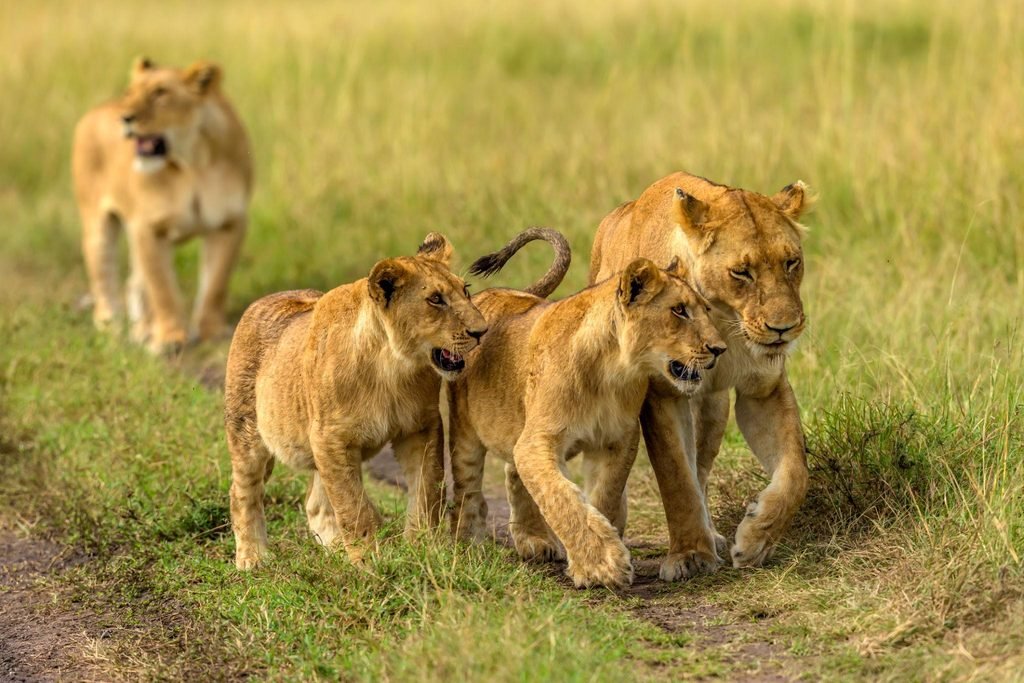
2. Serengeti vs. Masai Mara: Which Is Better for the Great Migration?
The Great Wildebeest Migration is one of the main reasons travelers compare Tanzania and Kenya. Every year, large herds of wildebeest, accompanied by zebras and other grazing animals, move through the Serengeti–Mara ecosystem in search of fresh grass and water. Their movement is influenced by rainfall, grazing conditions, and natural behavior rather than a fixed calendar, which means migration timing can change from one year to another.
The Serengeti in Tanzania covers a much larger area than the Masai Mara National Reserve and includes several important stages of the migration. During the early part of the year, the southern Serengeti and Ndutu area are associated with the calving season. As conditions change, the herds generally move through the central and western parts of the ecosystem before reaching the northern Serengeti, where Mara River crossings may occur.
Kenya’s Masai Mara becomes particularly attractive when large numbers of migrating animals move into its grasslands during the northern migration period. Travelers visiting between approximately July and October may have opportunities to see substantial herds and dramatic river crossings. However, the herds do not all move together, and river crossings cannot be scheduled or guaranteed.
For visitors who want to experience different stages of the migration throughout the year, Tanzania offers more opportunities because much of the annual movement occurs within the Serengeti ecosystem. Kenya is especially attractive for travelers whose dates coincide with the herds’ presence in the Masai Mara.
Great Migration Calendar for Tanzania and Kenya in 2027
| Months | Typical migration area | Safari experience |
|---|---|---|
| January–March | Southern Serengeti and Ndutu, Tanzania | Calving season and predator activity |
| April–May | Central and western Serengeti, Tanzania | Herd movements and green landscapes |
| June–July | Western and northern Serengeti, Tanzania | Northward migration and possible river crossings |
| July–October | Northern Serengeti and Masai Mara | Mara River crossings and large herds |
| November–December | Serengeti ecosystem, generally moving south | Return migration and changing grazing areas |
These periods are general patterns, not confirmed herd locations for 2027. Rainfall can cause the migration to arrive earlier or later than expected, and river crossings are unpredictable.
If the Great Migration is your main reason for visiting Africa, choose your travel month before deciding which region to book. You can also read more about migration travel through Eddy Tours & Safaris.
3. Tanzania’s Best National Parks for a Safari in 2027
Serengeti National Park
The Serengeti is one of Africa’s most famous wildlife destinations and a major attraction for travelers visiting Tanzania. Its extensive grasslands, rocky outcrops, river systems, and woodland areas provide habitats for many animals, including lions, leopards, cheetahs, elephants, buffaloes, giraffes, and wildebeest. The park is also central to the annual Great Migration, making it attractive throughout different seasons.
One of the main advantages of visiting the Serengeti is the opportunity to spend several days exploring different areas rather than limiting the experience to one game drive. The central Serengeti is well known for year-round wildlife viewing, while the northern and southern areas become particularly important during different stages of the migration. A well-planned itinerary should allow enough time to reach the region that best matches your travel dates.
Ngorongoro Crater
Ngorongoro Crater is one of Tanzania’s most distinctive safari destinations because of its volcanic landscape and concentration of wildlife. The crater floor supports grassland, woodland, wetlands, and other habitats where visitors may encounter lions, elephants, buffaloes, zebras, hippos, and various antelope species. Black rhinos are also present, although sightings are uncommon and cannot be guaranteed.
The crater is often included in Tanzania’s northern safari circuit because it can be combined with the Serengeti, Tarangire, and Lake Manyara. Visitors typically descend into the crater for a game drive before returning to accommodation along the rim or in the surrounding highlands. The dramatic scenery and relatively compact wildlife-viewing area make it a valuable addition to a longer Tanzania safari.
Tarangire National Park
Tarangire is particularly attractive for travelers interested in elephants, baobab trees, and quieter landscapes. During the dry season, wildlife often gathers around the Tarangire River and other available water sources, creating good opportunities for game viewing. The park is also home to giraffes, zebras, wildebeest, lions, antelopes, and a wide variety of birds.
Because Tarangire is relatively accessible from Arusha, it is commonly included at the beginning or end of a northern circuit safari. Travelers who want to combine elephants with the Serengeti and Ngorongoro can often include Tarangire without making the overall itinerary unnecessarily complicated.
Lake Manyara National Park
Lake Manyara offers a different environment from the open plains of the Serengeti. The park includes groundwater forest, open areas, wetlands, and lake habitats that attract different wildlife and bird species. Visitors may encounter elephants, baboons, giraffes, buffaloes, and other animals, while birdwatching can be rewarding during suitable seasons.
Lake Manyara is often included in shorter northern circuit itineraries because of its location between Arusha and the Ngorongoro highlands. However, travelers should consider whether an additional day here fits their wildlife interests and available time rather than assuming every safari must include all four major northern destinations.
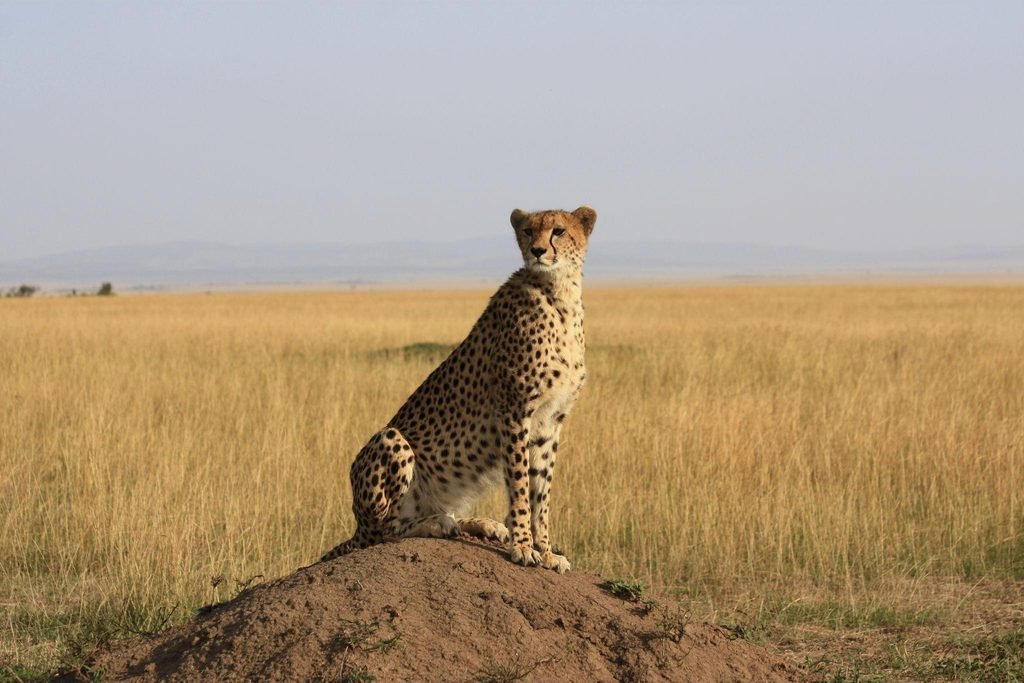
4. Kenya’s Best National Parks and Reserves for a Safari in 2027
Masai Mara National Reserve
The Masai Mara is Kenya’s most famous wildlife reserve and a major destination for visitors interested in big cats and the Great Migration. Its open grasslands provide opportunities to observe lions, cheetahs, elephants, giraffes, and large grazing herds. During the northern migration period, wildebeest may cross into the reserve from Tanzania, attracting travelers who hope to witness the movement of animals across the Mara River.
The reserve is suitable for both shorter and longer safaris, depending on the travel arrangements. Visitors can spend several days exploring different sections of the Mara, while nearby conservancies may offer additional experiences under their own rules and arrangements. As with the Serengeti, wildlife viewing depends on natural conditions, and no particular animal encounter can be guaranteed.
Amboseli National Park
Amboseli is especially famous for its elephants and the views of Mount Kilimanjaro that can appear behind the park’s open landscapes. The mountain itself is located in Tanzania, but its southern slopes and summit may be clearly visible from Amboseli when weather conditions allow. This creates a distinctive setting for wildlife photography, particularly when elephants are moving through the grasslands or wetlands.
The park also supports buffaloes, giraffes, zebras, antelopes, and many bird species. Travelers interested in elephants and mountain scenery often include Amboseli in a Kenya safari, especially when combining it with other parks such as Tsavo or the Masai Mara.
Lake Nakuru National Park
Lake Nakuru is known for its lake environment, birdlife, and important rhino conservation work. The park offers opportunities to see both black and white rhinos, although sightings depend on where animals are located during the visit. Other wildlife includes buffaloes, giraffes, zebras, and various antelope species.
The park can be included in itineraries traveling between Nairobi and the western safari regions. It provides a different landscape from the Masai Mara, making it attractive for travelers who want to experience more than one wildlife environment during their Kenya holiday.
Samburu National Reserve
Samburu is located in northern Kenya and is known for its relatively dry landscape and wildlife species associated with the region. Travelers may encounter Grevy’s zebras, reticulated giraffes, gerenuks, elephants, and predators, depending on conditions. The Ewaso Ng’iro River is an important feature of the ecosystem and attracts wildlife during different periods.
Samburu can be a rewarding destination for travelers who have already visited Kenya’s more famous parks or want to explore a different part of the country. However, reaching it requires additional travel planning, so it is often better suited to longer itineraries.
5. Tanzania Safari vs. Kenya Safari: Which Is More Affordable?
Safari costs in Tanzania and Kenya vary considerably depending on the season, accommodation, number of travelers, transportation, park fees, and overall itinerary. Neither country is always cheaper. A short Kenya safari with road transfers and modest accommodation may cost less than a longer Tanzania circuit, but a luxury Masai Mara safari can be more expensive than a carefully planned mid-range Tanzania package.
In Tanzania, costs may increase when an itinerary includes several nights in the Serengeti, Ngorongoro Crater fees, long-distance transfers, or domestic flights. However, travelers can manage their budget by choosing suitable accommodation, traveling in a small group, and avoiding unnecessary changes between distant parks. A well-organized five- to seven-day safari can provide a good balance between wildlife viewing and overall cost.
In Kenya, costs depend heavily on whether travelers stay inside the Masai Mara, in nearby areas, or in private conservancies. Conservancy fees, premium accommodation, domestic flights, and peak-season travel can significantly affect the final price. Budget options may be available, but it is important to compare the exact services included rather than looking only at the advertised daily rate.
For 2027, travelers should request current written quotations rather than relying on old price estimates. Park fees, taxes, accommodation rates, fuel costs, and other operating expenses may change before departure.
Budget, Mid-Range and Luxury Safari Options
| Safari category | Tanzania | Kenya |
|---|---|---|
| Budget safari | Camping, shared or private vehicles depending on package | Budget camps and road-based safari options |
| Mid-range safari | Comfortable lodges and tented camps | Lodges and tented camps in or near reserves |
| Luxury safari | Premium Serengeti lodges, exclusive camps, fly-in options | Luxury Mara camps, conservancies, fly-in options |
| Main cost factors | Park fees, distances, accommodation, group size | Reserve and conservancy fees, accommodation, transport |
A cheaper quotation is not automatically better value. Travelers should check the number of game drives, vehicle arrangements, park fees, accommodation location, meals, and whether the itinerary allows enough time for wildlife viewing.
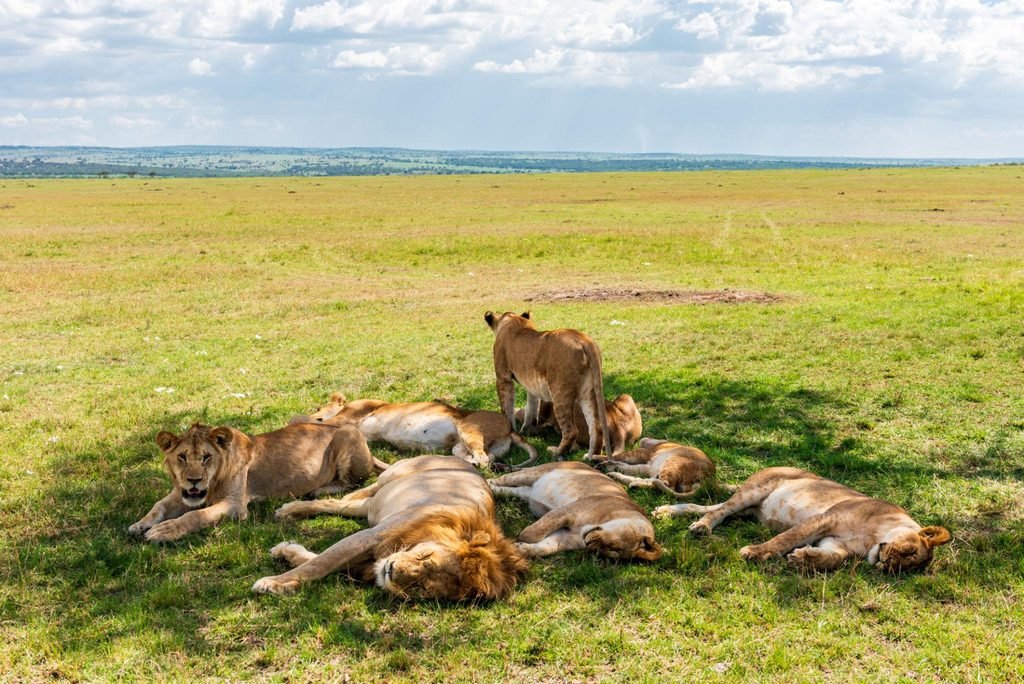
6. Which Country Is Better for a Luxury Safari?
Both Tanzania and Kenya offer high-quality luxury safari experiences, including premium lodges, tented camps, private guides, and domestic flight connections. The main difference is often the type of itinerary travelers want rather than the quality of accommodation itself.
Tanzania is particularly attractive for luxury travelers who want to explore the Serengeti in depth, spend time in the Ngorongoro highlands, and combine several wildlife destinations in one journey. Some premium itineraries use small aircraft to reduce driving time between distant locations, allowing guests to spend more time on game drives and less time traveling between parks.
Kenya offers excellent luxury experiences in the Masai Mara and nearby conservancies, where accommodation may include private tents, personalized guiding, and activities permitted under the relevant conservancy rules. Amboseli and other parks also offer premium options, making it possible to design a luxury safari around wildlife photography, privacy, or a particular destination.
The best luxury safari is the one that matches your interests. A traveler who wants extensive Serengeti wildlife viewing may prefer Tanzania, while someone who wants to stay in a private Mara conservancy may find Kenya more suitable.
7. Tanzania vs. Kenya: Which Is Better for Families?
Both destinations can be suitable for family safaris, but the best choice depends on the children’s ages, the total number of travel days, and how comfortable everyone is with long vehicle journeys. Families with younger children may prefer shorter driving distances, comfortable accommodation, and fewer changes between hotels or camps.
In Tanzania, families can combine Tarangire, Ngorongoro Crater, and selected areas of the Serengeti in a private safari. A private vehicle allows more flexibility for breaks, photography, and adjustments to the daily schedule. However, the journey between Arusha and the Serengeti can be long, so parents should consider the total travel time when planning the itinerary.
Kenya also offers family-friendly options, particularly around the Masai Mara and Amboseli. Travelers arriving in Nairobi can choose a shorter itinerary or include domestic flights where suitable. Families should check accommodation age policies, activity restrictions, and the suitability of the selected camp before booking.
For a family safari in 2027, it is often better to visit two or three destinations properly than to rush through several parks in a short period.
8. Which Country Is Better for a Honeymoon Safari?
A honeymoon safari should provide enough time for wildlife viewing while allowing couples to relax and enjoy their accommodation. Tanzania is particularly attractive because travelers can combine a Serengeti or Ngorongoro safari with a Zanzibar beach holiday. After several days of early morning game drives, Zanzibar offers opportunities to enjoy the Indian Ocean, beach accommodation, cultural attractions, and time together.
Kenya also offers romantic safari experiences, including premium camps in the Masai Mara and coastal holidays around Diani, Watamu, and other Indian Ocean destinations. Couples may prefer Kenya if they want to combine a shorter wildlife safari with time at the coast or stay in a conservancy offering a quieter safari environment.
For couples who want a longer wildlife safari followed by several days on an island, Tanzania and Zanzibar are a particularly appealing combination. However, Kenya can be equally suitable when the itinerary is designed around the couple’s preferred accommodation, travel dates, and activities.
9. Best Time to Visit Tanzania or Kenya in 2027
The best time for an African safari depends on what you want to see. In both countries, the dry season often provides favorable wildlife-viewing conditions because vegetation becomes less dense and animals may gather near available water sources. However, the rainy season can offer greener landscapes, birdwatching opportunities, and a different atmosphere.
In Tanzania, June to October is generally a popular period for wildlife viewing, particularly in the Serengeti and Tarangire. January and February are also important for travelers interested in the wildebeest calving season in the southern Serengeti and Ndutu area. The central Serengeti and Ngorongoro Crater can provide rewarding wildlife viewing during much of the year.
In Kenya, the Masai Mara is particularly popular from approximately July to October because of the northern migration period. Amboseli and other parks can offer wildlife viewing during different seasons, although the quality of the experience depends on rainfall, water availability, and local conditions.
Tanzania vs. Kenya Safari Seasons
| Travel period | Tanzania highlights | Kenya highlights |
|---|---|---|
| January–February | Southern Serengeti calving, Ngorongoro | Amboseli, Masai Mara resident wildlife |
| March–May | Green landscapes, variable rainfall | Green-season landscapes, variable rainfall |
| June–July | Serengeti migration movement, Tarangire | Dry-season wildlife, early Mara migration |
| August–October | Northern Serengeti, Tarangire | Masai Mara migration, Amboseli |
| November–December | Returning Serengeti migration, green season | Resident wildlife and greener landscapes |
These are general seasonal patterns. Actual wildlife movements and rainfall in 2027 cannot be predicted precisely this far in advance.
10. Tanzania vs. Kenya: Which Is Easier to Travel Around?
Travel logistics are an important part of choosing a safari destination. Tanzania’s northern safari circuit commonly begins in Arusha, with travelers visiting Tarangire, Lake Manyara, Ngorongoro, and the Serengeti. These destinations can be connected by road, although some transfers are long and road conditions vary. Domestic flights may be available for travelers who want to reduce driving time, particularly when visiting distant parts of the Serengeti.
Kenya safaris often begin in Nairobi, which provides access to several national parks and reserves. Some travelers visit Nairobi National Park or travel to Amboseli, while others continue toward Lake Nakuru and the Masai Mara. Domestic flights can also connect Nairobi with major safari regions, depending on the itinerary and available services.
Travelers should not assume that Kenya is always easier or Tanzania always requires longer drives. The total journey depends on the exact parks selected. A two-park itinerary may be straightforward in either country, while a multi-region safari can involve substantial travel time.
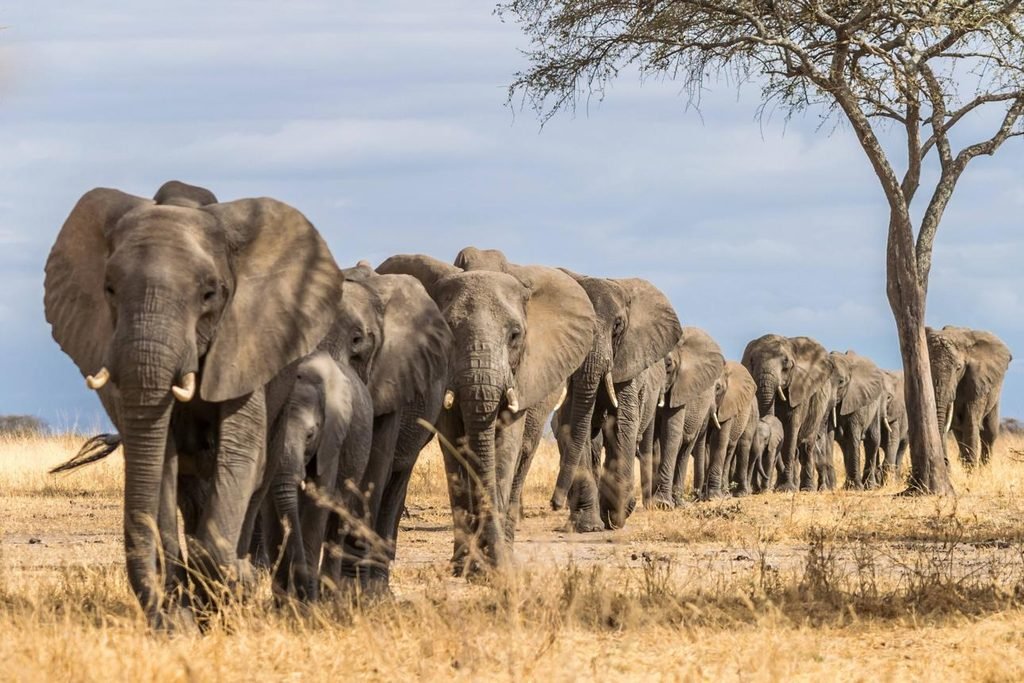
11. Tanzania vs. Kenya: Which Is Better for Wildlife Photography?
Both countries offer excellent wildlife photography opportunities, particularly for travelers interested in large mammals, predators, birds, and natural landscapes. Tanzania’s Serengeti provides extensive open plains and varied habitats, while Ngorongoro Crater offers the chance to photograph wildlife against a distinctive volcanic backdrop. Tarangire is particularly attractive for elephant photography, especially when animals move among the park’s large baobab trees.
Kenya’s Masai Mara is well known for big-cat photography and open grassland scenery. Amboseli offers a different photographic setting, with elephants and the possibility of Mount Kilimanjaro appearing in the background. Samburu provides opportunities to photograph wildlife associated with northern Kenya’s drier landscapes.
For serious photographers, the quality of the guide, vehicle arrangements, time spent at sightings, and flexibility of the itinerary are often more important than choosing one country over the other. A private safari with sufficient time in each destination may provide better photographic opportunities than a rushed itinerary covering too many parks.
12. Can You Combine Tanzania and Kenya in One Safari?
Yes. Travelers with sufficient time can combine Tanzania and Kenya in one East African safari. A longer itinerary may include the Masai Mara in Kenya and the Serengeti or Ngorongoro in Tanzania, allowing visitors to experience different sections of the wider wildlife ecosystem. However, crossing the international border requires additional planning, including transport arrangements, immigration requirements, and the practicalities of changing safari vehicles or operators.
It is also important to understand that the Serengeti and Masai Mara do not operate as a single tourist park with unrestricted vehicle access across the international boundary. Travelers cannot simply drive across the wildlife border wherever they wish. Cross-border journeys must use authorized border crossings and comply with the relevant immigration and transport rules.
For a combined Kenya and Tanzania safari, an itinerary of around ten to fourteen days may provide a more comfortable schedule than attempting to visit both countries in a short trip. The exact duration depends on the parks selected, border arrangements, and whether domestic flights are included.
13. Suggested Tanzania Safari Itinerary for 2027
For travelers visiting Tanzania for the first time, a seven-day northern circuit safari provides a useful balance between wildlife viewing and travel time. The itinerary below is an example and can be adjusted according to your travel dates, budget, accommodation preferences, and the location of the Great Migration.
Day 1: Arrival in Arusha
Arrive at Kilimanjaro International Airport and transfer to your accommodation in Arusha. Depending on your arrival time, you can rest after your flight and meet your safari representative for a briefing. The discussion covers the planned route, accommodation arrangements, travel times, and the wildlife destinations included in your safari.
Day 2: Arusha to Tarangire National Park
After breakfast, depart for Tarangire National Park, where you begin your first game drive. The park is known for its elephants, baobab trees, and varied wildlife habitats. Depending on the season and animal movements, you may encounter giraffes, zebras, antelopes, lions, and numerous bird species before continuing to your accommodation.
Day 3: Tarangire Area to Serengeti National Park
Travel toward the Serengeti through the Ngorongoro highlands, enjoying changing landscapes along the way. After entering the Serengeti, continue with wildlife viewing as you make your way toward the selected lodge or tented camp. This is a long travel day, so the schedule should allow realistic driving times and comply with park regulations.
Day 4: Full-Day Serengeti Safari
Spend the day exploring the Serengeti with your professional safari guide. Depending on your travel month, the game drives may focus on the central plains or another region suitable for the expected wildlife movements. The day provides opportunities to observe predators, grazing animals, and the natural behavior of wildlife in the park.
Day 5: Additional Serengeti Game Drives
Enjoy another day in the Serengeti, allowing more time to explore different habitats and follow wildlife activity. Spending more than one day in the park is valuable because animal sightings vary, and a longer stay reduces the need to rush between destinations. Your guide will plan the day’s game drives according to conditions and the location of your accommodation.
Day 6: Serengeti to Ngorongoro Highlands
After breakfast, enjoy a final game drive in the Serengeti before traveling toward the Ngorongoro Conservation Area. The journey provides views of changing landscapes as you leave the open plains and enter the highlands. Continue to your selected accommodation, where you can rest before the following day’s crater visit.
Day 7: Ngorongoro Crater and Return to Arusha
Descend into Ngorongoro Crater for a game drive, exploring its grasslands, wetlands, and woodland habitats. Depending on wildlife movements, you may see elephants, buffaloes, lions, zebras, hippos, and other animals. After the crater visit, return toward Arusha or continue with your onward travel arrangements, allowing sufficient time for the journey.
For travelers who want to focus specifically on the Great Migration, this itinerary should be adjusted to include the appropriate Serengeti region and enough time for wildlife viewing.
14. Suggested Kenya Safari Itinerary for 2027
A five-day Kenya safari can provide a rewarding introduction to the country’s wildlife, particularly for travelers who want to focus on the Masai Mara and another destination. The following example combines Lake Nakuru and the Masai Mara, although other arrangements may be more suitable depending on travel dates and interests.
Day 1: Arrival in Nairobi
Arrive in Nairobi and transfer to your hotel. Depending on your flight schedule, you may have time to rest or discuss the planned safari arrangements with your guide. The following days involve travel outside the city, so a comfortable arrival schedule is helpful.
Day 2: Nairobi to Lake Nakuru
Travel toward Lake Nakuru National Park, where you can enjoy wildlife viewing in a landscape known for its lake, woodland, and grassland habitats. The park is an important area for rhino conservation and supports various other mammals and birds. Continue to your accommodation after the game drive.
Day 3: Lake Nakuru to Masai Mara
After breakfast, travel toward the Masai Mara, passing through the landscapes of Kenya’s Rift Valley region. Depending on arrival time and park arrangements, you may enjoy an afternoon game drive before checking into your accommodation.
Day 4: Full-Day Masai Mara Safari
Spend the day exploring the Masai Mara with your guide. The reserve is well known for big cats, elephants, giraffes, zebras, and large grazing herds. During the northern migration period, the day’s activities may include searching for migrating wildebeest, although river crossings cannot be guaranteed.
Day 5: Masai Mara to Nairobi
After breakfast, begin the return journey to Nairobi, allowing sufficient time for the road transfer and any onward travel arrangements. Depending on the confirmed itinerary, an additional morning game drive may be possible before departure.
15. Tanzania Safari vs. Kenya Safari: Which Should You Choose?
The best safari destination depends on your interests, travel dates, budget, and available time. Tanzania is particularly attractive for travelers who want to explore the Serengeti, Ngorongoro Crater, and Tarangire in one itinerary. It is also a strong choice for those interested in the southern Serengeti calving season, longer wildlife safaris, and combining game drives with Zanzibar or Mount Kilimanjaro.
Kenya is an excellent option for travelers interested in the Masai Mara, elephant photography in Amboseli, or safari arrangements beginning in Nairobi. The country offers a wide range of accommodation and safari styles, from modest camps to exclusive luxury experiences. During the northern migration period, the Masai Mara can be particularly rewarding for visitors hoping to see large wildebeest herds.
For a first-time visitor with seven to ten days available, Tanzania’s northern safari circuit offers a particularly varied experience because it combines several famous destinations with different habitats. However, a carefully planned Kenya safari can be just as rewarding for travelers whose priorities align with the Masai Mara, Amboseli, or other Kenyan reserves.
Frequently Asked Questions About Tanzania vs. Kenya Safaris
1. Is Tanzania or Kenya better for a safari in 2027?
Both offer excellent wildlife safaris. Tanzania is especially attractive for the Serengeti and Ngorongoro, while Kenya is known for the Masai Mara and Amboseli.
2. Which country has the better Great Migration safari?
Tanzania offers access to more stages of the annual migration, while Kenya is especially attractive during the northern migration period.
3. Is the Serengeti better than the Masai Mara?
The Serengeti covers a larger area and includes more migration stages. The Masai Mara is excellent for wildlife viewing, particularly during the northern migration season.
4. Which country is cheaper for a safari?
Neither is always cheaper. Costs depend on the season, accommodation, park fees, transportation, and itinerary duration.
5. Which country has more lions?
Both have important lion populations. Your chances of seeing lions depend on the particular park, season, and wildlife movements.
6. Is Tanzania good for first-time safari travelers?
Yes. The northern circuit combines several famous wildlife destinations and offers a wide range of safari options.
7. Is Kenya good for first-time safari travelers?
Yes. The Masai Mara, Amboseli, and other destinations provide excellent opportunities for a first African safari.
8. Which country is better for seeing elephants?
Tarangire in Tanzania and Amboseli in Kenya are both well known for elephant viewing.
9. Can I see the Big Five in Tanzania?
Yes, the Big Five occur in Tanzania, although seeing all five during one safari is not guaranteed.
10. Can I see the Big Five in Kenya?
Yes. Kenya has destinations where the Big Five occur, although sightings depend on the parks visited.
11. Which country is better for a family safari?
Both can be suitable. The best choice depends on children’s ages, driving distances, and accommodation arrangements.
12. Which country is better for a honeymoon?
Tanzania is attractive for combining a safari with Zanzibar, while Kenya offers luxury safari camps and Indian Ocean beach destinations.
13. When is the best time to visit Tanzania?
June to October is generally popular for wildlife viewing, while January and February are important for the southern Serengeti calving season.
14. When is the best time to visit Kenya?
July to October is popular for the Masai Mara migration period, although wildlife viewing is possible throughout the year.
15. Can I visit Tanzania during the rainy season?
Yes. Wildlife viewing remains possible, although rain may affect road conditions and the overall experience.
16. Can I visit Kenya during the rainy season?
Yes. Some travelers enjoy the greener landscapes and potentially quieter periods, depending on the destination.
17. Which country is better for photography?
Both are excellent. Tanzania offers the Serengeti and Ngorongoro, while Kenya offers the Masai Mara and Amboseli.
18. Can I combine Tanzania and Kenya in one safari?
Yes, but the itinerary requires appropriate border, immigration, and transport arrangements.
19. How many days should I spend on a Tanzania safari?
Five to ten days is a useful range for many northern circuit itineraries, depending on the parks selected.
20. How many days should I spend on a Kenya safari?
Four to seven days can provide a rewarding introduction, while longer itineraries allow more destinations.
21. Is Zanzibar part of Tanzania?
Yes. Zanzibar is part of the United Republic of Tanzania and is a popular beach extension after a safari.
22. Can I climb Kilimanjaro after a Tanzania safari?
Yes. Kilimanjaro climbing can be arranged before or after a safari, with suitable time for preparation and recovery.
23. Are Great Migration river crossings guaranteed?
No. River crossings depend on natural animal movements and cannot be scheduled.
24. Should I book my 2027 safari early?
Booking several months ahead is useful, especially for popular travel periods and accommodation categories.
25. How do I book a Tanzania safari for 2027?
Contact Eddy Tours & Safaris with your travel dates, group size, preferred parks, accommodation category, and approximate budget to request a personalized quotation.
Plan Your Tanzania Safari for 2027 with Eddy Tours & Safaris
Tanzania and Kenya are both outstanding African safari destinations, and the better choice depends on the type of wildlife experience you want. Tanzania offers the extensive Serengeti ecosystem, Ngorongoro Crater, Tarangire’s elephant country, and the opportunity to combine a safari with Zanzibar or Mount Kilimanjaro. Kenya offers the famous Masai Mara, Amboseli’s elephant landscapes, and several other wildlife destinations that can be combined into shorter or longer itineraries.
For travelers interested in the Great Migration throughout different parts of the year, Tanzania offers particularly broad opportunities because many stages of the migration take place within the Serengeti ecosystem. For visitors whose travel dates fall during the northern migration period, Kenya’s Masai Mara is also an excellent destination to consider. In either country, a well-planned itinerary with enough time for wildlife viewing is more important than rushing between too many parks.
At Eddy Tours & Safaris, we help travelers organize Tanzania wildlife safaris for 2027, including budget, mid-range, and luxury itineraries. Our team can help you explore the Serengeti, Ngorongoro Crater, Tarangire, Lake Manyara, and other destinations while selecting accommodation and travel arrangements suited to your needs.
Request Your Tanzania Safari Quotation for 2027
Chat with Eddy Tours & Safaris on WhatsApp
Email: sales@eddytours-safaris.com
Contact our team to plan a Tanzania safari with realistic travel times, suitable accommodation, and enough time to enjoy the wildlife and landscapes that make northern Tanzania one of Africa’s most rewarding safari regions.