
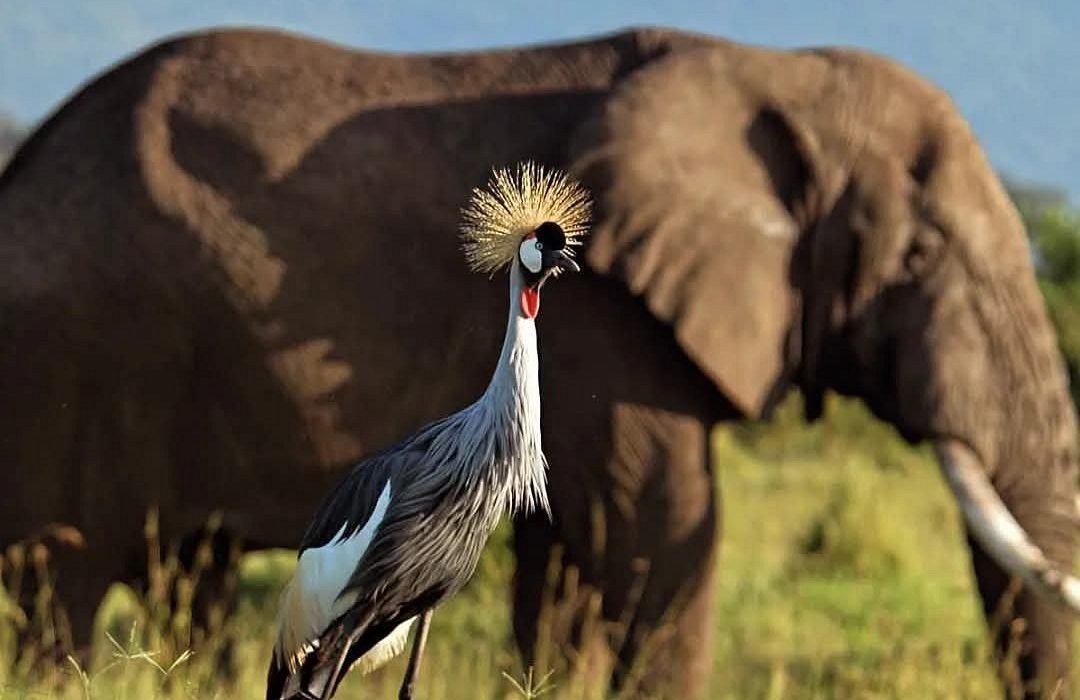
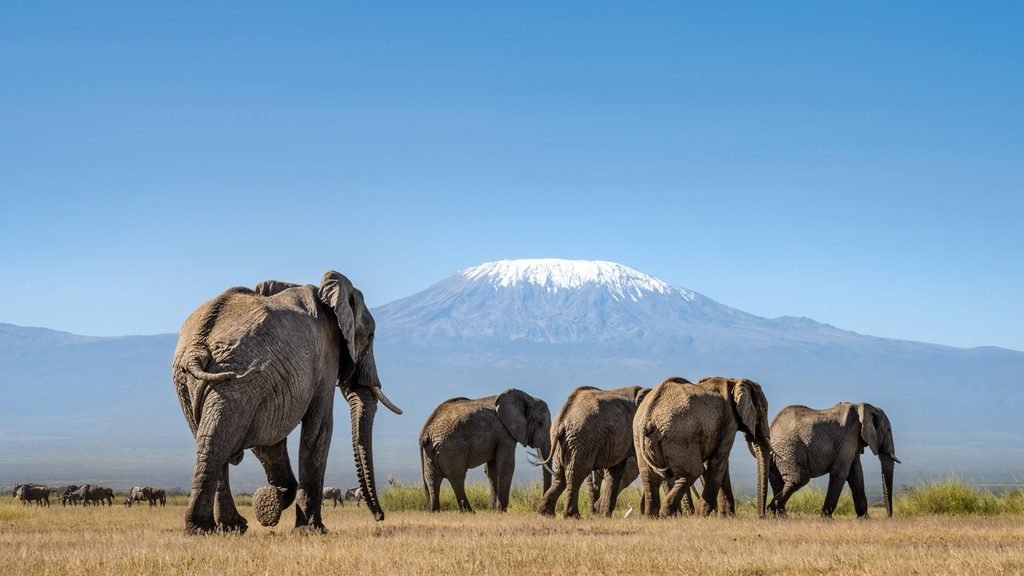
If you are planning a safari in Kenya for 2027 or 2028, Amboseli National Park deserves a place on your travel list. Famous for its large elephant herds and beautiful views of Mount Kilimanjaro, Amboseli offers one of the most recognizable safari landscapes in East Africa. Imagine watching elephants cross an open plain while Africa’s highest mountain rises in the background. This is the kind of scene that has made Amboseli popular with wildlife lovers, photographers, families, and first-time safari travelers.
Located in southern Kenya near the Tanzania border, Amboseli is a relatively compact national park with an impressive variety of wildlife and habitats. Its landscapes include open grasslands, dry lakebeds, acacia woodland, and permanent swamps that attract animals throughout the year. Elephants are the main attraction, but visitors can also encounter lions, buffaloes, giraffes, zebras, wildebeest, hippos, and numerous bird species. The combination of wildlife, wetlands, and distant mountain scenery makes Amboseli different from many other safari destinations.
Planning a good Amboseli safari involves more than choosing a hotel and booking a game drive. The time of year, length of your visit, accommodation location, transport arrangements, and overall budget can all affect your experience. Some travelers spend only one night in the area, while others prefer two or three nights to enjoy several game drives and increase their chances of seeing Kilimanjaro when the sky is clear.
At Eddy Tours & Safaris, we help travelers explore East African safari options, including itineraries that combine Tanzania’s northern safari destinations with southern Kenya. This guide covers the most important things to know about Amboseli in 2027 and 2028, from wildlife and weather to park fees, accommodation, sample itineraries, photography, and practical travel arrangements.
Amboseli National Park Safari Overview
| Safari information | Details |
|---|---|
| Destination | Amboseli National Park, Kenya |
| Location | Kajiado County, southern Kenya |
| Travel years | 2027 and 2028 |
| Main attraction | Large elephant herds with Mount Kilimanjaro views |
| Other wildlife | Lions, buffaloes, giraffes, zebras, wildebeest, hippos and birds |
| Best general wildlife-viewing periods | January–February and June–October |
| Recommended stay | 2–3 nights |
| Popular activities | Guided game drives, wildlife photography and birdwatching |
| Accommodation | Budget camps, mid-range lodges and luxury safari properties |
| Main access | Road transfer from Nairobi or a scheduled/charter flight, subject to availability |
| Suitable for | Couples, families, photographers and first-time safari travelers |
| Safari cost | Quotation required for 2027 and 2028 |
Where Is Amboseli National Park Located?
Amboseli National Park lies in southern Kenya, close to the border with Tanzania and northwest of Mount Kilimanjaro. Although the mountain itself is located in Tanzania, its summit can often be seen from Amboseli when weather conditions are favorable. This geographical relationship is one of the reasons Amboseli has become so popular for photography, especially when elephants are moving across the open plains.
The park covers approximately 392 square kilometres, making it much smaller than destinations such as Serengeti National Park. Its relatively compact size allows visitors to explore several different habitats during a short stay. Within the same safari, you may pass through dry grassland, areas of acacia woodland, marshes, and open spaces where wildlife gathers near water.
Most travelers reach Amboseli from Nairobi by road, a journey that commonly takes around four to five hours or longer depending on the route, traffic, weather, and lodge location. Domestic flights may also be available for travelers who prefer to reduce road travel time. Visitors combining Kenya and Tanzania can consider a cross-border itinerary, although the exact route depends on immigration requirements, vehicle arrangements, and the locations included in the trip.
Why Is Amboseli Famous for Elephants?
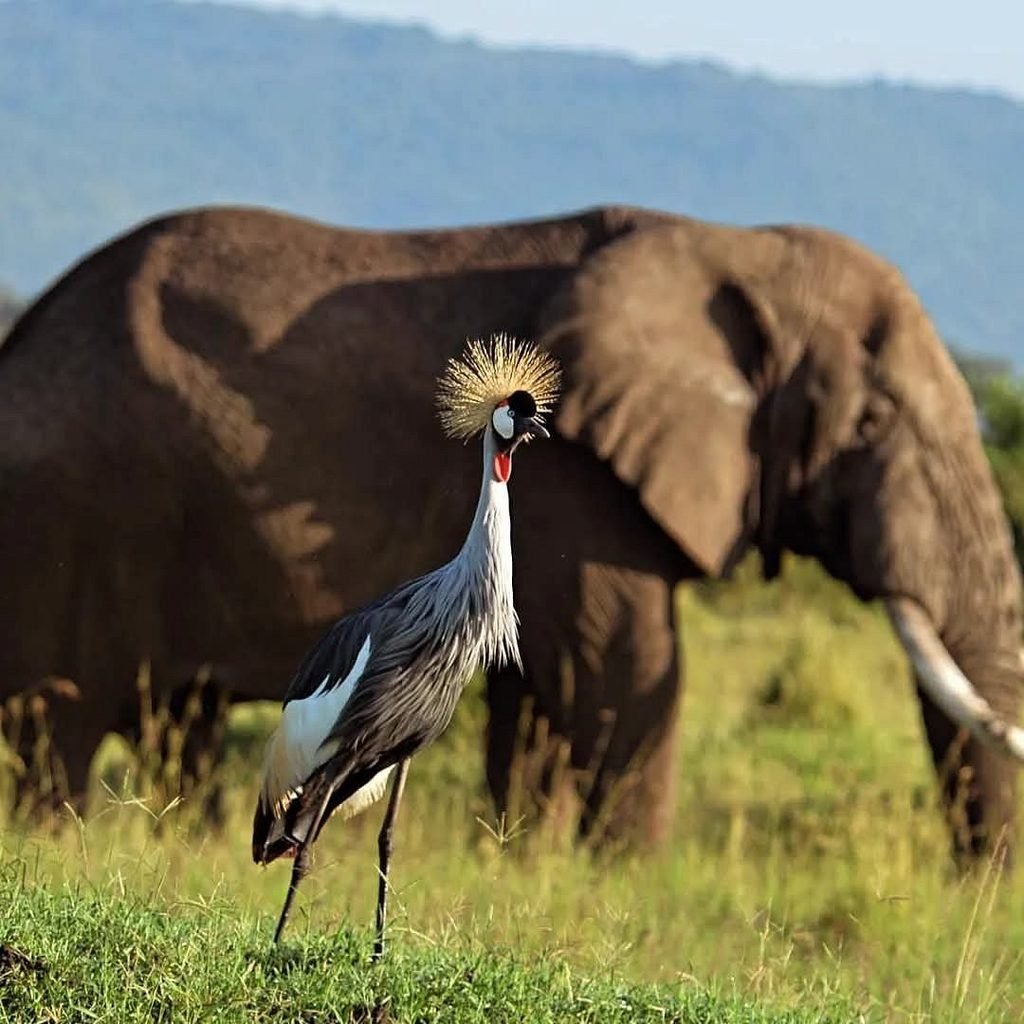
Amboseli is particularly well known for its African elephants. The park’s open terrain and permanent water sources make it an excellent place to observe elephants moving, feeding, bathing, and interacting with one another. Visitors may encounter family groups with young calves, older females leading herds, or large adult males walking across the plains. These encounters offer a chance to appreciate the animals’ social behavior in their natural environment.
The elephants of Amboseli have also been the subject of long-running scientific research, contributing to our understanding of elephant family relationships, communication, and conservation. Some individual elephants have been followed and documented over many years, making Amboseli important not only for tourism but also for wildlife research.
One of the most popular photographic scenes involves elephants walking across open grassland with Mount Kilimanjaro behind them. However, this view depends on the mountain being visible, and clouds can hide the summit even when wildlife sightings are excellent. Early morning game drives are often particularly worthwhile because the mountain may be clearer before clouds build up later in the day.
Visitors should always maintain a respectful distance from elephants and follow the guide’s instructions. Elephants are powerful wild animals, and approaching too closely or blocking their movement can create unnecessary risks.
Wildlife You Can See on an Amboseli Safari
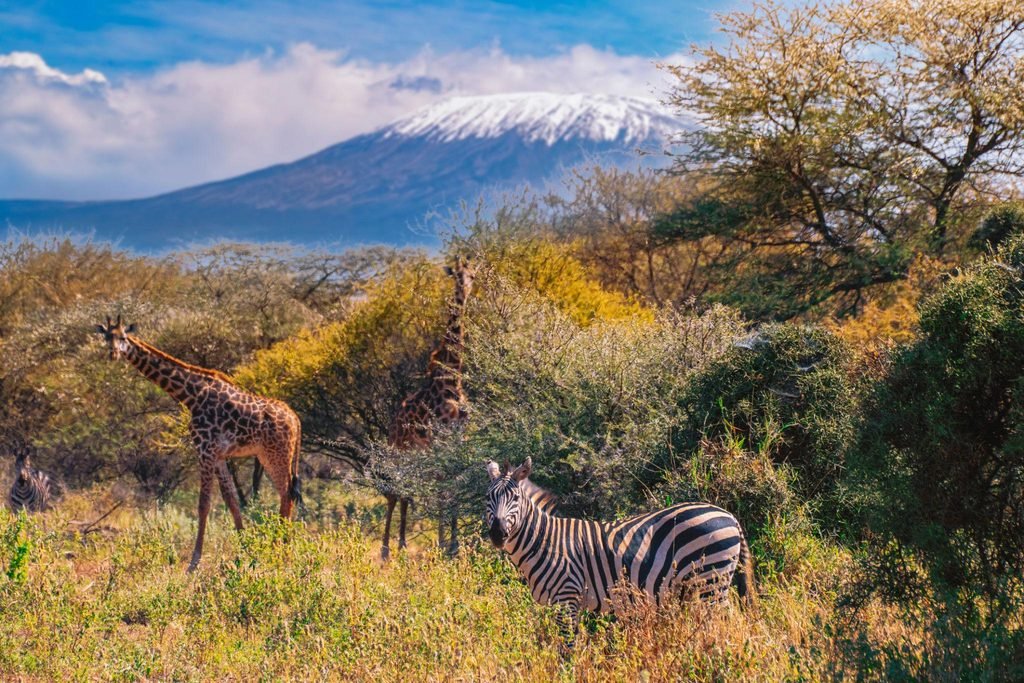
Although elephants are Amboseli’s best-known animals, the park supports a wide variety of other wildlife. The open grasslands are home to zebras, wildebeest, buffaloes, and different antelope species. Giraffes can be seen in areas with suitable vegetation, while hippos spend much of their time in the swamps and pools. Predators such as lions and spotted hyenas also occur in the ecosystem, although sightings depend on animal movements and the conditions during your visit.
Amboseli is especially interesting because animals often move between dry open areas and permanent wetlands. During drier periods, the swamps become important places for wildlife to find water and fresh vegetation. This creates opportunities to observe different species in the same area, including elephants feeding near water, buffaloes resting in marshy surroundings, and birds searching for food.
Birdwatchers can also enjoy Amboseli’s wetlands and open habitats. Depending on the season and local conditions, visitors may see pelicans, herons, egrets, storks, kingfishers, birds of prey, and many smaller species. Migratory birds may add to the variety during parts of the year, making the park worthwhile for travelers interested in more than large mammals.
Main Wildlife Species in Amboseli
| Wildlife | What visitors may experience |
|---|---|
| African elephants | Family herds, calves, feeding and movement between habitats |
| African buffaloes | Herds grazing near grasslands and wetlands |
| Lions | Occasional sightings in suitable hunting and resting areas |
| Giraffes | Browsing on trees and shrubs |
| Zebras | Groups grazing on the open plains |
| Wildebeest | Herds moving through grassland habitats |
| Hippos | Animals resting in water and wetland areas |
| Spotted hyenas | Occasional sightings during game drives |
| Flamingos and other waterbirds | Seasonal or locally variable sightings around suitable wetlands |
| Birds of prey | Raptors hunting or resting across the landscape |
Wildlife sightings are never guaranteed, and the number of animals seen will vary from one game drive to another.
Best Time to Visit Amboseli National Park in 2027 and 2028
Amboseli can be visited throughout the year, but the weather and wildlife-viewing conditions change between seasons. The drier months are generally popular because shorter grass and the concentration of wildlife around reliable water sources can make animals easier to observe. January and February, along with June through October, are often considered particularly attractive periods for game viewing.
The rainy periods bring greener landscapes, seasonal water, and changes in animal distribution. While rain may make some roads muddy and reduce visibility at times, it can also create beautiful scenery and excellent opportunities for landscape photography. Travelers who prefer fewer visitors may find certain shoulder-season dates appealing, although accommodation availability and road conditions should be checked before booking.
Amboseli Weather and Safari Conditions by Season
| Months | Typical conditions | Main attractions |
|---|---|---|
| January–February | Often relatively dry and warm | Elephants, open plains and mountain photography |
| March | Transition toward wetter conditions | Changing scenery and wildlife viewing |
| April–May | Generally wetter | Green landscapes, birdlife and fewer visitors |
| June–October | Usually drier | Wildlife near water, game drives and photography |
| November | Short rains may occur | Green scenery and birdwatching |
| December | Variable rain and sunshine | Wildlife, holiday safaris and photography |
These are general seasonal patterns rather than exact weather forecasts for 2027 or 2028. Weather conditions can vary from year to year, so travelers should review the outlook closer to their departure.
Best Time to See Mount Kilimanjaro from Amboseli
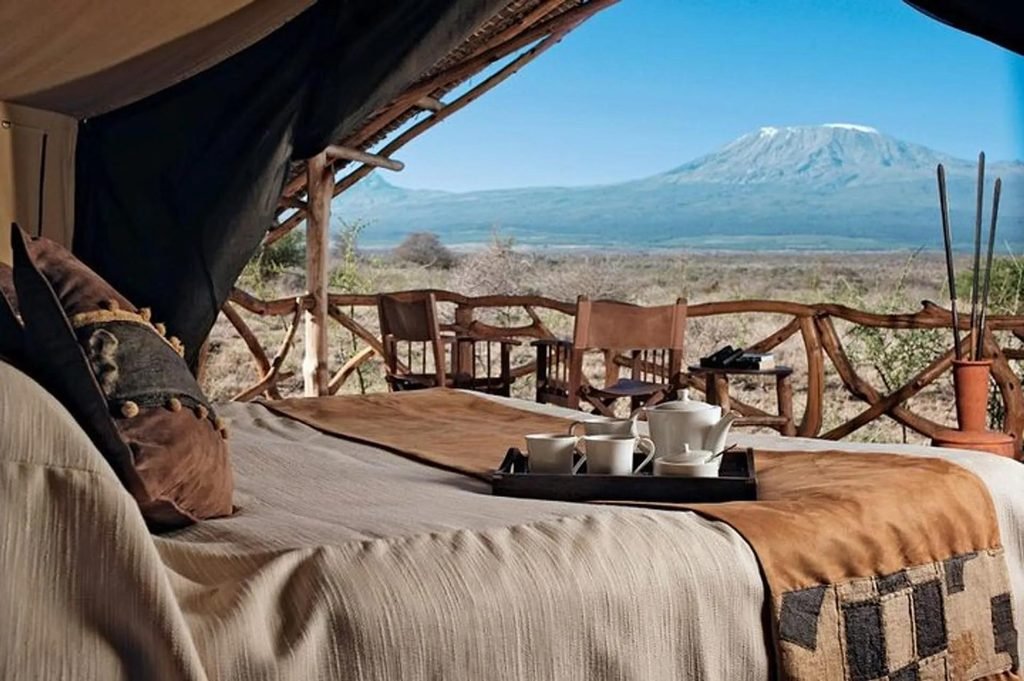
Mount Kilimanjaro is one of the most important features of the Amboseli landscape, but clear views are not guaranteed. Clouds frequently gather around the mountain, particularly later in the day, and the summit can disappear even when the sky above the park appears relatively clear. For this reason, travelers hoping to photograph Kilimanjaro should plan more than one opportunity rather than relying on a single afternoon game drive.
Early morning is often a good time to look for clear views, especially shortly after sunrise. During suitable weather conditions, the mountain may appear above the plains while elephants and other animals move through the foreground. Late afternoon can also provide attractive light, although cloud cover may be more unpredictable.
If photographing Kilimanjaro is one of your main travel goals, staying at least two nights in the Amboseli area is sensible. This allows several early morning and late afternoon opportunities and gives your guide more flexibility to adjust the day’s route according to visibility and wildlife activity.
Top Things to Do in Amboseli National Park
1. Enjoy Morning and Afternoon Game Drives
Game drives are the main activity in Amboseli, allowing visitors to explore the park’s grasslands, wetlands, and woodland habitats in a safari vehicle. Morning drives are often particularly rewarding because temperatures are cooler and animals may be more active. Afternoon drives provide another opportunity to observe wildlife and enjoy the changing light across the landscape.
A knowledgeable safari guide can help identify animals, explain their behavior, and choose suitable viewing areas based on recent wildlife movements and road conditions. Visitors should remember that Amboseli is a protected wildlife area, so game drives must follow park regulations and designated routes.
2. Photograph Elephants with Mount Kilimanjaro
Amboseli is one of East Africa’s most recognizable wildlife photography destinations because of the opportunity to photograph elephants against the mountain. Wide landscapes can be particularly attractive when the summit is visible, while close-up photographs of elephants can capture family interactions and individual behavior.
Photographers should bring a camera with suitable zoom capability and allow enough time to wait for natural wildlife movements. The best photographs often come from patience rather than trying to approach animals too closely.
3. Visit Observation Hill
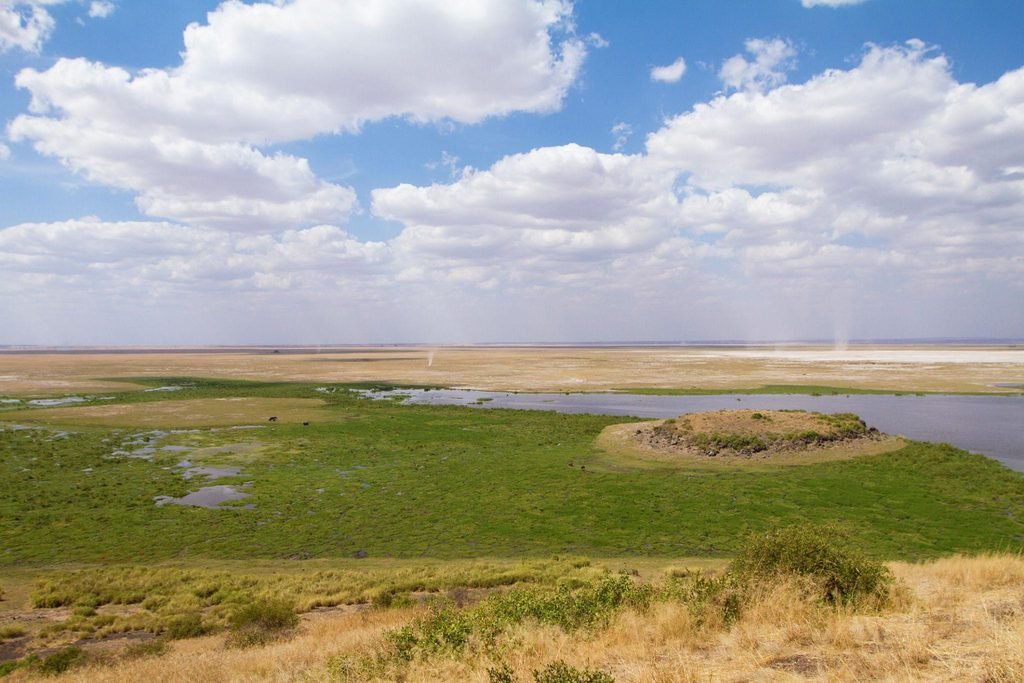
Observation Hill is one of Amboseli’s well-known viewpoints and provides an elevated perspective over parts of the park’s wetlands and surrounding plains. The viewpoint is useful for appreciating how water, vegetation, and wildlife are distributed across the landscape. Depending on conditions, visitors may observe elephants, buffaloes, hippos, and birds in the surrounding areas.
Access and permitted activities should follow current park rules and your guide’s instructions. It is an interesting stop for travelers who want to understand the landscape rather than spending the entire day viewing wildlife from the vehicle.
4. Explore Amboseli’s Wetlands and Swamps
The permanent swamps are among the park’s most important habitats. Water originating from the Kilimanjaro area supports wetland vegetation and attracts wildlife, especially during drier periods. Elephants may be seen feeding among the reeds, while buffaloes, hippos, and waterbirds use different parts of the wetland environment.
These areas are also excellent for observing the relationship between water and wildlife in a landscape that can otherwise appear dry. A visit to the swamps provides a different experience from driving across the open grasslands and is worth including in a well-planned itinerary.
5. Learn About Maasai Culture
The wider Amboseli region is home to Maasai communities whose history and traditions are closely connected to the surrounding landscape. Some safari itineraries include an optional visit to a community-led cultural experience outside the national park, where visitors can learn about local livelihoods, traditions, and the relationship between people, livestock, and wildlife.
Cultural visits should be arranged respectfully, with clear consent, transparent fees, and fair benefits for participating communities. Travelers should ask their operator how the visit is organized and whether photography is permitted.
How Many Days Do You Need in Amboseli?
The ideal length of an Amboseli safari depends on your interests, available time, and the destinations you want to combine with the park. A one-night visit can provide an introduction, but it leaves limited time for wildlife viewing and may be affected by travel delays or cloudy mountain conditions. Two nights are generally a better starting point because they allow multiple game drives without rushing.
Three nights are particularly attractive for wildlife photographers, families, and travelers who prefer a relaxed schedule. The extra time provides more opportunities to observe elephant behavior, explore different habitats, and photograph Kilimanjaro when conditions are favorable. Travelers combining Amboseli with other destinations in Kenya or Tanzania may choose a shorter stay as part of a longer itinerary.
| Duration | What to expect | Best suited for |
|---|---|---|
| 1 night / 2 days | Short introduction with limited game-drive time | Travelers with a tight schedule |
| 2 nights / 3 days | Several game drives and better flexibility | Most first-time visitors |
| 3 nights / 4 days | More relaxed exploration and photography time | Wildlife lovers and photographers |
| 4+ nights | Extended wildlife observation | Specialist photography or slow-paced travel |
Sample 3-Day Amboseli Safari Itinerary for 2027 and 2028
Day 1: Nairobi to Amboseli National Park
Your safari begins with a morning departure from Nairobi, traveling south toward the Amboseli ecosystem. The journey passes through changing landscapes, towns, and rural areas before reaching the park or your selected accommodation nearby. Depending on the departure time, traffic, and lodge location, the drive may take several hours, so a reasonably early start is recommended.
After arriving, you check into your accommodation and enjoy lunch or refreshments according to your confirmed arrangements. Later in the afternoon, you head out for your first game drive, exploring open plains and areas where elephants, zebras, giraffes, and other animals may be found. If the sky is clear, you may also enjoy your first view of Mount Kilimanjaro rising above the park.
As evening approaches, you return to the lodge or camp for dinner and relaxation. Your guide can discuss the following day’s plans and suggest an early departure to take advantage of cooler temperatures and potentially clearer mountain views.
Day 2: Full-Day Wildlife Safari in Amboseli
After an early breakfast, you begin a morning game drive through Amboseli’s grasslands and wetland areas. This is an excellent opportunity to look for elephants moving between feeding areas, as well as buffaloes, zebras, wildebeest, and birds. Your guide will adjust the route according to road conditions, wildlife activity, and any park restrictions in effect during your visit.
During the day, you may explore areas near the swamps or visit Observation Hill if it is included in your itinerary and access is permitted. The viewpoint offers a different perspective on the park’s wetlands and surrounding plains. Depending on your arrangements, lunch may be served at your accommodation or as a packed meal at a designated location.
In the afternoon, you continue wildlife viewing or return to the lodge for some rest before another game drive. This flexible schedule allows you to enjoy the park without spending every hour in the vehicle. After sunset, you return to your accommodation for dinner and your second night in the Amboseli area.
Day 3: Morning Game Drive and Return to Nairobi
Your final day begins with breakfast and, where timing and park access permit, a short morning game drive. Early hours may provide another chance to see elephants and photograph Mount Kilimanjaro before clouds develop around the summit. This final drive also allows you to revisit areas where interesting wildlife was seen on the previous day.
After the game drive, you return to your accommodation to collect your belongings and begin the journey back to Nairobi. Arrival time depends on traffic, road conditions, and any scheduled stops. Travelers continuing to another Kenyan destination or crossing into Tanzania can arrange a different onward transfer as part of a customized itinerary.
Where to Stay in Amboseli: Budget, Mid-Range and Luxury Options
Amboseli offers different types of accommodation, ranging from simpler camps to comfortable safari lodges and luxury tented properties. Your choice should depend on your budget, preferred comfort level, and whether you want to stay inside the park or in the surrounding conservancy and community areas. Location matters because it affects transfer times, access to game drives, and the overall pace of your safari.
Budget-friendly camps may provide basic but comfortable rooms or tents, meals, and practical access to the park. Mid-range lodges usually offer private bathrooms, established dining facilities, and a wider range of guest services. Luxury properties may include more spacious accommodation, personalized hospitality, attractive views, and additional amenities, although specific features vary by property.
When comparing accommodation, ask whether the quoted price includes meals, park entry, game drives, and transport. A lower room rate does not always mean the complete safari will be cheaper, especially if the property is far from the park entrance or additional fees apply.
How Much Does an Amboseli Safari Cost in 2027 and 2028?
The total cost of an Amboseli safari depends on several factors, including the number of travel days, accommodation category, group size, transport arrangements, park fees, and travel season. A private safari for two people may cost more per person than a larger group because vehicle and guide expenses are shared among fewer travelers. Luxury accommodation and fly-in arrangements can also increase the total price considerably.
Park conservation fees form an important part of the budget. The Kenya Wildlife Service fee schedule effective in 2025 listed Amboseli among its premium parks, with different charges for East African citizens, Kenya residents, African citizens from outside East Africa, and non-resident visitors. However, these historical fees should not be presented as confirmed rates for 2027 or 2028 because government charges may change.
For a reliable quotation, request a full price breakdown showing accommodation, meals, transport, guide services, park fees, and any optional activities. This makes it easier to compare packages and understand exactly what is included.
Main Factors Affecting Safari Prices
| Cost factor | How it affects your safari |
|---|---|
| Travel season | Popular periods may have higher accommodation rates |
| Accommodation category | Budget camps generally cost less than luxury lodges |
| Group size | Shared vehicle costs may reduce the price per person |
| Safari duration | More nights increase accommodation and park expenses |
| Transport | Road transfers and flights have different costs |
| Park fees | Charges depend on visitor category and applicable regulations |
| Optional activities | Cultural visits and special experiences may cost extra |
For 2027 and 2028, prices should be confirmed through a current written quotation rather than relying on fixed figures published several years earlier.
How to Get to Amboseli National Park
Most travelers begin their Amboseli safari in Nairobi, which is served by Jomo Kenyatta International Airport and Wilson Airport. From Nairobi, the park can be reached by road using a safari vehicle. The journey generally takes around four to five hours or longer, depending on the route, traffic, weather, and final accommodation location.
Travelers who prefer to spend less time on the road may consider a domestic flight to the Amboseli area, subject to operating schedules and availability. Flight arrangements should be confirmed before booking accommodation, particularly for future travel dates in 2027 or 2028.
Visitors traveling from Tanzania can also explore cross-border itineraries. The Namanga border crossing is one possible route for travel between northern Tanzania and southern Kenya, although actual transfer arrangements depend on the itinerary, immigration requirements, vehicle permissions, and road conditions. It is important to confirm whether a change of vehicle or guide will be required at the border.
Can You Combine Amboseli with a Tanzania Safari?
Yes. Combining Amboseli with Tanzania’s northern safari destinations is an excellent option for travelers who want to experience different wildlife environments during one East African holiday. Amboseli is particularly attractive for elephant viewing and Kilimanjaro photography, while Tanzania offers destinations such as Tarangire National Park, Serengeti National Park, Ngorongoro Crater, and Lake Manyara National Park.
A combined itinerary might begin with an Amboseli safari before crossing into Tanzania and continuing toward Arusha, Tarangire, Ngorongoro, or Serengeti. Alternatively, travelers may start in Tanzania and finish their holiday in Kenya. The best route depends on your arrival airport, departure airport, total number of days, and preferred destinations.
For travelers with approximately seven to ten days or more, a combined Kenya and Tanzania safari can provide a varied experience without rushing through too many locations. However, road distances can be considerable, and cross-border travel requires careful coordination. It is generally better to spend enough time in each destination rather than trying to visit every major park in only a few days.
Amboseli Versus Serengeti: Which Safari Destination Is Better?
Amboseli and Serengeti offer different safari experiences, and neither is automatically better for every traveler. Amboseli is particularly well known for elephants, open landscapes, wetlands, and views of Mount Kilimanjaro. Its compact size makes it practical for shorter visits, especially for travelers who want several game drives over two or three days.
Serengeti National Park is much larger and is famous for its extensive plains, predator populations, and the seasonal movements associated with the Great Wildebeest Migration. Visitors interested in longer wildlife expeditions, different safari regions, and migration-related travel may prefer Serengeti. However, migration sightings depend on the season, rainfall, and herd movements and cannot be guaranteed.
For travelers who have sufficient time, visiting both destinations can provide a broader understanding of East Africa’s wildlife landscapes. Amboseli offers distinctive elephant and mountain scenery, while Serengeti provides vast habitats and opportunities to observe a wide range of animals over a larger area.
Essential Packing List for an Amboseli Safari
Packing for Amboseli is generally straightforward, but the weather can change between early morning, midday, and evening. Lightweight, comfortable clothing is useful for warm daytime conditions, while a jacket or fleece may be needed during cooler morning game drives. Neutral-colored clothing is practical for safari travel, and comfortable shoes are useful when moving around accommodation facilities and designated visitor areas.
Sun protection is especially important because game drives may involve several hours in an open or partially open vehicle. Bring sunscreen, sunglasses, a wide-brimmed hat, and sufficient drinking water. Binoculars can make wildlife viewing more enjoyable, particularly for birds and animals at a distance, while a camera with a zoom lens is helpful for photography.
Travelers should also carry personal medication, travel documents, a small first-aid kit, and suitable protection against insects. If you are combining Amboseli with a Tanzania safari, check that your luggage arrangements and travel documents meet the requirements for both countries.
Kenya Entry Requirements for 2027 and 2028
International travelers should check Kenya’s entry requirements before departure. Kenya operates an Electronic Travel Authorisation system for many foreign visitors, although exemptions apply to certain travelers, including eligible citizens of East African Community partner states. Requirements can change, and eligibility depends on nationality and travel circumstances.
Travelers who require an eTA should use the official Kenyan government portal and allow sufficient processing time before departure. Passport validity, accommodation details, travel itineraries, and other supporting information may be required. Travelers combining Kenya and Tanzania should also check the separate entry requirements for Tanzania and confirm whether their itinerary involves single or multiple entries.
Travel health insurance requirements and other entry rules may also change before 2027 or 2028. Always verify the latest official guidance rather than relying on an older travel article.
Responsible Wildlife Tourism in Amboseli
A good safari should protect wildlife and respect the communities living around the park. Visitors should remain inside their safari vehicle except in designated areas, avoid feeding animals, and never pressure guides to drive too close to wildlife. Keeping a respectful distance allows animals to continue their natural behavior and reduces the risk of dangerous encounters.
Responsible tourism also involves respecting local communities and supporting operators who follow conservation rules. Cultural visits should be arranged with the agreement of participating communities, and visitors should ask permission before photographing people. Choosing a company that values responsible guiding and transparent arrangements can help make your safari more positive for both visitors and the destination.
Frequently Asked Questions About Amboseli Safari 2027/2028
1. Is Amboseli worth visiting in 2027 or 2028?
Yes. Amboseli is an excellent destination for travelers interested in elephants, wildlife photography, wetlands, and views of Mount Kilimanjaro.
2. Where is Amboseli National Park located?
Amboseli is located in southern Kenya near the border with Tanzania.
3. Is Mount Kilimanjaro inside Amboseli?
No. Mount Kilimanjaro is in Tanzania, but it can be seen from Amboseli in Kenya when conditions are clear.
4. What is Amboseli most famous for?
Amboseli is best known for its elephants and the opportunity to photograph wildlife with Kilimanjaro in the background.
5. What is the best month to visit Amboseli?
January, February, and the months from June to October are generally popular for wildlife viewing.
6. Can I visit Amboseli during the rainy season?
Yes. The park remains a safari destination during wetter periods, although road conditions and visibility may vary.
7. How many days should I spend in Amboseli?
Two to three nights are a good starting point for most visitors.
8. Can I visit Amboseli in one day?
A day trip may be possible from some locations, but it can involve substantial driving and limited wildlife-viewing time.
9. Are elephants easy to see in Amboseli?
Elephants are a major attraction, but sightings depend on wildlife movements and cannot be guaranteed.
10. Are there lions in Amboseli?
Yes. Lions occur in the Amboseli ecosystem, although sightings are not guaranteed.
11. Can I see the Big Five in Amboseli?
Amboseli is not a reliable destination for seeing all five species, particularly because rhinoceros sightings are not part of a typical Amboseli safari.
12. Can I see Mount Kilimanjaro every day?
No. Clouds and weather conditions can hide the mountain, even during otherwise favorable safari periods.
13. What is the best time of day to photograph Kilimanjaro?
Early morning often provides a good opportunity for clear views, although conditions vary.
14. Is Amboseli good for birdwatching?
Yes. The park’s wetlands and open habitats support many bird species.
15. Is Amboseli suitable for families?
Yes. With suitable accommodation, transport, and game-drive arrangements, Amboseli can be an enjoyable family safari destination.
16. Is Amboseli suitable for honeymooners?
Yes. Couples can choose comfortable or luxury accommodation and enjoy private game drives.
17. Can I travel from Nairobi to Amboseli by road?
Yes. Road transfers are a common way to reach the park.
18. Are flights available to Amboseli?
Flights may be available, subject to schedules and operating arrangements.
19. Can I combine Amboseli with Serengeti?
Yes. A combined Kenya and Tanzania safari can include both destinations with appropriate travel planning.
20. Can I combine Amboseli with Ngorongoro Crater?
Yes. The destinations can be included in a cross-border itinerary.
21. How much does an Amboseli safari cost in 2027?
The price depends on accommodation, duration, group size, transport, and applicable fees. Request a current quotation.
22. Are Amboseli park fees fixed for 2028?
No future rate should be assumed until the applicable official fee schedule is confirmed.
23. Do I need a Kenya visa or eTA?
Requirements depend on nationality and exemptions. Check the official Kenya eTA portal before traveling.
24. Can I book a private Amboseli safari?
Private safaris can be arranged through operators offering the relevant Kenya services, subject to confirmation.
25. How early should I book Amboseli for 2027 or 2028?
Booking several months in advance is useful, particularly for popular travel periods and accommodation categories.
Plan Your 2027 or 2028 Amboseli Safari with Eddy Tours & Safaris
Amboseli National Park offers a distinctive safari experience that combines large elephant herds, open plains, wetlands, birdlife, and the possibility of seeing Mount Kilimanjaro rising above the landscape. Whether you are visiting Kenya for the first time or planning a longer East African holiday, Amboseli is worth considering for its wildlife, photography opportunities, and relatively compact safari area.
For most travelers, spending two or three nights in the Amboseli area provides a good balance between wildlife viewing and travel time. Visiting during the drier months can offer favorable game-viewing conditions, while the greener seasons may appeal to travelers interested in landscapes, birdwatching, and fewer crowds. Whatever time of year you choose, it is important to remember that wildlife sightings and clear views of Kilimanjaro depend on natural conditions.
At Eddy Tours & Safaris, we help travelers explore Tanzania safari experiences and discuss suitable East African itineraries, including requests that combine Tanzania with Kenya’s Amboseli region. Our team can help you review your preferred destinations, travel dates, accommodation category, and available arrangements before providing a quotation or confirming the appropriate services.
Request Your East African Safari Quotation
Chat with Eddy Tours & Safaris on WhatsApp
Email: sales@eddytours-safaris.com
Contact our team to discuss your Amboseli safari plans for 2027 or 2028 and explore how Kenya’s elephant country can fit into a wider East African wildlife adventure.