
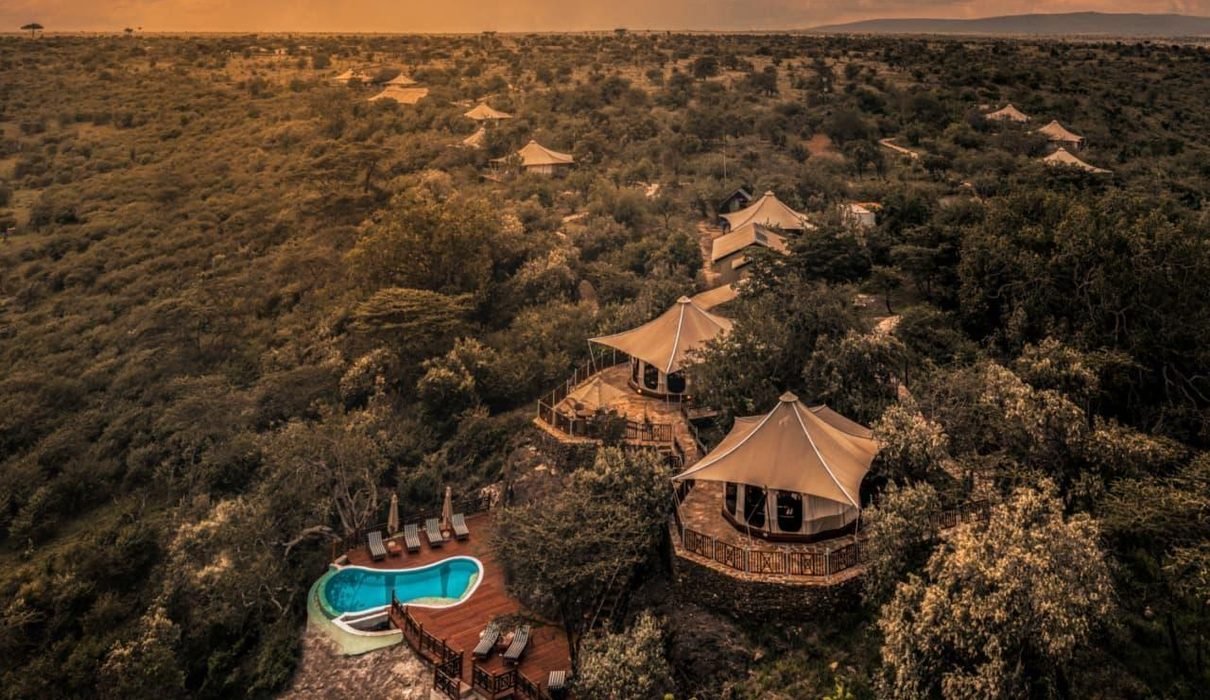
The Maasai Mara National Reserve is one of the best places in Africa to enjoy a wildlife safari. Located in southwestern Kenya, near the border with Tanzania, this famous wildlife area is known for its open grasslands, large populations of wild animals, and exciting predator sightings. It is also one of the most important destinations for travelers hoping to see the Great Wildebeest Migration, when large herds move between Tanzania’s Serengeti and Kenya’s Maasai Mara in search of fresh grass and water.
For anyone planning a Kenya safari in 2027, the Maasai Mara offers much more than the annual migration. Visitors can enjoy game drives across the plains, look for lions and cheetahs, watch elephants moving through the grasslands, and spend time learning about the traditions of the Maasai people through responsibly arranged cultural visits. The landscape itself is part of the experience, with wide horizons, scattered acacia trees, river valleys, and beautiful views during the early morning and late afternoon.
A safari in the Maasai Mara can be organized for different budgets and travel styles. Some travelers prefer comfortable tented camps with private bathrooms and daily game drives, while others choose luxury lodges, private safari vehicles, and exclusive accommodation in nearby conservancies. Families, couples, photographers, and first-time safari visitors can all find suitable options, provided the trip is planned carefully.
This complete 2027 Maasai Mara safari guide explains the best time to visit, the animals you may see, the Great Migration, safari accommodation, transport from Nairobi, park entry fees, and the number of days you should spend exploring the reserve. It also includes a suggested five-day safari itinerary and practical advice for combining a Kenya holiday with a Tanzania safari.
Maasai Mara Safari 2027: Quick Travel Overview
| Safari information | Details |
|---|---|
| Destination | Maasai Mara National Reserve |
| Country | Kenya, East Africa |
| Location | Southwestern Kenya, Narok County |
| Famous for | Big cats, Great Migration, open grasslands and wildlife photography |
| Best-known migration period | Usually July to October |
| Wildlife viewing | Throughout the year |
| Recommended stay | 3–5 days |
| Main access point | Nairobi |
| Transport options | Road safari or scheduled domestic flight |
| Accommodation | Budget camps, mid-range tented camps and luxury lodges |
| Main activities | Game drives, photography, cultural visits and selected conservancy activities |
| Safari suitability | Couples, families, groups, photographers and solo travelers |
| 2027 package prices | Subject to quotation and confirmation |
Where Is the Maasai Mara Located?
The Maasai Mara National Reserve lies in southwestern Kenya, within the greater Mara ecosystem. Its southern boundary connects with Tanzania’s Serengeti ecosystem, allowing wildebeest, zebras, and other wildlife to move between the two countries as seasonal conditions change. This shared landscape is one of the reasons the Maasai Mara and Serengeti are closely associated with the Great Migration.
The reserve is made up of open savannah grasslands, riverine forests, wooded areas, and rolling hills. The Mara River and Talek River are important features of the landscape, providing water and supporting wildlife throughout different parts of the year. The western section, known as the Mara Triangle, is especially famous for its scenery and wildlife viewing opportunities.
Most travelers reach the Maasai Mara from Nairobi, Kenya’s capital. The journey can be completed by road or by domestic flight, depending on your budget and available time. Road safaris allow you to experience parts of the Kenyan countryside, while flying reduces travel time and is particularly useful for visitors who want to spend more of their holiday inside the safari area.
Why Visit the Maasai Mara in 2027?
One of the main reasons to visit the Maasai Mara is the variety of wildlife that can be seen within a relatively compact safari area. Lions, cheetahs, elephants, buffaloes, giraffes, zebras, wildebeest, hyenas, and numerous antelope species live within the greater Mara ecosystem. Leopards are also present, although they can be difficult to locate because of their secretive behavior.
The open grasslands make the Maasai Mara particularly attractive for wildlife photography. Unlike heavily forested destinations, much of the landscape offers broad views across the plains, allowing visitors to observe animals from a distance. Early morning game drives are often especially enjoyable because temperatures are cooler and many animals are active before the heat of the day.
Another reason to visit is the opportunity to experience the Mara during different seasons. During the migration months, large herds may gather in the ecosystem and occasionally cross rivers. At other times, resident wildlife remains an important attraction, and visitors may enjoy quieter game drives with fewer safari vehicles.
A Maasai Mara safari can also form part of a longer East African holiday. Travelers interested in exploring Tanzania can combine Kenya’s wildlife areas with destinations such as the Serengeti National Park, Ngorongoro Crater, or Mount Kilimanjaro, depending on border arrangements, transport connections, and the time available.
The Great Wildebeest Migration in the Maasai Mara
The Great Wildebeest Migration is one of the most famous wildlife movements in the world. Large numbers of wildebeest, accompanied by zebras and other grazing animals, move through the Serengeti–Mara ecosystem as they follow seasonal rainfall, fresh grass, and available water. Their movement is not controlled by a fixed calendar, which means the location of the herds can vary from year to year.
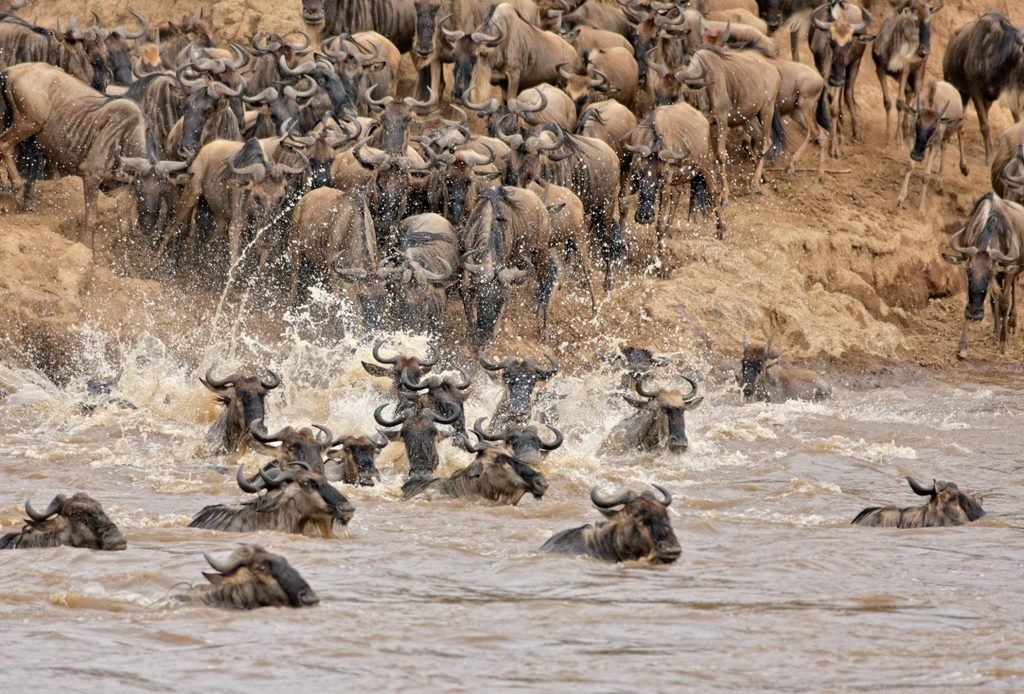
The Maasai Mara is generally associated with the migration between July and October. During this period, some herds may move into Kenya from the northern Serengeti, while others remain farther south or move back and forth across the border. Travelers visiting during the migration season may encounter large groups of grazing animals, active predators, and, with some luck, a dramatic river crossing.
The Mara River crossings are especially well known because wildebeest sometimes gather along steep riverbanks before entering the water. Crocodiles and strong currents can make the crossing dangerous, and predators may also be active nearby. However, crossings cannot be predicted precisely. Herds may wait for hours or days, change direction, or cross in another location entirely.
For travelers planning a migration safari in 2027, it is better to allow several days in the Mara rather than expecting a crossing on a particular morning. A good guide will monitor wildlife movements and adjust game drives where possible, but no responsible operator should guarantee a river crossing.
Maasai Mara Migration Calendar for 2027
| Month | Typical wildlife conditions |
|---|---|
| January–March | Resident wildlife, predators and generally good safari opportunities |
| April–May | Greener landscapes, seasonal rain and fewer visitors |
| June | Transition toward the drier season; migration herds may still be farther south |
| July | Possible arrival of migrating herds, depending on rainfall |
| August | Often an important migration month with possible river crossings |
| September | Large herds may remain in the Mara; crossing opportunities vary |
| October | Migration movement may continue as herds begin shifting south |
| November–December | Resident wildlife, greener landscapes and changing rainfall |
This calendar is a planning guide rather than a prediction of exactly where the herds will be in 2027.
Best Time to Visit the Maasai Mara in 2027
The best time to visit depends on what you want to experience. Travelers mainly interested in the Great Wildebeest Migration often choose July, August, September, or October. These months are generally associated with the movement of large herds into the Mara, although actual timing depends on rainfall and grazing conditions. The same period is also popular with international visitors, which means accommodation can be more expensive and well-known wildlife viewing areas may become busy.
January to March is another attractive period for a Maasai Mara safari. The weather is often relatively dry, and the reserve continues to support resident wildlife, including lions, elephants, giraffes, and many antelope species. These months can be particularly enjoyable for travelers who want good general wildlife viewing without making the migration their main priority.
April and May are usually associated with the long rainy season. The landscape becomes greener, and some areas may be muddy or difficult to access after heavy rainfall. However, the quieter atmosphere can appeal to photographers and travelers who prefer fewer vehicles. Some camps may offer lower seasonal rates, although accommodation availability and road conditions should be checked before booking.
November and December often bring shorter periods of seasonal rain and fresh vegetation. Wildlife viewing remains possible, and the green landscape can be attractive for photography. Travelers should remember that the Maasai Mara is a year-round wildlife destination, not a reserve that becomes empty when the migrating herds move south.
Wildlife You Can See in the Maasai Mara
Lions
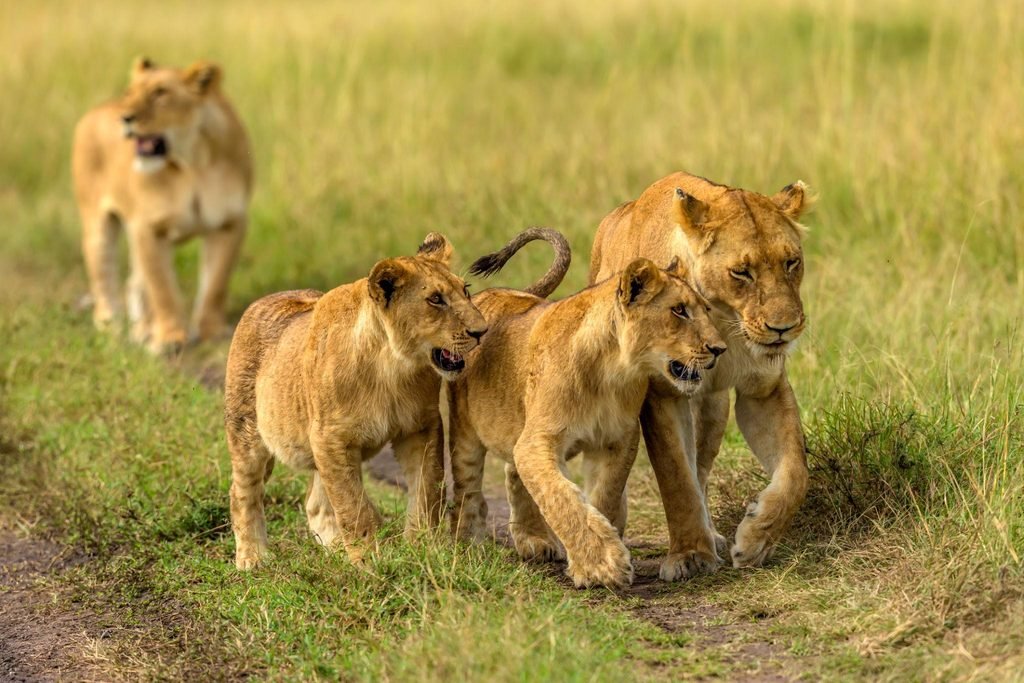
Lions are among the Maasai Mara’s most famous residents. The reserve is known for its lion prides, which may be seen resting in the grass, moving across the plains, or hunting when conditions are favorable. Early morning and late afternoon game drives often provide good opportunities to look for lions, although their behavior and location change daily.
Cheetahs
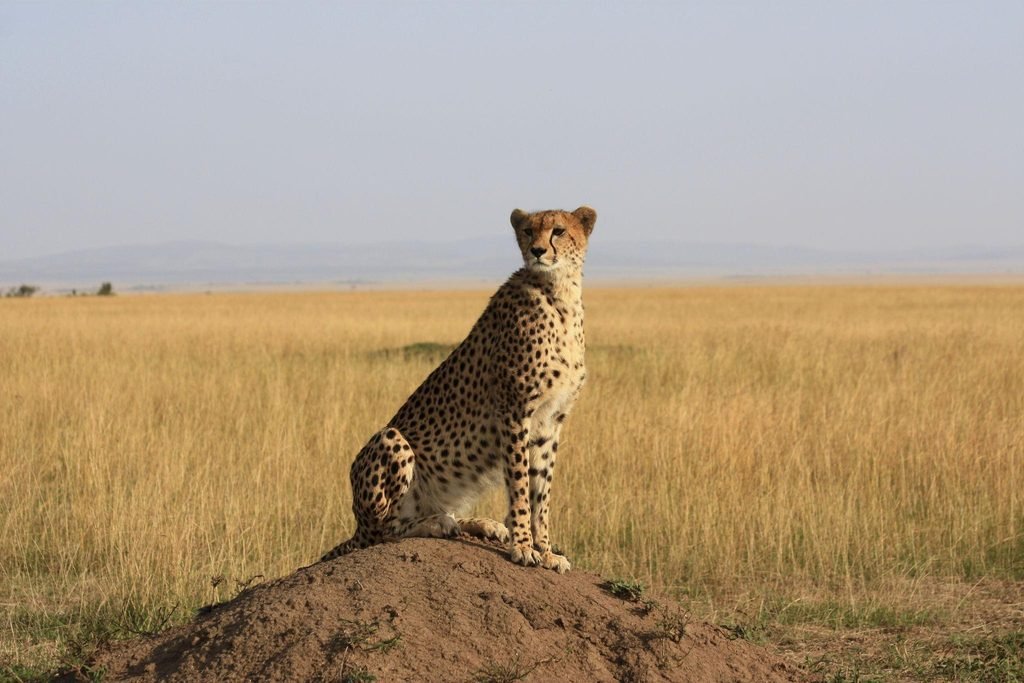
The Mara’s open grasslands provide suitable habitat for cheetahs, which rely on speed and visibility when hunting. Watching a cheetah scan the plains or move through the grass can be one of the most memorable experiences of a safari. However, sightings and hunting activity cannot be guaranteed.
Leopards
Leopards are more difficult to find because they often rest in trees, hide in thick vegetation, or move quietly through wooded areas. Experienced guides may search riverine forests and other suitable habitats, but patience is important. A leopard sighting is often a highlight because of the animal’s secretive nature.
Elephants
Elephants are regularly seen in the wider Mara ecosystem, sometimes traveling in family groups across the plains. Watching these animals feed, interact, and move through their natural habitat provides excellent opportunities to appreciate their social behavior. Visitors should always maintain a safe distance and follow their guide’s instructions.
Buffaloes, Giraffes and Other Plains Animals
African buffaloes, Maasai giraffes, zebras, wildebeest, topis, impalas, gazelles, and other herbivores contribute to the Mara’s rich wildlife environment. These animals are important to the ecosystem because they support predator populations and influence vegetation through grazing.
Hippos and Crocodiles
The Mara and Talek river systems provide habitat for hippos and Nile crocodiles. Visitors may see hippos resting in the water and crocodiles along riverbanks, depending on the location and conditions. River viewing should always follow reserve regulations and guide instructions.
Birds
The Maasai Mara is also rewarding for birdwatchers. Eagles, vultures, secretary birds, storks, and many smaller bird species may be observed in different habitats. Travelers who enjoy bird photography should tell their guide in advance so that suitable stops can be included during game drives.
How Many Days Do You Need for a Maasai Mara Safari?
A three-day Maasai Mara safari is a common option for travelers with limited time. However, when traveling from Nairobi by road, the first and last days include substantial driving, leaving less time for wildlife viewing. For this reason, three days is best considered a short introduction rather than a complete exploration of the reserve.
Four days provides a better balance because it normally allows two full days of game drives. Travelers can explore different sections of the reserve, spend more time observing wildlife, and avoid rushing between sightings. This duration is particularly suitable for first-time safari visitors who want a comfortable experience without spending an entire week in one destination.
Five days is an excellent option for photographers, wildlife enthusiasts, and travelers visiting during the migration season. The additional time allows greater flexibility if wildlife movements are unpredictable or weather conditions affect the game drives. For visitors hoping to see a river crossing, extra days improve the opportunity to be in the right area, although a crossing is never guaranteed.
Suggested 5-Day Maasai Mara Safari Itinerary for 2027
Day 1: Arrival in Nairobi – Transfer to Maasai Mara
Your safari begins in Nairobi, where you meet your driver-guide before departing toward the Maasai Mara. The journey takes you through changing Kenyan landscapes, including agricultural areas, small towns, and sections of the Great Rift Valley region. Depending on your departure time and the road conditions, the drive normally occupies much of the day, so an early start is advisable.
As you approach the Mara, the landscape gradually becomes more open, with rolling grasslands and scattered settlements. Your guide will explain the area’s geography and provide information about the reserve, local communities, and the wildlife you may encounter during the safari. After arriving at your selected camp or lodge, you check in and enjoy some time to rest.
If your arrival time, accommodation location, and park arrangements permit, you may enjoy a short afternoon game drive. Otherwise, the remainder of the day can be spent relaxing at the lodge and preparing for the following morning. Dinner and overnight accommodation are provided according to your confirmed safari package.
Accommodation: Budget camp, mid-range tented camp or luxury lodge
Meals: According to confirmed arrangements
Day 2: Full-Day Game Drive in Maasai Mara National Reserve
After an early breakfast, you depart for a full day of wildlife viewing in the Maasai Mara. The morning is an excellent time to explore the grasslands because temperatures are often cooler and animals may be active. Your guide will search suitable habitats for lions, cheetahs, elephants, giraffes, buffaloes, zebras, and other wildlife while explaining their behavior and relationship with the surrounding ecosystem.
The day’s route can be adjusted according to recent sightings, weather conditions, and the location of your accommodation. Rather than driving quickly between distant areas, a good safari guide will allow time to observe animals properly. Watching elephants interact, following a lion pride from a safe distance, or spending time photographing giraffes against the open landscape can be just as rewarding as searching for a rare predator.
Lunch may be arranged as a packed picnic at an approved location or served at your accommodation, depending on the itinerary. During the afternoon, you continue exploring the reserve, visiting different habitats and looking for wildlife that may have been less active earlier in the day.
You return to your camp or lodge in the evening, where dinner and overnight accommodation await. Your guide may discuss the following day’s plans and any wildlife movements that could influence the next game drive.
Day 3: Great Migration and Mara River Exploration
After breakfast, you begin another full day of safari activities, with the route planned around the season and wildlife conditions. If you are visiting during the migration months and large herds are present, your guide may focus on areas where wildebeest and zebras are gathering. The Mara River region is particularly well known for migration activity, although access and wildlife movements determine which areas can be visited.
During migration season, large herds may be seen grazing, moving across the plains, or approaching riverbanks. A river crossing is possible when conditions align, but there is no reliable way to predict the exact time or location. Your guide will follow reserve rules, avoid disturbing wildlife, and position the vehicle only where viewing is permitted.
Outside migration season, the day remains valuable because the Mara supports resident wildlife throughout the year. You may spend time searching for big cats, watching elephants, or exploring riverine habitats where hippos and crocodiles can sometimes be observed. The emphasis is on enjoying the natural wildlife experience rather than depending on one particular event.
After a full day of exploration, you return to your accommodation for dinner and relaxation. The evening provides another opportunity to enjoy the atmosphere of the African savannah and prepare for the next day’s activities.
Day 4: Maasai Mara Wildlife Photography and Optional Cultural Experience
Your fourth day allows you to explore the Maasai Mara at a more relaxed pace. After breakfast, you depart for a morning game drive, focusing on wildlife photography and areas that you may not have visited during the previous days. The open landscape is particularly attractive in the softer morning light, and your guide can help position the vehicle for suitable viewing while maintaining a respectful distance from animals.
Because you have already spent several days in the reserve, this stage can be adjusted to your interests. Wildlife photographers may prefer longer stops near animal sightings, while families may enjoy a varied route with opportunities to observe different species. The flexibility of a longer safari is one of its main advantages, allowing you to spend more time appreciating wildlife behavior instead of constantly moving to the next destination.
Depending on your accommodation and personal interests, an optional visit to a Maasai community may be arranged. Such visits should be organized respectfully, with clear information about the activity, costs, and how the local community benefits. Travelers should ask permission before photographing people and avoid treating cultural experiences as staged wildlife attractions.
You return to your lodge or camp for your final evening in the Maasai Mara. Dinner provides an opportunity to reflect on the wildlife encounters and landscapes experienced during the safari.
Day 5: Maasai Mara – Return to Nairobi
After breakfast, you prepare for your return journey to Nairobi. Depending on the location of your accommodation, reserve entry arrangements, and departure time, there may be an opportunity for a short final wildlife viewing activity before leaving the safari area. However, this should not be assumed when the journey requires an early departure or additional park fees.
The drive back to Nairobi passes through rural landscapes and towns, providing another opportunity to see parts of Kenya outside the reserve. Your guide will arrange suitable stops along the way, depending on traffic, road conditions, and the agreed schedule. Travelers should avoid booking an international flight too close to the expected arrival time because road journeys can be affected by delays.
Upon reaching Nairobi, you are transferred to your agreed drop-off point, hotel, or airport according to the confirmed itinerary. This marks the end of your five-day Maasai Mara safari, although your holiday can continue to other destinations in Kenya or Tanzania if suitable arrangements have been made.
Maasai Mara Safari Accommodation: Budget, Mid-Range and Luxury
Accommodation is one of the biggest factors affecting the overall cost and comfort of a Maasai Mara safari. Budget camps generally provide basic but practical facilities, making them attractive to travelers who want to spend more time on game drives without paying for luxury services. Facilities vary, so travelers should check whether rooms or tents have private bathrooms, electricity, hot water, and suitable bedding before booking.
Mid-range tented camps offer a balance between comfort and affordability. Many provide private bathrooms, proper beds, dining facilities, and comfortable common areas while maintaining a safari atmosphere. Their location is particularly important because a camp that appears affordable may require longer drives to reach the main wildlife viewing areas.
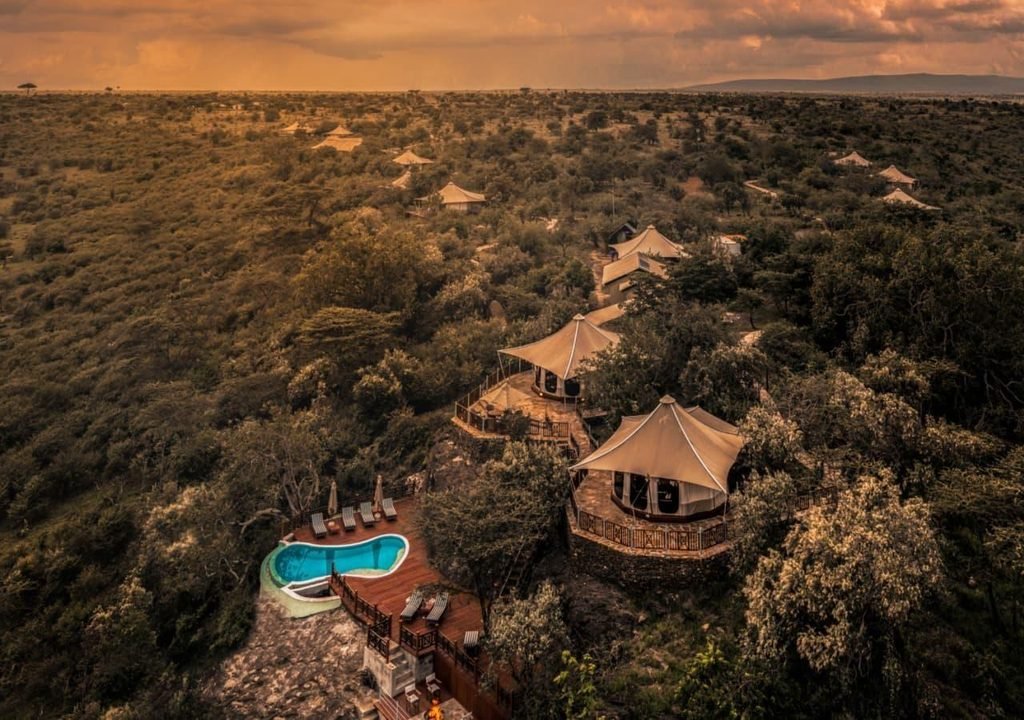
Luxury safari lodges and camps provide a higher level of comfort, often including spacious accommodation, attentive service, quality dining, and attractive views of the surrounding landscape. Some are located in private conservancies where different activity arrangements may be available, subject to local rules. Luxury accommodation can be a good choice for couples, honeymooners, and travelers who prefer a more private safari experience.
When comparing accommodation for 2027, pay attention to location, access gates, included activities, and conservation fees rather than choosing solely from photographs.
How Much Does a Maasai Mara Safari Cost in 2027?
The cost of a Maasai Mara safari depends on several factors, including the number of travel days, season, accommodation category, transport arrangements, group size, and park or conservancy fees. Peak migration months are often more expensive because demand for accommodation and safari vehicles increases. Travelers visiting outside the busiest season may find more affordable options, although exact rates vary between properties and operators.
Park entry fees are another important part of the budget. Under the published 2026 schedule, non-resident adults paid USD 100 per day from January through June and USD 200 per day from July through December. These figures are useful for understanding how seasonal costs affect a safari, but they should not be treated as confirmed rates for 2027. Vehicle charges, conservancy fees, accommodation, and transport may be additional.
A road safari from Nairobi is often more affordable than a fly-in safari because domestic flights add to the overall cost. However, flying can save considerable travel time and may be worthwhile for visitors who have only a few days available. Private safaris generally cost more per person when traveling alone or as a couple, while groups may be able to share some vehicle and guiding expenses.
Before booking, request a detailed quotation showing accommodation, meals, transport, game drives, park fees, and any additional activities. This makes it easier to compare packages and understand what you are paying for.
Road Safari Versus Fly-In Safari: Which Is Better?
Traveling from Nairobi to the Maasai Mara by road is a popular option because it is practical for many budgets and allows visitors to experience the Kenyan countryside. Depending on the exact destination, traffic, weather, and road conditions, the journey commonly takes approximately five to seven hours or longer. Travelers should therefore plan enough time and avoid expecting a full day of wildlife viewing immediately after leaving Nairobi.
A fly-in safari uses a domestic flight from Nairobi to one of the airstrips serving the greater Mara ecosystem. Flight time is generally much shorter than the road journey, although travelers must still account for airport transfers, check-in procedures, and onward transport from the airstrip to their accommodation. Airstrip selection should match the location of the booked lodge or camp.
For a short luxury safari, flying may be the more comfortable choice. For a longer trip or a budget-friendly package, road transport can offer better value. The best option depends on your available time, budget, and preferred travel experience.
Maasai Mara National Reserve Versus Private Conservancies
The Maasai Mara National Reserve is the central protected area most travelers associate with a Mara safari. It provides access to extensive wildlife habitats, including important sections of the Mara River and open grasslands where large herds and predators may be seen. Game drives inside the reserve must follow the applicable rules, designated access arrangements, and permitted activity hours.
Private and community conservancies surrounding the reserve offer a different safari experience. Depending on the conservancy, accommodation, and local regulations, visitors may have access to activities such as guided walks or night game drives that are not generally part of a standard reserve safari. Conservancies can also provide opportunities to learn about community-based conservation and the role of local landowners.
However, not every conservancy has the same rules or access arrangements. Staying outside the main reserve does not automatically include entry into it, and additional fees may apply. Travelers should confirm whether their safari includes game drives inside the Maasai Mara National Reserve, a conservancy, or both.
Maasai Mara Safari Packing List
Packing for a Maasai Mara safari is relatively straightforward, but the right clothing and personal items can make game drives more comfortable. Lightweight clothing in neutral colors is practical for warm daytime conditions, while a fleece or light jacket is useful for cool mornings and evenings. A waterproof layer may also be helpful during rainy periods.
Comfortable shoes, sunscreen, sunglasses, a hat, insect repellent, and personal medication should be included in your luggage. Binoculars are particularly useful because some animals may be observed at a distance, and photographers should carry suitable camera equipment, spare batteries, and sufficient memory storage.
Travelers should also bring their passport, applicable travel authorization documents, insurance information, and any necessary health documentation. If your itinerary includes domestic flights, confirm luggage weight restrictions before packing, as smaller aircraft may have stricter baggage limits.
Kenya Travel Requirements for 2027
International travelers should check Kenya’s entry requirements before booking flights. Kenya operates an electronic travel authorization system for many visitors, although eligibility and exemptions depend on nationality and current immigration rules. The official application website is Kenya Electronic Travel Authorization, where travelers can review requirements and submit an application when needed.
Passport validity, travel authorization, health insurance, and other entry conditions should be checked close to departure because regulations can change. Visitors traveling between Kenya and Tanzania must also confirm the entry requirements for both countries and make sure their safari itinerary uses suitable border crossings and transport arrangements.
For travel in 2027, avoid relying entirely on old blog posts or travel advice from previous years. Official government information should be the main reference for immigration requirements.
Combining the Maasai Mara with a Tanzania Safari
One of the best ways to extend a Maasai Mara safari is to combine it with wildlife destinations in northern Tanzania. The Serengeti National Park lies within the same wider ecosystem as the Mara, while Ngorongoro Crater, Tarangire National Park, and Lake Manyara offer different landscapes and wildlife experiences. A combined Kenya and Tanzania safari can be particularly attractive for travelers who have ten or more days available.
The Serengeti is especially important for travelers interested in understanding the Great Wildebeest Migration. During different parts of the year, the migrating herds move through areas of the Serengeti, including the southern plains, western corridor, and northern region. Visitors who want to plan their holiday around the migration should consider the seasonal movement of the herds across the entire ecosystem rather than focusing only on the Maasai Mara.
Travelers can explore additional safari planning information through Eddy Tours & Safaris, including Tanzania wildlife safaris and possible combinations with a Mount Kilimanjaro climbing adventure. Cross-border itineraries require separate transport, accommodation, park entry, and immigration arrangements, so the full route should be confirmed before booking.
Responsible Safari Travel in the Maasai Mara
Responsible tourism plays an important role in protecting the Maasai Mara’s wildlife and supporting the communities that live around the ecosystem. During game drives, visitors should remain inside the vehicle unless their guide confirms that stopping and getting out is permitted. Animals should never be fed, chased, surrounded, or deliberately disturbed for photographs.
Wildlife viewing is often more rewarding when travelers allow animals to behave naturally. A good guide will maintain appropriate distances, avoid blocking animal movements, and respect the reserve’s regulations. This is particularly important during the migration season, when large numbers of safari vehicles may gather near predators or river crossing points.
Visitors should also consider the environmental and community practices of their accommodation providers. Camps that manage waste responsibly, support local employment, and contribute to conservation can help make tourism more beneficial to the wider region.
Frequently Asked Questions About Maasai Mara Safaris in 2027
1. Where is the Maasai Mara located?
The Maasai Mara is located in southwestern Kenya, near the border with Tanzania.
2. What is the Maasai Mara famous for?
It is famous for lions, cheetahs, elephants, open grasslands, and the Great Wildebeest Migration.
3. What is the best time to visit in 2027?
July to October is generally popular for migration viewing, while other months can offer excellent resident wildlife sightings.
4. When does the Great Migration reach the Maasai Mara?
Large herds are often present between July and October, but the timing varies according to rainfall and grazing conditions.
5. Are Mara River crossings guaranteed?
No. River crossings are unpredictable and cannot be guaranteed on specific dates.
6. Can I see lions throughout the year?
Yes. Lions live in the greater Mara ecosystem throughout the year, although sightings are never guaranteed.
7. Are cheetahs common in the Maasai Mara?
The Mara is well known for cheetah viewing, but sightings depend on animal movements and conditions.
8. Can I see the Big Five?
The greater Mara ecosystem supports the Big Five, but black rhinos are particularly difficult to see and sightings of all five cannot be guaranteed.
9. How many days should I spend in the Maasai Mara?
Three days is a common minimum, while four or five days provides more time for wildlife viewing.
10. Is a two-day Maasai Mara safari worth it?
It is possible, but road travel from Nairobi can leave limited time for game drives.
11. Can I visit the Maasai Mara from Nairobi?
Yes. Road and domestic flight options are available.
12. How long is the drive from Nairobi?
The journey commonly takes approximately five to seven hours or longer, depending on the destination and road conditions.
13. Can I fly to the Maasai Mara?
Yes. Domestic flights serve airstrips in the greater Mara ecosystem.
14. Is the Maasai Mara suitable for families?
Yes. Families can choose suitable lodges and private safari arrangements, subject to age restrictions for particular activities.
15. Are there budget safari camps?
Yes. Budget accommodation is available, although facilities and location vary.
16. Are luxury safari lodges available?
Yes. The Mara has a wide range of luxury lodges and tented camps.
17. How much does a Maasai Mara safari cost in 2027?
Prices depend on accommodation, season, transport, group size, and park fees. Request a current quotation for your travel dates.
18. Are park fees included in safari packages?
They may be included, but this must be confirmed in the written quotation.
19. Can I visit during the rainy season?
Yes. However, heavy rainfall may affect road conditions and access to some areas.
20. Is the Maasai Mara good for photography?
Yes. The open grasslands, varied wildlife, and changing light make it a popular photography destination.
21. Can I visit a Maasai village?
Cultural visits may be arranged, subject to community arrangements and any applicable fees.
22. Are hot-air balloon safaris available?
Yes. Balloon safaris are offered in parts of the greater Mara ecosystem, subject to weather, operator availability, and additional cost.
23. Do I need a visa to visit Kenya?
Entry requirements depend on nationality. Many travelers require an approved electronic travel authorization, while exemptions may apply.
24. Can I combine Maasai Mara and Serengeti?
Yes. Combined Kenya and Tanzania safaris can be arranged with suitable cross-border logistics.
25. Is the Maasai Mara worth visiting outside migration season?
Yes. Resident wildlife remains an important attraction throughout the year.
Plan Your 2027 Maasai Mara Safari with Eddy Tours & Safaris
The Maasai Mara is one of Africa’s most rewarding wildlife destinations, offering opportunities to observe lions, elephants, cheetahs, giraffes, and many other animals across its open savannah landscapes. Whether you visit during the Great Wildebeest Migration or choose a quieter time of year, the reserve provides a rich wildlife experience that can be enjoyed through carefully planned game drives and suitable accommodation.
For most travelers, spending at least four or five days in the Maasai Mara provides a better opportunity to explore different areas without rushing. Those hoping to see the Great Migration should consider traveling between July and October while understanding that herd movements and river crossings cannot be predicted with certainty.
At Eddy Tours & Safaris, we help travelers plan Tanzania wildlife safaris and discuss suitable East African travel arrangements. If you are interested in combining Kenya’s Maasai Mara with Tanzania’s Serengeti, Ngorongoro Crater, or other destinations, contact our team to discuss the itinerary and available arrangements. Any Kenya-based services and cross-border logistics should be confirmed before booking.
Request Your East African Safari Quotation
Chat with Eddy Tours & Safaris on WhatsApp
Email: sales@eddytours-safaris.com
Plan your 2027 safari with enough time for wildlife viewing, realistic expectations about the migration, and a travel itinerary suited to your budget and interests.