
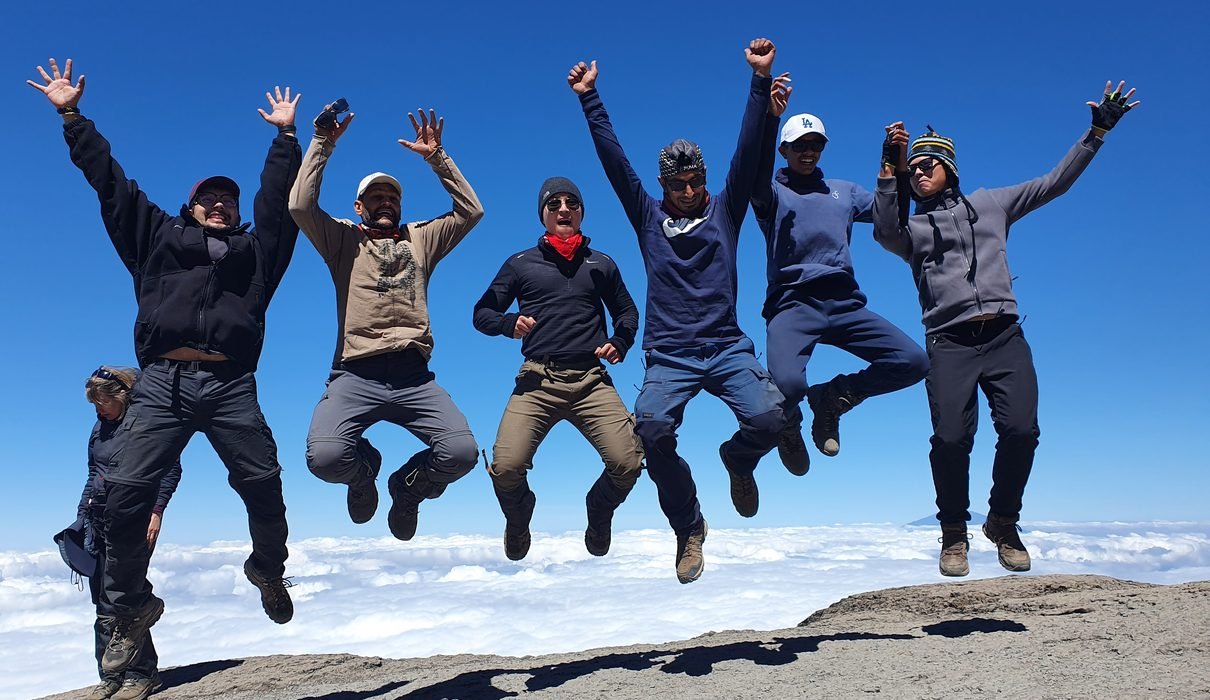
Climbing Mount Kilimanjaro is a dream for many travelers visiting Tanzania. Standing at 5,895 metres (19,341 feet) above sea level, Kilimanjaro is the highest mountain in Africa and one of the world’s most famous trekking destinations. Every year, thousands of hikers travel to northern Tanzania hoping to reach Uhuru Peak, the mountain’s highest point. Although Kilimanjaro does not normally require technical climbing skills on its standard trekking routes, reaching the summit takes preparation, patience, and a good understanding of the challenges ahead.
If you are planning to climb Kilimanjaro in 2027 or 2028, there are several things you should know before booking your trip. Choosing the right route, allowing enough time for acclimatization, preparing your body, and carrying suitable equipment can make a big difference to your experience. It is also important to understand the effects of altitude, because even physically fit hikers can become unwell when climbing too quickly.
The good news is that you do not need to be a professional mountaineer to attempt Kilimanjaro. Many people who reach Uhuru Peak are ordinary travelers who enjoy hiking and have spent enough time preparing for their expedition. However, success should never be measured by reaching the summit at any cost. A well-organized climb gives you a realistic opportunity to enjoy the mountain while making your health and safety the main priority.
In this guide, Eddy Tours & Safaris shares practical Kilimanjaro climbing tips for 2027 and 2028. Whether you are considering the Machame, Lemosho, Marangu, Rongai, Umbwe, or Northern Circuit Route, these tips will help you understand what to expect and how to prepare for your journey.
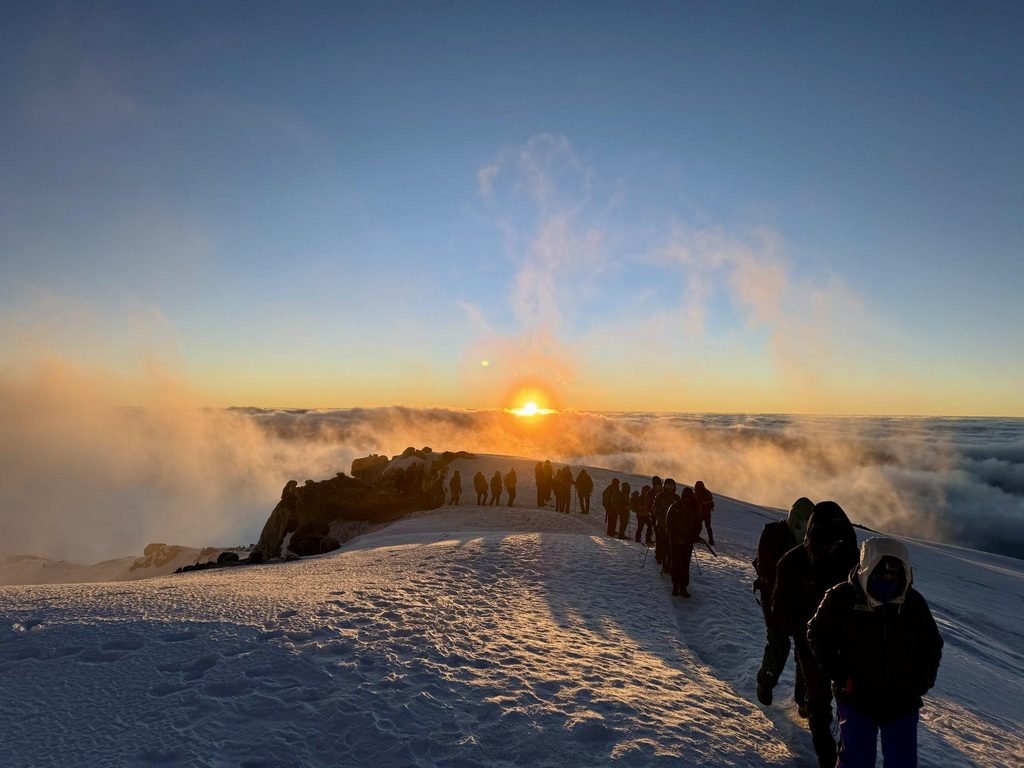
Quick Overview of Climbing Mount Kilimanjaro
| Information | Details |
|---|---|
| Mountain | Mount Kilimanjaro |
| Location | Northern Tanzania, East Africa |
| Highest point | Uhuru Peak |
| Summit elevation | 5,895 metres (19,341 feet) |
| Popular climbing routes | Machame, Lemosho, Marangu, Rongai, Northern Circuit, Umbwe |
| Common trekking duration | 5–9 days, depending on the route |
| Recommended planning period | Several months before departure |
| Popular climbing seasons | January–March and June–October |
| Main challenge | High altitude and demanding trekking days |
| Accommodation | Camping tents or mountain huts, depending on the route |
| Travel years | 2027 and 2028 |
| Starting towns | Moshi or Arusha |
1. Choose the Right Kilimanjaro Climbing Route
One of the first decisions you need to make is which Kilimanjaro route to follow. There are several established routes, and each offers a different experience. Some are longer and provide more time to adjust to altitude, while others are shorter, steeper, or better suited to experienced hikers. The best route is not necessarily the cheapest or most popular one. It is the route that matches your available time, hiking experience, fitness, and acclimatization needs.
The Machame Route is one of the most popular choices because it passes through beautiful mountain landscapes, including rainforest, the Shira Plateau, Lava Tower, and Barranco Wall. It is commonly completed in six or seven days, although the seven-day itinerary is generally preferable because it includes an extra night at Karanga Camp. This gives climbers more time before the summit attempt and reduces the need to complete a particularly long trekking day immediately before summit night.
The Lemosho Route is another excellent option, especially for travelers who want a longer climb with varied scenery. It approaches Kilimanjaro from the west and passes through rainforest and open highland landscapes before joining the southern circuit. An eight-day itinerary provides useful additional time for acclimatization and is worth considering for first-time climbers who can spend more days on the mountain.
Travelers looking for a quieter experience may prefer the Rongai Route, which approaches Kilimanjaro from the northern side near the Kenyan border. The Marangu Route is known for its mountain huts, making it suitable for people who prefer established sleeping facilities rather than camping. Meanwhile, the Northern Circuit offers a longer journey around the mountain and is a strong choice for climbers who want additional acclimatization time.
If you are still comparing routes, read our Kilimanjaro Machame Route itinerary to understand how the daily trekking stages are arranged.
Kilimanjaro Climbing Routes Comparison
| Route | Common duration | Accommodation | Best suited for |
|---|---|---|---|
| Machame | 6–7 days | Camping | Scenic trekking and physically prepared hikers |
| Lemosho | 7–8 days | Camping | Travelers wanting additional acclimatization time |
| Marangu | 5–6 days | Mountain huts | Climbers who prefer hut accommodation |
| Rongai | 6–8 days | Camping | Travelers interested in the northern approach |
| Northern Circuit | 8–9 days | Camping | Longer expeditions and quieter mountain trails |
| Umbwe | 6–7 days, with shorter options offered | Camping | Experienced hikers comfortable with steep terrain |
| Shira | 7–8 days | Camping | Climbers with suitable high-altitude preparation |
Our advice: If your schedule allows, choose a longer itinerary with a suitable elevation profile rather than rushing to the summit.
2. Start Training Before Your Kilimanjaro Expedition
You do not need to be an athlete to climb Kilimanjaro, but you should be physically prepared for several days of hiking. During the expedition, you will spend many hours walking uphill and downhill, sometimes on rocky, muddy, or uneven trails. Summit day is especially demanding because it usually begins during the night and involves a long ascent followed by several hours of descending.
For many first-time climbers, starting physical training three to six months before departure is a good approach. Begin with regular walking and gradually increase the distance and difficulty of your hikes. If possible, include hills or mountains in your training because uphill walking helps prepare your legs and cardiovascular system for the conditions you will experience on Kilimanjaro.
You can also improve your fitness through cycling, swimming, jogging, and strength exercises. Activities such as squats, step-ups, and lunges can help strengthen your legs, while longer walks improve endurance. However, training should be gradual. Trying to become extremely fit in just a few weeks can lead to injuries and unnecessary fatigue before your trip.
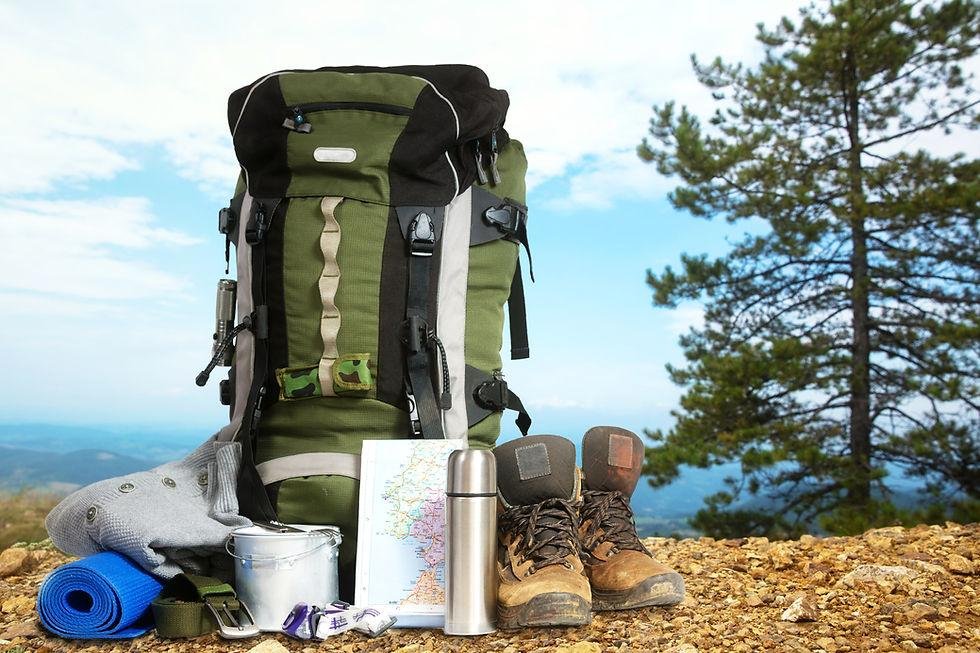
It is also helpful to practice hiking with a small backpack. On Kilimanjaro, porters normally carry the main expedition equipment, but you will carry personal items such as drinking water, snacks, rainwear, and warm clothing. Walking with a daypack during training helps you become comfortable with the extra weight.
Simple Kilimanjaro Training Plan
| Preparation period | Recommended activities |
|---|---|
| 3–6 months before climbing | Begin regular walking, hiking, and cardiovascular exercise |
| 2–3 months before climbing | Increase hiking distances and include uphill walking |
| 1–2 months before climbing | Practice longer hikes while carrying a daypack |
| 2–3 weeks before climbing | Maintain fitness and test all hiking equipment |
| Final week | Reduce intense exercise, rest, and complete travel preparations |
Remember that good physical fitness makes trekking easier, but it does not protect you completely from altitude sickness.
3. Understand Altitude Sickness Before Climbing
Altitude sickness is one of the biggest challenges climbers face on Mount Kilimanjaro. As you climb higher, the air pressure decreases, meaning your body receives less oxygen with each breath. This can cause headaches, nausea, dizziness, unusual tiredness, and difficulty sleeping. Some climbers experience only mild symptoms, while others develop serious altitude-related illnesses that require urgent attention.
One of the best ways to reduce the risk is to choose an itinerary that allows enough time for acclimatization. Your body needs time to adjust to higher elevations, which is why longer routes are generally preferable to very short climbs. For example, an eight-day Lemosho itinerary offers more time on the mountain than a five-day Marangu climb, although the complete elevation profile and individual health still matter.
During the expedition, your guide will encourage you to walk slowly and report any unusual symptoms. You may hear the Swahili expression “pole pole,” which means “slowly, slowly.” This is an important part of climbing Kilimanjaro because walking too quickly can cause unnecessary exhaustion and make the trek more difficult.
You should never hide symptoms because you are afraid of being told to stop climbing. If a headache becomes severe, you develop difficulty walking normally, or you experience breathlessness at rest, immediate medical assessment is essential. Depending on the symptoms, descending to a lower elevation may be necessary.
Before traveling, consult a qualified healthcare professional about high-altitude trekking. Some climbers may benefit from preventive medication, but this should be discussed with a clinician rather than taken without medical advice.
For additional information, read the CDC guide to altitude illness and African climbing expeditions.
4. Pack the Right Kilimanjaro Climbing Equipment
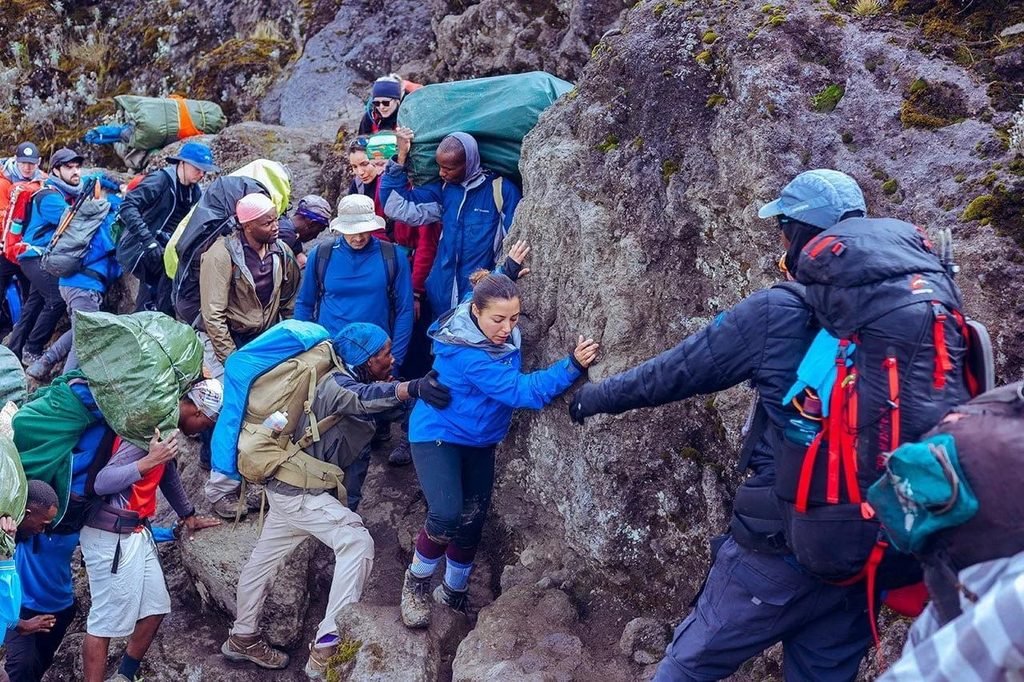
Packing suitable equipment is essential because Kilimanjaro has very different weather conditions at different elevations. During the first days, you may walk through warm and humid rainforest, while the upper mountain can be extremely cold. Near the summit, freezing temperatures and strong winds are possible at any time of year.
The best approach is to dress in layers. Start with moisture-wicking clothing, add warm insulating layers when temperatures fall, and carry waterproof outer clothing to protect against rain and wind. A good insulated jacket is particularly important for summit night, when you may spend several hours walking in freezing conditions.
Hiking boots are another important part of your preparation. Choose comfortable boots with reliable grip and test them during training hikes before traveling. Wearing new boots for the first time on Kilimanjaro can lead to blisters and foot pain, which may make several days of trekking uncomfortable.
You should also bring a suitable sleeping bag, warm gloves, a hat, trekking poles, sunglasses, sunscreen, and a reliable headlamp. Your tour operator can provide a detailed packing list based on your selected route and travel dates.
Essential Kilimanjaro Packing List
| Equipment | Why you need it |
|---|---|
| Waterproof hiking boots | Protect your feet on rocky, muddy, and uneven trails |
| Warm insulated jacket | Keeps you warm during cold evenings and summit night |
| Thermal base layers | Help maintain warmth at higher elevations |
| Waterproof jacket and trousers | Protect against rain and wind |
| Trekking poles | Provide support on steep ascents and descents |
| Sleeping bag | Keeps you warm during mountain nights |
| Headlamp | Essential for summit night and moving around camp |
| Sunglasses and sunscreen | Protect against strong sunlight at altitude |
| Hiking backpack | Carries water, snacks, and personal essentials |
| Warm gloves and hat | Protect against freezing summit conditions |
Helpful tip: Pack your important clothing and personal items in waterproof bags inside your luggage. Rain can occur even during the popular climbing seasons.
5. Choose the Best Time to Climb Kilimanjaro in 2027 and 2028
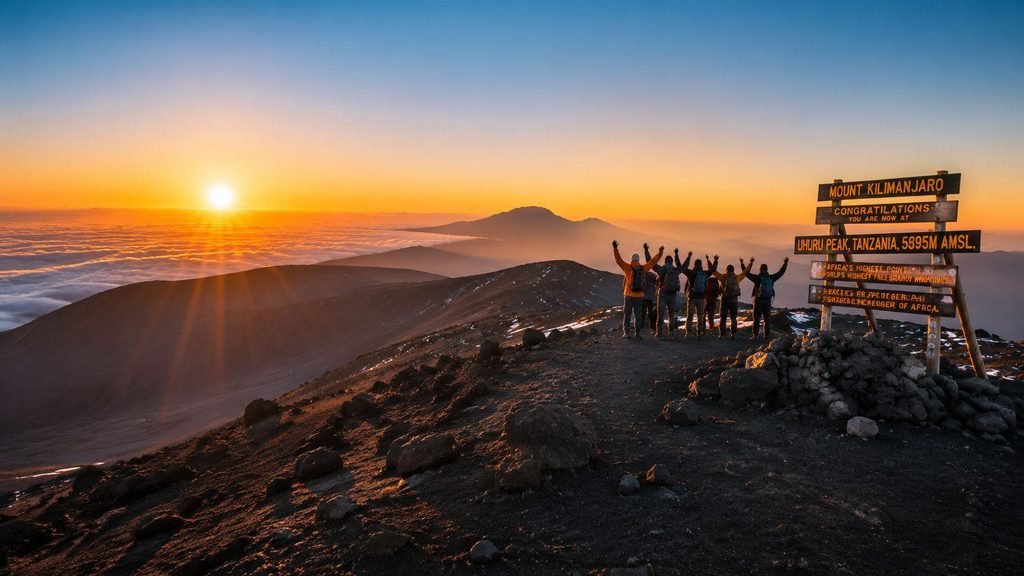
Mount Kilimanjaro can be climbed throughout the year, but some months generally offer better trekking conditions than others. The most popular climbing periods are January to March and June to October, when the weather is often relatively dry. These months are commonly chosen by travelers who want to reduce the likelihood of heavy rainfall during their expedition.
January, February, and early March can offer pleasant trekking conditions, although temperatures become much colder at higher elevations. June, July, August, September, and October are also popular, particularly among travelers visiting Tanzania during the northern hemisphere’s summer holidays.
April and May usually receive heavier rainfall, making some trails muddy and slippery. November and December may also experience seasonal rain, although weather patterns can vary considerably from year to year. Regardless of the season, you should prepare for changing weather because conditions on Kilimanjaro can shift quickly.
Kilimanjaro Weather by Season
| Months | General conditions | Climbing considerations |
|---|---|---|
| January–March | Often relatively dry | Popular for trekking |
| April–May | Generally wetter | Muddy trails and increased rainfall |
| June–October | Often relatively dry and cooler | Popular climbing period |
| November–December | Variable, with seasonal rainfall | Prepare for wetter conditions |
For 2027 and 2028, confirm your departure arrangements with your climbing operator before booking international flights. Seasonal weather patterns are useful for planning, but they cannot guarantee the conditions on your particular climbing dates.
6. Choose a Reliable Kilimanjaro Tour Operator
Choosing a responsible tour operator is just as important as selecting the right route. Your mountain team plays an essential role throughout the expedition, from organizing equipment and preparing meals to setting the walking pace and monitoring your health. An experienced guide should be able to explain the daily route, recognize possible altitude-related problems, and make appropriate safety decisions.
Before booking, ask your operator about the qualifications and experience of the mountain guides, emergency procedures, available safety equipment, and arrangements for climbers who need to descend. It is also important to understand how porters are supported, including suitable clothing, food, shelter, and appropriate working conditions.
You should receive a clear itinerary showing the number of trekking days, overnight camps, included services, and total package cost. Be careful with unusually cheap packages that do not explain what is included. A low price may not provide the level of support, equipment, or preparation you expect.
At Eddy Tours & Safaris, travelers can request information about Kilimanjaro climbing routes and available expedition arrangements before choosing a suitable itinerary.
7. Walk Slowly and Save Your Energy
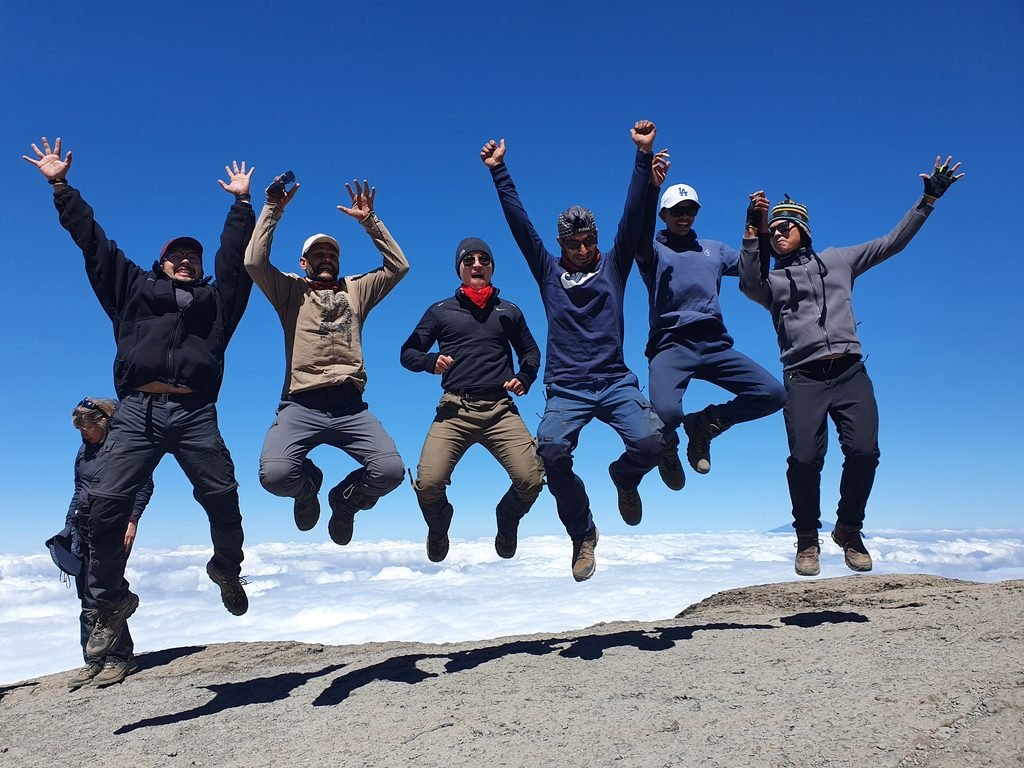
One of the most useful tips for climbing Kilimanjaro is to avoid walking too quickly. Many climbers feel energetic during the first day and try to maintain a fast pace, but the mountain becomes more demanding as the elevation increases. Walking slowly allows you to manage your breathing and conserve energy for the more difficult stages.
Your guide will normally set a steady pace based on the route and the group’s condition. Even if you are an experienced hiker, it is important to follow this pace rather than trying to reach camp ahead of everyone else. Kilimanjaro is not a race, and reaching a campsite quickly provides little benefit if you become unnecessarily exhausted.
Taking regular short breaks can also make long trekking days more comfortable. Use these opportunities to drink water, eat snacks, adjust your clothing, and check how you are feeling. Maintaining a consistent walking rhythm is generally more useful than alternating between very fast walking and long periods of rest.
8. Eat Properly and Maintain Good Hydration
Eating and drinking regularly is important during a Kilimanjaro expedition. Trekking at altitude requires energy, and you may burn more calories than during your normal daily activities. Your mountain crew will generally prepare meals designed to support several days of hiking, including foods that provide carbohydrates, protein, and other nutrients.
Some climbers lose their appetite at higher elevations, but it is important to continue eating as much as you comfortably can. Warm meals, soups, fruit, and familiar snacks may be easier to manage when you feel tired. Bringing a few personal snacks can also be useful, particularly during long walking days.
Hydration is equally important, but drinking excessive amounts of water is not recommended. Your guide can advise you on appropriate fluid intake based on weather conditions, activity levels, and your personal needs. Carrying a suitable water bottle or hydration system makes it easier to drink regularly while walking.
Avoid excessive alcohol before the climb and during your preparation period. Good sleep, regular meals, and sensible hydration will help you arrive on the mountain in better condition.
9. Prepare Mentally for Summit Night
Summit night is often the most challenging part of climbing Kilimanjaro. Depending on the route, climbers may begin walking around midnight from Barafu Camp or Kibo Hut. The ascent takes place in darkness, with cold temperatures, steep terrain, and reduced oxygen availability making each step more demanding.
Many climbers find that the biggest challenge is maintaining a steady pace when they feel tired. The summit may still be several hours away, and progress can seem slow. It helps to focus on the next section of the trail rather than thinking constantly about the remaining distance to Uhuru Peak.
Before leaving camp, make sure your warm clothing, gloves, headlamp, and essential supplies are ready. Listen carefully to your guide’s instructions and report any unusual symptoms immediately. If the weather or your health makes continuing unsafe, turning back is the correct decision.
Reaching Stella Point or Gilman’s Point is already a significant achievement, but Uhuru Peak is the highest point of Kilimanjaro. Whether you reach the summit or need to descend earlier, completing a high-altitude expedition responsibly is something to respect.
10. Understand Kilimanjaro Climbing Costs Before Booking
The cost of climbing Kilimanjaro depends on several factors, including the route, number of trekking days, group size, accommodation arrangements, park fees, and services provided by the tour operator. Longer itineraries generally cost more because they require additional days of park access, mountain crew support, meals, and camping arrangements.
When comparing packages, ask for a written quotation that clearly explains what is included. A typical guided climbing package may cover park fees, professional mountain guides, porters, a mountain cook, meals during the trek, camping equipment, and transport between Moshi and the park gates. However, the exact services depend on the operator and package selected.
Additional expenses may include international flights, Tanzania visa fees, travel insurance, personal hiking equipment, equipment rental, tips for the mountain crew, and hotel accommodation before or after the expedition. Understanding these costs early will help you prepare a realistic travel budget.
For 2027 and 2028, avoid relying on old prices found online. Park fees, operating costs, and accommodation rates may change, so request an updated quotation before confirming your booking.
11. Arrive in Tanzania Before Your Climbing Date
Arriving in Tanzania at least one day before your scheduled climb is a good idea, especially if you are traveling from another continent. International flights can be tiring, and arriving early gives you time to rest, adjust to the local environment, and prepare for the expedition.
Many Kilimanjaro climbers arrive through Kilimanjaro International Airport and travel to Moshi, which is a common starting point for mountain expeditions. Before the climb, your tour operator will normally organize a briefing where you can meet your guide, review the itinerary, and check your equipment.
During the briefing, ask any questions you have about the route, daily walking times, accommodation, safety procedures, or summit-night arrangements. This is also a useful opportunity to identify missing equipment and arrange rentals if they are available.
You should also check your passport, visa requirements, and travel insurance before departure. For official entry information, consult the Tanzania Immigration Department.
12. Consider Climbing Mount Meru Before Kilimanjaro
If you have additional time in Tanzania, climbing Mount Meru can be a useful way to prepare for Kilimanjaro. Located inside Arusha National Park, Mount Meru reaches approximately 4,566 metres above sea level and offers a challenging high-altitude trekking experience.
Mount Meru is often completed over three or four days, depending on the itinerary. The climb passes through forest, open mountain landscapes, and rocky upper slopes before reaching Socialist Peak. Because the mountain is lower than Kilimanjaro, it can provide an opportunity to gain experience hiking at altitude before attempting Africa’s highest summit.
However, climbing Mount Meru does not guarantee successful acclimatization for Kilimanjaro, and the benefit depends partly on how the two expeditions are scheduled. Travelers should allow suitable recovery time and discuss the overall itinerary with their guides.
For more information about mountain climbing options in Tanzania, you can also explore Kilimanjaro Climb Specialist.
13. Respect the Mountain Environment
Mount Kilimanjaro is protected within Kilimanjaro National Park, and visitors have a responsibility to help preserve its natural environment. During the expedition, you will pass through different ecological zones containing plants, wildlife, and fragile high-altitude landscapes.
Always follow designated trails and listen to instructions from your mountain guide. Avoid leaving rubbish behind, damaging vegetation, or disturbing wildlife. Personal waste and other rubbish should be handled according to the park’s requirements and your operator’s waste-management procedures.
Responsible climbing also includes respecting the people who support your expedition. Guides, porters, and cooks work in demanding conditions to help organize mountain trips. Treating crew members respectfully and choosing operators that support appropriate working conditions are important parts of responsible tourism.
You can find official information about park regulations through Tanzania National Parks.
14. Check the Latest Kilimanjaro Route Updates Before Traveling
Travelers planning Kilimanjaro climbs in 2027 and 2028 should understand that mountain access and operating conditions can change. Weather, trail maintenance, fires, and park-management decisions may affect certain routes or entry points.
For example, during September 2026, authorities temporarily restricted access to some Kilimanjaro routes because of a mountain fire. A subsequent notice dated 8 October 2026 reported the reopening of the affected routes. This is a useful reminder that travelers should confirm the latest route conditions rather than relying on information published months before their departure.
Before traveling, ask your operator to confirm that your chosen route is available, that the required park arrangements are in place, and that there are no current restrictions affecting your itinerary. This is particularly important when booking well in advance for 2027 or 2028.
15. Combine Your Kilimanjaro Climb with a Tanzania Safari
Many travelers choose to combine their Kilimanjaro expedition with a wildlife safari in northern Tanzania. After several days of mountain trekking, a safari provides an opportunity to explore the country’s national parks and enjoy a different type of adventure.
Popular destinations include Serengeti National Park, Ngorongoro Crater, Tarangire National Park, and Lake Manyara National Park. Depending on your available time, you can arrange a short safari or a longer journey visiting several parks. Some travelers also choose to continue to Zanzibar for a relaxing beach holiday.
It is sensible to allow time for recovery after your climb, particularly if you feel exhausted or experienced altitude-related symptoms. Your onward travel plans should reflect your health and the physical demands of the expedition.
Contact Eddy Tours & Safaris to discuss combining a Kilimanjaro climb with a Tanzania wildlife safari.
Common Kilimanjaro Climbing Mistakes to Avoid
Even well-prepared travelers can make mistakes when planning their Kilimanjaro expedition. One of the most common is choosing a very short route because it appears cheaper or easier to fit into a holiday schedule. Although shorter climbs may save time, they generally provide fewer opportunities for acclimatization, which is an important consideration at Kilimanjaro’s extreme elevation.
Another mistake is buying expensive equipment without testing it. New hiking boots, an uncomfortable backpack, or unsuitable clothing can make the expedition unnecessarily difficult. Whenever possible, test your equipment during training hikes and ask your operator to review your packing list before departure.
Some climbers also underestimate the importance of listening to their guides. Walking too quickly, hiding altitude symptoms, or continuing when unwell can create serious problems. The mountain should be approached with patience and flexibility, because weather and health conditions may require changes to the original plan.
Finally, avoid believing that any operator can guarantee summit success. Reaching Uhuru Peak depends on several factors, including acclimatization, individual health, weather, and the decisions made during the expedition.
Frequently Asked Questions About Kilimanjaro Climbing in 2027/2028
1. Is Mount Kilimanjaro difficult to climb?
Yes. Kilimanjaro is a challenging high-altitude trek because of its elevation, long walking days, and changing weather conditions. However, many physically prepared travelers can attempt the standard trekking routes without technical mountaineering experience.
2. What is the best route for climbing Kilimanjaro?
There is no single best route for everyone. Eight-day Lemosho, seven-day Machame, and nine-day Northern Circuit are strong options to consider because they provide useful acclimatization opportunities.
3. How many days should I spend climbing Kilimanjaro?
For many travelers, seven to nine days is a sensible range to consider. Longer itineraries generally provide more time for acclimatization than five- or six-day climbs.
4. Can beginners climb Mount Kilimanjaro?
Yes. Beginners with suitable physical preparation can attempt Kilimanjaro, but they should choose an appropriate route and understand the challenges of high-altitude trekking.
5. Do I need technical climbing equipment?
Technical climbing equipment is not normally required on the standard trekking routes under suitable conditions. However, appropriate hiking clothing, boots, and cold-weather equipment are essential.
6. What is the best month to climb Kilimanjaro?
January to March and June to October are generally popular because they often experience relatively drier weather.
7. Can I climb Kilimanjaro during the rainy season?
Yes, although rain can make trails muddy and slippery, particularly in the rainforest.
8. How cold does Kilimanjaro get?
Temperatures near the summit can fall well below freezing, especially during windy conditions.
9. What is altitude sickness?
Altitude sickness occurs when the body struggles to adjust to reduced oxygen availability at higher elevations.
10. How can I reduce the risk of altitude sickness?
Choose a suitable acclimatization schedule, walk slowly, report symptoms promptly, and follow your guide’s safety instructions.
11. Can I take medication to prevent altitude sickness?
Some medications may help reduce the risk, but they should be discussed with a qualified healthcare professional before departure.
12. How physically fit should I be?
You should be comfortable walking for several hours on consecutive days, including uphill and downhill terrain.
13. How long should I train before Kilimanjaro?
Many beginners benefit from three to six months of regular training, depending on their starting fitness.
14. What is the hardest day on Kilimanjaro?
Summit day is usually the hardest because of the altitude, cold temperatures, steep terrain, and long walking hours.
15. Can I climb Kilimanjaro without a guide?
No. Kilimanjaro climbs require authorized guiding arrangements.
16. Which Kilimanjaro route uses huts?
The Marangu Route uses established mountain huts, while most other standard routes use designated campsites.
17. Is the Machame Route better than Marangu?
The routes offer different experiences. Machame provides varied scenery and longer itinerary options, while Marangu offers hut accommodation. The best choice depends on your priorities and acclimatization needs.
18. Is the Northern Circuit suitable for beginners?
It can be suitable for well-prepared beginners who have enough time for a longer mountain expedition.
19. Can I rent Kilimanjaro climbing equipment in Moshi?
Some equipment may be available for rental, depending on local suppliers and your operator’s arrangements.
20. Do I need travel insurance?
Travel insurance covering high-altitude trekking and emergency evacuation is strongly recommended.
21. Can I climb Kilimanjaro in 2027?
Yes, you can plan a 2027 expedition and request a quotation, subject to route availability and confirmed arrangements.
22. Can I book Kilimanjaro for 2028?
You can enquire about 2028 climbing packages, although prices and departure availability should be confirmed.
23. Is climbing Kilimanjaro expensive?
Costs vary according to route duration, group size, park fees, and included services. Request a detailed quotation before booking.
24. Can I climb Mount Meru before Kilimanjaro?
Yes. Mount Meru can provide useful high-altitude hiking experience when the two climbs are scheduled appropriately.
25. Can I combine Kilimanjaro with a Serengeti safari?
Yes. Many travelers combine their mountain expedition with a safari to Serengeti, Ngorongoro, Tarangire, or other destinations in northern Tanzania.
Plan Your Kilimanjaro Climb for 2027/2028 with Eddy Tours & Safaris
Climbing Mount Kilimanjaro is a demanding but rewarding adventure that begins long before you arrive at the mountain. Choosing a suitable route, preparing physically, understanding altitude sickness, and packing the right equipment are some of the most important steps you can take. With good planning and professional guidance, you can approach the expedition with realistic expectations and greater confidence.
Remember that Kilimanjaro is not a race. Walking slowly, listening to your guide, and allowing enough time for acclimatization are more important than reaching the summit quickly. Whether you choose Machame, Lemosho, Rongai, Marangu, or the Northern Circuit, your health and safety should always come first.
At Eddy Tours & Safaris, we help travelers plan guided Kilimanjaro climbing expeditions for 2027 and 2028. Our team can assist with route selection, climbing itineraries, equipment advice, and personalized quotations. We can also help you combine your climb with a Tanzania wildlife safari or Zanzibar beach holiday.
Start planning your Kilimanjaro adventure today.
Website: Eddy Tours & Safaris
Bookings: Request a Kilimanjaro Climbing Quotation
WhatsApp: +255 711 906 664
Email: sales@eddytours-safaris.com
Choose your route carefully, prepare early, and enjoy discovering one of Africa’s most famous mountains.