
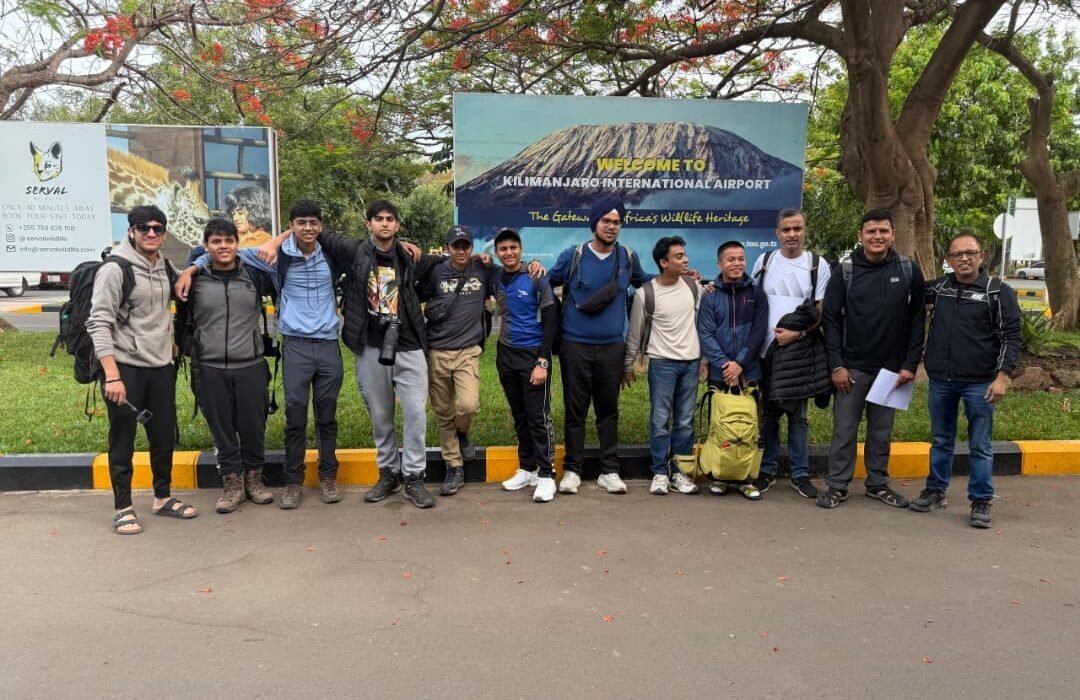
Superior 8 Days Lemosho Route Kilimanjaro Climbing 2027 package is made for travellers who want to climb Africa’s highest mountain without rushing the experience. Lemosho begins on Kilimanjaro’s quiet western side, passes through rainforest and the wide Shira Plateau, then joins the southern circuit before the final push to Uhuru Peak. It is scenic, varied and, with eight days on the programme, gives your body more time to settle into the altitude.
This is not a sightseeing walk. The summit stands at 5,895 metres, and preparation matters. Still, a sensible route plan, a steady pace and a professional crew make a real difference. Our 2027 itinerary includes an unhurried first half of the mountain, a night at Mweka after the summit, and a final descent day rather than trying to squeeze every part of the climb into a tighter schedule.
Eddy Tours & Safaris arranges private climbs for couples, families, friends and small groups. We take care of the mountain logistics so you can focus on walking, resting, eating well and taking in the changing landscape. For availability or a tailored quote, contact us at eddytoursandsafaris@gmail.com, sales@eddytours-safaris.com or WhatsApp/call +255 711 906 664.
Why choose the 8-day Lemosho schedule?
The main strength of 8 Days Lemosho Route Kilimanjaro Climbing is time. You do not gain altitude overnight, but you do gain a calmer rhythm over the first days. The route crosses the Shira Plateau gradually, gives you a valuable climb-high-sleep-lower day around Lava Tower, and keeps the descent to Mweka Gate as its own final day.
That extra breathing room is useful for several reasons:
You have more time to acclimatise before summit night.
The early walking days feel less compressed than on shorter plans.
You can enjoy the forest, moorland and volcanic scenery instead of treating them as a race to the summit.
The crew can monitor how everyone is adapting and adjust the pace where needed.
After reaching Uhuru Peak, you descend to Mweka Camp, sleep, then leave the park the following day.
No itinerary can promise a summit. Altitude affects people differently, including fit hikers. What this 8 Days Lemosho Route Kilimanjaro Climbing itinerary does offer is a well-established approach: walk slowly, drink regularly, eat what you can, report symptoms early and let the guides make conservative decisions when health requires it.
2027 trip at a glance
| Item | Details |
|---|---|
| Route | Lemosho Route, approaching from Kilimanjaro’s west |
| Duration | 8 days on the mountain, plus arrival and departure arrangements if requested |
| Summit | Uhuru Peak, 5,895 m / 19,341 ft |
| Start | Moshi or Arusha transfer to Londorossi Gate |
| Accommodation | Quality mountain tents and campsites |
| Best periods | January–early March and June–October, subject to weather preferences |
| Climb style | Private departure; group departures can be arranged on request |
Day-by-day 8 Days Lemosho Route Kilimanjaro Climbing itinerary
Day 1: Londorossi Gate to Mti Mkubwa Camp
After an early transfer from Moshi, your guide completes registration at Londorossi Gate. The drive continues to the Lemosho trailhead, where porters organise the luggage and you meet the wider mountain team. The first walk enters rainforest: damp earth, tall trees, birdsong and, if luck is on your side, colobus monkeys moving in the canopy.
It is a moderate first day, but the forest can be muddy after rain, so trekking poles are useful. Mti Mkubwa means “big tree” in Swahili. At camp, the team has your tent ready and hot drinks waiting. This opening stage of the 8 Days Lemosho Route Kilimanjaro Climbing programme is deliberately measured. Settle into the routine: small steps, no racing, plenty of water and an early night.
Day 2: Mti Mkubwa Camp to Shira 1 Camp
Today the forest thins and the route rises into heather and moorland. The change can feel dramatic. Behind you is the green western forest; ahead, the horizon opens towards the Shira Plateau. The terrain is more exposed now, so sun protection and a warm layer should stay accessible in your daypack.
The climb is longer than day one, with wide views once the weather clears. Arriving at Shira 1, you may notice the altitude more than the distance. This is normal, and it is exactly why the pace remains gentle. Your guide will check in with everyone before dinner. A good evening routine is simple: drink, eat, stay warm and sleep.
Day 3: Shira 1 Camp to Shira 2 Camp
The third day is one of the enjoyable scenic days of 8 Days Lemosho Route Kilimanjaro Climbing. You cross the broad volcanic Shira Plateau, which feels almost lunar in places. The walking is not steep for long periods, though the elevation means that even easy ground should be taken slowly.
Shira 2 Camp sits high on the plateau with clear views toward Kibo, Kilimanjaro’s central volcanic cone. The afternoon is kept relaxed. Some groups take a short acclimatisation walk before returning to camp; others rest after lunch. There is no prize for being first in the tent. The goal is to arrive at summit night in the strongest condition possible.
Day 4: Shira 2 Camp via Lava Tower to Barranco Camp
This is the key acclimatisation day. The trail climbs through alpine desert toward Lava Tower, a striking volcanic formation at roughly 4,630 metres. You stop for lunch around this higher point, then descend to Barranco Camp at about 3,960 metres. That pattern—going higher during the day and sleeping lower—can help the body adapt.
The descent matters just as much as the climb. Do not be surprised if you feel stronger after reaching Barranco even though it has been a full day. The giant groundsels and the Barranco Valley create one of the route’s most photogenic landscapes. This stage is a major reason experienced hikers favour 8 Days Lemosho Route Kilimanjaro Climbing over a rushed summit plan.
Day 5: Barranco Camp to Karanga Camp
The morning begins with the Barranco Wall. It looks intimidating from camp, but it is a hands-on scramble rather than technical rock climbing. Guides show you where to place your feet and keep the group moving safely. Take it one move at a time; there is no need to hurry.
Beyond the wall, the route rises and falls across ridges and valleys before reaching Karanga Camp. It may be a shorter day in kilometres, yet the undulating terrain can be tiring. That is intentional. The programme saves energy for the summit while still giving your body time at altitude. By now, the crew will know your walking style, food preferences and how you are coping with the conditions.
Day 6: Karanga Camp to Barafu Camp
The landscape becomes increasingly stark as you head toward Barafu Camp. Vegetation is scarce, the air is thinner and Kibo appears close enough to touch. In reality, summit night is still ahead, so this is an afternoon for rest rather than exploration.
You arrive early enough to have lunch, prepare your gear and sleep before a very early wake-up. Your guide will explain the summit plan, check that your headlamp and warm layers are ready, and remind you to keep essentials close. On 8 Days Lemosho Route Kilimanjaro Climbing, a well-organised Barafu afternoon is part of good preparation: boots loosened, water protected from freezing, snacks packed and no last-minute surprises.
Day 7: Barafu Camp to Uhuru Peak, then Mweka Camp
Summit day starts around midnight. You walk in darkness, usually in a line behind the guide, stopping briefly for water and a quick snack. The route climbs steadily over loose volcanic ground towards Stella Point on the crater rim. This is the most demanding section of the trek, physically and mentally.
From Stella Point, the trail follows the rim to Uhuru Peak. Sunrise often arrives along this section, revealing glaciers, the crater and the plains far below. Reaching the summit is a special moment, but the time at the top is kept short because of the altitude and cold. Photographs, congratulations, then a careful descent.
You return to Barafu for a rest and brunch before continuing down to Mweka Camp. The lower elevation usually makes breathing easier, though tired legs will tell you it has been a long day. Dinner and a final night in the tents give the 8 Days Lemosho Route Kilimanjaro Climbing schedule a more sensible finish.
Day 8: Mweka Camp to Mweka Gate, then transfer to Moshi
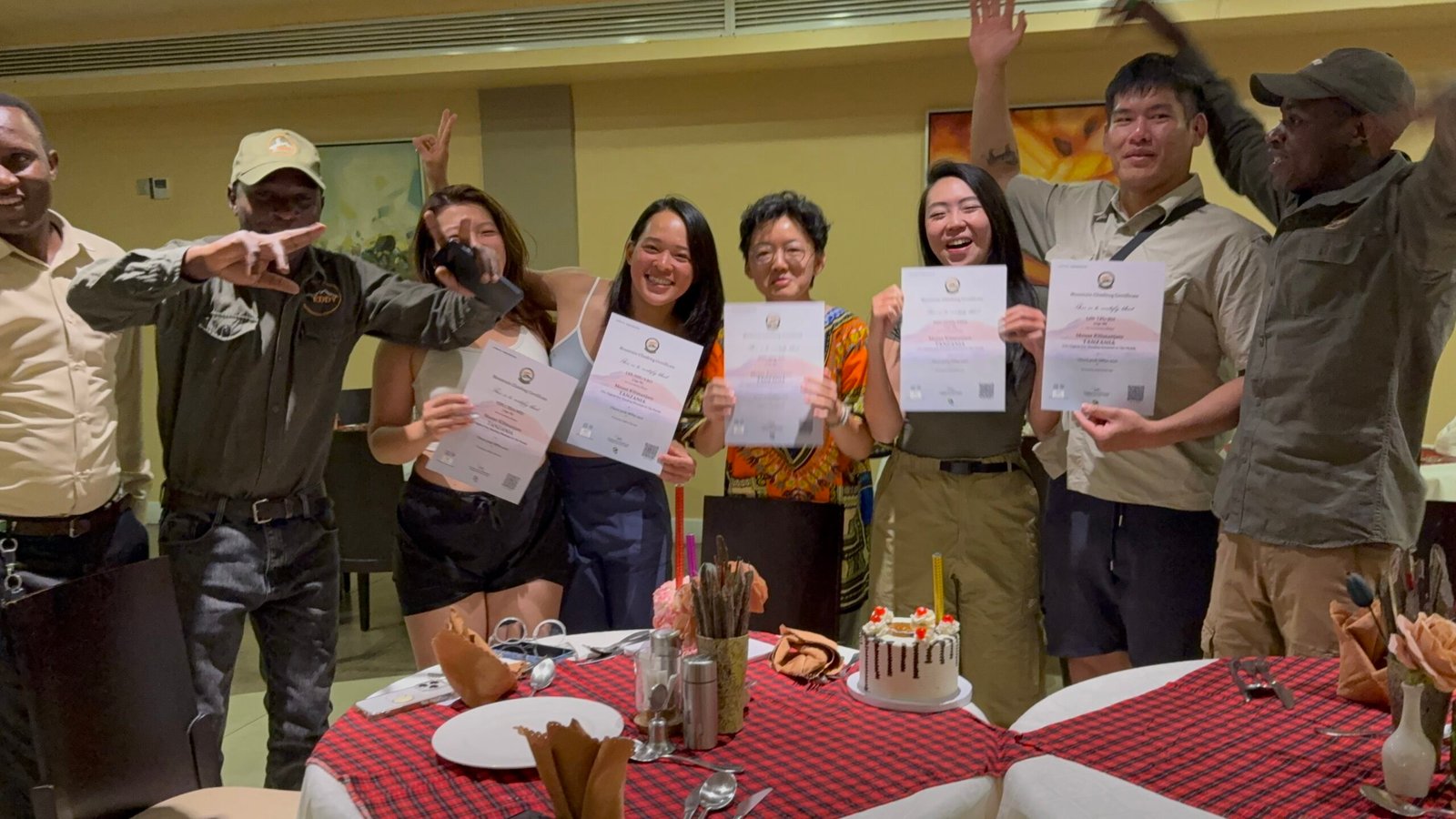
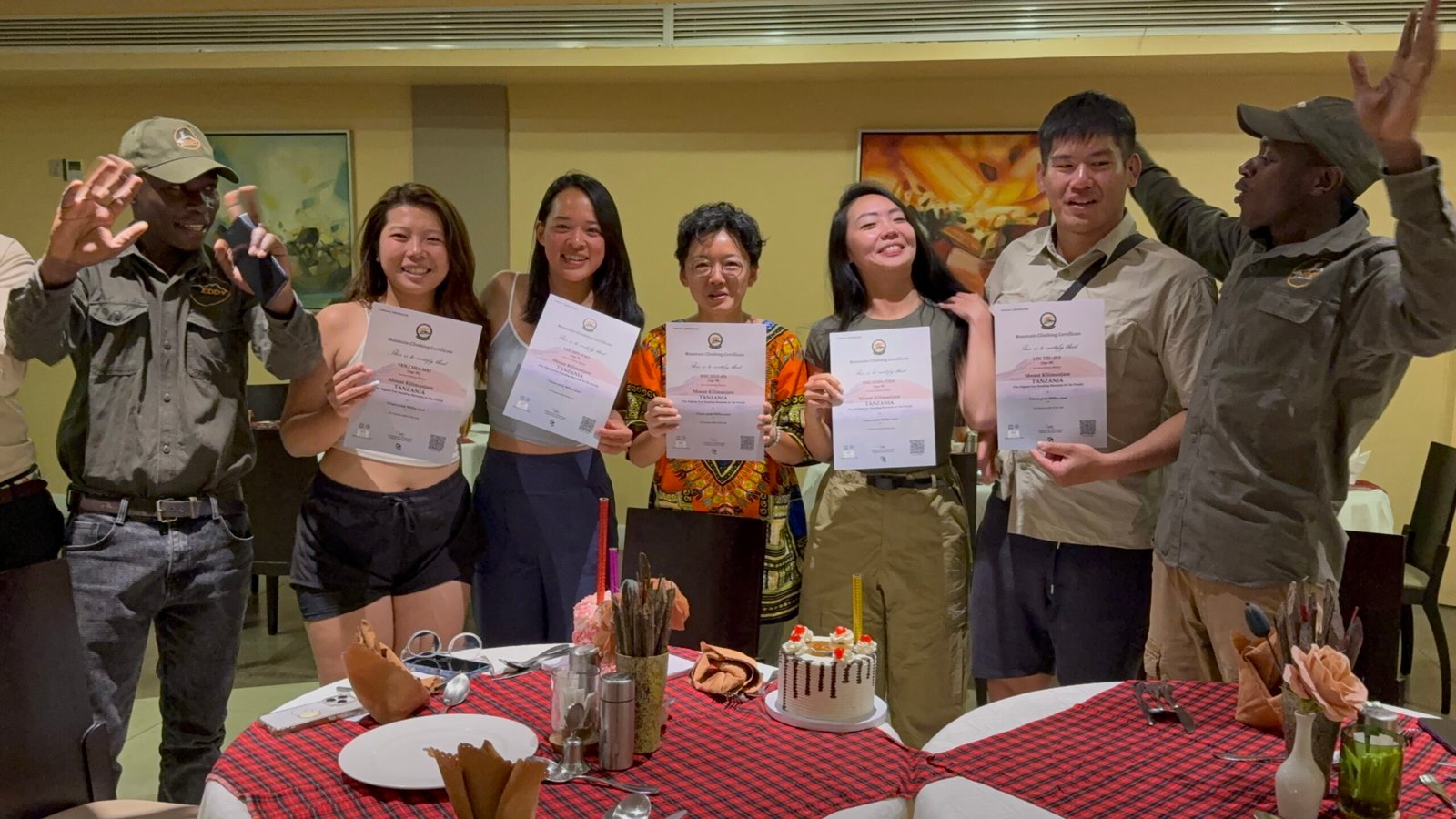
After breakfast, descend through lush forest to Mweka Gate. The trail can be slippery, particularly after rain, so poles remain useful. At the gate, the team completes formalities and successful climbers receive their certificates. You then meet the vehicle for the transfer back to Moshi.
The shower, clean clothes and proper bed feel excellent. Many travellers choose to stay an extra night and celebrate with the guides; others continue to a safari or fly onward. If you would like to add Serengeti, Ngorongoro or Zanzibar after 8 Days Lemosho Route Kilimanjaro Climbing, our contact team can build the onward plan around your dates.
The mountain crew and camp comfort
A Kilimanjaro climb works because of the people behind it. Your guide leads the route and makes safety decisions. Assistant guides support the group at different walking speeds. Porters carry the camp equipment and your main duffel bag, while cooks prepare meals designed for trekking at altitude.
On 8 Days Lemosho Route Kilimanjaro Climbing, good crew support means you are not left to guess the next step: wake-up tea, meal times, daily briefings and camp organisation follow a dependable rhythm.
Eddy Tours & Safaris uses proper mountain tents, sleeping mats and a dining tent with tables and chairs. You carry a daypack with water, layers, camera, medication and personal essentials; the crew carries the rest within responsible weight limits. Meals are freshly prepared, with vegetarian requirements and many common dietary needs accommodated when shared in advance.
For a helpful independent overview of climbing options, you may also visit Kilimanjaro Climb Specialist. It is sensible to compare route information, then choose a guide team based on experience, safety procedures, communication and the support included in the price.
Acclimatisation and safety on the Lemosho Route
Altitude is the central challenge of 8 Days Lemosho Route Kilimanjaro Climbing. It is not about toughness. Headache, reduced appetite, poor sleep or nausea can occur even when you follow every rule. Tell your guide about symptoms early; hiding them makes it harder to make the right call.
Your guides monitor the group daily and may use pulse oximetry as part of regular checks. They carry emergency oxygen and first-aid equipment, with evacuation procedures in place if necessary. The correct response to significant altitude illness is not to “push through.” It is to follow professional advice, which may mean rest, treatment or descent.
The practical habits are uncomplicated:
Walk at the guide’s pace, often called “pole pole” (slowly, slowly).
Drink regularly throughout the day; aim for pale urine rather than a fixed number that does not suit you.
Eat frequent meals and snacks, even when appetite drops.
Keep a warm layer and rain protection in your daypack.
Avoid alcohol before and during the climb.
Discuss medicines, previous altitude experience and medical conditions honestly before departure.
Before travelling, speak with a qualified travel-health professional about vaccinations, malaria prevention and personal medical advice. You can use Google to locate an accredited clinic near you, but your clinician—not a blog—should guide health decisions.
Training for an 8-day Lemosho climb
You do not need mountaineering experience to book 8 Days Lemosho Route Kilimanjaro Climbing, but you should train. Begin several months before travel if possible. Consistency is more useful than one punishing workout at the weekend.
Build aerobic endurance with brisk walking, hiking, cycling, jogging or swimming. Add uphill walking and stairs while carrying a light pack. Strength work for legs, hips, core and back makes long descent days much easier. If you can, complete a few longer hikes on consecutive days wearing the boots you will take to Tanzania.
Training also reveals equipment problems early. Blisters, shoulder rub from a pack or boots that press on toes are minor at home and miserable on a mountain. Break in your boots, test your socks and practice using trekking poles. The aim is confidence in your routine, not speed.
What to pack
Weather can move from warm sun to freezing wind in a single day. Layering is more useful than one heavy garment. A detailed equipment list is supplied after booking, but these are the essentials:
Waterproof hiking boots with good ankle support, already broken in
Thermal base layers, fleece or insulated mid-layer, and a waterproof outer shell
Warm down jacket for camp and summit night
Gloves, beanie, sun hat and buff or neck gaiter
Headlamp with spare batteries
Reusable water bottles or hydration bladder, plus insulation for summit night
Sunglasses and high-SPF sunscreen
Trekking poles, personal medicines, blister care and a small power bank
Sleeping bag suitable for sub-zero mountain temperatures
Avoid bringing unnecessary valuables. Your main bag is carried by porters, but a waterproof liner and labelled bags make camp life much easier. Ask us before buying expensive gear; rental options in Moshi may cover items you will not use again.
The right kit does not make 8 Days Lemosho Route Kilimanjaro Climbing easy, but it keeps you warm, dry and comfortable enough to concentrate on the walk.
Best time for 8 Days Lemosho Route Kilimanjaro Climbing in 2027
Kilimanjaro can be climbed throughout the year, but the drier periods are usually the most popular. January to early March often has clearer mornings and fewer people than the main season, although weather is never guaranteed. June to October is the long dry season and attracts many climbers, especially from July through September.
April and May are generally wetter, while November can bring shorter rains. A quieter mountain can be appealing, but wet trails and cloud require the right expectations. The best month for 8 Days Lemosho Route Kilimanjaro Climbing is the one that fits your travel dates, comfort with rain and preferred crowd level. We can advise on current departure planning when you contact us.
What is included and what is not included
Your quote can be tailored, but a standard climb package generally includes park fees, professional guides, porters and cook, mountain tents, meals on the mountain, safety equipment, transfers between Moshi and the gate, and the final transfer from Mweka Gate.
International flights, visas, travel insurance, personal trekking gear, hotel nights before or after the climb, tips for the crew, drinks outside the stated meal plan and any extra services are normally separate unless listed in your confirmation. Travel insurance with high-altitude trekking and emergency evacuation cover is essential. Read the policy wording, not just the headline.
Frequently asked questions
Is 8 days enough for the Lemosho Route?
For many travellers, yes. 8 Days Lemosho Route Kilimanjaro Climbing is a strong choice because it allows a gradual crossing of the Shira Plateau, an acclimatisation day via Lava Tower and a separate descent to Mweka Gate. It is still a serious high-altitude trek, so fitness and listening to the guides remain important.
Does the package include the final walk to Mweka Gate?
Yes. This 8 Days Lemosho Route Kilimanjaro Climbing itinerary includes the forest descent from Mweka Camp to Mweka Gate on day eight, followed by your transfer back to Moshi.
How difficult is the Lemosho Route?
It is challenging mainly because of altitude, the summit-night effort and several long walking days. Most terrain is hiking terrain, not technical climbing. The Barranco Wall involves a short scramble, with guides assisting where needed.
Can a beginner climb Kilimanjaro on this route?
Yes, many first-time high-altitude trekkers choose Lemosho. You should arrive fit, train for hills and long walks, and be prepared to follow the guide’s pace. Previous trekking experience helps, but it is not a formal requirement.
Why does the focus keyword say 8 days?
The 8 Days Lemosho Route Kilimanjaro Climbing name describes eight scheduled mountain days, from the walk into Mti Mkubwa Camp to the exit at Mweka Gate. Arrival, hotel and safari arrangements are separate and can be added to your quotation.
Are private departures available in 2027?
Yes. We can arrange a private 8 Days Lemosho Route Kilimanjaro Climbing departure around your preferred dates, subject to park availability and travel arrangements. Friends, couples, solo travellers and family groups are welcome.
Is 8 Days Lemosho Route Kilimanjaro Climbing suitable for a small group?
Yes. 8 Days Lemosho Route Kilimanjaro Climbing works very well for small private groups because the guide team can manage the pace, meal planning and logistics around the people travelling together.
What happens if I cannot continue to the summit?
Your safety comes first. The guide assesses the situation and arranges a supported descent if needed. The exact plan depends on where you are on the mountain, weather and your condition. Comprehensive insurance is important for this reason.
Book your 2027 Lemosho Route climb
The 8 Days Lemosho Route Kilimanjaro Climbing package gives you a scenic, well-paced way to work toward Uhuru Peak in 2027. Tell us your group size, preferred month, hotel needs and whether you would like to add a Tanzania safari afterward. We will send a clear, personalised quotation with the inclusions explained before you book.
Contact Eddy Tours & Safaris through our contact page, call or WhatsApp +255 711 906 664, or email eddytoursandsafaris@gmail.com and sales@eddytours-safaris.com. We look forward to helping you plan your Kilimanjaro climb carefully and confidently.