
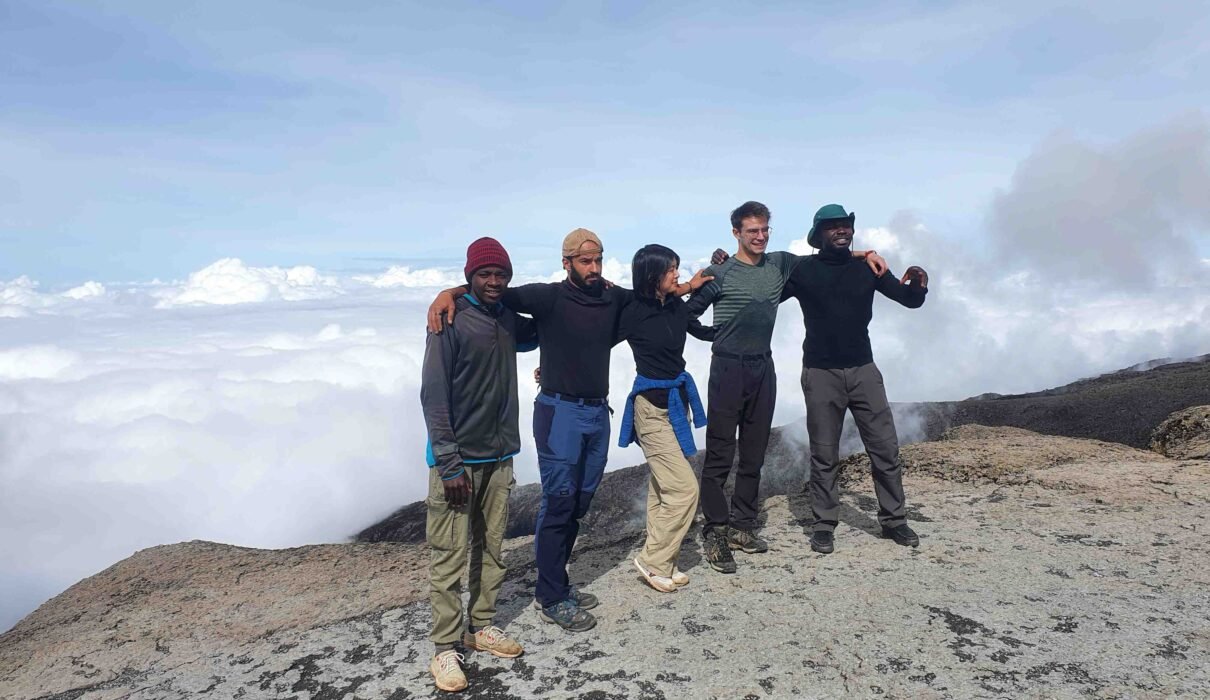
Superior 7 Days Lemosho Route Kilimanjaro Climbing 2027/2028
The 7 Days Lemosho Route Kilimanjaro Climbing package is one of the best choices for travellers who want a scenic approach to Africa’s highest mountain without choosing an unnecessarily rushed itinerary. The route begins on Kilimanjaro’s western side, crosses quiet rainforest and the wide Shira Plateau, then joins the southern circuit before the summit push to Uhuru Peak at 5,895 metres.
Lemosho is loved for its variety. You do not simply walk uphill through one landscape. The trek begins in thick montane forest, opens into heath and moorland, crosses volcanic terrain and eventually reaches the high alpine desert below the summit. Each day looks and feels different. It is also a route that gives your body useful time to adjust to altitude, which is why it is a strong option for first-time high-altitude trekkers as well as experienced hikers.
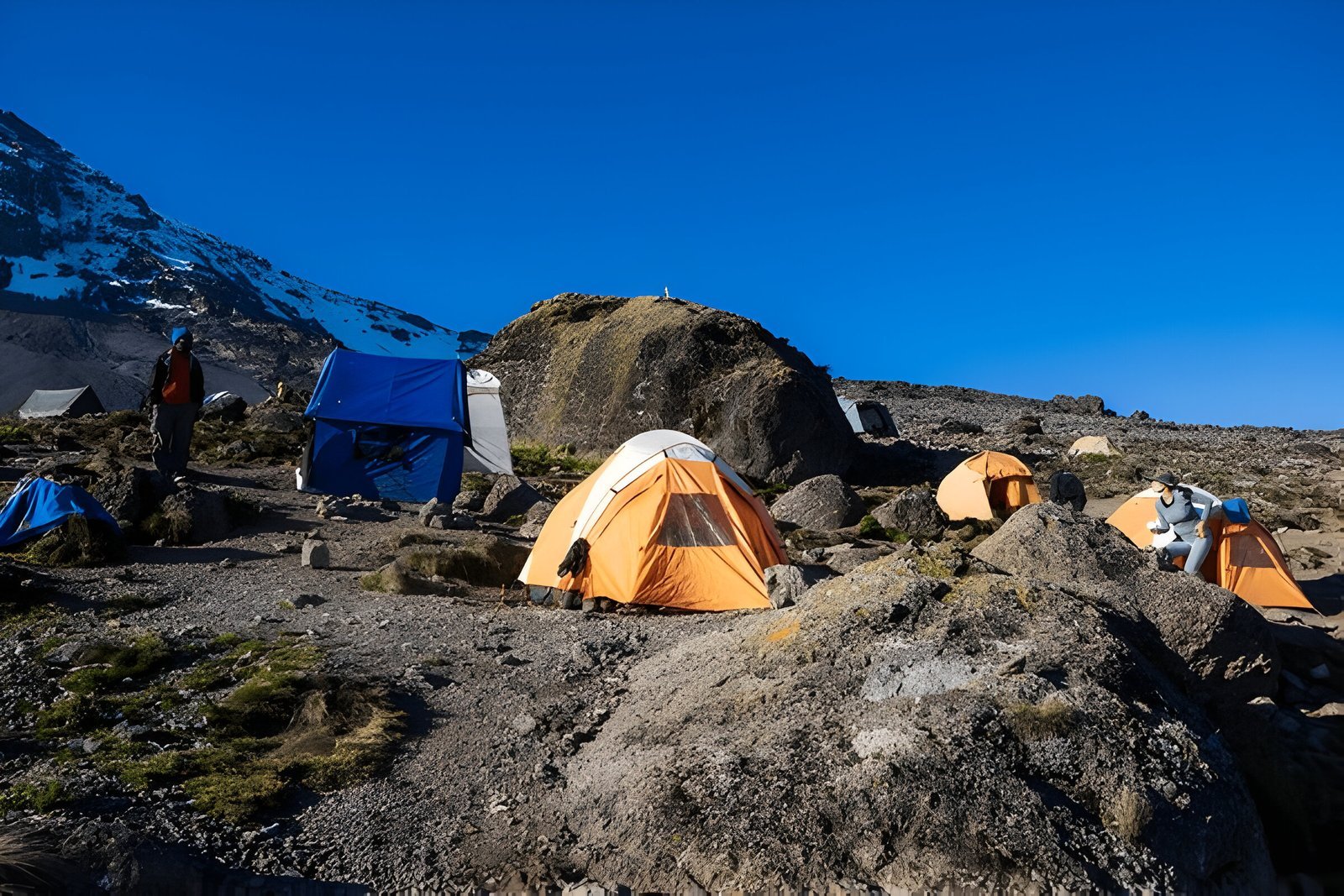
Eddy Tours & Safaris runs the climb with professional mountain guides, trained porters, a mountain cook and carefully planned daily stages. We focus on sensible pacing, clear safety checks and a supportive team environment. Reaching the summit is a major goal, but your health always comes first.
Why Choose the 7-Day Lemosho Route?
The 7 Days Lemosho Route Kilimanjaro Climbing itinerary is a better acclimatisation option than shorter programmes. Kilimanjaro altitude affects each climber differently. Fitness is important, but it does not make a person immune to altitude sickness. The value of Lemosho is that it climbs gradually, includes a “climb high, sleep low” section around Lava Tower, and allows the team to assess how everyone is adapting.
The first two days are often quieter than the more crowded Marangu and Machame routes. Once Lemosho joins the southern circuit, the trail becomes busier, but you have already enjoyed a more remote start and the open views of the Shira Plateau.
This 7 Days Lemosho Route Kilimanjaro Climbing package is ideal for:
First-time Kilimanjaro climbers who want a sensible seven-day programme
Couples and friends who value scenery as much as the summit goal
Travellers looking for a camping route with strong acclimatisation
Photographers who want forest, plateau, volcanic and summit landscapes
Climbers who have trained well and prefer a gradual approach over a short route
Lemosho Route at a Glance
| Detail | Information |
|---|---|
| Route | Lemosho Route, ascending from the west and descending via Mweka |
| Duration | 7 days on the mountain |
| Summit | Uhuru Peak, 5,895 metres |
| Accommodation | Mountain tents at designated campsites |
| Difficulty | Challenging high-altitude trek; no technical climbing required |
| Best for | Strong acclimatisation, scenic variation and a less rushed climb |
| Start and finish | Moshi / Kilimanjaro International Airport area |
Your 7-Day Lemosho Route Kilimanjaro Climbing Itinerary
Day 1: Moshi to Londorossi Gate – Mti Mkubwa Camp
After breakfast at your Moshi hotel, meet the Eddy Tours & Safaris mountain team for the final equipment check and briefing. Drive to Londorossi Gate for registration, then continue to the Lemosho trailhead. The first walk enters rainforest, where the path can be damp and muddy after rain.
The forest is alive with bird calls, giant ferns and old trees. Keep your eyes open for black-and-white colobus monkeys, though wildlife is never guaranteed. The day is deliberately gentle, allowing you to settle into the mountain rhythm. Arrive at Mti Mkubwa Camp, meaning “Big Tree Camp,” for dinner and overnight.
Day 2: Mti Mkubwa Camp to Shira 1 Camp
Leave the forest and climb into heath and moorland. The vegetation changes quickly: the dense canopy opens, the air feels cooler and wide views begin to appear. This is one of the reasons the 7 Days Lemosho Route Kilimanjaro Climbing experience stands apart from more direct approaches.
The trek becomes steeper in sections as you reach the Shira Plateau. Take your time, drink water regularly and let the guides set the pace. Camp at Shira 1 for dinner and overnight, surrounded by open volcanic landscape and distant mountain views.
Day 3: Shira 1 Camp to Moir Hut via Shira 2
Today is a long but rewarding day across the Shira Plateau. The path leads through open heathland with views toward the western side of Kilimanjaro. You pass Shira 2 Camp and continue toward Moir Hut, a quieter camping area beneath the Lent Hills.
This day helps the body begin adjusting to higher altitude. Your guide may take a short acclimatisation walk in the afternoon if conditions and group energy allow. Eat well, drink plenty of water and rest after dinner. Overnight at Moir Hut.
Day 4: Moir Hut to Lava Tower to Barranco Camp
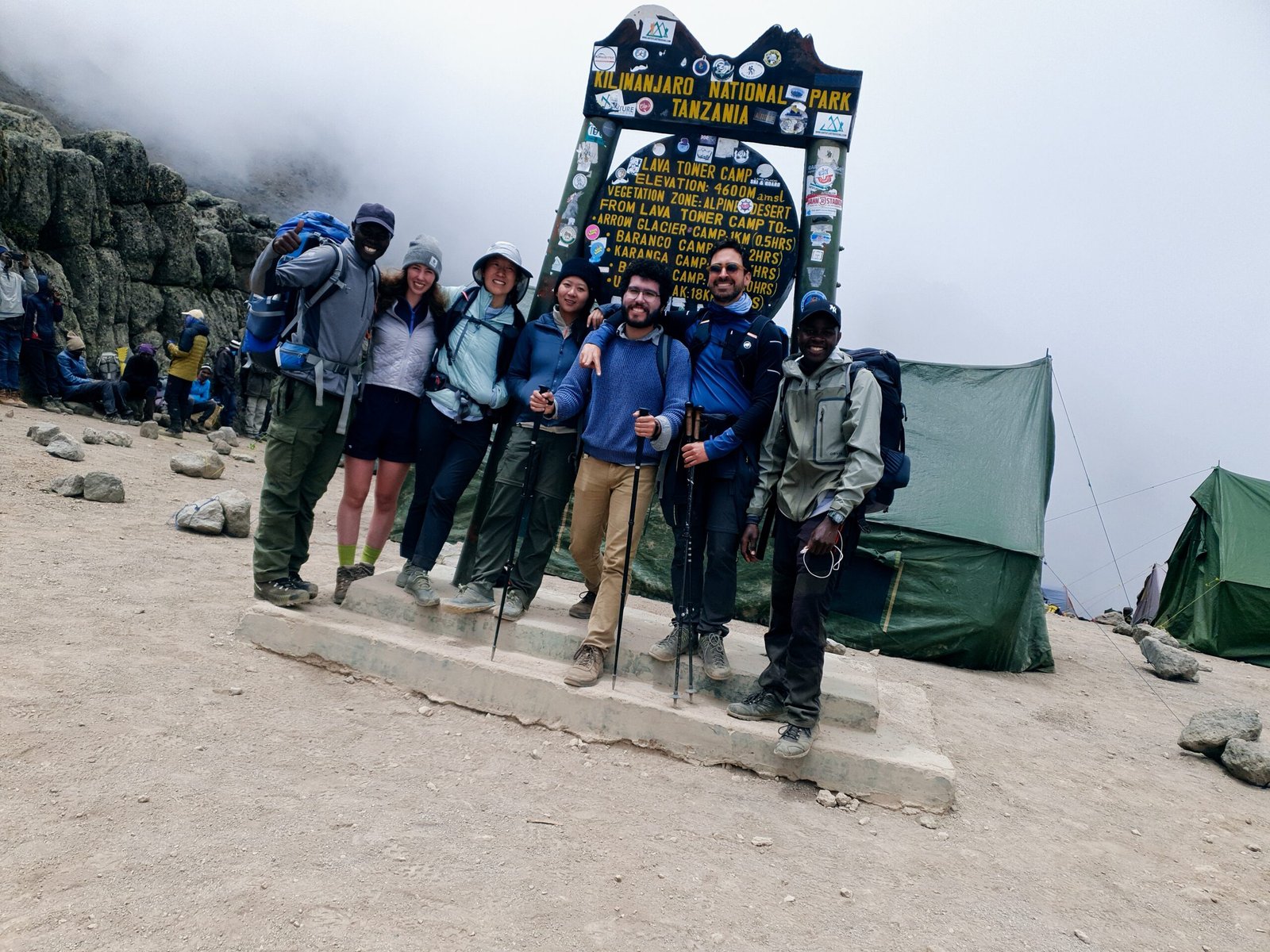
Day four is one of the key acclimatisation days on the Lemosho Route. You climb through alpine desert toward Lava Tower, a volcanic formation at approximately 4,600 metres. The air is thinner here, and it is normal to feel slower than on the earlier days.
After lunch near Lava Tower, the route descends to Barranco Camp at around 3,960 metres. This is the classic “climb high, sleep low” approach. Although the day is physically demanding, the descent helps many climbers adapt better than they would on a route that sleeps high immediately after gaining altitude.
Barranco Camp sits below the famous Barranco Wall and has impressive views of the ice fields and surrounding valleys. Dinner and overnight at camp.
Day 5: Barranco Camp to Karanga Camp
Start the morning by climbing Barranco Wall. It looks intimidating from below, but it is a hands-on scramble rather than a technical rock climb. Your guide will show you where to place your feet and help you move steadily. Do not rush; the safest technique is to stay close to the mountain and follow the line chosen by the guides.
After the wall, the trail undulates through ridges and valleys before reaching Karanga Camp. This is a shorter trekking day, giving you time to rest and continue acclimatising. A short afternoon walk may be offered if the group is feeling well. Dinner and overnight at Karanga Camp.
Day 6: Karanga Camp to Barafu Camp
The route continues upward through sparse alpine desert to Barafu Camp, the final campsite before the summit attempt. The landscape is exposed, rocky and cold, especially after sunset. You will arrive early enough to eat, organise your summit clothing and rest.
Your guide gives a detailed summit briefing: what to wear, what to carry, how to manage water and why you must speak up if you feel unwell. Try to sleep, but many climbers rest only lightly because of altitude and anticipation. The summit push starts around midnight.
Day 7: Barafu Camp to Uhuru Peak – Mweka Camp
The final day begins in darkness. You walk slowly, one step at a time, toward Stella Point on the crater rim. The pace may feel extremely slow, but it protects your energy and helps your body cope with the altitude. The sunrise near Stella Point is often one of the most emotional moments of the climb.
From Stella Point, continue along the crater rim to Uhuru Peak, the highest point in Africa. Take your summit photos, absorb the achievement and begin the descent before you become too cold. Return to Barafu for a short rest and lunch, then descend further to Mweka Camp for dinner and overnight.
This final day is long and challenging. The summit is important, but descending safely is equally important. The mountain team stays close to you throughout the day.
What Makes Lemosho Better for Acclimatisation?
The 7 Days Lemosho Route Kilimanjaro Climbing programme has a stronger acclimatisation profile than many short routes because it spreads the ascent over more days. The walk to Lava Tower and descent to Barranco Camp is particularly useful. You briefly reach a higher altitude, then sleep lower, allowing the body to begin adapting without remaining at the highest point overnight.
No route can guarantee a summit. Good acclimatisation improves your chance, but your response to altitude, the weather, your preparation and the guides’ safety assessment all matter. The right attitude is simple: walk slowly, drink regularly, eat what you can, rest well and report symptoms early.
What Is Included in the Package?
Your final quotation confirms the exact services, but the 7 Days Lemosho Route Kilimanjaro Climbing package normally includes airport transfers as stated, hotel transfer to and from the mountain gate, park entry fees, camping fees, rescue fees, professional mountain guides, porters, cook, meals on the mountain, tents, sleeping mats, safety equipment and emergency oxygen according to the operating procedure.
It normally excludes international flights, Tanzanian visa costs, travel insurance, personal climbing gear, hotel nights before and after the climb unless listed, tips for the mountain crew, personal drinks and other expenses not stated in the itinerary. We will send you a clear inclusion and exclusion list before booking.
What to Pack for Lemosho Route
Good gear makes the mountain much more comfortable. Bring worn-in waterproof hiking boots, warm socks, thermal base layers, trekking trousers, insulating fleece or down layers, a waterproof jacket and trousers, gloves, a warm hat, sunhat, sunglasses and a headlamp with spare batteries.
You also need a warm sleeping bag suitable for below-freezing temperatures, a daypack, refillable water bottles or hydration bladder, trekking poles, personal medication and sun protection. Your porters carry your main duffel within the stated weight allowance, while you carry water, rain gear, snacks, camera and essential layers in your daypack.
Do not bring brand-new boots for the 7 Days Lemosho Route Kilimanjaro Climbing trek. Train in the boots you plan to use and solve any blister or fit problems before arriving in Tanzania.
How to Train for Kilimanjaro
Begin training at least eight to twelve weeks before your climb. Long walks, hill hiking, stair climbing, cycling and jogging all improve endurance. Add strength exercises for legs, hips, core and back. Walking on consecutive days is particularly helpful because Kilimanjaro requires sustained effort, not one short burst of fitness.
You do not need to be a marathon runner, but you should be able to walk steadily for several hours with a light daypack. The most successful climbers are often not the fastest; they are the people who prepare consistently and listen to their guides.
Best Time for 7 Days Lemosho Route Kilimanjaro Climbing
January to early March and June to October are usually the most popular climbing periods because conditions tend to be drier. January and February can be warmer; June to October is generally cooler and busier. April, May and November may be wetter, but climbing is still possible for properly prepared travellers with good rain gear and flexible expectations.
The mountain’s weather changes quickly in every season. A clear morning can become cold, windy or wet by afternoon. Pack for all conditions and choose a route that gives you enough time to acclimatise rather than selecting dates only because they look dry on a calendar.
Frequently Asked Questions
Is the Lemosho Route hard?
It is physically demanding because of the altitude, long trekking days and summit night. However, it is not a technical climbing route. With training, suitable gear and a slow pace, many first-time trekkers complete it successfully.
Is seven days enough for Lemosho?
Seven days is a good programme and offers better acclimatisation than shorter options. If you have additional time and want the most gradual version, ask about the eight-day Lemosho Route.
Can I climb Lemosho as a solo traveller?
Yes. You can book a private climb or join a suitable group departure, subject to availability. We will explain the options for your dates.
Do I need travel insurance?
Yes. Comprehensive travel insurance covering high-altitude trekking and emergency evacuation is essential. Speak with your insurer and a qualified medical professional before travel.
Is a summit guaranteed?
No. Responsible operators never guarantee a summit. Your health is more important than the peak, and guides may recommend descent if altitude symptoms become unsafe.
Book Your 2027 or 2028 Lemosho Climb
The 7 Days Lemosho Route Kilimanjaro Climbing itinerary gives you a scenic, carefully paced path toward Uhuru Peak. It is ideal for travellers who want to take the mountain seriously, enjoy the landscapes and give themselves a stronger acclimatisation profile.
For additional route-planning information, you can visit Kilimanjaro Climb Specialist. You can also use Google to locate your nearest travel-health clinic before departure.
To receive a detailed quotation, visit our Eddy Tours & Safaris contact page or explore Eddy Tours & Safaris. Call or WhatsApp +255 711 906 664, or email eddytoursandsafaris@gmail.com / sales@eddytours-safaris.com.
Planning Your Lemosho Climb Well
The 7 Days Lemosho Route Kilimanjaro Climbing package should be booked early when you need specific hotel nights, private dates or peak-season travel. A private 7 Days Lemosho Route Kilimanjaro Climbing arrangement is ideal for couples, families and friends who want their own mountain team. A group 7 Days Lemosho Route Kilimanjaro Climbing departure can suit solo travellers looking to share the experience.
Before confirming your 7 Days Lemosho Route Kilimanjaro Climbing dates, tell us about previous high-altitude experience, dietary requirements, medical considerations and your preferred accommodation before and after the trek. This helps us prepare the right 7 Days Lemosho Route Kilimanjaro Climbing plan from arrival to departure.
If you are comparing routes, remember that 7 Days Lemosho Route Kilimanjaro Climbing gives more acclimatisation time than many shorter options. The right 7 Days Lemosho Route Kilimanjaro Climbing itinerary is the one that combines preparation, careful pacing and a professional mountain crew.