
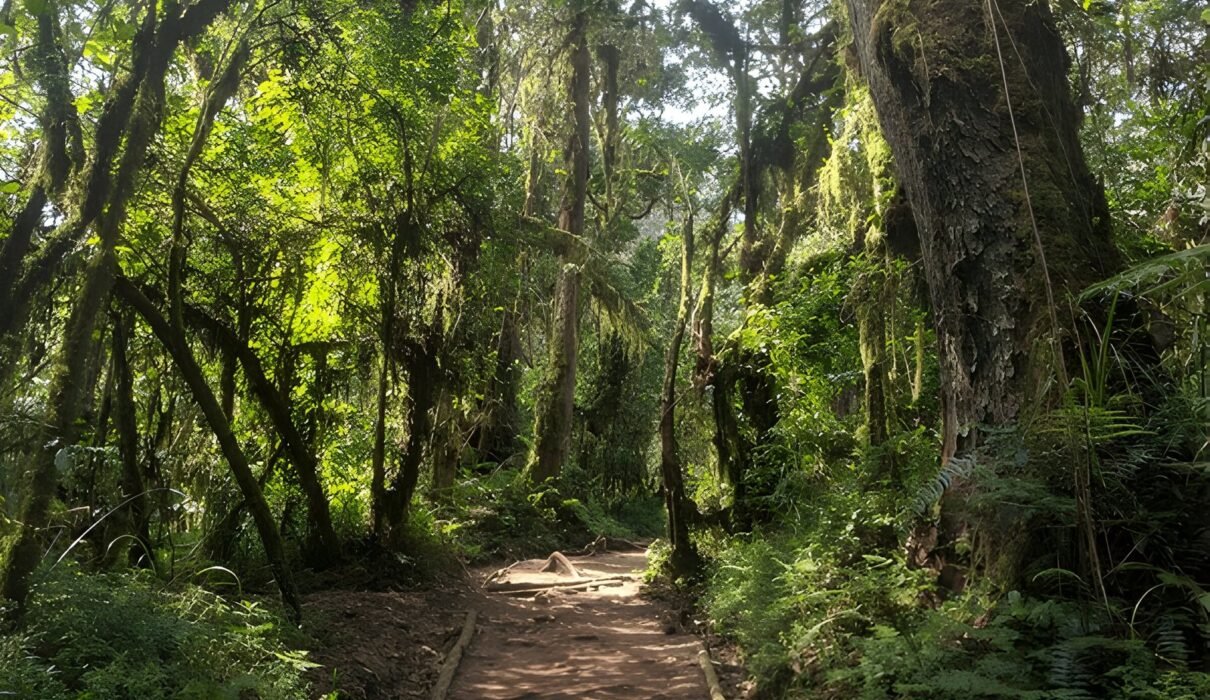
The Rongai Route approaches Kilimanjaro from its northern side, offering an alternative to the mountain’s southern and western trails. Its appeal includes a different perspective on the mountain, camping near Mawenzi and a descent along the Marangu Route.
For travellers planning a Rongai Route Kilimanjaro climb in 2027/2028, a seven-day itinerary is a useful starting point. However, route versions differ, so compare the actual overnight stops and acclimatisation arrangements before booking.
Rongai remains a demanding high-altitude expedition. Its northern approach does not remove the physical challenge or the possibility of altitude illness.
This guide explains the route, presents a seven-day itinerary and outlines what to discuss with Eddy Tours & Safaris.
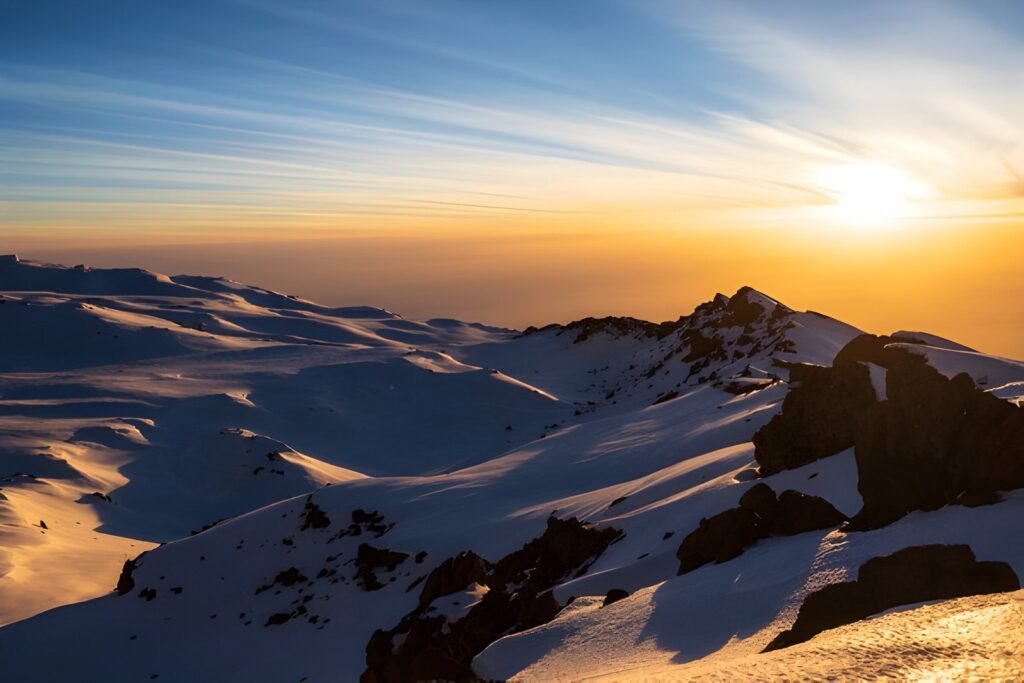
Rongai Route at a Glance
| Detail | Typical arrangement |
|---|---|
| Approach | Northern side of Kilimanjaro |
| Starting area | Rongai/Nalemoru trailhead in Tanzania |
| Duration | Commonly 6–8 trekking days |
| Itinerary described here | 7 days and 6 mountain nights |
| Accommodation | Camping |
| Summit objective | Uhuru Peak, 5,895 metres |
| Usual summit approach | Kibo and Gillman’s Point |
| Descent | Marangu Route |
| Finishing point | Marangu Gate |
| Additional time | Arrival preparation and post-climb arrangements |
Published Rongai itineraries include several durations, with seven-day versions commonly incorporating the Mawenzi Tarn area.
Where Does the Rongai Route Start?
Rongai begins on the Tanzanian side of Kilimanjaro near the northern border region. The climb does not start in Kenya.
Your operator should explain the transfer to the trailhead, entry formalities and where walking begins. Gate and trailhead names can differ slightly between itinerary descriptions.
Ask for the complete first-day programme rather than relying on a short transfer estimate. Your hotel location, registration arrangements and road conditions affect the journey.
Keep essential items in your daypack before leaving the hotel so that the team can organise the main luggage without delaying your preparation.
Why Choose Rongai?
A Different Mountain Approach
Rongai offers an alternative to itineraries entering through Machame or the western approach.
That difference can appeal to travellers who have already researched the more familiar southern routes or want to experience another side of Kilimanjaro.
The Mawenzi Tarn Setting
Many longer Rongai itineraries include Mawenzi Tarn before crossing towards Kibo.
This creates a distinctive stage in the mountain journey. Ask how much time the itinerary allows there and how any additional day is used.
The standard trek does not include a technical summit climb of Mawenzi.
A Different Descent Route
Rongai generally descends through Marangu rather than retracing the entire northern approach.
Your transport arrangements therefore need to account for different starting and finishing locations.
An Alternative to Barranco Wall Itineraries
The standard Rongai programme described here does not use the Barranco Wall. That may interest travellers uncomfortable with that particular section.
However, avoiding one terrain feature does not establish that the whole climb is easy. Review the summit stage, daily elevations and descent demands separately.
Is Rongai Less Crowded?
Rongai is often considered when travellers want an alternative to the more heavily marketed routes. Nevertheless, visitor numbers vary by departure date and itinerary.
Do not expect guaranteed solitude. Later stages involve shared mountain locations, and the descent follows Marangu.
Ask about group size and camp arrangements for your proposed departure. A quieter trail and a small expedition are separate matters.
How Difficult Is the Rongai Route?
Rongai requires sustained walking, camping and a demanding summit attempt.
Difficulty depends on more than the steepness of the trail. The number of days, sleeping elevations, weather, equipment and your condition all influence the experience.
Prepare for repeated trekking days and a long descent after the summit attempt.
If you are a beginner, discuss your hiking history openly. Ask why the proposed itinerary is appropriate and compare longer options where possible.
Fitness helps with physical effort, but it does not protect against altitude illness. Ascent rate and individual susceptibility remain important.
Six, Seven or Eight Days?
The duration alone does not explain the route.
A seven-day itinerary may include an acclimatisation day at Mawenzi Tarn, while another version distributes its days differently. An eight-day proposal may separate a longer early stage or add time elsewhere.
Request:
- The daily starting and finishing locations.
- Overnight elevations.
- Estimated walking times.
- The purpose of additional days.
- The summit and descent schedule.
For your initial comparison, request seven- and eight-day proposals. Examine the practical differences alongside the price.
A Seven-Day Rongai Route Itinerary
The following version reaches Kikelewa on Day 2 and includes a second night at Mawenzi Tarn. Other seven-day variations exist.
Elevations and walking times are approximate planning figures. Conditions and guide decisions can change the programme.
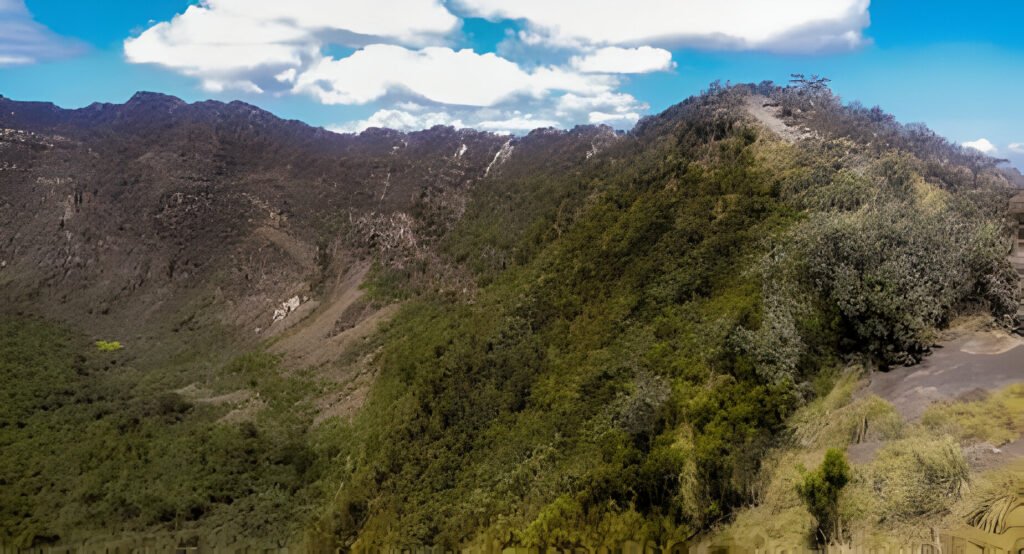
Day 1: Rongai Trailhead to Simba Camp
Approximate elevations: Around 2,000 metres to 2,650 metres
Typical walking time: 3–4 hours
Overnight: Simba Camp, also described as Rongai Cave Camp
After the transfer and formalities, begin walking towards your first camp.
Establish a comfortable pace and become familiar with the guiding routine.
Report equipment discomfort early. Adjusting footwear or your daypack before another trekking day helps prevent avoidable problems.
At camp, organise your sleeping area and prepare the essentials for the following morning.
Day 2: Simba Camp via Second Cave to Kikelewa Camp
Approximate overnight elevation: 3,600 metres
Typical walking time: 6–8 hours
Overnight: Kikelewa Camp
Continue through Second Cave towards Kikelewa. This itinerary does not stop overnight at Second Cave.
This is a substantial stage, so discuss its demands before booking.
Keep your pace consistent and communicate honestly about your condition. Reaching camp quickly is not the objective.
Prepare for the following day after the evening briefing.
Day 3: Kikelewa Camp to Mawenzi Tarn
Approximate overnight elevation: 4,300 metres
Typical walking time: 3–4 hours
Overnight: Mawenzi Tarn
Climb towards the Mawenzi Tarn area, which becomes the base for the next two nights in this version.
Although the walking time is shorter, continue paying attention to how you feel.
Use the afternoon to organise equipment and discuss the next day’s programme. Do not treat arrival at camp as proof that you have adjusted successfully to altitude.
Day 4: Mawenzi Tarn Acclimatisation Day
Overnight elevation: Approximately 4,300 metres
Activity: Guide-led outing adjusted to conditions and health
Overnight: Mawenzi Tarn
Remain based at Mawenzi Tarn for the additional day.
Your guide should explain the intended outing and adjust it appropriately. This is not an attempt to summit Mawenzi.
Use the time to report concerns and understand the crossing towards Kibo.
An acclimatisation day provides additional time; it does not guarantee that every climber can safely continue.
Day 5: Mawenzi Tarn to Kibo Camp
Approximate overnight elevation: 4,700 metres
Typical walking time: 5–6 hours
Overnight: Kibo Camp
Cross the saddle towards Kibo, the staging location for the summit attempt.
On arrival, prepare your summit equipment promptly.
Check your headlamp, spare power, gloves, layers and water-carrying arrangements. The guide should explain the departure plan and circumstances that would change it.
Rongai remains a camping itinerary. Do not assume that reaching Kibo means you will sleep in a Marangu hut unless your booking specifically confirms that arrangement.
Day 6: Kibo to Uhuru Peak and Descent to Horombo
Summit objective: Uhuru Peak, 5,895 metres
Approximate overnight elevation: 3,720 metres
Typical total walking time: Around 12–16 hours, including breaks and descent
Overnight: Horombo camping area
The standard attempt begins during the night, climbs towards Gillman’s Point and continues towards Uhuru Peak if health and conditions permit. Descend through Kibo towards Horombo afterwards.
This is the longest and most demanding stage.
Follow the guide’s instructions and focus on your condition. A summit arrival at sunrise cannot be promised.
Turning around may be necessary. Preserve energy and attention for the descent.
Day 7: Horombo to Marangu Gate
Approximate finishing elevation: 1,860 metres
Typical walking time: 6–8 hours
Finish: Marangu Gate
Complete the descent along Marangu and meet your agreed transfer after park formalities.
Continue walking carefully until the trek is finished.
Confirm your hotel and onward arrangements in advance. Allow practical time between descent and any international departure.
Rongai Route Success Rates
No universal, independently verified Rongai success percentage is established here.
If an operator publishes a figure, ask whether it counts Uhuru Peak, which itinerary it covers and how many climbers started.
A result from six-day Rongai cannot automatically describe seven- or eight-day departures. Selected groups with previous altitude experience may also differ from a general group of first-time climbers.
No verified Eddy Tours & Safaris Rongai summit percentage is supplied in this guide.
Evaluate the itinerary and procedures alongside any supported historical figures.
Preparing for Your Rongai Climb
Build preparation around regular hikes, progressively longer walks and descents. Practise consecutive days where appropriate.
Use your intended boots, socks and daypack before travelling.
Discuss relevant health conditions or previous altitude illness with a clinician familiar with high-altitude travel.
During the expedition, report concerns promptly. CDC guidance advises against ascending with altitude-illness symptoms; worsening symptoms at the same elevation require descent. Confusion, loss of coordination or breathlessness at rest require urgent attention and emergency descent arrangements.
Ask how guides assess concerns and accompany someone who descends early.
Equipment and Accommodation
Request a packing list specific to the expedition.
Confirm the supplied tents, sleeping equipment, meals and drinking-water arrangements. Check rental specifications and reserve required items ahead of departure.
Bring suitable layers, waterproof protection, gloves, headwear and a reliable headlamp.
TANAPA advises climbers to prepare for cold and changing weather, follow designated routes and report symptoms promptly.
Understand the camping facilities and privacy arrangements before booking.
Rongai Prices and Departures for 2027/2028
Request a current quotation for your exact dates and group size.
Since 2026 is already underway, ask which remaining dates are available rather than relying on an undated calendar.
Confirm:
- Mountain days and camp sequence.
- Private or shared departure.
- Park and camping charges.
- Staffing and meals.
- Equipment and rentals.
- Mountain and airport transfers.
- Hotel nights.
- Tips and exclusions.
- Emergency procedures.
- Cancellation and early-descent terms.
Your insurance should explicitly cover the planned trekking altitude and relevant medical and evacuation arrangements.
Frequently Asked Questions
Does Rongai start in Kenya?
No. The northern starting area is in Tanzania.
Does Rongai descend through Mweka?
The standard itinerary described here descends through Marangu.
Are huts included?
Rongai is generally a camping route. Confirm accommodation at Kibo and Horombo instead of assuming hut access.
Is Second Cave an overnight stop?
In this version, you pass through it on Day 2. Other itineraries may stay there.
Is Rongai suitable for beginners?
It can be considered, but suitability depends on health, preparation and the proposed ascent profile.
Can the summit be guaranteed?
No. Health, altitude response, weather and conditions remain uncertain.
Plan Your Rongai Route Climb
Contact Eddy Tours & Safaris with your preferred dates, available mountain days and hiking experience.
Request the complete Rongai itinerary, quotation and guiding arrangements so you can assess the proposed expedition clearly.
Website: eddytours-safaris.com
Sales enquiries: sales@eddytours-safaris.com
Alternative email: eddytoursandsafaris@gmail.com
Phone and WhatsApp: +255 711 906 664