
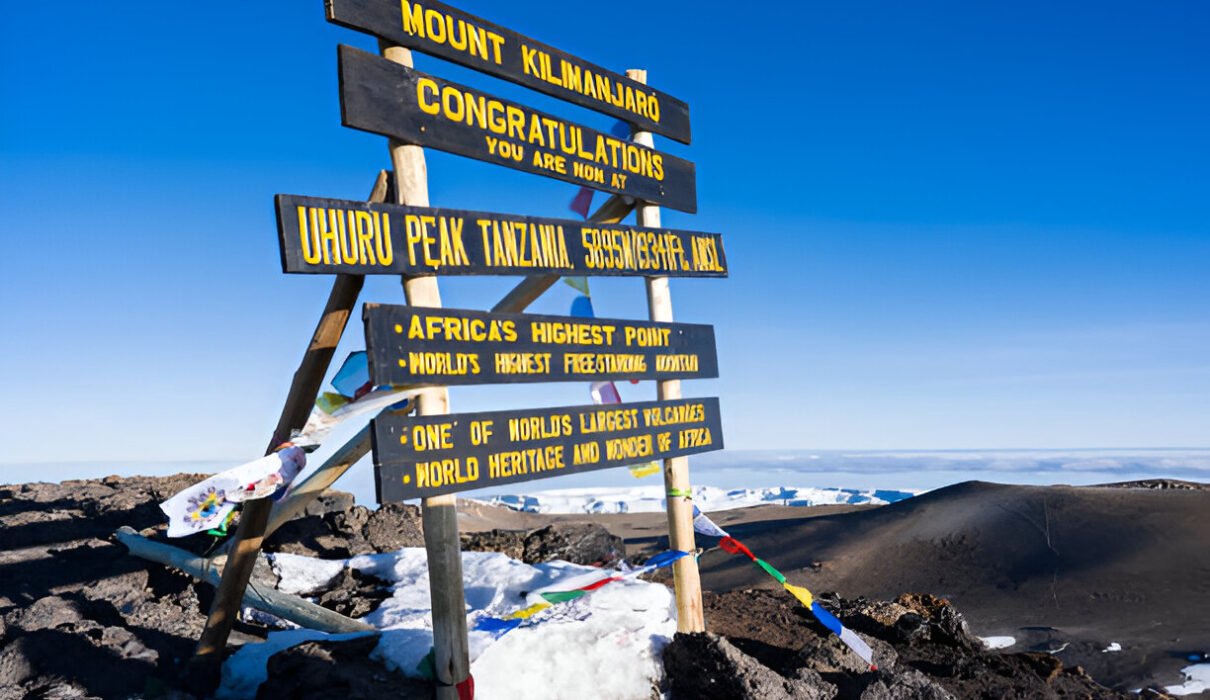
The 6-day Machame Route Kilimanjaro climb is a compact camping itinerary that approaches the mountain through forest, crosses the Shira Plateau and continues towards the summit through Barafu Camp.
Its main difference from the standard seven-day version is the removal of the overnight at Karanga. Instead, you trek from Barranco through Karanga to Barafu in one day. This creates a demanding stage shortly before the summit attempt.
If you are researching the 6-day Machame success rate for 2027, 2028 or 2029, the important point is that future results cannot be known in advance. Historical percentages also need a clear definition and supporting records.
This guide presents the complete itinerary, explains how to assess success-rate claims and helps you compare the six-day climb with a longer alternative before contacting Eddy Tours & Safaris.
Package Overview
| Detail | Proposed arrangement |
|---|---|
| Destination | Mount Kilimanjaro, Tanzania |
| Route | Machame ascent and Mweka descent |
| Mountain duration | 6 trekking days and 5 nights |
| Travel years | 2027, 2028 and 2029 |
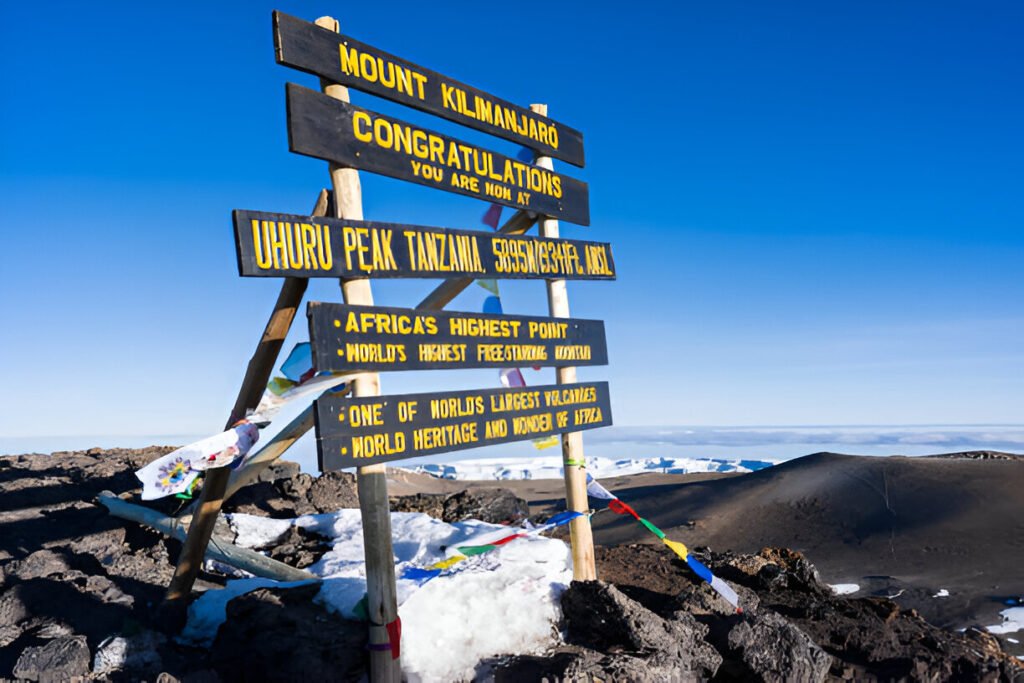
| Summit objective | Uhuru Peak, 5,895 metres |
| Accommodation | Camping |
| Starting point | Machame Gate |
| Finishing point | Mweka Gate |
| Main itinerary difference | Barranco to Barafu via Karanga without a Karanga overnight |
| Departure format | Private expedition or an available confirmed group departure |
| Additional arrangements | Arrival hotel, briefing, transfers and post-climb hotel as quoted |
The six-day programme covers the mountain itinerary. Arrival and departure days should be shown separately in your proposal.
What Is the 6-Day Machame Success Rate?
There is no single verified percentage established here that applies to every six-day Machame departure.
An operator’s historical result describes a particular set of climbs. It should not automatically be presented as the success rate for the entire route.
No verified Eddy Tours & Safaris six-day Machame summit percentage is supplied in this article. Ask for supporting records if a numerical claim influences your booking decision.
A useful success-rate statement should identify:
- The reporting period.
- The number of climbers who started.
- The number who reached Uhuru Peak.
- The exact itinerary used.
- Whether early descents are included.
- Whether results were independently checked.
Why Definitions Matter
Reaching the crater rim and reaching Uhuru Peak are different outcomes.
A percentage that combines both cannot be compared directly with one counting only Uhuru Peak. Likewise, results from seven- or eight-day departures do not establish the performance of a six-day itinerary.
Ask focused questions rather than accepting a headline figure without explanation.
Can an Operator Promise Your Summit?
No. Your altitude response, health, weather and conditions remain uncertain.
A responsible expedition must allow a guide to stop an ascent when continuing is inappropriate. A turnaround decision should never be overridden to protect a company’s advertised percentage.
Six Days or Seven Days: Which Should You Choose?
The standard seven-day Machame itinerary adds an overnight at Karanga. The six-day version combines the journey from Barranco through Karanga to Barafu.
| Consideration | Six-day Machame | Seven-day Machame |
|---|---|---|
| Mountain nights | 5 | 6 |
| Karanga overnight | Usually omitted | Included in the standard version |
| Barranco–Barafu journey | Completed in one day | Divided into two stages |
| Time on the mountain | More compressed | Additional day |
| Booking decision | Requires careful assessment | Useful first comparison for many travellers |
CDC guidance recommends adding one or two days to a planned Kilimanjaro ascent, particularly for itineraries promoted as four- to six-day trips. Additional time supports acclimatisation but does not guarantee a safe climb or summit.
If you can allow another mountain day, request the seven-day proposal alongside the six-day quotation.
Choosing six days because you are very fit is not enough. Physical fitness does not protect against altitude illness.
Before the Climb: Arrival and Briefing
Arrive with time for the agreed briefing and equipment check.
Your operator should confirm airport collection, hotel accommodation, luggage storage and transport to Machame Gate. These services should appear explicitly in your quotation.
Use the briefing to understand the daily routine, walking arrangements and procedures for reporting concerns.
Check rental equipment before departure. Make sure you can use your headlamp, adjust trekking poles and organise your waterproof and insulating layers.
Keep documents, personal medication and essential items accessible throughout the journey.
Full 6-Day Machame Route Itinerary
Elevations and walking times below are approximate planning figures. Weather, trail conditions, group pace and operational decisions can change the schedule.
Day 1: Machame Gate to Machame Camp
Approximate elevations: 1,640 metres to 2,850 metres
Typical walking time: 5–7 hours
Overnight: Machame Camp
After the transfer and park formalities, start your trek through the forest towards Machame Camp.
Establish a comfortable walking rhythm with your guide. The first day is an opportunity to become familiar with your daypack and how the team operates.
Tell the guide about equipment discomfort early. A rubbing boot or awkward backpack is easier to address before it affects another day’s walking.
At camp, organise your sleeping area and prepare the items you need for the morning. Follow the confirmed meal and briefing programme.
Day 2: Machame Camp to Shira Camp
Approximate overnight elevation: 3,800–3,850 metres
Typical walking time: 4–6 hours
Overnight: Shira Camp
Continue out of the forest towards the Shira Plateau. Your itinerary should identify the exact Shira overnight location.
Avoid treating the shorter estimated walking time as a reason to rush.
Use breaks to adjust clothing and check your comfort. Report concerns honestly rather than waiting to see whether they disappear by dinner.
The evening is also a useful time to prepare for the following day’s longer stage.
Day 3: Shira Camp via Lava Tower to Barranco Camp
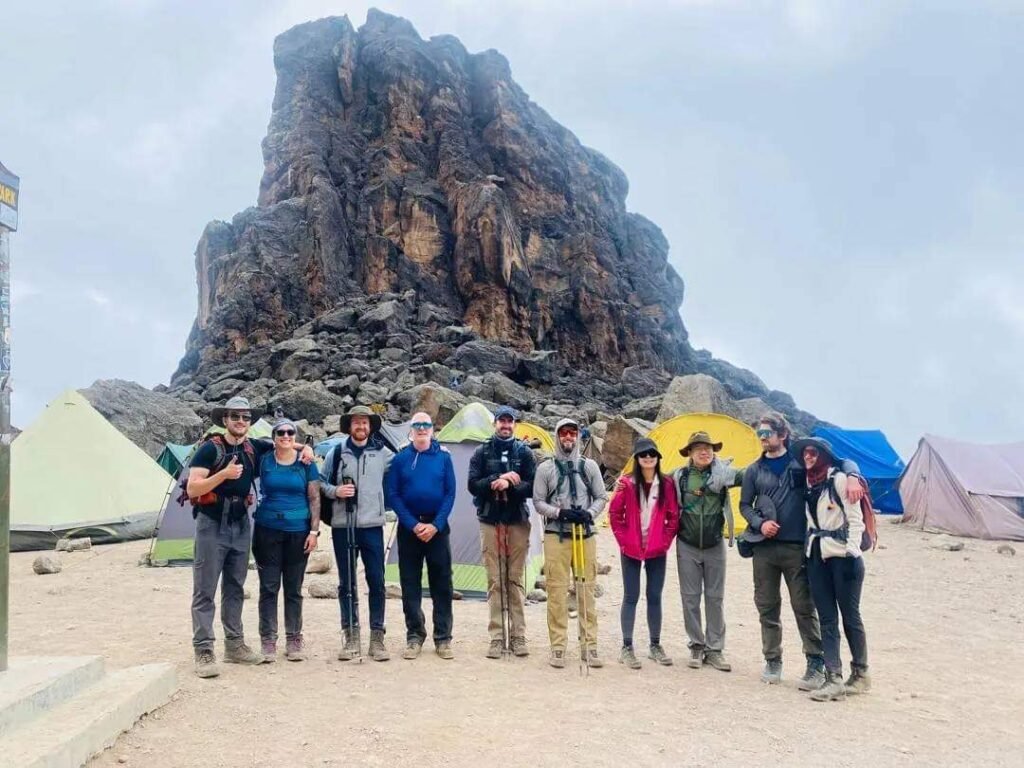
Highest point on the usual stage: Approximately 4,630 metres
Approximate overnight elevation: 3,950–4,000 metres
Typical walking time: 6–8 hours
Overnight: Barranco Camp
The standard stage heads towards Lava Tower before descending to Barranco.
Follow the guide’s pace and keep essential items in your daypack.
The itinerary includes a higher daytime point followed by a lower overnight stop. That design does not establish that every climber is adequately acclimatised.
At camp, discuss your condition and understand the demands of the next stage. Prepare equipment before settling down for the night.
Day 4: Barranco Camp to Barafu Camp via Karanga
Approximate overnight elevation: 4,670 metres
Typical walking time: 7–9 hours
Overnight: Barafu Camp
Cross the Barranco Wall section, continue through Karanga and proceed to Barafu without a Karanga overnight.
This is the defining demanding stage of the six-day itinerary.
Ask about the terrain before booking, particularly if you are uncomfortable with exposure or using your hands for balance.
Once at Barafu, organise your summit equipment promptly. Check your headlamp, batteries, gloves, layers and water-carrying arrangements.
Your guide should explain the proposed departure time and the circumstances that would change the plan. Rest according to the expedition programme.
Day 5: Barafu to Uhuru Peak and Descent to Mweka Camp
Summit objective: Uhuru Peak, 5,895 metres
Approximate overnight elevation: 3,100 metres
Typical total walking time: Around 12–16 hours, including breaks and descent
Overnight: Mweka Camp
The standard summit attempt begins during the night, continues towards Stella Point and proceeds to Uhuru Peak if health and conditions permit. Afterwards, descend towards Mweka, normally passing Barafu.
This is the longest stage of the expedition.
Focus on the guide’s instructions and your condition. Reaching the summit at sunrise cannot be promised.
Turning around may be necessary. Preserve attention and energy for the descent, which remains a substantial part of the day.
Day 6: Mweka Camp to Mweka Gate
Approximate finishing elevation: 1,640 metres
Typical walking time: 3–4 hours
Finish: Mweka Gate
Complete the descent and meet your agreed transfer after park formalities.
Continue walking carefully as the finish approaches. Keep essential items accessible until the trek is complete.
Confirm your post-climb hotel and onward arrangements before departure. Avoid assuming that the final day will finish early enough for any flight you choose.
Preparing for the Six-Day Itinerary
Train for Consecutive Walking Days
Prepare with regular walks and progressively longer hikes. Practise consecutive days where appropriate and include descents.
Training should help you manage sustained effort and become familiar with your equipment.
Review the Ascent Profile
Ask for the daily overnight elevations and the reason the operator considers this schedule appropriate.
If you have a relevant medical condition or previous altitude illness, discuss the itinerary with a clinician familiar with high-altitude travel.
Report Symptoms Promptly
Do not continue silently because you want to reach the summit.
CDC guidance advises against ascending with altitude-illness symptoms. Worsening symptoms at the same elevation require descent. Confusion, loss of coordination or breathlessness at rest require urgent attention and emergency descent arrangements.
Ask how the guiding team assesses concerns and accompanies a climber who needs to leave early.
Proposed Package Inclusions
Request written confirmation of:
- Six-day mountain itinerary.
- Required park and camping charges.
- Guide, porter and cook arrangements.
- Mountain meals and drinking-water provision.
- Camping equipment specified in the quotation.
- Transfers to Machame Gate and from Mweka Gate.
- Hotel nights, where included.
- Airport transfers, where included.
- Health-monitoring and emergency-response arrangements.
The actual equipment, staffing and services must be identified in your proposal.
Expenses to Confirm Separately
Unless included, budget for:
- International flights.
- Visa and entry-related costs.
- Travel insurance.
- Tips.
- Personal trekking equipment.
- Equipment rentals.
- Additional hotel nights and meals.
- Optional safari or Zanzibar extensions.
Ask how early descent, itinerary changes or additional transfers affect the price.
Your insurance should explicitly cover the planned trekking altitude and relevant medical and evacuation arrangements.
Private Climbs and Group Departures
A private climb can be proposed for your party’s dates.
A shared departure follows a common schedule. Confirm its status, maximum group size and arrangements for different walking speeds.
For 2027, 2028 and 2029, request available dates directly. This article does not establish a confirmed departure calendar.
Ask which company operates the expedition and ensure the booking documents identify responsibilities clearly.
Frequently Asked Questions
What is the exact six-day Machame success rate?
No universal percentage is established here. Request an operator-specific figure with its reporting period, sample size and definition of success.
Is six-day Machame easier because it is shorter?
No. It compresses the itinerary and combines the Barranco-to-Barafu journey into one day.
Does the package include six mountain nights?
No. The standard six-day itinerary contains five mountain nights. Hotel nights are additional.
Can beginners consider this route?
Discuss suitability carefully. For a first high-altitude expedition, compare longer options before committing to six days.
Can I add the Karanga overnight?
Request the standard seven-day version before booking. Changes after departure depend on permissions and operational arrangements.
Are future-year summit percentages available?
Actual results for 2027, 2028 and 2029 will only exist after those expeditions take place.
Request Your Machame Route Proposal
Contact Eddy Tours & Safaris with your dates, group size, hiking experience and available mountain days.
Request both six- and seven-day proposals if your schedule allows, then compare the itinerary, services and complete cost.
Website: eddytours-safaris.com
Sales enquiries: sales@eddytours-safaris.com
Alternative email: eddytoursandsafaris@gmail.com
Phone and WhatsApp: +255 711 906 664