
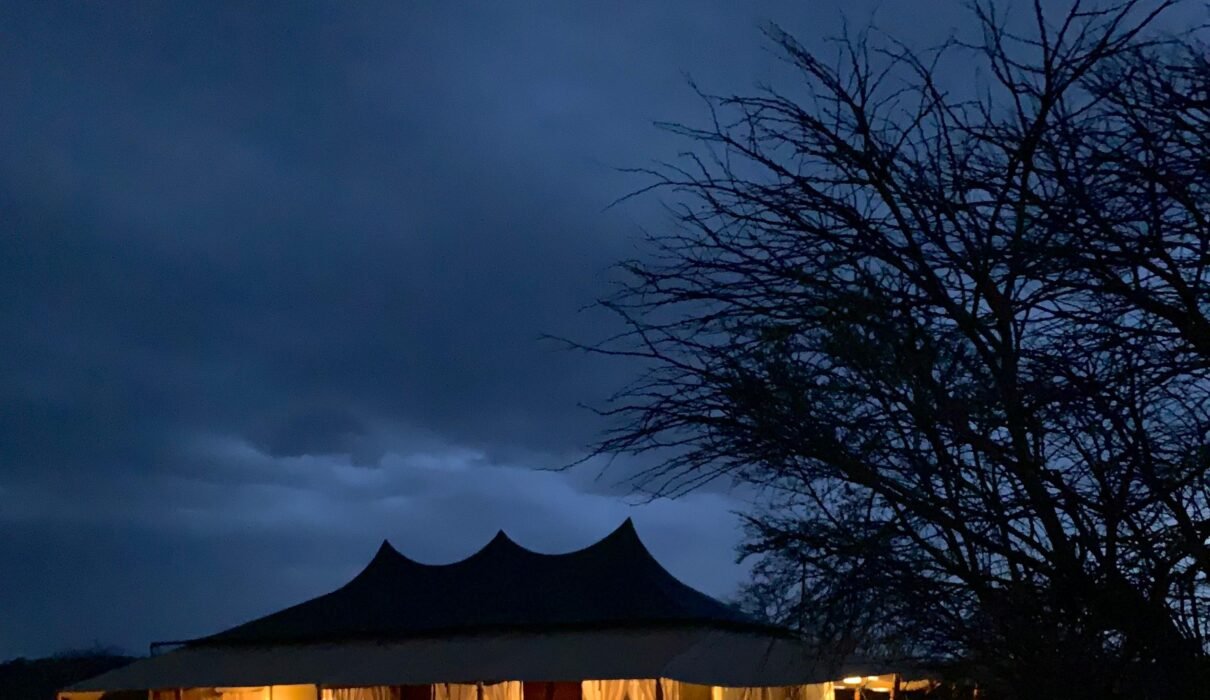
Kenya and Tanzania share one of the world’s great wildlife regions. Together, they offer the Serengeti-Mara ecosystem, the Great Migration, big-cat viewing, elephant country, dramatic Rift Valley landscapes and coast extensions on the Indian Ocean. The best time to visit Kenya and Tanzania depends on what you want most: migration herds, dry-season game viewing, green landscapes, fewer vehicles, birdlife, beach weather or the most comfortable travel conditions for your family.
There is no single month that is perfect for every traveller. A person hoping to see wildebeest calving in southern Tanzania will choose a different period from someone dreaming of the Mara River in Kenya. A photographer may prefer green grass and dramatic clouds, while a family might favour drier roads and fewer long driving days. The useful question is not “What is the best month?” but “What is the best month for my trip?”
This guide gives a practical overview for 2027 and 2028. Wildlife moves according to rain, water and grass, so migration locations cannot be guaranteed to the day. Weather patterns also vary from year to year. The information below helps you plan the right region and travel window without relying on exaggerated fixed-date promises.

Quick answer: when should you visit Kenya and Tanzania?
For classic dry-season safari conditions, June to October is the most popular period in both countries. Vegetation is often lower, many roads are easier and wildlife gathers near reliable water sources. July through September is particularly busy because travellers hope to see migration activity in northern Serengeti and Kenya’s Maasai Mara.
For the wildebeest calving season and green plains, January to March is usually the best period for southern Serengeti and Ndutu in Tanzania. For quieter travel, birdlife and greener scenery, November to early December can be appealing. April and May bring more rain in many safari regions, which can mean lower visitor numbers and sometimes better accommodation value, but also muddier roads and more challenging travel conditions.
Understanding the Great Migration
The Great Migration is a year-round movement of wildebeest, zebra and gazelle through the wider Serengeti-Mara ecosystem. The animals do not follow a strict calendar. They respond to rainfall, fresh grazing and water availability. This is why responsible safari planning focuses on likely seasonal areas rather than claiming that a river crossing or a particular herd location will happen on an exact date.
The migration is often described through its most dramatic scenes: river crossings, predator hunts and long lines of animals moving across the plains. Those moments are real, but the migration is much bigger than one famous photograph. It includes calving, feeding, long-distance movement, predator behaviour, bird activity and the relationship between grassland and rain.
If the migration is your main priority, tell your safari planner your exact travel dates before choosing accommodation. A flexible camp location can matter more than a luxury room far from the seasonal wildlife area. Give yourself enough days too. A short stay can still be rewarding, but two or three nights in the right region provide better chances than a rushed overnight stop.
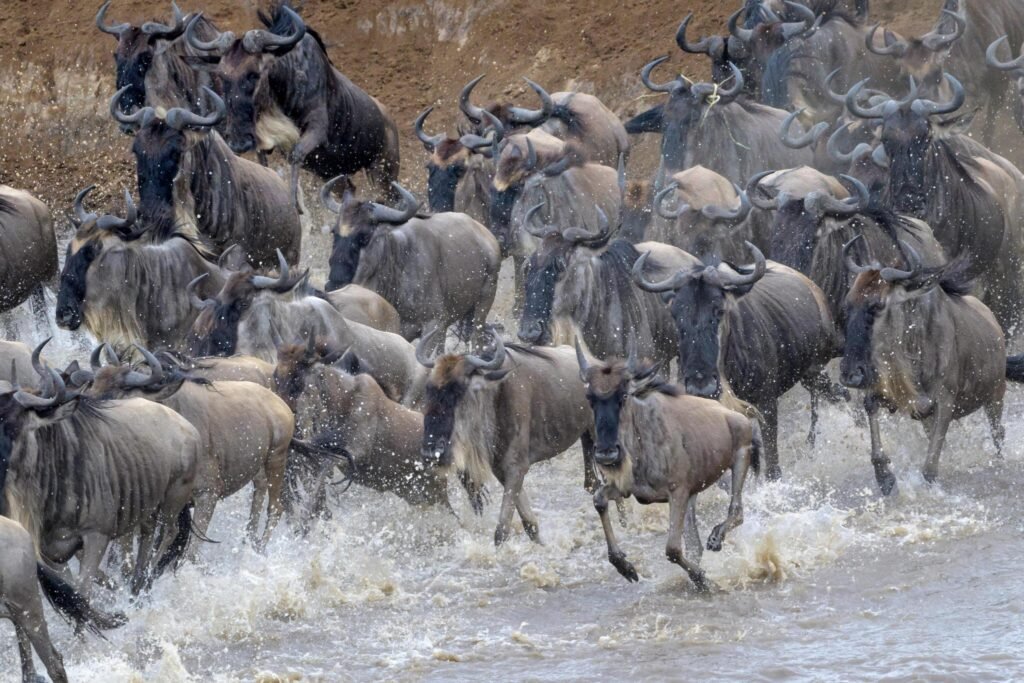
January to March: southern Serengeti, Ndutu and calving season
The first months of the year are often one of the most exciting periods in Tanzania. After seasonal rains, the short-grass plains of southern Serengeti and Ndutu can support large herds of wildebeest and zebra. The calving period normally takes place broadly during this time, though rainfall and grazing conditions influence the exact pattern.
Thousands of calves may be born across the plains, creating a remarkable display of new life. Predators are also active because of the concentration of prey. Lions, cheetahs, hyenas, jackals and vultures are part of the ecosystem, so visitors should approach this season with a respectful understanding that nature can be both beautiful and difficult to watch.
January and February often appeal to photographers because the grass is green, skies can be dramatic and young animals are plentiful. March can still be productive, but weather may become wetter and the herds can start to change their movement. This is primarily a Tanzania-focused migration period, although Kenya remains a worthwhile safari destination for resident wildlife, cultural visits and different landscapes.
April and May: green season, rain and quieter parks
April and May are commonly associated with the long rains in much of Kenya and Tanzania. Rain can make some roads muddy, increase cloud cover and complicate long overland drives. Some remote camps may close temporarily or adjust their operations. This does not mean travel is impossible; it means the itinerary must be designed with more flexibility and realistic expectations.
The advantage is atmosphere. Landscapes can be intensely green, visitors may be fewer and photographers may enjoy soft light, dramatic clouds and fresh vegetation. Birdlife is often strong, and some travellers prefer the quieter feeling of a green-season safari. Accommodation availability can be better than in peak months, though prices and closures vary by property.
For a first-time visitor with rigid dates and a short holiday, the long rains may not be the easiest choice. For a returning traveller, keen photographer or person who values fewer crowds, they can be rewarding. Speak honestly with your operator about road conditions, camp access and the amount of driving involved.
June to October: dry-season safaris and northern migration
June through October is the classic East African safari period. The weather is often drier, skies can be clearer and game viewing is strong in many parks. In Tanzania, Tarangire is especially attractive as water sources draw elephants, buffalo, zebra and other animals. In Kenya, Maasai Mara offers rich resident wildlife alongside its seasonal role in the migration.
As the year progresses, migration herds may move north through Serengeti toward the Maasai Mara. The broader period from about July to October is often linked with river crossings, but crossings are unpredictable. Herds can gather near a river for hours or days, turn away, cross in a different location or move at night. A good guide follows current reports, but no one can schedule a crossing for you.
August and September are popular for Kenya’s Maasai Mara, particularly for visitors who hope to combine migration herds with strong predator viewing. Northern Serengeti in Tanzania is also a valuable option during this period. Book early because camps, lodges and flights in the best locations often fill well ahead of time.
November and December: short rains and changing landscapes
Short rains often arrive in November and may continue into December. The landscape begins to green, birdlife can be excellent and the migration may begin moving south again depending on conditions. This is a good period for travellers who want a balance between safari activity and less peak-season pressure.
Rain does not necessarily mean a washed-out holiday. In many safari areas, showers arrive in the afternoon or overnight, leaving plenty of time for game drives. However, no one should promise dry conditions. Pack a light waterproof layer, protect camera equipment and allow reasonable flexibility in the daily route.
The festive period can be busy, especially around Christmas and New Year. If you want to travel at that time, reserve early. Accommodation choices become more limited and premium rates may apply, but it can be a wonderful time for a family holiday or safari-and-beach combination.
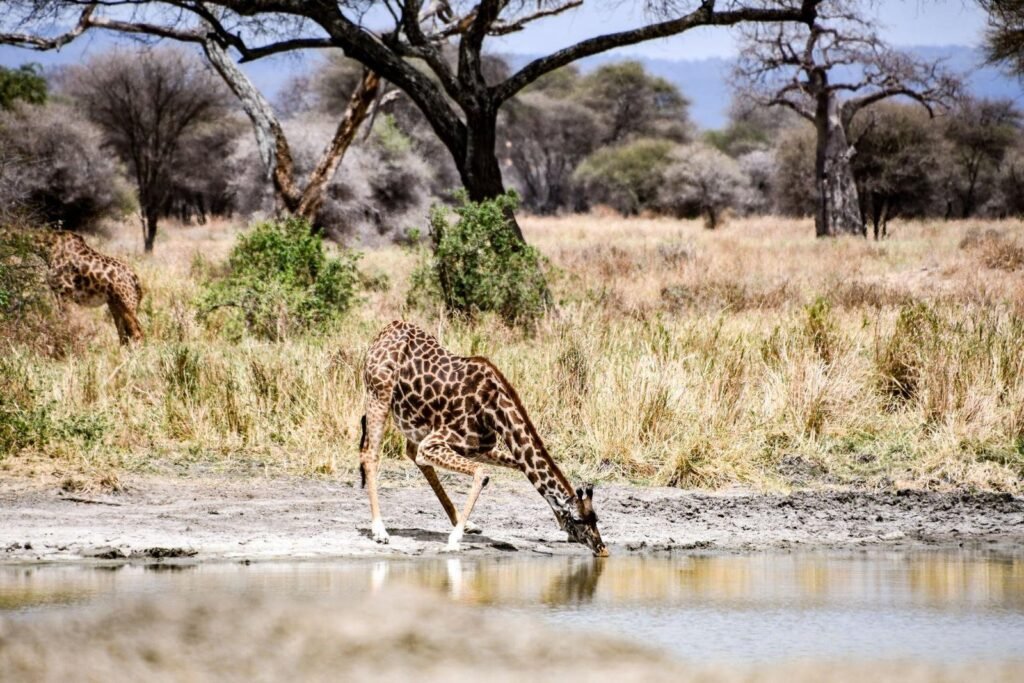
Best time for wildlife viewing in Kenya
Kenya has varied safari landscapes, from Maasai Mara grasslands to Amboseli’s elephant herds, Samburu’s dry-country species and the lakes of the Rift Valley. June to October is commonly popular for dry-season viewing, especially Maasai Mara and Amboseli. In Amboseli, clear early-morning conditions can sometimes provide views of Kilimanjaro across the border, though clouds often cover the summit.
Maasai Mara is rewarding beyond the migration. Lions, cheetahs, leopards, elephants, giraffes, buffalo, zebra and many antelope species may be seen throughout the year. July to September is busiest because of the migration interest, while green-season months can offer fewer vehicles and different photographic conditions.
January and February can be a good time for dry conditions in several Kenyan regions, with resident wildlife and birding opportunities. The right park depends on your route; Kenya is not only Maasai Mara. A well-built itinerary may combine one major wildlife reserve with a contrasting region rather than trying to drive across the country too quickly.
Kenya or Tanzania: which is better for the migration?
Neither is better in every month. Tanzania holds the largest share of the Serengeti-Mara ecosystem and is particularly strong for the calving season, southern plains and long migration journey. Kenya’s Maasai Mara is central to the northern phase and is a popular choice during the broader July-to-October period when herds may be in or near the reserve.
For a January or February migration safari, Tanzania is usually the more logical choice. For an August or September holiday focused on Maasai Mara, Kenya may be ideal. For travellers with enough time, a cross-border itinerary can offer the best of both, but it needs practical planning around border crossings, flights, luggage and park logistics. Do not assume you can simply drive between every camp without checking the real route.
How to plan a Kenya and Tanzania safari together
Combining the two countries works best with at least eight to ten days, and often longer if you want a relaxed pace. A common approach is to begin in northern Tanzania with Tarangire, Ngorongoro and Serengeti, then connect by flight to the Maasai Mara or Nairobi. The exact routing depends on your season, airline schedules and the location of camps.
Domestic and regional flights save time but have baggage limits, particularly on smaller safari aircraft. Soft-sided bags are often required, and weight allowances may be lower than on international flights. Keep medication, passport, camera equipment and one change of clothes in carry-on luggage. Ask for the exact current baggage allowance before packing.
Do not overload the itinerary. Two or three nights in a good wildlife area are normally more valuable than one night in four different locations. The strongest safari days come when you are close to the animals at sunrise rather than spending the morning on a transfer road or waiting at an airport.
Weather, packing and practical travel advice
Bring layers for early game drives, warm highland mornings and air-conditioned flights. Breathable shirts, light trousers, a fleece, compact rain jacket, closed shoes, hat, sunglasses and sunscreen cover most safari needs. A scarf or buff is useful for dust in drier months. Avoid camouflage clothing, which can be inappropriate or restricted in some places.
Bring binoculars if you have them, plus spare camera batteries and memory cards. Keep electronics in a protective pouch. Rain, dust and bumpy roads are normal elements of safari travel, so simple preparation helps. For beach extensions, add swimwear and light clothes, but pack modest clothing for towns, villages and religious places.
Visa rules, health requirements, airline procedures and border arrangements can change. Check official sources and your airline close to departure, and seek qualified travel-health advice for your individual situation. Do not rely only on an old forum post or a generic checklist.
How far ahead should you book for 2027/2028?
Book as early as possible when you have fixed dates, particularly for July to October, festive-season travel, migration-focused camps and school holidays. The best-located properties can fill first. Early booking also gives you time to decide whether a private, group or fly-in safari suits your budget and to arrange the international flights around the itinerary.
For green-season travel, availability may be easier in some areas, but do not leave it too late if you have a specific camp or family-room requirement. A clear plan earlier in the process is usually better than chasing last-minute options that force you into long transfers or weaker accommodation locations.
Frequently asked questions
Can I see the Great Migration in both Kenya and Tanzania?
Yes, but the main location changes through the year. Tanzania is central to the southern calving season and much of the migration cycle, while Kenya’s Maasai Mara is important during the northern phase. Choose the country or combination according to your dates.
What is the cheapest time to visit?
Rates are often lower in wetter or quieter periods, especially around April and May, but value depends on the camp, route and travel style. The lowest price is not always the best choice if heavy rain or long road transfers make the itinerary less enjoyable for you.
Is July or August always the best month?
No. They are excellent for many dry-season and northern migration trips, but they are busy and not the best months for southern Serengeti calving. January and February can be better for travellers who want green plains, young animals and southern Tanzania migration activity.
Which months are best for a safari and beach holiday?
June to October and January to February are popular choices for combining a Tanzania safari with Zanzibar. Weather varies by coast and year, so the final choice should reflect your preferred beach location, safari region and the wildlife season you hope to experience.
Should I choose a private or group safari?
A private safari gives more control over pace, wildlife stops and accommodation choices. A group safari can cost less and is suitable for travellers happy to share vehicle time and daily decisions. The right choice depends on budget, group size and how flexible you want the itinerary to be.
Plan your Tanzania safari for 2027/2028
For a Tanzania safari matched to your season, group size and accommodation preference, explore Eddy Tours & Safaris. The team can help you build a Serengeti, Ngorongoro, Tarangire or Zanzibar itinerary and give honest advice about the likely wildlife areas for your dates. For travellers who would like to add Mount Kilimanjaro, see Kilimanjaro Climb Specialist for route planning information.
To discuss a Tanzania portion of your East Africa trip, use the contact page, email eddytoursandsafaris@gmail.com or sales@eddytours-safaris.com, or call and WhatsApp +255 711 906 664.