
Lake Manyara and Ngorongoro Crater in 2 days safari is designed for travellers who want two very different northern Tanzania wildlife areas in a short, sensible trip. Lake Manyara National Park brings forest, groundwater springs, birds and a scenic lakeshore. The following day, the Ngorongoro Crater offers a dramatic descent onto a wildlife-rich caldera floor. It is a compact safari, but it is not a rushed one when planned with the right overnight stop and an early start.
The journey normally starts and ends in Arusha, though collection from Moshi or Kilimanjaro International Airport can be arranged on request. You travel in a private 4×4 safari vehicle with a professional driver-guide, so the pace is yours. Stop for photographs, spend longer at a sighting, or return to the lodge when you have had a full day. It is an excellent choice for couples, families, first-time safari visitors and travellers adding a short wildlife break to a longer Tanzania holiday.
Safari at a glance
- Duration: 2 days / 1 night
- Destinations: Lake Manyara National Park and Ngorongoro Crater
- Start and finish: Arusha; other pick-up points by arrangement
- Tour style: Private safari
- Transport: Custom 4×4 safari Land Cruiser with pop-up roof
- Accommodation: Lodge or tented camp in Karatu / Ngorongoro Highlands, selected to match your budget
Why choose a 2-day Lake Manyara and Ngorongoro Crater safari?
Short safaris succeed when they combine places that contrast naturally and do not require unnecessary backtracking. Lake Manyara and the Ngorongoro Crater do exactly that. The drive from Arusha is manageable, and an overnight stay around Karatu places you well for an early crater descent on the second morning.
Lake Manyara is a smaller national park, but its habitats are varied. On one drive, the route may pass through a cool groundwater forest, open grassy areas, acacia woodland and the lakeshore. The park is known for elephants, baboons and rich birdlife. Sightings always depend on conditions and the animals’ movements, so no guide should promise a particular species; however, the variety of habitat makes the drive interesting even when wildlife is quiet.
The Ngorongoro Crater is different in every way. You approach from the highlands, often through mist or cool air, then descend steeply to a broad crater floor. Grassland, swamps, woodland and Lake Magadi support a high concentration of animals. It is one of the strongest places in Tanzania to look for lion, buffalo, zebra, wildebeest, hippo and, with luck, black rhino. The two parks together make a balanced introduction to the country’s northern safari circuit.
Detailed itinerary
Day 1: Arusha to Lake Manyara National Park – afternoon game drive
Your driver-guide will meet you at your Arusha hotel in the morning. After a short safari briefing, leave the city behind and travel west through the Great Rift Valley landscape toward Lake Manyara. The road journey usually takes around two to three hours, depending on traffic, pick-up location and stops along the way.
Arrival at Lake Manyara National Park is followed by registration and the start of your game drive. The first section often enters the park’s lush groundwater forest, where tall trees create shade and troops of olive baboons can be seen moving along the road or feeding in the canopy. Blue monkeys may also appear, and elephant tracks are common. Your guide will move slowly and explain the landscape as well as the wildlife; a good safari is not only about ticking off animals.
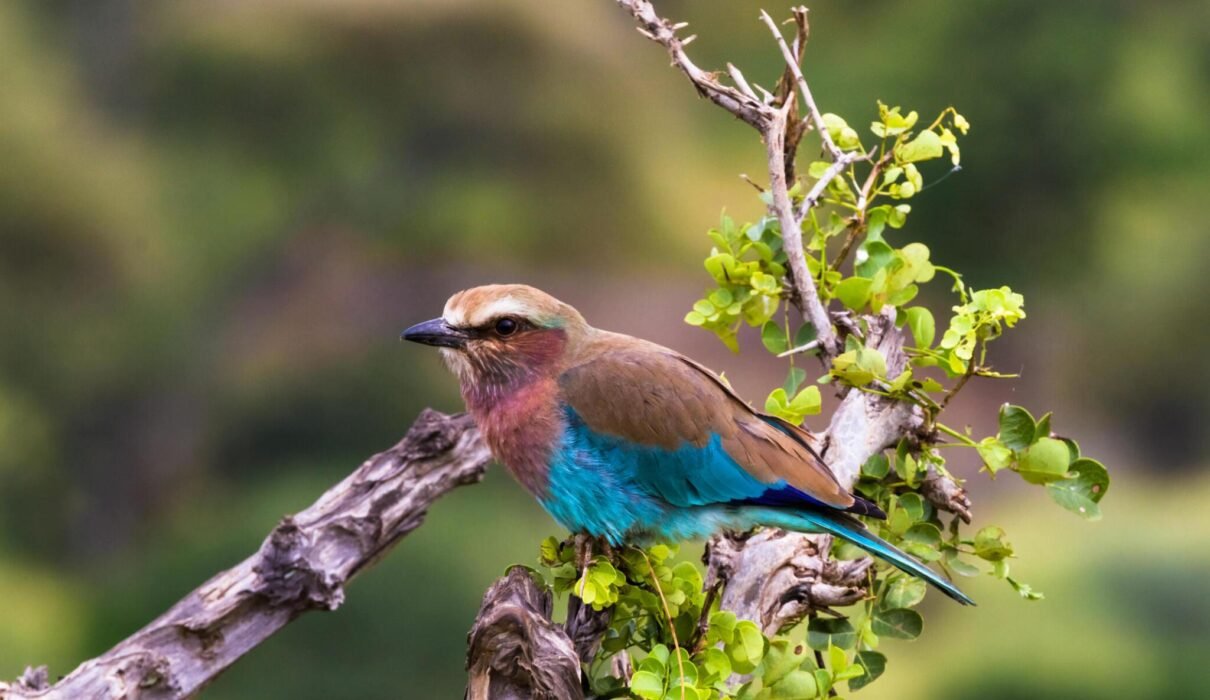
As the drive continues, the vegetation opens. Look for giraffe, zebra, buffalo, warthog and impala, while the trees and shoreline provide opportunities for birds. Lake Manyara is particularly rewarding for bird enthusiasts, with species varying by season and water levels. Flamingos may be visible on the lake when conditions are suitable, alongside pelicans, storks, herons and many smaller birds. Hippos may be seen in suitable pools, although their position changes.
The park is famous for its tree-climbing lions, but this behaviour cannot be guaranteed. Lions may be resting in grass, hidden in shade, or elsewhere in the park. Your guide will search carefully, but the honest enjoyment of Lake Manyara comes from the whole landscape: the forest, escarpment, lake views and changing animal activity.
Enjoy a picnic lunch at a designated site or have lunch as arranged in your itinerary. Continue with the afternoon game drive before leaving the park and travelling to Karatu or the Ngorongoro Highlands. Check into your chosen lodge or tented camp. Take a shower, enjoy dinner and rest well; the following day begins early to make the most of the crater.
Meals: Lunch and dinner
Overnight: Karatu or Ngorongoro Highlands
Day 2: Ngorongoro Crater game drive – return to Arusha
After an early breakfast, drive toward the Ngorongoro Conservation Area. The road climbs through the highlands, and the cool crater-rim air is a sharp contrast to the warmth of Lake Manyara. At the viewpoint, pause when conditions allow to look across the enormous volcanic caldera before beginning the descent road to the crater floor.
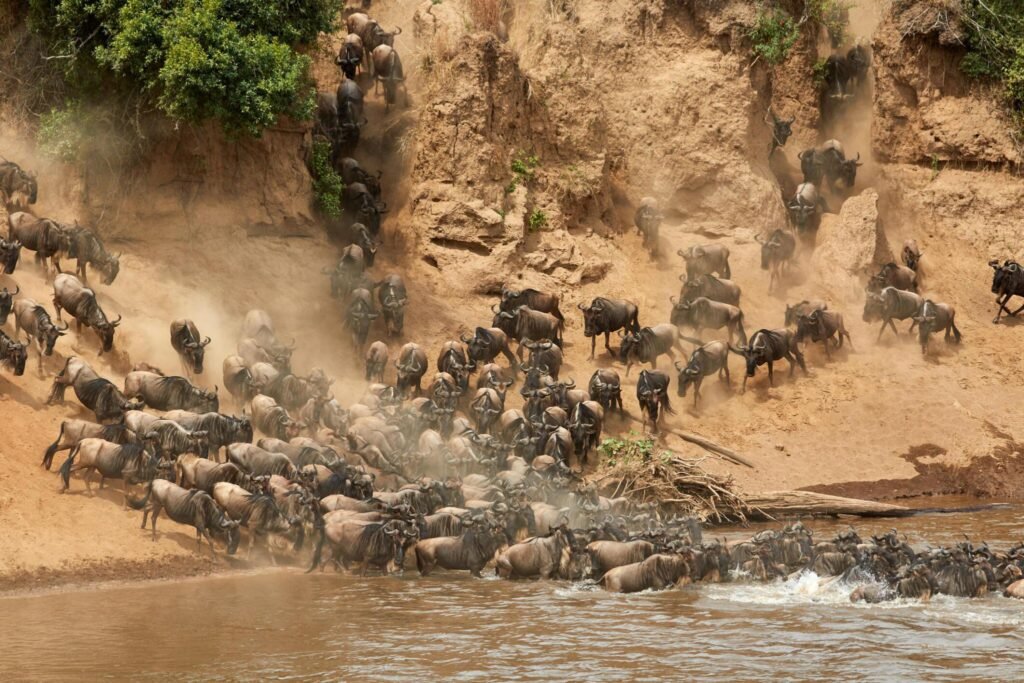
The crater floor is compact enough that a full morning game drive can cover several habitats, but it is still large enough to feel wild. Your guide will follow the permitted tracks, watching for animal movement and adjusting the route according to reports from other guides. Open grassland is excellent for zebra, wildebeest, Thomson’s gazelle and buffalo. Lions may be found resting in grass or following prey. Spotted hyena, jackal and a range of raptors are also possible.
Near water, look for hippo and water birds. Lake Magadi, a shallow alkaline lake in the crater, can attract flamingos when water conditions are right. The Lerai Forest area is a useful place to watch for elephants, though crater elephants are often older bulls and their movements cannot be predicted. Black rhino is the rarest of the Big Five in this itinerary, so viewing one is fortunate rather than guaranteed. Guides use their experience and respectful communication to give guests the best possible chance without disturbing wildlife.
Lunch is normally enjoyed at the designated picnic area near a hippo pool. It is a good moment to take in the setting, but remain alert to your guide’s safety advice: wildlife is still nearby. After lunch, continue with the final part of your Ngorongoro Crater game drive, then begin the ascent back to the rim and drive to Arusha. Arrival is usually late afternoon or early evening, depending on sightings, road conditions and your drop-off point.
Meals: Breakfast and lunch
End of safari: Arusha hotel or airport drop-off by arrangement
Wildlife you may see
Every safari is different, and that is part of its value. Lake Manyara and Ngorongoro offer strong wildlife potential, but conditions, season and animal movement affect sightings. During this two-day safari, you may see elephant, buffalo, lion, leopard, zebra, wildebeest, giraffe, warthog, hippo, baboon, blue monkey, hyena, jackal, gazelle and many bird species. The Ngorongoro Crater offers the better chance for black rhino, while Lake Manyara has the stronger forest and lakeshore atmosphere.
Do not judge the quality of a safari only by the number of species seen. A quiet hour watching an elephant family feed, or a guide explaining fresh lion tracks, can be as meaningful as a long checklist. Nature does not provide a script, and the most responsible guides will never pressure animals or leave authorised tracks just to get a closer photograph.
Accommodation options
This package can be arranged as a budget, mid-range or luxury safari. Your overnight accommodation is usually in Karatu or the Ngorongoro Highlands rather than inside the crater, as this keeps the itinerary practical while offering comfortable access to the conservation area.
Budget option: clean lodge or tented camp accommodation, comfortable beds, private or shared facilities according to the selected property, and good meals.
Mid-range option: a well-run lodge or tented camp with en-suite rooms, pleasant gardens or views, reliable service and a more relaxed atmosphere after the drive.
Luxury option: high-comfort lodge accommodation, spacious rooms, thoughtful dining and, depending on the property, a pool, spa service or crater-highland views.
Tell us what matters most to you—privacy, a pool, a family room, vegetarian food, a romantic setting, proximity to the crater or a set budget—and we will recommend options that fit rather than simply selecting the most expensive one.
What is included in this 2-day safari?
- Private 4×4 safari vehicle with pop-up roof and charging facilities where available
- Professional English-speaking driver-guide
- All park entry and conservation fees for the itinerary, including Ngorongoro Crater service fee
- One night of accommodation as selected in your quotation
- Meals as stated: lunch and dinner on Day 1; breakfast and lunch on Day 2
- Drinking water in the safari vehicle
- Government taxes and VAT where applicable
- Game drives in Lake Manyara National Park and Ngorongoro Crater
- Arusha hotel pick-up and drop-off, unless another arrangement is confirmed in writing
What is excluded?
- International flights and visa costs
- Travel and medical insurance
- Alcoholic drinks, soft drinks and personal purchases unless specified
- Optional activities not shown in the itinerary
- Tips for driver-guides and lodge staff, which remain entirely at your discretion
- Extra accommodation before or after the safari unless quoted
- Airport transfers outside the stated itinerary unless arranged
- Personal items such as laundry, telephone calls and souvenirs
Best time to travel in 2027
Lake Manyara and Ngorongoro can be visited throughout the year. The dry months, generally June to October, often bring easier road conditions and thinner vegetation, which can make wildlife easier to spot. It is also a busier period, so booking early is important.
January and February are commonly warm and can be excellent for a short safari, with green touches remaining from earlier rains. March to May is the long-rain period. Landscapes are rich and visitor numbers can be lower, but rain may affect road conditions and require flexibility. November and December often bring short rains, which may be intermittent rather than continuous. Each season has its own appeal; your choice should be based on your holiday dates, budget and tolerance for changing weather.
What to pack for Lake Manyara and Ngorongoro
For a two-day safari, pack light but prepare for different temperatures. Lake Manyara can be warm, while Ngorongoro mornings and evenings are often cool due to the altitude. Bring light neutral-coloured clothing, a warm fleece or jacket, closed shoes, a sunhat, sunscreen, sunglasses and a small day bag. Binoculars are helpful even if the guide has a pair, particularly for birds and distant animals.
A camera with spare battery and memory card is useful, but you do not need expensive equipment to enjoy the trip. A phone can take excellent photos in good light. Keep expectations realistic: wildlife photography takes patience, and it is better to watch a sighting properly before reaching for the camera. If travelling during rainy months, a light waterproof jacket is sensible.
Making the most of a short safari
The difference between a good two-day safari and a tiring one is organisation. Keep luggage ready the night before, have breakfast at the agreed time and let your guide know if you have a flight, a dietary requirement or a mobility concern. On Day 2, the early start is worthwhile because the crater is at its best when you have time to drive slowly, pause at sightings and still leave comfortably for Arusha in the afternoon.
Use the vehicle’s pop-up roof only when the guide says it is safe, particularly near tall branches or in poor weather. Keep a small jumper and water bottle within easy reach, and avoid leaving valuables on seats when you stop at public facilities. These are simple points, but they make the day smoother.
There is also no need to spend the whole drive searching for a rare animal. Your guide will be alert to the possibility of rhino, leopard and lion, but the day becomes richer when you notice the broader details: the changing colours of the crater grass, the behaviour of grazing herds, the work of dung beetles on the track and the birds near the picnic site. A safari is not a zoo visit; the landscape and its ordinary moments are part of the experience.
Extend your safari if you have more time
This two-day itinerary can be extended easily. Add one day in Tarangire National Park for elephants and baobab scenery, or add two or more nights in the Serengeti for wider plains and more time with predators and migration herds. Lake Manyara and Ngorongoro are a strong short route on their own, but they also connect naturally to a longer northern Tanzania safari.
After the bush, many guests choose a few days in Zanzibar for rest by the Indian Ocean. Combining a short safari with beach time is particularly practical for couples, and domestic flights can be arranged as part of a wider itinerary. Share your available dates and we will recommend a route that is realistic rather than trying to include too much in too little time.
Responsible safari travel
Lake Manyara and Ngorongoro are protected areas with strict rules intended to keep wildlife and visitors safe. Your driver-guide will follow authorised roads, park speed limits and viewing distances. Please avoid asking a guide to leave the track or drive too close to animals. Never feed wildlife, litter in the park or make loud sounds to get an animal’s attention.
The Ngorongoro Conservation Area is also a lived-in cultural landscape. Maasai communities use parts of the wider conservation area, so respectful behaviour matters. If you choose a cultural visit, treat it as an opportunity to learn rather than a staged photo stop. Ask permission before taking portraits and listen to the hosts’ own explanations.
Frequently asked questions
Is two days enough for Lake Manyara and Ngorongoro?
Yes. Two days is enough for a focused visit to both parks when you start from Arusha, stay overnight around Karatu and descend early into the crater. It is a good short safari, though travellers with more time may add Tarangire or Serengeti.
Is this safari private or shared?
This itinerary is priced and arranged as a private safari unless you specifically request a group departure. A private vehicle gives you more control over the pace, stops and wildlife interests.
Can children join the safari?
Yes. Families are welcome, and the vehicle can be arranged for the number and ages of your children. Tell us their ages so we can suggest suitable accommodation and practical driving times.
Will we see the Big Five?
Ngorongoro offers excellent wildlife viewing and a chance to see all Big Five, but no animal can be guaranteed. Black rhino and leopard are particularly elusive. The focus is a respectful, well-guided wildlife experience rather than a promise of specific sightings.
Can the trip start in Moshi?
Yes, but Moshi pick-up adds driving time. We can arrange it if your schedule makes it necessary, or suggest an itinerary that starts from Arusha for a more relaxed two-day plan.
Book your 2027 Lake Manyara and Ngorongoro safari
For a short Tanzania safari that includes forest, lake views, highland scenery and one of Africa’s most famous wildlife areas, this 2-day Lake Manyara and Ngorongoro Crater safari is a strong choice. Eddy Tours & Safaris will tailor the accommodation, pick-up arrangements and travel pace to your needs.
To request a detailed 2027 quotation, visit our contact page, call or WhatsApp +255 711 906 664, or email eddytoursandsafaris@gmail.com or sales@eddytours-safaris.com. If you are also considering a Mount Kilimanjaro climb before or after your safari, see the guided options from Kilimanjaro Climb Specialist.