
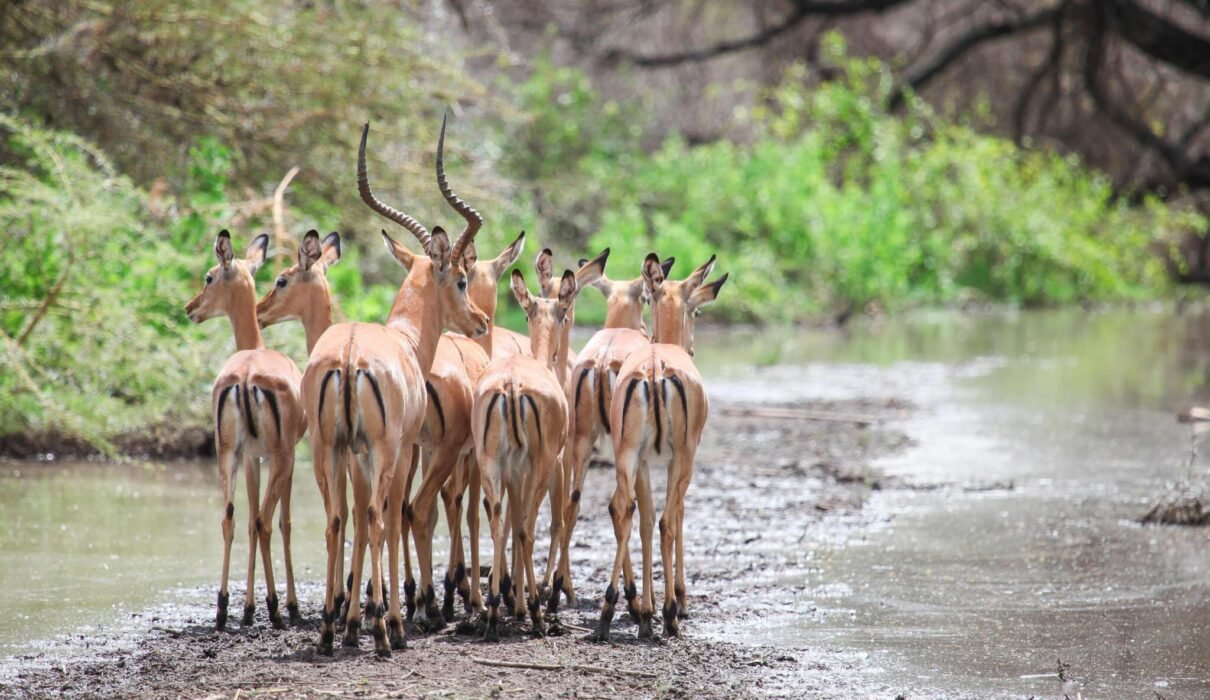
Tanzania safari company is one of the most important decisions you make before travelling. A safari is not a simple hotel booking. It involves national park fees, long-distance route planning, vehicle condition, guide knowledge, accommodation location, meal arrangements and wildlife expectations that change with season. The company you choose affects whether the trip feels organised and enjoyable or rushed and confusing.
Many travellers search for “best Tanzania safari companies” and find long lists that rank operators without explaining how the ranking was made. A better approach is to know what quality looks like. This guide gives you ten practical qualities to look for when comparing Tanzania safari companies for 2027 or 2028. It will help you ask the right questions, understand quotations and choose an itinerary that fits your dates rather than a generic package that looks attractive only on a website.
No company can honestly guarantee a Big Five checklist, a Great Migration river crossing or perfect weather. The best Tanzania safari companies are honest about that. They use local knowledge to increase your chances, build sensible routes and communicate clearly when nature or weather changes the plan.
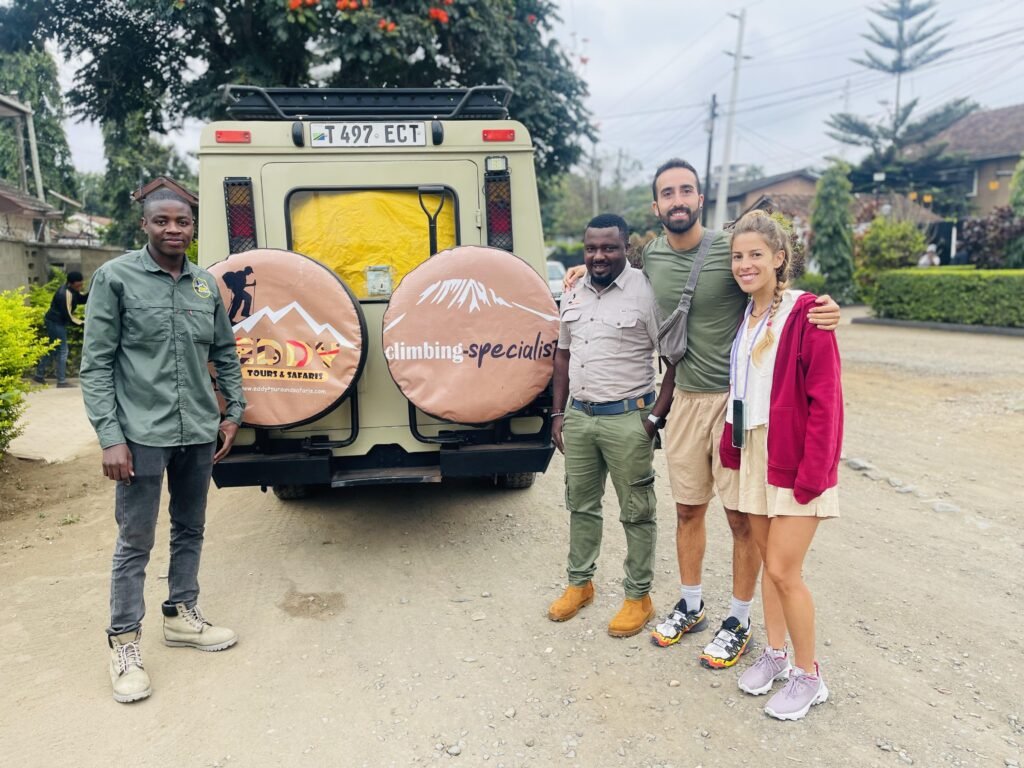
1. Clear, honest communication before you book
A strong safari company answers questions directly. You should be able to understand where you will sleep, how many hours you will drive, what type of vehicle you will use, which meals are included and what happens if weather or a flight changes the plan. A vague itinerary filled with impressive words but no practical detail is not enough.
Ask for the names of proposed camps or a clear accommodation standard. Ask whether your safari is private or shared, how many guests will be in the vehicle and whether park fees are already included. If the operator cannot explain these basic points in writing, it will be difficult to know what you are actually paying for.
Good communication also means being realistic. For example, a three-day Serengeti road safari from Moshi involves longer transfers than one departing from Arusha. A professional company explains this and may suggest an extra day or a fly-in option rather than pretending the distances do not matter.
2. An itinerary designed for your actual travel dates
The best Tanzania safari companies do not use the same route for every guest in every month. The Great Migration moves across the Serengeti ecosystem according to rain and grazing. If you are travelling in January or February, southern Serengeti and Ndutu may be more relevant. If you travel in the broader July-to-October period, northern Serengeti may become a stronger focus. Central Serengeti remains an excellent all-year base for resident wildlife, but it is not always the closest area to seasonal migration herds.
Seasonal planning also applies beyond Serengeti. Tarangire is especially popular in drier months because water sources attract elephants and other wildlife. Ngorongoro Crater can be productive throughout the year, but highland weather affects morning temperatures and road conditions. Zanzibar has its own coastal weather patterns, so a safari-and-beach itinerary should not be planned by copying a single national weather chart.
Share your dates before accepting a quote. A company should ask when you are travelling, where you land, how many days you have and whether you care most about migration, cats, birdlife, family comfort, photography or beach time. These questions are not delays; they are how the itinerary becomes useful.
3. Qualified, experienced driver-guides
A safari guide does much more than drive a 4×4. The guide reads tracks, follows animal movement, understands park roads, spots wildlife that guests would miss, keeps the vehicle positioned respectfully and explains the ecosystem in a way that makes sense. The guide is often the person you spend the most time with during your holiday, so their professionalism matters.
A good driver-guide knows when to wait. Wildlife does not appear on demand, and sometimes staying with a peaceful sighting produces more than chasing a distant report. Guides also know when to leave an overcrowded area, avoid stressing animals and take a different route because of rain, road conditions or changing park information.
Ask the safari company whether your guide will be English-speaking, whether the vehicle is private and whether the guide stays with you for the whole route. If you need another language, mention it early. Do not assume every request can be arranged at the last minute.
4. Vehicles that are suitable for real safari roads
On safari, the vehicle is your viewing platform, transport, shelter from weather and base for long game-drive days. A good Tanzania safari vehicle should be a well-maintained 4×4 with a pop-up roof for wildlife viewing, comfortable seating, working seat belts and enough space for guests and their day bags. For longer routes, charging points, a cooler box and binocular availability may also matter.
Ask how many guests share the vehicle. A company that seats every person at a window gives a better game-viewing experience than one that fills every possible seat. If you are booking a private safari, confirm that “private” means your group has its own vehicle and guide—not simply a private hotel room while the game drives are shared.
Vehicle condition matters more in rainy months or on long road transfers. A capable 4×4 and a guide who understands road conditions are part of safety, not a luxury extra. It is reasonable to ask for recent vehicle information or photos before you book.
5. Accommodation in the right location
Safari accommodation is not only about the room. Location decides how much time you spend with wildlife. A camp close to the Serengeti area you want to explore allows an early start while animals are active. A cheaper lodge far outside the park may look like a bargain until you spend several extra hours each day driving to and from the gate.
In migration season, mobile camps may move to follow likely wildlife areas. Permanent camps can also be excellent when they are well positioned for resident wildlife and your itinerary. Ask whether the camp is inside the park, in a conservation area or outside the gate. None of these is automatically wrong, but the choice should match the route and budget.
For Ngorongoro, staying on the crater rim offers early access but can be cold and more expensive. Staying in Karatu is often more affordable and comfortable, but it involves additional driving. A good company explains the trade-off instead of presenting every property as identical.
6. Transparent pricing and clear inclusions
One of the clearest signs of a reliable safari company is a detailed quotation. It should show what is included and excluded, rather than giving only a total figure. Park fees, Ngorongoro Crater fees, accommodation, meals, vehicle, guide, drinking water, airport transfers, domestic flights and government taxes can all affect the final price.
Common exclusions include international flights, visas, travel insurance, alcoholic drinks, tips, laundry, personal purchases and optional activities. These are normal exclusions when they are stated clearly. The problem begins when an important cost appears only after you have paid a deposit.
Do not compare safari prices only by the number at the bottom. Compare accommodation location, number of nights, private versus group vehicle, park fees, travel dates and type of service. A low quote may use a longer route, cheaper camp outside the park or omit a key conservation fee. The most useful price is the one you fully understand.
7. Sensible wildlife expectations
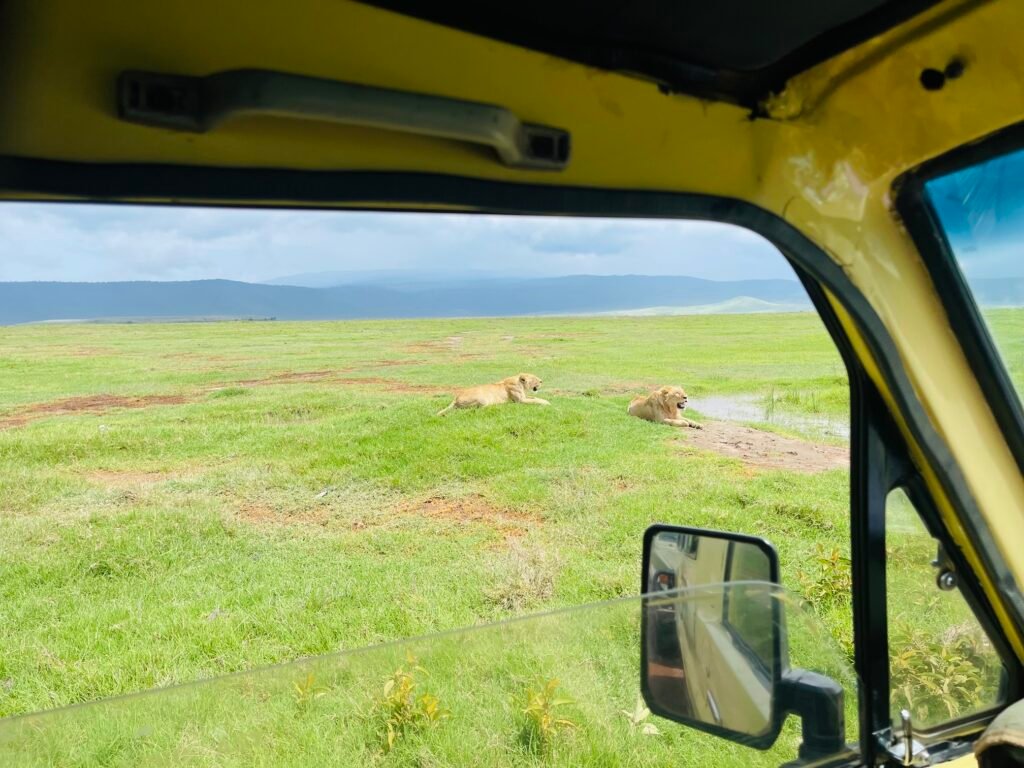
Wildlife is wild. This should be obvious, but safari marketing often makes it confusing. Lions may rest in shade for hours. Leopards are naturally elusive. Black rhinos may be distant or hidden. A river crossing may not happen while you are waiting. The best safari company explains your chances without guaranteeing a sighting it cannot control.
That does not make the safari less exciting. A knowledgeable guide can make a game drive rich even without a dramatic hunt. You may watch elephants communicating, observe zebra and wildebeest moving together, follow a cheetah scanning the plains, identify raptors or learn why hippos spend the day in water. Wildlife behaviour is often more meaningful than a rushed photo.
Be wary of any company that promises all Big Five animals, a guaranteed migration crossing or animals close enough for a particular picture. Responsible guides leave wildlife space, respect park rules and do not pressure animals for guests’ social-media content.
8. Good safety and practical preparation
Safety includes more than driving carefully. A quality company will provide clear information about airport pick-ups, flight timings, luggage limits for small aircraft, park rules, road distances and what to pack. It should also ask about dietary requirements, children’s ages, mobility needs and serious allergies before the safari begins.
For a standard northern Tanzania safari, pack light layers, closed shoes, a warm fleece for Ngorongoro mornings, sun protection, a compact rain layer, binoculars and a small daypack. Keep passport, medication, insurance information and camera gear in hand luggage. If your itinerary includes bush flights, soft-sided bags and lower weight limits are common.
Visa, airline and health requirements can change. A good operator may remind you to check current official sources, but it should not replace individual medical or immigration advice. You are still responsible for ensuring your documents and insurance are correct for your own trip.
9. Respect for communities, staff and wildlife
Tourism works best when it benefits the people who live and work near the parks. Look for companies that treat guides, drivers, cooks, camp staff and local partners respectfully. Community visits should be arranged with consent and fair payment, not treated as a performance for visitors. Cultural experiences can be valuable when there is real conversation and mutual respect.
Environmental responsibility is also practical. Companies should follow park regulations, avoid off-road driving where prohibited, keep appropriate distance from wildlife and manage waste properly. Guests can help by using refillable bottles, carrying out personal rubbish and avoiding requests that disrupt animals.
Ethical practice is not an extra decoration on a website. It affects how animals behave around vehicles, how staff are treated and whether the safari has a positive local impact. Ask questions when something is unclear. A trustworthy company will be comfortable explaining its approach.
10. Support before, during and after the safari
Travel plans sometimes change. Flights can be delayed, luggage can arrive late, weather can affect roads and a guest may need help with a hotel transfer. The best Tanzania safari companies provide a contact person who can respond and make practical adjustments when possible. This is especially important when you are booking from another country and arriving after a long international journey.
Before the safari, support may include packing advice, hotel suggestions, airport transfer information and a final itinerary confirmation. During the trip, it means a reliable guide and someone who can assist if logistics change. After the safari, it may include airport drop-off, feedback and help arranging a future extension to Zanzibar or Kilimanjaro.
Prompt responses alone do not prove quality, but they are a useful sign. Notice whether the company answers specific questions or sends the same copy-and-paste reply to everything. Personal attention before you pay often predicts the service you receive on the road.
How to choose between private, group and fly-in safaris
A private safari gives you your own vehicle and guide. It is useful for couples, families, photographers and friends who want control over pace and stops. Group safaris can be more affordable and enjoyable for sociable travellers, but you share the vehicle and daily decisions. Confirm the maximum number of people, exact departure date and accommodation before booking.
Fly-in safaris use small aircraft to reduce road time, particularly for Serengeti or southern Tanzania. They cost more but can be worthwhile if you have limited time or want to combine a remote camp with Zanzibar. Check baggage rules carefully; soft duffel bags and lower weight limits are common.
There is no universally best travel style. The right one is the style that fits your group, money, time and comfort expectations. A good safari company should explain the differences clearly rather than pushing the most expensive option.
How to read safari reviews wisely
Reviews are useful, but read them for detail rather than only looking at a star score. Strong reviews often mention the guide by name, describe the route, explain how a problem was handled and give a realistic picture of the accommodation. A review that says only “perfect” or “amazing” gives less useful information than one that explains why the traveller felt well looked after.
Look for recent comments from travellers whose trip resembles yours: family groups, camping guests, luxury travellers, photographers or people visiting in the same season. Also notice how the company responds to reasonable criticism. A calm, factual response can be more reassuring than a business that ignores every concern or replies defensively.
Do not expect every review to be identical. Wildlife and weather create different experiences, and each guest has different priorities. The pattern over time matters more than one unusually good or bad comment.
Booking at the right time
For fixed 2027 or 2028 dates, reserve early if you are travelling in the main dry season, during Christmas and New Year, or when migration-focused camps are in demand. Booking early gives you more choice of camp location, guide availability and flight connections. It also gives the operator time to create a route that reflects the season rather than using what is left.
Short-notice trips are sometimes possible, especially outside peak periods, but they often require compromise. You may need to accept different accommodation, longer drives or less flexible flight times. If your holiday is important to you, do not wait until the last week to ask whether the best Serengeti camp is available.
A simple checklist for your final decision
Before paying, read the itinerary one final time. Confirm the travel dates, names of camps, room type, number of safari nights, departure location, vehicle type, inclusions, exclusions, payment terms and contact number. Make sure the quote is in writing and that you understand the currency and due dates. This short check prevents many avoidable misunderstandings.
Questions to ask before you pay a deposit
- Is the safari private or shared, and how many guests will be in the vehicle?
- What exact camps or lodges are proposed, and where are they located?
- Which park fees, crater fees, meals and transfers are included?
- What are the expected driving times on each day?
- What vehicle will be used, and does every guest have a window seat?
- How is the itinerary adjusted for migration season or weather conditions?
- What is the cancellation and payment policy?
- Who can I contact if a flight delay affects the arrival plan?
Plan with Eddy Tours & Safaris
If you are comparing Tanzania safari companies for 2027 or 2028, start with clear questions and a route built around your dates. Eddy Tours & Safaris can help you plan a private, group, camping, mid-range or lodge safari across Serengeti, Ngorongoro, Tarangire and Zanzibar. The aim is a clear itinerary with realistic travel times and accommodation that suits your budget.
For a Tanzania safari quote, use the contact page, email eddytoursandsafaris@gmail.com or sales@eddytours-safaris.com, or call and WhatsApp +255 711 906 664. If you would like to add a mountain climb, see Kilimanjaro Climb Specialist for Kilimanjaro route information.