

Wildlife Conservation Success Stories that show real, lasting impact
Wildlife Conservation Success Stories are no longer rare exceptions.
Across Africa and many other regions, strong local leadership, science-based planning and community participation are reversing wildlife decline.
This article shares clear, practical and evidence-based Wildlife Conservation Success Stories that demonstrate how conservation truly works on the ground.
If you work in conservation, tourism, land management or community development, these examples matter.
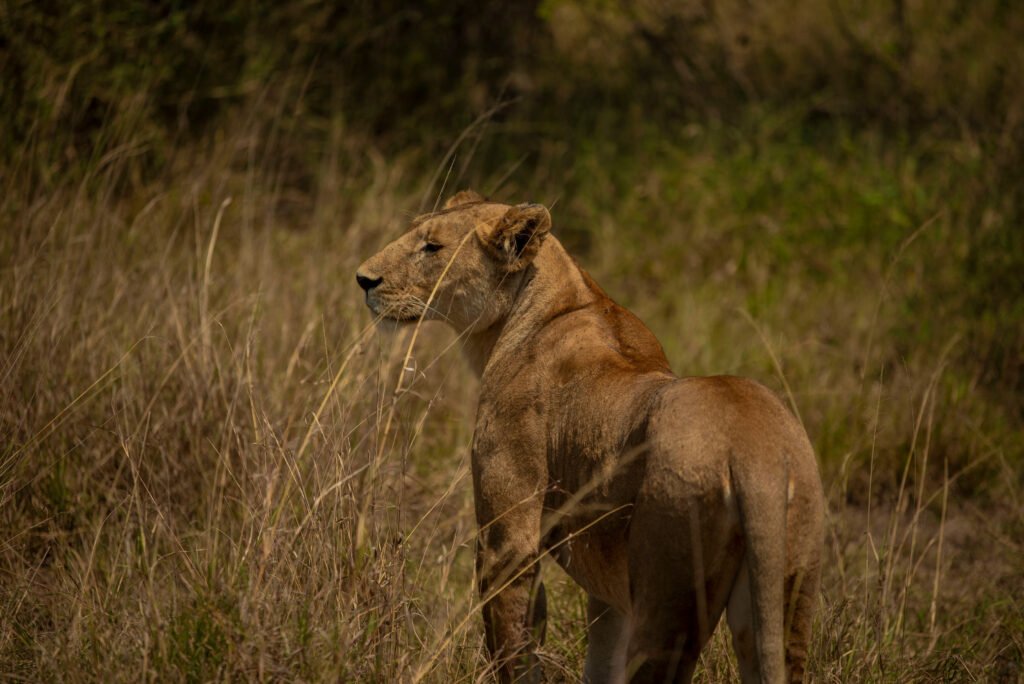
Why Wildlife Conservation Success Stories are important for real protection
Wildlife protection is not only about parks and patrols.
It is about people, land use decisions, data, funding and long-term planning.
Strong Wildlife Conservation Success Stories help decision-makers:
- build political and community support
- secure conservation funding
- improve land-use planning
- strengthen ranger operations
- protect biodiversity and livelihoods at the same time
They also show that conservation investments actually work.
1. Wildlife Conservation Success Stories driven by community-led conservation
One of the strongest patterns behind many Wildlife Conservation Success Stories is community ownership.
When communities benefit from wildlife protection, conservation becomes part of everyday life.
Local conservancies, village land-use plans and community wildlife areas reduce conflict, improve reporting of illegal activities and create income from conservation-friendly businesses.
This approach has helped restore wildlife populations and improve land governance in many African landscapes.
Large international conservation organizations document how community conservation improves wildlife survival, governance and livelihoods at the same time.
You can explore real examples through the World Wide Fund for Nature’s community conservation programs and impact reports.
2. Wildlife Conservation Success Stories that brought species back from the edge
Several threatened species now show real population recovery.
These Wildlife Conservation Success Stories were achieved through:
- habitat protection
- ranger patrols
- better intelligence systems
- targeted breeding and translocation
- strict trade monitoring
Global conservation assessments from International Union for Conservation of Nature confirm that well-managed conservation actions can reverse decline for highly threatened species.
The IUCN Red List case studies clearly show where conservation intervention has directly improved population trends.
This is one of the strongest scientific sources supporting modern conservation planning.
3. Wildlife Conservation Success Stories built through ranger and technology systems
Modern ranger work is no longer paper-based.
Many of today’s Wildlife Conservation Success Stories are supported by:
- digital patrol systems
- spatial planning tools
- wildlife monitoring databases
- incident tracking platforms
Digital conservation systems improve patrol coverage, response time and accountability.
Ranger teams can identify hotspots, plan patrol routes more effectively and reduce illegal activities.
Several protected areas now rely on real-time monitoring tools and standardized patrol reporting to support evidence-based management.
This approach is strongly promoted in conservation technology programs supported by global conservation partners and ranger networks.

4. Wildlife Conservation Success Stories through habitat restoration and landscape recovery
Wildlife cannot survive without functional habitats.
Habitat restoration is now a major driver of Wildlife Conservation Success Stories.
Key restoration actions include:
- re-establishing native vegetation
- restoring degraded grazing lands
- protecting water sources
- reconnecting fragmented habitats
Large-scale restoration initiatives promoted by United Nations Environment Programme show how landscape recovery directly supports biodiversity, carbon storage and climate resilience.
Successful restoration programs clearly demonstrate that wildlife numbers improve when ecological connectivity is restored.
5. Wildlife Conservation Success Stories supported by sustainable finance
Conservation cannot depend only on short-term projects.
Long-term Wildlife Conservation Success Stories depend on sustainable funding mechanisms.
These include:
- conservation trust funds
- performance-based conservation finance
- results-based payments for ecosystem services
- private sector conservation investments
The World Bank provides detailed case studies showing how conservation finance supports protected areas, community programs and long-term wildlife protection.
Financial sustainability reduces pressure on natural resources and increases accountability.
6. Wildlife Conservation Success Stories in Tanzania and East Africa
In East Africa, conservation success is strongly linked to land-use planning and community engagement.
Several landscapes now demonstrate real Wildlife Conservation Success Stories through:
- village land use plans
- wildlife corridors
- grazing management systems
- conflict mitigation programs
For tour operators, conservation success directly improves wildlife viewing quality and visitor satisfaction.
At Eddy Tours & Safaris, conservation-focused tourism supports protected landscapes while providing responsible travel experiences for visitors.
You can explore how conservation tourism supports wildlife protection through our
responsible safari experiences and our Tanzania safari programs.
Well-managed tourism contributes funding, employment and conservation awareness while reinforcing wildlife protection efforts.
7. Wildlife Conservation Success Stories that reduce human–wildlife conflict
Human–wildlife conflict is one of the biggest threats to conservation success.
Modern Wildlife Conservation Success Stories address this challenge through:
- early-warning systems
- improved livestock enclosures
- land zoning
- compensation and insurance schemes
- community education programs
Successful conflict-mitigation projects show measurable reductions in wildlife killings and community losses.
Global conflict-reduction programs documented by international conservation organizations demonstrate that prevention is more effective than response.
How Wildlife Conservation Success Stories are measured
True Wildlife Conservation Success Stories are not based on good intentions.
They are measured using:
- population trends
- habitat quality indicators
- patrol effectiveness metrics
- community benefit indicators
- governance and compliance records
Scientific monitoring and adaptive management are essential.
Organizations such as the World Wide Fund for Nature and the International Union for Conservation of Nature emphasize evidence-based conservation as the foundation for real impact.
The role of tourism in Wildlife Conservation Success Stories
Tourism can either damage or protect wildlife.
When properly managed, tourism strengthens Wildlife Conservation Success Stories by:
- funding conservation activities
- supporting community livelihoods
- increasing political support for protected areas
- creating alternative income sources
Responsible tourism operations, conservation-friendly lodges and locally operated safari companies help maintain conservation value in protected landscapes.
If you would like to understand how conservation-linked tourism works in practice, you can read more about our conservation approach through
Eddy Tours & Safaris sustainable travel experiences.
What makes Wildlife Conservation Success Stories last
Not every project becomes a lasting success.
Long-term Wildlife Conservation Success Stories share five key principles:
- Strong community ownership
- Transparent governance and land-use planning
- Reliable conservation funding
- Effective monitoring and enforcement
- Adaptive management based on scientific data
Without these foundations, conservation gains often disappear when funding or leadership changes.
How professionals can strengthen Wildlife Conservation Success Stories
Conservation practitioners can strengthen future Wildlife Conservation Success Stories by focusing on:
- spatial data and land-use analysis
- biodiversity monitoring systems
- rangeland and habitat mapping
- community participation models
- conservation finance planning
For conservation professionals and students, combining GIS, remote sensing and field monitoring dramatically improves decision-making quality.
Final thoughts on Wildlife Conservation Success Stories
Wildlife Conservation Success Stories prove that wildlife recovery is possible.
They show that conservation is not only about protecting animals, but also about managing land, people, data and institutions.
From community conservation to digital ranger systems, from restoration projects to sustainable finance, modern conservation has the tools to protect biodiversity at scale.
The challenge now is not whether conservation can work.
The real challenge is scaling proven Wildlife Conservation Success Stories fast enough to protect the remaining natural landscapes.