
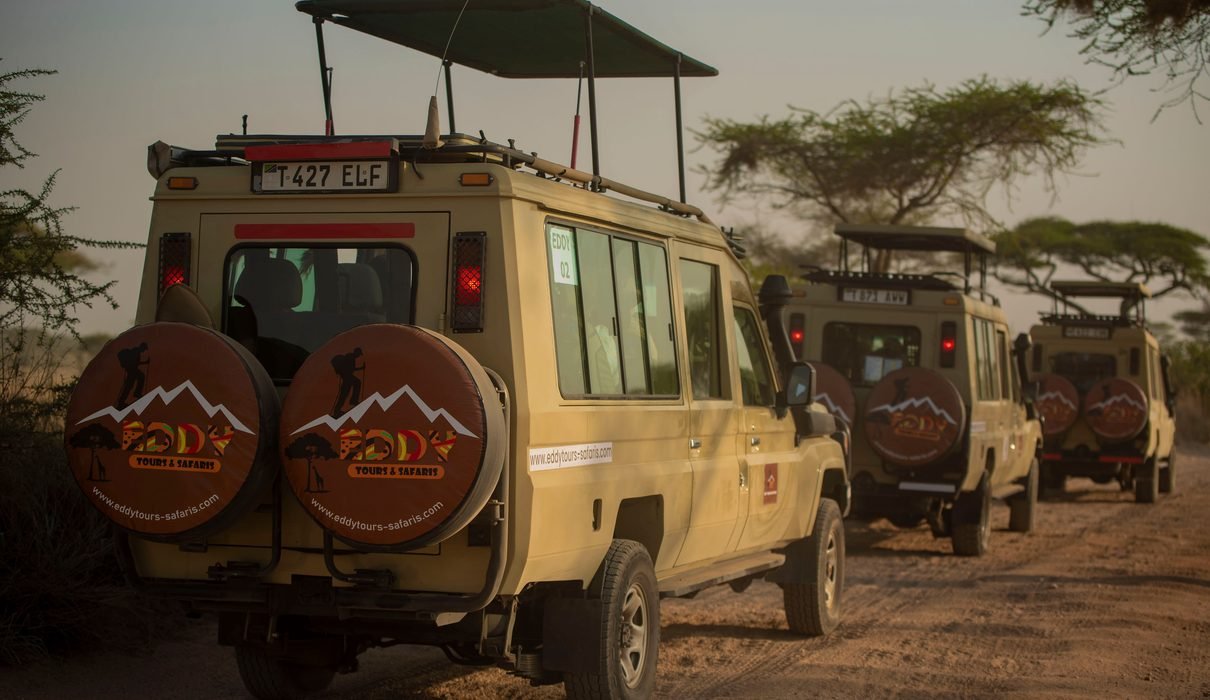
Tanzania is one of Africa’s most exciting travel destinations. It is a country where you can watch lions resting on the open plains of the Serengeti, see large herds of elephants in Tarangire, climb Africa’s highest mountain, and relax on the beautiful beaches of Zanzibar. Whether you are visiting Africa for the first time or returning for another adventure, Tanzania has something special to offer every traveler.
Planning a trip to Tanzania can be exciting, but choosing where to go, when to travel, and how many days to spend in each destination can sometimes feel confusing. There are many national parks, different safari packages, several routes to climb Mount Kilimanjaro, and a wide range of accommodation options. Having a local travel specialist who understands these destinations can make planning much easier.
At Eddy Tours & Safaris, we help travelers discover Tanzania through carefully planned wildlife safaris, Kilimanjaro climbing expeditions, cultural experiences, and Zanzibar holidays. We understand that every traveler has different interests, budgets, and expectations. Some visitors dream of seeing the Great Wildebeest Migration, while others want to stand on the summit of Mount Kilimanjaro or enjoy a peaceful holiday surrounded by nature.
Our goal is to help you plan a Tanzania adventure that matches your interests and available time. From short wildlife safaris to longer journeys combining national parks, mountain climbing, and beach relaxation, we can help you explore the different possibilities and choose an itinerary that works for you.
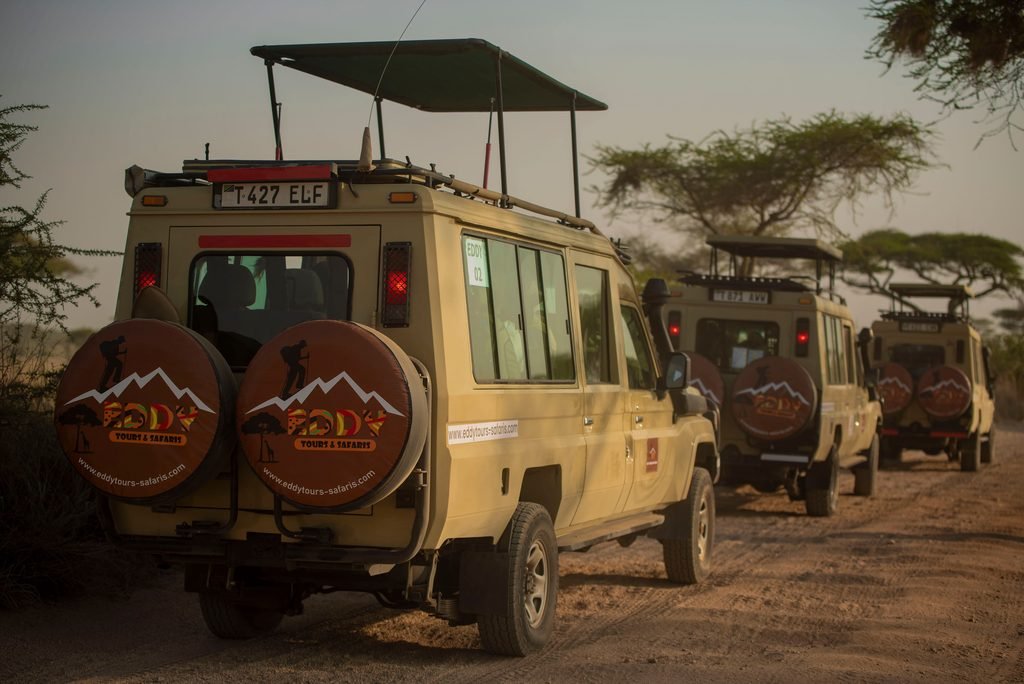
Why Travel to Tanzania with Eddy Tours & Safaris?
Choosing a safari company is one of the most important decisions when planning a trip to Tanzania. Your travel experience depends on more than the destinations listed in an itinerary. Transport arrangements, accommodation, communication, the knowledge of your guide, and the amount of time spent exploring each location can all influence how much you enjoy your holiday.
Eddy Tours & Safaris focuses on helping travelers understand their options before booking. We can discuss your preferred destinations, the number of days you have available, your accommodation preferences, and the type of experience you want. This allows us to prepare a quotation based on your actual travel plans rather than expecting every guest to follow the same itinerary.
We also believe that travelers should understand what is included in their packages. Before confirming a safari or climbing expedition, it is important to review the accommodation arrangements, transport, park fees, meals, and any additional services. Clear planning helps avoid unnecessary surprises and gives travelers a better understanding of their trip.
Whether you are interested in a budget-friendly group safari, a private family holiday, a luxury wildlife experience, or a guided Kilimanjaro climb, our team can help you compare suitable arrangements.
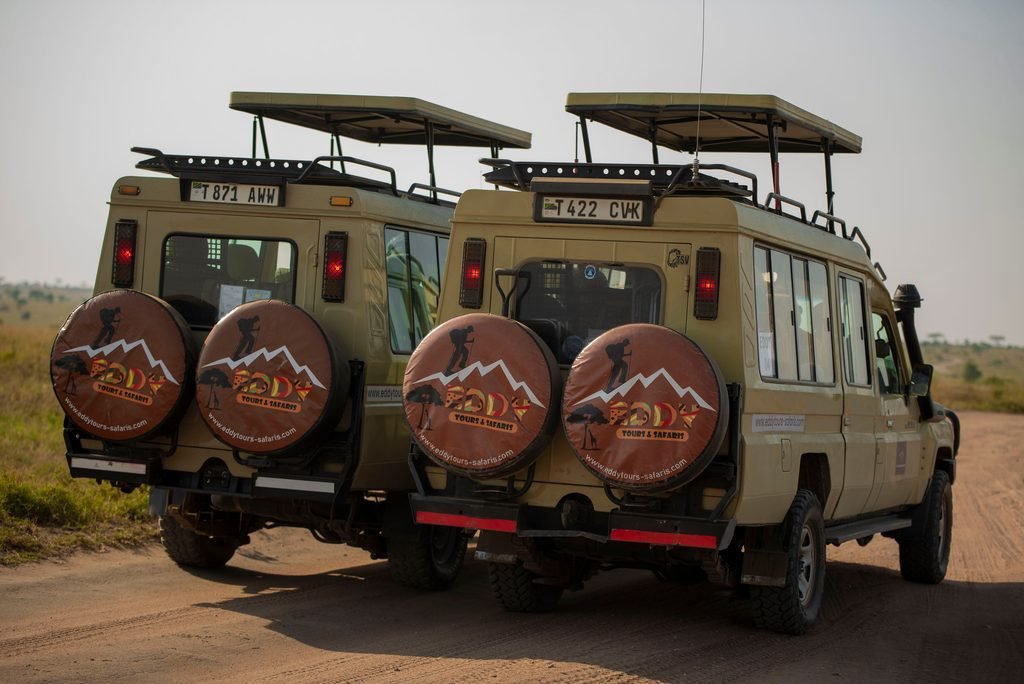
1. Experience Tanzania’s Famous Wildlife Safaris
A wildlife safari is one of the main reasons people visit Tanzania. The country’s northern safari circuit is home to some of Africa’s most famous national parks and conservation areas, including Serengeti National Park, Tarangire National Park, Lake Manyara National Park, and the Ngorongoro Conservation Area. Each destination has its own landscape, wildlife populations, and seasonal attractions.
A Tanzania safari can be organized as a short trip of two or three days or as a longer adventure lasting more than a week. The right duration depends on the parks you want to visit, the time required to travel between destinations, and how much time you would like to spend watching wildlife. Travelers with more days available can explore several parks at a relaxed pace, while those with limited time may prefer a shorter itinerary focusing on nearby destinations.
Serengeti National Park: The Heart of Tanzania’s Wildlife Adventures
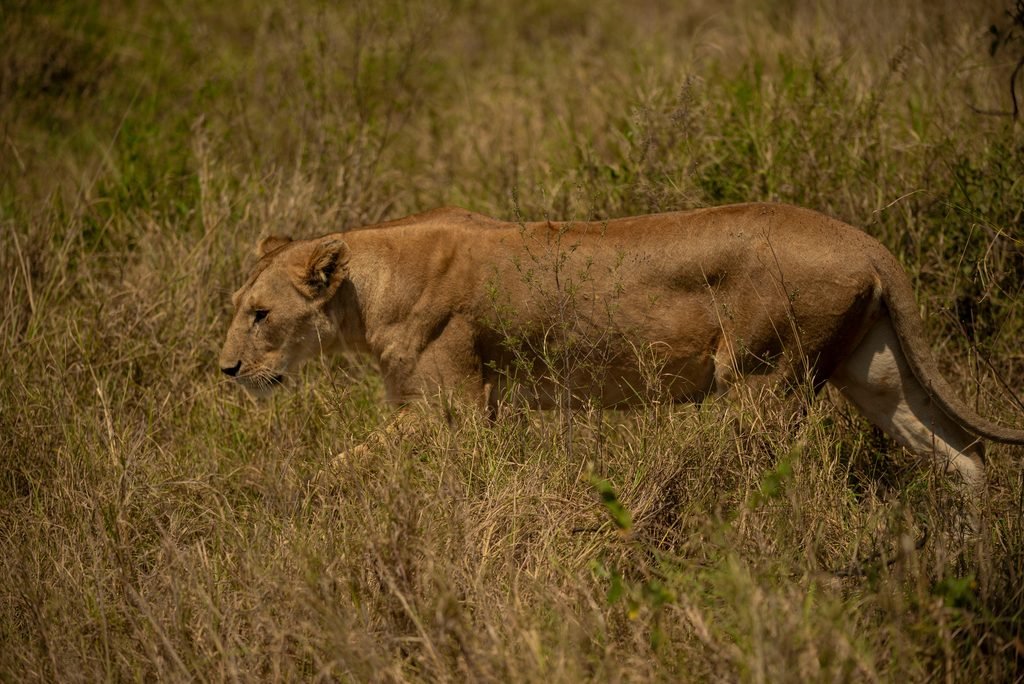
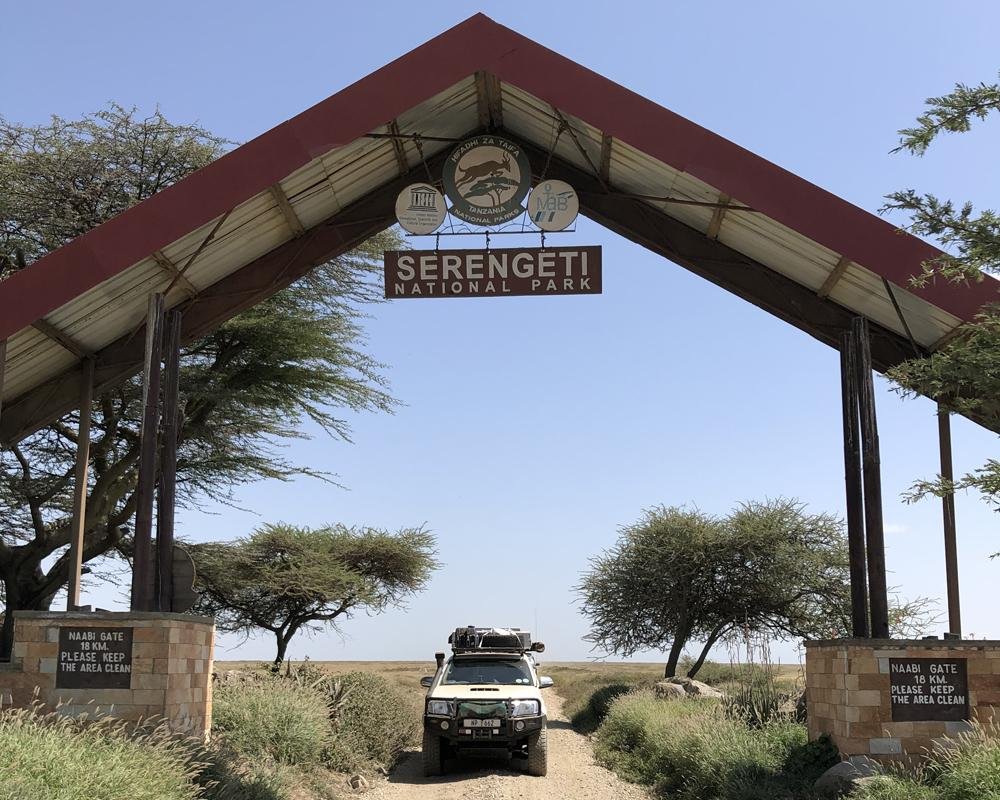
Serengeti National Park is one of Africa’s best-known wildlife destinations. Its wide grasslands, scattered acacia trees, rocky kopjes, and seasonal rivers provide habitats for a remarkable variety of animals. Visitors may encounter lions, elephants, giraffes, zebras, buffaloes, cheetahs, and many species of antelope during game drives, although sightings depend on wildlife movements and conditions.
The Serengeti is particularly famous for the Great Wildebeest Migration, when large numbers of wildebeest, zebras, and other grazing animals move through the wider Serengeti–Mara ecosystem in response to seasonal rainfall and grazing conditions. This movement takes place throughout the year, but the location of the herds changes with the seasons.
Travelers planning a safari in 2027, 2028, or 2029 should choose their travel dates and accommodation areas according to the migration experience they hope to see. The calving season generally takes place in the southern Serengeti and Ndutu area early in the year, while northern river-crossing activity is more commonly associated with the middle and later months. These are seasonal patterns rather than fixed schedules, and no specific wildlife encounter can be guaranteed.
If you are planning a longer wildlife holiday, ask our team about combining the Serengeti with Ngorongoro Crater and Tarangire for a varied northern Tanzania safari experience.
Ngorongoro Crater: A Wildlife Experience in a Remarkable Landscape
Ngorongoro Crater is one of Tanzania’s most distinctive wildlife destinations. The large volcanic caldera contains grasslands, wetlands, woodland, and freshwater habitats that support a wide range of animals. During a game drive on the crater floor, visitors may see buffaloes, zebras, wildebeest, hippos, lions, and several species of birds. Black rhinos are also present, although sightings are not guaranteed.
The crater is particularly attractive to travelers who want to experience a variety of wildlife within a relatively compact area. Its surrounding highlands also provide impressive views, especially when weather conditions are clear. Many northern Tanzania safari itineraries include Ngorongoro after visiting Tarangire or the Serengeti.
Because the crater is part of the Ngorongoro Conservation Area, visits must follow the applicable conservation rules and park arrangements. A well-planned itinerary should allow enough time for the drive into the crater, wildlife viewing, and the journey to your next accommodation.
Tarangire National Park: Elephants and Ancient Baobab Trees
Tarangire National Park is especially known for its elephant populations and impressive baobab trees. The park contains river valleys, open woodland, grasslands, and seasonal wetlands that provide habitats for different wildlife species. During the drier months, animals often concentrate around reliable water sources, making the Tarangire River an important feature of the park’s ecosystem.
Visitors may encounter elephants, giraffes, zebras, wildebeest, impalas, buffaloes, and predators during game drives. Birdwatchers can also enjoy a wide variety of species, with different birds becoming more noticeable according to the season and habitat.
Tarangire is often included in short northern Tanzania safaris because it is accessible from Arusha and combines well with Lake Manyara and Ngorongoro. For travelers with limited time, it can provide an excellent introduction to Tanzania’s wildlife.
Lake Manyara National Park: Forest, Lake Views, and Birdlife
Lake Manyara National Park offers a different environment from the open plains of the Serengeti. The park includes groundwater forest, woodland, grassland, and lake-edge habitats. This variety creates opportunities to observe different wildlife species within a relatively small area.
Elephants, baboons, giraffes, and various antelope species may be seen during game drives. The park is also associated with tree-climbing lions, although these animals can be difficult to locate and sightings should never be promised. Birdlife is another attraction, particularly around suitable wetland areas.
Lake Manyara can be included in both short and extended safari itineraries, making it a useful destination for travelers who want to experience more than one type of Tanzania landscape.
2. Witness the Great Wildebeest Migration in the Serengeti
The Great Wildebeest Migration is one of the most famous wildlife movements in the world. Large herds of wildebeest, accompanied by zebras and other grazing animals, travel through the Serengeti–Mara ecosystem in search of suitable grazing and water. Their movement is influenced by rainfall, seasonal vegetation, and environmental conditions rather than a fixed calendar.
One of the most interesting periods is the calving season, which commonly occurs between January and March in the southern Serengeti and Ndutu region. During this period, many wildebeest give birth on the short-grass plains, attracting predators such as lions, cheetahs, and hyenas. Visitors interested in wildlife photography often consider this season because of the concentration of animals and predator activity.
Between approximately April and June, the herds may move through central and western parts of the ecosystem as grazing conditions change. Later in the year, many animals are commonly found in the northern Serengeti and the wider Mara region, where river crossings may occur. However, the timing of these movements varies from year to year, and it is not possible to guarantee a crossing during a particular safari.
At Eddy Tours & Safaris, we can help travelers discuss suitable Serengeti regions and travel periods based on their interests. Whether you want to photograph large herds, explore the southern plains during calving season, or visit the northern Serengeti, planning the location of your accommodation is an important part of the safari.
3. Climb Mount Kilimanjaro with a Guided Mountain Expedition
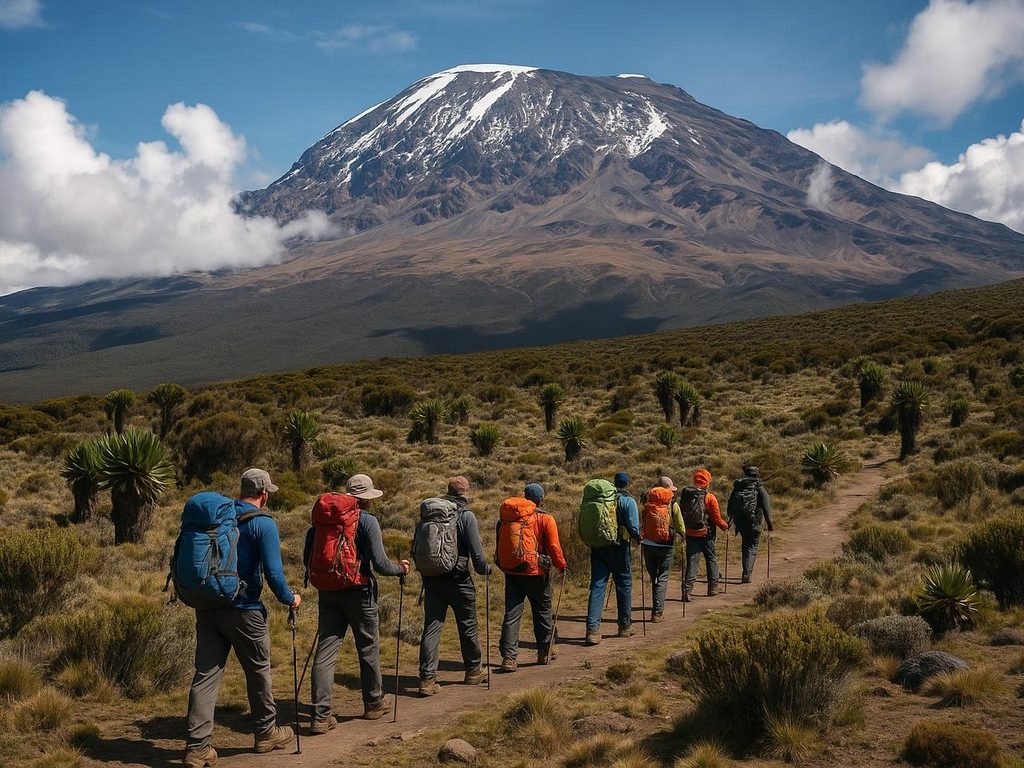
Mount Kilimanjaro is Africa’s highest mountain, standing 5,895 metres above sea level. Located in northern Tanzania, it attracts trekkers from around the world who want to challenge themselves and experience the mountain’s changing landscapes. The climb begins in lower-altitude forest and gradually reaches heath, moorland, alpine desert, and the freezing environment near Uhuru Peak.
Although standard Kilimanjaro trekking routes generally do not require technical mountaineering skills under suitable conditions, the mountain is physically demanding. Climbers must walk for several consecutive days while managing changes in temperature, steep terrain, and reduced oxygen availability at high altitude. Choosing a suitable itinerary and allowing enough time for acclimatization are important parts of preparing for the expedition.
Eddy Tours & Safaris can help travelers explore different climbing routes, including Machame, Marangu, Lemosho, Rongai, and other established approaches. Each route offers a different experience, and the best choice depends on your fitness, hiking background, accommodation preferences, and available time.
Machame Route: Scenic Trekking and Varied Landscapes
The Machame Route is one of Kilimanjaro’s most popular climbing approaches. Often called the Whiskey Route, it passes through rainforest, the Shira Plateau, Lava Tower, Barranco Valley, and the famous Barranco Wall before reaching the summit approach from Barafu Camp.
The route is known for its scenery and challenging trekking sections. The seven-day Machame itinerary is generally preferable to the six-day version because it includes an additional overnight stay at Karanga Camp, allowing more time before summit night.
Travelers interested in this route can read our Machame Route Kilimanjaro guide for more information about the mountain experience.
Marangu Route: Mountain Hut Accommodation
Marangu is known for using established mountain huts rather than the tented camping arrangements found on most other Kilimanjaro routes. The climb passes through Mandara Hut, Horombo Hut, and Kibo Hut before the summit attempt.
The route appeals to travelers who prefer sleeping in huts, but its relatively direct ascent can create acclimatization challenges. The six-day version is generally preferable to the five-day itinerary because it provides an additional day at Horombo.
Lemosho Route: A Longer and Scenic Western Approach
The Lemosho Route begins on Kilimanjaro’s western side and passes through rainforest before reaching the Shira Plateau. The journey then continues toward the southern circuit and the summit approach from Barafu.
An eight-day Lemosho itinerary is an attractive option for travelers who want a longer climbing schedule and additional acclimatization opportunities. It is often considered by first-time climbers who have sufficient time and want to experience varied mountain scenery.
Rongai Route: Explore Kilimanjaro’s Northern Side
Rongai approaches Kilimanjaro from the north, near the Tanzania–Kenya border. The route passes through forest, moorland, and high-altitude terrain near Mawenzi before continuing toward Kibo.
Travelers interested in a different mountain environment may find Rongai appealing. Seven- or eight-day itineraries generally provide more time for acclimatization than shorter versions.
4. Relax on Zanzibar’s Beautiful Beaches
After several days exploring Tanzania’s national parks or climbing Mount Kilimanjaro, Zanzibar provides an opportunity to relax beside the Indian Ocean. The island is known for its sandy beaches, warm coastal climate, historic Stone Town, and cultural influences shaped by centuries of trade across the Indian Ocean.
Travelers can choose from beach areas such as Nungwi, Kendwa, Paje, and Jambiani, each offering a different atmosphere. Nungwi and Kendwa are popular for beach holidays and sunset views, while Paje and Jambiani attract travelers interested in a quieter coastal setting and activities influenced by the tides.
Stone Town is another important part of a Zanzibar holiday. Its narrow streets, historic buildings, markets, and cultural landmarks provide opportunities to learn about the island’s history. Visitors may also enjoy spice farm tours, boat excursions, snorkeling, or other marine activities, depending on the season and local conditions.
A Zanzibar extension can be added after a wildlife safari or Kilimanjaro expedition. Some travelers prefer three or four nights at the beach, while others spend a full week exploring the island. The right duration depends on how much time you have and whether you want a relaxing holiday or a combination of beach and cultural experiences.
5. Discover Tanzania Through Cultural and Local Experiences
Tanzania is more than national parks and mountain landscapes. The country is home to many communities with different traditions, languages, foods, and ways of life. Including cultural experiences in your itinerary can provide a broader understanding of the places you visit and the people who live there.
Depending on your route and interests, cultural activities may include visiting local markets, learning about coffee cultivation, exploring villages around the Kilimanjaro region, or participating in community-led experiences. Such visits should be organized respectfully, with local participation and clear arrangements that benefit the host community.
Travelers staying in Moshi or Arusha may also enjoy exploring local food, craft markets, and nearby attractions before or after their main safari. These activities can provide a more relaxed introduction to Tanzania and help fill available time between scheduled excursions.
At Eddy Tours & Safaris, we can discuss suitable cultural additions when preparing your travel itinerary.
6. Choose a Tanzania Safari That Matches Your Budget
Tanzania offers different styles of safari travel, from budget-friendly group departures to private luxury holidays. The cost of a safari depends on several factors, including the number of days, destinations visited, accommodation category, transport arrangements, season, and group size.
Budget-conscious travelers may consider joining a group safari, where some transport and guiding costs are shared. These packages can be suitable for individuals, couples, or small groups who are comfortable traveling with other guests and following a shared itinerary.
Private safaris offer more flexibility because the vehicle and itinerary are arranged for your group. This can be particularly attractive for families, photographers, honeymooners, and travelers who want more control over their daily schedule. Accommodation can range from simple lodges and camps to higher-end tented camps and luxury safari properties.
Luxury safaris generally focus on carefully selected accommodation, private guiding arrangements, and additional comfort. However, travelers should compare the actual services included rather than assuming that a higher price automatically guarantees better wildlife sightings.
When requesting a quotation, tell our team your approximate budget, preferred travel dates, number of travelers, and accommodation expectations. This helps us recommend arrangements that match your needs.
7. Plan the Best Time to Visit Tanzania
The best time to visit Tanzania depends on what you want to experience. Wildlife safaris, Kilimanjaro climbing, and Zanzibar holidays can be arranged at different times of the year, but seasonal weather and wildlife movements can influence the experience.
For wildlife safaris, the drier months from approximately June to October are commonly popular because animals often gather near reliable water sources and vegetation can be less dense in some areas. However, the green season also has attractions, including beautiful landscapes, birdlife, and the southern Serengeti calving period.
For Kilimanjaro climbing, January to March and June to October are generally popular because they often experience relatively drier conditions. Nevertheless, freezing temperatures, wind, and rain are possible at high elevation during any month.
Zanzibar can be visited throughout much of the year, although rainfall, humidity, and coastal conditions vary by season. Travelers who want to combine several destinations should discuss the timing of their trip carefully, especially when the Great Wildebeest Migration is a major priority.
Tanzania Travel Seasons at a Glance
| Period | General travel highlights |
|---|---|
| January–March | Southern Serengeti calving season, popular Kilimanjaro climbing period |
| April–May | Greener landscapes and generally heavier rainfall |
| June–August | Popular safari and Kilimanjaro climbing period |
| September–October | Often favorable safari conditions and popular travel months |
| November–December | Seasonal rainfall, green landscapes, and varied wildlife opportunities |
These are general seasonal patterns rather than guarantees of specific weather or wildlife sightings.
8. Why a Customized Tanzania Itinerary Can Be a Better Choice
Every traveler has different expectations, which is why a customized itinerary can be useful when planning a Tanzania holiday. A couple celebrating a honeymoon may prefer a private safari with comfortable accommodation and a Zanzibar beach extension, while a family traveling with children may want shorter driving distances and activities suited to different ages.
Wildlife photographers may prefer spending more nights in the Serengeti rather than moving between several parks in a short period. Travelers planning to climb Kilimanjaro may want additional rest days before continuing to a safari, while visitors with limited time may prefer a short itinerary focused on Tarangire and Ngorongoro.
A customized trip allows these details to be considered before the quotation is prepared. The objective is not simply to visit as many destinations as possible but to create a realistic travel schedule that allows enough time to enjoy each location.
When planning your journey with Eddy Tours & Safaris, you can discuss your interests, available travel days, preferred accommodation category, and any special arrangements you would like to include.
9. Practical Travel Tips for Visiting Tanzania
Before traveling to Tanzania, check the passport and visa requirements that apply to your nationality. Some visitors may be eligible for an electronic visa, while others may have different entry arrangements. Because immigration requirements can change, travelers should confirm the latest information through the official Tanzania Immigration Department before departure.
Travel insurance is also important, particularly for travelers participating in mountain climbing or other physically demanding activities. If you plan to climb Kilimanjaro, your insurance should explicitly cover trekking at the required elevation and appropriate emergency evacuation arrangements. Safari travelers should also consider medical coverage and protection against unexpected travel disruptions.
Packing requirements depend on the type of holiday you are planning. Safari visitors generally benefit from comfortable clothing, sun protection, a hat, suitable footwear, and a camera or binoculars. Kilimanjaro climbers need more specialized equipment, including cold-weather clothing, waterproof layers, trekking boots, and a suitable sleeping bag. Zanzibar travelers should consider lightweight clothing, sun protection, and appropriate attire when visiting cultural or religious sites.
Travelers should also seek professional medical advice about vaccinations and malaria prevention appropriate to their itinerary. Health recommendations depend on individual circumstances and the regions being visited, so it is best to consult a qualified travel-health professional before departure.
10. Plan Your Tanzania Adventure for 2027, 2028 or 2029
Planning early can be helpful, especially if you want to visit Tanzania during popular travel periods or combine several destinations in one holiday. A well-organized itinerary allows time for international travel, airport transfers, accommodation, wildlife viewing, and any additional activities you would like to include.
For a first-time visitor, a seven- to ten-day safari can provide opportunities to explore several northern Tanzania destinations without rushing excessively. Travelers interested in Kilimanjaro should allow sufficient time for the climb, arrival preparations, and recovery. Those who want a more relaxed holiday may add several nights in Zanzibar after their safari or mountain expedition.
Future travel prices and accommodation availability for 2027, 2028, and 2029 should be confirmed through a written quotation. Park fees, transport costs, and accommodation rates may change, so travelers should avoid relying on outdated package prices when preparing their budgets.
At Eddy Tours & Safaris, we can help you compare different travel arrangements and discuss suitable options based on your preferred dates and interests.
Frequently Asked Questions About Eddy Tours & Safaris and Tanzania Travel
1. What does Eddy Tours & Safaris offer?
Eddy Tours & Safaris helps travelers organize Tanzania wildlife safaris, guided Kilimanjaro climbing expeditions, Zanzibar holidays, and customized travel experiences.
2. Where is Tanzania located?
Tanzania is in East Africa and is known for destinations such as the Serengeti, Mount Kilimanjaro, Ngorongoro Crater, and Zanzibar.
3. What is the best safari destination in Tanzania?
The Serengeti is one of the most famous destinations, but Tarangire, Ngorongoro Crater, and Lake Manyara also offer excellent wildlife experiences.
4. How many days should I spend on a Tanzania safari?
A safari of five to ten days is a useful starting point for exploring several northern Tanzania destinations, depending on your interests and available time.
5. Can I visit the Serengeti in 2027 or 2028?
Yes. You can request a safari quotation for your preferred dates, subject to availability and confirmation.
6. When is the Great Wildebeest Migration?
The migration takes place throughout the year, with herd locations changing according to rainfall and grazing conditions.
7. Can I see the wildebeest river crossings?
River crossings may occur during the northern migration period, but their timing is unpredictable and sightings cannot be guaranteed.
8. Is Tanzania suitable for family safaris?
Yes. Private safaris can be planned with suitable driving distances, accommodation, and activities for families.
9. Can I book a budget Tanzania safari?
Budget-friendly options may be available, including group joining safaris and selected accommodation arrangements.
10. Are private safaris available?
Private safaris can be arranged for couples, families, groups of friends, and other travelers.
11. Can I book a luxury safari?
Yes. Luxury safari arrangements can include higher-end lodges, tented camps, and private guiding options, subject to availability.
12. Can beginners climb Mount Kilimanjaro?
Many physically prepared beginners attempt Kilimanjaro, but choosing a suitable itinerary and allowing sufficient acclimatization time are important.
13. Which Kilimanjaro route is best for beginners?
Eight-day Lemosho and nine-day Northern Circuit are strong options to consider because they provide longer acclimatization schedules.
14. Is the Machame Route difficult?
Yes. Machame involves steep sections, several trekking days, and a demanding high-altitude summit attempt.
15. Do I need technical climbing skills for Kilimanjaro?
Standard trekking routes generally do not require technical mountaineering skills under suitable conditions.
16. Can I combine a safari with Kilimanjaro?
Yes. Many travelers climb Kilimanjaro before continuing to the Serengeti, Tarangire, or Ngorongoro.
17. Can I add Zanzibar to my safari?
Yes. Zanzibar beach holidays can be arranged after a wildlife safari or Kilimanjaro expedition.
18. What is the best time to visit Tanzania?
The best time depends on your interests. June to October is popular for safaris, while January to March can be attractive for southern Serengeti migration experiences.
19. Is Tanzania good for wildlife photography?
Yes. Tanzania’s national parks provide opportunities to photograph wildlife and landscapes, although sightings and lighting conditions vary.
20. Do I need travel insurance?
Travel insurance is strongly recommended, particularly for mountain climbing and activities requiring emergency medical assistance.
21. Do I need a visa to visit Tanzania?
Visa requirements depend on nationality. Check the official Tanzania Immigration Department for current information.
22. Can I customize my Tanzania safari itinerary?
Yes. You can discuss your preferred destinations, travel duration, accommodation, and budget when requesting a quotation.
23. How far in advance should I book?
Booking several months in advance can be useful for popular travel periods, particularly when specific accommodation is important.
24. Can I travel to Tanzania in 2029?
You can enquire about future travel arrangements, although departure availability and package prices must be confirmed.
25. How do I contact Eddy Tours & Safaris?
You can contact the team through the official website, email, or WhatsApp to request information and a personalized quotation.
Start Your Tanzania Adventure with Eddy Tours & Safaris
Tanzania offers an exceptional variety of travel experiences, from watching wildlife in the Serengeti to climbing Mount Kilimanjaro and relaxing beside the Indian Ocean in Zanzibar. Each destination has something different to offer, and the right combination depends on your interests, available time, and travel budget.
Whether you are planning your first African safari, preparing for a Kilimanjaro climbing expedition, or looking for a holiday that combines wildlife and beach relaxation, careful planning can help you make the most of your time in Tanzania. Choosing suitable destinations, allowing enough travel time, and understanding your package arrangements are important steps toward an enjoyable journey.
At Eddy Tours & Safaris, we help travelers explore Tanzania through guided wildlife safaris, mountain climbing expeditions, and customized holiday arrangements. Our team can discuss your travel ideas, compare suitable itineraries, and prepare a quotation based on your preferred dates, group size, and accommodation expectations.
Request Your Tanzania Safari or Kilimanjaro Quotation
Chat with Eddy Tours & Safaris on WhatsApp
Email: sales@eddytours-safaris.com
Website: www.eddytours-safaris.com
Contact Eddy Tours & Safaris today and begin planning a Tanzania adventure that matches your interests, travel dates, and budget.