
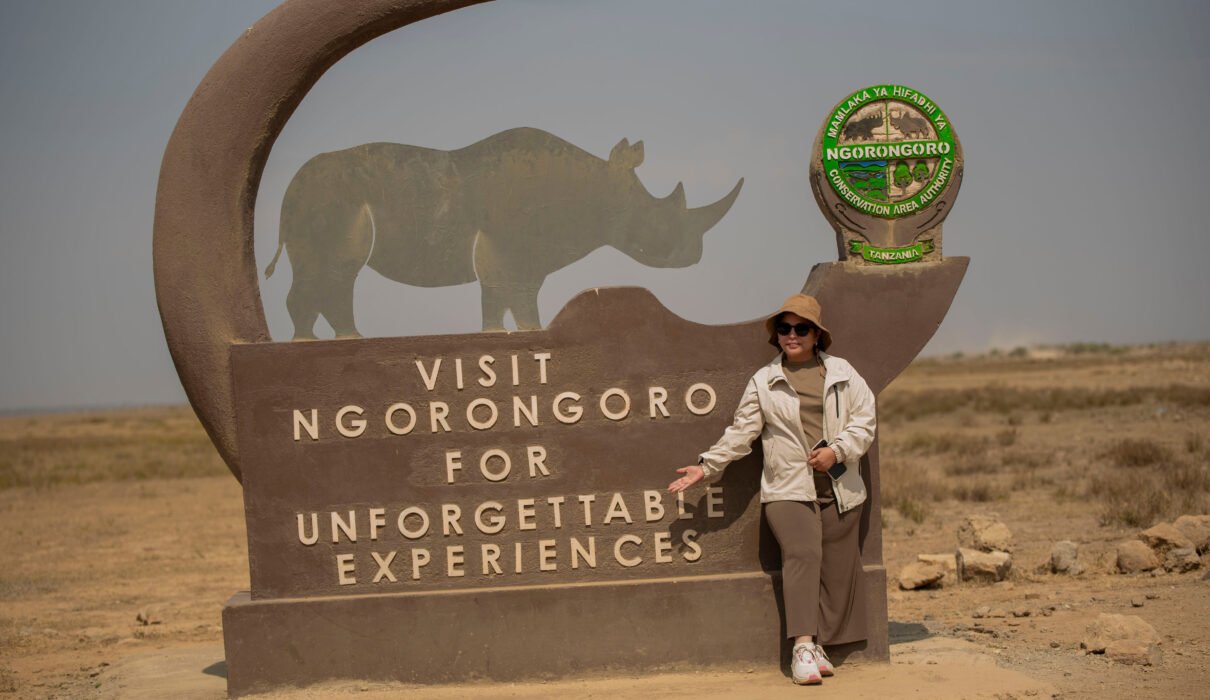
12 Fascinating Facts About the Ngorongoro Crater reveal why this place remains one of the most talked-about wildlife destinations in Tanzania. The first view alone is enough to stop a vehicle: a vast green bowl below the highland rim, with open grassland, forest, a soda lake and tiny moving shapes that turn out to be herds of zebra, buffalo and wildebeest. Yet the crater is much more than a viewpoint. It is a working ecosystem, a cultural landscape and a key part of the northern Tanzania safari route.
For visitors planning 2027, 2028 or 2029, Ngorongoro works beautifully as part of a wider journey through Tarangire and Serengeti. Eddy Tours & Safaris arranges private Tanzania safaris from Arusha with a guide, vehicle, park planning and accommodation matched to the traveller’s dates. This guide explains the facts that make the crater special, but it also gives practical advice so you can decide how much time to allow and what to expect when you arrive.
1. Ngorongoro Crater is a huge volcanic caldera, not an ordinary crater
One of the most fascinating facts about the Ngorongoro Crater is its true shape. It was formed when a large volcano collapsed after major volcanic activity long ago. The result is a caldera: a broad depression created when the structure of a volcano gives way. From the rim, it looks almost too perfectly circular to be real, but the floor is around 260 square kilometres and lies roughly 600 metres below the surrounding highlands.
That scale is difficult to understand from a photograph. On the crater road, vehicles appear small and distant. A full day on the floor still covers only part of the landscape. Grasslands merge into swamps; fever-tree woodland gives shelter to birds and monkeys; Lake Magadi changes colour with the light. The crater is often described as the world’s largest intact, unfilled volcanic caldera. What matters to a visitor is simpler: it is an enormous natural enclosure with a remarkable range of habitats inside it.
2. The crater floor supports an unusually dense concentration of wildlife
Ngorongoro is famous because wildlife is visible in a relatively compact area. Grazers such as zebra, wildebeest, buffalo and gazelle feed across the open floor. Hippos spend the day in pools, elephants move through woodland, and lions are regularly seen along the tracks or resting in the grass. Hyenas, jackals, warthogs, ostriches and many smaller species keep the game drive interesting between the headline sightings.
It is important to describe this carefully. High wildlife density does not mean every animal will be beside your vehicle. Weather, time of day and simple luck always matter. But the mix of grassland, permanent water and protected habitat means the crater gives first-time safari travellers a strong chance of seeing many of Tanzania’s well-known animals in one day. A knowledgeable guide makes the difference, explaining tracks, behaviour and how the animals fit together instead of just naming them.
3. It is one of the best places in Tanzania to look for black rhino
Black rhino is the animal many guests hope to see in Ngorongoro, and the crater remains one of Tanzania’s most respected places for a possible sighting. These rhinos are protected, closely monitored and naturally difficult to find. They may be far out on the grassland, behind another animal or hidden by the terrain. A guide might spot one through binoculars long before guests can see it clearly.
The right way to approach a rhino sighting is with patience. No responsible safari company should promise it. If you do see one, it is a meaningful moment precisely because the animal is rare and protected. Carry binoculars, listen when your guide points out the location and do not expect a close approach. Conservation is more important than a perfect photograph.
4. Lake Magadi gives the crater a completely different character
At the centre of the crater floor lies Lake Magadi, a shallow alkaline lake. In some conditions it looks pale, silvery or pinkish, depending on light, water level and the organisms present in the water. Flamingos may gather along the shallows, while other water birds feed nearby. From a distance, the lake makes the landscape look calm; up close, the mineral-rich edge and birdlife add another layer to the game drive.
Lake Magadi also reminds visitors that Ngorongoro is not a zoo. Seasonal conditions change the appearance of the lake, the movement of animals and the quality of grazing around it. One visit can look different from another. Your guide will usually plan the route around the lake as part of a wider circuit, looking for flamingos, hyenas, lions and herds using the open ground nearby.
5. The Lerai Forest is an important elephant and bird habitat
The crater is not all open grass. Lerai Forest, named after the yellow fever trees that grow there, creates shade and a completely different wildlife setting. It is a place to watch carefully for elephants, especially large bulls with impressive tusks, as well as monkeys, birds and animals moving between woodland and grassland. The road through the trees has a cooler, quieter feeling after the bright open floor.
This habitat variety is one reason a full-day crater descent makes sense. A short drive may show you plenty of animals, but it can miss the changing character of the place. The open plains are good for grazing herds and predators; the forest offers cover and browsing; the wetland attracts birds and hippos. Ngorongoro is compact, but it is not simple.
6. The crater has a permanent hippo pool
Most Ngorongoro safari routes pause near the hippo pool, a designated picnic area where guests can stretch their legs under the supervision of their guide. Hippos can usually be seen in or near the water, sometimes almost motionless, sometimes arguing loudly with one another. Their appearance can be amusing, but they are powerful wild animals and must always be respected.
For visitors, the stop is useful for more than lunch. It is a chance to look across the water, listen to the bird calls and notice how many animals depend on the crater’s permanent water sources. Stay only in the marked picnic area, follow your guide’s safety instructions and never try to walk closer to wildlife for a photograph.
7. Ngorongoro is part of a much bigger conservation area
The crater is the best-known feature of the Ngorongoro Conservation Area, but the protected landscape is far larger than the floor itself. It includes highlands, plains, forests and archaeological areas, stretching toward Serengeti National Park. This broader setting matters because wildlife, people, grazing land and conservation management all meet here in a way that is different from a standard national park.
The conservation area is also recognised internationally for both natural and cultural importance. Visitors see only a small part of the story during a crater drive. The wider landscape includes volcanic highlands, Maasai communities and sites connected to human origins. Understanding that context makes the crater feel less like an isolated attraction and more like one part of a living region.
8. Maasai pastoral culture is part of the Ngorongoro landscape
As you approach the crater, you may see Maasai herders in red shukas walking with cattle, goats or sheep across the highlands. The Ngorongoro Conservation Area has a distinctive history in which conservation and pastoral life have long existed side by side, though management rules and land-use arrangements continue to evolve. Visitors should treat this as a real community landscape, not as a roadside performance.
A properly arranged cultural visit can add depth to a safari when it is respectful, paid fairly and chosen by the travellers. Ask questions, listen rather than assume, and take photographs only with permission. A local guide can explain the practical realities of the region far better than a quick online summary. If you would like to include a cultural experience, tell Eddy Tours & Safaris when requesting your itinerary.
9. Ancient human-history sites are close to the crater
Another powerful fact about Ngorongoro is that it sits near some of the world’s most important evidence of early human history. Olduvai Gorge, within the wider conservation area, is famous for archaeological discoveries that contributed greatly to understanding early hominins and stone-tool use. The gorge is not the crater itself, but it can be included in certain northern Tanzania itineraries, especially on a route between Ngorongoro and Serengeti.
This connection gives the region an unusual depth. In the morning you may watch lions on the crater floor; later you may stand in a landscape associated with discoveries about our distant ancestors. It is worth allowing time if history interests you, rather than trying to squeeze the stop into an already rushed transfer day. Access arrangements and opening details can change, so confirm current possibilities while planning your safari.
10. The crater rim is much colder than the floor
Many visitors arrive in Tanzania expecting only heat and are surprised by the temperature at the Ngorongoro rim. The highlands are cool, often misty and sometimes windy in the early morning and evening. The crater floor can warm up noticeably by midday, especially in the sun. This makes layers essential: a fleece or light jacket for the rim, a breathable shirt for game drives and sun protection for the open plains.
The weather adds to the atmosphere. Early cloud may sit along the rim before lifting to show the full bowl of the crater below. On a clear morning, the view is extraordinary; on a misty one, the landscape feels more dramatic and quiet. Neither condition is wrong. Your guide will work with the day’s weather and drive safely on the descent road.
11. A crater descent has controlled timing and vehicle rules
Ngorongoro is closely managed, and that is necessary. The access road, visitor numbers, vehicle routes and time on the crater floor are controlled by conservation regulations. The exact rules and fees can change, which is why they should be confirmed when a safari is booked. Your driver-guide handles the permits and follows the designated tracks, so you can focus on the experience rather than the logistics.
This is also why an organised private safari is often easier than trying to build the day independently. A quality itinerary allows an early descent, enough food and water for the day, and a sensible onward route to Karatu or Serengeti. It avoids arriving late and treating the crater as a rushed stop between long drives. Park management is part of protecting a place that receives visitors from around the world.
12. Ngorongoro is most rewarding when you give it a full day
The final of these 12 fascinating facts about the Ngorongoro Crater is practical: a full day makes a real difference. Arrive at the gate early, descend while wildlife is active and let your guide respond to sightings. You will have time for the forest, the lake, hippo pool, grasslands and quiet corners that are easy to miss on a rushed schedule. The crater is compact by safari standards, but it deserves patience.
Most travellers combine the crater with Tarangire, Lake Manyara or Serengeti. A classic route might spend one night in Karatu before the descent, then continue to central Serengeti afterward. Families often prefer to stay nearby after the crater day rather than adding a long transfer. Photographers may want a private vehicle and an early start. The right choice depends on your pace, not on a fixed template.
Best time to visit the Ngorongoro Crater
Ngorongoro can be visited throughout the year. The drier months, commonly from June to October, often bring cooler conditions, shorter grass in some areas and straightforward road travel. This is also a popular time, so book early if you have fixed dates. The greener rainy periods can offer lush scenery, fewer vehicles in some seasons and excellent birdlife, though weather and road conditions may be more variable.
If seeing the Great Migration is your main priority, select your Serengeti nights according to the season rather than expecting the crater to provide migration viewing. Ngorongoro is a superb wildlife day on its own; Serengeti is the place to build time around migrating herds. For a combined safari, read current route ideas on our Tanzania safari pages and ask us to match the itinerary to your travel month.
How to plan a Ngorongoro Crater safari
Start with the number of days you have. Two or three days can cover Tarangire and Ngorongoro from Arusha, but four to seven days creates a more relaxed northern circuit with Serengeti. Tell us whether you prefer budget camping, mid-range comfort or a luxury lodge, and whether there are children, dietary needs or mobility considerations in your group. These points affect the right accommodation and daily driving time.
Bring binoculars, camera batteries, sunscreen, a hat, a light jacket and reusable water bottle. Wildlife should be viewed quietly and at a respectful distance. Do not ask a guide to drive off-track or approach an animal too closely. The strongest safari memories often come from waiting: a lion lifting its head, elephants moving through yellow fever trees or flamingos shifting across Lake Magadi.
For entry and personal health requirements, consult current official sources and a qualified travel-health professional. You can use Google to find a recognised clinic near you, but individual advice should come from a medical professional who knows your health situation. If you are adding Mount Kilimanjaro before or after your safari, see route options at Kilimanjaro Climb Specialist.
Frequently asked questions about Ngorongoro Crater
Can I see the Big Five in Ngorongoro Crater?
The crater is one of the better places to look for lion, leopard, elephant, buffalo and black rhino. Leopard and rhino sightings are never guaranteed, but the crater offers a strong chance to see several of the Big Five in a single day.
How long should I spend in Ngorongoro?
Plan one full crater descent day. Add a nearby overnight stay before or after the descent, especially if you are travelling from Arusha or continuing to Serengeti.
Is Ngorongoro suitable for children?
Yes. A private vehicle makes it easier to stop when needed and move at a comfortable pace. Let us know children’s ages so we can recommend suitable accommodation and a realistic route.
Do I need a 4×4 vehicle?
Yes. The crater descent and safari tracks are best handled in a purpose-equipped 4×4 with an experienced driver-guide.
Can I combine Ngorongoro with Zanzibar?
Yes. Many guests take a northern Tanzania safari first, then fly to Zanzibar for a few beach nights. We can arrange the timing around your flights and preferred number of nights.
Plan your Ngorongoro Crater safari with Eddy Tours & Safaris
Ngorongoro is not a place that needs exaggerated promises. Its volcanic scale, wildlife, highland weather and human history speak for themselves. A well-planned visit gives you an early descent, a professional guide, a comfortable vehicle and enough time to watch the crater at its natural pace.
To arrange a Tanzania safari including Ngorongoro Crater, contact Eddy Tours & Safaris through our contact page. You can email eddytoursandsafaris@gmail.com or sales@eddytours-safaris.com, or call or WhatsApp +255 711 906 664. Send your travel dates, group size and accommodation preference, and we will prepare a clear itinerary with the right amount of time in the crater and the parks around it.