
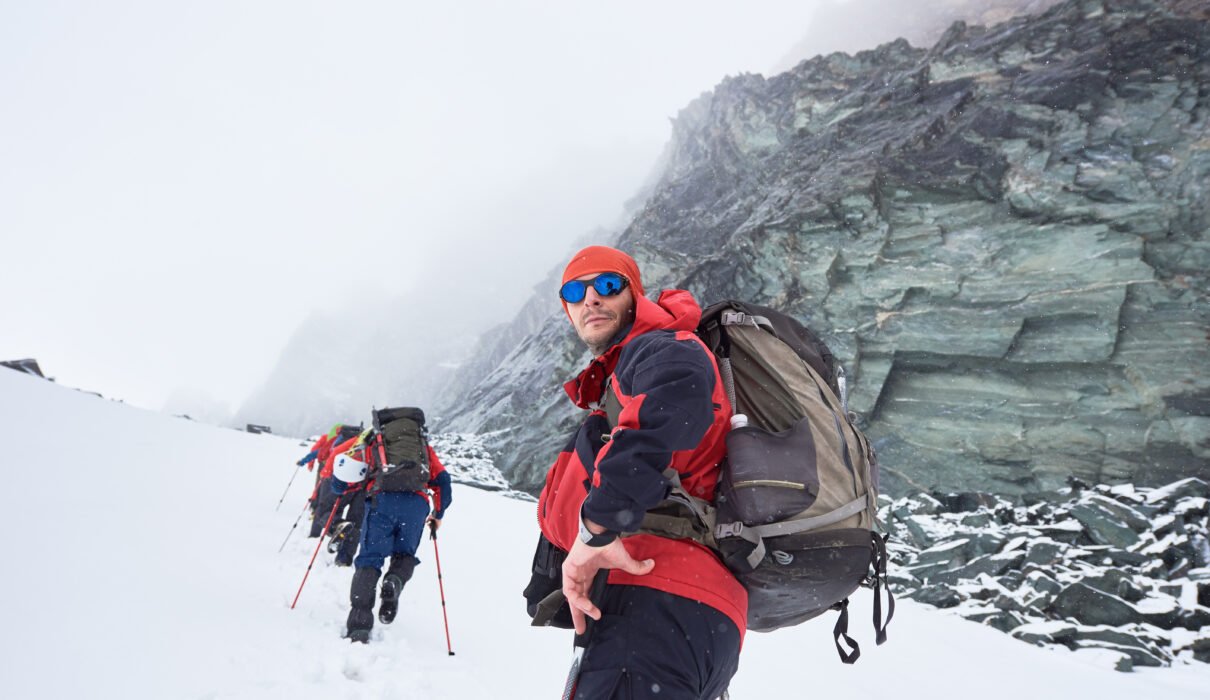
Cleaning and Conservation Efforts on Kilimanjaro are at the heart of protecting Africa’s highest mountain and one of the world’s most treasured natural landmarks. Rising above the plains of Tanzania, Mount Kilimanjaro is more than a climbing destination; it is a fragile ecosystem that supports unique wildlife, vital water sources, and local communities. As tourism grows and climate pressures increase, focused environmental action has become essential to safeguard this iconic peak for generations to come.
Recognized globally by organizations such as UN Environment Programme, IUCN, and World Wildlife Fund, mountain ecosystems like Kilimanjaro are considered highly sensitive to pollution and climate change. Scientific insights shared by National Geographic Environment and satellite data from NASA continue to highlight the urgent need for responsible tourism and long-term environmental planning.
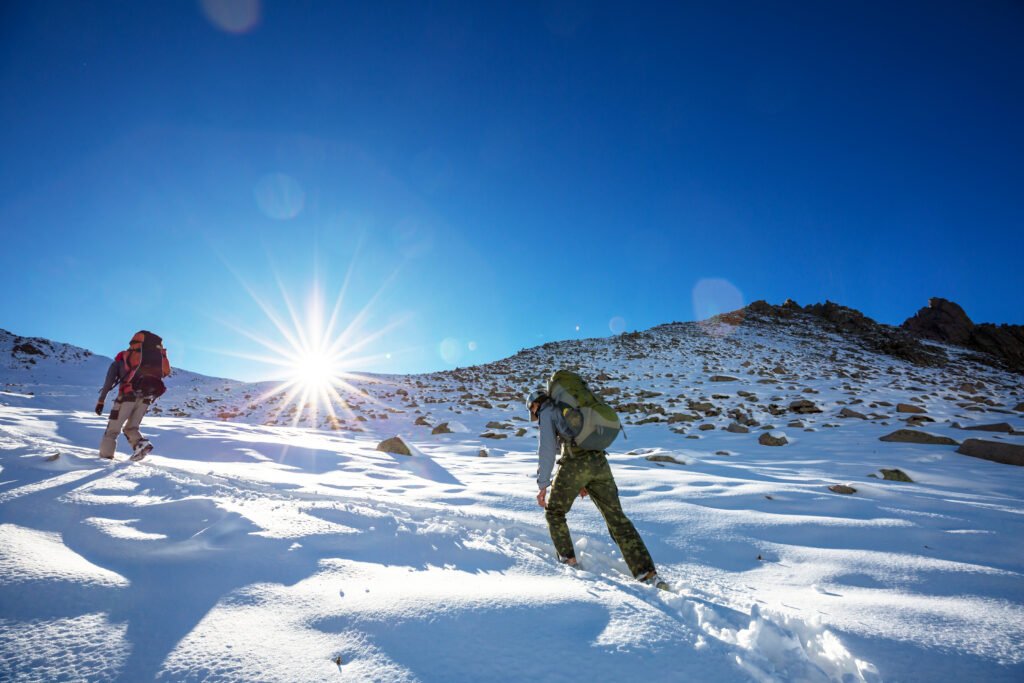
Why Cleaning and Conservation Efforts on Kilimanjaro Matter
Kilimanjaro is not just a mountain; it is a water tower that feeds rivers supporting agriculture and wildlife across northern Tanzania. According to research supported by the Food and Agriculture Organization and the World Health Organization, mountain water systems are critical for food security and public health. The forests on Kilimanjaro also store carbon, a key factor emphasized in global sustainability discussions by the United Nations Sustainable Development Goals.
The importance of Cleaning and Conservation Efforts on Kilimanjaro becomes clear when we consider the pressure from thousands of trekkers each year. Waste left behind, poorly managed campsites, and trail erosion can damage delicate alpine vegetation. The Tanzania National Parks Authority works closely with tour operators to enforce strict regulations, ensuring climbers follow “leave no trace” principles and carry waste back down the mountain.
Historical and ecological records, including those documented by Encyclopaedia Britannica, show that Kilimanjaro’s glaciers and forests have shifted over time. Ongoing environmental monitoring reported in journals like Nature, Science, and Proceedings of the National Academy of Sciences supports the need for consistent mountain stewardship.
Community Role in Cleaning and Conservation Efforts on Kilimanjaro
Local communities play a powerful role in Cleaning and Conservation Efforts on Kilimanjaro. Porters, guides, and park rangers are often the first line of defense against litter and environmental misuse. Conservation groups such as Conservation International, African Wildlife Foundation, and BirdLife International emphasize that community engagement is essential for long-term success.
Through awareness programs and responsible tourism training, local operators ensure visitors understand waste management, water protection, and wildlife respect. Many climbers who book through Eddy Tours & Safaris Kilimanjaro climbing packages are introduced to eco-friendly trekking practices before they even begin their ascent. This proactive approach reduces environmental impact and strengthens accountability.
Environmental Impact and Sustainable Practices
Cleaning and Conservation Efforts on Kilimanjaro also focus heavily on reforestation and habitat protection. Organizations like WWF Global and climate monitoring platforms such as NOAA Climate.gov underline the importance of restoring degraded forest areas to combat climate shifts. Satellite imagery from NASA Earth Observatory helps researchers track vegetation cover and glacier changes over time.
Forest protection programs are supported by data platforms like Global Forest Watch, which provide transparency in monitoring deforestation trends. By integrating such data, Cleaning and Conservation Efforts on Kilimanjaro remain grounded in science rather than guesswork, ensuring that every initiative is measurable and impactful.
Responsible trekking standards promoted by experts, including insights shared by Kilimanjaro Climb Specialist, encourage smaller group sizes, reusable equipment, and proper waste handling. Even simple habits, like avoiding single-use plastics and using designated toilet systems, contribute significantly to environmental preservation.
Challenges Facing Cleaning and Conservation Efforts on Kilimanjaro
Despite strong policies, Cleaning and Conservation Efforts on Kilimanjaro face ongoing challenges. Climate variability, population growth near the mountain, and increasing visitor numbers place strain on natural resources. Development research from the International Institute for Environment and Development and funding insights from the World Bank show that balancing economic growth with environmental protection requires continuous investment and collaboration.
Waste management logistics at high altitude remain complex. Transporting refuse down steep slopes demands coordination and discipline. Education campaigns often draw from biodiversity frameworks outlined by the Convention on Biological Diversity, reinforcing the idea that mountain ecosystems deserve strict protection measures.
Tour operators like Eddy Tours & Safaris responsible travel initiatives address these challenges by limiting environmental footprints and supporting ranger clean-up campaigns. Such partnerships strengthen Cleaning and Conservation Efforts on Kilimanjaro while maintaining high-quality travel experiences.
How Travelers Support Cleaning and Conservation Efforts on Kilimanjaro
Visitors have a direct impact on Cleaning and Conservation Efforts on Kilimanjaro. Choosing ethical operators, respecting park rules, and participating in clean-up drives make a measurable difference. Booking through Eddy Tours & Safaris Tanzania safaris ensures that your adventure aligns with environmental standards that prioritize conservation.
Travelers are encouraged to research credible information using reliable platforms like Google to verify conservation credentials and sustainability commitments. Many climbers also extend their support by contributing to tree-planting programs and community projects after their trek.
When guests follow guidelines, carry reusable bottles, and respect wildlife habitats, they actively strengthen Cleaning and Conservation Efforts on Kilimanjaro. These small yet meaningful actions protect the mountain’s fragile ecosystems and enhance the experience for future explorers.
Future of Cleaning and Conservation Efforts on Kilimanjaro
The future of Cleaning and Conservation Efforts on Kilimanjaro depends on collaboration between government authorities, conservation scientists, tour operators, and travelers. Long-term strategies focus on waste reduction technologies, improved trail design, and enhanced ranger training. Continued partnerships with reputable companies like Eddy Tours & Safaris ensure that tourism growth remains sustainable rather than destructive.
Innovation in renewable energy for camps, strict permit systems, and data-driven conservation planning are shaping a brighter outlook for the mountain. By integrating science, policy, and community action, Cleaning and Conservation Efforts on Kilimanjaro can remain resilient and adaptive to future environmental shifts.
Experience Kilimanjaro Responsibly
Choosing a responsible travel partner is one of the most powerful ways to support Cleaning and Conservation Efforts on Kilimanjaro. Whether you are planning your first summit attempt or combining your climb with wildlife exploration, working with ethical operators ensures your journey leaves a positive mark. You can explore customized itineraries or request guidance directly through Eddy Tours & Safaris contact page to plan a sustainable and memorable adventure.
Ultimately, Cleaning and Conservation Efforts on Kilimanjaro are about respect—respect for nature, for local communities, and for future generations. When conservation becomes part of the adventure, every step toward the summit contributes not only to personal achievement but also to environmental preservation.