
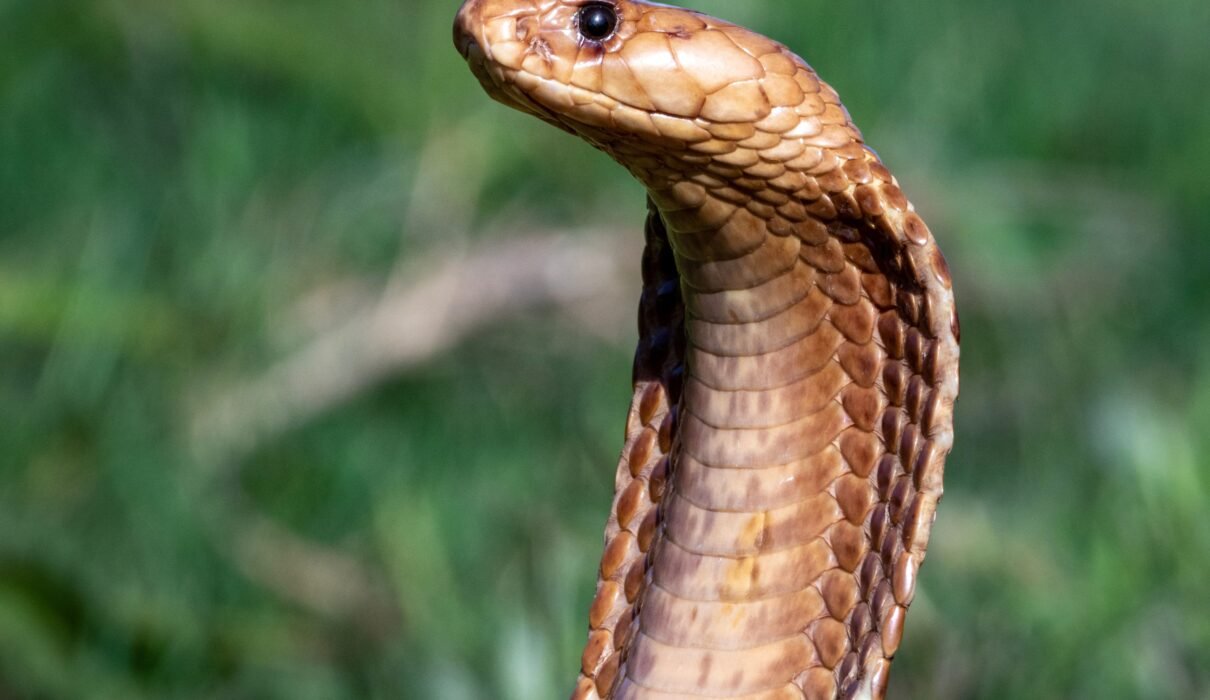
10 Largest Snakes in the World is a topic that sparks curiosity, awe, and sometimes fear. These incredible reptiles are among the most powerful and misunderstood creatures on Earth. From dense rainforests to winding rivers, these giants command respect in the ecosystems they call home. Understanding their size, behavior, and importance helps us appreciate their role in nature rather than fear them without reason.
Snakes have lived on our planet for millions of years, adapting perfectly to different climates and environments. Some grow to astonishing lengths, stretching far beyond what most people imagine possible. In this guide, we explore the biggest species ever recorded, their habitats, and the truth behind their legendary size.
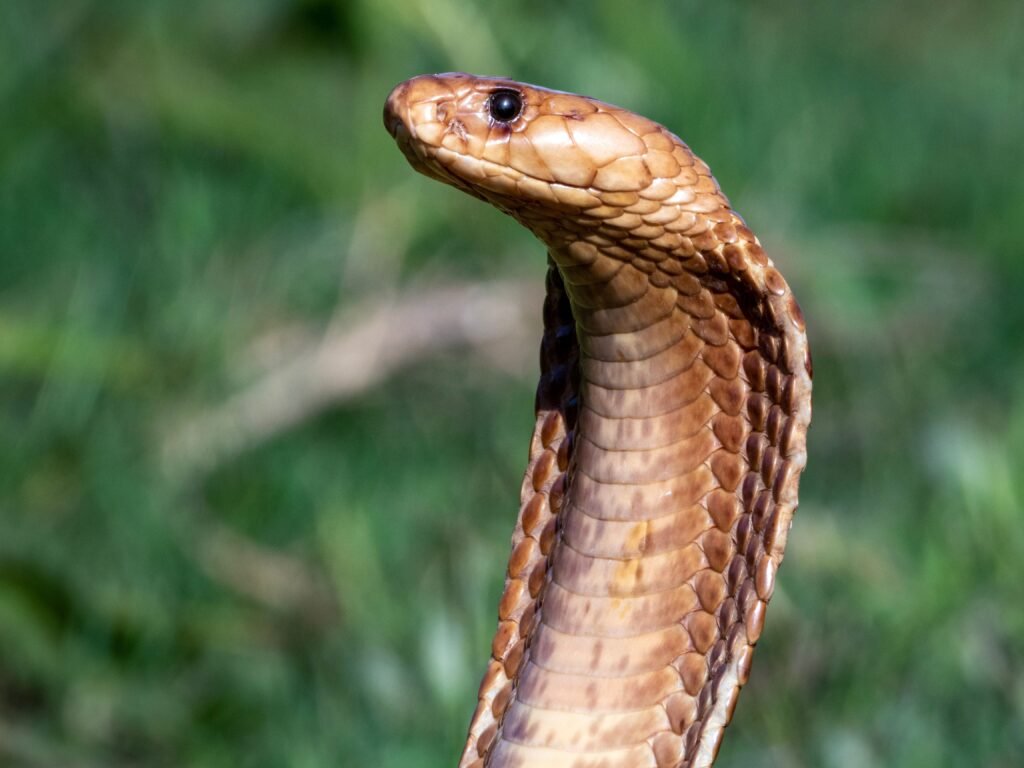
Why Size Matters in the World of Giant Snakes
Size plays a major role in how these reptiles hunt and survive. Larger species can overpower bigger prey, conserve energy efficiently, and dominate certain habitats. Unlike venomous snakes that rely on toxins, many of the largest species are constrictors, meaning they use muscle strength to subdue prey.
According to research shared by National Geographic, large constrictors evolved in tropical regions where food sources are abundant. Organizations like the World Wildlife Fund and the International Union for Conservation of Nature monitor many of these species due to habitat loss and illegal wildlife trade.
10 Largest Snakes in the World Ranked by Size
1. Green Anaconda
The Green Anaconda is widely considered the heaviest snake on Earth. Native to South America, it thrives in swamps and rivers. Reports from National Geographic Animals suggest individuals can exceed 30 feet in rare cases, though verified lengths are usually shorter. Conservation efforts are monitored by WWF UK.
2. Reticulated Python
The Reticulated Python is often recorded as the longest snake species. Found in Southeast Asia, it can stretch impressively long while remaining relatively slender compared to anacondas. Data collected by institutions like the Smithsonian Institution confirms their exceptional length.
3. Burmese Python
This powerful constrictor inhabits parts of Asia and has become invasive in certain regions. The United States Geological Survey studies their impact on ecosystems where they are not native.
4. African Rock Python
Africa’s largest snake, this species is strong and highly adaptable. The Africa Geographic platform provides detailed insights into its habitat and behavior.
5. Indian Python
Closely related to the Burmese Python, the Indian Python is protected in many areas. Research from Encyclopedia Britannica explains its ecological importance.
6. Amethystine Python
Also known as the Scrub Python, it is native to Australia and Papua New Guinea. Wildlife authorities like Australian Department of Climate and Environment monitor its conservation status.
7. Yellow Anaconda
Smaller than its green relative but still massive, this species lives in South American wetlands. Conservation data can be found through Global Biodiversity Information Facility.
8. Boa Constrictor
Popular in wildlife documentaries, the Boa Constrictor reaches impressive lengths and is studied by the Reptiles Magazine Research community.
9. King Cobra
Although not the heaviest, the King Cobra is the longest venomous snake in the world. Information from the Natural History Museum highlights its unique characteristics.
10. Gaboon Viper
Known for its heavy body and long fangs, the Gaboon Viper represents impressive size among venomous species. Research is supported by organizations such as University of Oxford.
Habitats and Global Distribution
The giants featured in the 10 Largest Snakes in the World mostly inhabit tropical and subtropical climates. Rainforests, wetlands, grasslands, and river systems provide abundant prey and suitable shelter. Environmental data from United Nations Environment Programme shows that habitat destruction threatens many of these ecosystems.
Protected areas supported by groups like Conservation International help preserve biodiversity, including these remarkable reptiles.
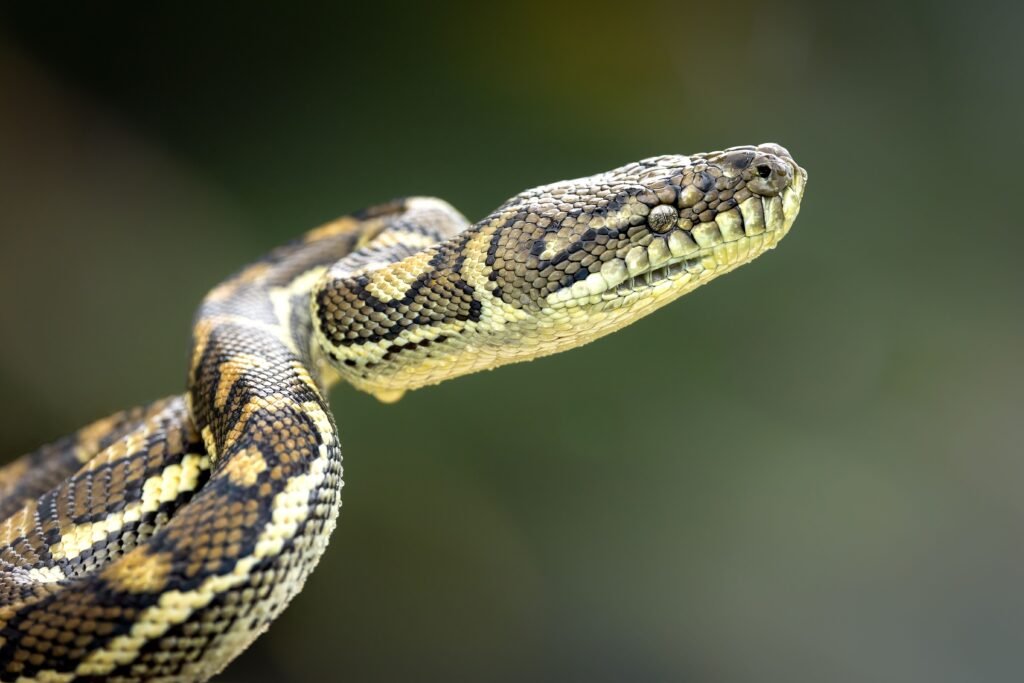
Myths and Truths About Giant Snakes
Stories about enormous snakes swallowing large animals or even humans often circulate online. While attacks are extremely rare, they do happen in exceptional circumstances. Scientific research published through Google Scholar shows that most large snakes avoid human contact whenever possible.
Education plays a crucial role in replacing fear with understanding. Institutions such as Harvard University and Stanford University contribute to wildlife research that informs conservation strategies.
Conservation and Responsible Travel
Many species listed among the 10 Largest Snakes in the World face threats from habitat destruction and illegal trade. Organizations like TRAFFIC Wildlife Trade Monitoring Network combat wildlife trafficking globally.
If you wish to explore wildlife responsibly, consider ethical safari providers. Learn more about conservation-focused travel at Eddy Tours & Safaris, where eco-conscious experiences connect travelers with Africa’s biodiversity.
For adventure enthusiasts interested in mountain trekking experiences, resources like Kilimanjaro Climb Specialist offer expert guidance rooted in safety and environmental respect.
Experience Wildlife Safely in Africa
Encountering large reptiles in the wild requires professional guidance and respect for nature. Plan your journey with trusted operators such as African Safari Tours, explore custom itineraries at Tanzania Safari Packages, or review wildlife adventures at Wildlife Safaris. You can also discover tailored travel options through Customized Safaris and contact experts directly via Contact Us.
Final Thoughts on the 10 Largest Snakes in the World
The 10 Largest Snakes in the World remind us how extraordinary nature can be. These powerful reptiles are not monsters but essential parts of their ecosystems. By supporting conservation, learning from reliable research institutions, and promoting responsible travel, we can ensure these giants continue to thrive in the wild.
Respect, education, and sustainable tourism are the keys to protecting these remarkable species for generations to come.