
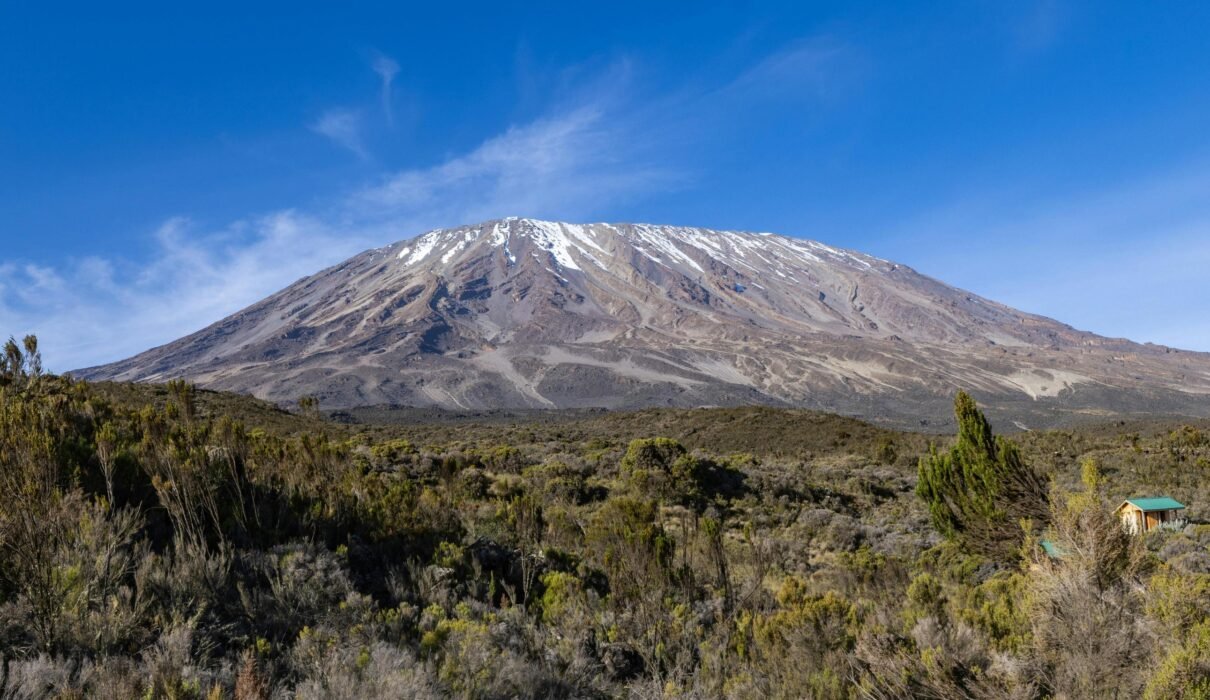
K2 vs Kilimanjaro: Difficulty Comparison is one of the most searched topics among adventure lovers who dream of standing on top of the world’s most iconic peaks. While both mountains are legendary, they are completely different in terms of terrain, risk, climate, and technical demands. Many travelers planning African safaris with Eddy Tours & Safaris often ask whether climbing Kilimanjaro feels anything like summiting K2. The honest answer is simple: they belong to two different worlds of mountaineering, and understanding these differences is essential before choosing your challenge.
K2 vs Kilimanjaro: Difficulty Comparison in Terms of Location and Elevation
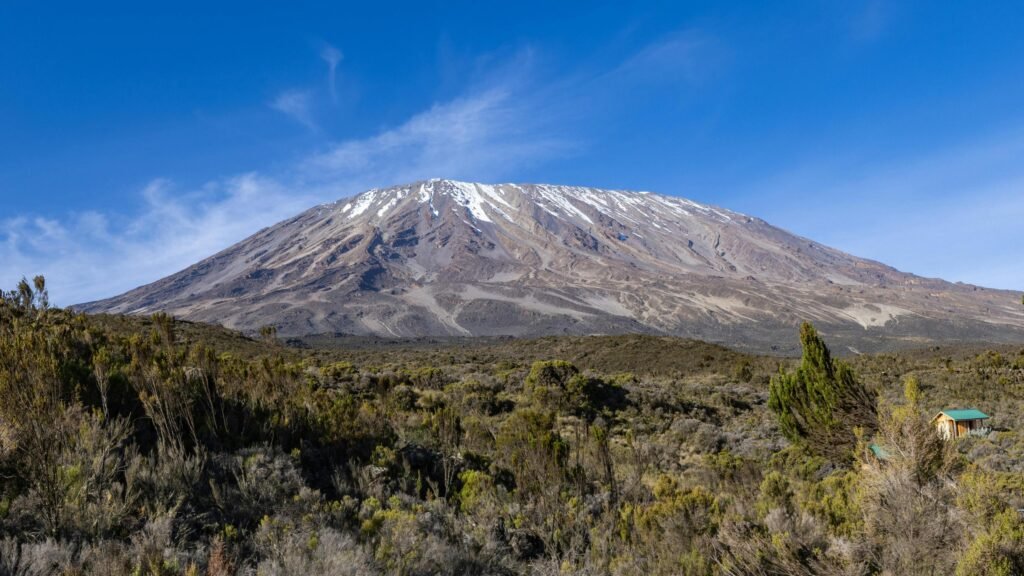
To understand K2 vs Kilimanjaro: Difficulty Comparison, we must first examine geography. K2 rises in the Karakoram Range between Pakistan and China and is recognized as the second-highest mountain on Earth at 8,611 meters. Kilimanjaro, located in Tanzania, stands at 5,895 meters and is Africa’s highest peak. Although Kilimanjaro is extremely high, it does not enter the so-called “death zone” above 8,000 meters, a term widely discussed by organizations such as NASA and the National Snow and Ice Data Center when explaining extreme altitude environments.
K2’s height places it among the world’s most dangerous mountains, with documented risks analyzed by the American Alpine Club and the Himalayan Database. In contrast, Kilimanjaro is classified as a non-technical trekking peak by Britannica. While altitude sickness remains a real concern on Kilimanjaro, information from the CDC and WHO confirms that gradual acclimatization greatly reduces serious risk. Elevation alone makes K2 dramatically more demanding than Kilimanjaro.
K2 vs Kilimanjaro: Difficulty Comparison in Technical Climbing Skills
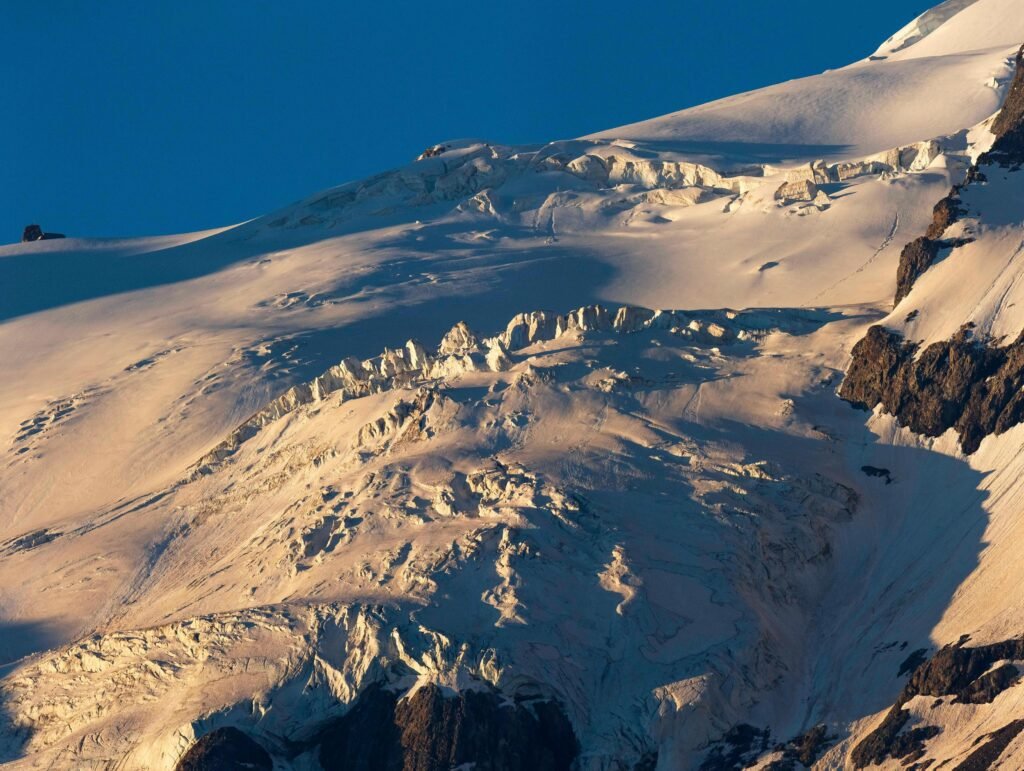
Another major factor in K2 vs Kilimanjaro: Difficulty Comparison is technical skill. K2 requires advanced mountaineering experience, including ice climbing, rope fixing, glacier travel, and navigating steep rock faces. Climbers often spend weeks training and coordinating logistics with alpine organizations like the Pakistan Alpine Club. The mountain’s notorious Bottleneck section involves vertical ice and exposure to falling seracs, which have been studied by researchers from the University Corporation for Atmospheric Research.
Kilimanjaro, on the other hand, is primarily a high-altitude hike. While it is physically demanding, no technical climbing equipment such as crampons or ropes is typically required on standard routes. According to National Geographic, thousands of trekkers reach the summit each year with the help of trained local guides. Reputable Tanzanian operators, including those featured on Eddy Tours & Safaris, focus on safety briefings and steady pace rather than advanced climbing maneuvers. This difference alone clearly separates the two mountains in terms of technical challenge.
Weather and Environmental Conditions
Weather plays a powerful role in K2 vs Kilimanjaro: Difficulty Comparison. K2 is infamous for unpredictable storms, jet stream winds, and freezing temperatures that can drop dramatically within hours. Climate patterns in high mountain systems are analyzed by the NOAA and highlighted in reports from the IPCC. Snow accumulation and avalanches remain constant threats, and rescue operations are extremely complex due to the remote terrain.
Kilimanjaro’s weather is far more stable and follows recognizable rainy and dry seasons managed by Tanzania’s authorities, including Tanzania National Parks. Although climbers encounter cold summit nights and occasional rain, the risks are manageable with proper gear. Environmental changes on Kilimanjaro have been studied by the Mountain Research Initiative, which shows glacier retreat but not the extreme avalanche hazards found on K2. Weather severity strongly favors Kilimanjaro as the safer option.
K2 vs Kilimanjaro: Difficulty Comparison in Fatality Rates and Risk
When discussing K2 vs Kilimanjaro: Difficulty Comparison, statistics reveal a stark contrast. K2 has historically recorded one of the highest fatality-to-summit ratios among major peaks. Data shared by the American Alpine Club and reviewed by researchers in journals such as Nature confirm that K2’s technical difficulty and extreme altitude significantly increase danger. Rescue operations are limited, and helicopter evacuations depend heavily on weather windows.
Kilimanjaro’s fatality rate is comparatively low. Most incidents relate to altitude sickness rather than technical accidents, and many are preventable with slow ascent schedules recommended by global health authorities like the WHO. Professional guiding services, including those promoted through Eddy Tours & Safaris, emphasize acclimatization days and hydration strategies. The difference in risk profile makes it clear that K2 remains in a league of its own.
Physical and Mental Endurance Requirements
Physical strength is vital in any K2 vs Kilimanjaro: Difficulty Comparison, yet the type of endurance differs greatly. K2 expeditions can last several weeks, requiring climbers to carry heavy loads between high camps while enduring extreme oxygen deprivation. Studies on high-altitude physiology conducted by institutions like the Royal Geographical Society explain how reduced oxygen impacts muscle recovery and decision-making ability.
Kilimanjaro climbs typically take less than ten days depending on the chosen route. While summit day is long and demanding, climbers return to lower camps quickly after reaching Uhuru Peak. Financial and logistical support from organizations such as the World Bank and the FAO has strengthened conservation and infrastructure around Kilimanjaro, improving safety standards for trekkers. Mentally, Kilimanjaro requires determination, but it does not demand the same prolonged psychological resilience required on K2.
Training and Preparation Differences
A realistic K2 vs Kilimanjaro: Difficulty Comparison must consider preparation. K2 climbers usually undergo years of mountaineering practice on smaller peaks before attempting the ascent. Training often includes glacier travel, technical rope systems, and emergency survival courses endorsed by alpine associations worldwide. Information about mountain safety can easily be researched through platforms like Google, but hands-on experience is irreplaceable for K2.
Kilimanjaro preparation focuses more on cardiovascular fitness and gradual altitude exposure. Many trekkers combine their climb with wildlife safaris arranged through Eddy Tours & Safaris, making it accessible to adventurous beginners. For specialized Kilimanjaro guidance, resources from Kilimanjaro Climb Specialist provide route insights and acclimatization advice. The preparation gap once again shows that K2 is designed for elite climbers, while Kilimanjaro welcomes determined trekkers.
Environmental and Conservation Considerations
Environmental responsibility is another angle in K2 vs Kilimanjaro: Difficulty Comparison. High-altitude ecosystems are fragile, and conservation efforts are supported by groups such as the World Wildlife Fund, the IUCN, and the UNEP. K2’s remote location limits tourism numbers but also complicates waste management and rescue logistics.
Kilimanjaro, as a UNESCO World Heritage Site recognized by UNESCO, benefits from structured park management. Tourism revenue contributes to conservation programs and local communities. Responsible operators listed on Eddy Tours & Safaris follow park regulations strictly, ensuring minimal environmental impact. Sustainable climbing practices are essential for both mountains, but Kilimanjaro’s organized system offers clearer guidelines for visitors.
Frequently Asked Questions
Is K2 harder than Kilimanjaro?
Yes, K2 is significantly harder due to extreme altitude, technical climbing sections, and severe weather conditions that demand advanced mountaineering expertise.
Can beginners climb Kilimanjaro?
Yes, physically fit beginners can climb Kilimanjaro with proper acclimatization and guidance from licensed operators.
Why is K2 considered more dangerous?
K2’s steep terrain, avalanche risk, and prolonged exposure to the death zone contribute to its higher fatality rate.
How long does it take to climb Kilimanjaro?
Most Kilimanjaro routes take between six to nine days depending on the itinerary and acclimatization schedule.
Do you need oxygen on K2?
Many climbers use supplemental oxygen on K2 due to extreme altitude, although some elite mountaineers attempt it without.
Which mountain is better for adventure travelers?
Kilimanjaro is ideal for adventure travelers seeking a challenging yet achievable summit, while K2 is suited only for highly experienced climbers.
Final Verdict on K2 vs Kilimanjaro: Difficulty Comparison
In the ultimate K2 vs Kilimanjaro: Difficulty Comparison, the conclusion is unmistakable. K2 stands as one of the most technically demanding and dangerous mountains in the world, reserved for seasoned mountaineers with extensive alpine experience. Kilimanjaro, though challenging and physically intense, remains accessible to determined trekkers who prepare properly and climb with responsible operators. For those seeking a life-changing summit without extreme technical risk, Kilimanjaro offers a powerful and rewarding journey. Understanding these differences ensures that climbers choose the mountain that matches their skill, ambition, and respect for nature.