
Planning a safari in Tanzania is exciting, but one of the first questions most travelers ask is, how much does a Serengeti safari cost? The answer depends on several things, including how long you want to stay, where you plan to sleep, the time of year you travel, and whether you prefer a private or group safari. Two travelers visiting Serengeti National Park for the same number of days may pay very different amounts because their accommodation, transport, and travel arrangements are not the same.
The Serengeti is one of Africa’s most famous wildlife destinations, known for its wide grasslands, large populations of wild animals, and the annual Great Wildebeest Migration. Visitors come to see lions, elephants, giraffes, zebras, cheetahs, leopards, and many other animals living in their natural environment. However, organizing a safari involves several expenses beyond simply paying for a hotel room and hiring a vehicle.
If you are planning a Tanzania safari in 2027, 2028, or 2029, understanding how safari prices are calculated will help you choose a package that matches your budget. It will also make it easier to compare quotations from different tour operators without overlooking important services such as park fees, accommodation, meals, and transportation.
At Eddy Tours & Safaris, we help travelers plan Tanzania wildlife safaris based on their preferred travel dates, accommodation standards, group sizes, and available budgets. In this guide, we explain the seven main factors that affect Serengeti safari costs and share practical ways to plan a good safari without spending more than necessary.
How Much Does a Serengeti Safari Cost?
The price of a Serengeti safari varies depending on the type of experience you choose. Budget camping safaris are generally the most affordable option, while mid-range safaris offer more comfortable accommodation and private facilities. Luxury safaris cost more because they often include high-end lodges, exclusive camps, premium services, and additional activities.
For general planning, the following figures provide a broad illustration of possible daily safari budgets. These are not confirmed prices from Eddy Tours & Safaris, and actual quotations may fall outside these ranges depending on the itinerary, travel season, number of travelers, and services included.
| Safari category | Illustrative cost per person per day | Typical accommodation |
|---|---|---|
| Budget safari | USD 200–350 | Public camping or simple accommodation |
| Mid-range safari | USD 350–600 | Comfortable lodges and tented camps |
| Luxury safari | USD 600–1,200 | Luxury lodges and premium tented camps |
| High-end luxury safari | USD 1,200+ | Exclusive camps and high-end safari properties |
These figures are intended for initial budgeting only. They should not be treated as current package offers or guaranteed rates for 2027–2029. A short private safari with only one traveler can cost considerably more per person than a longer trip shared by several people.
For an accurate quotation, travelers should provide their preferred travel dates, number of guests, accommodation category, and the parks they would like to visit.
1. Safari Duration: How Many Days You Spend in the Serengeti
The number of days you spend on safari is one of the biggest factors affecting the total cost. Every additional day may involve accommodation, meals, guide services, vehicle expenses, fuel, and park fees. This means a seven-day safari will normally have a higher total price than a three-day safari when the travel arrangements are otherwise similar.
However, a longer safari does not always mean that the daily cost increases at the same rate. Some fixed expenses, such as airport transfers or the long drive from Arusha to Serengeti, can be spread across more days. Spending additional time inside the park may also reduce the pressure to cover large distances quickly, allowing travelers to enjoy more game drives without constantly changing accommodation.
A three-day Serengeti safari can work for visitors with limited time, although road travel may take up a significant part of the itinerary. Four- and five-day safaris generally provide a more comfortable balance between travel and wildlife viewing. Travelers interested in visiting Serengeti alongside Ngorongoro Crater, Tarangire National Park, or Lake Manyara may prefer six to eight days, depending on how much time they want to spend in each destination.
For example, a traveler interested in a short wildlife holiday could request a three-day Serengeti itinerary, while someone visiting Tanzania for the first time might prefer a five- or seven-day safari covering several northern parks. The best duration depends on your available time, budget, and the kind of wildlife experience you want.
How Safari Duration Affects Your Budget
| Safari duration | Suitable for | Main cost consideration |
|---|---|---|
| 3 days | Travelers with limited time | Travel distance can reduce time available for game drives |
| 4 days | Short wildlife holidays | More time in the park with additional accommodation costs |
| 5 days | First-time safari travelers | Better balance between wildlife viewing and travel |
| 6–7 days | Visitors exploring several parks | More accommodation nights and park visits |
| 8 days or more | Travelers wanting a relaxed itinerary | Higher total cost but more time for wildlife viewing |
When comparing packages, pay attention to the number of nights spent inside or near the Serengeti rather than looking only at the total number of safari days.
2. Accommodation: Budget Camping, Mid-Range Lodges, or Luxury Camps
Accommodation is another major factor that determines the cost of a Serengeti safari. The park and surrounding areas offer different types of places to stay, ranging from public campsites to comfortable tented camps and luxury safari lodges. The accommodation category you choose can make a substantial difference to the final package price.
Budget camping is usually the most affordable option. Travelers sleep in tents at designated campsites, with meals prepared by the safari cook or support team according to the package arrangements. This option is popular among adventurous travelers who want to spend more time exploring Tanzania’s wildlife areas while keeping accommodation costs relatively low.
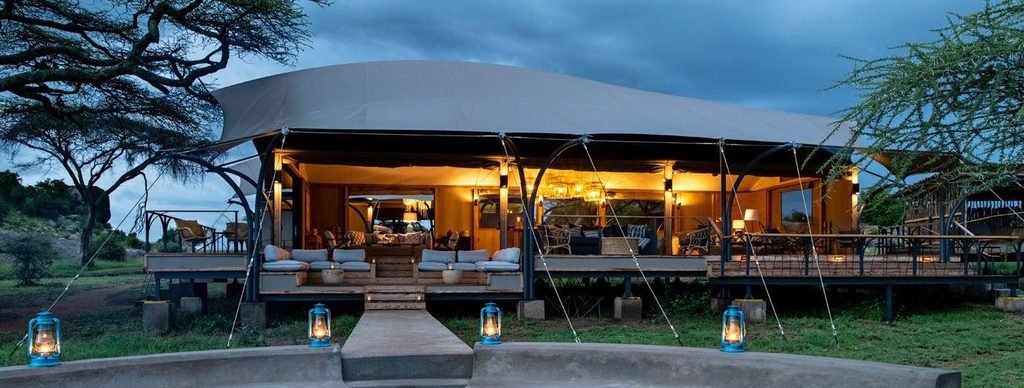
Mid-range safaris provide additional comfort through lodges or permanent tented camps. Depending on the property, guests may have private bathrooms, comfortable beds, dining facilities, and views of the surrounding landscape. Mid-range accommodation is often a good choice for couples, families, and first-time safari visitors who want a comfortable experience without paying luxury lodge prices.
Luxury safaris generally include higher-end accommodation, more spacious rooms or tents, premium dining, and additional guest services. Some properties are located in particularly attractive wildlife areas, while others offer more privacy or exclusive experiences. These benefits increase the cost, especially during periods of high demand.
Accommodation location also matters. A lodge inside Serengeti National Park may involve different fees and travel arrangements from a property outside the park. Staying closer to the areas you want to explore can reduce driving time, but the accommodation itself may be more expensive.
Which Accommodation Option Offers the Best Value?
There is no single accommodation category that is best for everyone. Budget camping is suitable for travelers who prioritize wildlife viewing over hotel facilities. Mid-range accommodation provides a balance between comfort and cost, while luxury camps are appropriate for travelers who want a more exclusive holiday.
If you want to reduce your safari expenses without sacrificing too much comfort, consider combining different accommodation categories. For example, you might stay in a comfortable lodge near Ngorongoro and choose a simpler tented camp during your Serengeti visit. Your tour operator can explain which combinations are practical for your travel dates.
3. Travel Season: When You Visit the Serengeti
The time of year you travel can affect both accommodation prices and the availability of safari services. The Serengeti is open throughout the year, but visitor demand changes between seasons. Popular travel periods often attract more visitors, and accommodation in sought-after locations can become more expensive.
June to October is generally a popular period because of relatively dry conditions and good wildlife viewing opportunities. July to September is especially attractive to travelers hoping to see the Great Wildebeest Migration in the northern Serengeti. However, the exact location of migrating animals changes with rainfall and grazing conditions, so no operator can guarantee a river crossing or a particular wildlife sighting.
January to March is another important period for migration-focused safaris, particularly around the southern Serengeti ecosystem and Ndutu area, where wildebeest calving commonly occurs. Travelers interested in seeing young animals and predator activity often consider this season. Accommodation demand can increase in areas close to the herds, particularly during the busiest weeks.
April and May are generally associated with the long rainy season in northern Tanzania. Some accommodations offer lower seasonal rates during quieter periods, although heavy rainfall can affect road conditions and the overall safari experience. November and December can also bring seasonal rain, but wildlife viewing remains possible throughout the year.
Serengeti Safari Seasons and Pricing
| Travel period | General conditions | Typical effect on safari prices |
|---|---|---|
| January–March | Southern migration and calving season | High demand in some migration areas |
| April–May | Long rainy season | Potential accommodation discounts |
| June–October | Generally drier conditions | Often higher demand and rates |
| November–December | Short rains and changing migration movements | Prices vary by location and holiday dates |
Travelers with flexible schedules may find better value by visiting during quieter periods or avoiding the busiest holiday weeks. However, lower accommodation prices should always be balanced against weather conditions and the wildlife experience you want.
4. Number of Travelers: Private Safari or Group Safari
The number of people traveling together has a direct effect on the price per person. A private safari vehicle, professional guide, fuel, and certain transport expenses are usually shared among the travelers using that vehicle. When more people share these costs, the price per person can decrease.
For example, a couple booking a private safari generally pays more per person than a family or group of four sharing a suitable vehicle. The vehicle and guide may be required for the same number of days, but the cost is divided among fewer people. This is why safari quotations often change when the number of travelers changes.
Group joining safaris can be another way to reduce costs. Instead of booking an entire vehicle for yourself, you join other travelers following a similar itinerary. This arrangement may be suitable for solo travelers or couples who want a more affordable option and do not mind sharing the safari experience with other guests.
Private safaris offer greater flexibility because the itinerary can be arranged around your interests. Families with children, photographers, and travelers who want to spend longer observing particular animals may prefer a private vehicle. Group safaris are generally more structured because the guide must consider the interests and schedule of everyone traveling together.
Private Safari Versus Group Safari
| Feature | Private safari | Group safari |
|---|---|---|
| Vehicle | Reserved for your party | Shared with other travelers |
| Itinerary | More flexible | Usually follows a set schedule |
| Cost for solo travelers | Often higher | Can be more affordable |
| Wildlife viewing | More control over stops | Shared decisions |
| Best suited for | Couples, families, private groups | Solo travelers and budget-conscious visitors |
Before booking a group safari, confirm the maximum number of passengers, vehicle seating arrangements, luggage allowance, and accommodation-sharing conditions.
5. National Park Fees and Government Charges
National park fees are an important part of the total Serengeti safari cost. These charges help support protected-area management, conservation activities, and tourism facilities. They are normally calculated according to the applicable visitor category, age, length of stay, and other relevant arrangements.
For international travelers, park fees can represent a significant portion of the safari budget, particularly when the itinerary includes several nights in Serengeti National Park. The amount payable may also differ depending on whether you are an East African citizen, a resident, or a non-resident visitor.
In addition to entry fees, some itineraries involve camping fees, concession fees, vehicle-related charges, or other applicable costs. A safari that includes Ngorongoro Crater may also involve conservation-area entry fees and a separate vehicle charge for descending into the crater. These expenses should be clearly explained in the package quotation.
Government tariffs may change, so travelers planning safaris in 2027, 2028, or 2029 should not rely on old prices found in blog posts. The most reliable approach is to confirm the applicable charges through the official Tanzania National Parks Authority and request an updated quotation from the safari operator.
Why Park Fees Matter When Comparing Safari Prices
Two safari companies may advertise packages with very different prices because their quotations do not include the same services. One package might include all park entry and accommodation-related government charges, while another may list certain fees separately.
Before choosing a safari, ask whether the quoted price includes Serengeti entry fees, accommodation-related fees, applicable Ngorongoro charges, and any additional activities you have requested. A lower advertised price is not necessarily better value if important expenses must be paid later.
6. Transportation: Road Safari or Fly-In Safari
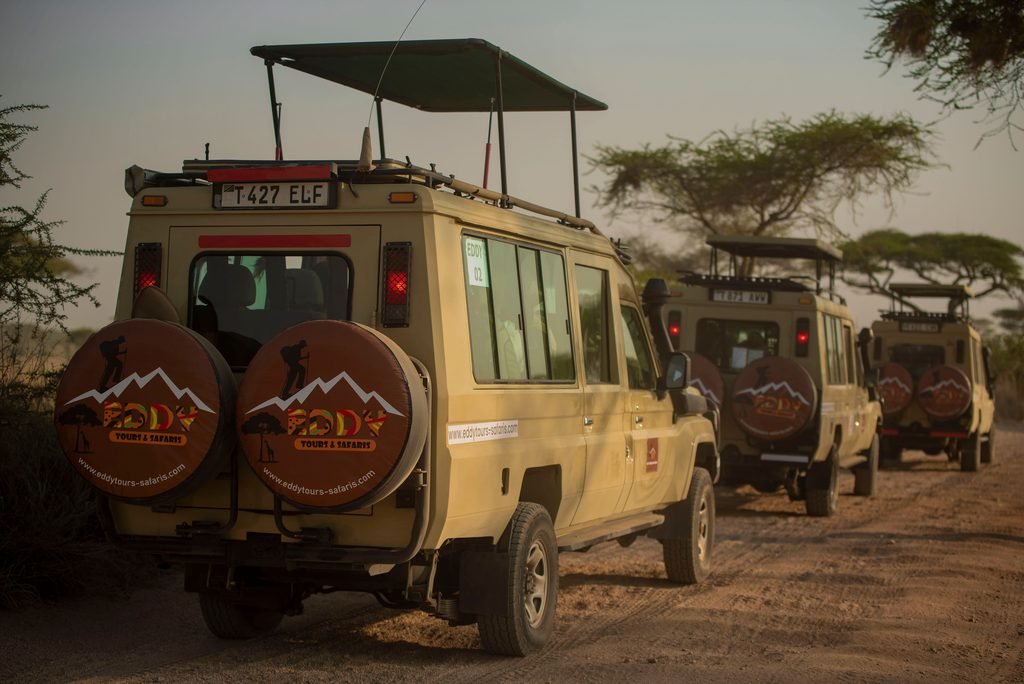
Transportation can make a considerable difference to the total cost of a Serengeti safari. Most northern Tanzania road safaris begin in Arusha, with travelers using a specially equipped safari vehicle to reach the national parks. The drive to Serengeti is relatively long, but it allows visitors to see different landscapes along the way and can be combined with visits to other destinations.
A road safari is often more affordable than a fly-in safari because the main transport cost is shared through the vehicle and guide arrangements. It also provides flexibility for visiting Tarangire, Ngorongoro, and other destinations during the same trip. However, travelers should understand that long driving distances can reduce the amount of time available for game viewing on arrival and departure days.
Fly-in safaris use scheduled or charter flights to reach airstrips in or near the Serengeti. This can reduce travel time and may be particularly useful for travelers staying in remote areas or those with limited holiday time. However, domestic flights add to the total package cost, and travelers may still require separate ground transport and game-drive arrangements after landing.
For many first-time visitors, a road safari covering Serengeti and Ngorongoro offers a practical balance between cost and experience. Travelers who want to visit the northern Serengeti during the migration season or avoid long road journeys may find that a fly-in safari better suits their plans.
Road Safari Versus Fly-In Safari
| Transport option | Main advantage | Main consideration |
|---|---|---|
| Road safari | Usually more economical | Longer travel times |
| Fly-in safari | Reduces time spent traveling | Higher transport costs |
| Road and flight combination | Flexible itinerary design | Requires careful scheduling |
| Private charter | Greater flexibility | Often significantly more expensive |
When requesting a quotation, confirm whether the price includes airport transfers, domestic flights, safari vehicle services, fuel, and all required transport between accommodations.
7. Additional Activities and Personal Preferences
The final factor affecting your Serengeti safari cost is the number of optional activities and personal services you choose to include. A standard safari usually focuses on game drives, but some travelers want to add activities that make their holiday more personal. These experiences can increase the final cost because they require separate arrangements, additional staff, special permits, or extra transport.
A hot-air balloon safari is one of the best-known optional activities in the Serengeti. Balloon flights normally take place early in the morning and provide an aerial view of the surrounding landscape. Prices vary according to the operator, location, and applicable fees, so this activity should be quoted separately rather than assumed to be part of a standard safari package.
Other optional arrangements may include cultural visits, photography-focused guiding, special celebrations, upgraded accommodation, or private transfers. Travelers may also choose to extend their holiday with additional national parks or a beach stay in Zanzibar. Each addition affects the total cost according to the services required.
Personal expenses should also be considered. Tips for the safari guide and lodge staff, travel insurance, visa fees, alcoholic drinks, souvenirs, and certain hotel services may not be included in the main package price. Planning a small additional budget for these expenses can help avoid surprises during the trip.
Example Serengeti Safari Budgets for Different Travel Styles
The following table illustrates how different safari choices can affect the overall budget. These are broad planning examples rather than fixed package prices.
| Safari option | Duration | Travel style | Illustrative budget per person |
|---|---|---|---|
| Short budget safari | 3 days | Shared or economical arrangements | USD 600–1,050 |
| Mid-range Serengeti safari | 4 days | Comfortable accommodation | USD 1,400–2,400 |
| Mid-range multi-park safari | 5 days | Serengeti and nearby parks | USD 1,750–3,000 |
| Luxury wildlife safari | 5 days | Premium lodges and private arrangements | USD 3,000–6,000+ |
| Extended Tanzania safari | 7 days | Multiple parks and accommodation nights | Varies significantly by travel style |
Actual prices may be higher or lower depending on the departure point, number of travelers, accommodation, season, and included services. These examples should not be used as confirmed offers for future travel years.
How to Save Money on a Serengeti Safari Without Missing the Best Experiences
Saving money on a Serengeti safari does not necessarily mean choosing the shortest itinerary or the cheapest accommodation. In many cases, better value comes from selecting a well-planned route that avoids unnecessary driving, choosing suitable accommodation, and traveling with a group size that allows transport expenses to be shared.
One useful approach is to travel with friends or family members. Sharing a private safari vehicle among four or more travelers can reduce the per-person transport cost while allowing everyone to enjoy the flexibility of a private itinerary. This can be particularly helpful for families who want to decide how long to spend at wildlife sightings or when to return to their accommodation.
Another option is to choose mid-range accommodation instead of luxury lodges. Many comfortable tented camps provide private facilities, good meals, and convenient access to wildlife areas without the higher prices associated with premium properties. Budget camping can also be an excellent choice for travelers who are comfortable with simpler facilities.
Travel dates can make a difference as well. If you are flexible, consider periods outside the busiest migration and holiday seasons. Accommodation rates may be more competitive, and some areas can have fewer visitors. However, remember that wildlife movements depend on natural conditions, so selecting a cheaper travel period should not be based on unrealistic expectations about where animals will be found.
Finally, request a complete quotation rather than comparing advertised starting prices. A package that includes accommodation, park fees, meals, transport, and guide services may provide better value than a cheaper offer with several exclusions.
Is a Serengeti Safari Worth the Cost?
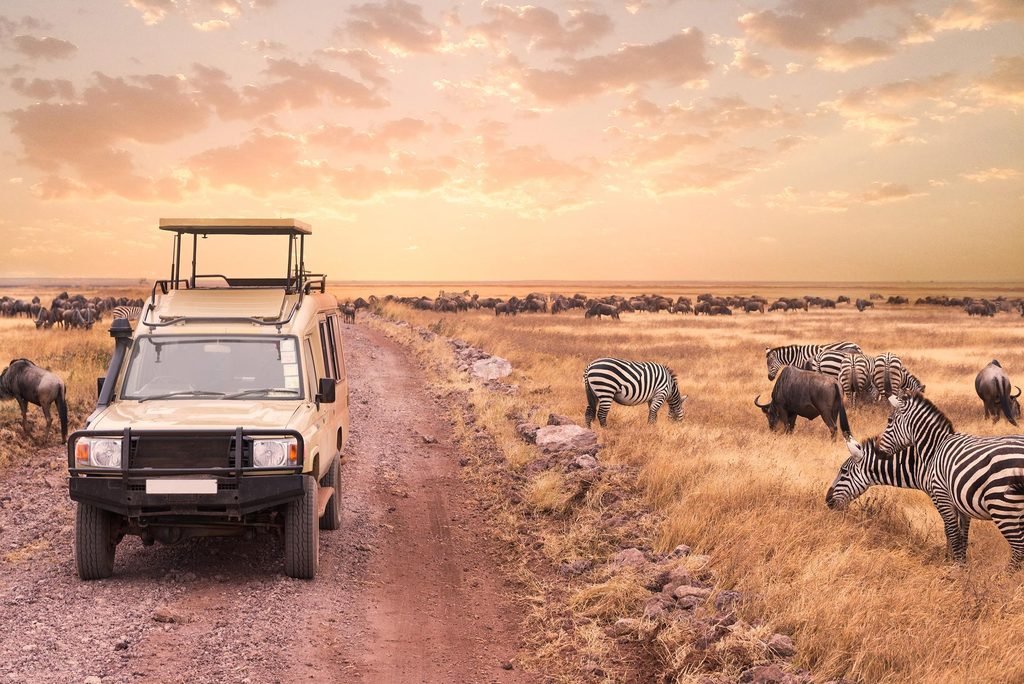
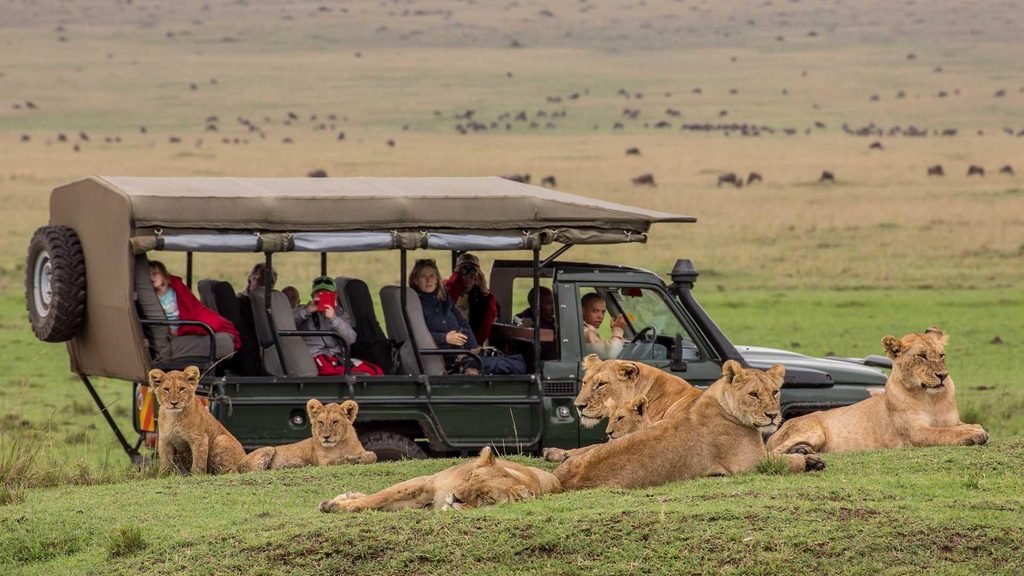
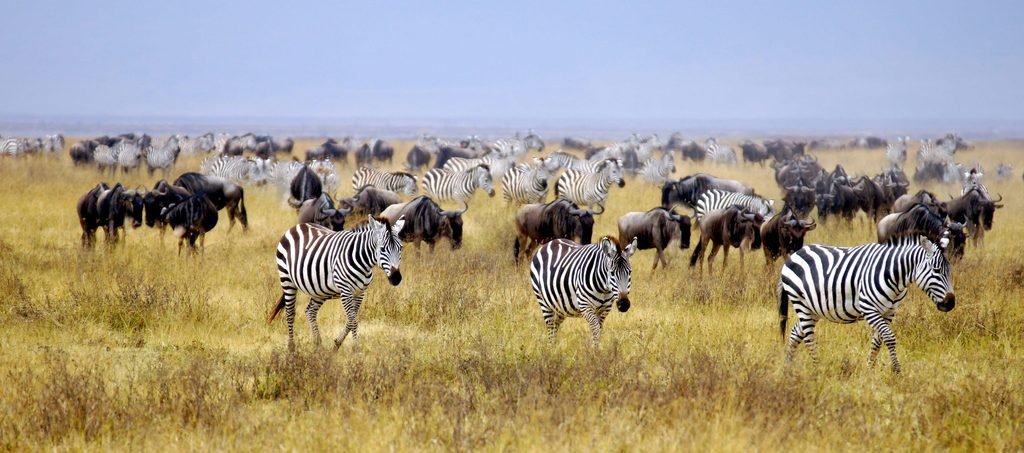
For many travelers, visiting the Serengeti is one of the main reasons for coming to Tanzania. The park offers opportunities to observe wildlife in a large natural environment, from lion prides resting in the grass to elephant families moving across open plains. Depending on the season and location, visitors may also encounter large herds of wildebeest and zebras during their annual migration.
A Serengeti safari can be expensive because it involves operating a vehicle in a remote protected area, employing experienced guides, maintaining accommodation, and paying conservation-related charges. These expenses support the practical arrangements required to visit the park and contribute to its ongoing management.
The value of a safari depends on your expectations. Travelers who want to spend several days observing wildlife may find that a longer mid-range safari provides better value than a short luxury trip. Others may prefer fewer days with premium accommodation and additional comfort. The important thing is to choose a package that matches your interests rather than paying for services you do not need.
What Should a Serengeti Safari Package Include?
A standard guided Serengeti safari commonly includes transport in a safari vehicle, services of a professional driver-guide, accommodation, meals according to the itinerary, and applicable park fees. Drinking water during game drives may also be included, depending on the operator. However, the exact arrangements vary between packages, so travelers should always request written confirmation.
Services that are often excluded include international flights, Tanzania visa fees, travel insurance, tips, alcoholic drinks, personal purchases, and optional activities such as balloon safaris. Domestic flights may also be excluded unless the itinerary specifically includes a fly-in arrangement.
Before paying a deposit, confirm the accommodation names or categories, the number of nights in each location, the planned park visits, and the transport arrangements. This will help you understand what you are purchasing and make it easier to compare different quotations fairly.
Frequently Asked Questions About Serengeti Safari Costs
1. How much does a Serengeti safari cost per person?
The cost depends on the safari duration, accommodation, travel season, transport, and group size. Budget trips may cost a few hundred dollars per person per day, while luxury safaris can cost considerably more.
2. What is the cheapest way to visit the Serengeti?
A shared group safari with budget camping is often one of the more affordable ways to visit.
3. Is a private Serengeti safari expensive?
A private safari generally costs more per person for solo travelers and couples, but the cost can decrease when several people share the same vehicle.
4. How much does a three-day Serengeti safari cost?
The price depends on the departure point, transport, accommodation, and group size. Request a detailed quotation rather than relying on a single advertised figure.
5. Is a five-day Serengeti safari worth it?
Yes. Five days can provide a good balance between travel time, game drives, and visits to nearby destinations, depending on the itinerary.
6. Why are luxury Serengeti safaris expensive?
Luxury safaris may include premium accommodation, exclusive locations, additional guest services, and more expensive transport arrangements.
7. Are Serengeti park fees included in safari packages?
Many organized safari packages include park fees, but travelers should confirm this in writing.
8. Does the safari price include accommodation?
Accommodation is commonly included in guided packages, although the exact type and number of nights depend on the itinerary.
9. Is Serengeti more expensive during the Great Migration?
Accommodation in popular migration areas can be more expensive during periods of high demand.
10. When is the cheapest time to visit Serengeti?
Some accommodation providers offer lower rates during quieter or wetter periods, particularly around April and May.
11. Can I visit Serengeti on a budget?
Yes. Budget camping, shared transport, and careful itinerary planning can help reduce costs.
12. Is a road safari cheaper than flying?
Road safaris are often more economical, although the total cost depends on the itinerary and group size.
13. How much does a fly-in Serengeti safari cost?
Fly-in safaris vary widely because domestic flights, accommodation, and ground services are priced separately or combined in different ways.
14. Does the number of travelers affect safari prices?
Yes. Sharing a vehicle and guide among several travelers can reduce the cost per person.
15. Are children charged the same safari price as adults?
Not always. Some park fees and accommodation rates vary by age, so family quotations should include the children’s ages.
16. Is Ngorongoro Crater included in a Serengeti safari?
Some itineraries include Ngorongoro Crater, while others focus entirely on the Serengeti.
17. Does visiting Ngorongoro increase the safari cost?
Yes. Additional conservation-area fees, crater-related charges, transport, and accommodation may apply.
18. How much should I budget for tips?
Tips vary according to the length of the safari, group size, and services received. Ask your operator for guidance before departure.
19. Is a balloon safari included in the package price?
Usually not unless it is specifically listed as an included activity.
20. Can I combine Serengeti with Tarangire National Park?
Yes. Many northern Tanzania safari itineraries include both destinations.
21. Is Serengeti suitable for families?
Yes. Families can choose private safaris with suitable accommodation and travel arrangements.
22. Can I book a Serengeti safari for 2027?
Yes. You can request a quotation for your preferred dates, subject to availability and confirmation.
23. Can I plan a Serengeti safari for 2028 or 2029?
Yes. Early planning is possible, but future accommodation rates, park fees, and availability must be confirmed.
24. Can I customize my Serengeti safari itinerary?
Yes. Private safaris can often be adjusted according to your preferred parks, accommodation, travel dates, and available time.
25. How do I get an accurate Serengeti safari quotation?
Provide your travel dates, number of guests, preferred accommodation category, and the number of safari days you want.
Plan Your Serengeti Safari with Eddy Tours & Safaris
The final cost of a Serengeti safari depends on seven main factors: trip duration, accommodation, travel season, group size, park fees, transportation, and optional activities. Understanding these expenses makes it easier to choose a safari that fits your budget without overlooking important services.
A budget safari can provide an enjoyable wildlife experience for travelers who are comfortable with simple accommodation, while a mid-range safari offers additional comfort at a moderate price. Luxury safaris are suitable for visitors who prefer premium lodges, private arrangements, and extra services. Whatever your budget, the most important thing is to select a well-planned itinerary that allows enough time for wildlife viewing.
At Eddy Tours & Safaris, we organize Tanzania wildlife safaris for couples, families, friends, and private groups. Whether you want a short Serengeti trip, a longer safari covering several national parks, or a holiday combining wildlife viewing with Zanzibar, our team can help you prepare a suitable itinerary.
Request Your Serengeti Safari Quotation
Chat with Eddy Tours & Safaris on WhatsApp
Email: sales@eddytours-safaris.com
Tell us your preferred travel dates, number of travelers, and safari budget, and we can help you explore suitable options for your Tanzania holiday.