
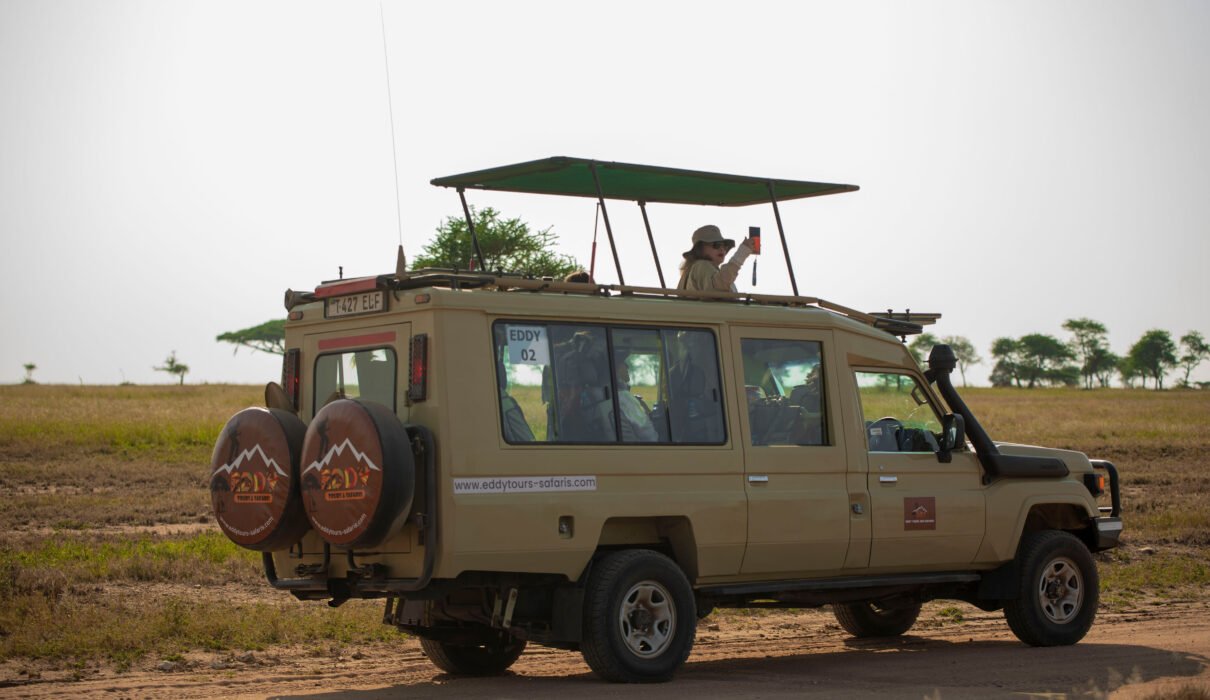
Tanzania Adventure Cost Guide – 9 Essential Travel Budget Truths is the complete breakdown every traveler needs before planning a safari, mountain climb, or beach escape in this extraordinary East African destination. Understanding real expenses, hidden charges, park fees, conservation costs, and seasonal price shifts helps you avoid surprises and travel with confidence. Tanzania offers breathtaking wildlife, world-class national parks, and vibrant culture, but smart budgeting is the key to unlocking the best experience without overspending.
This detailed guide explores actual safari rates, park entry structures, accommodation categories, transport costs, tipping expectations, and conservation contributions backed by global organizations such as World Wildlife Fund, IUCN, and UN Environment Programme. With insights supported by research institutions like National Geographic and Smithsonian Institution, this article ensures your planning is based on reliable knowledge
Tanzania Adventure Cost Guide – 9 Essential Travel Budget Truths About Safari Pricing
The largest portion of your Tanzania travel budget goes toward safari experiences. National park fees, which are regulated by the Tanzania National Parks Authority, form the foundation of pricing. Conservation fees are structured to protect ecosystems supported by groups like African Parks and Conservation International. These fees vary depending on the park, season, and whether you are visiting premium locations such as Serengeti or Ngorongoro.
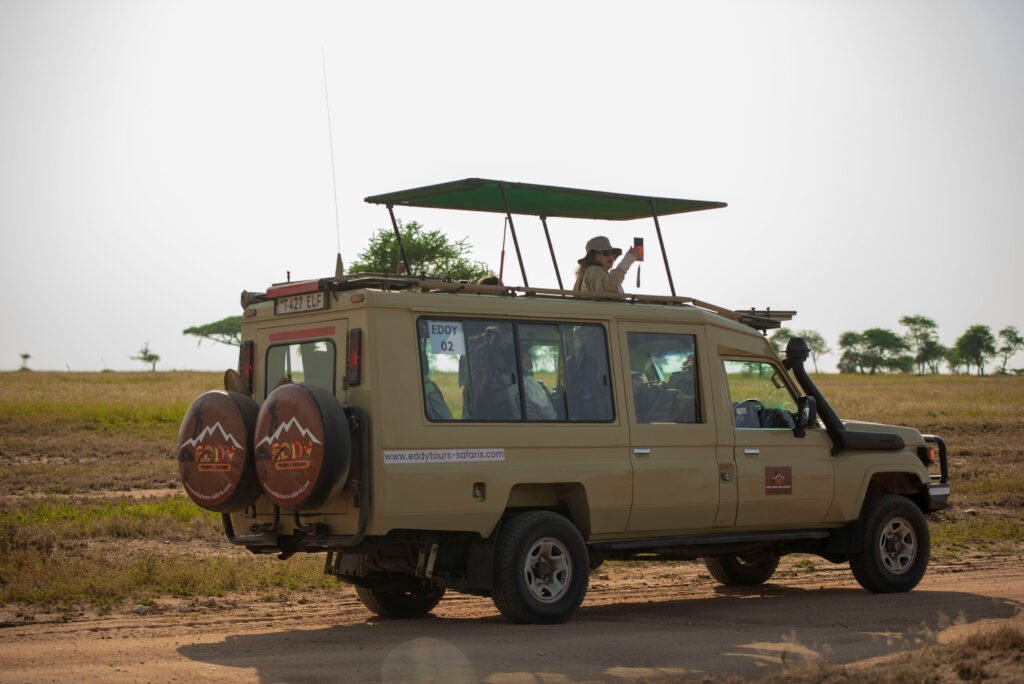
Budget safaris typically range lower by using shared vehicles and standard lodges, while luxury safaris include private guides, high-end tented camps, and charter flights. Research from World Bank tourism studies highlights that infrastructure and conservation funding directly influence operational costs, which explains the variation in daily rates. Choosing a trusted local operator such as Eddy Tours & Safaris ensures transparency and value for money.
Accommodation Categories and Their Real Impact
Accommodation ranges from public campsites to ultra-luxury lodges. Mid-range lodges balance comfort and affordability, often offering full-board packages that simplify budgeting. Luxury tented camps provide premium service, solar-powered facilities, and curated dining experiences, aligning with sustainability standards promoted by Rainforest Alliance. While the price gap may seem wide, the Tanzania Adventure Cost Guide – 9 Essential Travel Budget Truths reminds travelers that comfort level directly affects total daily expenditure.
Transportation and Logistics Explained Clearly
Transport costs depend on whether you fly internationally into Kilimanjaro or Julius Nyerere International Airport, and whether you take domestic flights to remote parks. Aviation safety standards monitored globally by International Civil Aviation Organization influence charter pricing. Road transfers are generally more economical but can increase travel time. Reliable operators like Eddy Tours Safari Packages provide cost-effective routing that reduces unnecessary internal flights.
Climbing Mount Kilimanjaro is another significant budget item. Regulations and porter welfare policies supported by Kilimanjaro Porters Assistance Project ensure ethical climbs. Professional climb coordination from Kilimanjaro Climb Specialist shows how structured packages combine permits, guides, rescue fees, and camping equipment into a transparent rate. The Tanzania Adventure Cost Guide – 9 Essential Travel Budget Truths emphasizes that ethical operations may cost slightly more but deliver greater safety and fairness.
Park Fees, Conservation Charges, and Why They Matter
Every visitor contributes to conservation funding. Entry fees, crater service charges, and concession fees directly support wildlife protection initiatives studied by Wildlife Conservation Society and African Wildlife Foundation. These funds help sustain anti-poaching units, habitat monitoring, and research collaborations with institutions like The Nature Conservancy. When analyzing your budget, remember that these costs are investments in preserving Tanzania’s biodiversity.
According to data available through World Bank Data, conservation-based tourism significantly contributes to Tanzania’s economy. Therefore, the Tanzania Adventure Cost Guide – 9 Essential Travel Budget Truths encourages travelers to view park fees not as hidden charges but as meaningful contributions.
Seasonal Pricing and Smart Timing
High season corresponds with peak wildlife migration viewing, while low season offers discounted lodge rates. Weather data accessible via NOAA and climate studies from NASA Climate help predict travel conditions. Booking during shoulder seasons can reduce accommodation and transport costs significantly. Operators like Serengeti Safari Experts often provide flexible pricing during quieter months.
Food, Tipping, and Cultural Considerations
Most safari packages include full-board meals, but tipping remains customary. Guides, drivers, and porters rely on gratuities as part of their income structure. Economic research from International Monetary Fund highlights how tourism wages integrate tipping systems in developing economies. Planning a daily tipping budget avoids last-minute stress and ensures fair recognition of service excellence.
Local cuisine and cultural experiences also add value to your trip. Visiting community projects supported by UNESCO initiatives enhances understanding while supporting sustainable tourism. The Tanzania Adventure Cost Guide – 9 Essential Travel Budget Truths advises allocating a small amount for cultural tours to enrich your adventure.
Hidden Costs You Should Never Ignore
Visa fees, travel insurance, vaccinations, and emergency evacuation coverage can increase your total budget. Health guidance from World Health Organization and travel advisories found through CDC help estimate necessary medical preparations. Comprehensive travel insurance providers often align with global safety standards promoted by Red Cross.
Internet access, souvenirs, and optional balloon safaris are additional costs many travelers forget to include. Comparing options via trusted search platforms such as Google allows price transparency before booking. Consulting experienced planners at Eddy Tours Contact Page helps clarify every potential expense in advance.
Budget Breakdown Example for Clarity
A mid-range seven-day safari typically includes park fees, accommodation, guide services, meals, and vehicle hire. Additional elements such as domestic flights, tips, and insurance should be added separately. Studies from Brookings Institution indicate that structured tourism planning reduces overspending by improving allocation clarity. The Tanzania Adventure Cost Guide – 9 Essential Travel Budget Truths demonstrates that organized packages often deliver better value than independent planning.
Why Booking With a Trusted Local Operator Saves Money
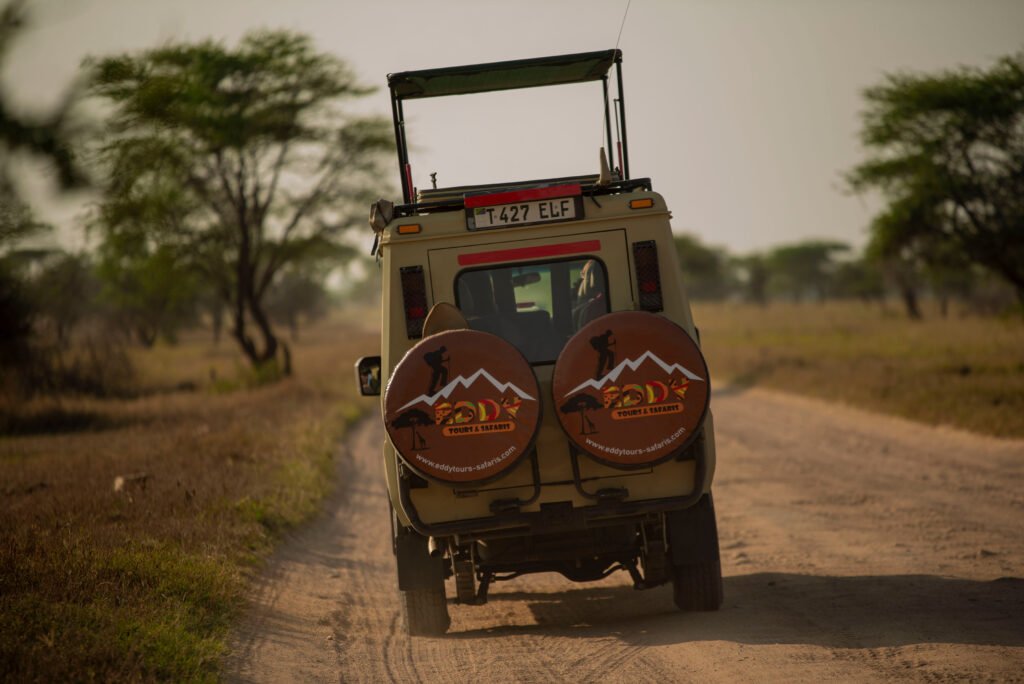
Working with reputable companies reduces logistical errors and unexpected fees. Transparent providers like About Eddy Tours negotiate better lodge rates and ensure compliance with conservation standards outlined by WWF UK. The Tanzania Adventure Cost Guide – 9 Essential Travel Budget Truths shows that expert coordination prevents duplicated payments and maximizes experience quality.
Frequently Asked Questions
Is Tanzania expensive compared to other African safari destinations?
Costs vary depending on accommodation and park selection, but Tanzania’s strong conservation framework can make it slightly higher than some neighboring countries while offering unmatched wildlife density.
Are park fees included in most safari packages?
Yes, reputable operators usually bundle park entry and concession fees into the total package cost to simplify budgeting.
How much should I budget for tips?
A daily tipping pool shared among guides and staff is recommended, and your tour operator can suggest a fair range.
Does climbing Kilimanjaro cost more than a safari?
Climbs often involve multiple days of permits, porters, and equipment, making them comparable or slightly higher in total cost depending on route length.
Can I reduce costs without sacrificing safety?
Traveling during shoulder season, choosing mid-range lodges, and booking with local operators are effective ways to manage expenses responsibly.
Why are conservation fees so important?
They fund wildlife protection, community development, and ecosystem preservation, ensuring future generations can enjoy the same landscapes.
Final Thoughts
The Tanzania Adventure Cost Guide – 9 Essential Travel Budget Truths provides clarity, transparency, and realistic expectations for planning your journey. From safari logistics and conservation fees to accommodation standards and hidden expenses, every detail matters when designing a seamless adventure. By understanding these essential truths and partnering with experienced professionals, you transform budgeting from a stressful task into a strategic advantage. A well-planned Tanzania adventure is not just an expense; it is a powerful investment in unforgettable memories and meaningful conservation impact.