
Using Diamox for Altitude in the Mountains is one of the most discussed strategies among climbers preparing for high elevations. As more travelers aim for peaks like Kilimanjaro and other iconic summits, understanding how this medication works can make the difference between a safe ascent and a difficult retreat. Altitude sickness is real, and being informed before you climb is not just smart, it is essential.
High altitude affects the body in ways many people underestimate. According to research shared by World Health Organization and health guidance from the Centers for Disease Control and Prevention, reduced oxygen levels can lead to headaches, nausea, dizziness, and serious complications if ignored. That is why climbers exploring Africa with Eddy Tours & Safaris often ask about preventive options before heading up.

Understanding Using Diamox for Altitude in the Mountains
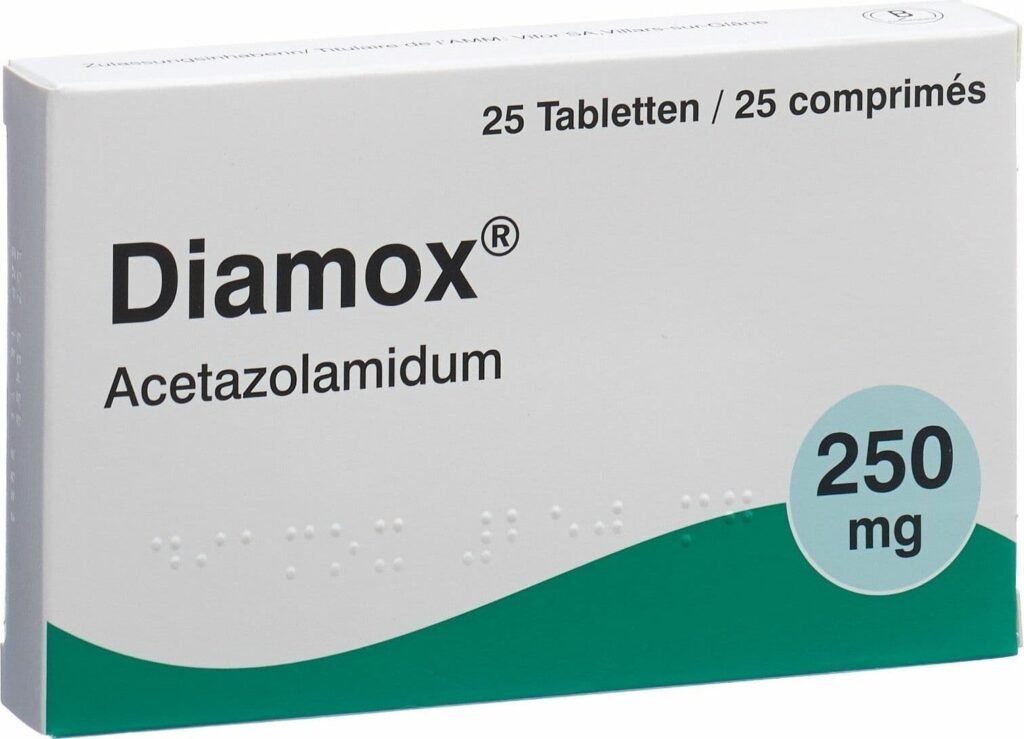
Using Diamox for Altitude in the Mountains refers to taking acetazolamide, a prescription medication, to help the body adjust more quickly to thinner air. The drug works by encouraging deeper and faster breathing, which improves oxygen levels in the blood. Medical institutions such as the National Institutes of Health and scientific studies indexed on NCBI explain that Diamox changes the body’s acid-base balance, stimulating respiration naturally.
This adjustment helps reduce symptoms of Acute Mountain Sickness. Information published by Mayo Clinic confirms that the medication does not mask symptoms but instead supports acclimatization. When combined with proper ascent schedules and expert guidance from teams like professional mountain guides, it can be a reliable tool in your preparation plan.
How Using Diamox for Altitude in the Mountains Supports Acclimatization
Using Diamox for Altitude in the Mountains supports acclimatization by increasing the rate at which you breathe, even during sleep. At high elevations, your body struggles to absorb enough oxygen. Diamox gently forces your system to adapt faster. Research available on PubMed and academic discussions on ScienceDirect describe how this mechanism lowers the likelihood of severe altitude complications.
However, medication is never a substitute for a slow ascent. Conservation and mountain safety organizations such as International Climbing and Mountaineering Federation emphasize gradual elevation gain as the primary defense against sickness. Even when Using Diamox for Altitude in the Mountains, climbers must hydrate, rest, and listen carefully to their bodies.
Who Should Consider Using Diamox for Altitude in the Mountains?
Not every traveler needs medication, but certain groups benefit more than others. Individuals with a history of altitude sickness, those attempting rapid ascents, and climbers trekking above 3,000 meters often consider Using Diamox for Altitude in the Mountains after consulting a doctor. Guidance from NHS and Johns Hopkins Medicine highlights the importance of medical evaluation before starting any preventive drug.
If you are planning a Kilimanjaro adventure, reputable operators such as Kilimanjaro Climb Specialist and trusted safari planners like Eddy Tours & Safaris Tanzania experts encourage clients to discuss medication with healthcare professionals back home. The goal is preparation, not panic. Every climber’s body reacts differently to altitude, and personal health history matters.
Environmental research groups including National Geographic Society and The Nature Conservancy often highlight how mountain ecosystems are extreme and unpredictable. That same unpredictability applies to human physiology at high elevation. Being proactive is wise, especially for first-time climbers.
Benefits and Possible Side Effects
Using Diamox for Altitude in the Mountains has clear benefits, but it also comes with potential side effects. Many users report fewer headaches and improved sleep at higher camps. Clinical data referenced by ResearchGate shows reduced incidence of moderate altitude sickness among preventive users compared to placebo groups.
On the other hand, tingling sensations in fingers and toes, increased urination, and mild taste changes are common. Resources from the Red Cross and high-altitude medical workshops hosted by universities like Harvard University explain that these side effects are usually manageable and temporary. Severe reactions are rare but require immediate medical attention.
Using Diamox for Altitude in the Mountains should always follow a prescription. Self-medicating without guidance can create avoidable risks. Trusted geological and environmental authorities such as USGS and climate researchers at NOAA remind us that mountain conditions can shift rapidly, and safety planning must be thorough.
Natural Acclimatization vs. Using Diamox for Altitude in the Mountains
Some climbers prefer natural acclimatization without medication. This involves slow trekking, scheduled rest days, hydration, and balanced nutrition. Organizations like Alpine Club and The Mountaineers strongly advocate for gradual ascent profiles as the gold standard for safety.
Using Diamox for Altitude in the Mountains does not replace these fundamentals. Instead, it acts as support. Environmental bodies such as UN Environment Programme and conservation leaders like IUCN highlight responsible mountain travel, which includes respecting both the environment and your physical limits.
When climbing with experienced teams from local Tanzanian operators, guides monitor oxygen saturation and watch for symptoms regardless of whether clients are Using Diamox for Altitude in the Mountains. Responsible trekking combines science, experience, and careful observation.
Practical Tips for Safe High-Altitude Travel
Preparation begins long before you reach base camp. Visit your doctor, research credible medical sources such as Google Scholar, and understand how your body reacts to exertion. Physical training, hydration habits, and mental readiness all play major roles in success.
Using Diamox for Altitude in the Mountains works best when paired with proper hydration and a well-paced itinerary. Agricultural and nutrition data from Food and Agriculture Organization show that balanced meals support energy and recovery, which are vital at altitude. Do not rush your climb. Listen to your guides, respect rest days, and communicate openly about symptoms.
Finally, choose a reputable operator. Planning your expedition with experienced safari and trekking professionals ensures structured itineraries designed for acclimatization. A good team will never push you beyond safe limits.
Frequently Asked Questions About Using Diamox for Altitude in the Mountains
Is Using Diamox for Altitude in the Mountains mandatory for Kilimanjaro?
No, it is not mandatory. Many climbers reach the summit without medication by following a slow and steady itinerary. However, those with prior altitude issues may benefit after medical consultation.
When should I start taking the medication?
Doctors usually recommend starting one to two days before ascending and continuing during the climb. Always follow professional medical advice tailored to your health condition.
Can Using Diamox for Altitude in the Mountains guarantee I will not get sick?
No medication can offer a full guarantee. It reduces risk but does not eliminate it. Proper pacing and hydration remain essential.
Are there people who should avoid it?
Yes, individuals with certain allergies or medical conditions should avoid it. A healthcare provider will determine suitability based on your history.
Does it improve athletic performance?
It is not a performance enhancer. Its purpose is to assist acclimatization, not to increase strength or stamina.
Can I rely only on medication and ignore symptoms?
Absolutely not. Ignoring symptoms can be dangerous. Descending when advised is always the safest choice.
Final Thoughts on Using Diamox for Altitude in the Mountains
Using Diamox for Altitude in the Mountains can be a valuable safety measure when combined with smart planning and professional guidance. The mountains are powerful, beautiful, and demanding. Respecting them means preparing your body and mind with knowledge and care. Whether you rely on natural acclimatization, medication, or a combination of both, your safety must always come first. With expert support from reliable operators and advice from trusted medical sources, your high-altitude adventure can be both thrilling and responsible.