
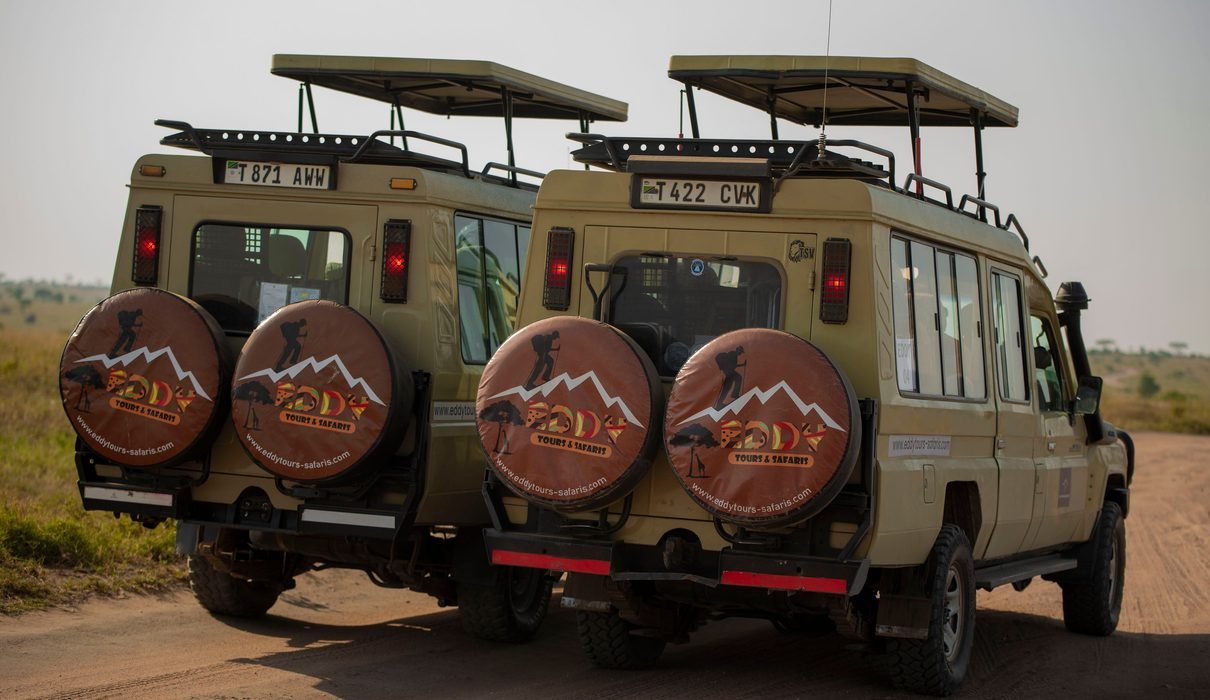
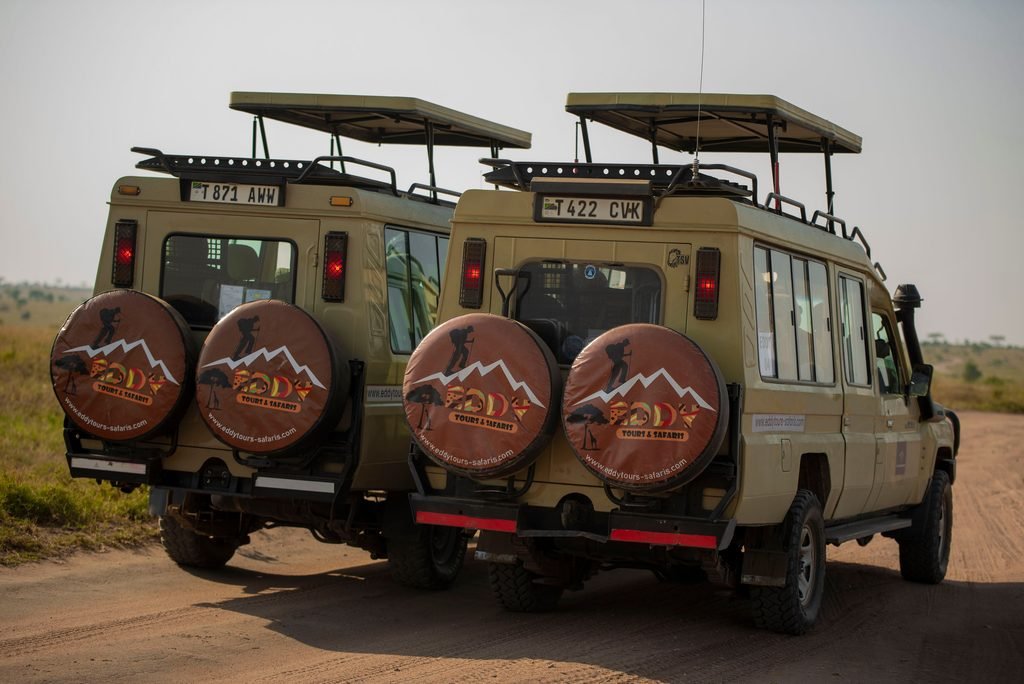
Tanzania is one of the most rewarding countries to visit in Africa, especially for travellers who want to experience wildlife, beautiful landscapes, mountain adventures and local culture in one holiday. From the wildlife-filled plains of Serengeti National Park to the impressive Ngorongoro Crater, the snow-capped summit of Mount Kilimanjaro and the white sandy beaches of Zanzibar, Tanzania offers plenty of reasons to visit in 2027 or 2028. Whether you are planning your first African safari, travelling with family or returning to explore new destinations, understanding how travel works in Tanzania will help you make better decisions about your itinerary, accommodation, transport and overall budget.

Planning a Tanzania safari involves more than choosing which national parks to visit. The time of year, number of travel days, accommodation standards and distance between destinations can all influence your experience. Some visitors prefer spending several days exploring the Serengeti, while others combine wildlife viewing with a Kilimanjaro trek or a relaxing beach holiday. This complete Tanzania travel guide for 2027 and 2028 explains what travellers should know before arriving, including the best months to visit, popular safari destinations, expected costs, entry requirements, packing recommendations and useful advice from local safari operators such as Eddy Tours & Safaris.
Why Visit Tanzania in 2027 or 2028?
Tanzania has remained a popular African travel destination because it offers a wide variety of experiences without requiring visitors to travel between several countries. Its northern safari circuit includes some of Africa’s best-known wildlife areas, while southern and western Tanzania offer quieter national parks and remote wilderness experiences. Travellers can enjoy traditional game drives, guided walking safaris where permitted, cultural visits, mountain trekking and coastal holidays depending on their interests and available time.
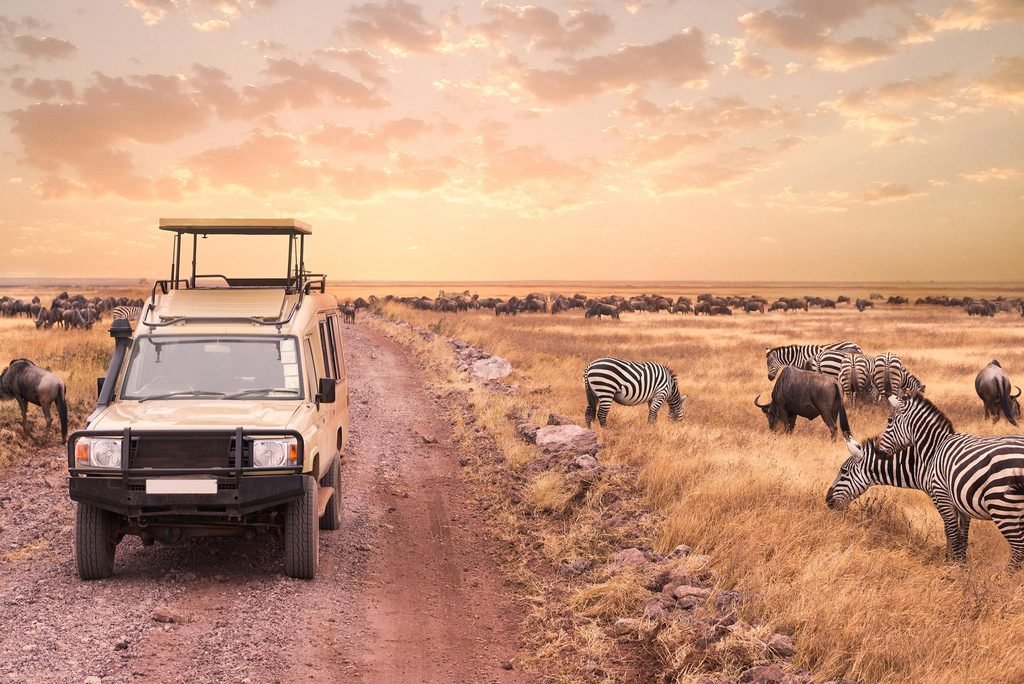
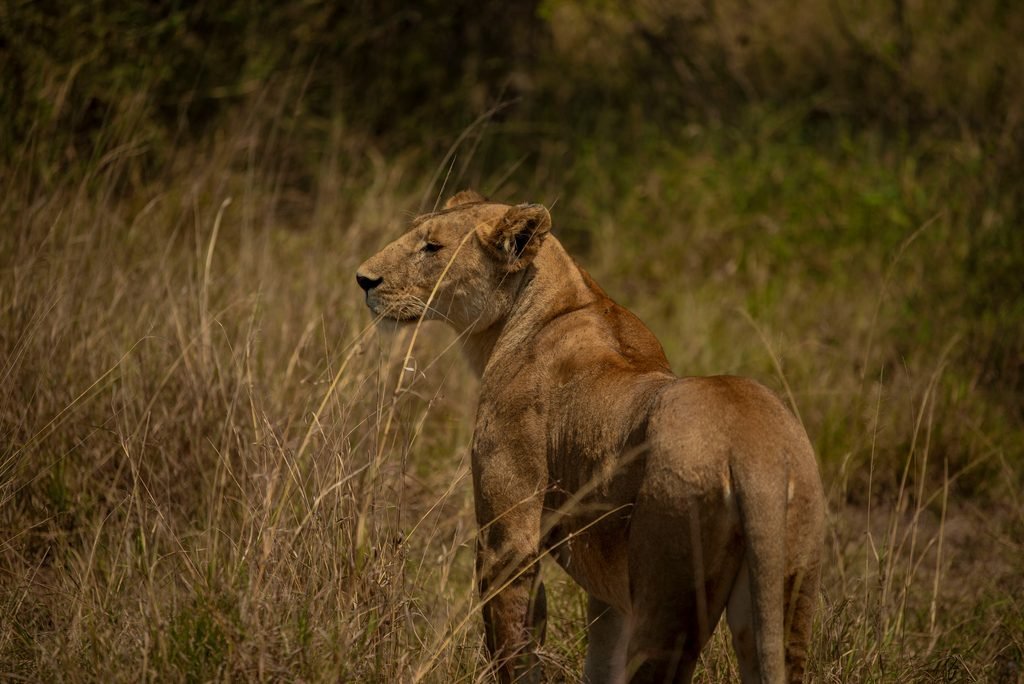
One of the main attractions is the opportunity to observe wildlife in natural habitats. Tanzania supports large populations of elephants, buffaloes, giraffes, zebras, wildebeest, lions and many other animals. The country is also famous for the Great Wildebeest Migration, an annual movement of wildebeest and zebras through the Serengeti-Mara ecosystem. Although wildlife sightings are never guaranteed, visiting the right areas during suitable seasons can provide excellent opportunities for photography and wildlife observation.
Another reason to consider Tanzania is the flexibility of its safari arrangements. Visitors can choose budget camping, comfortable mid-range lodges, luxury tented camps or private safari itineraries. Families, couples, solo travellers and larger groups can all find suitable arrangements. Travellers looking for a complete holiday can explore the Tanzania safari options available through Eddy Tours & Safaris and request an itinerary that matches their travel dates and budget.

Best Time to Visit Tanzania in 2027 and 2028
Choosing the right travel season is one of the most important parts of planning a Tanzania safari. The country can be visited throughout the year, but weather conditions, wildlife movements, accommodation availability and visitor numbers change from one season to another. Tanzania generally experiences a longer dry season from June to October, a period of shorter rains around November and December, and a longer rainy season commonly associated with March, April and May. These patterns vary by region, and rainfall does not always follow the same schedule every year.
January to March: Calving Season and Green Landscapes
January, February and early March can be excellent months for visiting the southern Serengeti and nearby Ndutu area. During this period, large herds of wildebeest often gather on the short-grass plains, where many females give birth. The presence of newborn animals attracts predators, creating opportunities to observe lions, cheetahs and hyenas. February is particularly popular among wildlife photographers, although the precise timing of calving depends on rainfall and pasture conditions.
The landscape is usually greener during these months, and some areas receive occasional showers. Travellers who prefer open landscapes with fresh vegetation and active wildlife may find this period especially attractive. January and February are also popular months for climbing Mount Kilimanjaro because they can offer relatively favourable mountain weather, although conditions at high altitude remain unpredictable.
April to May: Rainy Season and Quieter Safaris
April and May are generally among the wettest months in northern Tanzania. Some roads become muddy, certain accommodation properties close temporarily and wildlife viewing may require additional patience. However, this season can appeal to travellers who prefer fewer safari vehicles, greener landscapes and potentially lower accommodation prices. Parks such as Tarangire, Lake Manyara and parts of the Serengeti remain attractive, although road conditions and seasonal access must be considered carefully.
Travellers planning a safari during these months should work with an experienced local operator who understands seasonal road conditions and suitable accommodation choices. A well-planned rainy-season safari can still be enjoyable, particularly when expectations are realistic and the itinerary allows flexibility.
June to October: Dry Season and Popular Safari Months
June through October is generally considered the main safari season in northern Tanzania. As rainfall decreases, vegetation becomes thinner and animals increasingly gather around rivers, waterholes and other reliable water sources. These conditions often make wildlife easier to locate, particularly in Tarangire National Park and the Serengeti. July, August and September are especially popular among international visitors, so accommodation in major safari areas should be reserved well in advance.
This period is also associated with the northern stages of the Great Wildebeest Migration, including possible river crossings in the northern Serengeti. River crossings are unpredictable and cannot be scheduled for a particular date. Travellers hoping to witness them should allow several days in the relevant region rather than planning around a single game drive.
November to December: Short Rains and Seasonal Changes
November and December commonly bring shorter periods of rainfall, although conditions can vary considerably. The landscape begins to recover after the dry season, migratory birds become more noticeable and wildlife disperses as fresh grazing becomes available. December is particularly popular for Christmas and New Year holidays, and accommodation prices may increase during these weeks.
For travellers planning a December safari, early reservations are advisable. Those combining safari activities with Zanzibar should also consider coastal weather conditions, which may differ from the northern safari circuit.
Best Safari Destinations in Tanzania for 2027 and 2028
Tanzania has numerous national parks and protected areas, each offering a different experience. Rather than trying to visit every destination in one trip, travellers should choose parks based on wildlife interests, available travel days, preferred accommodation and budget. The northern circuit is generally the most practical option for first-time visitors, while the southern and western circuits appeal to those looking for quieter and more remote experiences.
Serengeti National Park
Serengeti National Park is one of Tanzania’s most famous wildlife destinations. Its vast plains, woodland habitats and river systems support a remarkable variety of animals, including lions, leopards, cheetahs, elephants, giraffes, buffaloes and large herbivore herds. The Serengeti is particularly well known for the Great Migration, but excellent wildlife viewing is possible even when the main migrating herds are elsewhere.
Visitors should understand that the Serengeti is a very large national park, and different regions offer different experiences throughout the year. Central Serengeti is popular for year-round wildlife viewing, while southern areas attract visitors during the calving season and northern areas become important during the migration’s river-crossing period. Spending at least two or three nights in the Serengeti usually provides a more comfortable experience than attempting to explore the park in a single day.
Travellers can arrange a Serengeti safari through Eddy Tours & Safaris as part of a private or group itinerary, depending on their preferred travel style.
Ngorongoro Crater
The Ngorongoro Crater is another major attraction on Tanzania’s northern safari circuit. Formed within a large volcanic caldera, the crater contains grasslands, wetlands, forests and a permanent lake that support many different animal species. Visitors may encounter buffaloes, zebras, wildebeest, lions, hyenas, elephants and, with some luck, black rhinoceroses.
A game drive inside the crater is commonly arranged as part of a safari connecting Tarangire, Lake Manyara and the Serengeti. The crater floor can become busy during peak travel months, but its relatively concentrated wildlife habitats make it an appealing destination for travellers with limited time. Access is controlled by the Ngorongoro Conservation Area Authority, and crater service fees are separate from some other conservation charges.
Tarangire National Park
Tarangire National Park is particularly famous for its elephant populations and enormous baobab trees. During the dry season, animals gather around the Tarangire River and surrounding water sources, creating rewarding game-viewing conditions. Visitors can also encounter giraffes, zebras, wildebeest, buffaloes, antelopes and predators, depending on the season and location.
Tarangire is often included as the first destination on a northern Tanzania safari because it is accessible from Arusha. A full-day visit can be worthwhile, although spending a night near the park allows travellers to explore at a more relaxed pace. Those interested in elephants, landscapes and birdlife should consider including Tarangire in their 2027 or 2028 safari itinerary.
Lake Manyara National Park
Lake Manyara National Park offers a different landscape from the open plains of the Serengeti. Its habitats include groundwater forest, woodland, grassland and lake environments. The park is known for its birdlife, monkeys, elephants and occasional sightings of tree-climbing lions. Although these lions are a well-known attraction, they are not guaranteed to appear during a game drive.
Lake Manyara is particularly suitable for travellers who want to experience a variety of habitats within a relatively compact area. It can be combined with Tarangire or Ngorongoro, depending on the number of days available.
Arusha National Park
Arusha National Park is an excellent option for visitors staying in Arusha or preparing for a longer safari. Located near Mount Meru, the park features forested landscapes, the Momella Lakes and views of surrounding mountains when the weather is clear. Wildlife includes giraffes, buffaloes, zebras, monkeys and various bird species.
Unlike some other northern parks, Arusha National Park also offers guided walking activities under park regulations. This makes it an attractive destination for travellers who want a different perspective on Tanzania’s natural environment before beginning a traditional vehicle safari.
Nyerere National Park and Ruaha National Park
Southern Tanzania provides a different safari experience, with larger wilderness areas and generally fewer visitors than the northern circuit. Nyerere National Park is associated with the wider Selous ecosystem and offers opportunities for wildlife viewing in landscapes shaped by rivers, woodland and seasonal wetlands. Depending on the specific location and regulations, visitors may arrange boat-based wildlife activities and other guided experiences.
Ruaha National Park is another excellent destination for travellers interested in elephants, predators, birdlife and less crowded safari routes. Both parks can require additional travel arrangements, often involving domestic flights or longer road journeys. For visitors with sufficient time and a preference for remote landscapes, southern Tanzania deserves serious consideration.
The Great Wildebeest Migration: What to Expect in 2027 and 2028
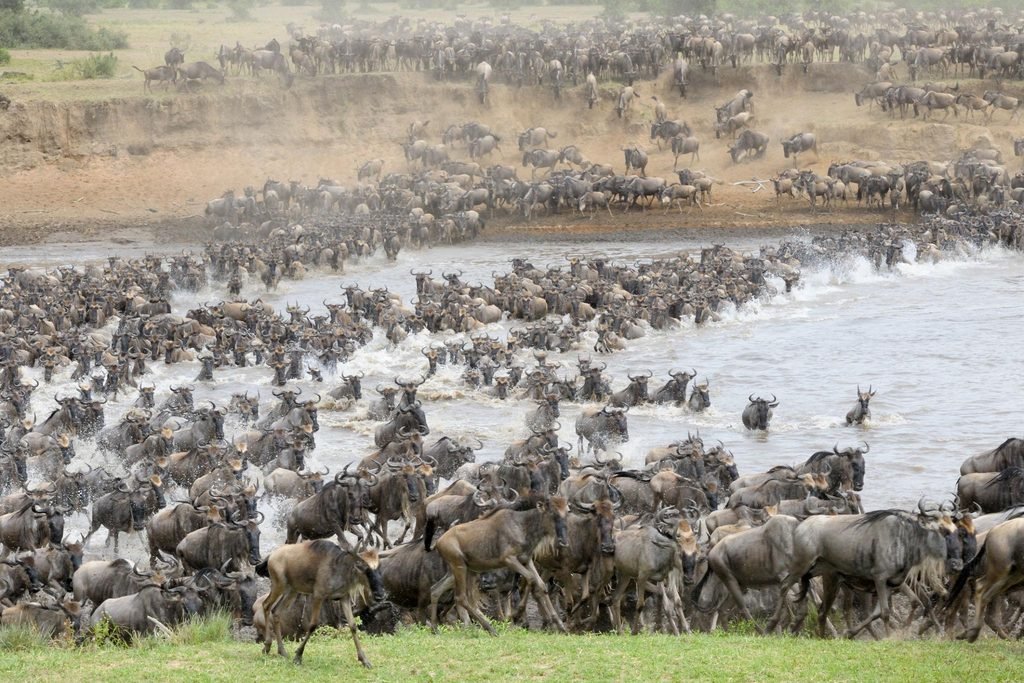
The Great Wildebeest Migration is one of the main reasons many travellers visit Tanzania. Every year, large numbers of wildebeest, accompanied by zebras and other grazing animals, move through the Serengeti-Mara ecosystem in search of fresh pasture and water. The migration is a continuous natural process rather than a single event, and the exact location of the herds changes according to rainfall and grazing conditions.
From approximately December to March, large concentrations of migrating animals are often found in the southern Serengeti and Ndutu region. During April and May, herds generally begin moving towards central and western areas. Between June and July, many animals travel through western and northern migration routes, while July to October is commonly associated with the northern Serengeti and potential Mara River crossings. Later in the year, the herds generally begin moving south again as seasonal rains return.
Travellers planning a migration safari should avoid choosing accommodation based only on a general Serengeti location. Staying in central Serengeti when the main herds are far north, for example, may require substantial driving and reduce the time available for wildlife viewing. A local safari company can recommend suitable areas based on the intended travel month, while making clear that animal movements cannot be guaranteed.
How Much Does a Tanzania Safari Cost in 2027 and 2028?
The cost of a Tanzania safari depends on several factors, including travel duration, accommodation standard, number of travellers, transport arrangements, park fees and the season. A private safari generally costs more per person when only one or two people travel because vehicle and guide expenses are shared among fewer guests. Group-joining safaris can reduce some of these costs, although travellers may have less flexibility regarding departure dates, accommodation and daily schedules.
The following figures are broad planning estimates in US dollars per person per day, rather than confirmed quotations for 2027 or 2028.
| Safari category | Estimated daily budget |
|---|---|
| Budget camping safari | USD 180–300 |
| Mid-range lodge safari | USD 300–550 |
| Luxury safari | USD 550–1,000 |
| High-end exclusive safari | USD 1,000+ |
These estimates can vary substantially depending on whether the itinerary is private or shared, the number of travellers and what is included in the quoted price. International flights, visas, insurance, gratuities and optional activities are often charged separately. Domestic flights, premium camps and peak-season accommodation can also increase the total cost considerably.
When comparing safari quotations, travellers should look beyond the final price and examine the accommodation names, number of park visits, vehicle arrangements, included meals, conservation fees and cancellation conditions. A lower-priced itinerary may involve longer driving days or fewer nights inside major wildlife areas. Visitors can request a detailed quotation from Eddy Tours & Safaris to compare options based on their actual travel dates and preferences.
Official park tariffs should also be checked before booking because conservation and concession fees can change. Tanzania National Parks publishes visitor information and tariffs through its official website at www.tanzaniaparks.go.tz.
How Many Days Do You Need for a Tanzania Safari?
The ideal safari duration depends on how many destinations you want to visit and how much time you are comfortable spending on the road. Tanzania’s national parks cover large distances, so an itinerary with too many destinations can become tiring. A balanced schedule should allow sufficient time for game drives, meals, accommodation check-ins and unexpected travel delays.
A three-day safari can work well for travellers with limited time, particularly when visiting Tarangire and Ngorongoro or choosing another short northern circuit combination. A five-day safari allows more flexibility and may include Tarangire, Serengeti and Ngorongoro. Travellers with six or seven days can spend additional time exploring the Serengeti and reduce the pressure of travelling between parks.
For visitors interested in combining wildlife viewing with other activities, ten to fourteen days provides more opportunities. A longer holiday might include several days on safari, a cultural visit near Arusha and a beach stay in Zanzibar. Those planning to climb Mount Kilimanjaro should allow additional time for trekking, recovery and possible flight delays.
Climbing Mount Kilimanjaro in 2027 and 2028
Mount Kilimanjaro is Africa’s highest mountain, reaching approximately 5,895 metres above sea level. Located in northern Tanzania, the mountain attracts trekkers from around the world who want to experience its changing vegetation zones and attempt to reach Uhuru Peak. Although the main trekking routes do not require technical rock-climbing skills, reaching the summit is physically demanding because of the altitude, long walking days and cold temperatures.
Several established routes are available, including Machame, Marangu, Lemosho, Rongai, Umbwe and the Northern Circuit. Each route differs in duration, accommodation arrangements, scenery and opportunities for acclimatisation. Travellers should choose a route based on their fitness, previous hiking experience, available time and comfort with camping or mountain hut accommodation.
Popular Kilimanjaro Routes
The Machame Route is popular because of its varied scenery and gradual changes in altitude, although it includes steep sections and several nights of camping. The Lemosho Route is often recommended for travellers who want a longer itinerary with additional acclimatisation opportunities. Marangu is known for its mountain huts, while Rongai approaches the mountain from the north and may appeal to travellers looking for a different landscape.
Longer routes can provide more time for altitude adjustment, but no route guarantees summit success. Proper preparation, a sensible walking pace, hydration and experienced mountain guides are important. Travellers should also understand the symptoms of altitude illness and follow their guide’s instructions if health concerns arise.
For additional route information and trekking preparation, visitors can explore Kilimanjaro Climb Specialist and compare available climbing arrangements with the wider Tanzania holiday services offered by Eddy Tours & Safaris.
Best Time to Climb Kilimanjaro
January to early March and June to October are commonly considered favourable climbing periods because they often offer relatively drier conditions. However, mountain weather can change quickly, and rain, snow, strong winds and freezing temperatures may occur at any time. Travellers should prepare for different weather conditions and avoid assuming that a dry-season climb will necessarily provide clear skies or easy summit conditions.
Zanzibar Beach Holidays After a Tanzania Safari
Zanzibar is a popular destination for travellers who want to relax after several days of wildlife viewing or mountain trekking. Its beaches, historical sites, spice farms and coastal culture provide a different experience from mainland Tanzania. Visitors can choose from lively beach areas with restaurants and water activities or quieter locations better suited to relaxation.
Nungwi and Kendwa are popular for swimming, beach resorts and sunset views, while Paje and Jambiani attract visitors interested in beach walks, kiteboarding and smaller coastal accommodation. Stone Town offers opportunities to explore Zanzibar’s history, architecture, markets and cultural heritage. Travellers should consider spending at least three or four nights on the island if they want time to relax and explore beyond their accommodation.
A safari and Zanzibar combination can be arranged using domestic flights between the mainland and the island. Visitors should confirm baggage allowances, flight connections and transfer arrangements before booking, particularly when travelling during peak holiday periods.
Tanzania Visa and Entry Requirements for 2027 and 2028
Most international visitors should check their visa requirements before travelling to Tanzania. Visa rules depend on nationality, purpose of travel and passport type. Some travellers are eligible for an ordinary tourist visa, others may qualify for visa-free entry, and certain nationalities require additional approval before travelling. Visitors should not assume that visa-on-arrival arrangements apply to every passport.
Tanzania’s official immigration guidance states that passports generally need at least six months of validity and at least one unused visa page. Visitors should also be prepared to provide evidence of onward or return travel and meet other entry requirements. Travellers can check their eligibility and apply through the official Tanzania Immigration eVisa portal.
Mandatory Inbound Travel Insurance
Tanzania introduced mandatory inbound travel insurance arrangements for foreign visitors entering mainland Tanzania from 1 October 2026, building on the insurance requirement already established for Zanzibar. Under the arrangements announced in 2026, visitors entering through mainland Tanzania obtain the designated National Insurance Corporation policy, while those entering through Zanzibar use the Zanzibar Insurance Corporation system. The applicable policy and exemptions should be checked before departure, particularly for travellers visiting both mainland Tanzania and Zanzibar.
As of the 2026 guidance, the standard adult premium is USD 44, with coverage for up to 92 days. Travellers should verify the latest requirements and charges for their actual 2027 or 2028 travel dates rather than relying on older travel articles. The official National Insurance Corporation and Zanzibar Insurance Corporation provide relevant insurance information.
Vaccinations and Health Preparation
Health preparation should begin several weeks before departure. Travellers are encouraged to consult a qualified healthcare professional or travel clinic about routine vaccinations, malaria prevention and any destination-specific recommendations. Yellow fever vaccination documentation may be required depending on the countries visited or transited through before arriving in Tanzania.
Visitors should also carry personal medication, sun protection, insect repellent and appropriate medical insurance in addition to any mandatory inbound policy. Travellers heading to remote safari areas or climbing Kilimanjaro should confirm that their coverage is suitable for their planned activities, including emergency evacuation where necessary.
What to Pack for a Tanzania Safari
Packing for a Tanzania safari requires practical clothing and equipment rather than expensive specialist gear. Most game drives take place in safari vehicles, so comfortable clothes, sturdy footwear and protection against sun and dust are more important than heavy hiking equipment. Neutral-coloured clothing is often preferred because it is practical for dusty environments and outdoor activities.
Useful items include lightweight long-sleeved shirts, comfortable trousers, a warm jacket for early morning game drives, a sun hat, sunglasses, sunscreen, insect repellent, binoculars and a camera. Travellers visiting during rainy months should include a light waterproof jacket. Those travelling with children should pack suitable clothing for cooler mornings and warmer afternoons.
Visitors using small domestic aircraft should pay particular attention to luggage restrictions, as some safari flights have strict weight limits and may require soft-sided bags. Travellers planning to climb Kilimanjaro will need additional cold-weather clothing, trekking boots, waterproof equipment and suitable sleeping arrangements according to their chosen route.
Getting Around Tanzania: Airports, Roads and Domestic Flights
Most travellers visiting the northern safari circuit arrive through Kilimanjaro International Airport or connect through Julius Nyerere International Airport in Dar es Salaam. Arusha is the main starting point for many northern Tanzania safaris, while Moshi is a popular base for Mount Kilimanjaro climbs. Zanzibar has its own international airport, making it possible to combine island holidays with mainland travel.
Road transport is commonly used for northern circuit safaris. Although major roads between towns are generally established, routes inside national parks can be rough, dusty or muddy depending on the season. A properly maintained safari vehicle and experienced driver-guide are important for comfort and safety. Visitors should allow realistic travel times, especially when travelling between Arusha, Serengeti and Ngorongoro.
Domestic flights are useful for travellers who want to reduce long driving days or visit more remote destinations. Flying directly to Serengeti airstrips can save time, although it usually increases the overall cost. Travellers should discuss road and flight options when preparing their itinerary.
Local Culture, Language and Travel Etiquette
Tanzania is home to many communities, languages and cultural traditions. Kiswahili is widely spoken across the country, while English is commonly used in tourism and many business settings. Learning a few basic Kiswahili expressions can make everyday interactions more enjoyable. Greetings such as Jambo or Habari, Asante for thank you and Karibu for welcome are useful during travel.
Visitors should respect local customs, ask permission before photographing people and dress appropriately when visiting villages, religious sites and urban areas. Zanzibar has a strong coastal cultural identity, and modest clothing is generally appreciated outside beach resorts, particularly in Stone Town and residential communities.
Cultural experiences can add value to a safari when arranged respectfully and with appropriate community involvement. Travellers interested in learning about local lifestyles, farming traditions, food or crafts should choose visits that support local participation rather than treating communities as tourist displays.
Is Tanzania Safe for Tourists?
Tanzania receives international visitors throughout the year, and many people travel successfully through its national parks, towns and coastal destinations. As with any country, visitors should take sensible precautions, remain aware of their surroundings and follow current travel advice from their home government.
When staying in towns, travellers should keep valuables secure, avoid displaying large amounts of cash and use reliable transport arrangements. During safaris, guests should follow their guide’s instructions and avoid leaving vehicles in wildlife areas unless specifically permitted. Wild animals can be dangerous even when they appear calm, and maintaining a safe distance is essential.
Visitors should also avoid travelling long distances at night where possible, particularly on unfamiliar rural roads. Booking with a reliable operator, confirming accommodation arrangements and keeping copies of important travel documents can help reduce avoidable problems.
Common Mistakes to Avoid When Planning a Tanzania Safari
One common mistake is trying to visit too many national parks in a short period. Although destinations may appear close together on a map, driving times can be considerable because of road conditions, park entry procedures and the distances covered during game drives. A safari with fewer destinations and more time in each location can provide a better experience than an itinerary that involves constant transfers.
Another mistake is choosing a safari entirely on price without checking the services included. Travellers should confirm accommodation standards, park fees, vehicle arrangements, meals, airport transfers and any additional charges before making payment. It is also important to understand deposit requirements, cancellation conditions and refund policies.
Travellers interested in the Great Migration should avoid expecting specific wildlife events on fixed dates. River crossings, predator encounters and sightings of rare animals depend on natural behaviour and environmental conditions. Good safari planning improves opportunities, but no responsible operator can guarantee particular sightings.
Finally, visitors should not overlook travel insurance, health preparation or the time required for international flight connections. Allowing a little flexibility at the beginning or end of a holiday can make the trip more comfortable.
How to Choose a Reliable Tanzania Safari Company
Selecting a suitable safari company is an important decision, especially for travellers booking from overseas. A good operator should provide a clear itinerary, explain accommodation choices, identify included and excluded services and answer questions about transport, safety and payment procedures.
Before confirming a booking, travellers should ask whether the safari will be private or shared, what type of vehicle will be used and how many guests will travel together. They should also request the names of proposed accommodation properties and confirm whether park fees are included. Clear communication before payment is often a useful indication of how the company handles its arrangements.
Working with a locally based operator can make itinerary planning more practical because the team is familiar with driving routes, seasonal conditions and available services. Eddy Tours & Safaris, based in Arusha, Tanzania, can assist travellers interested in safari itineraries, Kilimanjaro climbing and other Tanzania holiday arrangements.
Suggested Tanzania Travel Itineraries for 2027 and 2028
5-Day Northern Tanzania Safari
A five-day safari is a practical option for travellers who want to visit several major wildlife destinations without spending too much time away. A typical itinerary may begin in Arusha before travelling to Tarangire National Park for elephant viewing and exploring the baobab landscapes. The journey can then continue towards Serengeti National Park, where travellers spend time on game drives before visiting the Ngorongoro Crater on the return journey.
This itinerary is suitable for couples, friends and small groups looking for a balanced wildlife experience. Accommodation can range from camping to comfortable lodges, depending on the budget.
7-Day Tanzania Wildlife Safari
A seven-day safari provides additional time to explore the Serengeti and other northern parks. Visitors can include Tarangire, Serengeti, Ngorongoro and Lake Manyara while allowing more time for wildlife observation and photography. The longer duration can also make travel days more comfortable and provide flexibility for early morning and afternoon game drives.
This option is particularly attractive for travellers visiting Tanzania for the first time who want to see several landscapes without rushing through the itinerary.
10-Day Tanzania Safari and Zanzibar Holiday
A ten-day holiday can combine approximately six days of wildlife viewing with several nights in Zanzibar. Visitors may begin with Tarangire, Serengeti and Ngorongoro before taking a domestic flight to Zanzibar for beach relaxation and optional cultural activities. The itinerary can be adjusted depending on arrival flights, accommodation preferences and the number of beach days required.
This combination is popular among honeymooners, couples and families who want both wildlife experiences and time to relax.
14-Day Tanzania Adventure: Safari, Kilimanjaro and Zanzibar
Travellers with two weeks can consider combining a shorter Kilimanjaro climb with a safari and Zanzibar, although the schedule must be planned carefully. A seven- or eight-day Kilimanjaro trek takes up a substantial portion of the holiday, leaving limited time for other destinations. For a comfortable trip, travellers may prefer to extend their stay beyond fourteen days or choose a shorter mountain experience rather than attempting to fit everything into one schedule.
A local operator can help balance these activities while allowing suitable rest periods, realistic transfers and enough time for international flights.
Frequently Asked Questions About Travelling to Tanzania in 2027 and 2028
Is 2027 or 2028 a good year to visit Tanzania?
Both years can be suitable for visiting Tanzania, provided travellers choose dates that match their interests. Wildlife safaris operate throughout the year, although dry-season months are often preferred for general game viewing. Travellers interested in calving season, birdwatching, Kilimanjaro climbing or Zanzibar beaches may prefer different travel periods.
What is the cheapest time to visit Tanzania?
April and May can offer lower accommodation rates in some safari areas because visitor numbers are generally reduced during the rainy season. However, the total cost still depends on park fees, transport, accommodation availability and whether the safari is private or shared. Lower prices should be balanced against possible rainfall and road conditions.
Can I see the Big Five in Tanzania?
Tanzania provides opportunities to see lions, leopards, elephants, buffaloes and rhinoceroses, commonly referred to as the Big Five. However, sightings are not guaranteed, and rhinoceroses are particularly difficult to encounter in many safari areas. Combining suitable parks and allowing enough time can improve the overall wildlife experience.
How far in advance should I book a Tanzania safari?
For travel during July, August, September, Christmas or New Year, booking six to twelve months ahead can be helpful, especially for popular lodges and specialised migration camps. Travellers planning budget or mid-range safaris during quieter periods may have more flexibility, but early planning still provides a wider choice of accommodation.
Is Tanzania suitable for a family safari?
Yes. Tanzania offers family-friendly lodges and safari itineraries that can be adjusted for children. Families should consider shorter driving days, suitable accommodation, meal preferences and age restrictions for certain activities. Private safaris often provide more flexibility for families travelling with younger children.
Do I need cash during a Tanzania safari?
It is useful to carry a modest amount of cash for personal purchases, gratuities and small expenses. Tanzanian shillings are the local currency, although US dollars may be accepted for some tourism services. Travellers should confirm accepted payment methods in advance and ensure any US dollar notes meet local acceptance requirements.
Can I combine Kenya and Tanzania in one safari?
Yes. Travellers can combine Kenya and Tanzania in a longer East African itinerary, often including the Maasai Mara and Serengeti. However, border crossings, visa requirements, vehicle arrangements and travel distances require careful planning. Wildlife movements between the two countries also depend on seasonal conditions.
Plan Your Tanzania Safari for 2027 and 2028 with Eddy Tours & Safaris
A successful Tanzania holiday begins with choosing the right destinations, allowing enough travel time and understanding what to expect from the season. Whether your main interest is the Great Wildebeest Migration, a family wildlife safari, a Kilimanjaro climbing adventure or a safari combined with Zanzibar, the most important step is creating an itinerary that matches your interests and budget.
At Eddy Tours & Safaris, we help travellers plan Tanzania holidays with practical itineraries, suitable accommodation arrangements and local travel support. Based in Arusha, our team can assist with northern Tanzania safaris, mountain adventures and personalised travel arrangements for individuals, couples, families and groups.
If you are planning to visit Tanzania in 2027 or 2028, contact us to discuss your preferred dates, destinations, number of travellers and accommodation budget. We can help you explore the available options and prepare a safari itinerary suited to your travel plans.
Start planning your Tanzania holiday today.
Website: www.eddytours-safaris.com
Email: sales@eddytours-safaris.com
Eddy Tours & Safaris – Your Local Safari Company in Arusha, Tanzania.