
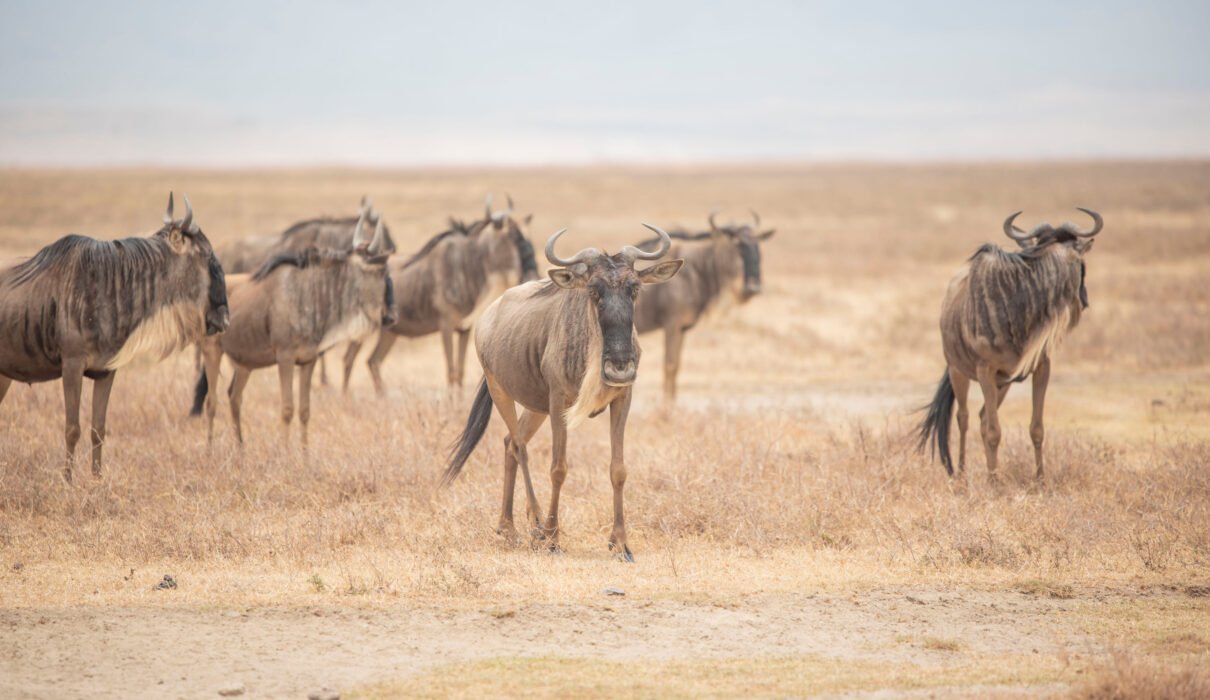
Serengeti Migration Trends Report 2026/2027/2028 provides a deeper understanding of how the Great Migration is evolving and what travelers should expect when planning safaris in the coming years. This is not just about where animals move, but also about why they move, how climate and grazing conditions affect their behavior, and how smart travelers can position themselves at the right place at the right time. If you are planning a safari with Eddy Tours & Safaris, understanding these patterns will give you a strong advantage and help you experience the migration in a more strategic and rewarding way.
The Serengeti ecosystem remains one of the most complex wildlife systems in the world, supporting over 1.5 million wildebeest, thousands of zebras, and countless predators. However, long-term monitoring by institutions such as WWF, IUCN, and National Geographic shows that migration timing is no longer perfectly fixed. Instead, it is becoming more responsive to environmental conditions such as rainfall distribution, pasture growth, and even human activity near conservation boundaries. This means travelers must shift from fixed-date planning to flexible, data-informed planning.
Serengeti Migration Trends Report 2026/2027/2028: Rainfall is Now the Main Driver
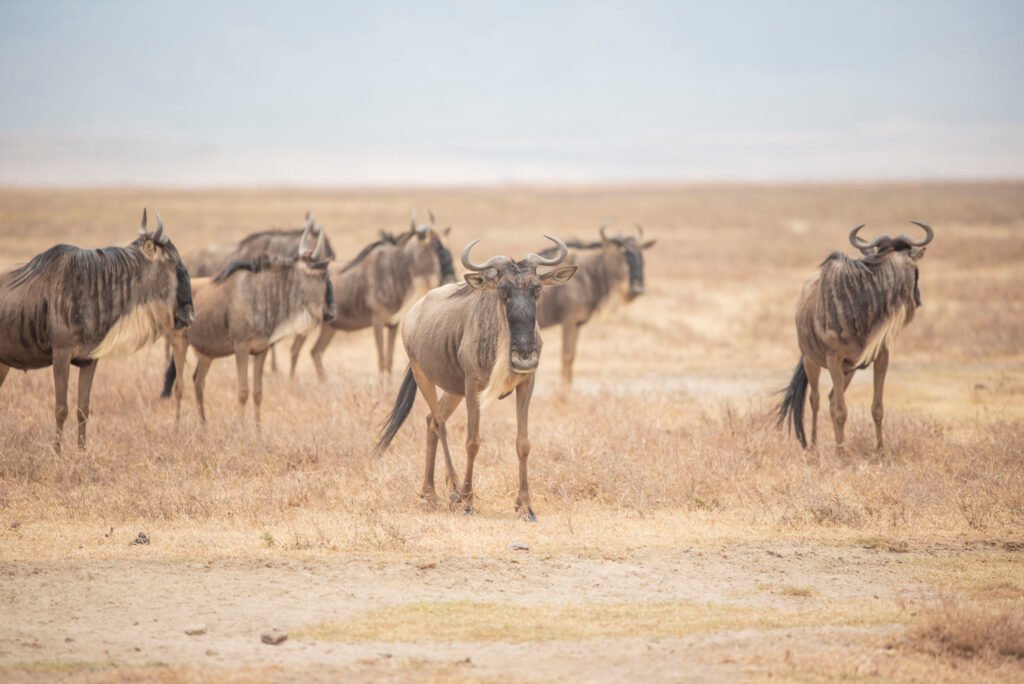
One of the strongest insights from the Serengeti Migration Trends Report 2026/2027/2028 is that rainfall patterns now play a more dominant role than traditional seasonal calendars. Data from NASA Climate and UK Met Office shows that short rains and long rains are becoming less predictable, which directly affects grass availability across the Serengeti plains.
This means wildebeest herds follow fresh grass more dynamically than before. In some years, they may remain longer in southern Serengeti, while in others, they move earlier toward central or western regions. For travelers, this creates both a challenge and an opportunity. The challenge is that fixed travel months may not guarantee the expected experience. The opportunity is that those who work with experienced planners, such as Tanzania safari experts, can adjust their itinerary based on real-time conditions.
Serengeti Migration Trends Report 2026/2027/2028: Calving Season Remains a Strong Anchor
Despite changing rainfall patterns, the calving season remains one of the most stable phases in the migration cycle. According to research from Zoological Society of London and Serengeti Research Institute, most wildebeest births still occur between late January and early March in the Ndutu and southern Serengeti plains.
This period offers one of the most dramatic wildlife experiences, with thousands of calves born daily and predators actively hunting. Travelers who choose this period often experience high action and excellent photographic opportunities. Many safari itineraries, including those offered through Ngorongoro and Serengeti combinations, are designed to maximize this unique window.
Serengeti Migration Trends Report 2026/2027/2028: Western Corridor is Underrated
The Serengeti Migration Trends Report 2026/2027/2028 highlights the western corridor as one of the most underrated yet rewarding phases of the migration. Between May and June, herds move toward the Grumeti River, creating dramatic but less crowded crossing events compared to the famous Mara River crossings.
Studies from Wildlife Conservation Society and Nature Research indicate that this period offers a balance between movement intensity and visitor comfort. Travelers who prefer quieter safaris often choose this window. With proper planning through Serengeti safari packages, visitors can enjoy close wildlife encounters without heavy congestion.
Serengeti Migration Trends Report 2026/2027/2028: Mara River Crossings Are Less Predictable
The Mara River crossings remain the most iconic part of the migration, but the Serengeti Migration Trends Report 2026/2027/2028 shows that their timing is becoming less predictable. Reports from African Wildlife Foundation, UNEP, and Mara Elephant Project indicate that crossings can now occur earlier or later depending on rainfall and water levels.
Instead of focusing only on July and August, travelers should consider a broader window from July to October. Flexibility is key. Safari planners working with luxury safari experiences often monitor herd positions daily to increase the chances of witnessing a crossing.
Serengeti Migration Trends Report 2026/2027/2028: Herd Distribution is Expanding
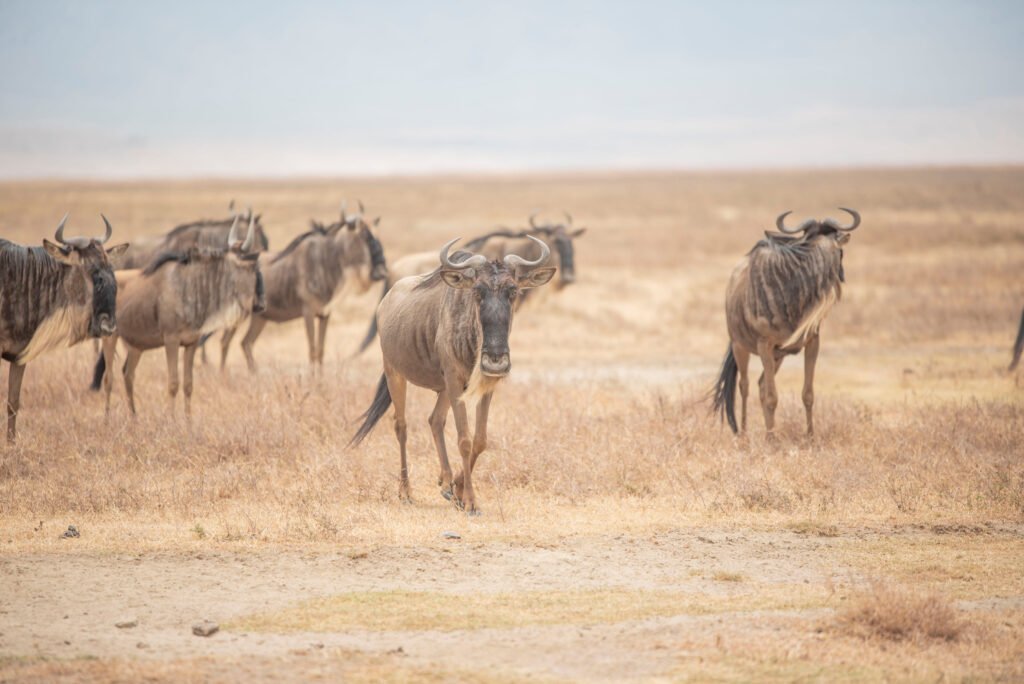
Another important trend identified in the Serengeti Migration Trends Report 2026/2027/2028 is that herds are becoming more spread out rather than forming extremely dense clusters. Research from Royal Society and Frontiers in Ecology shows that grazing patterns influence herd distribution across wider areas.
This is good news for travelers because it increases the chances of seeing wildlife in multiple locations, not just in one crowded spot. Customized safaris designed by private safari planners can take advantage of this by offering flexible routes instead of fixed circuits.
Serengeti Migration Trends Report 2026/2027/2028: Tourism Behavior is Changing
Traveler behavior is also shifting, as highlighted in the Serengeti Migration Trends Report 2026/2027/2028. Data from UNWTO, World Bank, and Statista shows that more travelers are avoiding peak months and choosing shoulder seasons.
This shift reduces overcrowding and improves the overall safari experience. Travelers are now more informed and prefer quality over timing hype. Many combine migration safaris with mountain adventures through Kilimanjaro climbing specialists to create a complete Tanzania experience.
Serengeti Migration Trends Report 2026/2027/2028: Conservation Efforts Are Strong but Critical
The Serengeti Migration Trends Report 2026/2027/2028 also highlights the importance of conservation. Organizations like IFAW, Panthera, Fauna & Flora, and African Parks continue to work on protecting migration corridors and wildlife populations.
While the ecosystem remains strong, pressure from climate change and development requires continuous monitoring and support. Travelers contribute directly to conservation by choosing responsible safari operators and protected-area tourism.
Serengeti Migration Trends Report 2026/2027/2028: Smart Travel Strategy for Maximum Experience
To fully benefit from the insights of the Serengeti Migration Trends Report 2026/2027/2028, travelers should adopt a flexible and informed strategy. Instead of focusing only on famous moments like river crossings, consider the entire migration cycle. Each phase offers unique experiences, from calving in the south to movement in the west and crossings in the north.
Booking with experienced operators like Eddy Tours & Safaris ensures access to updated migration tracking, expert guides, and tailored itineraries. These factors significantly increase your chances of seeing the migration at its best.
Final Insight: Why This Report Matters
The Serengeti Migration Trends Report 2026/2027/2028 clearly shows that the migration is still strong, but smarter planning is now required. Travelers who rely on outdated assumptions may miss key moments, while those who follow current data and expert guidance will experience something truly exceptional.
In simple terms, the migration is not disappearing, it is evolving. And for travelers who understand these changes, the experience will be even more rewarding, more authentic, and more unforgettable in the years ahead.