
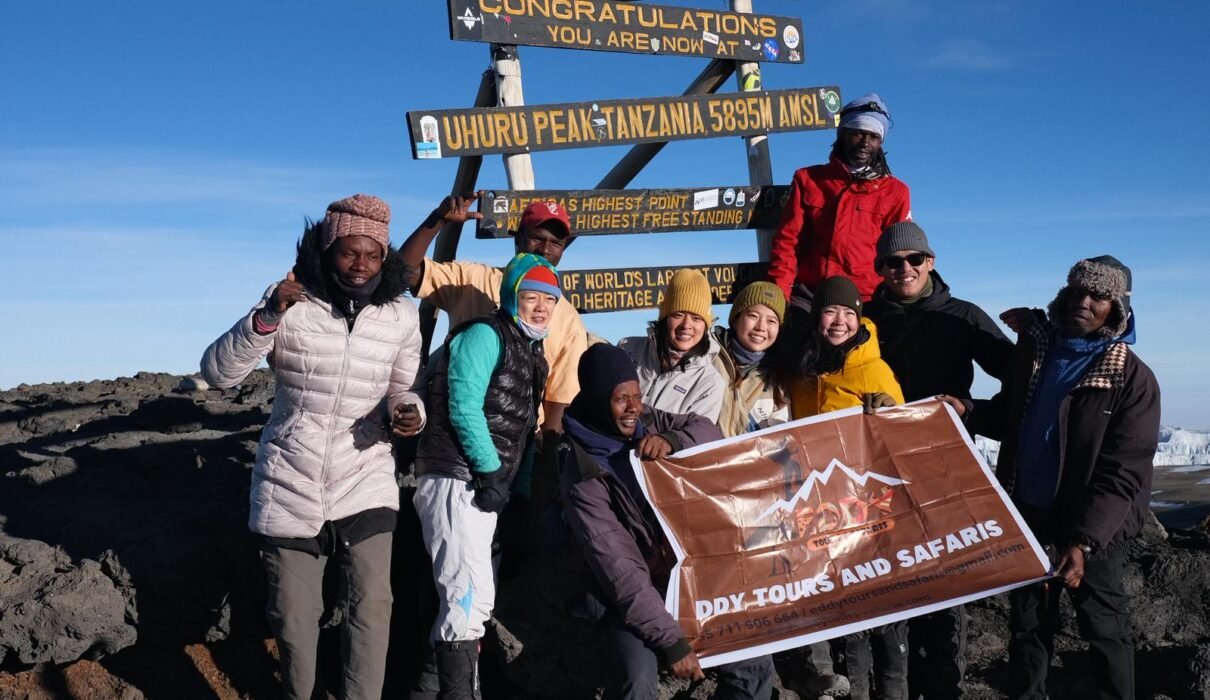
Best Time of Year to Climb Mount Kilimanjaro: Complete 2026–2028 Guide
Best Time of Year to Climb Mount Kilimanjaro is one of the most important decisions every traveler must make before planning a successful summit. Choosing the right season directly affects your safety, visibility, comfort, and even your chances of reaching Uhuru Peak. Many climbers fail not because they are not fit, but because they choose the wrong timing. This guide will help you understand clearly when to go, what to expect, and how to plan smart for 2026, 2027, and 2028.
Mount Kilimanjaro stands as Africa’s highest mountain and one of the most famous trekking destinations in the world. Its unique position near the equator means that weather patterns are very different from mountains in Europe or America. Instead of four seasons, Kilimanjaro mainly has dry and wet seasons. Understanding these patterns is the key to planning a smooth and enjoyable climb.
If you are looking for professionally guided climbs, you can explore options like Kilimanjaro climbing tours or check detailed route options on this Kilimanjaro page. These resources will help you match your travel time with the right route.
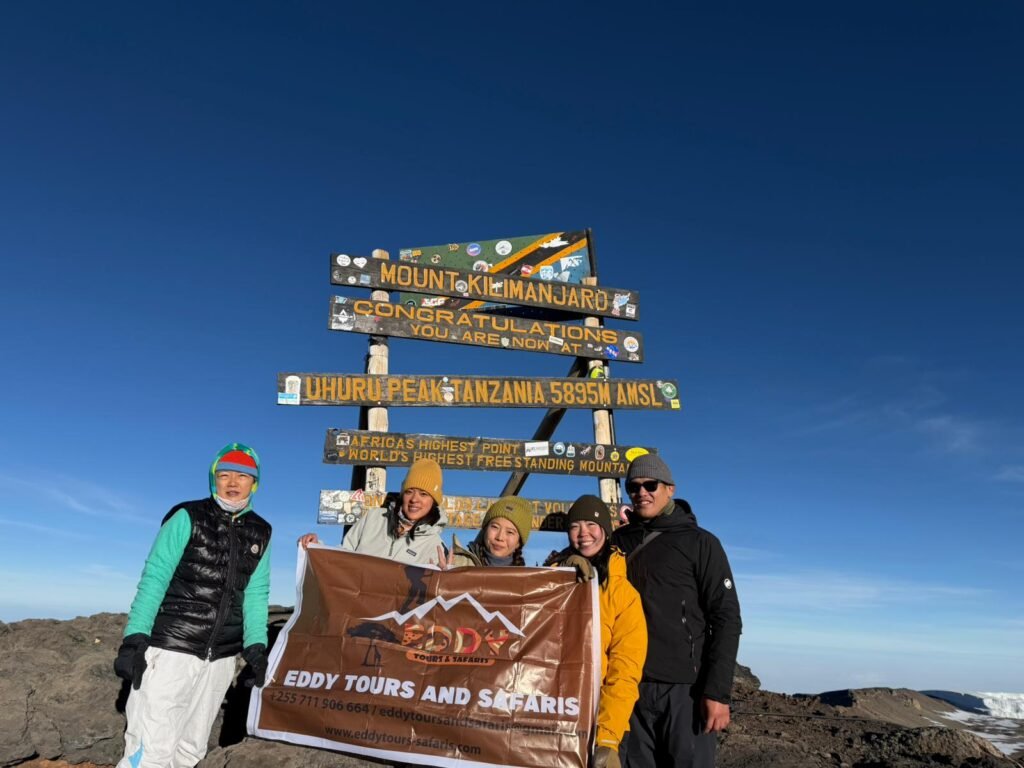
Best Time of Year to Climb Mount Kilimanjaro: Dry Seasons Explained
The Best Time of Year to Climb Mount Kilimanjaro is during the dry seasons. These months offer the best weather conditions, clearer skies, and safer trekking paths. The two main dry seasons are from January to mid-March and from June to October.
During these months, rainfall is minimal, and trails are less slippery. This improves your hiking experience and reduces risks. Visibility is also much better, allowing you to enjoy stunning views of glaciers, landscapes, and sunrise from the summit.
According to research from NASA and climate data from NOAA, stable weather conditions significantly increase trekking success rates. This is why most experienced guides recommend these months.
January to March – Quiet and Beautiful
This period is often considered one of the best because it is less crowded compared to mid-year months. Temperatures are slightly warmer, especially during the lower slopes. Snow is sometimes present near the summit, making the scenery even more attractive.
Climbers who prefer peaceful trails and better photography conditions usually choose this window. Scientific studies from National Geographic show that lower crowd density improves overall trekking satisfaction.
June to October – Peak Season Advantage
This is the most popular time and widely regarded as the Best Time of Year to Climb Mount Kilimanjaro. The weather is very stable, skies are clear, and summit success rates are higher.
However, this period comes with more climbers on the mountain. Routes like Machame and Marangu can be busy. If you prefer less crowded experiences, you may consider quieter routes like Rongai or Lemosho through this Lemosho route option.
Environmental organizations such as IUCN and UNEP emphasize that responsible trekking during peak seasons helps protect fragile ecosystems.
Worst Time to Climb Kilimanjaro (Rainy Seasons)
Understanding when NOT to climb is just as important as knowing the Best Time of Year to Climb Mount Kilimanjaro. The rainy seasons occur from April to May and November.
During these months, trails become muddy and slippery, increasing the risk of accidents. Visibility is poor, and you may miss the iconic views Kilimanjaro is famous for.
Data from World Bank Climate Reports shows increased rainfall intensity in East Africa during these months, making trekking more difficult and less enjoyable.
That said, some experienced climbers still choose these periods for solitude and lower costs. But for first-time trekkers, it is not recommended.
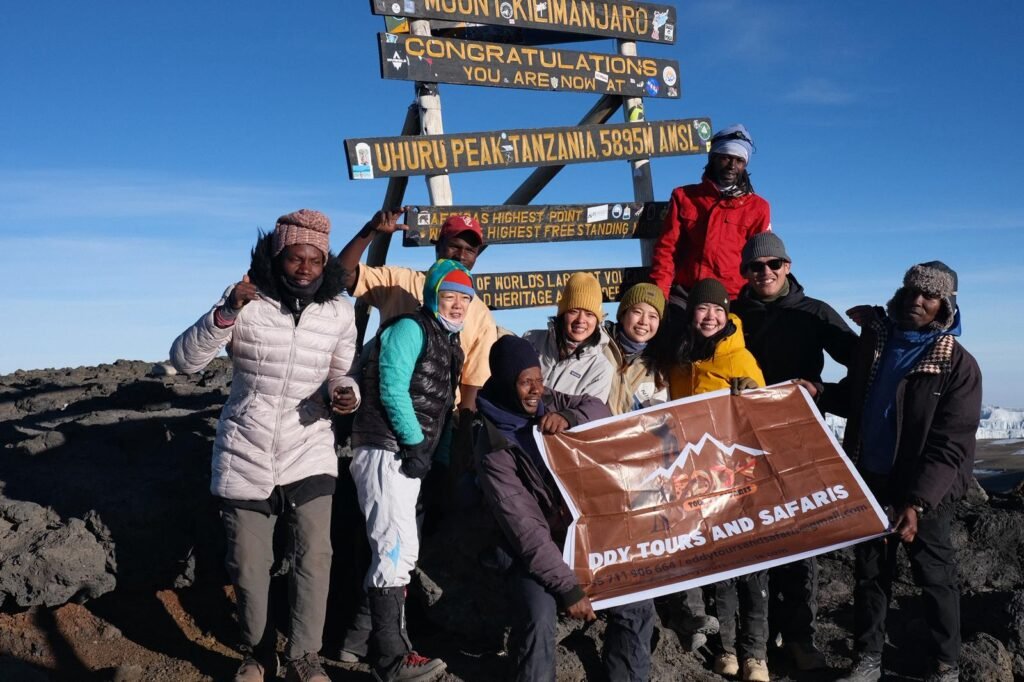
Best Time of Year to Climb Mount Kilimanjaro by Month
Let’s break it down month by month so you can clearly decide your ideal travel window.
January – Excellent Start
Good weather, fewer crowds, and great summit views. One of the best months to climb.
February – Peak Quality Conditions
Often considered the absolute best month due to stable weather and clear skies.
March – Transition Month
Still good, but rainfall may begin toward the end of the month.
April & May – Heavy Rain
Not recommended due to slippery trails and poor visibility.
June – Start of Peak Season
Dry conditions return, making it a good time to climb.
July to August – Busy but Reliable
Very popular months with excellent weather conditions.
September – Balanced Choice
Fewer crowds compared to July and August, but still great weather.
October – End of Dry Season
Still a good option before short rains begin.
November – Short Rains
Less ideal due to unpredictable weather.
December – Mixed Conditions
Early December can be rainy, but late December improves.
For detailed planning tools, you can also check Google travel trends and route insights from Kilimanjaro specialists.
How Weather Affects Your Summit Success
The Best Time of Year to Climb Mount Kilimanjaro is closely linked to summit success rates. Dry conditions reduce fatigue, improve acclimatization, and make trekking safer.
Scientific findings from NCBI indicate that stable weather helps the body adapt better to altitude changes. This increases your chances of reaching the summit successfully.
Cold temperatures at higher altitudes remain constant throughout the year, but rainfall and cloud cover are the main factors that change.
Choosing the Right Route Based on Season
Your chosen route should match the Best Time of Year to Climb Mount Kilimanjaro. Some routes perform better in certain seasons.
For example, the Rongai Route is ideal during rainy months because it lies on the drier northern side. On the other hand, Machame and Lemosho routes are perfect during dry seasons due to their scenic beauty.
You can explore more route comparisons here: Machame Route details and Rongai Route guide.
Research from Britannica highlights that route selection plays a major role in trekking success and experience.
Tips to Choose the Perfect Climbing Time
Picking the Best Time of Year to Climb Mount Kilimanjaro depends on your personal preferences and travel goals.
If you want clear views and high success rates, choose June to October. If you prefer fewer crowds, January to March is better. If you are on a budget, shoulder seasons may offer lower prices.
Experts from National Parks Foundation suggest aligning your travel plans with both weather and crowd levels for the best experience.
Why Booking Early Matters for 2026–2028
Demand for Kilimanjaro climbs continues to grow every year. Planning early ensures you get the best guides, preferred routes, and ideal travel dates.
Booking early also allows proper preparation, including fitness training and gear selection. Organizations like ResearchGate highlight that preparation time directly impacts trekking performance.
You can start planning your climb today by visiting this booking page and securing your preferred dates.
Final Thoughts
Choosing the Best Time of Year to Climb Mount Kilimanjaro is not complicated when you understand the seasons clearly. Dry months offer the best conditions, while rainy months present more challenges.
If you want a safe, enjoyable, and successful climb, focus on January to March or June to October. These periods provide the best balance of weather, visibility, and trekking comfort.
With the right timing, proper planning, and a trusted tour operator, your Kilimanjaro adventure can become one of the most rewarding experiences of your life.