
Real Tanzania Safari Prices Nobody Explains Clearly 2026/2027/2028 is a topic that many travelers search for, yet very few sources break it down in a simple, honest, and transparent way. Planning a safari in Tanzania should feel exciting, not confusing, but hidden costs, unclear packages, and misleading pricing often make it difficult to understand what you’re really paying for. This guide reveals everything in plain English so you can plan confidently and book wisely.
Tanzania is one of the most breathtaking safari destinations on Earth, home to iconic wildlife, vast national parks, and unforgettable landscapes. But here’s the truth—prices vary widely depending on season, accommodation, transport, and park fees. If you don’t understand how the pricing works, you could easily overpay or miss out on the best experience.
Let’s dive into the real breakdown so you can finally understand what influences safari costs and how to get the best value for your money.
Understanding Real Tanzania Safari Prices Nobody Explains Clearly 2026/2027/2028
Safari pricing in Tanzania is not a fixed number—it’s a combination of several factors that come together to form your final cost. These include accommodation level, park fees, transport, guide services, and even the time of year you travel. Many websites show attractive “starting from” prices, but they often leave out critical details.
For example, park fees alone can cost between $60 and $100 per person per day depending on the park. According to Tanzania National Parks Authority, these fees are mandatory and non-negotiable. Add conservation charges supported by organizations like World Wildlife Fund and IUCN, and the cost begins to add up quickly.
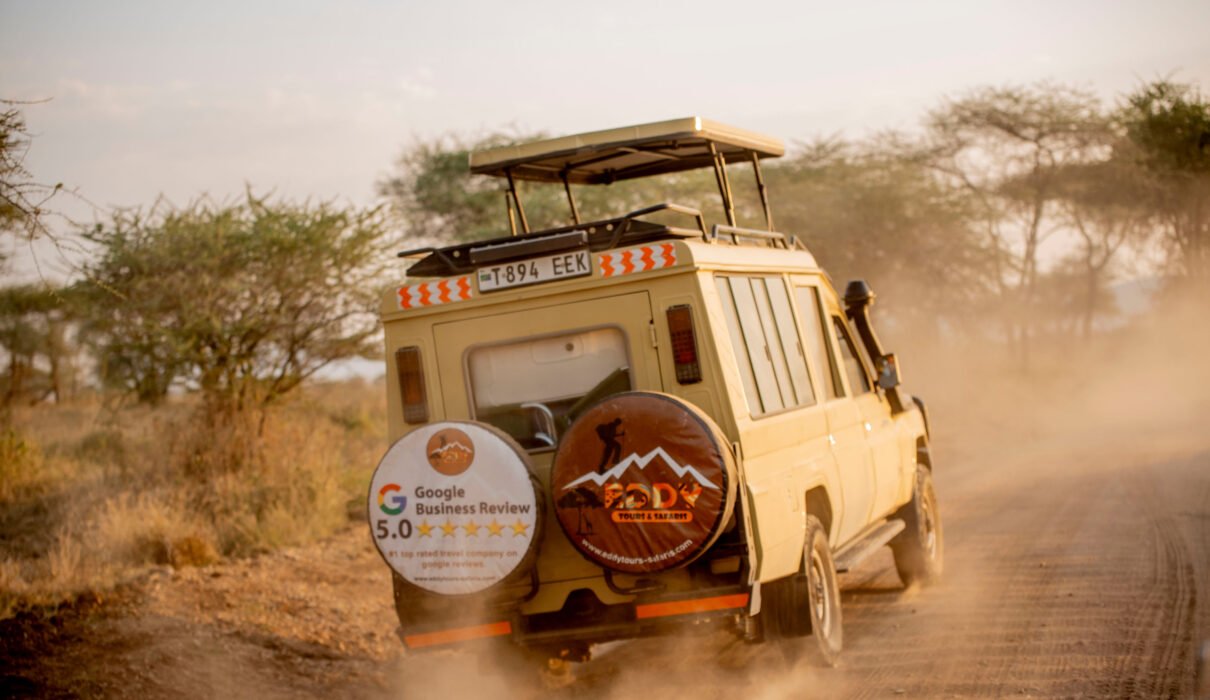
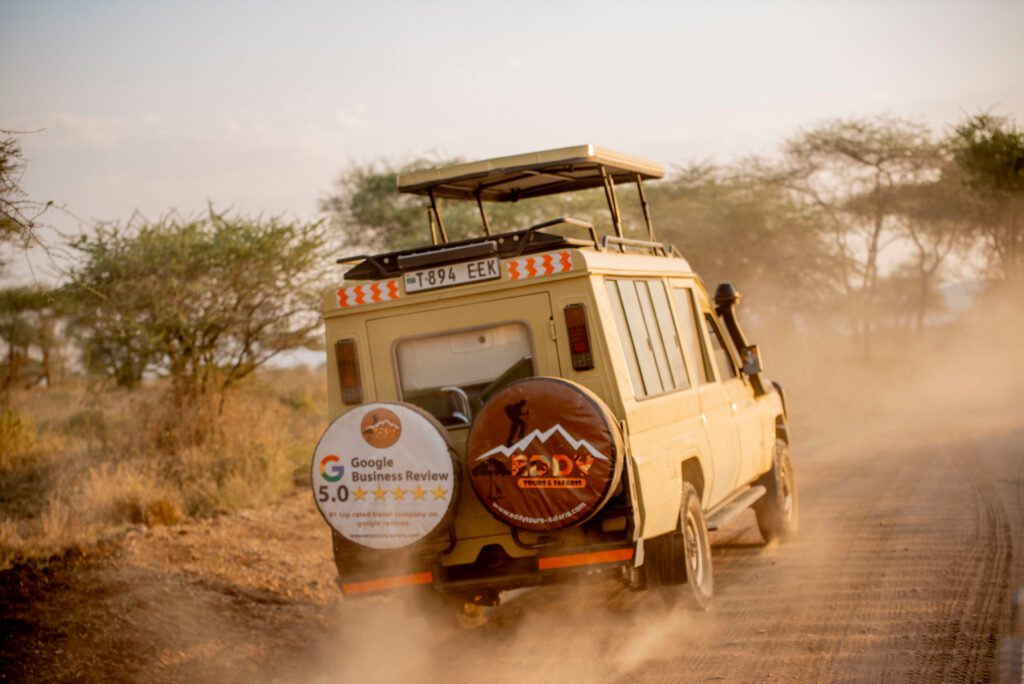
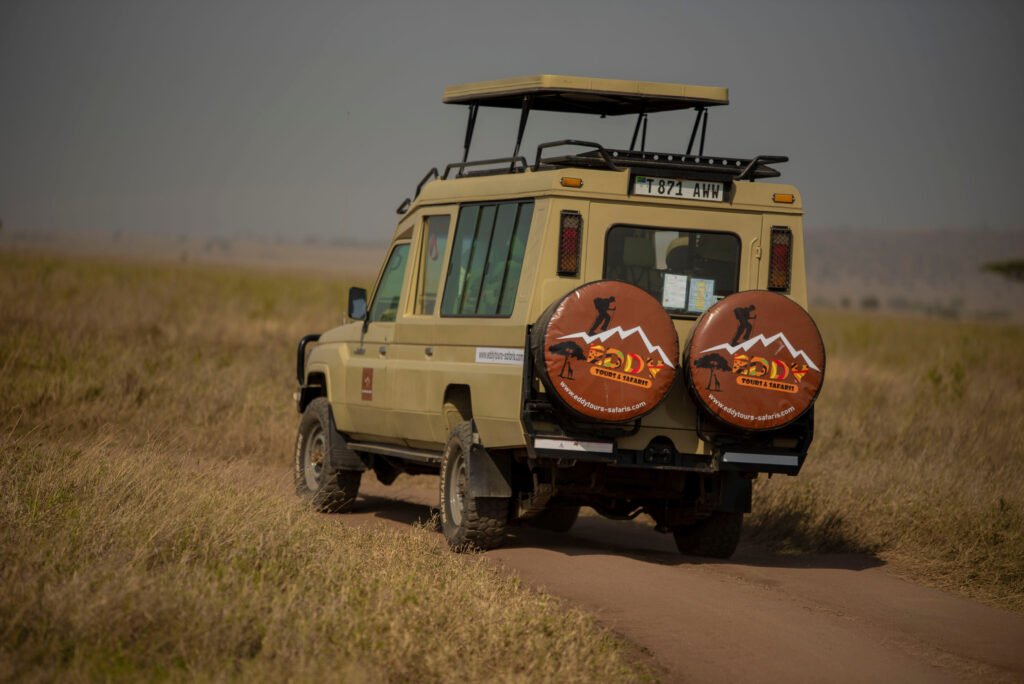
Transportation is another major factor. Whether you choose a 4×4 safari vehicle or a fly-in safari significantly affects the total price. Fuel, driver-guide expertise, and vehicle maintenance all play a role in determining your daily rate.
Accommodation Tiers and Their Impact
Accommodation is often the biggest cost driver. Budget camps may cost $150–$250 per night, mid-range lodges range from $300–$600, and luxury camps can exceed $1,000 per night. Many of these lodges also contribute to conservation efforts supported by institutions like National Geographic Society and African Parks.
If you’re unsure where to start, you can explore curated safari options on Eddy Tours & Safaris, where different budget levels are clearly explained.
What Most Companies Don’t Tell You About Safari Costs
Many safari operators advertise low prices but exclude essential services. These hidden costs can include park fees, guide tips, drinks, and even airport transfers. Some packages also exclude domestic flights, which can cost $200–$500 per leg.
Transparency matters. Research from United Nations Environment Programme highlights the importance of ethical tourism pricing, ensuring travelers understand where their money goes. Unfortunately, not all companies follow this principle.
When comparing quotes, always ask for a full breakdown. This should include accommodation, meals, transport, park fees, and any optional activities.
Seasonal Price Differences
Tanzania has three main seasons: high, shoulder, and low. Prices can vary by up to 40% depending on when you travel. The Great Migration, supported by research from Serengeti Research Institute, attracts peak demand between June and October.
Traveling during the low season can save money, but you may encounter rain and limited wildlife visibility. However, some travelers prefer this quieter experience.
Average Cost Breakdown Per Day
To give you a clearer picture, here’s a realistic daily cost estimate:
- Budget Safari: $200–$350 per person
- Mid-Range Safari: $350–$700 per person
- Luxury Safari: $700–$1500+ per person
These prices include accommodation, meals, transport, and guide services but may exclude flights and tips. Conservation efforts supported by groups like African Wildlife Foundation and Wildlife Conservation Society are often embedded in these costs.
For a detailed breakdown tailored to your needs, visit this safari pricing guide.
Why Safari Prices Are Rising in 2026/2027/2028
Several factors are contributing to increasing safari costs. Inflation, conservation funding, and improved infrastructure all play a role. According to World Bank, tourism development in East Africa is growing rapidly, leading to higher demand and better facilities.
Additionally, sustainability efforts supported by UN World Tourism Organization and Conservation International are increasing operational costs but also ensuring long-term wildlife protection.
While prices may seem higher, they often reflect improved quality and ethical tourism practices.
How to Save Money Without Sacrificing Experience
You don’t need to spend a fortune to enjoy a world-class safari. Smart planning can significantly reduce costs while still delivering an unforgettable experience.
Booking with trusted operators like Eddy Tours Safaris ensures transparency and value for money. You can also consider group safaris, travel during shoulder seasons, and choose mid-range accommodations.
Research from Lonely Planet suggests that flexible travel dates and early booking can save up to 20%.
Choosing the Right Package
Packages often provide better value than custom itineraries. They bundle accommodation, transport, and park fees into one price, making budgeting easier.
If you’re planning a combination trip, consider adding a Kilimanjaro climb through Kilimanjaro Climb Specialist for a complete Tanzanian adventure.
Hidden Fees You Must Watch Out For
Even well-planned safaris can include unexpected costs. These may include:
- Guide tips ($10–$20 per day)
- Alcoholic drinks
- Travel insurance (recommended by CDC)
- Visa fees
Understanding these extras helps you avoid surprises and stick to your budget.
FAQs About Real Tanzania Safari Prices Nobody Explains Clearly 2026/2027/2028
1. What is the cheapest way to go on a Tanzania safari?
The cheapest option is a group safari with budget camping, costing around $200 per day.
2. Why are Tanzania safaris expensive?
Costs include park fees, conservation funding, skilled guides, and high-quality accommodations.
3. Are luxury safaris worth the price?
Yes, they offer premium comfort, exclusive locations, and personalized experiences.
4. When is the best time to get lower prices?
Travel during the low or shoulder seasons for significant savings.
5. Do safari prices include flights?
Usually not. International and domestic flights are often separate.
6. How far in advance should I book?
At least 6–12 months in advance, especially for peak seasons.
Conclusion
Real Tanzania Safari Prices Nobody Explains Clearly 2026/2027/2028 doesn’t have to remain a mystery. Once you understand the components—accommodation, transport, park fees, and seasonality—you can plan a safari that fits your budget without compromising on experience.
Transparency is key. By choosing reputable operators, asking the right questions, and planning ahead, you can enjoy one of the most incredible wildlife experiences in the world with confidence and clarity.
Start your journey today by exploring trusted safari options at Eddy Tours & Safaris official website.