
Planning an African safari is exciting, but many tourists end up spending more money than necessary because they do not fully understand how safari packages are priced. A Tanzania safari can cost anywhere from a few hundred dollars for a short budget trip to several thousand dollars for a longer luxury holiday. While some expensive packages offer excellent accommodation and services, others include unnecessary charges, complicated booking arrangements, or activities that do not provide much additional value. Understanding these differences can help travellers make better decisions before paying for their safari.
Some travellers may spend $2,000 or more above the cost of a comparable safari because of avoidable booking mistakes. This does not mean that every expensive safari is overpriced. Private vehicles, experienced guides, quality accommodation, national park fees, and long travelling distances all involve genuine costs. However, tourists who compare packages carefully, understand what is included, and book through reliable operators may avoid paying for services they do not need. This guide explains seven common ways tourists overspend on Tanzania safaris and how to avoid them when planning a wildlife holiday in 2027, 2028, or 2029.
1. Booking a Safari Without Comparing Different Tour Operators
One of the most common mistakes tourists make is accepting the first safari quotation they receive without comparing it with other available options. Safari prices can vary considerably between operators, even when the itineraries appear similar. These differences may result from accommodation choices, transport arrangements, guiding services, and the number of businesses involved in organising the holiday. A package advertised at $5,000 may offer a different level of service from another costing $3,500, so travellers should understand what they are paying for before making a decision.
Some international travel agencies organise African safaris through local destination management companies. This arrangement can be convenient, particularly when the agency provides additional services or specialist support. However, additional booking layers may increase the final price. Travellers should therefore compare quotations from established international agencies and reputable local tour operators to understand the differences in services and costs.
When comparing safari quotations, request detailed itineraries showing the national parks, accommodation names, transport arrangements, meals, entrance fees, and additional activities. Two packages should only be compared directly when they provide similar services. A lower price does not necessarily represent better value if important expenses have been excluded.
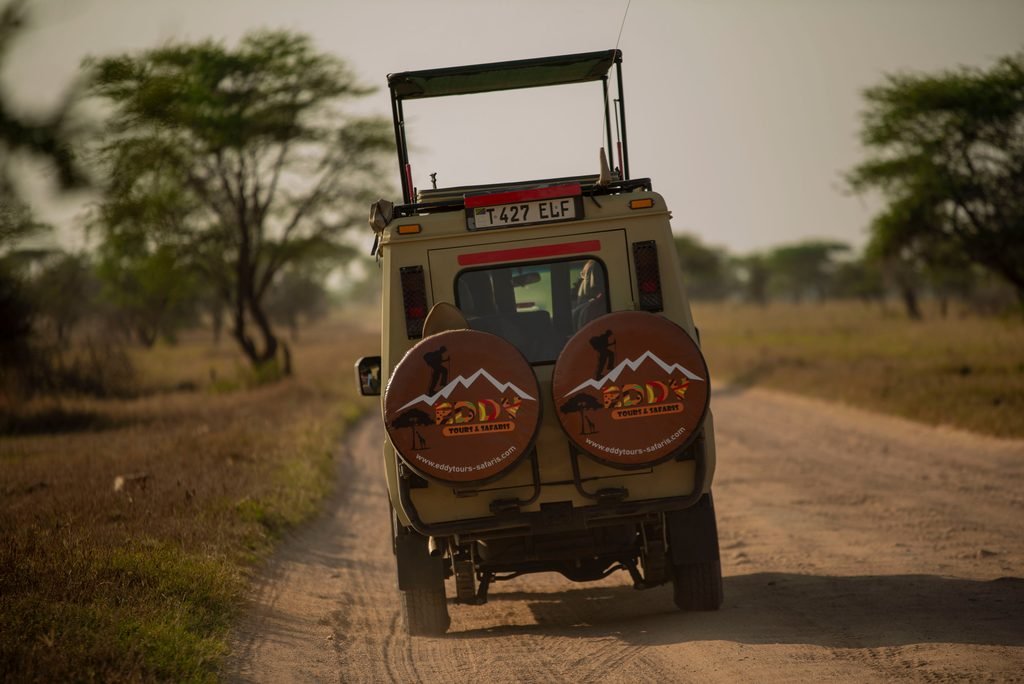
Travellers planning a safari in northern Tanzania can contact Eddy Tours & Safaris, a local tour company based in Arusha, to request a personalised quotation. Communicating directly with the company organising the safari can make it easier to discuss accommodation preferences, travel dates, and available alternatives.

2. Choosing Expensive Accommodation Without Understanding the Differences
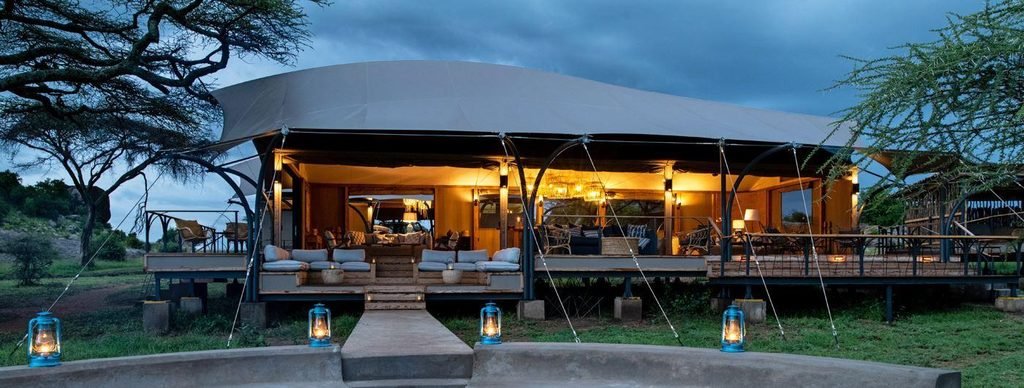
Accommodation is one of the largest expenses in a Tanzania safari package. Travellers can choose from public campsites, budget lodges, mid-range tented camps, luxury lodges, and premium safari properties. Although luxury accommodation provides additional comfort and facilities, it is not always necessary for visitors whose main priority is wildlife viewing. Many mid-range properties offer comfortable rooms, private bathrooms, meals, and convenient access to popular safari destinations.
Some tourists select expensive lodges because they believe higher accommodation prices automatically guarantee better wildlife sightings. In reality, wildlife viewing depends on several factors, including the location of the accommodation, time spent on game drives, the experience of the guide, and natural animal movements. Staying at a luxury lodge does not guarantee that visitors will see more animals than those staying at a well-located mid-range camp.
For example, a traveller may spend several hundred dollars more per night on premium accommodation while spending most of the day exploring the national park. Over a five- or seven-day safari, these differences can add up considerably. Travellers should decide which facilities matter most before selecting their accommodation category.
A practical approach is to compare mid-range and luxury options within the same destination. Ask whether the additional cost provides a better location, shorter driving distances, or facilities you will genuinely use. Choosing comfortable, appropriately located accommodation can help reduce expenses without sacrificing the main wildlife experience.
3. Travelling During Peak Season Without Considering Other Months
The time of year can significantly influence the cost of a Tanzania safari. Popular travel periods, particularly between June and October, often attract strong demand for accommodation in destinations such as Serengeti National Park and the Ngorongoro Conservation Area. During these months, some lodges and tented camps charge higher rates because more visitors are travelling. Tourists who book during the busiest periods may therefore pay considerably more for accommodation than travellers visiting during quieter months.
Tanzania offers wildlife viewing opportunities throughout the year, although conditions change according to rainfall and animal movements. January and February are particularly interesting for travellers hoping to observe wildebeest calving in the southern Serengeti ecosystem. The green season can also provide beautiful landscapes, excellent birdwatching, and opportunities for wildlife photography. However, heavy rainfall during certain months may affect road conditions and accessibility.
Travellers who are flexible with their holiday dates should compare safari prices across different months before booking. Moving a safari by several weeks may sometimes provide access to more affordable accommodation, although savings depend on the destination and property. It is also important to consider the type of wildlife experience you want rather than selecting dates based only on price.
Visitors interested in the Great Migration should remember that wildebeest movements depend on rainfall and grazing conditions. River crossings cannot be guaranteed on particular dates. Choosing the appropriate region of the Serengeti is often more important than paying a premium for an advertised migration package.
4. Paying for Unnecessary Domestic Flights and Complicated Travel Routes
Domestic flights can make Tanzania safaris more convenient, particularly when travelling between distant destinations. However, some itineraries include multiple flights or complicated travel routes that increase the overall cost without providing enough additional value. Travellers should understand why each flight is included and whether a road transfer would be a practical alternative.
For example, visitors travelling from Arusha to Tarangire National Park or the Ngorongoro Conservation Area can normally reach these destinations by road. A well-planned northern Tanzania safari can combine several parks using a private four-wheel-drive vehicle, reducing the need for multiple domestic flights. Road transfers also provide opportunities to observe the countryside and experience different landscapes along the journey.
However, road travel is not always the cheaper or better option when time and comfort are considered. Destinations such as Nyerere, Ruaha, Katavi, and Mahale can involve long travelling distances, and domestic flights may be the most practical way to reach them. Fly-in safaris are also useful for travellers with limited holiday time or those who prefer to avoid extended road journeys.
Before confirming a safari, ask your tour operator to explain the proposed route and the purpose of each flight. Compare the total cost, travelling time, and number of game drives offered by different arrangements. An efficient itinerary can help avoid unnecessary transport expenses while allowing enough time to explore the selected national parks.
5. Booking Too Many National Parks Within a Short Safari
Many tourists assume that visiting more national parks automatically creates a better safari. As a result, they may book itineraries that include several distant destinations within only a few days. Although these packages can look attractive, they may involve long transfers, limited game-drive time, and additional transport expenses. Travellers can end up spending more time on the road than observing wildlife.
For example, a three-day itinerary combining Tarangire, Serengeti, and Ngorongoro involves substantial travelling distances. While such a route can be arranged, visitors should understand that the schedule will be demanding. Spending additional time in fewer destinations may provide a more comfortable experience and better opportunities to observe wildlife.
A carefully planned five-day safari through Tarangire, Serengeti, and Ngorongoro can offer a more balanced programme. Travellers with fewer available days may prefer Tarangire, Lake Manyara, and Ngorongoro because these destinations are relatively close to one another. The best itinerary depends on the visitor’s priorities, budget, and available travel time.
When selecting a safari package, consider the number of hours allocated to game drives rather than focusing only on the number of parks included. Ask your tour operator for realistic travelling times and a daily schedule. This information will help you avoid paying for an itinerary that looks impressive on paper but provides limited time for wildlife viewing.
6. Ignoring Hidden Charges and Services Excluded from Safari Packages
Another common reason tourists overspend is failing to check what is included in the advertised safari price. Some packages appear inexpensive initially but exclude important expenses such as national park entrance fees, accommodation, meals, airport transfers, or specific activities. These additional charges can increase the final cost considerably, especially during longer holidays.
National park fees represent a significant part of safari operating expenses in Tanzania. Different destinations have different entrance fees, and some areas require additional charges for specific activities or vehicles. Travellers should confirm whether these expenses are included in the quotation before making any payment. Official information about Tanzania’s national parks is available through the Tanzania National Parks Authority.
Accommodation arrangements should also be clearly explained. Ask whether the package includes breakfast, lunch, dinner, and drinking water during game drives. If the itinerary involves domestic flights, confirm whether airport transfers and baggage allowances are included. Optional activities such as hot-air balloon safaris, cultural visits, and special excursions may involve additional charges.
A reliable safari quotation should provide a clear breakdown of included and excluded services. Travellers should also review payment terms, cancellation conditions, and refund policies before confirming their booking. Taking time to understand these details can prevent unexpected expenses and disagreements during the holiday.
7. Choosing a Safari Based Only on the Lowest or Highest Price
Safari prices can influence booking decisions, but selecting a package based only on its price can lead to unnecessary expenses or disappointing experiences. Some tourists assume that the most expensive package must be the best, while others choose the cheapest option without checking accommodation quality, vehicle arrangements, or guiding services. Both approaches can create problems.
An expensive safari may include premium accommodation, domestic flights, exclusive activities, or additional services that are not essential for every traveller. Paying for these features can be worthwhile when they match your preferences, but they may represent unnecessary expenses if your main interest is wildlife viewing. Similarly, an unusually cheap package may exclude important services or involve arrangements that do not meet your expectations.
The best approach is to evaluate the overall value of the safari. Consider the itinerary, accommodation locations, number of game drives, vehicle arrangements, guide services, and included expenses. A well-organised mid-range safari may provide excellent wildlife experiences without the cost of premium luxury facilities.
Travellers should also verify the reputation of the company organising their holiday. Read recent customer reviews, check the company’s contact details, and request written booking information. A transparent quotation and clear communication are important indicators of a professionally organised safari.
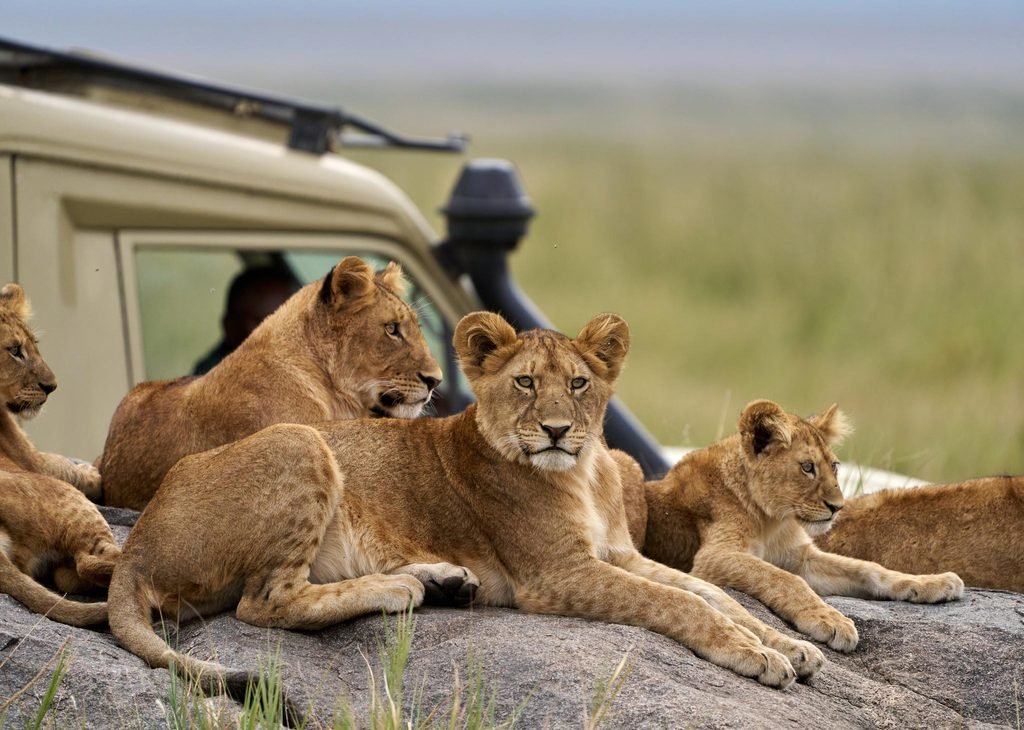
How Much Money Can Tourists Save on a Tanzania Safari?
The amount tourists can save depends on their original itinerary, accommodation preferences, travel dates, and the alternatives available. There is no guaranteed saving of $2,000 on every safari, particularly for short budget trips. However, travellers booking longer private safaris or luxury holidays may find substantial price differences when comparing similar packages.
Consider a hypothetical seven-day safari for two travellers. One quotation may cost $8,000 for the couple, while another may cost $6,000 with comparable destinations, accommodation standards, and included services. In this example, the travellers would save $2,000 by choosing the second package. The saving would only be meaningful if both quotations offered genuinely comparable services.
Other savings may come from selecting mid-range accommodation, avoiding unnecessary flights, choosing suitable travel dates, or sharing the cost of a private safari vehicle among several travellers. Rather than focusing on a particular saving amount, visitors should aim to obtain a fair price for the services they want.
Is It Cheaper to Book a Tanzania Safari with a Local Tour Operator?
Booking with a local Tanzania tour operator can sometimes reduce costs because the company may organise accommodation, transport, and guiding services directly. This can simplify communication and reduce the number of intermediaries involved in the booking process. However, local operators are not automatically cheaper than international travel agencies, and prices should always be compared on a like-for-like basis.
International agencies may provide additional services, including flights, specialist travel support, or package arrangements covering several countries. These services can be useful for some travellers. The most important consideration is whether the total package provides suitable value and meets your expectations.
Eddy Tours & Safaris is a local tour company in Arusha, Tanzania, arranging private wildlife safaris, Kilimanjaro climbing expeditions, and personalised holidays. Travellers can discuss their preferred destinations, accommodation categories, and travel dates directly with the team when requesting a safari quotation.
How to Plan an Affordable Tanzania Safari Without Sacrificing Quality
An affordable Tanzania safari does not necessarily mean choosing basic accommodation or reducing the number of wildlife activities. The goal is to organise a practical itinerary that uses your available budget efficiently. Selecting suitable destinations, comfortable accommodation, and realistic travelling distances can provide a rewarding experience without unnecessary expenses.
For first-time visitors, a five- to seven-day northern Tanzania safari is often a practical choice. This duration allows travellers to explore destinations such as Tarangire, Serengeti, and Ngorongoro while spending sufficient time on game drives. Travellers with smaller budgets may prefer shorter itineraries focusing on parks closer to Arusha.
Accommodation selection is another important consideration. Mid-range lodges and tented camps can provide comfortable facilities without the higher cost of premium luxury properties. Choosing accommodation near the planned game-drive areas can also help reduce unnecessary travelling.
Finally, travellers should request quotations based on their actual requirements rather than selecting packages solely from advertised prices. Providing the number of participants, travel dates, preferred accommodation category, and available budget allows the safari operator to recommend suitable options.
Best Time to Book a Tanzania Safari for 2027, 2028 and 2029
Travellers planning safaris for 2027, 2028, or 2029 should begin researching their preferred destinations and accommodation options well before departure. Popular lodges and tented camps can fill up during busy travel periods, particularly in areas associated with the Great Migration. Early planning provides more time to compare quotations and select suitable accommodation.
However, booking early does not automatically guarantee the lowest price. Travellers should compare seasonal rates, cancellation conditions, and the services included before confirming their reservations. For holidays planned several years ahead, it is particularly important to check whether accommodation rates and park fees have been finalised.
Safari operators may provide provisional quotations when future rates are not yet available. Travellers should request written confirmation of the final price and understand whether any charges may change before departure.
Frequently Asked Questions About Tanzania Safari Costs
Why are Tanzania safaris expensive?
Tanzania safaris involve several operational expenses, including national park entrance fees, accommodation, fuel, safari vehicles, professional guides, and transport between destinations. Remote locations and seasonal demand can also influence the overall cost. Luxury accommodation and domestic flights increase prices further.
Can tourists really overpay $2,000 on a safari?
Yes, it is possible for travellers to pay $2,000 or more above the price of a comparable package, particularly on longer or higher-end safaris. However, this is not a typical or guaranteed amount. Actual differences depend on the itinerary, accommodation, group size, and services included.
Is booking directly with a Tanzania safari company cheaper?
Booking directly with a local safari company can sometimes reduce costs by simplifying the booking process. However, prices vary between operators, and travellers should compare packages with similar services before deciding.
What is the cheapest month for a Tanzania safari?
Some accommodation providers offer lower rates during quieter travel periods, including parts of the rainy season. However, prices vary by destination and property, and weather conditions may affect accessibility. Travellers should request quotations for different months to compare costs.
How can I reduce the cost of a Serengeti safari?
Travellers can compare accommodation categories, select an efficient itinerary, share private vehicle expenses with other participants, and avoid unnecessary flights. Choosing a well-located mid-range camp may also reduce accommodation costs without significantly affecting the wildlife experience.
Are luxury Tanzania safaris worth the money?
Luxury safaris can provide excellent accommodation, attractive locations, and additional services. Whether they are worth the cost depends on personal preferences and budget. Travellers primarily interested in wildlife viewing may find that a well-organised mid-range safari meets their needs.
Should I book a private safari or a group joining safari?
Private safaris provide exclusive use of the vehicle and greater flexibility, while group joining safaris generally allow travellers to share transport costs. The best choice depends on the available budget, group size, and preferred travel experience.
How do I know whether a safari quotation is fair?
Compare quotations that include similar destinations, accommodation standards, park fees, meals, and transport arrangements. Request written details of all inclusions and exclusions, check recent customer reviews, and confirm the company’s booking conditions before paying.
Book a Tanzania Safari at a Fair Price with Eddy Tours & Safaris
A Tanzania safari should be planned around the wildlife experiences you want, the time available, and the amount you are comfortable spending. Comparing quotations, selecting suitable accommodation, avoiding unnecessary transfers, and understanding package inclusions can help prevent avoidable expenses. The aim is not simply to find the cheapest safari but to choose a well-organised holiday that provides good value.
Eddy Tours & Safaris is a local tour company in Arusha, Tanzania, arranging private wildlife safaris, Kilimanjaro climbing expeditions, and personalised travel experiences. Travellers planning a Tanzania safari in 2027, 2028, or 2029 can request a quotation based on their preferred destinations, travel dates, accommodation standards, and group size.
For more information or to discuss your safari plans, contact the team through the Eddy Tours & Safaris booking page.
Email: sales@eddytours-safaris.com
WhatsApp: +255 711 906 664
Website: Eddy Tours & Safaris