
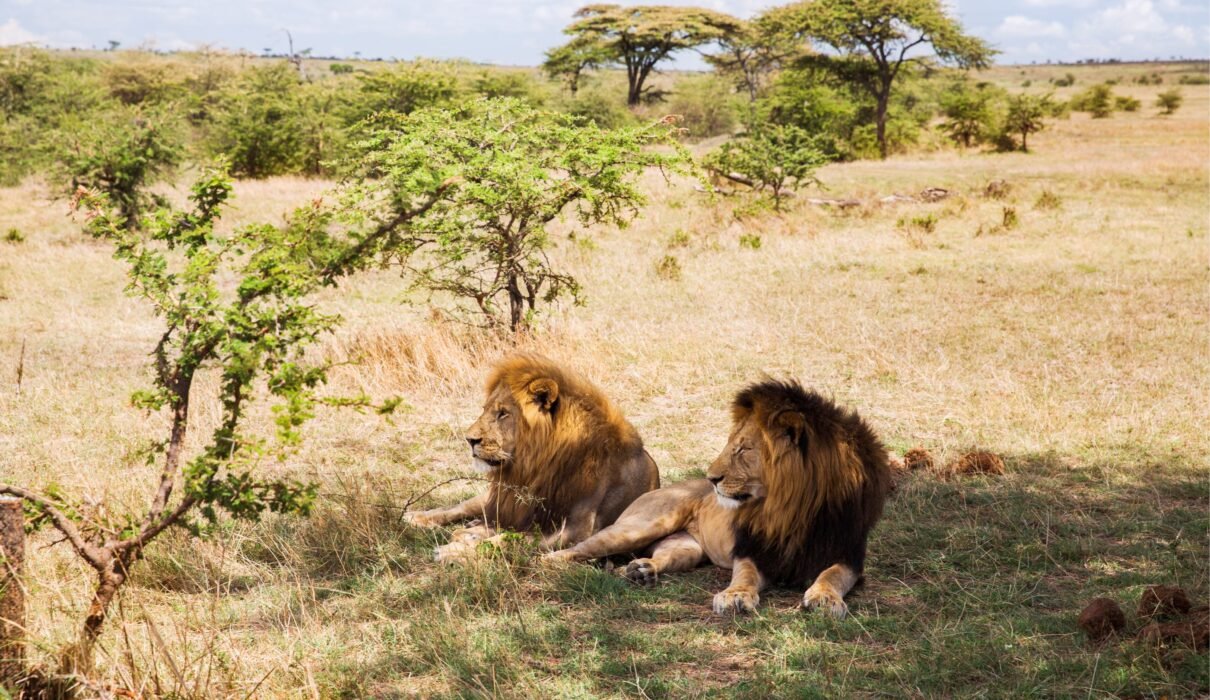
The Mane Event: The Purpose of Lion Manes is one of the most fascinating topics in wildlife science, especially for safari lovers and conservation enthusiasts planning their journeys in 2026, 2027, or 2028. When you picture a lion, the mane is likely the first thing that comes to mind. But beyond its beauty lies a powerful story of survival, dominance, attraction, and evolution. Understanding why lions have manes gives you a deeper appreciation for these majestic animals and makes every safari experience far more meaningful.
Across the vast plains of Africa, male lions stand apart from other big cats due to their striking manes. These thick growths of hair are not just decorative; they serve multiple biological and social functions that help lions thrive in the wild. From signaling strength to protecting vital areas during combat, the mane is truly a multifunctional feature.
If you are planning a safari with Eddy Tours & Safaris, learning about lion behavior ahead of time can transform your experience from ordinary to unforgettable.
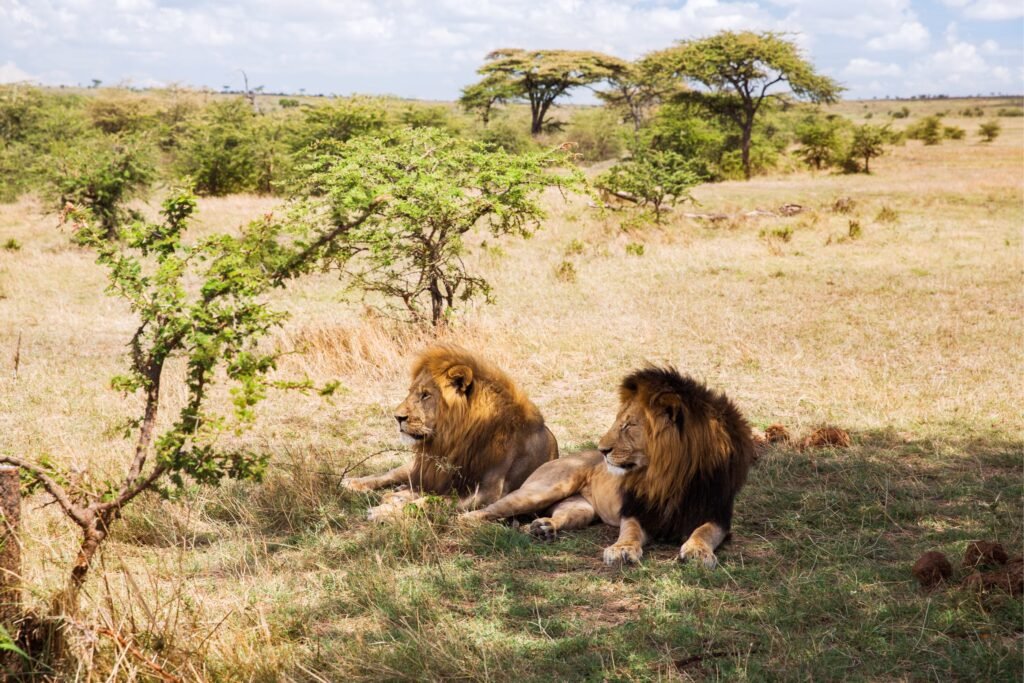
The Mane Event: The Purpose of Lion Manes Explained
The mane of a lion is one of nature’s most iconic features, yet many people don’t fully understand its purpose. At its core, the mane serves three main roles: protection, attraction, and intimidation. Each of these plays a vital role in the lion’s survival in the wild.
First, the mane acts as a shield during fights. Male lions often engage in fierce battles over territory or mating rights. The thick hair around the neck and shoulders helps reduce injuries, especially from bites and claws aimed at critical areas. This natural armor can make the difference between life and death.
Second, the mane is a signal to lionesses. Studies have shown that females are more attracted to males with darker, fuller manes. These traits often indicate good health, strong genetics, and high testosterone levels. In simple terms, a big mane tells lionesses, “This male is strong and capable of protecting the pride.”
Third, the mane serves as a warning to rivals. A lion with a large mane appears bigger and more intimidating, which can prevent fights before they even begin. This visual advantage helps conserve energy and reduce unnecessary risk.
For travelers eager to witness these behaviors firsthand, booking a guided safari through trusted safari experts ensures you don’t miss these incredible interactions.
The Evolution of Lion Manes
The evolution of lion manes is a remarkable story shaped by millions of years of natural selection. Unlike other big cats such as tigers or leopards, lions evolved as social animals. Living in prides created a need for clear visual communication, and the mane became an essential tool for that.
Over time, males with larger and darker manes were more successful in mating and defending territory. This led to the gradual development of the thick, impressive manes we see today. Environmental factors also play a role. Lions in cooler climates tend to have thicker manes, while those in hotter regions may have lighter or shorter ones.
Research from institutions like National Geographic and Smithsonian Institution has helped scientists understand how climate, genetics, and diet influence mane development.
Protection: A Natural Armor
One of the most critical functions of the mane is protection. Male lions frequently fight each other, and these battles can be brutal. The mane cushions blows and reduces the impact of bites around the neck, which is a highly vulnerable area.
Without this natural armor, many lions would suffer fatal injuries. This protective function is especially important in regions with high competition for territory, such as the Serengeti.
Organizations like World Wildlife Fund and Panthera continue to study lion behavior to better understand how physical traits like the mane contribute to survival.
Attraction: Winning the Lionesses
Lionesses are highly selective when choosing mates, and the mane plays a huge role in their decision. Darker manes are often associated with higher testosterone levels and better overall health. These males are more likely to pass on strong genes to their offspring.
This means that the mane is not just about looking impressive—it directly influences reproductive success. Over generations, this preference has shaped the evolution of lion populations.
Scientific studies from Nature and ScienceDirect confirm that mane color and size significantly impact mating success.
How Climate Affects Lion Manes
Climate plays a major role in determining the size and thickness of a lion’s mane. In hotter regions, such as parts of East Africa, lions often have shorter manes. This helps them regulate body temperature and avoid overheating.
In contrast, lions living in cooler areas tend to have fuller manes. The extra hair provides insulation and protection against colder temperatures. This variation shows how adaptable lions are to different environments.
Research supported by NASA and NOAA highlights how changing climates may impact wildlife traits, including lion manes, in the future.
Health Indicators in Mane Appearance
A lion’s mane can reveal a lot about its health. A thick, dark mane usually indicates a strong and well-nourished animal. On the other hand, a thin or patchy mane may signal illness, poor diet, or aging.
Safari guides often use these visual cues to assess the condition of lions in the wild. When you travel with Eddy Tours & Safaris, experienced guides will help you understand these subtle details.
The Mane Event: The Purpose of Lion Manes in Social Hierarchy
The mane also plays a crucial role in the social structure of lion prides. Dominant males typically have the most impressive manes. This visual dominance helps maintain order within the pride and reduces conflicts.
Subordinate males often avoid challenging dominant ones unless they are confident in their ability to win. This system helps maintain stability and ensures the survival of the pride.
Insights from IUCN and African Wildlife Foundation show how physical traits influence social behavior in large predators.
Future of Lion Manes: 2026–2028 Outlook
Looking ahead to 2026, 2027, and 2028, the future of lion manes may be influenced by environmental changes, habitat loss, and conservation efforts. As climates shift, we may see further variations in mane size and density.
Conservation organizations such as Conservation International and Wildlife Conservation Society are working to protect lion habitats and ensure their survival.
Travelers can support these efforts by choosing ethical safari operators like Eddy Tours & Safaris, who prioritize conservation and responsible tourism.
Why Understanding Lion Manes Enhances Your Safari
Knowing the purpose of lion manes adds depth to your safari experience. Instead of simply seeing a lion, you begin to understand its story—its struggles, strengths, and role within the ecosystem.
This knowledge transforms wildlife viewing into a meaningful and educational adventure. Whether you are visiting Tanzania or other African destinations, understanding these details makes every moment more rewarding.
For those planning a complete adventure, combining your safari with a climb through Kilimanjaro Climb Specialist creates a truly unforgettable African journey.
FAQs About The Mane Event: The Purpose of Lion Manes
1. Why do only male lions have manes?
Male lions have manes primarily for protection, attraction, and dominance. Female lions do not need this feature because they do not engage in the same level of combat or competition.
2. Do all lions have the same type of mane?
No, mane size and color vary depending on genetics, climate, and health. Some lions have thick, dark manes, while others have lighter or shorter ones.
3. Can a lion survive without a mane?
While a lion can survive without a mane, it would be at a disadvantage in fights and mating opportunities.
4. Does mane color change over time?
Yes, a lion’s mane can darken with age and improved health, reflecting increased testosterone levels.
5. Are there lions without manes?
Yes, some populations, such as those in Tsavo, have very minimal manes due to environmental factors.
6. How can I see lions with impressive manes?
Booking a safari with experienced operators like Eddy Tours & Safaris increases your chances of seeing dominant male lions in their natural habitat.
Conclusion
The Mane Event: The Purpose of Lion Manes is more than just a scientific topic—it is a window into the life of one of Africa’s most iconic animals. From protection and attraction to social dominance, the mane plays a vital role in the survival and success of male lions.
As we move into 2026, 2027, and 2028, understanding these fascinating details will make your wildlife adventures richer and more meaningful. By choosing responsible travel options and supporting conservation efforts, you also contribute to preserving these magnificent creatures for future generations.