
Grumeti Safari is one of Tanzania’s most exclusive and rewarding wildlife experiences, offering unmatched access to remote wilderness, dramatic river crossings, and rich biodiversity. Located in the western corridor of Serengeti, the Grumeti region delivers a quieter, more intimate safari compared to the crowded central plains, making it ideal for travelers seeking authenticity, privacy, and exceptional wildlife encounters.
This guide explores everything you need to know about planning a Grumeti Safari in 2026, 2027, and 2028, including the best travel seasons, wildlife highlights, and practical tips to make your journey seamless and unforgettable. Whether you are a first-time visitor or a returning safari enthusiast, understanding this region will elevate your experience to another level.
Why Choose a Grumeti Safari in 2026/2027/2028
The Grumeti region stands out as one of Africa’s most pristine safari destinations. Unlike the central Serengeti, where vehicle traffic can sometimes affect the experience, Grumeti offers exclusivity, limited visitor numbers, and a deep sense of untouched wilderness. This makes every sighting feel personal and authentic.
One of the biggest advantages of a Grumeti Safari is its role in the Great Migration. While many travelers focus on the Mara River crossings, the Grumeti River offers equally dramatic scenes with fewer crowds. Massive crocodiles, some over 5 meters long, wait patiently for wildebeest to cross, creating raw and powerful wildlife moments.
Another key reason to visit is the conservation model. The area is managed through partnerships between conservation organizations and private operators, ensuring sustainable tourism. This means your visit contributes directly to wildlife protection and community development.
If you are planning your Tanzania adventure, you can explore more options through expert safari planning services that help customize your journey based on your travel style and timing.
Best Time for a Grumeti Safari
Dry Season (June to October)
The dry season is widely considered the best time for a Grumeti Safari. During these months, wildlife gathers around water sources, making it easier to spot animals. Vegetation is thinner, improving visibility and increasing your chances of seeing predators in action.
June and July are particularly special because they coincide with the Great Migration moving through the western Serengeti. This is when you may witness river crossings at the Grumeti River, a spectacle that rivals the famous Mara crossings but with fewer vehicles.
Temperatures are comfortable, and rainfall is minimal, making it ideal for game drives and walking safaris. For detailed climate insights, you can refer to NOAA and UK Met Office.
Green Season (November to May)
The green season offers a completely different but equally rewarding experience. The landscape transforms into lush greenery, and birdlife becomes abundant. This is the best time for bird watchers, with migratory species arriving in large numbers.
Calving season occurs in the southern Serengeti, but predators still roam the Grumeti area. The lower number of tourists during this period means you can enjoy more private sightings and often benefit from lower rates.
For wildlife conservation updates, sources like World Wildlife Fund and IUCN provide valuable insights.
Wildlife Highlights of Grumeti Safari
The Great Migration
The Great Migration is the highlight of any Grumeti Safari. Millions of wildebeest, zebras, and gazelles move through the ecosystem in search of fresh grazing. The Grumeti River crossings are intense and unpredictable, often involving dramatic predator-prey interactions.
To understand migration patterns, resources like National Geographic and Britannica offer detailed ecological explanations.
Big Cats and Predators
Grumeti is home to a healthy population of lions, leopards, and cheetahs. Lions are often seen resting under acacia trees or hunting in coordinated groups. Leopards prefer riverine forests, where they can be spotted lounging on tree branches.
Hyenas and wild dogs also play a crucial role in the ecosystem. Their hunting strategies and social behavior provide fascinating insights into predator dynamics. Research institutions like Panthera and Wildlife Conservation Society study these species extensively.
Elephants and Other Herbivores
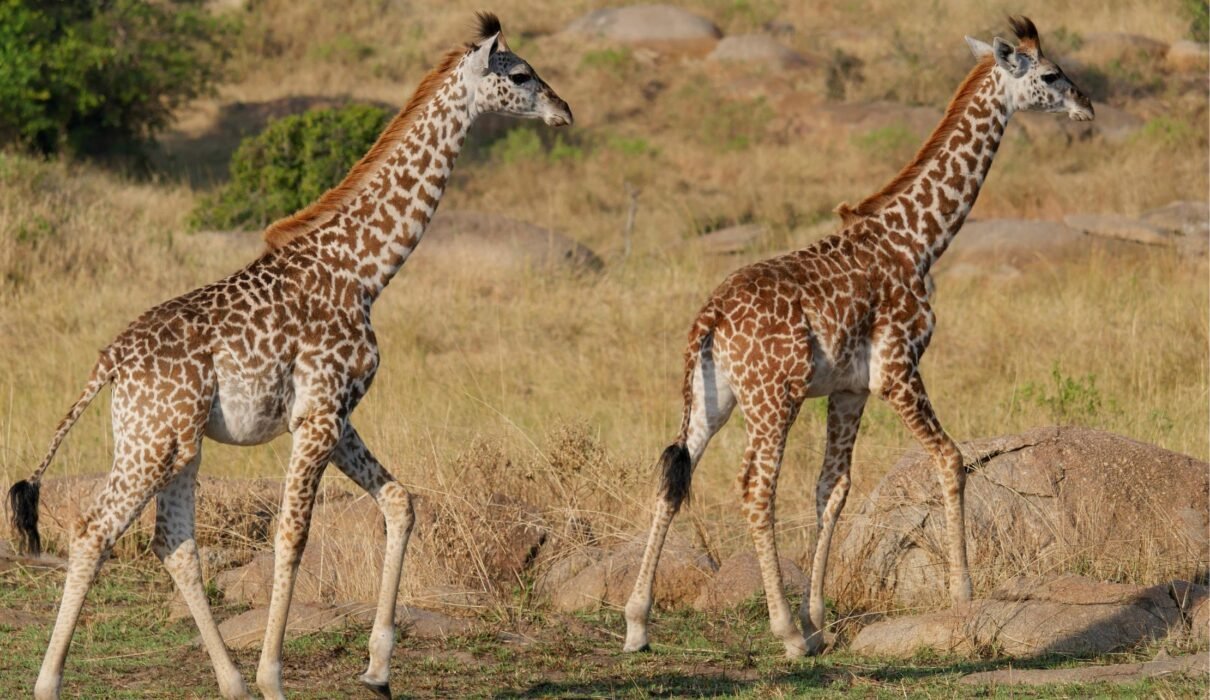
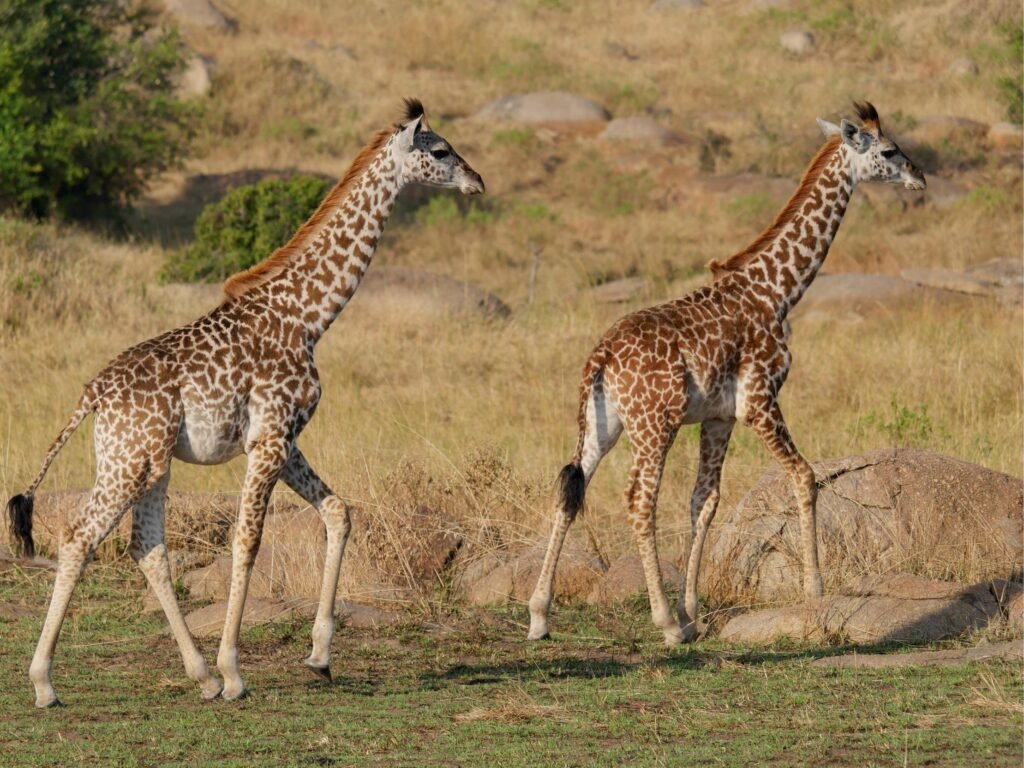
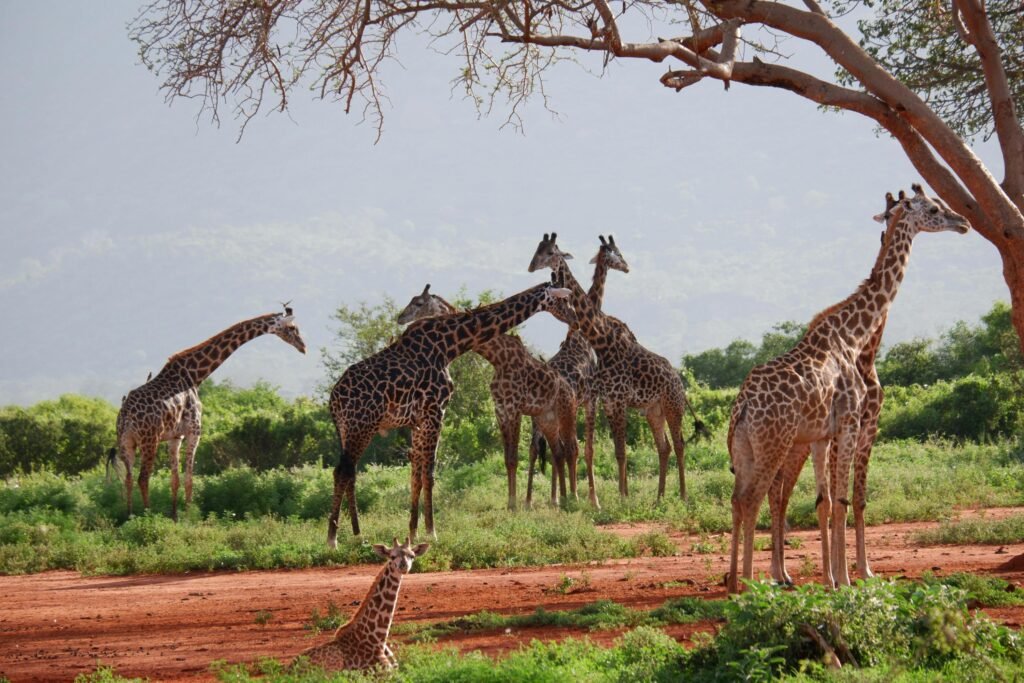
Large elephant herds roam the Grumeti region, often seen near water sources. Giraffes, buffaloes, and antelope species are also common, creating a diverse and balanced ecosystem.
For elephant conservation efforts, you can explore Save the Elephants and African Elephant Trust.
Accommodation Options in Grumeti
Grumeti offers some of the most luxurious safari lodges in Africa. These lodges blend comfort with nature, providing stunning views, private game drives, and personalized services. Many properties are located within private concessions, ensuring exclusive access to wildlife.
From high-end tented camps to eco-friendly lodges, there is something for every traveler. Planning your stay through trusted safari operators ensures you get the best value and experience.
Travel Tips for Grumeti Safari
How to Get There
Access to Grumeti is typically via small aircraft flights from Arusha or Kilimanjaro. Airstrips are located near major lodges, making transfers convenient. You can learn more about regional travel logistics from IATA.
What to Pack
Pack light, breathable clothing in neutral colors. Include a good camera, binoculars, sunscreen, and insect repellent. Weather conditions can vary, so layering is recommended.
Health and Safety
Consult travel health resources like CDC and WHO for vaccination and safety guidelines before your trip.
Booking in Advance
Due to limited accommodation and high demand, it is advisable to book your Grumeti Safari at least 6–12 months in advance. This ensures availability during peak migration periods.
Start planning early with professional safari planners who understand seasonal patterns and logistics.
Conservation and Sustainability
The Grumeti region is a model for sustainable tourism. Conservation efforts focus on protecting wildlife habitats, supporting local communities, and reducing environmental impact. Organizations like African Wildlife Foundation and Conservation International play key roles in these initiatives.
By choosing a Grumeti Safari, you contribute to these efforts, ensuring that future generations can enjoy this incredible ecosystem.
FAQs About Grumeti Safari
1. Is Grumeti better than central Serengeti?
Grumeti offers a more exclusive and less crowded experience, making it ideal for travelers seeking privacy and high-quality wildlife viewing.
2. When is the best time to see river crossings?
June to July is the peak period for Grumeti River crossings during the Great Migration.
3. Is Grumeti suitable for first-time safari travelers?
Yes, it provides a well-rounded safari experience with excellent wildlife and luxury accommodations.
4. Are walking safaris available?
Yes, guided walking safaris are offered in private concessions, providing a unique perspective of the ecosystem.
5. How many days should I spend in Grumeti?
3–4 days is ideal to fully explore the region and enjoy multiple game drives.
6. Can I combine Grumeti with other destinations?
Absolutely. Many travelers combine it with central Serengeti, Ngorongoro, or Kilimanjaro climbs through expert climbing specialists.
Conclusion
A Grumeti Safari is more than just a trip; it is a journey into one of Africa’s most untouched wilderness areas. With its incredible wildlife, exclusive lodges, and strong conservation focus, it offers a safari experience that is both luxurious and meaningful. Whether you visit in 2026, 2027, or 2028, careful planning will ensure you witness some of nature’s most extraordinary moments.
To start planning your adventure, explore custom safari packages designed to match your travel goals and timeline.