
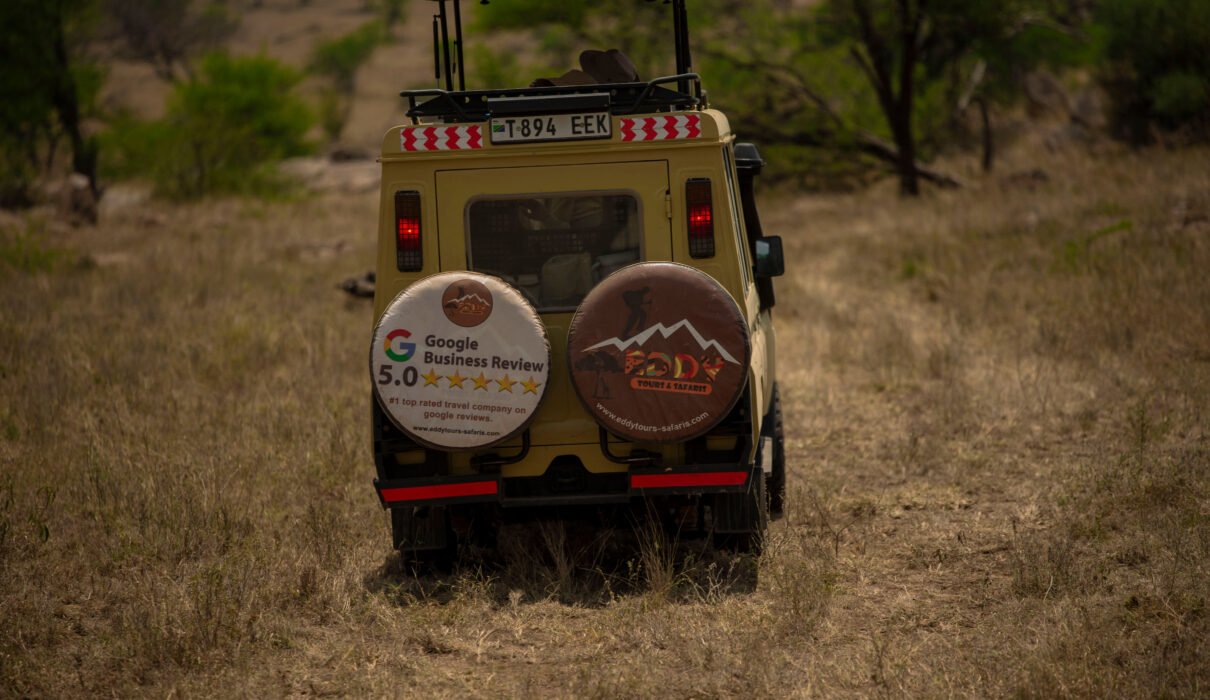
Tanzania has long been one of Africa’s favourite destinations for wildlife safaris, attracting travellers who want to see lions, elephants, giraffes, zebras, wildebeest and many other animals in their natural habitats. For years, many visitors believed that exploring famous destinations such as Serengeti National Park and Ngorongoro Crater required booking an expensive private safari. However, group-joining safaris have become an increasingly attractive alternative for people who want a proper wildlife experience while keeping their travel costs manageable.
As travellers plan their Tanzania holidays for 2027, 2028 and 2029, shared safaris are worth considering because they combine professional guiding, organised transport, accommodation and opportunities to meet people from different countries. Instead of paying for an entire safari vehicle and guide independently, travellers join others following the same itinerary and share some of the major operating costs. This arrangement is particularly useful for solo travellers, couples, students, friends and visitors combining a wildlife safari with other activities in Tanzania.
At Eddy Tours & Safaris, a locally based tour company in Arusha, travellers can explore different Tanzania group-joining safari options, including shorter wildlife trips and longer journeys through the northern safari circuit. Understanding how these tours operate, what to expect and their advantages will help you decide whether a shared safari is suitable for your next African holiday.
What Is a Group-Joining Safari in Tanzania?
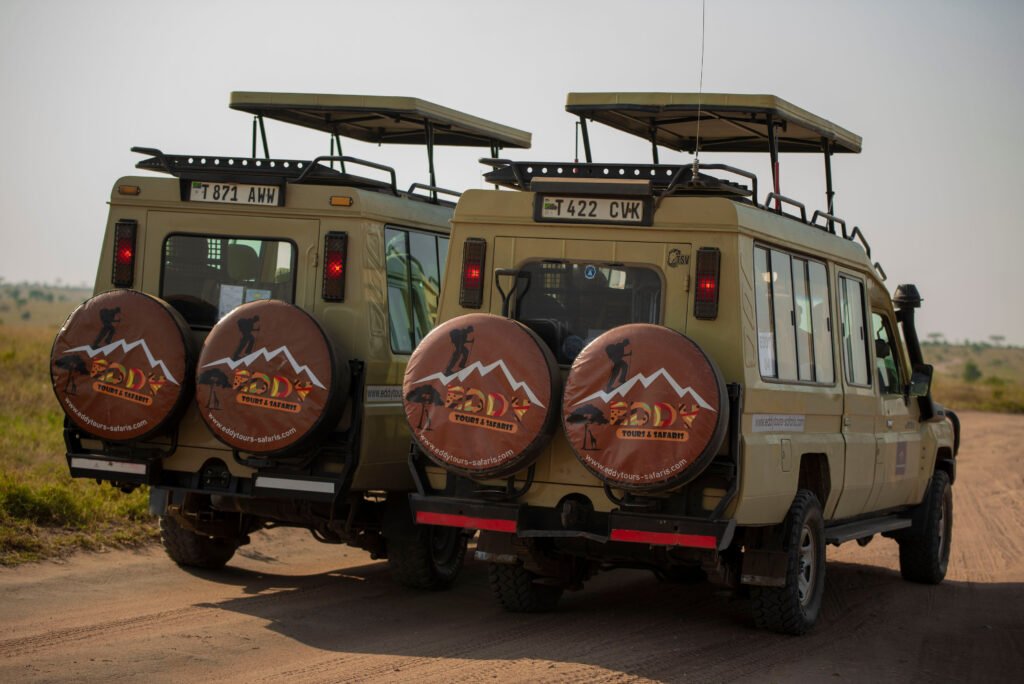
A group-joining safari, sometimes called a shared safari or joining safari, is a wildlife tour where individual travellers or small parties book places on the same organised departure. Everyone travels together in a safari vehicle, follows an agreed itinerary and shares the services of a professional driver-guide. Unlike a private safari, where one person or family has exclusive use of the vehicle, a joining safari brings together travellers who may not have met before arriving in Tanzania.
Most Tanzania group-joining safaris begin in Arusha, the main gateway to the northern safari circuit. Depending on the number of days available, travellers may visit Tarangire National Park, Lake Manyara National Park, Serengeti National Park and the Ngorongoro Conservation Area. Accommodation may include public campsites, tented camps or lodges, depending on the package selected and the arrangements confirmed by the tour operator.
For example, the 5-Day Tanzania Joining Group Safari offered by Eddy Tours & Safaris provides a structured opportunity to visit several northern Tanzania wildlife destinations while travelling with other guests. The exact departure dates, group size, accommodation arrangements and prices should always be confirmed before booking.
Why Are Group-Joining Safaris Becoming More Popular?
The growing appeal of group-joining safaris reflects the way many people now approach international travel. Travellers increasingly look for experiences that offer good value, opportunities to meet others and straightforward arrangements without sacrificing the main purpose of their holiday. A shared safari responds to these preferences by allowing visitors to explore Tanzania’s wildlife destinations without organising every part of the journey themselves.
Another important factor is the increasing interest in solo travel and shorter holidays. Someone travelling alone may find a private safari expensive because the vehicle, fuel and guide costs are not shared. Similarly, couples planning a safari alongside a Zanzibar beach holiday or Kilimanjaro climbing expedition may prefer to spend less on transport while still visiting their chosen national parks. Although published industry data would be needed to measure the exact growth of group safaris, their practical advantages help explain why they appeal to different types of travellers.
7 Powerful Reasons to Try a Tanzania Group-Joining Safari in 2027, 2028 or 2029
1. Group-Joining Safaris Make Tanzania Wildlife Tours More Affordable
One of the biggest advantages of a group-joining safari is the opportunity to reduce the cost of exploring Tanzania’s national parks. A safari involves several major expenses, including a specialised four-wheel-drive vehicle, fuel, a professional driver-guide, park entrance fees, accommodation and meals. On a private safari, vehicle and guide costs are normally covered by one booking, while on a joining safari these expenses are shared among several participants.
This arrangement can make a considerable difference for solo travellers and couples who would otherwise pay for an entire vehicle. The savings depend on the number of participants, travel season, accommodation standard and itinerary, so a shared safari is not automatically the cheapest option in every situation. However, it often provides better value for travellers who are comfortable following a common schedule and sharing transport.
Visitors looking for a practical starting point can explore the Shared 5-Day Tanzania Joining Safari Package, which covers Tarangire, Serengeti and Ngorongoro Crater. Before making a reservation, request a full quotation explaining the accommodation category, park fees, meals, transport, taxes and any additional charges.
2. You Get to Meet Travellers From Different Countries
A group-joining safari is more than a way to save money. It also creates opportunities to meet people from different backgrounds who share an interest in wildlife, nature and travel. A safari vehicle might bring together visitors from Europe, Asia, North America, Africa or other regions, each with different experiences and reasons for visiting Tanzania. During long drives between national parks, guests often exchange travel stories, discuss wildlife sightings and learn about each other’s cultures.
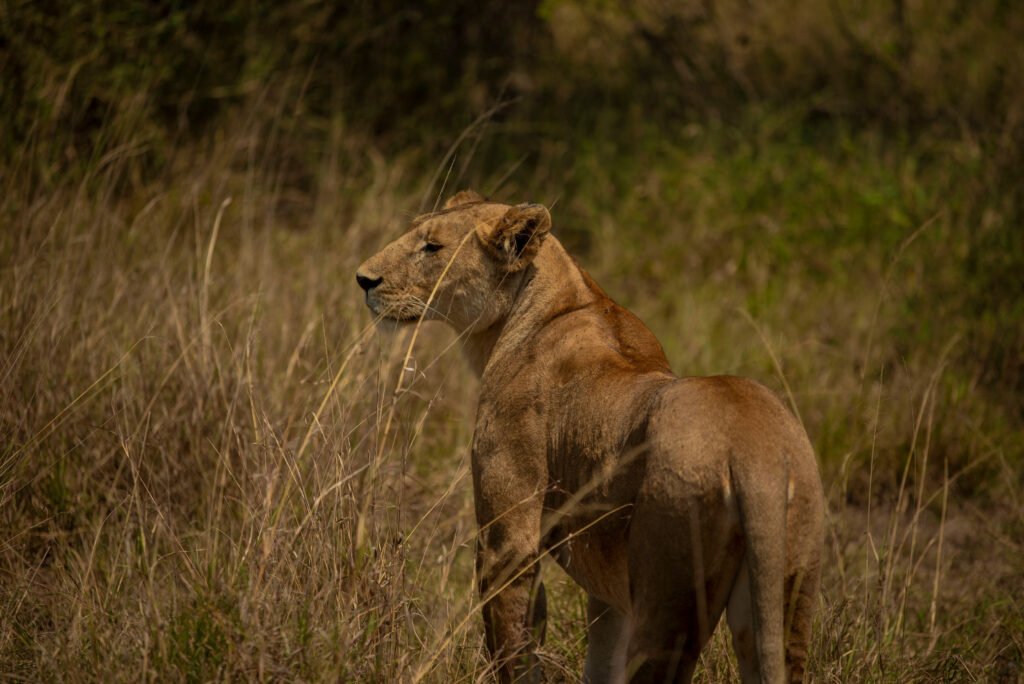
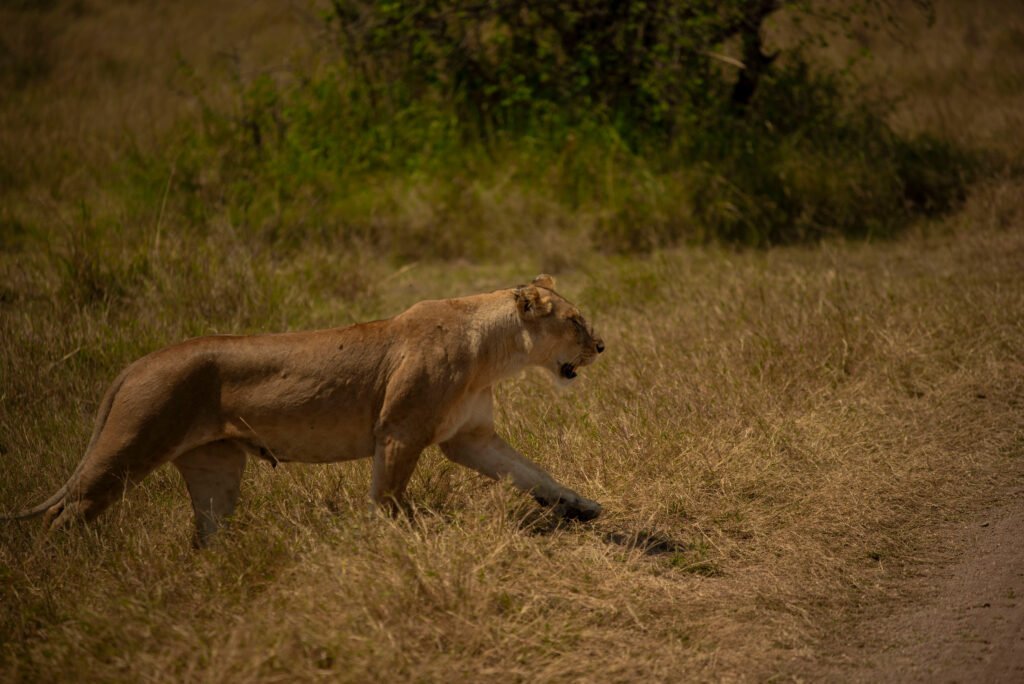
For solo travellers, this social environment can make the journey more enjoyable because there are other people to share meals, photographs and conversations with throughout the trip. Watching a pride of lions resting beneath a tree or seeing elephants crossing the road can become even more memorable when the experience is shared with fellow travellers. At the same time, joining a group does not mean everyone must socialise constantly; guests can still enjoy quiet moments while observing wildlife or relaxing at their accommodation.
A well-organised shared safari should also encourage respect among participants. Travellers need to consider one another’s interests, allow fair access to wildlife-viewing positions and follow the guide’s instructions. These small acts of cooperation help create a pleasant atmosphere for everyone.
3. You Can Explore Tanzania’s Famous National Parks Without Planning Everything Yourself
Planning a Tanzania safari independently requires careful coordination of transport, accommodation, park access, meals and travel times. Distances between wildlife destinations can be significant, and some roads become challenging during rainy periods. A group-joining safari simplifies these arrangements because the operator prepares the itinerary and organises the main services before the journey begins.
Tanzania’s northern safari circuit is particularly suitable for organised wildlife tours because several outstanding destinations can be combined within one itinerary. Tarangire National Park is known for its large elephant populations, baobab trees and seasonal wildlife concentrations. Serengeti National Park offers extensive plains, resident predators and the annual movement of wildebeest and zebras, while Ngorongoro Crater provides opportunities to observe wildlife within a remarkable volcanic landscape.
Travellers interested in a broader northern circuit journey can consider the 6-Day Tanzania Joining Group Safari, which includes Tarangire, Lake Manyara, Serengeti and Ngorongoro. For additional information about Tanzania’s protected wildlife areas and park regulations, the official Tanzania National Parks Authority website is a useful reference.
4. Professional Safari Guides Help You Understand Wildlife Behaviour
Seeing wild animals is exciting, but understanding their behaviour makes a safari far more interesting. A professional safari guide can explain why lions rest during the hottest hours, how elephants communicate, why giraffes browse on certain trees and how different species respond to predators. Guides also understand the local environment, seasonal changes and the practical considerations involved in travelling through protected areas.
On a group-joining safari, the cost of the guide is shared, but travellers still benefit from the guide’s knowledge throughout the journey. An experienced driver-guide can help identify birds, explain animal tracks and describe how different habitats support wildlife populations. This educational aspect is particularly valuable for first-time visitors who may recognise famous animals but know little about their natural behaviour.
Wildlife sightings are never guaranteed, and the guide cannot control where animals move. Nevertheless, good local knowledge, patience and responsible driving can make the experience more rewarding. When comparing Tanzania safari tours, ask about the guiding arrangements, vehicle capacity and how game drives are organised.
5. Group-Joining Safaris Are Excellent for Solo Travellers and Couples
Travelling alone to Tanzania does not mean you need to arrange an expensive private wildlife tour. Group-joining safaris allow solo visitors to reserve an individual place on an organised departure, making it possible to experience major national parks without finding travel companions beforehand. This can be particularly helpful for backpackers, students, independent travellers and people visiting Tanzania for a limited number of days.
Couples also benefit because they can share the safari vehicle with other guests while booking accommodation according to their preferences and the conditions of the package. Sharing transport does not necessarily mean sharing a bedroom or tent with a stranger, although single-room supplements or room-sharing arrangements may apply. These details should be discussed before confirming a booking.
For travellers with limited time, the 3-Day Tanzania Group Safari offers an example of a shorter itinerary covering Tarangire, Ngorongoro Crater and Lake Manyara. This type of trip can fit into a longer Tanzania holiday without requiring an entire week in the national parks.
6. A Shared Safari Can Fit Into a Kilimanjaro or Zanzibar Holiday
Many visitors travel to Tanzania for more than one experience. Some arrive to climb Mount Kilimanjaro, others want to relax on Zanzibar’s beaches, and many hope to combine several activities within one holiday. Group-joining safaris are useful in these situations because travellers can select a safari lasting a few days rather than committing to a longer private itinerary.
For example, someone completing a Kilimanjaro trek may choose to spend several days exploring Tarangire and Ngorongoro before returning home. Another traveller might join a five-day Serengeti safari and then fly to Zanzibar for a beach holiday. These combinations allow visitors to experience Tanzania’s different landscapes while managing their available time and travel budget.
Travellers planning a mountain expedition can also visit Kilimanjaro Climbing Specialist for information about climbing routes such as Machame, Marangu, Lemosho, Rongai and the Northern Circuit. Because mountain trekking is physically demanding, it is sensible to include enough rest and travel time between the climb and safari. Eddy Tours & Safaris can help visitors discuss suitable Tanzania safari packages that fit around their other travel plans.
7. Group Safaris Offer an Organised Way to Experience Tanzania for the First Time
For first-time visitors, arriving in a new country and organising transport between distant national parks can feel complicated. A group-joining safari provides a structured travel experience, with agreed departure times, planned accommodation and a guide responsible for the daily programme. This allows travellers to concentrate on wildlife viewing and enjoying the journey rather than constantly making logistical arrangements.
A shared safari also gives guests a clearer understanding of what each day involves. Travellers normally receive information about the route, driving times, accommodation, meals and game drives before departure. During the journey, the guide explains the schedule and makes reasonable adjustments when road conditions, weather or park requirements affect the programme.
This structure is especially helpful for visitors planning their first African wildlife holiday in 2027, 2028 or 2029. It does involve less personal flexibility than a private safari, but many travellers appreciate having the main arrangements organised in advance. The key is choosing a reputable local operator that communicates clearly and provides written confirmation of the services included.
What Is It Actually Like to Travel on a Tanzania Group-Joining Safari?
A typical group-joining safari begins with an early morning meeting in Arusha or a collection from an agreed hotel. Travellers meet their driver-guide and fellow participants, load their luggage into the safari vehicle and receive a short briefing about the day’s route. Depending on the itinerary, the first destination may be Tarangire National Park, Lake Manyara or another wildlife area. The journey includes road travel, scheduled stops and time for game viewing once the group enters the park.
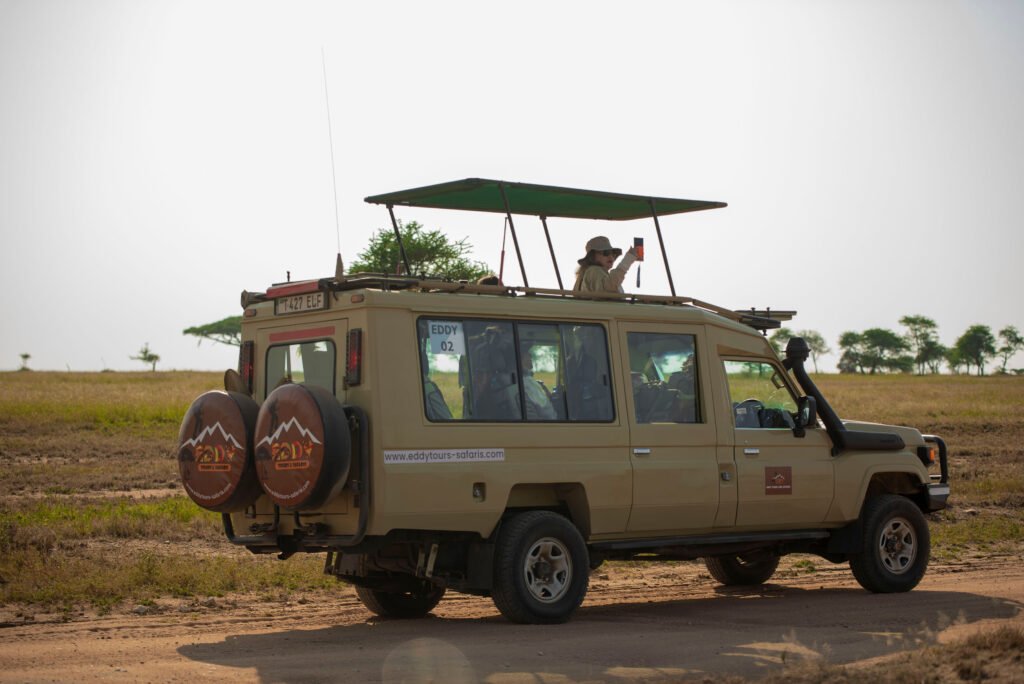
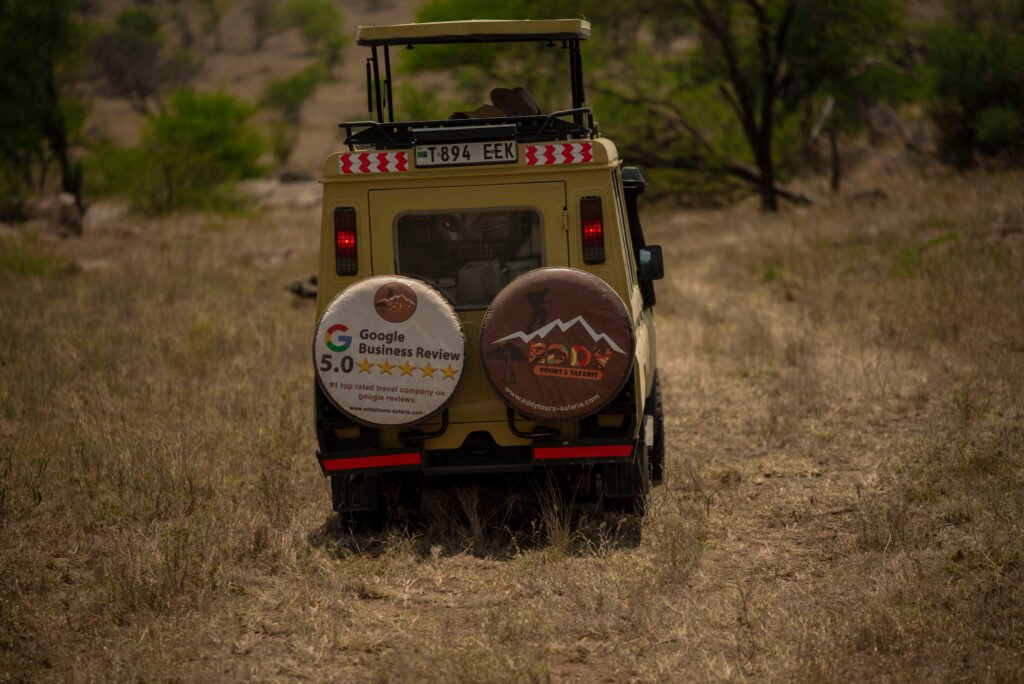
During a game drive, guests usually sit inside a four-wheel-drive safari vehicle with a pop-up roof that allows better wildlife observation and photography. The guide drives along permitted tracks, looking for animals and explaining interesting features of the landscape. Some sightings happen quickly, while others require patience. It is common to spend time watching elephants feed, giraffes move between trees or predators resting in the shade before continuing to another part of the park.
Lunch arrangements depend on the package and daily programme. Some groups carry packed lunches and stop at designated picnic areas, while others eat at their accommodation. After the afternoon game drive, travellers proceed to their campsite, tented camp or lodge for dinner and overnight rest. Early starts are common because mornings often provide comfortable temperatures and rewarding wildlife-viewing opportunities.
A group safari also requires cooperation. Travellers share the same departure schedule, vehicle space and game-drive priorities, which means not every personal preference can be accommodated. Someone interested in photographing birds may need to balance their interests with another guest hoping to see lions. A considerate guide manages these situations while ensuring the group follows park regulations and maintains a comfortable experience.
Group-Joining Safari vs Private Safari: Which Is Better?
Both group-joining and private safaris can provide excellent wildlife experiences, but they suit different travel preferences. A joining safari generally costs less for solo travellers and couples because the vehicle and guide expenses are shared. It also offers a social atmosphere and a planned itinerary, making it attractive to visitors who enjoy meeting others and following an organised schedule.
A private safari provides greater flexibility because the vehicle is reserved for one booking. Travellers can often discuss departure times, photography interests, accommodation preferences and the pace of the journey with their guide. Families with young children, serious wildlife photographers and visitors with specific travel requirements may prefer this arrangement, although the cost can be higher.
Neither option is automatically better. The right choice depends on your budget, group size, expectations and preferred travel style. If you are unsure, contact Eddy Tours & Safaris and request a comparison between available joining departures and a private safari quotation.
Best Time for a Group-Joining Safari in Tanzania: 2027, 2028 and 2029
Tanzania offers wildlife-viewing opportunities throughout the year, although the experience changes with the seasons. From June to October, much of the northern safari circuit experiences relatively dry conditions, and wildlife often gathers near dependable water sources. This period is popular among international travellers, so accommodation and group departure places may be in greater demand.
January and February are also attractive months, particularly for travellers interested in the wildebeest calving season around the southern Serengeti and Ndutu area. March to May generally brings wetter conditions, greener landscapes and fewer visitors in some areas, although heavy rain can affect road access and travel schedules. November and December often bring shorter rains, with fresh vegetation and changing wildlife movements.
The Great Migration is a continuous natural movement influenced by rainfall and grazing conditions, so travellers should not expect the herds to remain in one location throughout the year. Visitors can learn more about the Serengeti ecosystem through the UNESCO World Heritage Centre, which provides background information about the park’s ecological importance.
For 2027, 2028 and 2029 departures, ask your tour operator to confirm the most suitable itinerary for your preferred month rather than relying on a fixed migration prediction.
How Much Does a Tanzania Group-Joining Safari Cost?
The price of a group-joining safari depends on the number of days, destinations visited, accommodation category, travel season and services included. A short safari covering Tarangire and Ngorongoro will usually have a different cost structure from a five- or six-day journey that includes several nights in Serengeti National Park. Camping-based tours can also differ considerably from lodge or tented-camp arrangements.
When comparing quotations, it is important to understand whether the price includes national park fees, Ngorongoro conservation charges, accommodation, meals, drinking water, airport transfers and applicable taxes. Some operators advertise a low starting price that does not cover every service, so travellers should request a complete breakdown before making payment.
Prices for 2027, 2028 and 2029 should be confirmed directly because park fees, accommodation rates, fuel costs and other operating expenses may change. Travellers can review the 5-Day Tanzania Group-Joining Safari and contact Eddy Tours & Safaris for a quotation based on their intended dates and preferred accommodation.
Important Things to Know Before Booking a Group-Joining Safari
Before reserving a shared safari, confirm whether your departure date is guaranteed or still depends on additional participants. Ask how many travellers will be in the vehicle, whether everyone has suitable wildlife-viewing access and what luggage restrictions apply. It is also important to understand the accommodation arrangements, particularly if you are travelling alone and prefer a private room.
Travellers should review the cancellation policy, payment terms and services excluded from the package. International flights, visas, travel insurance, tips, alcoholic drinks and optional activities may not be included. A reliable tour operator should provide clear information about these matters and explain any changes before the safari begins.
Visitors should also respect Tanzania’s wildlife regulations. Remaining inside the safari vehicle when required, avoiding loud behaviour around animals and following the guide’s instructions are essential for safety and conservation. Responsible tourism helps protect wildlife habitats while supporting the long-term future of Tanzania’s national parks.
Frequently Asked Questions About Tanzania Group-Joining Safaris
Is a Tanzania group-joining safari suitable for beginners?
Yes. Group-joining safaris are suitable for many first-time visitors because the itinerary, transport, guiding and accommodation are organised in advance. Travellers should still review the driving distances, accommodation standards and daily schedule before booking.
Can I join a Tanzania safari alone?
Yes. Solo travellers can request places on available shared departures. However, departure availability, single-room charges and accommodation-sharing arrangements should be confirmed before making payment.
How many people travel in a group-joining safari vehicle?
The number varies according to the vehicle, operator and confirmed group arrangements. Ask about the maximum group size and seating arrangements to ensure comfortable wildlife viewing.
Are group-joining safaris available in 2027, 2028 and 2029?
Travellers can request group-joining safaris for these years, but individual departures, prices and accommodation availability must be confirmed with the tour operator. Not every proposed date is automatically guaranteed.
Can I see the Big Five on a group-joining safari?
Tanzania’s northern wildlife destinations provide opportunities to see lions, elephants, buffaloes, leopards and black rhinos. However, sightings depend on animal movements, weather and luck, and no operator can guarantee all five species.
Can I combine a group safari with Kilimanjaro climbing?
Yes. Many visitors combine a safari with a Kilimanjaro expedition. You can explore mountain route information through Kilimanjaro Climbing Specialist and arrange a suitable safari before or after your trek, allowing enough time for rest and transfers.
Book Your Tanzania Group-Joining Safari for 2027, 2028 or 2029
A Tanzania group-joining safari is a practical option for travellers who want to experience famous wildlife destinations, share the journey with other visitors and manage their travel expenses. Whether you are planning a short visit to Tarangire and Ngorongoro or a longer adventure through Serengeti National Park, choosing a well-organised shared safari can provide an enjoyable balance between affordability, professional guiding and wildlife exploration.
At Eddy Tours & Safaris, we help travellers plan group-joining and private safaris from Arusha, Tanzania. Our team can discuss available departures, accommodation options, suitable itineraries and the arrangements needed for your preferred travel dates. Whether you are travelling alone, with a partner or with friends, we can help you identify a safari that matches your interests and budget.
Start planning your Tanzania safari:
- Website: Eddy Tours & Safaris
- Group safari options: Tanzania Safari Tours and Joining Groups
- Contact: Request Your Tanzania Safari Quote
- Email: sales@eddytours-safaris.com
- WhatsApp: +255 711 906 664
Travel together, explore Tanzania’s wildlife and make your 2027, 2028 or 2029 safari a journey worth sharing.