
Serengeti National Park is widely recognized as one of the most extraordinary wildlife destinations on Earth. Located in northern Tanzania, this vast ecosystem supports one of the planet’s greatest natural spectacles—the Great Migration. Every year, millions of wildebeest, zebras, and gazelles move across the endless plains in search of fresh grazing, creating a dramatic cycle of survival that attracts travelers, photographers, and conservationists from around the globe. Planning a safari here for 2026, 2027, or 2028 offers a chance to witness nature in its raw and unforgettable form.
The landscape stretches across nearly 15,000 square kilometers of protected savannah, woodlands, and river systems. Beyond the migration, visitors encounter lions resting in the tall grass, elephants moving quietly through acacia forests, and cheetahs sprinting across open plains. The beauty and ecological importance of this ecosystem have made Serengeti National Park one of the most studied wildlife regions in the world, with ongoing research supported by organizations like World Wildlife Fund, National Geographic Society, and Conservation International.
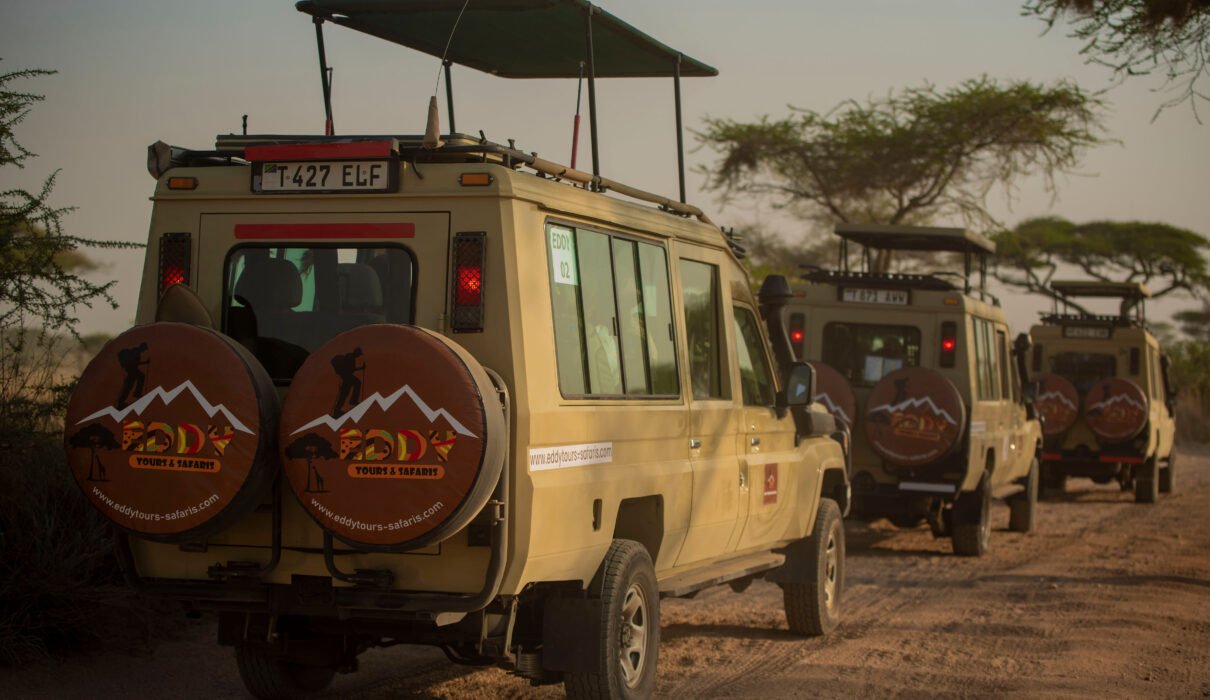
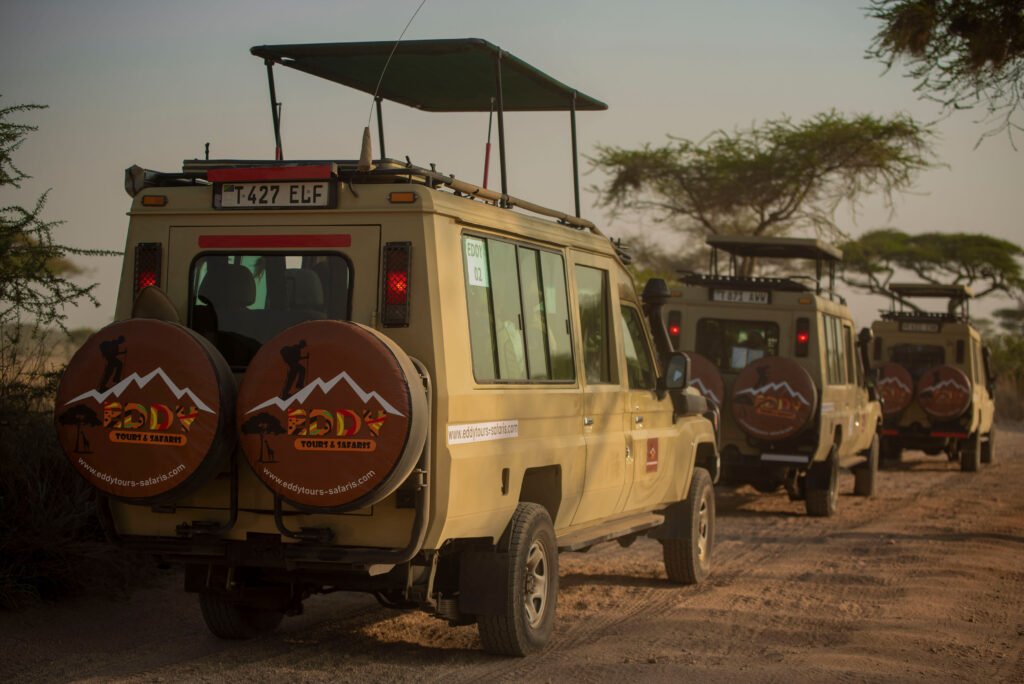
For travelers looking for authentic safari experiences, carefully planned itineraries and professional guides make a huge difference. Many visitors combine their wildlife adventure with Tanzania’s other highlights by exploring curated safaris such as those offered at Eddy Tours & Safaris, where local expertise helps transform a simple trip into a meaningful exploration of Africa’s wilderness.
The Global Importance of Serengeti National Park
Serengeti National Park is more than just a safari destination; it is a globally significant ecosystem recognized by UNESCO as a World Heritage Site. The region protects one of the largest intact wildlife habitats remaining on the planet. Scientists from institutions such as Smithsonian Institution, Nature Research, and Encyclopaedia Britannica – Ecology have long studied its ecological dynamics.
The Serengeti ecosystem extends beyond park borders into neighboring conservation areas and Kenya’s Maasai Mara. This connectivity allows wildlife to migrate naturally across vast landscapes, maintaining healthy populations of predators and herbivores. Conservation organizations including African Wildlife Foundation, Wildlife Conservation Society, and International Union for Conservation of Nature actively support research and conservation initiatives in the region.
Because of these efforts, Serengeti National Park continues to serve as a living laboratory for ecological studies. Research on migration patterns, predator-prey relationships, and climate impacts contributes valuable knowledge to global wildlife conservation strategies.
Serengeti National Park and the Great Migration
The most famous event associated with Serengeti National Park is undoubtedly the Great Migration. Each year, more than 1.5 million wildebeest, accompanied by hundreds of thousands of zebras and gazelles, move in a circular pattern through the Serengeti ecosystem. Their journey is driven by rainfall patterns and the search for nutrient-rich grass.
This natural phenomenon has fascinated researchers and conservationists for decades. Organizations such as Panthera, Fauna & Flora International, and Save the Rhino International study predator populations and ecosystem health in relation to the migration.
The most dramatic moments occur during river crossings, particularly along the Mara and Grumeti Rivers. Crocodiles lurk beneath the surface while predators wait along the banks, creating intense scenes of survival that photographers dream of capturing.
Many safari travelers arrange specialized migration tours through trusted operators such as Serengeti safari experiences, which are designed to follow wildlife movement throughout the year.
Wildlife Diversity in Serengeti National Park
Although the migration draws most visitors, Serengeti National Park is home to an incredible diversity of species throughout the year. The park supports more than 70 large mammal species and over 500 bird species, making it one of Africa’s richest ecosystems.
Predators are particularly abundant. Lions dominate the plains in large prides, while leopards hide in riverine forests and cheetahs patrol open grasslands. Conservation research led by institutions like University of Oxford, University of Cambridge, and Princeton University has documented the complex predator hierarchies that shape life across the Serengeti.
Bird enthusiasts also find remarkable diversity here, including secretary birds, martial eagles, and colorful lilac-breasted rollers. Bird conservation initiatives supported by BirdLife International and National Audubon Society help protect critical habitats across East Africa.
Travelers interested in combining wildlife exploration with mountain adventures often explore Tanzania further through trekking resources such as Kilimanjaro Climb Specialist, which provides detailed information on climbing Africa’s highest peak.
Best Time to Visit Serengeti National Park (2026–2028)
One of the most common questions travelers ask is when to visit Serengeti National Park. While the park offers spectacular wildlife viewing year-round, certain seasons highlight different aspects of the migration.
From December to March, the southern plains host the calving season, when thousands of newborn wildebeest appear daily. This attracts predators and creates thrilling wildlife interactions. Research groups like JSTOR and Google Scholar have published numerous ecological studies on this intense seasonal cycle.
Between June and September, the northern Serengeti becomes the center of attention as animals prepare to cross the Mara River. These months are particularly popular among photographers and documentary filmmakers.
Planning your journey with experienced guides improves the chances of witnessing these moments. Travelers often consult Serengeti travel guides for updated migration tracking and safari planning tips.
Conservation Efforts Protecting Serengeti National Park
Protecting Serengeti National Park requires continuous conservation efforts and international collaboration. Wildlife populations face threats such as habitat loss, poaching, and climate change. Several organizations work tirelessly to safeguard the region’s biodiversity.
Groups like International Fund for Animal Welfare, Rainforest Trust, TRAFFIC Wildlife Trade Monitoring, and Global Wildlife Conservation contribute to anti-poaching programs and habitat protection initiatives.
Academic institutions including Harvard University, Stanford University, and Yale University also collaborate on conservation research and environmental monitoring.
These efforts ensure that Serengeti National Park remains one of the world’s most remarkable wildlife refuges for future generations.
Planning Your Safari to Serengeti National Park
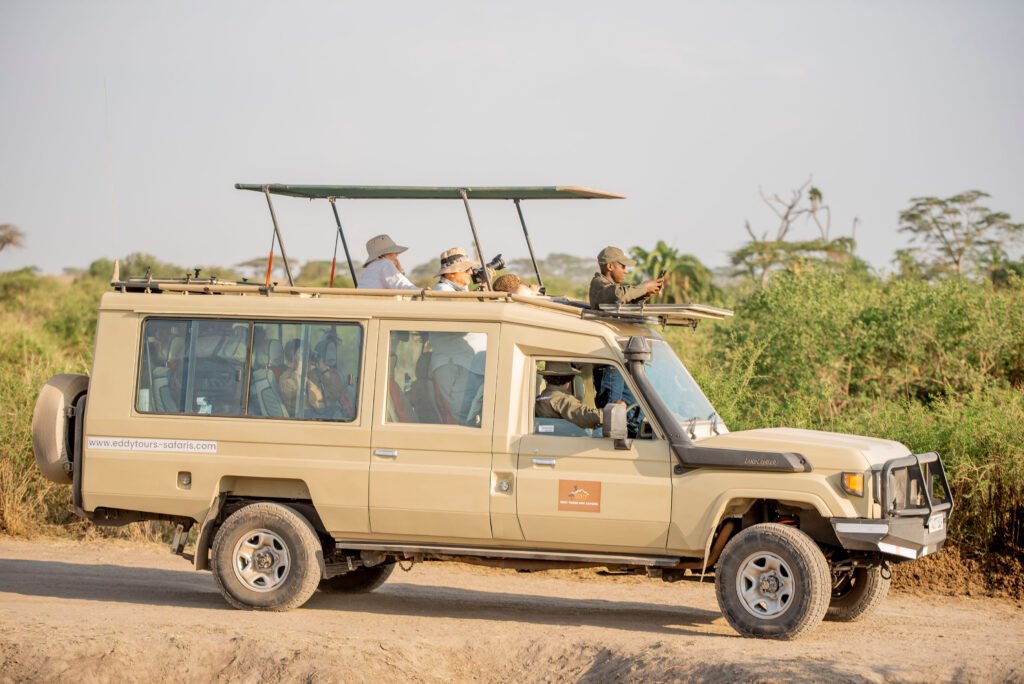
Organizing a safari to Serengeti National Park involves careful planning to maximize wildlife encounters while ensuring a comfortable travel experience. Choosing knowledgeable guides, reliable vehicles, and well-located camps significantly enhances the journey.
Many visitors begin their safari planning by exploring itinerary options through trusted local operators such as Tanzania safari tours or reading destination insights at African safari travel resources. These platforms help travelers understand seasonal wildlife movements, accommodation options, and park logistics.
Beyond logistics, the true magic of Serengeti National Park lies in the emotional connection travelers feel when witnessing wildlife in its natural environment. The golden light of sunrise across the plains, the distant roar of lions at night, and the endless horizon of grasslands create memories that remain long after the safari ends.
Why Serengeti National Park Should Be on Your Travel List
Few places on Earth capture the imagination quite like Serengeti National Park. Its sweeping landscapes, remarkable wildlife diversity, and world-famous migration combine to form one of the most unforgettable travel experiences available today.
Whether you visit in 2026, 2027, or 2028, the park offers something extraordinary—moments of quiet observation, dramatic wildlife encounters, and the deep satisfaction of witnessing one of nature’s greatest ecosystems thriving in its natural rhythm. For anyone passionate about wildlife, conservation, or adventure travel, this destination remains truly unmatched.